

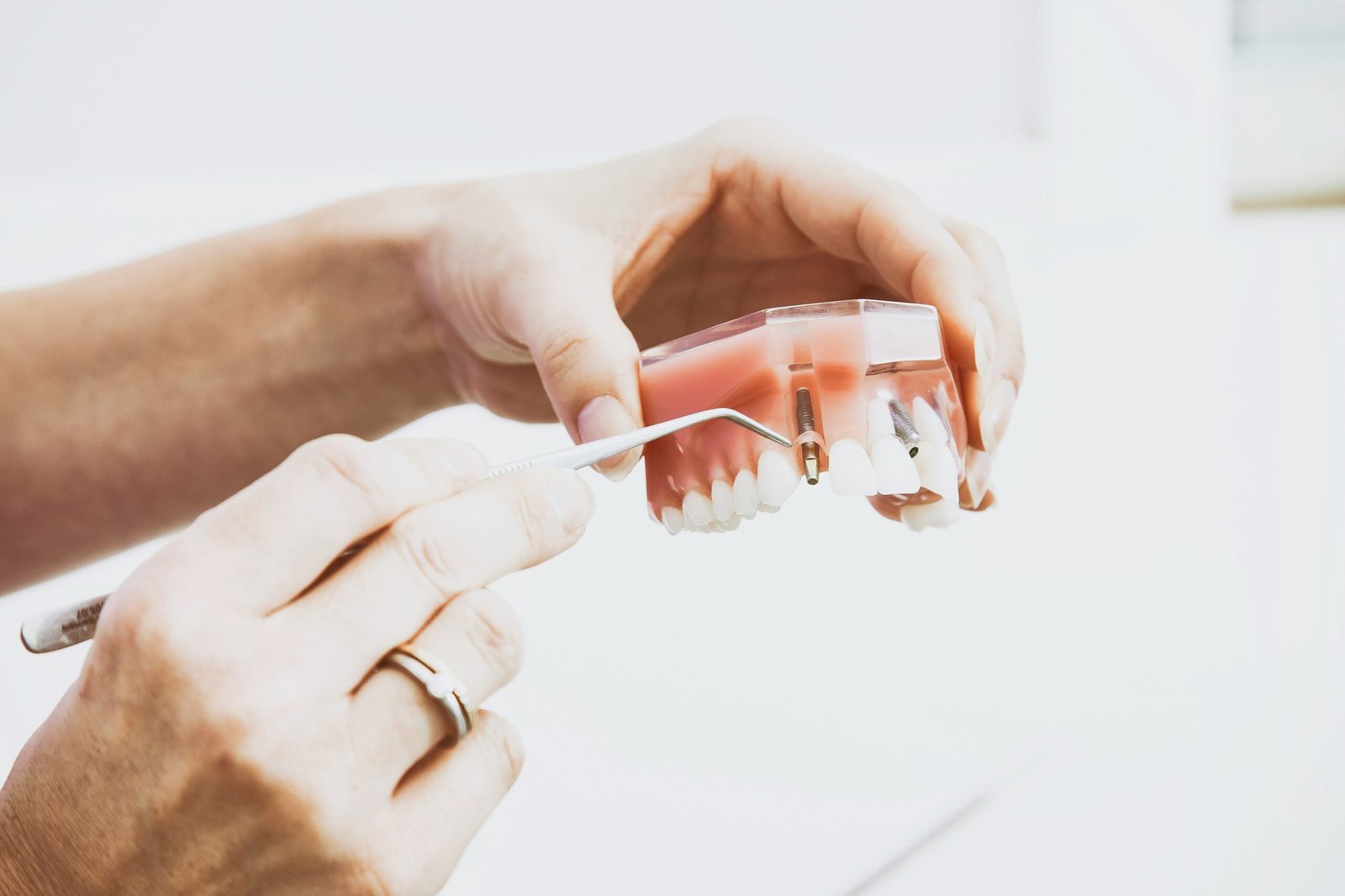
Photo by Peter Kasprzyk on Unsplash
When it comes to maintaining a healthy and confident smile, understanding the options available for a dental restoration can feel overwhelming. Choosing the right dental restoration for your specific needs does not have to be a complicated task when you break down the choices available. Each restorative option brings unique benefits to oral health, bite function, and tooth aesthetics. Whether you are dealing with a minor cavity or a missing tooth, finding a solution that fits your lifestyle is essential for long-term comfort and wellness. Navigating the modern dental landscape requires looking at how different materials, timelines, and procedures work together to protect your natural bite.
Understanding Your Options: Fillings, Crowns, and Implants
The primary types of dental restorations include fillings, crowns, and implants, each serving a distinct purpose in tooth repair and replacement. Fillings repair minor decay or damage by sealing the cavity, while crowns cover and protect an entire compromised tooth structure. Dental implants provide a permanent structural replacement by anchoring an artificial tooth root directly into the jawbone. Knowing these foundational categories helps you connect professional dental terminology to your personal dental situation so you can evaluate treatment recommendations with confidence and communicate more effectively with your dentist.
Where Is the Damage? Location and Extent
The specific type of dental restoration you need depends heavily on where the tooth is located and how extensive the damage is. Front teeth require materials that blend seamlessly with your natural smile, while back teeth must withstand heavy biting forces during chewing. If decay or injury is small, a simple direct filling is usually sufficient to restore normal function. More severe structural damage, large fractures, or a root canal-treated tooth often require a custom crown to prevent future breaking under daily pressure. Understanding how location dictates strength helps clarify why a dentist might recommend one specific approach over another for adjacent teeth.
Balancing Aesthetics and Strength: Material Choices
Modern material choices for a dental restoration trade off between natural appearance and mechanical strength. Composite resins offer great color-matching for visible teeth, while durable ceramics and porcelain provide lifelike translucency for front restorations. For heavy-duty chewing areas in the back of the mouth, zirconia and metal alloys provide superior strength and long-term resistance to wear. Patients interested in broader smile enhancements can also explore related options like choosing a cosmetic dental treatment plan to align restorative choices with overall aesthetic goals and long-term oral health strategies. Selecting the correct material ensures that your restoration handles daily friction without compromising the visual harmony of your natural teeth.
Longevity, Maintenance, and Cost Over Time
Evaluating a dental restoration requires looking past the initial price tag to understand long-term durability and maintenance requirements. Direct fillings are generally the most affordable option upfront, but they may need replacement or repair after several years of wear. Dental crowns and implants involve a higher initial investment, yet they offer decades of durability with proper oral hygiene and regular dental checkups. Investing in a more robust restorative solution can often save you money and prevent complications down the road by protecting the underlying root and surrounding bone structure. Proper daily brushing, flossing, and professional cleanings remain critical for extending the lifespan of any material you choose.
What to Expect: Time and Procedure Steps
The practical commitment of time varies significantly depending on the complexity of the chosen dental restoration procedure. Direct fillings are typically completed in a single dental visit, allowing you to return to normal activities immediately. Crowns often require two distinct appointments—one to prepare the tooth and take impressions or digital scans, and a second visit to cement the permanent crown securely in place. Dental implants involve a multi-stage surgical process that spans several months to allow adequate healing and bone integration before the final prosthetic crown is attached. Knowing these scheduling requirements helps you plan your appointments around work and family commitments.
Frequently Asked Questions
What is the most durable type of dental restoration?
Dental implants combined with porcelain or zirconia crowns generally offer the highest level of durability and can last a lifetime with proper care and maintenance.
Are dental restoration procedures painful?
Dentists use local anesthetics to numb the treatment area completely, ensuring that procedures like fillings and crown preparations are virtually painless.
How long do standard dental fillings last?
Composite fillings typically last between 5 to 10 years, depending on your oral hygiene habits and the amount of chewing pressure the tooth experiences.
Can any tooth receive a filling instead of a crown?
No, teeth with extensive structural loss or deep cracks cannot support a filling safely and require a full coverage crown to protect them from fracturing.
Does insurance usually cover dental restorations?
Most dental insurance plans cover a significant portion of medically necessary restorations like fillings and crowns, while implants may have more restricted policy coverage.
How should I care for my new dental restoration?
Maintain your restoration by brushing twice daily, flossing regularly, and visiting your dentist for routine professional exams and cleanings.
What factors influence the total recovery timeline?
Recovery time depends entirely on the type of procedure, ranging from zero downtime for standard fillings to several months of bone healing for dental implants.
Disclaimer: This article is for informational purposes only and should not replace professional dental advice. Details regarding dental procedures, materials, and costs can vary, so always consult a qualified dental professional for personalized recommendations.


[…] your equipment choices and evaluate new technologies, you may also want to explore our guide on selecting proper replacement parts and restorations to complement your new digital […]