

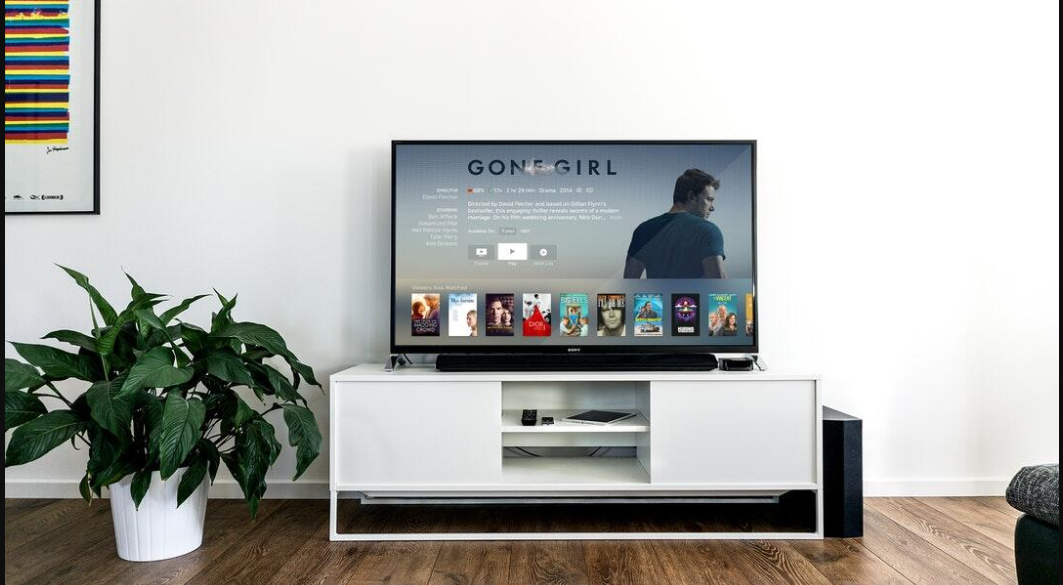
Finding a reliable media console without spending a fortune requires balancing visual appeal, physical dimensions, and practical construction. Selecting inexpensive TV stands that fit your layout and budget is straightforward when you know exactly what factors matter most before making a purchase. A television is usually the focal point of a living space, which means the right support piece needs to anchor the room rather than look out of place.
Budget-friendly furniture has evolved significantly to accommodate modern living needs, ranging from minimalist flat panels to heavy-duty gaming displays. Consumers no longer have to settle for flimsy construction just to save money, provided they understand how to evaluate weight limits, material durability, and storage utility. Prioritizing these details upfront prevents frustrating return processes and ensures your home entertainment setup remains safe and organized for years.
Determine Your Space and Size Requirements First
Accurately measuring both your available floor area and your television screen dimensions prevents purchasing a stand that either overwhelms the room or fails to support your display safely.
A television stand that is too large can easily cramp a small room and restrict natural walking paths, while an undersized console leaves your screen dangerously close to the edges. Begin by measuring the exact width of your television base or legs, making sure the stand surface provides a few extra inches of clearance on both sides. Next, map out the floor space with painter’s tape to visualize how far the console will project into your living area.
Understanding these physical dimensions helps you maintain a balanced layout that highlights your entertainment center without crowding other furniture. This preparation is especially important if you are upgrading your home setup or working alongside related investments like modular workspace options for business operations in adjacent open-concept studio apartments or multi-use rooms.
Weighing Materials and Durability on a Budget
Budget media consoles are constructed from a variety of materials, and comparing particleboard, manufactured wood, metal, and glass helps you choose the right balance of cost and longevity.
Solid wood stands offer maximum durability and a timeless look, but they usually sit at a higher price point. Inexpensive TV stands typically rely on high-grade particleboard or medium-density fiberboard coated with durable laminate veneers that mimic the appearance of oak, walnut, or rustic pine at a fraction of the cost. Metal frames combined with engineered wood panels provide a sleek, modern industrial aesthetic that handles daily wear very well.
Glass elements add a clean, open feel to compact rooms, but shoppers should verify that the glass panels are tempered for safety against accidental impacts. Evaluating your household priorities—such as whether you have active pets or children—will guide you toward a material that survives everyday use while keeping costs low.
Storage, Cable Management, and Modern Electronics
A functional budget console must accommodate more than just a screen by organizing gaming consoles, streaming boxes, soundbars, and peripheral cords.
Many affordable TV stands feature a mix of open shelving and enclosed cabinets to keep clutter out of sight while ensuring proper ventilation for heat-generating electronics. Soundbar placement is another modern consideration, as many contemporary flat-screens require dedicated low-profile shelves positioned directly beneath the display. Look for pre-drilled cable routing holes in the back panels that keep cords neat, prevent tangling, and maintain a clean appearance.
Effective storage transforms a simple support ledge into a complete entertainment hub that grows alongside your media collection. Keeping wires organized also makes it much easier to dust behind your equipment without disconnecting your entire home theater system.
Safety First: Checking Weight Capacities and Stability
Verifying the maximum weight capacity of any budget media stand is essential for protecting your valuable electronics and maintaining household safety.
Television sizes continue to grow while weight profiles vary widely between older LCD screens and modern ultra-thin LED panels. Never assume an inexpensive console can support heavy equipment just because it looks sturdy from the outside. Always check the manufacturer’s specified weight limit for both the top surface and any interior shelving units.
Spreading heavy audio equipment evenly across lower shelves also lowers the overall center of gravity, preventing accidental tipping hazards. Taking this extra safety step safeguards your living space and extends the functional lifespan of your furniture.
Smart Ways to Save: Where to Find Real Value Without Low Quality
Navigating online retailers, seasonal clearance events, and direct-to-consumer furniture brands helps you secure a durable TV stand without overspending.
Affordable furniture does not automatically mean poor construction if you read verified customer reviews that detail assembly experiences and long-term stability. Shopping during major holiday weekend sales or checking certified secondhand online marketplaces often yields high-end media consoles at budget prices. Many direct-to-consumer brands also offer flat-pack designs that reduce shipping costs, passing those savings directly to the buyer.
Comparing warranty offerings and return policies before completing a purchase provides extra peace of mind when buying sight-unseen furniture online. A little patient research ensures your next entertainment console delivers lasting utility and style.
Frequently Asked Questions
How much should I expect to spend on an inexpensive TV stand?
Budget TV stands typically range from fifty to two hundred dollars depending on the materials used and overall size. Basic particleboard models sit at the lower end, while larger metal-and-wood hybrid units rest at the higher end of that price spectrum.
How do I know what size TV stand to buy for my television?
Your TV stand should ideally be at least as wide as your television base and ideally wider by a few inches on each side to create a balanced look. Always check the width measurement rather than just the screen diagonal size.
Are particleboard TV stands durable enough for daily use?
Yes, modern high-density particleboard covered with quality laminate finishes is quite sturdy for typical media equipment. As long as you do not exceed the stated weight limits, these stands hold up well over years of normal use.
How can I hide messy cords behind an inexpensive TV stand?
Look for media consoles that feature dedicated cable management cutouts, grommets, or open back panels. You can also use inexpensive velcro ties and cord clips to bundle wires neatly along the inside legs of the stand.
Should I choose an open shelf or closed cabinet TV stand?
Open shelving works well for easy remote control sensor access and device ventilation, while closed cabinets hide clutter and dust. Many budget models offer a practical hybrid design featuring both open compartments and doors.
Do budget TV stands come assembled or require DIY setup?
Most inexpensive TV stands arrive flat-packed and require home assembly using basic tools like a screwdriver. Following the manufacturer’s instructions carefully ensures proper structural integrity.
Disclaimer: Furniture pricing, material availability, and retailer promotions change frequently over time. Readers should always verify final product dimensions, weight limits, and specifications directly from the retailer or manufacturer before purchasing.

