

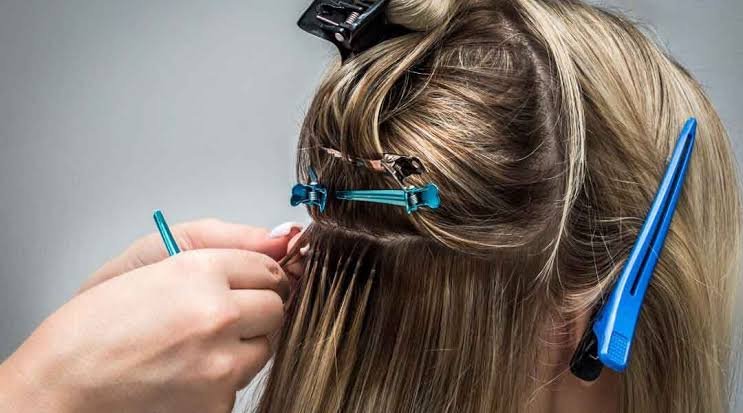
Hair extensions have evolved far beyond basic clip-in pieces, offering sophisticated ways to add volume, length, and texture without altering your natural hair permanently. Choosing the right set requires balancing your daily lifestyle, hair density, and preferred maintenance routine to achieve a look that feels completely effortless.
Choosing the Right Attachment Style for Your Daily Schedule
Selecting an application method depends entirely on whether you want a temporary weekend change or a semi-permanent solution that blends seamlessly into your everyday routine.
Traditional clip-in pieces offer the easiest temporary route for weekend wear or special occasions, snapping securely into place without professional installation. For semi-permanent options, seamless tape-in extensions utilize ultra-thin medical-grade adhesive strips that lie completely flat against the scalp, making them virtually undetectable under fine hair. Meanwhile, newer innovations like genius wefts combine the durability of hand-tied wefts with the ability to cut the track without shedding, providing a comfortable, lightweight feel for medium-to-thick hair types. Fusion bonds and sew-in weaves provide long-lasting security, though they require strict adherence to professional repositioning schedules every six to eight weeks to prevent traction alopecia and maintain healthy hair growth.
Balancing Cost and Styling Freedom With Material Choices
Deciding between synthetic fibers and genuine human hair involves weighing your budget against your desire to use heat tools and custom hair colors.
Synthetic extensions provide an affordable, pre-styled option that holds its shape well in humid conditions, but they lack heat tolerance and will melt or frizz permanently when exposed to curling irons or straighteners. Furthermore, synthetic fibers cannot be dyed or toned to match shifting hair colors. In contrast, 100% remy human hair extensions cost more upfront but deliver authentic movement, natural shine, and complete styling freedom. Because they consist of real cuticle-aligned hair, human hair extensions can be washed, blow-dried, custom-colored, and curled just like your own natural locks, making them a durable, long-lasting investment for daily wear.
Protecting Fragile Strands Through Proper Weight Distribution
Matching the weight and attachment style of your hair extensions to your natural hair density is essential for avoiding breakage and protecting your scalp.
Fine or thinning hair demands lightweight application methods, such as mini tape-ins or sparse clip-in weights, to prevent the attachments from pulling on fragile follicles or showing through the top layer. Thick or coarse hair textures easily support heavier weight loads, allowing for robust sew-in tracks or dense keratin bonds that blend seamlessly into voluminous manes. If you have naturally curly or coily hair, sourcing extensions with an identical wave and curl pattern ensures a cohesive finish without forcing you to rely on excessive daily heat styling to bridge the texture gap.
Mastering Multi-Tonal Blending for an Undetectable Finish
Creating an invisible blend requires looking past a single flat color swatch to match the multi-tonal highlights, lowlights, and root depth found in natural hair.
High-end hair extension brands typically offer multi-tonal or piano-blend shades that weave two or three complementary colors together to mimic natural dimension. If your hair features a complex salon balayage or root-shadowed effect, selecting a rooted extension or taking your extensions to a licensed colorist for custom toning ensures they melt into your haircut without harsh lines of demarcation. When deciding between two close color matches, many stylists recommend choosing a shade slightly lighter than your natural ends, as lighter tones are much easier to blend or customize with temporary deposit-only glosses.
Establishing a Sustainable Maintenance and Sleeping Routine
Protecting your investment requires adopting dedicated washing, brushing, and nighttime routines that preserve the moisture balance of both your extensions and your natural hair.
Always wash your hair with sulfate-free and alcohol-free cleansers that will not strip moisture or degrade adhesive bonds. Detangle your hair daily by starting gently at the ends and working your way toward the scalp using a specialized loop brush or wide-tooth comb designed specifically for extensions. Before going to sleep, secure your hair in a loose braid or wrap it inside a silk or satin bonnet to prevent friction knots and severe matting overnight. To explore more hair styling solutions, you can read our guide on clip-in hair extensions or lace front wigs to see which option fits your routine.
Frequently Asked Questions
Can I swim or sleep with permanent hair extensions?
You can sleep with semi-permanent extensions as long as your hair is completely dry and braided loosely, but you should avoid swimming in chlorinated or salt water without tying your hair up and protecting it, as water can weaken tapes and dry out human hair.
Do hair extensions damage natural hair?
Hair extensions do not damage natural hair when they are correctly applied, properly maintained, and removed by a trained professional following recommended rest schedules.
How long do tape-in extensions last before needing maintenance?
Tape-in extensions typically need to be removed, cleaned, and repositioned by a stylist every six to eight weeks as your natural hair grows out.
Can human hair extensions be dyed?
High-quality remy human hair extensions can be colored or toned by a professional stylist, though bleaching them lighter is generally discouraged to protect the structural integrity of the hair.
How often should you wash hair extensions?
You should wash hair extensions less frequently than your natural hair—usually one to two times a week—using moisturizing, sulfate-free products to preserve their softness.
Can I use heat styling tools on synthetic extensions?
Standard synthetic extensions will melt or frizz permanently when exposed to heat tools unless they are specifically labeled as heat-resistant synthetic fiber.
Disclaimer: Hair extension products, attachment methods, and maintenance requirements vary by brand and individual hair type. Readers should consult with a certified professional stylist and verify final details from official manufacturer sources before purchasing or applying semi-permanent hair extensions.

Passionate content writer and savvy blog publisher, Aamir crafts compelling stories and insightful articles that captivate and inform. With a knack for blending creativity and strategy, they bring fresh perspectives to every piece. Dive into their world of words and discover content that resonates.


