

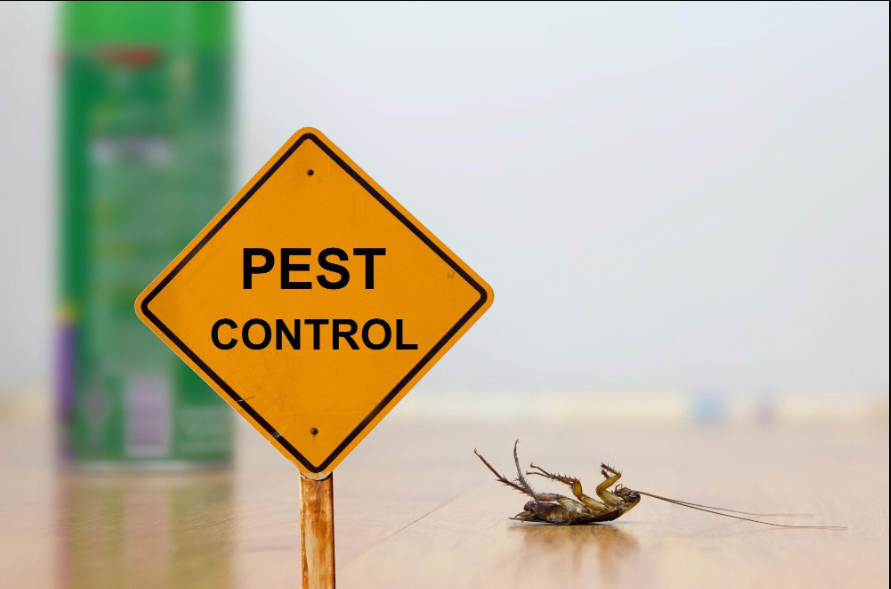
Living in a tiny house brings a unique sense of freedom, but it also creates specific challenges when unwanted insects find their way indoors. Because compact homes feature restricted square footage and often sit closer to natural environments, uninvited pests discover vulnerable entry points very quickly. Fortunately, proactive pest prevention keeps these critters away without forcing residents to rely heavily on harsh chemical sprays in tight quarters.
Effective management requires a clear understanding of how insects enter small structures and which daily routines stop them before they establish a colony. By addressing physical vulnerabilities and managing food sources correctly, any tiny homeowner can maintain a comfortable, pest-free environment throughout the year.
Why Tiny Houses Face Unique Pest Challenges
Tiny houses face unique pest challenges because their compact square footage, mobility features, and frequent semi-rural parking locations create ideal conditions for insects to enter and multiply.
When a structure is built on a trailer frame rather than a permanent concrete foundation, underneath airflow and hidden wheel wells provide pathways for crawling insects. Furthermore, because a tiny home has minimal interior volume, a small crumb spill or a single unsealed bag of flour affects the entire living area almost immediately. Pests like ants, beetles, and rodents detect these food sources rapidly in confined spaces, drawing them deeper into the framing.
Inspect and Seal Tiny House Specific Entry Points
Inspecting and sealing tiny house specific entry points requires focusing on utility pass-throughs, trailer framing gaps, and shifting window frames rather than just standard doors and windows.
Utility penetrations where water lines, propane hoses, and electrical cables enter the floor or walls are primary culprit zones. Road vibrations during transport often loosen these areas, leaving microscopic gaps that insects squeeze through easily. Expanding foam, heavy-duty caulk, and robust weather stripping around all exterior openings create a durable physical defense against crawling and flying invaders.
Master Smart Food Storage in Close Quarters
Mastering smart food storage in close quarters means replacing cardboard boxes and flimsy plastic bags with airtight glass or metal containers to protect limited pantry supplies.
In a standard-sized house, a box of infested cereal is easily isolated to one pantry shelf, but in a tiny home, pantry shelves sit mere inches away from sleeping and living areas. Airtight storage prevents the escape of food aromas that attract pests and stops any accidental infestation from spreading to neighboring food items. Regularly inspecting dry goods ensures that forgotten grains do not become breeding grounds for pantry moths or grain beetles.
Maintain Daily Habits That Starve Pests Out
Maintaining daily habits that starve pests out involves targeted cleaning routines designed specifically for small layouts where crumbs and moisture accumulate rapidly.
Wiping down countertops immediately after cooking, washing dishes without delay, and sweeping the floor daily eliminate the primary survival resources for insects. Bathrooms and kitchen sinks also demand attention because lingering humidity attracts silverfish and drain flies. Keeping these wet zones dry and well-ventilated removes the moisture sources that many tiny house bugs need to survive.
The Real Role of Natural Repellents
The real role of natural repellents is to act as temporary aromatic deterrents rather than standalone solutions for an unsealed home.
Essential oils like peppermint, lemon, and eucalyptus, along with herbs such as lavender and basil, create strong scents that many insects dislike. However, these volatile oils evaporate quickly in open air and do not physically block determined pests from entering through structural gaps. Homeowners should view natural repellents as a supplemental layer of defense alongside proper sealing and rigorous cleanliness rather than a complete pest control strategy.
When and How to Call Pest Control for a Tiny Home
When and how to call pest control for a tiny home depends on recognizing persistent infestation signs that outpace DIY prevention methods.
Professional exterminators bring specialized equipment to address stubborn colonies, but tiny homes require unique treatment approaches due to low trailer clearance and custom-built cabinetry. When selecting a service provider, homeowners should discuss any spatial constraints and inquire about low-toxicity treatment options that will not leave lingering chemical fumes in a compact living space. For those looking at broader property modifications or layout adjustments, reviewing insights on expanding urban property layouts can offer helpful ideas for efficient spatial management.
Frequently Asked Questions
Do tiny houses attract more bugs than standard houses?
Tiny houses do not inherently attract more bugs, but their proximity to natural outdoor settings and compact layouts make pest activity much more noticeable and rapid when it occurs.
Can I use chemical bug sprays safely inside a tiny home?
Using chemical sprays requires extreme caution because limited ventilation can trap fumes inside, making natural alternatives or targeted bait stations much safer choices for small interiors.
How often should I inspect my tiny house for pest entry points?
Homeowners should inspect seals, utility pass-throughs, and window frames at least twice a year, or immediately after relocating a mobile tiny house over long distances.
What are the most common bugs found in tiny houses?
Ants, spiders, pantry moths, and occasionally moisture-loving silverfish are the most frequently encountered pests in compact residential spaces.
Are glass containers better than plastic for tiny home food storage?
Glass and heavy metal containers are superior because determined rodents and insects can easily chew through thin plastic packaging in crowded pantries.
What should I do if I find bugs in my tiny house pantry?
Immediately discard any contaminated items in sealed trash bags taken outside, clean the entire pantry shelf with vinegar, and transfer remaining dry goods into airtight glass or metal jars.
Disclaimer: Pest prevention strategies and product effectiveness can vary based on local climate and environmental conditions. Readers should verify specific pest control methods and local regulations with qualified professionals before undertaking major extermination or structural sealing projects.


