

Sales success starts with setting the foundation right from the beginning, and that vital foundation is built during sales onboarding. The current fast-paced business environment calls for onboarding processes that not only get new hires up to speed but also prepare them to solve complex problems and hit the ground running. When sales teams feel undertrained, engagement drops and employee turnover rises. Traditional methods of training are no longer effective for today’s market. It is time to rethink sales onboarding into something agile, personal, and continuously evolving to stay competitive.
Ready to elevate your strategy? Let’s explore how forward-thinking enterprises are transforming their training workflows.
Dismantling Outdated Thirty-Day Training Templates
Traditional sales onboarding frequently fails because static, one-month instruction schedules lack the flexibility required to prepare representatives for highly informed modern buyers.
In past decades, onboarding meant handing new sales representatives a thick binder of product specifications, explaining how individual features worked, and expecting them to start cold calling by the end of their fourth week. Today’s prospects arrive at initial sales conversations having already researched technical documentation, read peer reviews, and evaluated competitor alternatives online. When sales onboarding focuses exclusively on rote product memorization rather than critical diagnostic thinking, new hires struggle during real client interactions. Sales leaders must dismantle these rigid models and build dynamic frameworks centered on actual buyer behavior and real market realities.
Shifting Focus Toward Customer Outcomes Over Feature Memorization
Prioritizing outcome-based learning shifts the entire training curriculum away from feature dumping and toward solving genuine client problems.
The days of training sales teams to simply push products are completely over. Modern sales professionals must understand why customers need specific services and how those offerings tie directly into broader organizational goals. By focusing on outcome-based learning, organizations ensure their sales representatives act as trusted advisors rather than transactional vendors. Representatives learn to uncover deep customer pain points and match those pain points with actionable solutions.
A clear sales onboarding definition involves a structured process designed to integrate new sales hires into the company while equipping them with the knowledge and skills necessary to succeed. Strategic value creation must be part of this definition. Equip your team to communicate how your product creates tangible value for clients, whether that means boosting revenue, cutting operating costs, or improving workflow efficiency.
Deploying Conversational Intelligence and AI Simulation Software
Leveraging modern sales enablement and artificial intelligence tools allows companies to scale training, simulate realistic buyer conversations, and accelerate representative ramp-up times.
Technology plays a central role in modern business operations, and sales onboarding is no exception. Many organizations now integrate conversational intelligence platforms, asynchronous video coaching, and AI-powered role-playing software into their training curriculum. These tools give new hires a safe environment to practice handling difficult objections, pitch new services, and refine their delivery without risking real pipeline revenue. Furthermore, modern enterprises often combine these training workflows with broader enterprise AI platform deployments to track communication patterns and identify which messaging resonates best with prospects.
Establishing Continuous Micro-Learning Rhythms Through Everboarding
Building an everboarding rhythm ensures that professional development does not stop after the initial 90 days, keeping sales teams sharp and adaptable over the long haul.
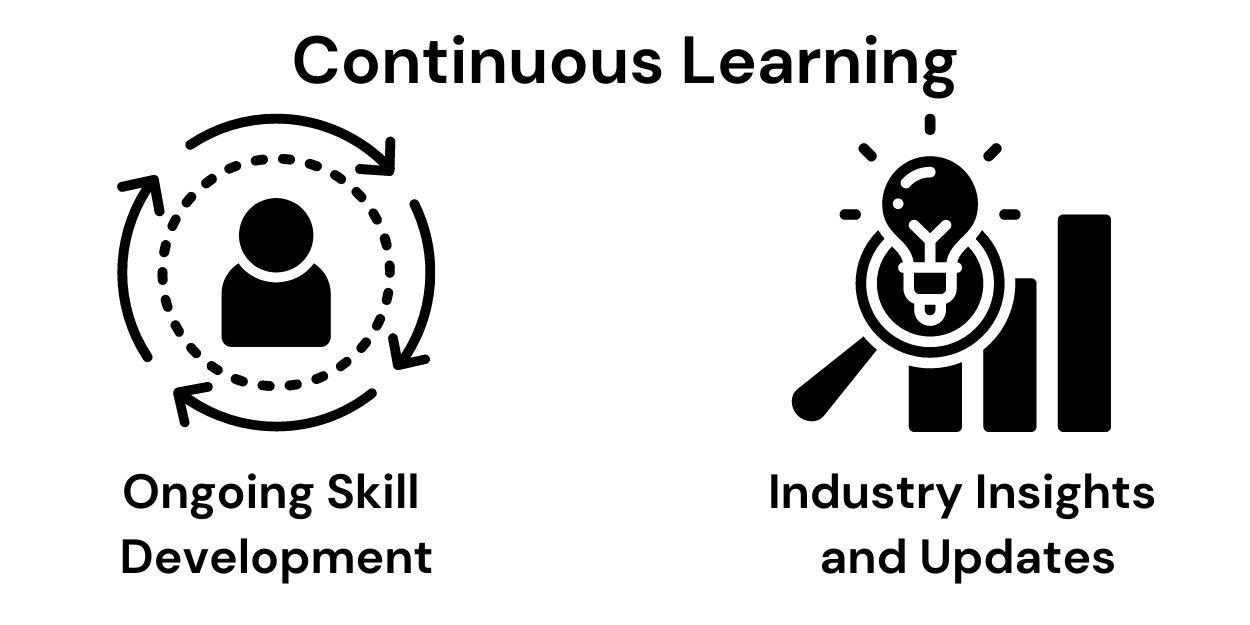
Sales success does not stop after an initial onboarding period, and your professional development programs should reflect that reality. Continuous learning, often referred to as everboarding, keeps sales teams agile in fast-changing markets. Ongoing skill development sessions allow representatives to refresh negotiation techniques, master updated product features, and review competitor shifts. Incorporating regular industry insights into weekly team meetings ensures your staff remains informed and ready to position your company as a leading solution provider.
Customizing Curriculum Tracks for Specialized Sales Positions
Tailoring onboarding paths to distinct sales roles guarantees that every team member receives specialized instruction aligned with their daily responsibilities.
Enterprise account executives, inbound lead qualifiers, and field sales representatives face vastly different challenges and goals. A generic onboarding program will not address these varied demands effectively. Instead, organizations must customize the sales onboarding process to match the unique workflows of each position. Training must also encompass the specific customer relationship management systems and analytics platforms each role uses daily. When sales representatives understand how to leverage their technology stack efficiently, they become more agile and capable of exceeding targets.
Tracking Productivity Metrics and Early Pipeline Velocity
Measuring onboarding success requires tracking concrete performance metrics such as ramp-up time, quota attainment speed, and win rates during early deals.
Without proper measurement, sales leaders cannot determine whether their onboarding investments yield positive returns. Modern businesses monitor how quickly new representatives reach full productivity and examine data related to pipeline generation and deal velocity. By reviewing these metrics regularly, sales managers can spot knowledge gaps early, adjust coaching strategies, and ensure every new hire is on a steady path toward long-term success. To explore broader operational efficiencies that complement training structures, you can read our guide on advanced business automation strategies.
Frequently Asked Questions (FAQs)
What are the key components of a successful sales onboarding process?
Key components include outcome-based learning, continuous education, multimodal training formats, and role-specific skill development designed to handle modern buyer objections.
How can companies ensure that sales training is retained over time?
Companies ensure long-term retention by implementing everboarding practices, utilizing micro-learning modules, and conducting regular skill refreshers rather than relying on a one-time training event.
What role do frontline managers play in sales onboarding success?
Frontline sales managers act as coaches who provide ongoing feedback, monitor daily performance metrics, and ensure that training concepts translate effectively into live sales calls.
Why is outcome-based training preferred over product feature training?
Outcome-based training focuses on solving customer pain points and delivering tangible business value, which aligns better with how modern, well-researched buyers make purchasing decisions.
How do modern businesses measure the return on investment of sales onboarding?
Businesses measure onboarding return on investment by tracking metrics such as average ramp-up time, quota attainment speed, early win rates, and overall employee retention.
What technologies are commonly used in modern sales onboarding programs?
Modern programs frequently incorporate conversational intelligence platforms, AI-powered role-playing software, asynchronous video coaching tools, and centralized sales enablement repositories.
Disclaimer: Sales onboarding strategies and tools evolve constantly. Business leaders should evaluate their unique organizational needs and consult official vendor documentation when implementing new training software or methodologies.
Bottom Line
Great sales onboarding is about laying the foundation for continuous business growth and representative retention. By adopting outcome-based learning, integrating modern AI tools, tailoring training to specific roles, and involving managers in active coaching, businesses can redefine their sales onboarding experience. With the right approach, onboarding becomes a strategic advantage that keeps your team sharp and ready to exceed targets.

Daniel J. Morgan is the founder of Invidiata Magazine, a premier publication showcasing luxury living, arts, and culture. With a passion for excellence, Daniel has established the magazine as a beacon of sophistication and refinement, captivating discerning audiences worldwide.


