

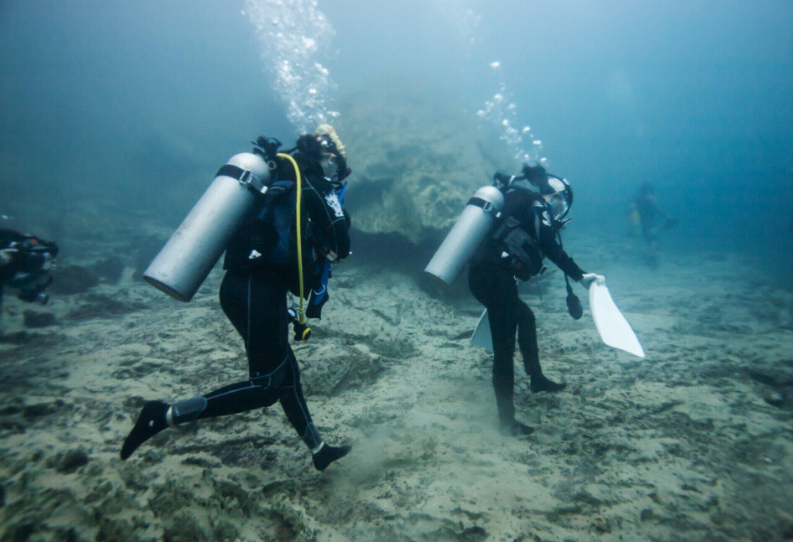
Scuba diving opens up an entirely different realm filled with vibrant coral gardens, pelagic marine life, and historic shipwrecks. Finding the best diving spots requires looking beyond simple scenery and understanding water conditions, marine diversity, and seasonal logistics. Whether you are an open water beginner or a technical diver seeking deep drop-offs, selecting the right location shapes your entire underwater journey.
How Experience Levels and Marine Logistics Shape Your Scuba Journey
Selecting a destination requires balancing your personal certification limits against the physical demands of open ocean currents and deep descents.
Divers must honestly evaluate their comfort in open water, current experience, and deep-diving capabilities before booking a trip. While some destinations cater exclusively to advanced drift divers, others offer calm shore entries ideal for beginners. Balancing these personal factors ensures a safe and memorable trip.
1. Great Barrier Reef, Australia: Exploring Coral Ecosystems and Pelagic Waters
The Great Barrier Reef stands as the world’s largest coral reef system, stretching over 1,400 miles along the coast of Queensland.
This massive ecosystem supports thousands of marine species, including hundreds of coral varieties and nearly 1,500 types of fish. Specific areas like Agincourt Reef and Cod Hole provide exceptional diving opportunities where visitors encounter large sharks, rays, and potato cod. While visibility varies depending on the season and weather events, the reef remains a cornerstone of global marine biodiversity.
2. The Great Blue Hole, Belize: Diving an Iconic Ocean Sinkhole
The Great Blue Hole is a massive underwater sinkhole located off the coast of Belize that gained widespread fame following Jacques Cousteau’s 1971 documentary.
Descending into this circular limestone formation reveals large stalactites and deep, clear blue waters. Because the most notable geological features sit at greater depths, most operators require advanced open water certification and logged deep dives. Reef sharks and various tropical fish also inhabit the upper rim of the sinkhole.
3. Sipadan Island, Malaysia: Navigating Deep Drop-Offs and Turtle Habitats
Sipadan Island is a legendary Malaysian oceanic island formed by living coral growing atop an extinct volcanic cone.
The island features a dramatic drop-off where the shallow reef shelf plunges thousands of feet into the deep ocean. Green turtles, hawksbill turtles, and schools of barracuda frequently gather along these steep walls. To protect the local marine environment, strict daily permit limits regulate the number of divers allowed near the island.
4. Palau, Micronesia: High-Visibility Reefs and Jellyfish Lake
Palau offers more than fifty distinct dive sites characterized by crystal-clear visibility, vertical walls, and diverse pelagic action.
Divers frequently visit Palau to experience fast-paced drift dives through rich channel openings where reef sharks and manta rays congregate. The island nation is also famous for Jellyfish Lake, where visitors can snorkel among millions of golden jellyfish that have lost their sting over millennia. Conservation entry fees help fund ongoing environmental protection efforts across the island chain.
5. The Red Sea, Egypt: Combining Marine Biodiversity and Historic Wrecks
The Red Sea boasts calm waters, exceptional visibility, and an extraordinary mix of thriving reefs and historic shipwrecks.
Popular sites like Ras Mohammed National Park feature vibrant coral walls, while the SS Thistlegorm wreck attracts history enthusiasts and technical divers alike. Divers exploring these waters regularly encounter dolphins, reef fish, and occasionally rare marine mammals. Water temperatures remain comfortable for most of the year, making it a reliable year-round destination.
6. The Maldives: Atoll Channels and Manta Ray Encounters
The Maldives consists of a sprawling chain of atolls featuring shallow lagoons, vibrant thilas, and deep oceanic channels known as kandus.
Incoming currents push nutrient-rich water through these channels, attracting large pelagic filter feeders like manta rays and whale sharks. Maaya Thila is particularly famous for night dives featuring hunting white-tip reef sharks and moray eels. Many travelers access these remote sites via liveaboard boats or luxury resort dive centers.
7. Bonaire, Caribbean: The Premier Shore Diving Destination
Bonaire is globally renowned for independent shore diving, allowing certified buddies to rent trucks and explore coastal sites at their own pace.
The surrounding marine park protects the entire coastline, resulting in exceptionally healthy coral growth and abundant marine life. Famous entry points like 1000 Steps and Salt Pier are easily accessible directly from dry land. This setup makes Bonaire one of the most flexible and beginner-friendly dive destinations in the Caribbean.
8. Vanuatu: Exploring the Massive SS President Coolidge Wreck
Vanuatu is an island nation in the South Pacific that houses one of the largest and most accessible shipwrecks in the world, the SS President Coolidge.
Originally a luxury ocean liner converted into a troop carrier, the vessel sank during World War II and now rests on a sloping sandy bottom. Because parts of the wreck sit at greater depths, penetration dives require specialized training and wreck certification. Colorful coral growth and marine life now inhabit the sprawling hull and cargo holds.
Environmental Preservation and Subaquatic Safety Protocols
Responsible diving practices protect delicate marine ecosystems while ensuring the safety of every participant in the water.
Divers must maintain neutral buoyancy to avoid damaging fragile coral formations with fins or heavy gear. Using reef-safe sunscreen prevents harmful chemicals from leaching into the water and bleaching coral polyps. Following local marine park guidelines and never touching marine life preserves these underwater habitats for future generations of ocean explorers.
Addressing Common Questions on International Scuba Itineraries
What certification do I need for deep dive sites like the Blue Hole?
Most deep or technical sites require an Advanced Open Water certification and verified experience with deep-water descents.
When is the best time of year to visit the Red Sea for diving?
The Red Sea offers great diving year-round, though summer months provide warmer water temperatures while spring and autumn offer optimal air temperatures.
Is Bonaire suitable for beginner scuba divers?
Bonaire is exceptionally beginner-friendly due to calm shore entries, clear visibility, and minimal currents across many protected sites.
How do I book dives in Sipadan Island?
Permits for Sipadan Island are strictly regulated and must be arranged well in advance through licensed local dive operators.
Can I dive without prior scuba certification?
You cannot dive independently without certification, but many resorts offer introductory discover scuba programs with instructor supervision.
What gear should I bring on an international dive trip?
While rental gear is available everywhere, many divers prefer bringing their own mask, dive computer, regulator, and wetsuit for comfort and fit.
For more guidance on preparing your body and mind for rigorous travel adventures, read our comprehensive advice on facial plastic surgery alongside our archive of travel tips.
Regulatory and Environmental Notice
The information provided in this guide is for general informational purposes only. Local diving regulations, environmental conditions, permit costs, and travel requirements change over time. Readers should verify final logistics directly with official tourism boards and certified dive operators before planning any trip.


