

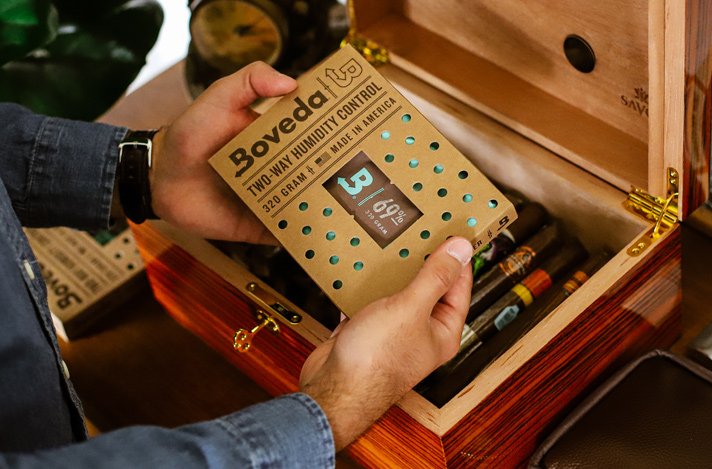
Limited edition and rare cigars represent an irreplaceable investment in craftsmanship, vintage tobacco cultivation, and exclusivity. Preserving these special releases requires a significantly higher level of care than managing everyday smoking stock. Because rare cigars often feature aged, ultra-thin wrappers, they react much more severely to minor humidity swings and environmental shocks. Utilizing a properly maintained cigar humidor ensures that your collectible sticks mature gracefully and retain their structural integrity over years of storage.
Selecting a Humidor Built for Rare and Vintage Collections
Choosing a storage vessel with superior construction materials and an airtight seal protects high-end tobacco from volatile room conditions.
When acquiring a humidor specifically for limited edition releases, interior capacity and wood density matter immensely. Spanish cedar interiors remain the gold standard because they absorb excess moisture safely while naturally deterring pests like tobacco beetles. You must avoid overcrowding your rare boxes, as cramped storage blocks the essential airflow needed to keep delicate wrapper leaves evenly conditioned. Furthermore, look for tight lid gaskets and sturdy quadrant hinges that maintain a consistent internal seal against changing household climates.
Seasoning Wood and Calibrating Hygrometers for High-Value Stock
Preparing a new wooden humidor through thorough seasoning prevents dry cedar from leaching precious moisture out of your rare cigars.
Before introducing any rare inventory, you must season the interior wood by wiping it lightly with distilled water and letting it stabilize with a humidification device. Skipping this vital preparation step causes the dry wood to pull humidity directly from your expensive cigars, leaving them brittle and cracked. Simultaneously, calibrate your digital hygrometer using a reliable salt test so you can trust your daily readings implicitly before expensive vintage boxes go inside.
Managing Humidity and Temperature Tolerances for Fragile Wrappers
Targeting a stable relative humidity between 65 and 70 percent alongside temperatures of 18 to 21 degrees Celsius keeps fragile vintage wrappers safe.
Aged and rare tobacco leaves possess less natural elasticity than younger, robust leaves, making them prone to splitting when humidity fluctuates. Keep your humidor in a dark, temperature-stable room away from direct sunlight, exterior walls, and heating vents to prevent heat spikes. Utilizing precise humidification tools, such as pre-measured Boveda packs or active electronic systems, maintains the steady atmosphere required for long-term aging.
Inspecting New Arrivals and Preventing Flavor Contamination
Isolating unreleased or infused items and screening new purchases upon arrival shields your pristine collection from damage and unwanted odors.
When rare acquisitions arrive from online retailers or private auctions, inspect every single stick for physical damage, wrapper cracks, or mold spores before integration. Never store flavored, infused, or heavily aromatic cigars in the same compartment as your rare premium lines, as essential oils will transfer and ruin delicate vintage profiles. Giving your collectible boxes distinct spacing ensures that each rare release develops its intended flavor profile without interference.
Recognizing the Critical Difference Between Mold and Plume
Knowing how to identify harmless crystal bloom versus destructive green or grey mold protects your valuable investment from unnecessary panic.
Long-term aging of rare cigars occasionally produces fine white speckles across the surface of the wrapper leaf, which is usually harmless sugar crystallization known as plume. In contrast, destructive mold appears as fuzzy, colored patches of green, blue, or grey and typically carries a foul, musty odor. Mold proliferates rapidly when relative humidity creeps past 72 percent, requiring you to quarantine affected sticks immediately to save your remaining collection.
Frequently Asked Questions
Should I leave cellophane on my rare cigars inside the humidor?
Leaving cellophane on provides a protective shield against physical tears and accidental friction, though you can snip the wrapper ends to encourage better air exchange.
How frequently should I inspect my digital hygrometer?
Check your hygrometer readings at least once every week, paying special attention during seasonal weather transitions when indoor humidity shifts dramatically.
Can I store different luxury cigar brands together?
Yes, standard premium cigars complement each other nicely, but you must always isolate infused or flavored sticks to prevent permanent flavor contamination.
What are the warning signs of a failing humidor seal?
A failing seal manifests as a constant battle to maintain humidity despite fresh humidification packs and frequent re-seasoning attempts.
Are electronic humidification units necessary for rare collections?
Electronic systems excel at active fan-forced air distribution for large cabinet humidors, while two-way packs work wonderfully for desktop display units.
How can I safely rescue rare cigars that have dried out?
Rehydrate brittle cigars very slowly over several weeks by gradually lowering and stepping up humidity levels to prevent the wrapper leaves from splitting open.
For collectors seeking structured approaches to manage diverse high-end assets and tracking routines, exploring how businesses fine-tune retail web analytics offers useful organizational parallels.
Disclaimer: Cigar preservation outcomes vary based on regional climate differences, seasonal household temperature swings, and the specific materials of your storage container. Always verify final conditioning guidelines with professional tobacconists before aging expensive collections.

Passionate content writer and savvy blog publisher, Aamir crafts compelling stories and insightful articles that captivate and inform. With a knack for blending creativity and strategy, they bring fresh perspectives to every piece. Dive into their world of words and discover content that resonates.


