
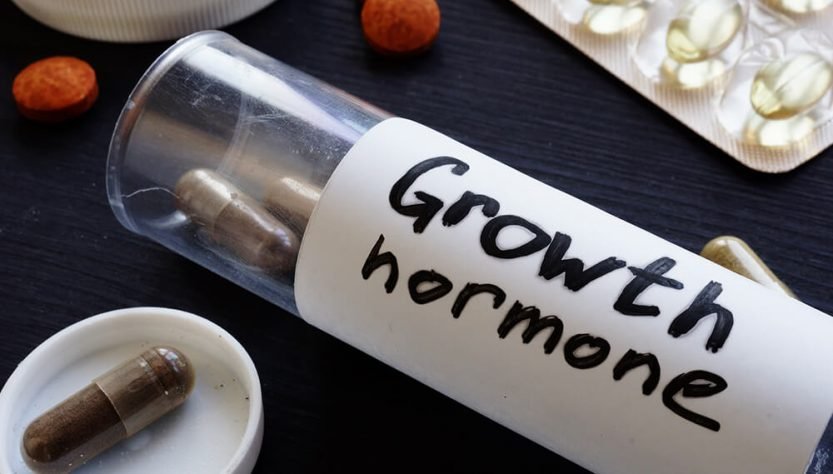
Human growth hormone is a natural peptide hormone produced by the pituitary gland that stimulates physical growth, cell reproduction, and tissue regeneration throughout the human body. As people age, natural hormone production declines gradually, prompting some individuals to seek synthetic supplementation for anti-aging purposes or performance enhancement. Understanding the vital boundary between medically supervised therapy and unauthorized off-label misuse is essential for protecting long-term health, endocrine stability, and overall safety.
While prescribed treatments offer profound restorative benefits for diagnosed clinical deficiencies, unverified or illegal applications carry significant physiological and legal risks. Potential users must carefully evaluate approved medical indications, diagnostic protocols, and potential adverse effects before considering any form of exogenous hormone therapy in daily practice.
What Is Human Growth Hormone and How It Works
Human growth hormone, scientifically known as somatotropin, is a vital chemical messenger that regulates metabolism, body composition, and cellular repair across the entire human lifespan.
Secreted primarily during childhood and adolescence to drive linear growth, somatotropin continues to influence protein synthesis, fat distribution, and bone mineral density in adulthood, even as baseline secretion levels decrease over time. The pituitary gland releases this hormone in pulsatile bursts, which are heavily influenced by sleep cycles, physical exertion, and nutritional status. When these natural pulses drop significantly below normal physiological thresholds, individuals may experience measurable disruptions in their overall metabolic health and physical endurance.
Diagnosing Adult Growth Hormone Deficiency
Diagnosing an actual hormonal deficiency requires specialized endocrine evaluation rather than relying on standard routine blood panels.
Adults experiencing true deficiency often notice persistent fatigue, reduced muscle mass, diminished bone mineral density, and unfavorable shifts in lipid profiles that do not resolve with diet and exercise alone. Because baseline blood levels fluctuate unpredictably throughout the day, endocrinologists rely on specialized stimulation tests, such as the insulin tolerance test or provocative agent testing using arginine or glucagon, to measure the pituitary gland’s true functional response. Additionally, physicians check Insulin-like Growth Factor 1 levels, as this primary downstream growth factor reflects overall hormone activity and long-term production within the body.
Legitimate Medical Uses and Benefits
Legitimate medical therapy provides measurable restorative benefits for patients who suffer from confirmed clinical deficiencies diagnosed by qualified specialists.
Under strict physician supervision, prescribed replacement therapy helps restore healthy muscle mass, improves exercise capacity, supports favorable cholesterol values, and reduces visceral abdominal fat accumulation in deficient individuals. Approved medical indications also extend to specific conditions such as adult short bowel syndrome, Turner syndrome, Prader-Willi syndrome, and severe muscle-wasting diseases associated with HIV infection, where structured clinical intervention helps maintain metabolic stability and physical function.
Safe Medical Protocols and Dosing
Safe medical protocols require individualized treatment plans managed exclusively by qualified hormone specialists in clinical settings.
Physicians initiate therapy at conservative starting doses administered via subcutaneous injection in sites like the abdomen or thighs, gradually titrating the amount while monitoring serum marker levels. Ongoing clinical monitoring allows healthcare providers to assess fluid retention, track metabolic markers, and prevent adverse side effects that arise from excessive dosage or inappropriate administration. Regular follow-up appointments ensure that the treatment remains strictly within safe therapeutic ranges without pushing blood markers into pathological extremes.
The Risks and Realities of Unsafe Usage
Unsafe usage involves consuming unregulated synthetic substances without a verified medical diagnosis or professional supervision.
Bypassing licensed medical oversight to obtain compounds for bodybuilding, athletic enhancement, or unverified anti-aging regimens exposes individuals to severe health hazards. Excessive, unmonitored intake can overwhelm normal metabolic pathways, leading to insulin resistance, joint pain, muscle weakness, abnormal tissue growth, and increased cardiovascular strain over time. Furthermore, purchasing unregulated products online introduces substantial dangers of receiving counterfeit, contaminated, or improperly compounded substances that violate federal laws and carry severe criminal penalties.
For individuals exploring wellness strategies alongside clinical treatments, maintaining overall physical vitality also involves proper recovery practices and lifestyle choices, much like pursuing meaningful personal growth during recovery.
Frequently Asked Questions
What is the primary medical role of human growth hormone?
Human growth hormone regulates somatic growth, cellular regeneration, protein synthesis, and metabolic function throughout the human body.
How do doctors diagnose a true growth hormone deficiency?
Physicians use specialized stimulation tests and blood panels measuring Insulin-like Growth Factor 1 to evaluate pituitary function accurately.
Is it legal to purchase synthetic human growth hormone online?
Purchasing these substances online without a valid prescription from a licensed physician is illegal and subject to criminal penalties.
What are the common side effects of unmonitored misuse?
Misuse can cause severe joint pain, fluid retention, insulin resistance, carpal tunnel syndrome, and an increased risk of cardiovascular complications.
Can lifestyle habits influence natural hormone levels?
Adequate sleep, regular high-intensity exercise, and proper nutrition naturally support healthy endocrine function and metabolic well-being.
What makes supervised therapy safer than self-administration?
Supervised therapy ensures precise individualized dosing, regular blood testing, and professional monitoring to prevent adverse health events.
Disclaimer: This article is for informational purposes only and does not constitute medical advice. Readers considering hormone therapies should consult qualified healthcare professionals for personalized evaluation, diagnosis, and treatment guidance.

Daniel J. Morgan is the founder of Invidiata Magazine, a premier publication showcasing luxury living, arts, and culture. With a passion for excellence, Daniel has established the magazine as a beacon of sophistication and refinement, captivating discerning audiences worldwide.


