
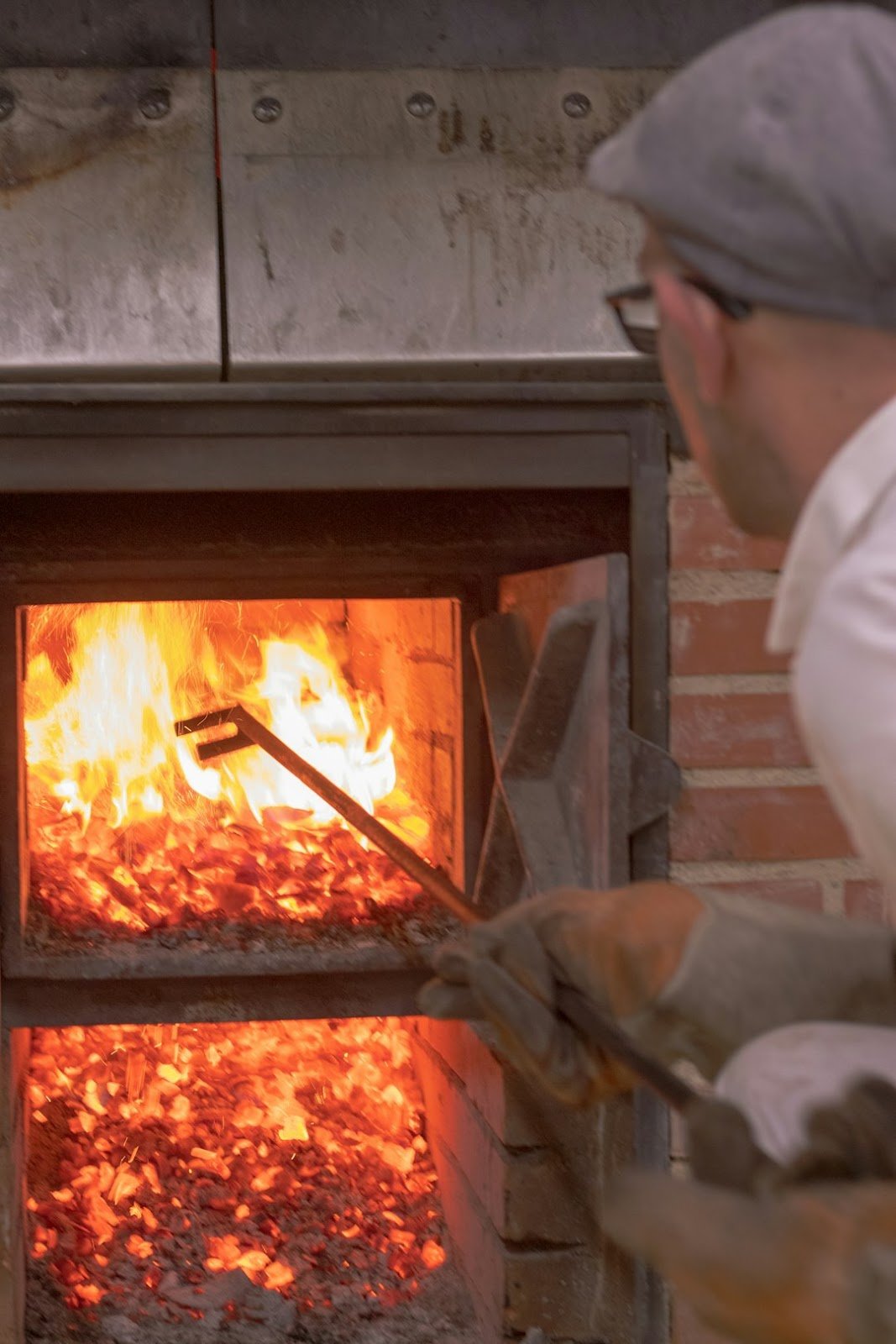
Finding a dependable thermal setup that cuts down on carbon footprints leads many property owners to evaluate high-efficiency biomass heating systems. These specialized thermal units transform compressed organic matter like wood pellets, agricultural residue bundles, and forestry byproducts into consistent indoor warmth. Traditional wood stoves often create heavy smoke and require constant manual attention, but modern combustion engineering has fundamentally reshaped how organic fuel furnaces operate. Reviewing these mechanical distinctions helps homeowners determine whether biomass combustion aligns with their long-term architectural and heating goals.
Core Mechanics of Automated Pellet Boilers
High-efficiency biomass heating systems utilize enclosed combustion chambers coupled with digital microprocessors to extract maximum thermal energy from organic fuels. Modern pellet boilers continuously monitor oxygen levels, draft pressures, and exhaust temperatures in real time to optimize burning conditions. This precision management allows premium residential setups to achieve operational efficiency ratings between 85% and 90% or higher. Consequently, very little raw fuel escapes unburned, channeling superior heat transfer directly into hydronic water loops or forced-air duct networks.
Economic Incentives and Fuel Cost Stability
Switching to a modern biomass boiler minimizes vulnerability to unpredictable heating oil and natural gas market price fluctuations. Regional wood pellet pricing historically stays far more stable than fossil fuel commodities, offering property owners predictable seasonal utility expenditures. Furthermore, various regional environmental authorities provide direct financial grants, tax credits, and equipment rebates to offset upfront capital investments. These monetary incentives significantly shorten the overall payback period across the multi-year lifecycle of the heating equipment.
Closed-Loop Carbon Cycles and Organic Waste Reduction
Biomass combustion operates on a closed-loop carbon cycle where released carbon dioxide roughly mirrors what growing trees and plants absorb during their lifetimes. Unlike fossil fuel extraction that unleashes ancient underground carbon reserves, sustainable biomass utilization maintains a balanced net greenhouse gas exchange. Moreover, utilizing regional wood scraps and agricultural byproducts diverts valuable organic material away from overcrowded local landfills, fostering an active local circular economy.
Thermal Reliability During Freezing Weather
Consistent thermal output sets biomass installations apart from weather-dependent renewable energy sources like solar photovoltaic panels or wind turbines. When deep winter freezing arrives and household heating demands peak, biomass boilers deliver continuous, controllable warmth regardless of overcast skies or calm days. When evaluating overall mechanical dependability, property managers often draw technical parallels to advanced technology for industrial pump systems that maintain continuous heavy-duty performance under demanding loads.
Day-to-Day Maintenance and Ash Management
Modern biomass units incorporate self-cleaning burners and automated ash removal augers, yet homeowners must still perform scheduled housekeeping tasks. Routine upkeep involves emptying the external ash collection bin every few weeks, scrubbing internal heat exchanger tubes to prevent soot buildup, and inspecting chimney draft integrity. Adhering to these simple servicing routines prevents mechanical wear and ensures peak combustion efficiency year after year.
Fuel Storage Space and Site Planning
Proper site preparation requires adequate spatial allocation for dry fuel storage, such as bulk pellet silos or dedicated indoor storage bins. Because damp wood pellets can clog augers and severely reduce combustion efficiency, keeping organic fuel completely moisture-free remains an absolute priority. Homeowners must also review local building codes and environmental emissions rules regarding chimney clearance heights before scheduling equipment delivery.
The following table outlines key specifications comparing different common residential heating options:
| Heating System Type | Average Efficiency | Primary Fuel Source | Maintenance Effort |
|---|---|---|---|
| High-Efficiency Pellet Boiler | 85% – 90%+ | Compressed Wood Pellets | Moderate (Ash removal, cleaning) |
| Traditional Gas Furnace | 80% – 98% | Natural Gas / Propane | Low (Annual inspection) |
| Standard Electric Resistance | Nearly 100% (at point of use) | Grid Electricity | Very Low |
Frequently Asked Questions
Are biomass heating systems difficult to operate daily?
Modern high-efficiency biomass units feature automated ignition, digital thermostats, and self-feeding hoppers that make daily operation comparable to conventional gas or oil furnaces.
What type of fuel works best in a biomass boiler?
Certified wood pellets or uniform wood chips with low moisture content provide the cleanest combustion and highest thermal efficiency for residential boilers.
Do biomass heating systems qualify for financial incentives?
Many regional governments and national agencies offer grants, tax credits, and rebates for installing low-carbon biomass heating equipment, though specific availability varies by location.
How much space is needed for biomass fuel storage?
Storage requirements depend on household heating demand, but homeowners typically need a dedicated dry space or bulk silo capable of holding several months’ worth of fuel pellets.
Are biomass heating emissions harmful to local air quality?
High-efficiency modern boilers utilize advanced combustion controls to minimize particulate matter emissions, performing significantly cleaner than old-fashioned open wood burning.
Can a biomass system integrate with existing home radiators?
Yes, biomass boilers can be connected to standard hydronic distribution networks, underfloor heating loops, or existing water storage buffer tanks.
Disclaimer: The details regarding biomass heating efficiency, fuel costs, and available incentives are subject to change based on local regulations, technological updates, and market conditions. Readers should verify final specifications and incentive eligibility with official local authorities and certified installation professionals before making purchasing decisions.

Daniel J. Morgan is the founder of Invidiata Magazine, a premier publication showcasing luxury living, arts, and culture. With a passion for excellence, Daniel has established the magazine as a beacon of sophistication and refinement, captivating discerning audiences worldwide.


[…] incorporating outdoor culinary gear complements broader home improvements, much like implementing high-efficiency biomass heating solutions to enhance overall property sustainability and energy […]