

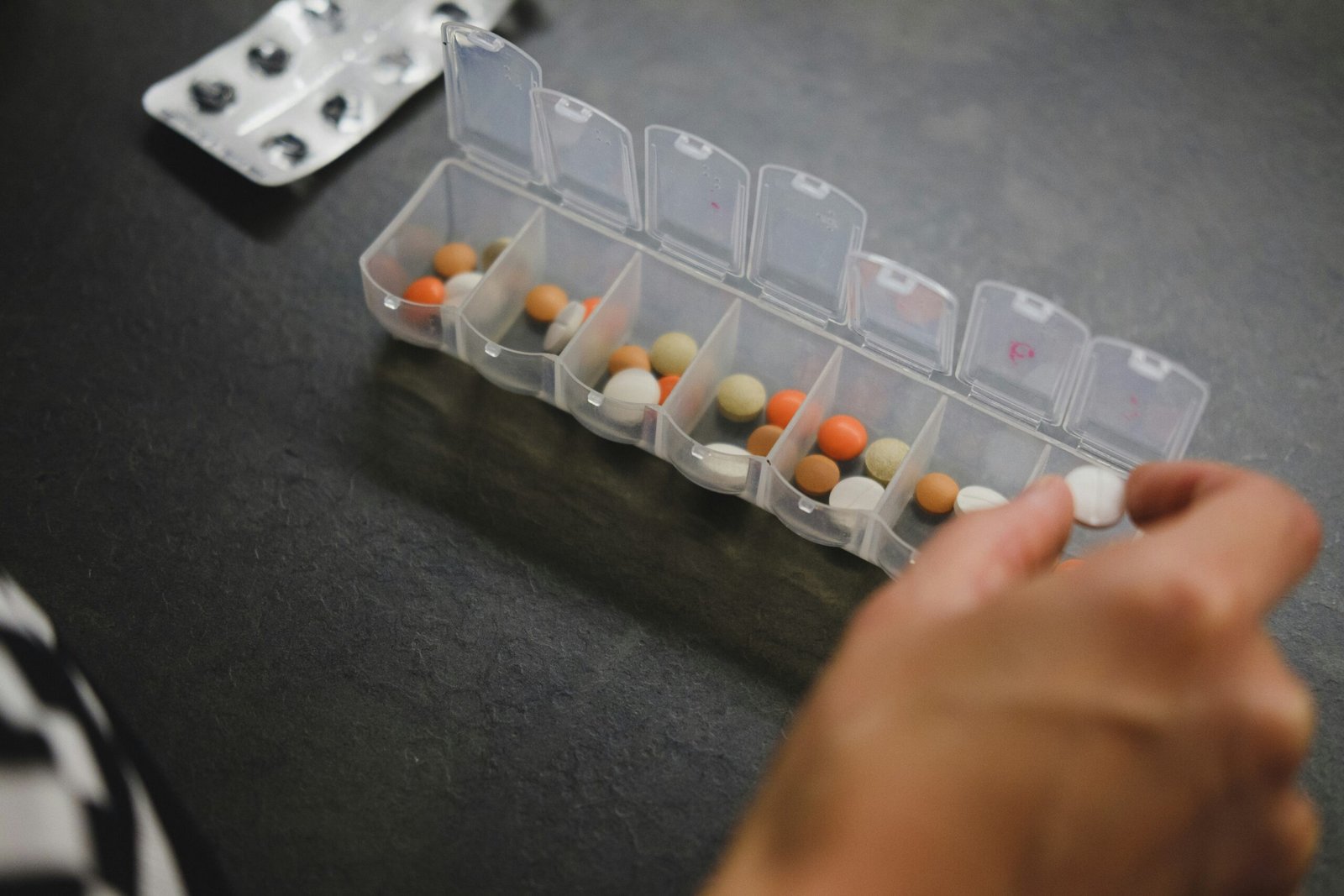
When patients receive a prescribed medicinal dose, they rely entirely on the immediate enclosure to preserve the chemical potency and physical cleanliness of the treatment. Beyond simple containment, modern drug delivery enclosures function as sophisticated chemical barriers and data-carrying devices that safeguard vulnerable compounds from manufacturing plants straight to clinic shelves. Choosing appropriate pharmaceutical packaging solutions requires balancing strict legal compliance, material science realities, and patient accessibility so that life-saving therapeutics remain uncontaminated and fully active throughout their shelf life.
Regulatory Compliance Mandates and Anti-Counterfeit Serialization
Regulatory frameworks dictate every structural detail of medicine containment to prevent falsified drugs from entering public health supply chains.
Government bodies such as the Food and Drug Administration and the European Medicines Agency enforce rigorous validation protocols for material safety, physical durability, and precise labeling. Global track-and-trace mandates require manufacturers to apply unique serial numbers, standardized barcodes, lot identifiers, and expiration dates directly onto each unit carton. These serialization requirements allow pharmacists and regulators to verify product authenticity at every distribution checkpoint, effectively blocking counterfeit products from reaching consumers. Additional statutory safeguards, such as tamper-evident seals and certified child-resistant closures, protect vulnerable households from accidental poisonings and malicious tampering.
Polymer Chemistry and Primary Container Barrier Protection
Primary container materials must interact safely with active pharmaceutical ingredients without leaching harmful chemicals or allowing environmental exposure.
Glass containers remain the industry benchmark for liquid injectables and sterile solutions because borosilicate glass is chemically inert and withstands high sterilization temperatures. However, high-density polymers and plastics offer lightweight, shatter-resistant alternatives ideal for solid oral tablets and capsules. Advanced multi-layer barrier laminates combine foils and polymers to block moisture vapor, oxygen, and ultraviolet radiation, preventing delicate chemical compounds from degrading before the patient opens the package.
Thermal Engineering for Cold-Chain Biologicals
Temperature-sensitive vaccines, monoclonal antibodies, and advanced biologics require specialized thermal packaging engineering to maintain precise refrigeration parameters during transport.
Exposing biological drugs to improper temperatures can neutralize their therapeutic properties and endanger patient health. Cold-chain pharmaceutical packaging solutions integrate phase-change materials, vacuum-insulated panels, and active cooling containers to maintain strict ranges, such as two to eight degrees Celsius or cryogenic storage thresholds. Rigorous thermal qualification tests simulate extreme weather conditions across international shipping routes to verify that internal cargo temperatures remain stable. Continuous data loggers placed inside shipment boxes provide real-time temperature tracking and immediate alerts if a thermal excursion occurs.
Circular Economy Goals and Sustainable Blister Innovations
Sustainable packaging initiatives challenge manufacturers to reduce environmental waste without sacrificing sterility, barrier integrity, or drug safety standards.
Traditional medicine containers often rely on complex multi-material laminates that complicate recycling streams and contribute to municipal landfill volumes. In response, packaging engineers are developing mono-material blister packs and recyclable polymers that align with international corporate sustainability targets. Designing eco-friendly pharmaceutical packaging requires extensive testing to ensure that recycled content or biodegradable plastics do not interact with sensitive medicines or compromise moisture protection.
Patient-Centric Usability and Legible Medication Labeling
User-friendly design and clear instructional labeling ensure that patients and caregivers administer medications correctly and safely.
Confusing typography or ambiguous dosage instructions can easily lead to medication non-adherence or dangerous administration errors. High-contrast lettering, prominent active ingredient callouts, and tactile Braille indicators help visually impaired patients identify treatments correctly. Furthermore, secondary cartons and dropper bottles incorporate ergonomic grip designs that assist elderly individuals or arthritis sufferers with opening containers, while maintaining child-safe locks.
Modular Packaging Lines and Batch Scalability
Scalable packaging operations allow manufacturing facilities to efficiently transition between small clinical trial batches and high-volume commercial production runs.
Contract manufacturing organizations utilize modular machinery that accommodates rapid changeovers for different bottle shapes, carton sizes, and blister layouts. This batch flexibility reduces operational downtime and minimizes financial overhead when producing specialized or orphan drugs in limited quantities. Integrated machine vision systems automatically inspect container seals and label alignment on the packaging line, ensuring zero-defect output across every commercial batch.
For readers exploring broader operational improvements outside of medicine production, reviewing related guides such as our managed IT support services analysis can provide helpful technical perspective.
Frequently Asked Questions
Why is serialization required in medicine packaging?
Serialization assigns unique machine-readable identifiers to individual units, allowing global supply chains to verify authenticity and block counterfeit drugs.
What materials work best for liquid medicines?
Borosilicate glass and high-density polymers are widely used because they prevent chemical leaching and protect sterile liquids from contamination.
How do insulated packages protect temperature-sensitive vaccines?
They combine phase-change cooling packs, insulated panels, and electronic data loggers to keep biological cargo within strict temperature thresholds.
What defines a child-resistant medicine closure?
Child-resistant closures feature complex interlocking mechanisms that require coordinated downward and twisting motions to open, preventing accidental ingestion by young children.
Can pharmaceutical packaging be eco-friendly?
Yes, manufacturers are increasingly utilizing mono-materials and recyclable polymers to reduce environmental impacts without compromising safety barriers.
How do clear labels prevent medication errors?
Legible typography, explicit dosage instructions, and prominent warning details guide patients and caregivers to administer treatments safely.
Disclaimer
The information provided in this article is for educational purposes only. Pharmaceutical packaging regulations and technical standards are subject to change based on evolving global guidelines. Readers and industry professionals should verify final compliance requirements directly with official regulatory bodies and qualified packaging engineers.


