

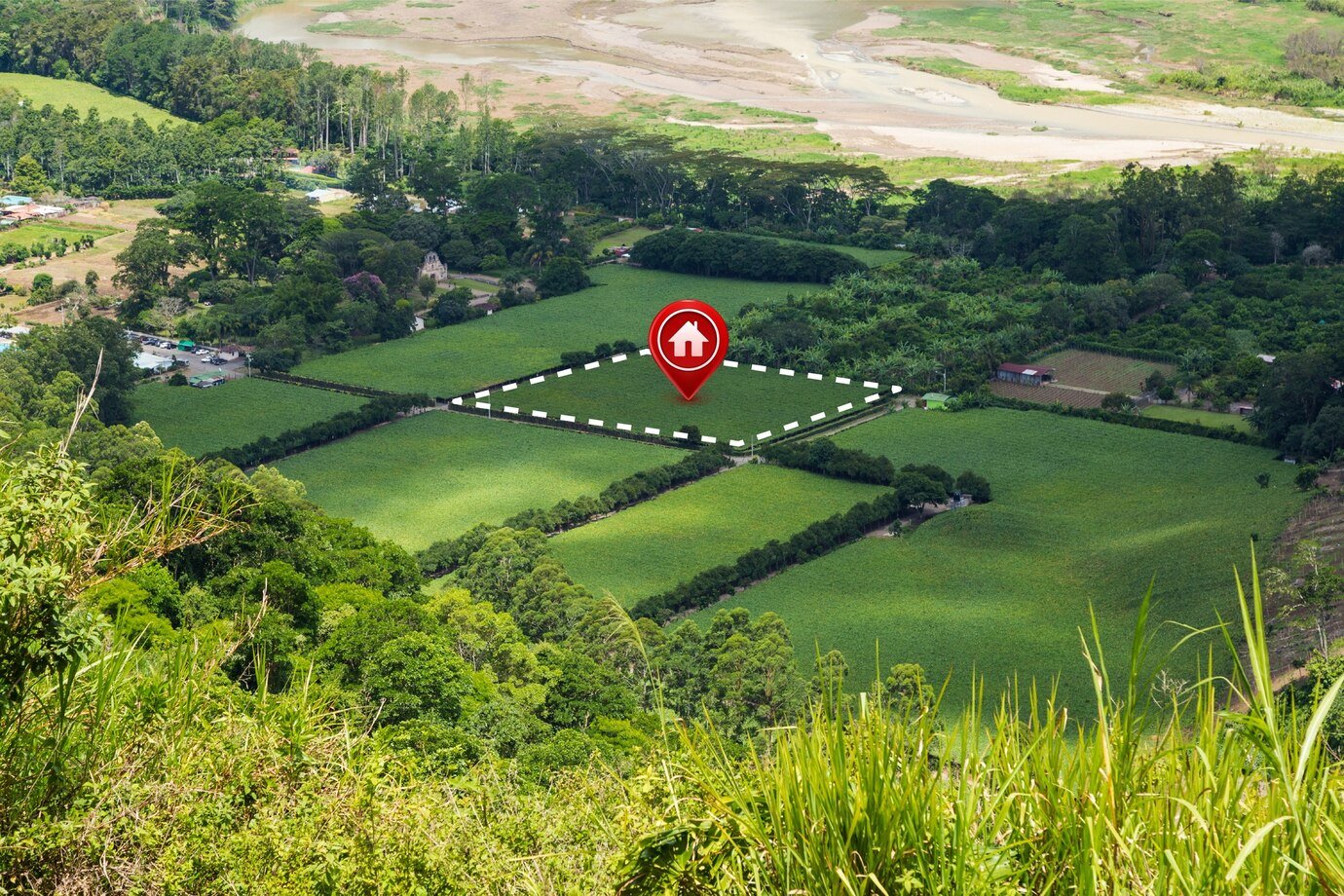
Land investment remains one of the most strategic and defensive financial decisions an investor can make today. Purchasing vacant land secures something tangible and long-lasting with immense capital growth potential. However, like any significant asset purchase, evaluating land requires careful due diligence and modern market awareness. Whether you are looking at land for sale locally or exploring rural acreage, the core principles of choosing the right property stay grounded in careful preparation.
Why Land Outperforms Traditional Real Estate Over Time
Land serves as a resilient, finite store of value because municipal populations grow while available acreage remains strictly limited. Unlike commercial buildings or residential structures that suffer from physical depreciation and require ongoing maintenance, raw land holds its fundamental utility. Even during broader economic downturns, vacant plots maintain intrinsic value because they cannot be manufactured or easily replaced.
When buyers purchase property, they are acquiring future potential rather than immediate shelter. Whether the long-term goal involves residential development, agricultural use, or commercial expansion, owning land provides steady portfolio diversification. Unlike volatile equity markets, land appreciation rewards patience and careful regional planning.
Leveraging Digital Due Diligence Tools Before Visiting Sites
Modern buyers can streamline property evaluation using advanced online geographic information systems, municipal mapping portals, and satellite planning tools before scheduling any physical site visits. These digital resources allow prospective investors to inspect topographical contours, flood zone overlays, and historical aerial imagery instantly from their desktops. Utilizing municipal GIS databases helps filter out unsuitable parcels early, saving considerable time and travel expenses.
Reviewing digital parcel data also reveals property dimensions, easement locations, and immediate access points. While virtual research never replaces walking the actual terrain, it provides a comprehensive foundational overview of regional topography and neighboring land use patterns.
Assessing Location and Future Growth Potential
Location is the single most critical factor in determining whether a piece of real estate will appreciate or stagnate. When examining land for sale, investors must study municipal master plans, transportation corridors, and upcoming infrastructure projects. Areas designated for new schools, highways, or commercial hubs often experience accelerated demand.
Beyond macro trends, buyers must match the location directly to their intended use. Agricultural buyers need to verify soil quality, drainage patterns, and climate reliability. Commercial developers require high-traffic corridors with excellent visibility and municipal accessibility.
Decoding Zoning Laws and Land Use Restrictions
Zoning laws dictate exactly what an owner can build, operate, or modify on a given parcel of property. Reviewing municipal zoning ordinances prevents expensive development dead ends before any capital changes hands. Local governments enforce strict rules regarding building height limits, lot coverage ratios, and environmental buffers.
Ignoring zoning designations can leave an investor holding a non-conforming asset that cannot legally support a planned project. Reviewing overlay districts, conservation easements, and historical designations ensures absolute compliance with local authorities.
The Hidden Costs of Utilities and Infrastructure
Bringing off-grid or rural land up to standard requires evaluating the heavy expenses tied to connecting essential utilities. Vacant parcels often lack established connections to municipal water mains, sewage systems, sanitary lines, and electrical grids. Trenching power lines or drilling deep private wells can quickly inflate development budgets.
Road access is another major financial variable that buyers frequently underestimate. Land locked behind private right-of-ways or unpaved seasonal roads may require costly grading and maintenance agreements before any construction vehicles can safely enter.
Navigating Land Financing and Loan Realities
Securing financing for vacant land differs significantly from obtaining a traditional residential home mortgage. Because commercial banks and credit unions view raw land as a higher risk asset, lenders typically mandate much larger down payments. Buyers should expect down payment requirements ranging from twenty to fifty percent, alongside stricter underwriting standards.
Alternative funding methods such as seller financing or specialized land loans can bridge the gap when institutional lenders prove hesitant. Exploring multiple financial institutions helps secure reasonable interest rates and manageable loan terms.
Assembling Your Expert Purchase Team
Executing a safe transaction requires working alongside qualified professionals who understand regional property laws. A licensed real estate agent specializing in vacant acreage offers valuable market insights and negotiation leverage. Additionally, hiring a certified land surveyor establishes exact property boundaries and uncovers potential encroachment issues with neighboring landowners. Engaging a real estate attorney ensures that purchase contracts and title commitments protect the buyer’s interests completely.
To build a robust commercial portfolio and manage financial exposure across various ventures, owners can also review strategies outlined in our guide on choosing the right investment strategy for a business.
Frequently Asked Questions
Why is land considered a safer long-term investment than buildings?
Land does not suffer from structural depreciation or wear and tear like physical buildings do. Its limited supply ensures that it generally appreciates over economic cycles.
What down payment is typically required for a vacant land loan?
Lenders view raw land as a higher risk asset, which means buyers should typically prepare for down payments between 20% and 50%.
How do I verify what can be built on a parcel of land?
You must review local municipal zoning laws, building codes, and regional planning overlays before finalizing any purchase agreement.
What are utility extension costs when buying raw land?
Bringing electricity, water, and sewage systems to an undeveloped site can add significant out-of-pocket expenses to your initial project budget.
Why is a land survey necessary before buying property?
A professional survey confirms exact property lines and prevents legal boundary disputes with neighboring owners.
Can I use seller financing to purchase vacant land?
Yes, many landowners offer direct financing options when traditional bank loans are difficult to secure for raw property.
Disclaimer: Real estate markets, municipal zoning regulations, and financing criteria are subject to change. Readers should verify all zoning codes, utility access, and legal titles with official local authorities and qualified professionals before making financial commitments.

Passionate content writer and savvy blog publisher, Aamir crafts compelling stories and insightful articles that captivate and inform. With a knack for blending creativity and strategy, they bring fresh perspectives to every piece. Dive into their world of words and discover content that resonates.


