

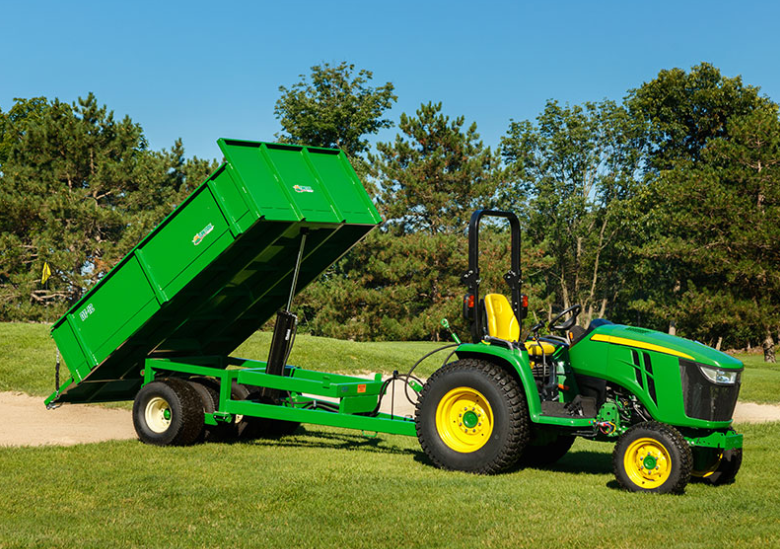
Hydraulic dump trailers are often viewed strictly as construction workhorses for hauling heavy debris. However, these sturdy steel beds and powered hoists hold immense untapped potential for creative project builders. Exploring new ideas for a hydraulic dump trailer can completely transform how you handle off-grid living, rural property tasks, and mobile commercial services.
For anyone seeking to maximize trailer utility, looking beyond standard gravel runs opens up an entirely new category of portable functionality. Let us dive into specific ways you can reconfigure these robust machines safely and efficiently.
Understanding Gross Vehicle Weight Rating and Safe Load Distribution
Before attaching any custom build to a hydraulic dump trailer, owners must calculate the exact factory weight limits to prevent dangerous axle strain.
Every hydraulic dump trailer comes with a certified Gross Vehicle Weight Rating that dictates the maximum allowable combined weight of the trailer and its cargo. Adding custom framing, water tanks, or retail counters eats into this available payload capacity very quickly. Maintaining proper weight distribution across both axles prevents swaying at highway speeds and keeps excessive tongue weight off your tow vehicle.
Streamlining Agricultural Chores and Rural Property Management
Rural property owners can use the powered hydraulic lift system to handle bulk farm supplies with minimal physical effort.
Instead of hand-shoveling gravel, topsoil, or animal feed, operators can position the bed and let the hydraulic hoist do the heavy lifting. This setup makes quick work of spreading mulch around orchards, filling distant livestock troughs, and hauling seasonal firewood deliveries. Preserving your energy during routine property maintenance allows you to tackle bigger projects around the homestead without burning out.
Building Mobile Retail Booths and Local Market Kiosks
Entrepreneurs looking for flexible business spaces can transform a dump trailer chassis into a sturdy mobile storefront or food vendor setup.
Securing service counters and display shelving directly to the steel floor creates a weather-resistant shop that travels easily from town to town. When parked at a festival or farmer’s market, the bed must be mechanically stabilized with heavy-duty jacks to eliminate any bouncing. Business owners should also verify regional Department of Transportation rules regarding commercial towing equipment before taking a custom shop out on public highways.
Constructing Portable Off-Grid Shelters and Tiny Campers
The rigid metal deck of a dump trailer provides an elevated, weather-tight platform for assembling compact recreational living pods.
Building a small wooden cabin or insulated camper shell on top of the chassis keeps your living space safe from ground moisture and rough terrain. While you will usually disable the hydraulic lift mechanism once a permanent structure is anchored in place, the underlying steel frame remains remarkably durable. Careful planning is required to balance the weight of interior beds, water storage barrels, and framing materials so the tires never overload.
| Conversion Concept | Primary Functional Benefit | Key Operational Consideration |
|---|---|---|
| Agricultural Bulk Hauling | Effortless dumping of feed, soil, and logs | Keep total cargo weight under certified axle limits |
| Mobile Commercial Kiosk | Flexible setup for local markets and events | Comply with local municipal and towing regulations |
| Off-Grid Camping Pod | Sturdy raised frame for navigating rough terrain | Monitor dry weight and secure all interior fixtures |
| Firewood Delivery Service | Rapid unloading of large firewood volumes | Evenly distribute log tonnage to protect suspension |
Routine Maintenance and Fleet Upkeep for Custom Trailers
Ensuring long-term reliability for a modified utility trailer requires regular checks of both the mechanical framing and the hydraulic components.
Operators should inspect fluid reservoirs, lift cylinders, and electrical connections frequently to prevent unexpected breakdowns on the road. Checking tire tread depth, brake controllers, and pivot points protects your investment during long-distance hauling trips. For operations managing multiple utility vehicles, utilizing innovative tools for fleet safety, tracking, and compliance can help maintain rigorous safety standards across every journey.
Frequently Asked Questions
Can I legally tow a modified hydraulic dump trailer on public roads?
Yes, as long as the trailer meets all regional lighting, registration, and braking requirements and stays under its certified weight rating.
Does welding or bolting structures onto a trailer void the factory warranty?
Most manufacturers state that permanent structural modifications or custom welding on the frame will void the original warranty coverage.
How do I calculate remaining payload capacity after adding custom walls?
Subtract the dry weight of the modified trailer and all installed fixtures from the factory Gross Vehicle Weight Rating.
Should I keep the hydraulic lift operational on a tiny home build?
It is generally unsafe and impractical to use the dump function once a permanent living structure is securely bolted to the chassis.
What is the best way to prevent rust on exposed metal sections?
Apply industrial-grade rust-inhibiting primer and durable polyurethane coatings to all cut or welded steel surfaces.
How often should I service the hydraulic hoist mechanism?
Inspect the hydraulic fluid levels, check hoses for leaks, and grease pivot hinges at least twice per year.
*Disclaimer: Modifying a hydraulic dump trailer for alternative uses can impact its factory warranty, structural integrity, and road legality. Readers should verify local Department of Transportation regulations, weight limits, and engineering requirements before undertaking custom trailer conversions.*


