
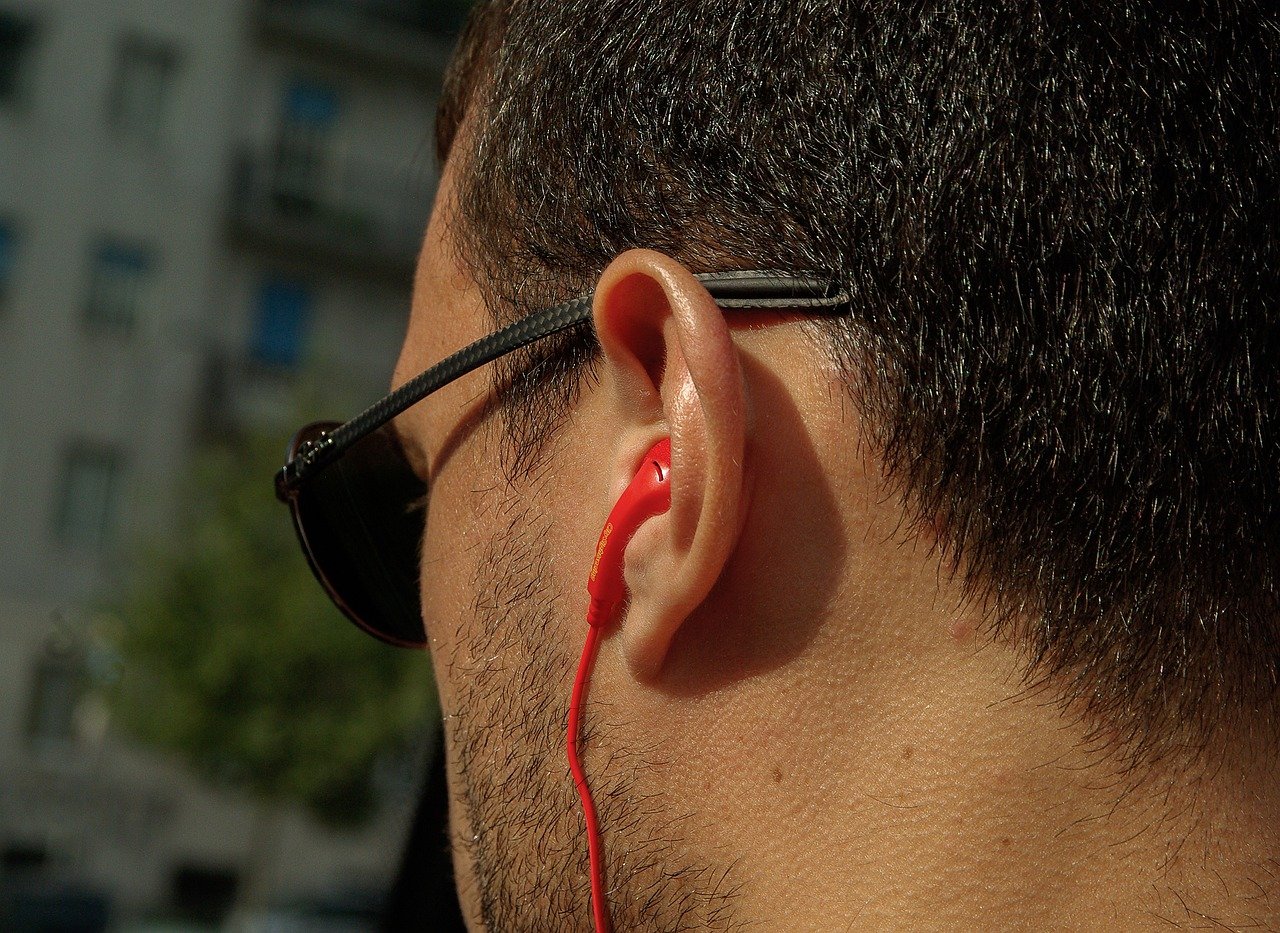
Proper ear maintenance requires an understanding of how human auditory anatomy manages cleanliness without outside intervention. Neglecting basic hygiene or turning to incorrect home removal techniques often results in painful blockages, minor infections, or temporary hearing loss. Establishing a mindful and scientifically sound routine ensures long-term auditory wellness.
Understanding Why Your Ears Clean Themselves
Human ear canals feature a continuous, built-in conveyor system driven by natural jaw movements that steadily shifts old cerumen toward the outer opening.
Cerumen, commonly called earwax, is a specialized secretion produced by glands in the outer third of the ear canal. This sticky substance acts as a vital biological trap, catching dust, stray hairs, and airborne microbes before they can reach the delicate eardrum. As you talk, chew food, or yawn throughout the day, the mechanical motion of your jaw gently massages the canal walls. This movement urges dry, older wax to migrate outward where it naturally flakes away during routine washing. Recognizing this self-sustaining biological process helps prevent the urge to dig into the ear canal unnecessarily.
Safe Daily Habits for Outer Ear Maintenance
Maintaining proper hygiene around the external ear structures involves nothing more complicated than warm water and a clean washcloth during your regular shower.
You can safely wipe the outer folds of the auricle and the crevice behind your earlobe while bathing. This removes surface sweat, dead skin cells, and accumulated dust without risking trauma to the internal canal. A gentle rinse with plain water is entirely adequate for external cleanliness. Keeping cleaning tools away from the inner canal preserves the protective lipid layer that keeps the delicate skin healthy and irritation-free.
Why You Should Throw Away Cotton Swabs
Inserting cotton-tipped applicators into the auditory canal is a widespread habit that frequently creates dangerous wax impaction and accidental injuries.
Many people assume that cotton swabs clean the ear, but they actually function like a piston, pushing soft outer wax deeper against the sensitive eardrum. Over time, repeated insertion packs this material into a dense plug that muffles sound and requires clinical removal. Furthermore, slipping even slightly while swabbing can scratch the thin skin lining the canal or puncture the tympanic membrane entirely. Medical professionals universally advise keeping all slender implements out of the ear canal.
The Truth About Ear Oils and Natural Remedies
Pouring unverified home remedies, herbal liquids, or essential oils directly into the ear canal introduces unexpected infection hazards and requires extreme caution.
While internet advice frequently recommends warm garlic oil, hydrogen peroxide, or diluted tea tree oil to dissolve wax, modern clinical consensus discourages unmonitored home liquids. Introducing random concoctions into the ear can worsen local inflammation or cause severe complications if an undiagnosed eardrum perforation is present. If stubborn wax accumulation causes discomfort, certified pharmacy-grade softening drops offer a much safer alternative than homemade mixtures.
When to See a Doctor for Professional Ear Removal
Professional medical intervention becomes necessary whenever home management strategies fail to clear significant cerumen blockages or persistent muffling.
Physicians utilize specialized diagnostic instruments like otoscopes to examine the canal safely before deciding on an extraction method. Clinical options include controlled warm-water irrigation or manual removal using tiny, specialized medical curettes under direct visual guidance. Another highly effective clinical technique is micro-suction, which uses a gentle vacuum device to clear debris safely. Attempting these advanced procedures without proper medical training risks serious canal trauma.
Warning Signs That Require Immediate Medical Attention
Recognizing specific red-flag symptoms ensures you seek prompt medical evaluation before minor auditory discomfort turns into a complex medical issue.
You should schedule an appointment with a healthcare professional immediately if you experience sharp or persistent earaches, sudden hearing loss in one or both ears, or unexplained dizziness and balance problems. Other concerning indicators include unusual fluid discharge, foul odors, or a persistent ringing sensation known clinically as tinnitus. Addressing these symptoms early safeguards your long-term auditory function. To learn more about maintaining overall physical vitality alongside sensory health, you can also explore how top 6 healthy ways to boost your mental well-being support a balanced daily routine.
Frequently Asked Questions About Ear Hygiene
How often should I clean my ears?
You only need to wipe the outer ear during your regular shower. The inside of the ear cleans itself naturally and requires no regular cleaning.
Can earwax buildup cause hearing loss?
Yes, a dense impaction of earwax can block sound waves from reaching the eardrum, leading to temporary muffled hearing that resolves once removed.
Are ear candles safe to use at home?
Medical experts strongly advise against ear candles because they do not effectively remove wax and can cause severe burns, wax deposits, or eardrum damage.
What causes excessive earwax production?
Genetics, narrow ear canals, frequent use of earplugs or hearing aids, and the habit of inserting cotton swabs can all stimulate or worsen wax buildup.
Is it normal to have dark earwax?
Yes, earwax varies in color from yellow to dark brown and can be wet or dry depending on genetics. Darker wax simply reflects older wax that has migrated outward.
When should I visit an ear, nose, and throat specialist?
You should consult a specialist if you experience severe pain, sudden hearing changes, persistent discharge, or if home softening drops fail to relieve a blockage.
Disclaimer: This article is for informational purposes only and does not substitute for professional medical advice, diagnosis, or treatment. Always consult a qualified healthcare provider regarding any questions or concerns about your ear health.

Daniel J. Morgan is the founder of Invidiata Magazine, a premier publication showcasing luxury living, arts, and culture. With a passion for excellence, Daniel has established the magazine as a beacon of sophistication and refinement, captivating discerning audiences worldwide.


