

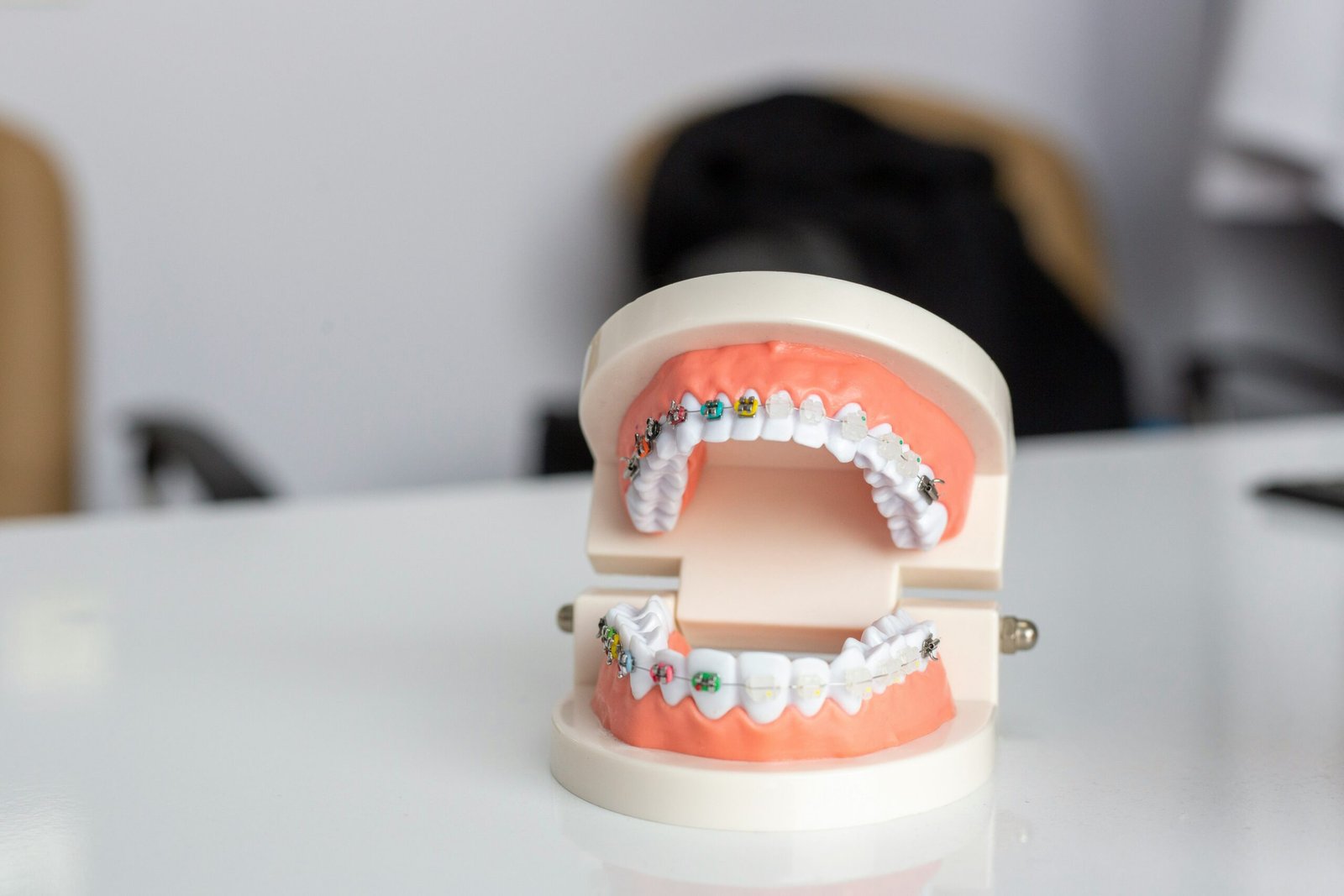
Photo by Enis Yavuz on Unsplash
Achieving a balanced and healthy smile is a rewarding investment in personal wellbeing that many Australians pursue throughout adulthood and adolescence alike. Daily life places constant functional demands on dental structures, whether through grinding tough foods, speaking continuously, or weathering unexpected impacts during weekend contact sports. Over time, natural dental crowding, skeletal jaw variations, or missing teeth can disrupt oral symmetry and create unexpected functional hurdles. Fortunately, modern dental practices across the country offer advanced orthodontic techniques designed to correct bite irregularities and restore long-term dental health.
Decoding Bite Mechanics and Structural Oral Harmony
Proper dental positioning does far more than create a photogenic appearance, as it fundamentally dictates how efficiently your upper and lower jaws distribute chewing force.
When dental arches misalign, certain teeth bear a disproportionate amount of pressure during routine mastication. This uneven force distribution can accelerate enamel wear, fracture restorations, and place undue stress on the temporomandibular joints that connect your jaw to your skull. Beyond physical jaw strain, crowded or overlapping teeth create tight physical crevices where food debris and bacterial plaque easily hide from standard brushing and flossing routines. Straightening these overlapping zones opens up natural access points for daily home hygiene, drastically reducing your long-term risk of developing localized tooth decay and chronic periodontal disease. By prioritizing proper alignment, patients establish a stable biomechanical foundation that protects both gum integrity and jaw comfort for decades.
Navigating Contemporary Orthodontic Solutions Down Under
Australian dental clinics provide an array of customized straightening systems tailored to match varying clinical complexities, daily aesthetic preferences, and personal budgets.
Traditional fixed metal brackets remain a clinical benchmark for managing complex bite rotations and severe crowding that require precise, multidirectional root movement. Today’s metal brackets are significantly sleeker and more compact than older versions, utilizing sophisticated heat-activated archwires that exert gentle, continuous pressure. Alternatively, clear aligner technology has become exceptionally popular among working adults and university students who prefer a virtually invisible orthodontic journey. Clear aligners utilize transparent, medical-grade thermoplastic trays manufactured via digital 3D imaging to gradually shift teeth through successive stages. Both treatment modalities demand careful clinical oversight by a registered Australian dental practitioner or specialist orthodontist to ensure biological safety and optimal root stability throughout the process.
| Orthodontic System | Material Composition | Visual Discretion | Removability |
| Fixed Metal Braces | Medical-grade stainless steel | Highly visible | Fixed to teeth |
| Clear Aligner Trays | Transparent medical plastic | Discreet and subtle | Removable for meals |
| Ceramic Brackets | Tooth-colored porcelain | Blends with natural enamel | Fixed to teeth |
Integrating Whitening and Restorative Enhancements
Comprehensive smile transformations often combine structural straightening with professional whitening and restorative procedures to elevate overall aesthetic results.
Once your teeth occupy their ideal anatomical positions, you may notice that lifestyle habits like drinking coffee, tea, or red wine have left behind surface staining. Professional bleaching treatments supervised by your local dental clinic safely lift deep enamel discoloration without harming your newly straightened foundation. In scenarios where structural damage or historical tooth loss preceded your orthodontic journey, dentists often integrate restorative solutions like porcelain crowns or bridges to fill empty spaces. For individuals exploring broader restorative upgrades, reviewing top 7 affordable cosmetic dentistry procedures that transform smiles offers valuable perspective on how diverse treatments work in tandem. Combining alignment with whitening and restorative care ensures that every visible aspect of your dental profile looks uniform, healthy, and vibrant.
Navigating Your Initial Clinical Assessment and Expenses
Beginning your orthodontic journey involves a thorough initial consultation with a qualified local practitioner who evaluates your oral health and outlines associated financial considerations.
Your first appointment typically includes a comprehensive physical examination of your gums and bite, alongside digital intraoral scans and diagnostic radiographs. These diagnostic tools allow your practitioner to map precise tooth movements and determine whether you require simple cosmetic alignment or complex orthognathic intervention. During this planning phase, your clinic will provide a transparent breakdown of total treatment costs, anticipated appointment frequencies, and estimated timelines. Patients utilizing private health insurance extras cover should check their specific policy limits and waiting periods to understand potential rebate amounts for orthodontic care. Transparent communication with your dental team ensures you can budget effectively while navigating Australia’s private healthcare landscape.
Frequently Asked Questions
How long does orthodontic alignment typically take for adults in Australia?
Treatment timelines vary based on individual bite complexity, generally spanning anywhere from six months for minor adjustments to two years for comprehensive corrections.
Will wearing aligners or braces cause constant daily discomfort?
Patients frequently report mild, temporary pressure or aching for a few days after switching to a new tray or tightening wires, but severe pain is uncommon.
Does Medicare pay for routine teeth straightening procedures?
Public Medicare schemes do not cover cosmetic or routine orthodontic treatments, meaning patients rely on private payment plans or applicable private health insurance extras.
Are adult teeth too rigid to be straightened effectively?
Adult bone tissue responds well to controlled orthodontic pressure, making teeth straightening entirely viable provided your gums and tooth roots remain healthy.
What is the purpose of wearing a retainer after active treatment?
Retainers hold your teeth in their newly corrected positions while surrounding jawbone and gum tissues stabilize, preventing natural relapse.
How do I verify the credentials of an Australian dental provider?
You can search the Australian Health Practitioner Regulation Agency online register to confirm that your chosen dentist or orthodontist holds active, unrestricted registration.
Professional Disclaimer
The details presented in this article serve strictly for general educational purposes and should not replace personalized medical or dental advice. Individual clinical needs, anatomical responses, and treatment expenses vary significantly from person to person. Readers must always consult directly with a registered Australian dental practitioner or specialist orthodontist to receive a comprehensive examination and tailored care plan before committing to any healthcare procedures.

Daniel J. Morgan is the founder of Invidiata Magazine, a premier publication showcasing luxury living, arts, and culture. With a passion for excellence, Daniel has established the magazine as a beacon of sophistication and refinement, captivating discerning audiences worldwide.


