

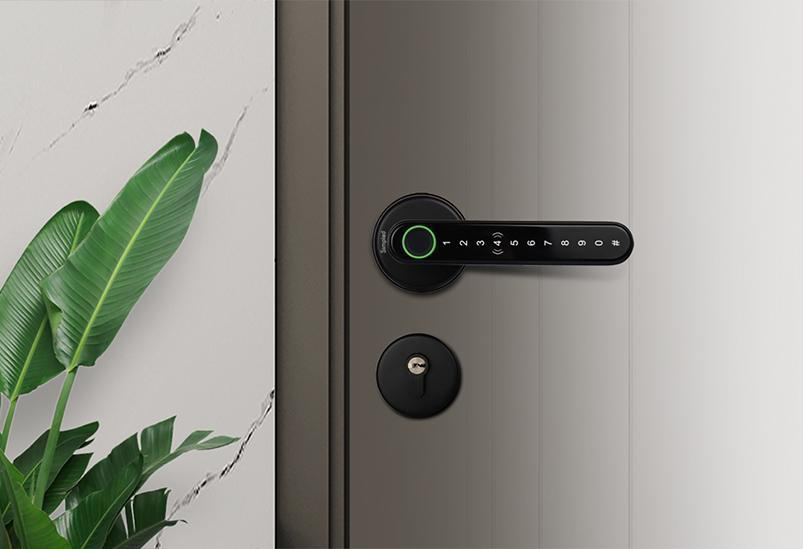
As the interior design and architectural hardware sectors evolve, the integration of electronic systems into functional hardware is reshaping how we interact with everyday storage. Smart furniture handles represent a significant shift away from purely mechanical locks and pulls, offering enhanced security and refined usability for both commercial workspaces and residential interiors.
Smart Technology in Modern Furniture Handles: An Overview
Smart furniture handles are specialized hardware pieces equipped with embedded electronic modules that replace conventional keys and mechanical latches with digital authentication methods. These devices merge the tactile nature of traditional furniture pulls with microcontrollers, small actuators, and wireless connectivity to give users granular control over access points. Rather than relying on physical metal keys that can be easily misplaced, these modern systems utilize biometric scans, near-field communication cards, or encrypted mobile device signals to secure drawers, cabinets, and lockers.
Core Technologies Powering Modern Handles
Modern furniture handles leverage several discrete electronic technologies to deliver keyless operation and user authentication without bulky external equipment. Biometric fingerprint sensors represent one of the most common methods, capturing ridge patterns to grant instant access to authorized personnel within milliseconds. Alongside biometric integration, many handles incorporate Near Field Communication (NFC) readers or Radio Frequency Identification (RFID) modules, allowing employees or residents to tap an ID badge, key fob, or wristband against the hardware. Furthermore, Bluetooth Low Energy (BLE) connectivity enables smartphone integration, letting administrators manage user permissions and unlock compartments directly through dedicated mobile software applications.
Key Security and Access Control Benefits for B2B Clients
Commercial offices, healthcare facilities, and hospitality environments often require strict access governance to protect sensitive documents, medication carts, and valuable equipment. Deploying smart hardware across office desking systems and storage units ensures that only verified individuals can open specific drawers or filing cabinets, reducing internal theft and accidental exposure of confidential records. In multi-user commercial spaces or shared co-working stations, digital access control eliminates the administrative nightmare of managing hundreds of physical master keys. When evaluating budgeting methods for commercial build-outs or reviewing commercial procurement guidelines, facility managers increasingly view electronic security features as a worthwhile investment that future-proofs their physical infrastructure.
Design Integration: Balancing Electronics with Clean Aesthetics
Hardware manufacturers face the complex engineering challenge of housing micro-batteries, circuit boards, and miniature motors inside slim, ergonomic handles without compromising minimalist interior design trends. Achieving this balance requires meticulous miniaturization and clever internal routing so that the outer chassis maintains the clean lines expected in luxury residential cabinetry and high-end executive desks. Designers frequently conceal the fingerprint scanner on the inner curve of a pull or hide the emergency charging port behind a magnetic decorative cap. This careful craftsmanship ensures that the inclusion of advanced technology does not result in clunky or industrial-looking hardware that clashes with sophisticated decor styles.
Power, Maintenance, and Durability Realities
Understanding the mechanical and electrical maintenance requirements of electronic hardware is essential for long-term reliability in high-traffic environments. Most smart handles operate on small coin-cell or rechargeable lithium-ion batteries designed to last for thousands of cycles before needing replacement or recharging. Manufacturers typically incorporate low-voltage warning lights or mobile app notifications that alert users well in advance when battery levels drop below a functional threshold. In the event of a total power failure, auxiliary micro-USB or mechanical backup ports allow authorized staff to supply emergency power and regain entry without destroying the cabinetry.
Strategic Value for Furniture Manufacturers and Designers
Furniture brands and industrial designers gain a distinct competitive edge by offering customizable electronic hardware options within their catalog lineups. Incorporating connected hardware allows manufacturers to position their product lines toward tech-forward corporate buyers, luxury homeowners, and institutional clients who demand elevated functionality. This differentiation strategy moves hardware beyond a simple commodity item, transforming it into a high-value feature that justifies premium pricing and drives brand loyalty in a crowded marketplace. For more guidance on managing large-scale procurement and budgets for these items, you can consult advice on smart financing strategies for household goods.
Frequently Asked Questions
What powers smart furniture handles?
Most smart furniture handles run on small internal batteries, such as coin cells or compact lithium-ion packs, designed to provide months of daily operation on a single charge.
Can smart handles be integrated into existing furniture?
Many retrofit models are designed to replace standard mechanical handles using existing mounting holes, making it relatively straightforward to upgrade traditional cabinets and drawers.
What happens if the battery dies completely?
Manufacturers usually include hidden emergency power ports, such as a concealed micro-USB or external battery jumper terminal, allowing you to supply temporary power and unlock the mechanism.
Are smart furniture handles secure against tampering?
High-quality electronic handles use encrypted wireless communication protocols and secure internal locking actuators to resist forced entry and unauthorized digital hacking attempts.
Who typically uses smart furniture handles?
They are widely adopted in corporate offices, medical facilities, educational institutions, and luxury residential projects where secure, keyless storage is a priority.
How many fingerprints can a biometric handle store?
Storage capacity varies by manufacturer and internal chip specifications, but most commercial-grade biometric handles can store dozens of unique user fingerprints.
Disclaimer: The details regarding smart furniture hardware specifications, power efficiency, and security features can vary across different manufacturers and evolving product generations. Readers and B2B buyers should always verify final technical sheets and installation guidelines directly with official suppliers before making purchasing decisions.


