

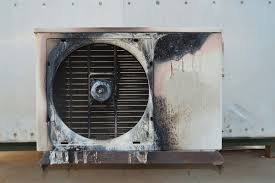
When your climate control equipment suddenly stops working during a severe heatwave, it quickly turns a comfortable indoor space into an oppressive environment. Dealing with a broken aircon can feel stressful, but understanding how modern cooling systems operate makes diagnosis much less intimidating. Many sudden shutdowns happen because contemporary climate control units feature sophisticated built-in safety protections designed to prevent catastrophic equipment damage before it occurs.
Residential cooling networks rely on a delicate balance of electrical continuity, specialized refrigerant pressures, and smooth airflow across indoor evaporator and outdoor condenser coils. When one component falls out of tolerance, safety sensors trip instantly to halt the entire refrigeration cycle. Recognizing the specific symptoms your air handler or outdoor condenser displays will help you decide whether a quick homeowner fix applies or if professional HVAC intervention is necessary.
Maintaining a comfortable living space also ties into broader household readiness, much like keeping the right first-aid and medical supplies organized and accessible for unexpected domestic emergencies. This guide explores the mechanical roots of cooling failures, safe homeowner diagnostics, critical warning signs, and long-term preventative habits tailored for modern households.
Assessing the Problem When Your Air Conditioner Stops Working
Assessing the problem when your air conditioner stops working requires observing whether your unit is blowing ambient room-temperature air, completely dead, or cycling on and off in rapid succession.
Take a few quiet moments to listen closely to your equipment and feel the vent output before you open up access panels or inspect wiring. If the indoor vents push out uncooled air while the outdoor condenser fan remains entirely stationary, the compressor may have failed to engage. Conversely, if the system clicks on for thirty seconds and then shuts down abruptly, a safety float switch or a limit control is likely interrupting power. Identifying these exact behavioral cues prevents wasted effort and points you directly toward the correct mechanical subsystem.
Common Culprits Behind a Non-Functioning Aircon
Common culprits behind a non-functioning aircon involve specific mechanical and electrical failure points like tripped circuit breakers, clogged filters, and safety float switches.
Dust, pet dander, and daily debris accumulate continuously on standard pleated filters, eventually restricting airflow across the aluminum evaporator coil. When airflow drops drastically, the coil surface drops below freezing temperatures, coating the interior in a solid sheet of ice that halts all cooling capacity. Another frequent issue is the condensate drainage network, which pulls gallons of moisture out of humid indoor air every day. If algae or sludge blocks this condensate drain pipe, the overflow safety float switch triggers automatically to cut power and prevent ceiling or wall water damage. Additionally, power surges from summer storms frequently overload dedicated HVAC breakers, cutting electricity to the entire compressor system.
Safe Troubleshooting Steps You Can Do Yourself
Safe troubleshooting steps you can do yourself include verifying smart thermostat settings, inspecting the main breaker panel, and swapping out dirty air filters.
Begin your diagnostic routine directly at your wall control interface by confirming the mode selector rests firmly on cooling and that the target temperature sits lower than the room reading. If your digital thermostat uses standard batteries, replace them immediately to ensure steady low-voltage signaling across your control wiring. Next, walk to your electrical service panel and locate the breaker dedicated to your heating and ventilation equipment. If the toggle switch sits in a tripped middle position, push it completely off before resetting it firmly to the on position. Finally, slide out your indoor air filter and replace it with a clean one if dust buildup obstructs the mesh.
Warning Signs That Require an Immediate HVAC Professional
Warning signs that require an immediate HVAC professional include detecting acrid burning odors, persistent electrical humming, and visible refrigerant leaks.
Certain cooling malfunctions involve high voltages and pressurized chemicals that exceed safe boundaries for DIY repairs and adjustments. If you notice a distinct electrical burning smell near your air handler or outdoor condenser cabinet, shut the system down at the breaker immediately to eliminate fire risks. Hearing a loud humming sound from the outdoor unit while the fan blades refuse to spin typically indicates a failed run capacitor or a seized compressor motor. Furthermore, if you observe oily residue or ice crystals forming directly on the copper refrigerant lines, leave the system alone. Handling regulated refrigerants requires specialized certifications and recovery equipment that only licensed professionals possess.
Preventing Future Aircon Breakdowns
Preventing future aircon breakdowns relies on consistent filter changes, outdoor coil cleaning, and scheduled annual maintenance inspections.
Proactive care is your strongest defense against peak-summer equipment failure and costly emergency repair bills when you need cooling the most. Make it a regular habit to inspect and replace your disposable air filters every one to three months depending on household dust levels and pet activity. Keep the exterior metal fins of your outdoor condenser unit clear of tall grass, fallen leaves, and mulch by maintaining a two-foot perimeter of empty space. Scheduling a professional preseason tune-up allows a trained technician to check electrical connections, clean internal coils, and verify refrigerant charge before the hottest weeks arrive.
| Malfunction Source | Observable Symptom | Recommended Action |
|---|---|---|
| Dirty Air Filter | Weak airflow or frozen evaporator coil | Inspect and replace filter immediately |
| Tripped Breaker | Completely dead system with zero lights | Reset breaker once; call pro if it trips again |
| Blocked Drain Line | Water pooling near indoor unit or float shutoff | Clear slime buildup or schedule service |
| Refrigerant Leak | Hissing noise, warm air vents, iced tubing | Shut down system and call a licensed HVAC expert |
Frequently Asked Questions
Why is my air conditioner running constantly but failing to cool the rooms?
A system running without interruption usually suffers from severely restricted airflow caused by a dirty filter, blocked condenser coils, or a low refrigerant charge from a leak.
Should I turn off my aircon immediately if it starts leaking water indoors?
Yes, turn off the system right away to prevent water damage to your flooring, drywall, and ceilings while you check for a clogged condensate drain line.
How frequently should I change my residential aircon filter?
You should inspect and replace your air filter every one to three months to maintain strong airflow and protect internal mechanical components from excessive thermal strain.
Can a tripped circuit breaker permanently damage my air conditioning unit?
A single tripped breaker is normally a protective safety response to an electrical spike, but repeated tripping signals a dangerous electrical short requiring professional diagnosis.
What steps should I take if my outdoor condenser fan stops spinning?
Turn off both the thermostat and the circuit breaker instantly because a motionless fan with a humming motor indicates a failing capacitor or a stalled motor.
Is it safe to clean my outdoor condenser coils with a garden hose?
You can gently rinse away loose surface dirt and leaves from the exterior metal fins using a standard garden hose on a low-pressure setting without bending the delicate fins.
Disclaimer: The troubleshooting guidelines and information shared in this article are for educational purposes only. Air conditioning equipment involves high-voltage electricity and pressurized chemicals; always consult or hire a licensed, qualified HVAC professional for complex repairs to ensure complete safety and code compliance.


