
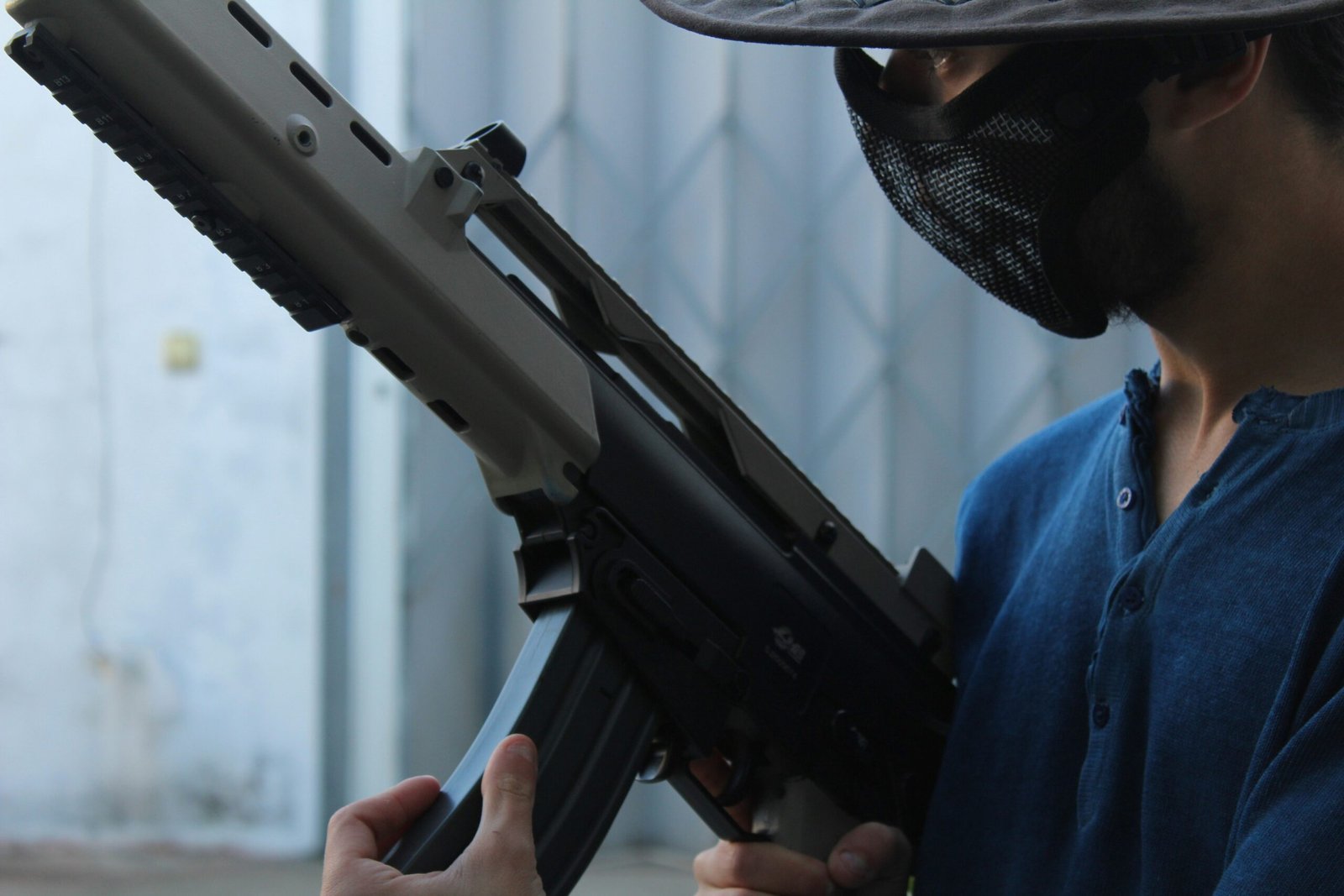
Photo by Gerson Martins on Unsplash
Competitive shooting sports represent an exclusive intersection of precision engineering, luxury craftsmanship, and elite marksmanship. For many participants, firearms are not merely functional tools; they are finely tuned instruments that rival high-end racing gear or custom golf equipment in both precision and financial investment. As the sport continues to attract dedicated enthusiasts worldwide, understanding the complex financial footprint, equipment classes, and ongoing asset management has been essential for anyone entering the high-end circuit.
The Capital Requirements of Custom Competition Firearms
Investing in luxury marksmanship involves substantial capital commitments for custom-built firearms, specialized optics, and premium maintenance services.
Custom-built rifles and match-grade pistols command significant prices due to the extreme tolerances required in professional competition. When factoring in specialized barrels, custom-fitted stocks, and aerospace-grade aluminum or carbon fiber components, a single competitive platform can easily exceed the cost of standard sporting arms. Top competitors rarely rely on a single setup; instead, they maintain multiple specialized firearms tailored to specific tournament formats, atmospheric conditions, and distance categories.
Beyond the initial hardware purchase, ongoing expenses such as custom ammunition development, component sourcing, and routine maintenance add significantly to the overall budget. Because precision handloading requires meticulous quality control, participants invest heavily in high-grade brass, match-grade primers, and specialized powders to ensure absolute consistency downrange.
Specialized Gear Categories Across Major Shooting Disciplines
Different competitive shooting disciplines demand distinct equipment classes, each with unique technical specifications and financial thresholds.
| Competition Discipline | Typical Primary Equipment | Specialized Requirements |
|---|---|---|
| Precision Rifle Series (PRS) | Custom-built bolt-action rifles | Long-range ballistic optics, integrated wind-reading devices |
| International Pistol Competition | Match-grade semi-automatic handguns | Custom ergonomic grips, adjustable target sights, premium holsters |
| 3-Gun Competition | Rifle, shotgun, and pistol configuration | Rapid target acquisition accessories, heavy-duty transport gear |
The equipment demands across these categories illustrate why competitive marksmanship operates within a luxury framework. Precision Rifle Series competitors rely on long-range weapon systems where the attached optics can cost just as much as the rifle itself. International pistol shooters utilize handguns featuring hand-fitted triggers and micro-adjustable sights designed to perform flawlessly under rigorous tournament stress. Meanwhile, 3-gun participants manage multiple high-end platforms simultaneously, requiring robust transport cases and extensive accessory kits.
High-End Training Ranges and Advanced Facility Infrastructure
Training for top-tier shooting competitions requires access to premier facilities equipped with advanced infrastructure.
Elite training centers offer climate-controlled indoor bays, electronic scoring systems, and real-time target feedback mechanisms that allow shooters to analyze their performance down to the millisecond. Many serious participants maintain memberships at multiple exclusive clubs to ensure uninterrupted practice regardless of seasonal weather changes. Professional coaching, private range time, and specialized tactical seminars further elevate the yearly expenditure required to remain competitive at the highest levels.
Marksmanship Asset Protection, Secure Storage, and Gunsmithing
Owning a collection of high-value competition firearms requires strict attention to secure storage, professional maintenance, and specialized transport logistics.
Because precision components experience wear during rigorous training schedules, professional gunsmiths play an indispensable role in maintaining peak performance. Certified gunsmiths who specialize in match-grade platforms often maintain extended waiting lists for custom trigger tuning, barrel re-boring, and preventative maintenance. Furthermore, transporting these valuable assets across regional or national borders for major competitions necessitates heavy-duty, airline-approved Pelican cases, secure vehicle vaults, and comprehensive firearms insurance policies to protect against loss or damage.
Valuation Dynamics and Portfolio Management for Firearms
High-end competition firearms frequently retain their financial value remarkably well, occasionally appreciating over time when properly cared for and documented.
Unlike consumer electronics that quickly become obsolete, a meticulously maintained custom rifle or match pistol retains enduring utility within the shooting community. For competitors looking to liquidate or update their equipment portfolios, understanding accurate market values is vital. Professional valuation services like Cash for Arms specialize in appraising high-end firearms, helping competitors navigate sales and trades with complete confidence.
Maintaining personal wealth and financial clarity across specialized hobbies often parallels broader asset management strategies. For a wider perspective on managing valuable assets and wealth preservation, exploring wealth management terminology for success can offer valuable insights into long-term financial planning.
Frequently Asked Questions
What makes competitive shooting a luxury sport?
The sport enters the luxury tier due to the high cost of custom firearms, premium match-grade optics, private club memberships, and specialized training infrastructure.
How much does a competitive shooting setup cost?
A professional-grade setup can range from several thousand dollars to well over twenty thousand dollars when combining the firearm, specialized scope, and custom accessories.
Do competition firearms hold their value?
Yes, premium competition firearms often retain a high percentage of their original value, and rare custom builds can even appreciate if they are meticulously maintained.
Why are professional gunsmiths essential for competitors?
Professional gunsmiths ensure that tight-tolerance match firearms maintain their accuracy, safety, and reliability through regular tuning and component replacements.
What are the main equipment classes in competitive shooting?
The major categories include Precision Rifle Series, International Pistol Competition, and multi-gun events such as 3-Gun.
How do competitors manage transport and security for high-end gear?
Competitors use heavy-duty lockable cases, secure home safes, and specialized insurance policies to safeguard their valuable firearm collections during travel and storage.
Disclaimer: The details regarding equipment costs, valuation practices, and sporting regulations mentioned in this article are subject to change. Readers should verify final specifications and market values directly with official manufacturers and licensed professionals before making investment decisions.

Daniel J. Morgan is the founder of Invidiata Magazine, a premier publication showcasing luxury living, arts, and culture. With a passion for excellence, Daniel has established the magazine as a beacon of sophistication and refinement, captivating discerning audiences worldwide.


