

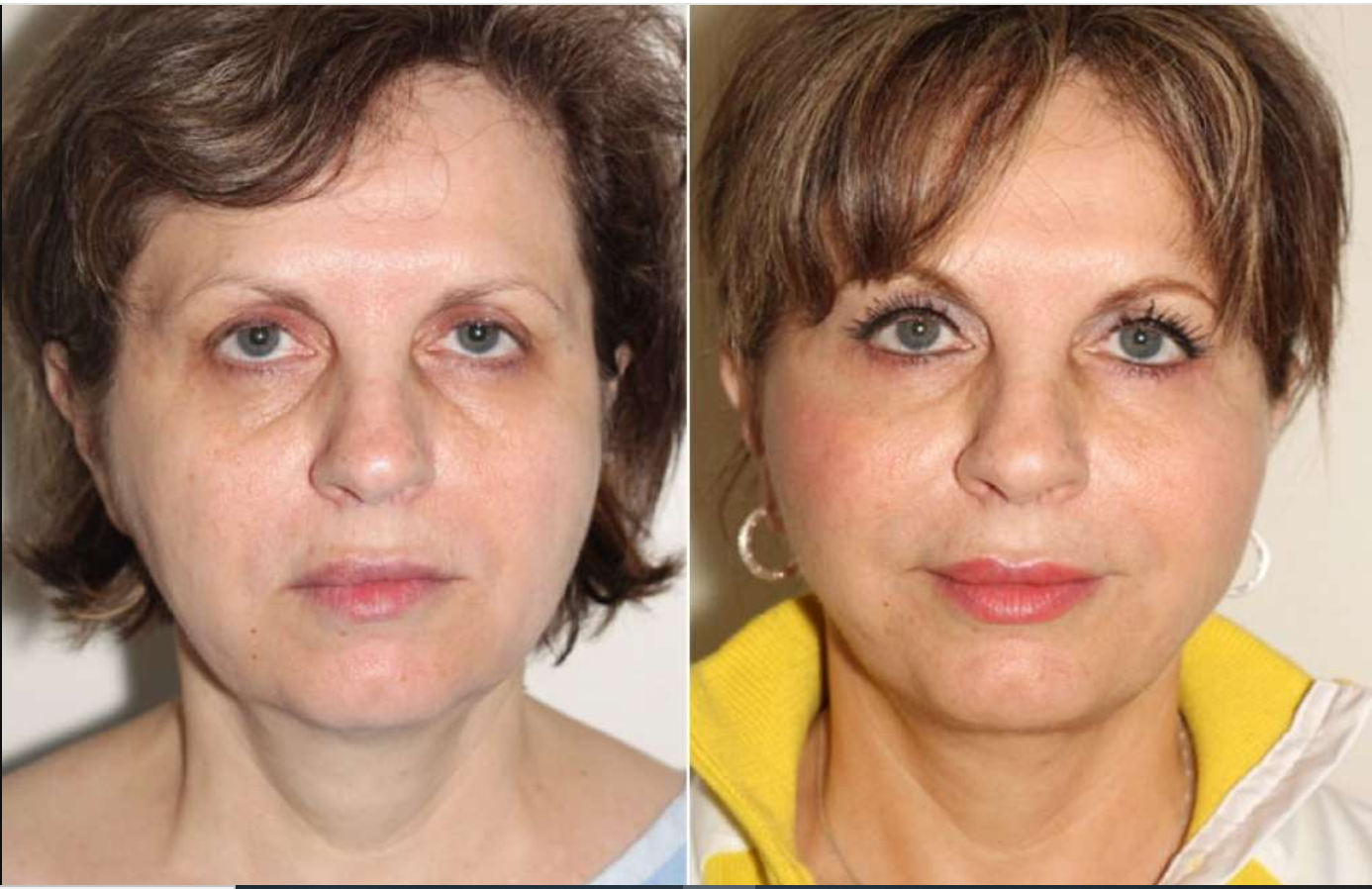
A lower facelift is a specialized surgical procedure designed to correct aging signs in the lower third of the face, specifically targeting sagging jowls, loose jawline contours, and accumulated lower cheek laxity. Unlike a full traditional facelift that handles the midface and temples simultaneously, this focused intervention hones in precisely where gravity and time tend to take their heaviest toll. Patients choose this targeted approach to refresh their lower profile without undergoing a more extensive operation that alters areas they feel do not need work.
Understanding what this procedure actually achieves helps individuals approach their medical consultations with realistic expectations and clear goals. Evaluating the specific structural and psychological advantages provides a comprehensive look at how targeted facial surgery impacts both daily appearance and personal confidence.
Restoring Crisp Jawline Contour and Definition
Restoring crisp jawline contour and definition stands as the primary structural achievement of a lower facelift.
Over time, the muscular framework and superficial musculoaponeurotic system of the lower face lose their youthful tension, causing the jawline to blur into the neck. Plastic surgeons correct this by lifting and tightening that deep supportive layer rather than simply pulling surface skin tight, creating a sharp, naturally defined separation between the jaw and the upper neck.
Eliminating Heavy Jowls and Sagging Lower Cheeks
Eliminating heavy jowls and sagging lower cheeks effectively smooths out the shadows and folds that frame the lower mouth.
Facial fat pads naturally descend as we age, pooling along the mandible to create prominent jowls that disrupt the smooth oval of a youthful face. By gently repositioning these displaced fat tissues back upward and removing redundant skin, the procedure establishes a seamless contour from the cheekbones down to the chin.
Establishing Clear Separation from Neck Lifts
Establishing clear separation from neck lifts helps patients understand why these two procedures address entirely different anatomical zones.
A lower facelift concentrates strictly on the jowls and lower cheeks, whereas a neck lift specifically targets vertical bands, loose neck skin, and submental fullness under the chin. Many individuals benefit from combining both procedures into one surgical session, but knowing their distinct anatomical boundaries ensures precise communication during your medical consultation.
Managing Realistic Recovery and Social Downtime
Managing realistic recovery and social downtime allows patients to schedule their healing process around work and personal commitments.
Most individuals experience predictable bruising and localized swelling during the first fourteen days following surgery. By the end of the third week, the majority of patients feel comfortable returning to public outings and non-physical professional tasks, supported by modern surgical techniques that prioritize careful tissue handling and minimized discomfort.
Achieving Durable, Long-Term Structural Improvements
Achieving durable, long-term structural improvements makes the procedure a lasting investment in your personal appearance.
While natural aging continues at a cellular level after the operation, the surgical reset rolls back the clock by years. Because the underlying structural foundation is physically repositioned and secured, the refreshed contour resists rapid re-sagging far better than non-surgical skin-tightening treatments.
Generating a Meaningful Boost in Daily Confidence
Generating a meaningful boost in daily confidence follows naturally when your reflection aligns with how energetic you feel inside.
Persistent insecurities about sagging jowls or a softened jawline often cause people to feel self-conscious in professional meetings or social gatherings. Correcting these visible markers of aging removes that daily distraction, allowing you to move through life with renewed ease and self-assurance.
Facilitating Harmonious Combination Treatments
Facilitating harmonious combination treatments enables plastic surgeons to address multiple areas of the face during a single operation.
Patients frequently pair their lower facial surgery with complementary procedures like eyelid rejuvenation or fat grafting to restore lost volume in the midface. For those exploring broader lifestyle and grooming investments, maintaining overall personal presentation is key, much like how investing in custom tailored suits completes a polished professional image.
Common Questions About Lower Facelift Surgery
How is a lower facelift different from a traditional full facelift?
A traditional facelift addresses the midface, cheeks, jowls, and neck simultaneously, whereas a lower facelift concentrates exclusively on the lower third of the face and jawline.
How long will the results of my lower facelift last?
The results typically endure for a decade or more because the surgery alters and tightens the deep muscular framework of the lower face rather than just the skin.
Will this procedure fix loose skin under my chin?
A lower facelift improves the immediate jawline transition, but deep neck laxity or vertical bands usually require an accompanying neck lift or submental procedure.
When can I safely resume normal social activities?
Most patients feel ready to return to work and light social interactions after two to three weeks once primary bruising and swelling have significantly dissipated.
Are the surgical scars noticeable after healing?
Incision lines are carefully placed within natural creases around the ear and into the hairline, making them discreet and virtually unnoticeable once fully matured.
Can non-surgical treatments replace a lower facelift?
Non-surgical energy treatments can improve mild skin texture, but significant jowling and severe tissue laxity require surgery to achieve a meaningful, lasting correction.
Who is considered an ideal candidate for this surgery?
Ideal candidates are generally in good overall health and experiencing noticeable skin laxity, jowl formation, or loss of jawline definition that cannot be resolved with non-invasive methods.
Disclaimer: The details provided here are for informational purposes only and do not constitute formal medical advice. Surgical procedures involve personal health risks, and readers should consult directly with a qualified plastic surgeon to evaluate their specific needs and confirm final medical details.


