

Key Takeaways:
- Animal-assisted programs in senior residential facilities deliver measurable clinical and psychological support tailored specifically to aging residents.
- Interacting with certified therapy animals helps reduce chronic agitation, loneliness, and clinical symptoms of depression in long-term care settings.
- Supervised animal visitation sessions encourage safe physical movement and foster vibrant social connections among elderly peers.
Defining Animal-Assisted Support Within Long-Term Residential Care
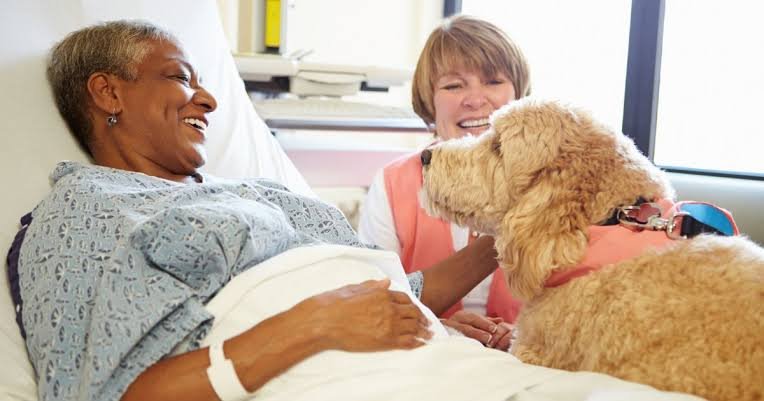
Animal-assisted support in a senior residential facility involves introducing temperament-tested creatures into a heavily structured healthcare environment. Unlike casual pet ownership or permanent facility mascots, professional pet therapy programs rely on certified animals that visit on predictable schedules. Handlers coordinate closely with nursing staff to integrate these interactions directly into resident care plans, offering elderly individuals comforting moments that contrast with standard clinical routines.
Registered therapy registries evaluate candidate animals rigorously to ensure they remain calm around wheelchairs, medical equipment, and sudden noises typical of nursing homes. This careful screening allows frail seniors or individuals experiencing cognitive decline to interact safely. Introducing these gentle visitors transforms ordinary common rooms into warm spaces filled with positive tactile stimulation.
How Regular Animal Contact Regulates Senior Moods and Stress
Regular animal contact helps regulate senior moods and stress levels by triggering beneficial neurochemical responses within the brain. Physical touch, such as stroking a dog’s soft coat or holding a purring cat on a lap, prompts the release of oxytocin, serotonin, and dopamine while reducing cortisol production. These biological shifts offer natural relief from the emotional strain of institutional living.
Seniors frequently battle profound isolation, but the unconditional affection provided by a therapy animal creates an immediate sense of emotional safety. Participating in scheduled grooming routines gives residents a comforting sense of personal purpose and structure. This meaningful engagement helps break persistent cycles of withdrawal and mental fatigue among elderly residents.
Adapting Physical Activities for Residents With Limited Mobility
Adapting physical activities for residents with limited mobility requires tailoring each animal session to individual physical capacities and health restrictions. While ambulatory seniors often enjoy brief, assisted walks with a docile dog across facility courtyards, individuals with restricted movement benefit immensely from stationary lap visits with small animals. These seated sessions encourage fine motor control as participants practice gentle brushing or handling lightweight collars.
Clinical observations indicate that regular physical interaction with docile creatures contributes to stable blood pressure readings and reduced physiological strain. Gentle animal engagement prompts subtle upper-body stretching and hand-eye coordination, assisting residents in maintaining foundational movement skills. Even minimal physical participation contributes significantly to overall daily vitality and comfort.
Transforming Facility Culture Through Organic Social Catalysts
Transforming facility culture through organic social catalysts happens naturally when visiting animals bring isolated residents together in shared common areas. Pets naturally lower interpersonal barriers, giving seniors an effortless and neutral topic of conversation during group gatherings. An amiable animal serves as an effective icebreaker, encouraging even introverted individuals to speak with neighbors and care staff.
Group activities centered around visiting creatures foster a collective sense of joy and community connection across the entire residential wing. Neighbors who rarely spoke begin exchanging personal stories about pets they owned earlier in life, creating deeper social bonds. This shared engagement revitalizes common spaces and fosters a warmer, more vibrant living environment for everyone involved.
Implementing Rigorous Health Screening and Facility Protocols
Implementing rigorous health screening and facility protocols is essential for protecting vulnerable populations before introducing any animal into a nursing home. Facilities partner with recognized registries like Pet Partners or Therapy Dogs International to verify that visiting animals maintain up-to-date vaccinations and comprehensive parasite screenings. Staff members also undergo specialized training to guide safe interactions and monitor resident responses closely.
| Protocol Stage | Key Requirement | Purpose in Senior Care |
|---|---|---|
| Animal Screening | Certification by recognized therapy registry | Ensures calm temperament and obedience around medical equipment |
| Health Checks | Up-to-date vaccinations and parasite screenings | Prevents disease transmission in immunocompromised residents |
| Resident Assessment | Review of allergies, phobias, and cognitive status | Protects resident health, physical safety, and emotional comfort |
Clear documentation and consent protocols help address family concerns regarding potential allergies or behavioral unpredictability. Facilities map out clear schedules and designated therapy zones to keep operations organized and safe for everyone involved.
Navigating Hygiene Standards and Safeguarding Animal Welfare
Navigating hygiene standards and safeguarding animal welfare requires proactive infection control policies and careful observation of each animal’s physical limits. Respiratory sensitivities, severe allergies, and animal phobias are carefully managed through thorough medical chart reviews and hypoallergenic animal selections where appropriate. Gradual introductions help residents overcome initial hesitation without feeling overwhelmed.
Safeguarding animal welfare is equally critical to the long-term success of any therapy initiative in senior living facilities. Handlers ensure that visiting animals are never overworked, stressed, or exposed to chaotic environments that compromise their well-being. For individuals exploring broader care options or complementary wellness practices, looking into structured community models like our guide on choosing adult group homes can provide additional insights into supporting elderly family members.
What distinguishes a formal pet therapy visit from a resident nursing home pet?
A formal therapy animal is specially trained, certified, and brought in for scheduled visits, whereas a resident pet lives permanently at the facility and is cared for collectively.
How do nursing home coordinators screen residents for animal programs?
Staff review medical histories for allergies, immune vulnerabilities, severe phobias, and cognitive conditions to ensure safe participation.
Can elderly residents with advanced dementia safely participate in pet sessions?
Yes, structured interactions often soothe agitation and prompt positive memories for individuals with cognitive decline under close staff supervision.
What types of animals are commonly utilized in senior facility visits?
Dogs are the most frequent visitors, but trained cats, rabbits, and occasionally docile guinea pigs also participate based on facility guidelines.
Are therapy animals subjected to routine veterinary health checks?
Yes, certified therapy animals undergo regular veterinary examinations, vaccinations, and grooming checks to maintain strict facility hygiene standards.
How do structured animal visits impact physical health markers?
Interacting with animals encourages gentle motor movement, light stretching, and can help lower blood pressure and stress hormone levels.
Disclaimer: The details regarding pet therapy programs can vary significantly by facility, region, and specific organizational guidelines. Readers and caregivers should verify final protocol information directly with official senior care providers.

Passionate content writer and savvy blog publisher, Aamir crafts compelling stories and insightful articles that captivate and inform. With a knack for blending creativity and strategy, they bring fresh perspectives to every piece. Dive into their world of words and discover content that resonates.


