

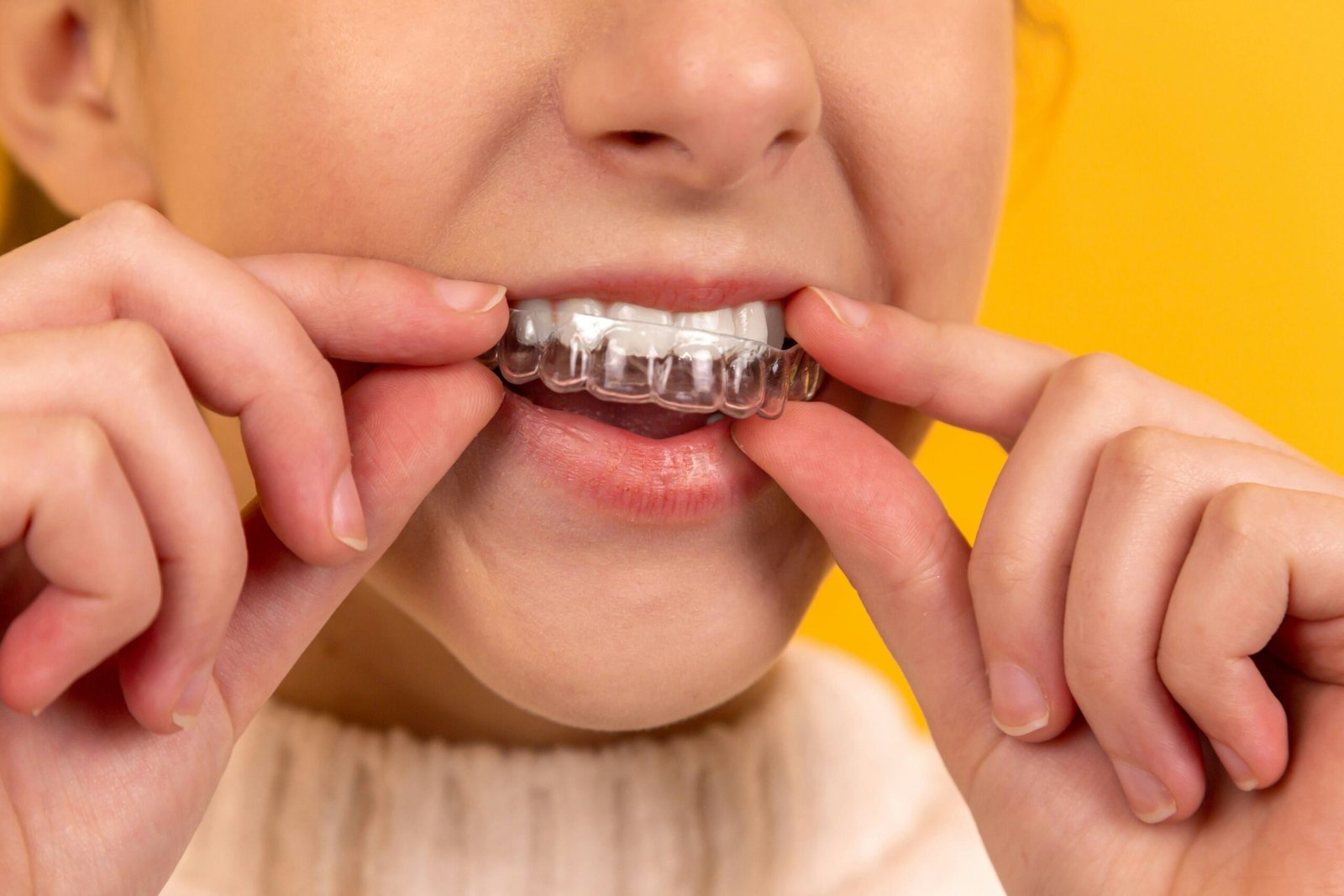
Photo by Diana Polekhina on Unsplash
Are you experiencing chronic discomfort in your jaw, persistent tension headaches, or difficulty chewing your favorite foods? If so, you might be one of the many individuals struggling with jaw misalignment. Achieving optimal jaw alignment is not merely a matter of a straight smile; it is essential for your overall physical health, proper bite function, and daily comfort. In this comprehensive guide, we delve into the various treatments and techniques available to correct jaw misalignment, empowering you to reclaim your quality of life. Don’t let untreated jaw discomfort hold you back. Read on to discover the most effective solutions and take the first step toward lasting relief.
Understanding Jaw Misalignment: Dental vs. Skeletal Issues
Jaw misalignment typically falls into two distinct categories: dental malocclusion, which involves only the positioning of the teeth, and skeletal discrepancies, which involve the actual size and position of the jaw bones.
When teeth are crowded, spaced unevenly, or angled improperly, a dental malocclusion occurs. This type of misalignment can usually be addressed entirely with orthodontic appliances that shift the teeth into better contact. On the other hand, skeletal jaw discrepancies happen when the upper jaw and lower jaw do not grow at the same rate or align correctly relative to each other. A skeletal issue often results in an underbite, overbite, or crossbite that extends beyond simple tooth arrangement. Recognizing this difference is the crucial first step because it dictates whether a patient needs standard orthodontics or a combination of orthodontics and surgical intervention.
Common Signs and Symptoms Beyond Tooth Spacing
Recognizing the subtle warning signs of jaw misalignment early can prevent chronic issues like temporomandibular joint, or TMJ, disorders from worsening over time.
Many people assume that crooked teeth are the only indicator of a poor bite, but jaw misalignment often manifests through entirely different physical symptoms. Frequent tension headaches, particularly upon waking up in the morning, are a common red flag. Patients frequently report persistent clicking, popping, or grinding sounds within the jaw joint when opening and closing the mouth. Other indicators include facial muscle fatigue, difficulty chewing or biting down evenly, earaches without any signs of infection, and uneven wear patterns on the enamel of the teeth. If you notice several of these symptoms consistently, scheduling an evaluation with a dental professional is strongly recommended.
Diagnostic Steps: What to Expect at the Orthodontist
A professional diagnosis for jaw alignment issues involves a thorough clinical examination combined with advanced imaging technology to map out the exact structure of your bite.
When you visit an orthodontic specialist, the appointment goes far beyond a quick visual check. The dental professional will physically examine your bite, check your jaw range of motion, and listen for joint sounds. Modern diagnostic protocols often incorporate digital intraoral scans and panoramic X-rays or cone-beam computed tomography scans. These detailed images allow the practitioner to view the roots of your teeth, the bone density of your jaw, and the exact positioning of the temporomandibular joints. Armed with this diagnostic data, the clinician can formulate a personalized treatment plan tailored to your specific anatomical needs.
Braces and Clear Aligners for Dental Corrections
Traditional braces and clear aligner systems remain the foundational techniques for correcting dental malocclusions and improving overall bite function.
Traditional metal or ceramic braces use brackets bonded to the teeth and connected by archwires to exert gentle, continuous pressure. This pressure gradually shifts teeth into a properly aligned position over several months or years. Alternatively, clear aligner systems offer a removable, nearly invisible alternative for patients with mild to moderate misalignment. Clear aligners use a series of custom-molded plastic trays to incrementally move teeth. While aligners are popular for their aesthetic appeal and convenience during eating and cleaning, traditional braces are sometimes preferred for complex rotational or vertical tooth movements.
Orthognathic Surgery and Severe Alignment Cases
When jaw misalignment stems from severe skeletal discrepancies that cannot be resolved with teeth-moving orthodontics alone, orthognathic surgery becomes a necessary clinical option.
Orthognathic surgery is a specialized hospital procedure performed by an oral and maxillofacial surgeon in coordination with an orthodontist. This surgical approach repositions one or both jaw bones so that the upper and lower arches fit together correctly. Patients typically wear braces for a period before and after the surgery to align the teeth properly with the newly repositioned jaw bones. While surgery sounds intimidating, it offers transformative functional improvements for individuals suffering from severe bite issues, chronic facial pain, or obstructive sleep apnea related to jaw structure.
Supportive Devices: Splints, Night Guards, and Jaw Exercises
Temporary supportive devices and targeted physical therapies play an essential role in managing discomfort and supporting long-term jaw stability.
Custom-made dental splints and night guards are frequently prescribed to alleviate pressure on the temporomandibular joint, especially for individuals who grind or clench their teeth during sleep. A stabilization splint helps keep the jaw in a relaxed, neutral resting position. Additionally, physical therapy and guided jaw exercises can help strengthen the surrounding musculature, improve joint mobility, and relieve tension in the neck and shoulders. While these supportive techniques do not permanently fix a skeletal misalignment, they provide vital relief from daily pain and protect dental structures from excessive wear.
Frequently Asked Questions
What is the main difference between dental and skeletal jaw misalignment?
Dental misalignment involves only the position of the teeth, whereas skeletal misalignment involves the actual size, shape, or structural positioning of the jaw bones.
Can clear aligners fix a bad bite?
Clear aligners can successfully treat many mild to moderate bite issues, but severe skeletal misalignments often require traditional braces or orthognathic surgery.
How do I know if my headaches are related to my jaw?
Jaw-related headaches often accompany other symptoms like clicking sounds, jaw muscle fatigue, tooth wear, and pain when chewing.
Is jaw alignment correction painful?
Procedures involving braces or aligners cause mild, temporary soreness after adjustments, while surgical corrections involve a more significant recovery period managed with prescribed medication.
How long does jaw alignment treatment take?
Treatment timelines vary widely based on complexity, ranging from several months for minor dental adjustments to two or more years for comprehensive orthodontic and surgical cases.
Are night guards a permanent cure for jaw misalignment?
No, night guards protect teeth from grinding and relieve joint pressure, but they do not permanently alter the underlying alignment of the jaw bones.
Achieving proper jaw alignment is a journey that requires professional guidance, patience, and the right combination of clinical treatments tailored to your unique anatomy. For individuals exploring various physical alignment therapies, you can also look into professional chiropractic care to support full-body posture. Always consult with a qualified dental or orthodontic specialist to verify your diagnosis and explore the safest, most effective options for your health.


