

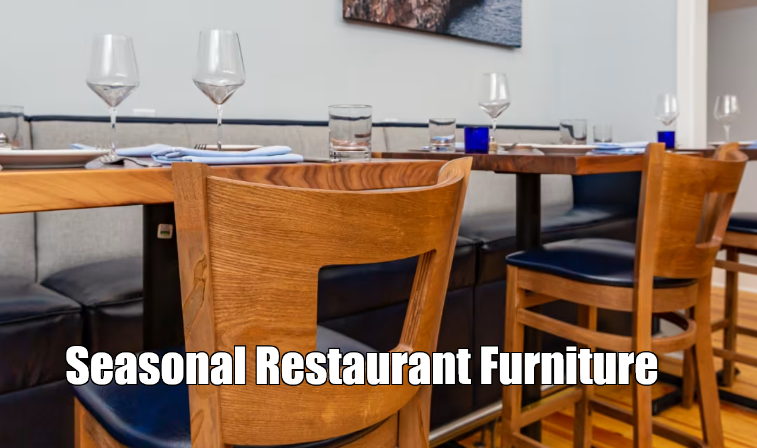
Keeping a dining room inviting requires paying close attention to how the physical environment responds to changing weather and customer expectations. The way chairs feel against a guest’s back, the sturdiness of an outdoor patio setup, and the ease of moving tables during a busy dinner rush all dictate how long patrons stay. When restaurant operators update their floor plans to match the calendar, they solve practical operational problems while giving regulars a reason to return. Relying on fixed, year-round seating often leads to worn upholstery in summer and freezing cold metal touchpoints in winter, making thoughtful seasonal adjustments a necessity for modern hospitality venues.
Adapting your dining room throughout the year does not mean buying brand-new inventory every few months. By choosing versatile commercial bases and swapping out high-wear cushions, protective covers, or modular accents, you can alter the mood of the room efficiently. Let us examine how restaurant owners can manage these layout shifts through spring, summer, and the colder months without disrupting daily kitchen and waitstaff workflows.
Spring Transitions and Flexible Seating Layouts
Spring requires transitioning your indoor dining room toward lightweight, modular arrangements that accommodate unpredictable weather and fluctuating party sizes.
As winter coats disappear, diners naturally gravitate toward areas with more natural light and open sightlines. Restaurant floor managers can facilitate this shift by introducing stackable aluminum frames or lightweight bamboo chairs that allow servers to reconfigure tables quickly when large weekend parties arrive. Modular booth seating and movable partitions help staff split large dining halls into intimate nooks during slow Tuesday lunches or open them up completely for busy Friday night seatings. These movable pieces prevent floor blockages and give your front-of-house team complete control over table spacing. For additional insights on updating physical environments with fresh visual touches, you can explore broader contemporary home decoration styles that translate well into commercial hospitality spaces.
Summer Patio Engineering and Weather Resistance
Summer demands a heavy operational focus on outdoor seating durability, UV protection, and quick-drying commercial fabrics.
Warm weather drives food and beverage revenue onto outdoor patios, sidewalks, and rooftop decks, but harsh sunlight and sudden downpours test the limits of standard furniture. Restaurant owners must invest in commercial-grade outdoor chairs and tables built from powder-coated metals or high-density teak that resist warping, fading, and rust under intense UV exposure. Cushions utilized in outdoor spaces should feature closed-cell, quick-dry foam wrapped in marine-grade mesh or solution-dyed acrylic covers to prevent moisture retention and mold growth during humid summer weeks. Creating a smooth transition between indoor service stations and outdoor patio perimeters keeps food runners moving fast without tripping over heavy furniture bases.
Autumn and Winter Comfort and Durable Upholstery
Colder months require shifting indoor dining arrangements toward heavy-grain wood tables and thick upholstered seating that offer physical insulation and a sense of enclosure.
When outdoor temperatures drop, guests seek shelter from cold drafts near windows and doors, making seating comfort paramount during fall and winter service hours. Replacing minimalist wire chairs with densely padded booths upholstered in commercial-grade velvet, tweed, or heavy synthetic blends helps absorb ambient room noise while keeping diners warm. Sturdy oak and walnut tabletops paired with cast-iron pedestal bases withstand the daily abuse of wet coats, heavy winter boots, and hot soup bowls. This tactile shift creates a cozy dining environment that encourages patrons to order multi-course meals and linger over dessert instead of rushing out the door.
Managing Storage Logistics for Seasonal Furniture
Storing bulky patio sets and specialized winter seating safely requires careful back-of-house space planning to protect your financial investment.
One of the biggest hurdles restaurant operators face when rotating seasonal furniture is finding secure, clean space to house off-duty items without cluttering service pathways. Before tucking chairs and tables away in basement storage or off-site facilities, staff must thoroughly clean, dry, and treat each item with protective weatherproof covers to prevent dust buildup and pest damage. Stacking outdoor dining chairs vertically using commercial-grade dollies minimizes floor footprints and prevents frame scratching. Proper off-season storage extends the working lifespan of expensive commercial hospitality assets, ensuring your furniture remains structurally sound for many years of service.
| Season | Primary Materials | Operational Focus |
|---|---|---|
| Spring | Bamboo, light aluminum, recycled composite | Modular flexibility, rapid table reconfiguration |
| Summer | Teak wood, powder-coated steel, quick-dry mesh | UV resistance, moisture protection, patio durability |
| Fall & Winter | Solid hardwood, heavy upholstery velvet, cast iron | Thermal insulation, noise reduction, guest comfort |
Long-Term Investment and Sustainable Purchasing
Sustainable commercial purchasing practices ensure that seasonal furniture upgrades remain financially responsible and structurally reliable over time.
Commercial buyers are increasingly seeking furniture manufactured from certified reclaimed timber, recycled ocean plastics, and closed-loop aluminum frames that withstand high-traffic hospitality environments. Choosing modular systems where individual legs, cushions, or tabletop panels can be replaced independently prevents the need for total inventory disposal when minor wear occurs. By pairing durable, neutral foundational pieces with easily swappable seasonal accessories, restaurant operators can keep their dining rooms looking fresh while protecting their operating budgets.
Frequently Asked Questions
How often should a restaurant update its furniture layout?
Most restaurants make minor adjustments to cushion covers, lighting, and table spacing four times a year, while major furniture replacements or structural layout overhauls happen every few years based on normal wear and tear.
What are the best materials for outdoor restaurant furniture?
Powder-coated aluminum, teak, and high-density synthetic wicker offer exceptional durability, weather resistance, and easy maintenance in high-traffic outdoor commercial settings.
How can small restaurants manage seasonal furniture storage?
Small restaurants can utilize vertical storage dollies, collapsible furniture frames, or secure off-site commercial storage units to keep off-season inventory safe and out of kitchen pathways.
Are sustainable furniture options durable enough for heavy commercial use?
Yes, modern commercial-grade sustainable furniture built from reclaimed timber, bamboo, and recycled composites is engineered specifically to withstand heavy daily hospitality traffic and frequent sanitization.
How can I update my restaurant’s look without buying entirely new furniture?
You can effectively refresh your dining room by swapping out chair cushions, table linens, throw pillows, and tabletop accent pieces between seasons instead of replacing entire chair frames.
What role does color play in seasonal restaurant design?
Color sets the psychological temperature of the dining room, utilizing cool pastels and bright shades during warmer months and deep, rich, warm hues during colder seasons to comfort guests.
Disclaimer: Restaurant furniture availability, material specifications, and commercial warranty terms can vary based on geographic location and supplier inventories. Operators should verify product fire safety ratings and local health codes before purchasing new hospitality furnishings.


