

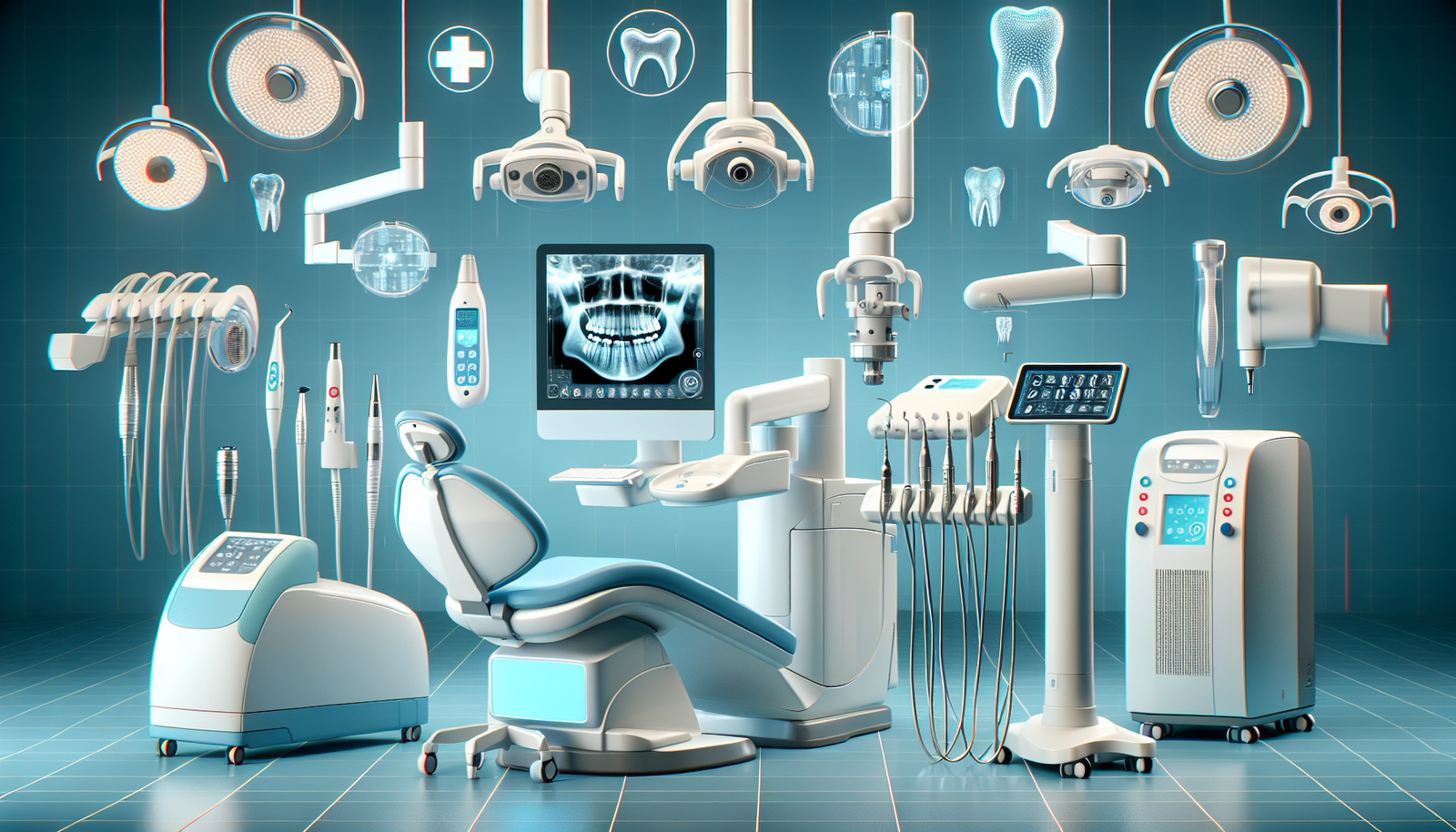
In modern dental practices, the importance of quality dental essentials cannot be overstated. These everyday clinical supplies and precision instruments form the operational backbone that keeps operatories running smoothly. From medical-grade barrier products to advanced restorative components, every item selected by a clinic dictates how efficiently treatments unfold and how safely patients navigate their care journeys.
Infection Control and Barrier Protection Standards
Infection control protocols rely heavily on high-grade barrier consumables that defend both the clinical team and the patient from cross-contamination.
Nitrile and latex examination gloves must offer tactile sensitivity combined with robust puncture resistance to ensure that intricate hand skills remain uncompromised during delicate procedures. Furthermore, contemporary clinics incorporate single-use sterilization pouches, surface barrier films, and disposable tray covers to maintain a sterile field throughout demanding daily schedules. Selecting reliable barrier products safeguards the operating team from unexpected pathogen exposure while ensuring strict adherence to national health directives.
Precision Restorative Tools: The Impact of Sectional Matrix Systems
Restorative dentistry achieves predictable anatomical contours and tight interproximal contacts through the consistent application of specialized matrix components.
A sectional matrix system has become an indispensable tool for direct composite restorations in modern dental practices. This system allows clinicians to accurately reconstruct proximal tooth contours, ensuring that restorations function optimally while preventing food impaction between teeth. The combination of pre-contoured metal bands, anatomical wedges, and resilient separation rings enables dental professionals to eliminate open contacts and achieve aesthetic excellence. Without these precision devices, shaping multi-surface fillings to mimic natural tooth anatomy remains exceptionally challenging.
Ergonomics and Durability in Core Dental Instruments
Hand instruments crafted from premium alloys provide the durability and ergonomic support necessary for sustainable, long-term clinical operations.
Dental professionals spend hours every day manipulating mirrors, explorers, curettes, and rotary accessories. High-grade stainless steel and titanium-coated instruments resist corrosion during repeated autoclave sterilization cycles while retaining sharp cutting edges. Additionally, lightweight, ergonomically contoured instrument handles help distribute gripping forces evenly, significantly reducing the risk of repetitive strain injuries among practitioners. Investing in well-balanced instruments preserves clinician health and ensures consistent clinical performance over years of heavy daily usage.
Supply Chain Reliability and Quality Assurance in Practice Procurement
Dental practice management requires rigorous procurement strategies to ensure that every clinical essential meets strict regulatory compliance and material safety standards.
Clinic managers must evaluate suppliers carefully to avoid counterfeit or substandard goods that might fail mid-procedure. Establishing reliable vendor partnerships guarantees consistent product availability and predictable material behavior under clinical pressure. Routine quality assurance checks within the clinic verify that sterilization indicators, bonding agents, and disposable barriers perform exactly as expected. Maintaining a structured inventory auditing schedule also prevents unexpected shortages of critical supplies during complex patient treatments.
Balancing Upfront Costs with Long-Term Practice Efficiency
Investing in premium dental materials often reduces long-term operational expenses by minimizing equipment failure and procedural rework.
While budget-friendly alternatives may seem attractive initially, cheaper consumables often lead to frequent replacements, compromised clinical results, and wasted chair time. Premium dental essentials perform reliably on the first attempt, which streamlines patient throughput and protects the financial health of the practice. Patients evaluating overall standards can also discern the difference when a clinic prioritizes top-tier materials, much like individuals examining clinical protocols when evaluating private dental care standards before booking complex treatments.
Sustainability and Eco-Friendly Practices in Modern Clinics
Modern dental offices increasingly balance strict clinical sterility requirements with responsible environmental stewardship and waste reduction.
The massive volume of single-use plastics generated in healthcare settings has prompted manufacturers to introduce biodegradable packaging, recyclable barrier films, and energy-efficient sterilization workflows. Clinics that integrate sustainable essentials demonstrate environmental awareness without ever compromising patient safety or infection control mandates. This balanced approach satisfies eco-conscious patients who prefer healthcare providers with green operational initiatives, proving that ecological responsibility can coexist with uncompromising medical standards.
Frequently Asked Questions
Why are powder-free dental gloves preferred in modern clinics?
Powder-free gloves eliminate airborne latex protein particles and prevent powder residue from interfering with dental bonding agents and impression materials.
How do sectional matrix systems improve composite fillings?
They provide individual tooth separation and contouring that results in tight, natural contact points, preventing food traps and gum irritation.
What material is best for long-lasting dental hand instruments?
High-grade surgical stainless steel and specialized alloy coatings offer excellent corrosion resistance against repeated high-temperature autoclave sterilization.
How often should a dental practice audit its consumable inventory?
Most clinics perform monthly inventory audits to monitor expiration dates, track usage rates, and prevent unexpected shortages of critical infection control items.
Do premium dental essentials directly influence patient retention?
Yes, when patients notice comfortable, high-grade materials and efficient procedures, their trust and confidence in the practice increase significantly.
Are eco-friendly dental consumables as effective as traditional ones?
Many sustainable alternatives meet the exact same medical-grade regulatory standards for barrier protection and sterility while reducing landfill waste.
Disclaimer: Dental material specifications, regulatory standards, and supply chain availability can change over time. Practice managers and clinicians should always verify final product details and compliance certifications directly through official manufacturer and regulatory sources.

Passionate content writer and savvy blog publisher, Aamir crafts compelling stories and insightful articles that captivate and inform. With a knack for blending creativity and strategy, they bring fresh perspectives to every piece. Dive into their world of words and discover content that resonates.


