

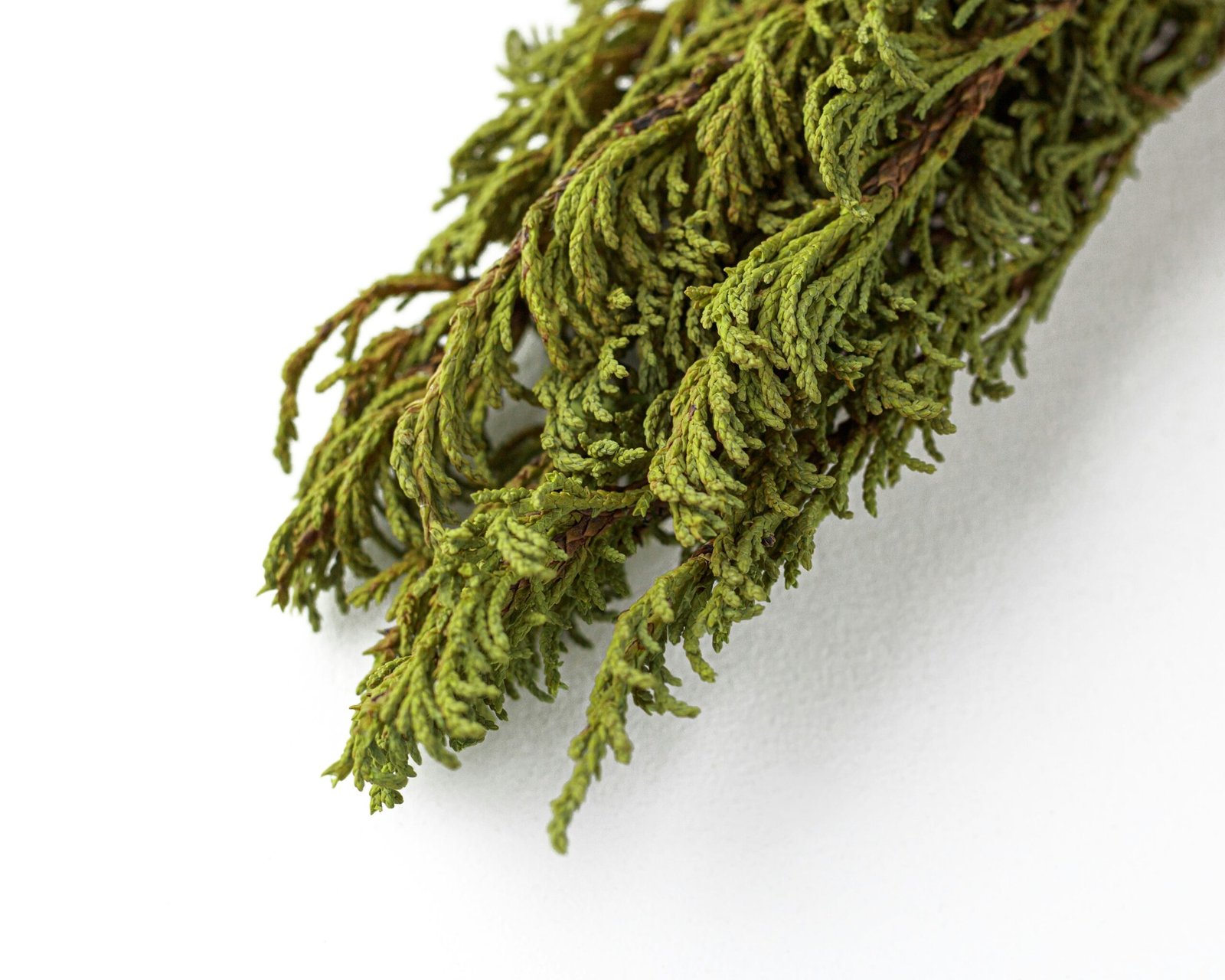
Photo by petr sidorov on Unsplash
Have you ever wished for a natural way to feel more energetic and focused throughout the day? Instead of relying on sugary coffee drinks or synthetic energy shots, many people now consider using herbs for energy to sustain their daily vitality.
Relying solely on heavy stimulants often leads to a quick spike in alertness followed by an inevitable afternoon crash. Incorporating natural botanical remedies offers a gentler, more balanced approach to supporting endurance and stamina over time.
In this complete guide, we examine how specific botanical remedies work within the body, how to choose the right daily delivery format, and how to build a safe, sustainable routine that fits your lifestyle.
Biochemical Pathways of Botanical Vitality Agents
Botanical extracts modulate cellular stress response pathways rather than artificially hyper-stimulating the human central nervous system.
Many botanical energy boosters belong to a unique class of plants known as adaptogens. Adaptogens help the human body adapt to physical, mental, and environmental stress. When daily stressors deplete your internal resources, these plants help regulate cortisol and support adrenal function.
Unlike caffeine, which blocks adenosine receptors to create an illusion of alertness, adaptogenic herbs encourage steady cellular energy production. This means you experience fewer jittery side effects and avoid the dreaded afternoon exhaustion slump.
Pharmacological Profiles of Specific Energy Roots
Targeted adaptogenic roots and stems offer distinct physiological mechanisms to combat specific types of fatigue.
Ashwagandha is widely celebrated for calming the nervous system while supporting sustained physical endurance through withanolide compounds. Panax ginseng is another potent choice, traditionally used to enhance physical stamina and cognitive performance during demanding tasks via active ginsenosides. Rhodiola rosea helps reduce mental fatigue through rosavins and salidroside, making it a favorite for individuals facing high-stress work environments.
Each plant functions through a slightly different biological mechanism. Choosing the right option depends entirely on whether your fatigue stems from mental burnout, physical exertion, or general stress.
| Herb Name | Primary Benefit | Best For |
|---|---|---|
| Ashwagandha | Stress reduction and adrenal support | Burnout and anxious fatigue |
| Panax Ginseng | Physical stamina and mental focus | Active lifestyles and productivity |
| Rhodiola Rosea | Combatting mental exhaustion | Long work or study sessions |
Bioavailability Factors in Teas, Tinctures, and Capsules
Different preparation methods alter absorption rates, active compound concentrations, and overall metabolic availability.
Herbal teas offer a comforting, ritualistic experience, making them ideal for a calm morning routine or a soothing afternoon pause, though water solubility limits active constituent extraction. Tinctures provide rapid mucosal absorption into the bloodstream because they are liquid alcohol or glycerin extracts; you can easily mix a few drops into water or a morning smoothie to mask earthy flavors.
Capsules provide a standardized, tasteless dose of powdered or concentrated extract for individuals with busy schedules who prefer precise dosing. Your choice depends heavily on taste preferences, daily habits, and how quickly you want your body to absorb the active compounds.
Cumulative Dosage Scheduling and Titration Protocols
Optimizing botanical efficacy requires methodical titration schedules and an understanding of cumulative pharmacokinetics.
Introduce only one herb at a time rather than mixing several unfamiliar plants simultaneously. This methodical approach lets you monitor individual tolerance and identify which botanical delivers the most noticeable benefit for your stamina.
Consistency matters far more than high doses. Adaptogenic plants typically require two to four weeks of daily use before their cumulative benefits become fully apparent. Keep your chosen supplement on your kitchen counter or desk as a visual reminder to maintain your daily habit.
Toxicological Safety, Purity Standards, and Drug Interactions
Consumer safety requires paying close attention to product purity, heavy metal screening, and potential pharmacokinetic interactions with prescription medications.
Always purchase herbal products from reputable brands that utilize independent third-party testing to screen for heavy metals, pesticides, and microbial contaminants. Because potent botanicals can interact with blood thinners, blood pressure medication, or thyroid treatments, consulting a healthcare professional before starting any new supplement regimen remains essential.
Furthermore, maintaining overall vitality involves examining other daily lifestyle adjustments, such as strategies for reducing residential emissions to ensure a clean and healthy living environment.
Frequently Asked Questions About Using Herbs for Energy
How long do herbs take to boost energy levels?
Unlike caffeine, which works within minutes, adaptogenic herbs require two to four weeks of consistent daily use to show noticeable, cumulative effects.
Can I take multiple energy herbs at the same time?
It is usually best to start with a single herb to monitor your body’s response before combining different botanical extracts.
Are there any side effects from using herbal energy boosters?
While generally safe for most people, some individuals may experience mild digestive upset or headaches when first introducing potent herbs.
Should I take energy herbs in the morning or evening?
Most vitality-supporting herbs are best taken in the morning or early afternoon to align with your body’s natural cortisol rhythms.
Do herbal remedies contain caffeine?
True adaptogenic herbs are completely caffeine-free, relying instead on biochemical compounds that support your body’s stress response.
Can pregnant individuals use herbs for energy?
Pregnant or nursing individuals should always consult an obstetrician before incorporating any new herbal supplement into their daily routine.
Disclaimer: The information provided in this guide is for educational purposes only and does not constitute medical advice. Herbal supplements can affect individuals differently. Always verify final product details with official manufacturers and consult a qualified healthcare provider before making major changes to your wellness routine.


