
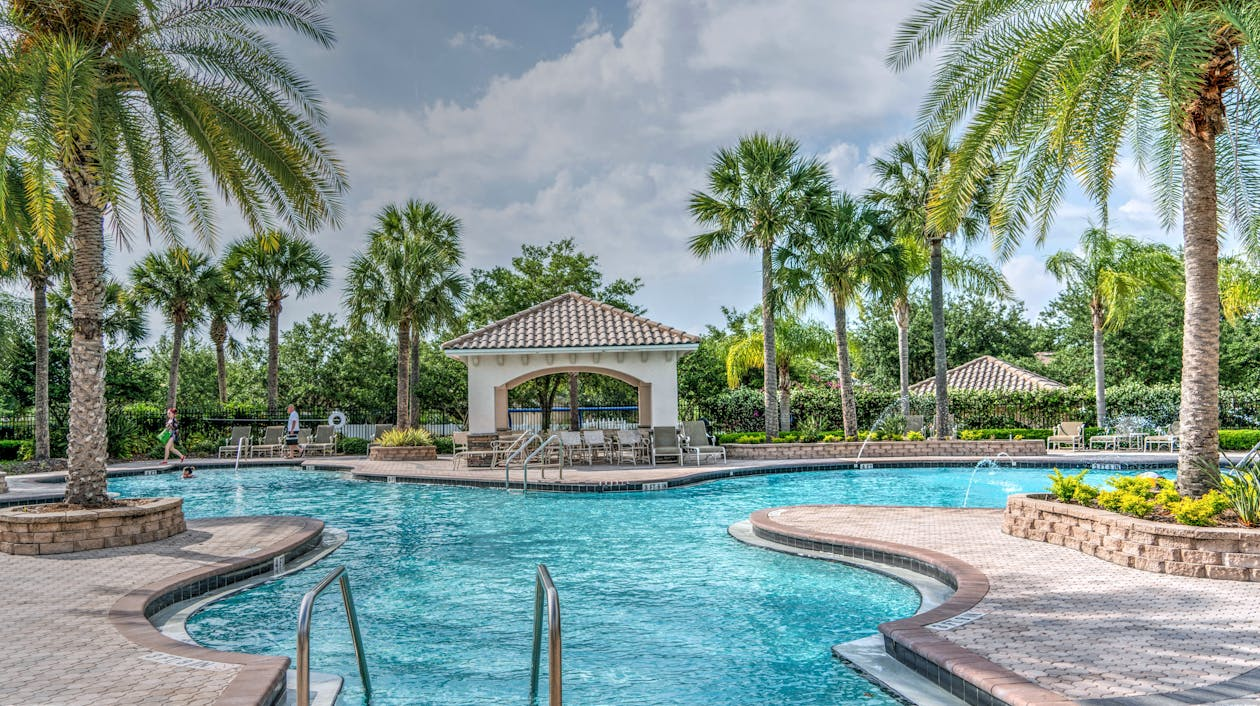
Swimming pools provide endless recreation and relaxation, yet they also harbor severe hazards that require continuous vigilance. Accidents can occur in mere seconds, resulting in permanent physical disabilities, catastrophic brain injuries, or fatal drownings. When these tragedies happen, establishing legal responsibility becomes essential for grieving families seeking financial recovery for medical bills, funeral expenses, and long-term care. Navigating these claims requires a deep understanding of premises liability, local municipal codes, and the specific duties imposed on property owners and manufacturers.
Introduction to Premises Liability and Pool Safety
Premises liability dictates that property owners must maintain reasonably safe environments to prevent foreseeable harm to visitors and guests. When a swimming pool is present on a property, that legal duty of care increases significantly due to the inherent dangers of standing water. Property owners cannot simply ignore obvious hazards or assume visitors will navigate the pool deck safely without warning. Courts examine whether the owner took proactive steps to secure the area, warn of hidden dangers, and minimize risks before an incident occurs.
Property Owners, Landlords, and Commercial Operators
Liability is distributed among various parties depending on who maintains control over the pool premises at the time of an accident. Residential homeowners must protect invited guests and account for trespassing children under strict legal doctrines. Landlords who lease residential properties with pools carry responsibilities to ensure physical barriers comply with housing codes before tenants move in. Commercial operators, including hotels, water parks, and community associations, face rigorous regulatory standards regarding professional lifeguard staffing, chemical balancing, and emergency rescue equipment.
The Attractive Nuisance Doctrine and Child Safety
The attractive nuisance doctrine holds property owners legally accountable for injuries sustained by children who trespass onto land containing a dangerous condition. Swimming pools are universally recognized as attractive nuisances because their inviting nature easily lures young children who cannot fully comprehend drowning risks. To protect themselves from severe liability under this doctrine, property owners must install secure, continuous fencing with self-latching gates that prevent unsupervised access by wandering toddlers.
Equipment Manufacturers and Product Defect Claims
Equipment manufacturers can be held strictly liable when defective pool components cause severe injuries or fatal entrapments. Malfunctioning main drain covers can generate powerful suction forces that trap swimmers underwater, while cracked diving boards or faulty ladders lead to devastating slip-and-fall trauma. When a mechanical failure originates from a manufacturing flaw or inadequate design rather than poor maintenance, injured victims can pursue product liability lawsuits against the equipment maker.
The Impact of Modern Drowning Detection Tech
Modern safety innovations, including AI-powered underwater cameras, surface motion detectors, and wearable pool alarms, heavily influence legal arguments surrounding reasonable care. Insurance adjusters and civil courts evaluate whether property owners utilized available technology to detect unauthorized entry or distress rapidly. While technological gadgets never replace the absolute necessity of attentive human supervision, failing to maintain active alarms or ignoring modern safeguards can weaken comparative negligence defenses for property owners.
Securing Immediate Physical Evidence
Evidence gathering forms the bedrock of a successful personal injury or premises liability claim following a swimming pool accident. Documentation such as wide-angle photographs of the slippery deck, maintenance logs, and chemical balancing records must be preserved immediately. The Swimming Pool Accident lawyers at Rosen & Ohr, P.A. note that moving swiftly to secure physical proof prevents crucial details from disappearing. Expired safety rescue rings, broken drain grates, and absent warning signage serve as direct proof of owner negligence during legal proceedings.
Insurance Policies and Catastrophic Claim Realities
Insurance coverage determines how compensation is paid, though standard homeowners policies often fall short during catastrophic pool injury claims. Many basic policies require specific pool riders or high-limit umbrella coverage to protect personal assets from multi-million-dollar lawsuits. Property owners must verify their exact policy limits and exclusions ahead of time as part of a comprehensive risk management strategy. For injured victims, navigating these insurance disputes requires detailed policy documentation and skilled negotiation to secure fair settlements.
Deadlines and Legal Recourse for Victims
Victims must act within strict state-mandated statutes of limitations to file lawsuits and preserve their right to seek financial compensation. Missing these legal deadlines permanently bars families from recovering damages for medical expenses, rehabilitation, and emotional trauma. Engaging experienced personal injury counsel ensures that legal notices are filed correctly while expert witnesses reconstruct the accident scene. To explore how different legal practices handle specialized injury claims, you can review our guide on understanding different types of law firms and their specializations.
Frequently Asked Questions
What makes a property owner legally liable for a swimming pool accident?
A property owner is liable if they failed to maintain a reasonably safe environment, neglected local fencing laws, or ignored known safety hazards on the premises.
How does the attractive nuisance doctrine apply to home swimming pools?
This doctrine requires homeowners to secure pools because children are naturally drawn to water and cannot appreciate the severe dangers of drowning.
Can equipment manufacturers share blame for a pool injury?
Yes, manufacturers can face product liability lawsuits if defective pool drains, pumps, ladders, or diving boards directly cause an accident.
What types of evidence are crucial for a pool accident lawsuit?
Critical evidence includes scene photographs, water maintenance logs, chemical balance records, witness testimonies, and official incident reports.
Do standard homeowners insurance policies cover swimming pool accidents?
Standard policies offer basic liability protection, but catastrophic pool claims often require additional umbrella coverage or specialized policy riders.
Why is timing important when filing a swimming pool injury claim?
State statutes of limitations establish strict filing deadlines, and physical evidence like slippery deck conditions or faulty equipment can quickly disappear.
How do legal professionals help families after a pool tragedy?
Attorneys help by gathering evidence, consulting pool safety experts, negotiating with insurance adjusters, and filing lawsuits within legal deadlines.
Disclaimer: This article is provided for informational purposes and does not constitute legal advice. Premises liability laws and swimming pool regulations vary significantly by jurisdiction. Readers should consult with a qualified personal injury attorney or official municipal agencies to verify specific legal rights and requirements.

Daniel J. Morgan is the founder of Invidiata Magazine, a premier publication showcasing luxury living, arts, and culture. With a passion for excellence, Daniel has established the magazine as a beacon of sophistication and refinement, captivating discerning audiences worldwide.


[…] contractual obligations. For broader legal context on handling property risk, reviewing insights on understanding liability and property responsibilities helps clarify how legal accountability operates during major residential […]
[…] unit does not miss spots. Furthermore, homeowners managing property risks should remember that understanding liability and property responsibilities remains vital for maintaining safe aquatic environments. For manual suction-side or pressure-side […]