

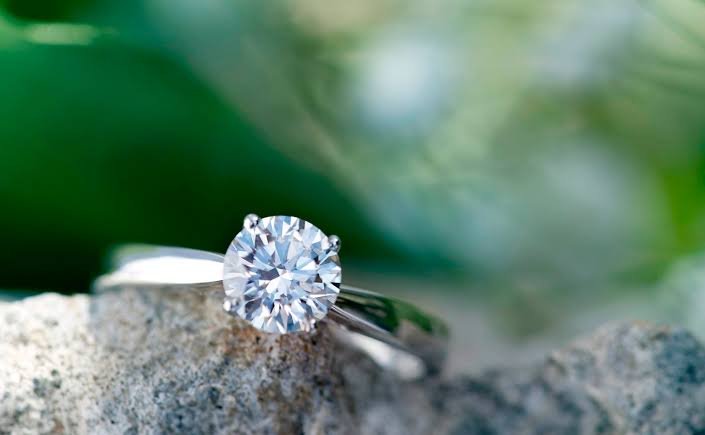
The diamond industry has experienced a significant shift in recent years as modern consumers increasingly prioritize sustainability and ethical sourcing in their purchasing decisions. Rather than relying solely on traditional mined gems, today’s jewelry buyers are actively exploring alternatives that align with their personal values regarding environmental protection, carbon reduction, and social responsibility across global supply chains.
The Accelerated Adoption of Lab-Grown Gems
Lab-grown diamonds have gained widespread acceptance because they offer the exact same physical, chemical, and optical properties as mined stones while carrying a substantially reduced environmental footprint.
These synthetic gems are created inside controlled laboratory environments using advanced technological processes that replicate the earth’s natural mantle conditions, such as High Pressure High Temperature (HPHT) and Chemical Vapor Deposition (CVD). Because they do not require large-scale earth excavation, heavy machinery, or disruptive open-pit mining, they appeal heavily to eco-conscious shoppers seeking luxury without ecological compromise. Furthermore, synthetic diamonds generally cost significantly less than mined stones of comparable size, color, and clarity, making fine jewelry much more accessible to a broader audience of engaged couples and fashion enthusiasts.
Beyond immediate cost savings, the production timeline of lab-grown stones is remarkably efficient compared to the geological millennia required for natural diamond formation. This efficiency allows manufacturers to respond dynamically to market demand, providing a steady supply of high-grade stones in various fancy colors and custom cuts that might otherwise be exceptionally rare or costly to source through traditional mining channels.
Supply Chain Transparency and Bespoke Ring Design
Modern jewelry buyers care deeply about where their gemstones originate and how transparently supply chains operate from rough stone to finished setting.
Consumers today expect complete accountability from retailers regarding the origins of their purchases, ensuring that workers throughout the mining or manufacturing cycle receive fair wages, safe working conditions, and equitable treatment. Alongside ethical awareness, personalization has become a major driving force in the modern jewelry market. Shoppers increasingly prefer to design custom engagement rings by selecting individual loose stones and bespoke mountings rather than buying mass-produced, pre-set designs from traditional storefront showcases.
This shift toward customization allows buyers to express their individual aesthetic preferences while maintaining direct control over their budget allocation. Instead of paying heavy retail markups for generic mounting styles, consumers invest more of their funds into the specific quality characteristics of the diamond itself, creating an heirloom piece that holds deep personal significance for both partners.
Digital Valuation Tools and Online Retail Platforms
Advanced digital platforms and search engines have fundamentally transformed how people research, compare, and evaluate diamonds before making a major financial commitment.
Online marketplaces now allow buyers to compare thousands of natural and lab-grown stones side by side across global inventories without visiting multiple physical jewelry stores. Specialized valuation metrics, such as independent deal scores and digital grading reports, help consumers determine whether a specific stone is priced fairly relative to current wholesale and retail market averages. By cutting out traditional retail middlemen and high brick-and-mortar overhead costs, these digital tools empower everyday shoppers to secure certified gems at highly competitive prices.
Moreover, high-resolution imaging, 360-degree video viewers, and magnified gemological inspection tools give online buyers an unprecedented level of visual clarity. Consumers can examine inclusions, cut symmetry, and light performance indicators remotely with the guidance of certified gemologists, bridging the gap between traditional in-person retail confidence and modern e-commerce convenience.
Essential Criteria for Verifying Gemstone Quality
Purchasing a diamond requires careful attention to independent grading certifications, return policies, metal choices, and long-term value retention.
Independent evaluation by reputable gemological institutions is essential for verifying the true quality of any gemstone, ensuring that the stone matches its advertised specifications. Buyers should always look for certification documents from established authorities like the Gemological Institute of America (GIA) or the International Gemological Institute (IGI). Additionally, buyers frequently examine broader purchasing strategies when evaluating high-value jewelry acquisitions, as outlined in detailed guides focusing on evaluating luxury retail acquisitions transparently. Reviewing store policies regarding insured shipping, secure warranties, and flexible return windows ensures a secure and confident purchasing experience from start to finish.
Shoppers should also consider how the choice of setting metal—such as platinum, white gold, yellow gold, or rose gold—interacts with the color grade of the diamond. Selecting a durable metal that complements both the wearer’s daily lifestyle and skin tone ensures that the ring remains comfortable, secure, and beautiful for decades of daily wear.
| Feature | Mined Diamonds | Lab-Grown Diamonds |
|---|---|---|
| Origin | Extracted from the earth’s mantle | Grown in a controlled laboratory |
| Chemical Composition | Pure crystallized carbon | Pure crystallized carbon |
| Environmental Impact | Involves heavy mining and earth disturbance | Significantly lower carbon footprint |
| Price Point | Typically higher due to extraction scarcity | Generally more affordable for similar quality |
| Grading Standards | Certified by GIA, IGI, and others | Certified by GIA, IGI, and others |
Frequently Asked Questions
Are lab-grown diamonds real diamonds?
Yes, lab-grown diamonds are chemically, physically, and optically identical to mined diamonds. They consist of pure carbon and are graded using the exact same 4Cs criteria.
Do sustainable lab-grown diamonds hold their resale value?
Like mined diamonds, lab-grown stones are primarily purchased for personal enjoyment rather than investment. Their resale market is still developing, and they generally do not appreciate in value over time.
How can I verify the quality of an online diamond purchase?
Always request an independent grading report from recognized gemological authorities such as the GIA or IGI to verify the cut, color, clarity, and carat weight.
Are mined diamonds completely unethical?
Not all mined diamonds are unethical, as industry initiatives like the Kimberley Process work to prevent conflict diamonds from entering the legitimate market. However, independent ethical tracing remains challenging.
Why are lab-grown diamonds less expensive?
The controlled laboratory production process has a shorter supply chain and lower operational overhead than traditional heavy mining, which translates to lower retail prices.
Can local jewelers easily service custom lab-grown diamond rings?
Yes, because lab-grown stones share identical physical properties with mined diamonds, any standard jeweler can clean, repair, or resize rings containing lab-grown stones.
Disclaimer: Diamond market trends, pricing dynamics, and availability can shift over time. Readers should always verify final specifications, return policies, and certification details directly with official retailers before making any major purchase.

Passionate content writer and savvy blog publisher, Aamir crafts compelling stories and insightful articles that captivate and inform. With a knack for blending creativity and strategy, they bring fresh perspectives to every piece. Dive into their world of words and discover content that resonates.


