

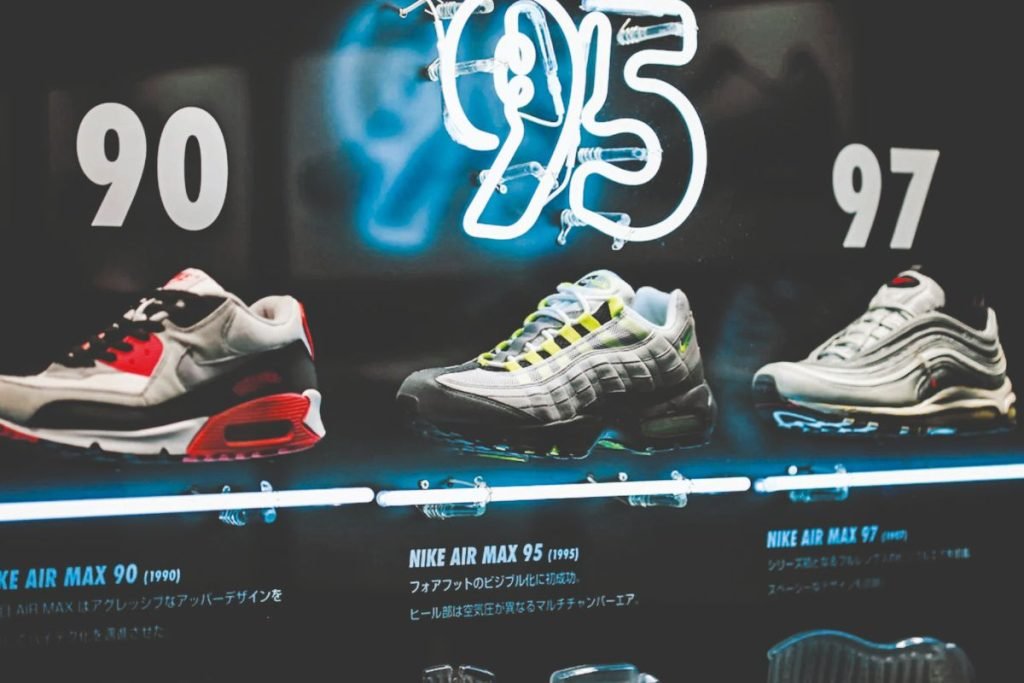
In recent years, Japanese footwear labels have transformed how global enthusiasts view athletic shoes by prioritizing meticulous craftsmanship over mass-market hype. When modern sneaker collectors evaluate rare releases, they look past basic colorways to examine the architectural precision and heritage behind each pair.
This deep commitment to detail has turned traditional athletic companies and independent Tokyo-based labels into coveted centerpieces of international wardrobes. In this article, we examine how Japanese design philosophies, technical milestones, and high-fashion partnerships have permanently reshaped contemporary sneaker culture.
The Technical Foundation of Tokyo Design Ethos
Japanese sneaker design stems from a rigorous pursuit of structural balance, where functional engineering and understated aesthetics hold equal weight.
Unlike Western sneaker marketing that often relies on loud color schemes and celebrity endorsements, heritage houses in Japan focus heavily on tactile quality and biomechanical precision. This philosophy ensures that every panel, seam, and cushioning unit serves a distinct purpose. Such dedication mirrors the careful planning found in sectors that prioritize operational excellence, much like businesses utilizing Tinnox digital solutions to streamline complex workflows. Sneaker collectors immediately recognize this disciplined approach, which explains why archival Japanese silhouettes retain their value and appeal across decades.
Archival Running Icons: Asics and Mizuno
Long-standing athletic innovators Asics and Mizuno transitioned from functional athletic gear to essential lifestyle staples through decades of steady technological refinement.
Founded in 1949, Asics built its international reputation on superior comfort and performance-driven running shoes. Their footwear designers soon captured global attention by reissuing classic archival silhouettes like the Gel-Lyte III. This model features a distinctive split-tongue construction designed originally to prevent the tongue from sliding sideways during long-distance runs. Similarly, Mizuno leverages its rich history dating back to 1906, utilizing proprietary Wave technology to deliver exceptional stability and cushioning. Over time, both brands successfully crossed over from competitive track fields into fashion-forward streetwear rotations worldwide.
Historical Athletics and Global Appeal: Onitsuka Tiger
Onitsuka Tiger represents a foundational pillar of Japanese sportswear history that successfully evolved into an international streetwear icon.
Operating since the late 1940s, the brand achieved widespread recognition during the 1960s with the release of the legendary Mexico 66 trainer. Created originally for athletes to wear during international sporting events, its low-profile silhouette and distinctive side stripes became an instant favorite both on and off the track. Today, Onitsuka Tiger continues to honor its rich archival heritage by updating classic models for modern urban wearers. Collectors seeking these classic styles frequently check specialized consignment stores and secondary platforms like Novelship to acquire authentic pairs.
Avant-Garde High Fashion: Yohji Yamamoto and Y-3
Yohji Yamamoto brought experimental high-fashion aesthetics directly into the sneaker world through a groundbreaking long-term partnership with Adidas.
Yohji Yamamoto is an acclaimed designer celebrated for his unconventional silhouettes, dark color palettes, and deconstructed garments. His collaborative Y-3 line merges this dark, avant-garde design philosophy with advanced sportswear engineering. The resulting footwear features sleek, futuristic lines that bridge the gap between runway tailoring and athletic functionality. This distinct hybrid approach appeals strongly to fashion enthusiasts who want footwear that stands apart from standard athletic releases.
Streetwear Subcultures and Collaborative Craftsmanship
Independent Tokyo streetwear labels like Neighborhood expanded the boundaries of footwear design by infusing punk-inspired aesthetics with uncompromising material quality.
Founded in 1994, Neighborhood built a dedicated following through utilitarian fabrics, rebellious graphics, and refined color blocking. Their sneaker collaborations feature premium leather treatments and subtle branding that appeal directly to discerning collectors. This emphasis on meticulous manufacturing standards parallels other industries focused on premium presentation, such as fashion brands adopting recycled poly mailers for sustainable retail delivery.
Comparing Key Heritage Footwear Innovations
Different Japanese houses contribute distinct engineering principles and manufacturing milestones to the global market, balancing athletic utility with streetwear prestige.
| Footwear House | Establishment Period | Defining Silhouette or Technology |
|---|---|---|
| Mizuno | 1906 | Wave cushioning performance runners |
| Onitsuka Tiger | 1940s | Mexico 66 archival heritage trainer |
| Asics | 1949 | Gel-Lyte III split-tongue runner |
| Y-3 (Yohji Yamamoto) | 2002 | Avant-garde fashion athletic footwear |
| Neighborhood | 1994 | Punk-inspired streetwear collaborations |
Common Questions From Sneaker Enthusiasts
Why are Japanese sneaker brands so popular among collectors?
Japanese sneaker brands are prized for their exceptional craftsmanship, attention to architectural detail, and seamless blending of archival heritage with modern technical innovation.
What is Asics’s most famous retro sneaker model?
The Asics Gel-Lyte III, recognized for its distinctive split tongue and comfortable cushioning, remains one of the brand’s most celebrated archival retro models.
When was Onitsuka Tiger founded?
Onitsuka Tiger traces its origins back to the late 1940s, gaining international fame with athletic shoes worn during major global sporting events in the 1960s.
How does the Y-3 line differ from standard athletic shoes?
The Y-3 collaboration combines Yohji Yamamoto’s avant-garde fashion aesthetic with high-performance sportswear engineering from Adidas.
Where can sneakerheads buy authentic Japanese sneaker releases?
Collectors typically source rare or regional Japanese sneaker releases through specialized boutiques, trusted consignment stores, and secondary marketplaces like Novelship.
Are Mizuno sneakers suitable for daily casual wear?
Yes, while Mizuno originally built its reputation on performance running and Wave cushioning, many of its retro running silhouettes have transitioned successfully into casual streetwear wardrobes.
Disclaimer: Sneaker availability, pricing, and market trends shift over time. Readers are encouraged to verify final product details, sizing charts, and authenticity through official brand channels or trusted retail platforms before purchasing.

Daniel J. Morgan is the founder of Invidiata Magazine, a premier publication showcasing luxury living, arts, and culture. With a passion for excellence, Daniel has established the magazine as a beacon of sophistication and refinement, captivating discerning audiences worldwide.


