

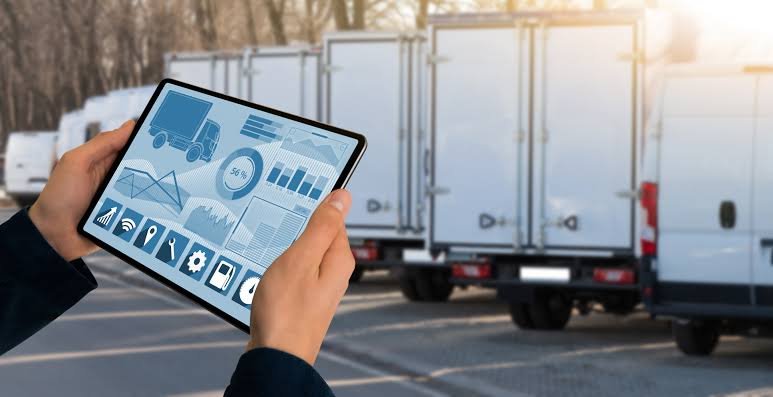
Modern fleet operations face an intense balancing act between tight delivery windows, rising fuel expenses, and severe labor shortages. Managing a network of commercial vehicles requires far more than simple spreadsheets and manual dispatch boards. Fleet managers rely on sophisticated software ecosystems to maintain visibility over vehicles, protect drivers, and control overhead costs. Integrating these digital tools into daily workflows allows transport companies to navigate complex logistical demands without burning out administrative staff.
This guide explores how contemporary digital platforms transform transport networks, tackle persistent labor challenges, and drive long-term organizational stability.
Tracking Vehicles With GPS and Telematics Hardware
GPS hardware and telematics networks provide the continuous visibility needed to keep delivery vehicles on schedule and accountable on the road.
Global positioning receivers broadcast exact vehicle coordinates to central office monitors, allowing dispatchers to reroute drivers instantly when traffic bottlenecks or customer requests shift. Beyond basic mapping, telematics devices tap directly into engine control units to pull live diagnostic trouble codes, fuel burn rates, and idle durations. Catching mechanical anomalies early through continuous sensor feeds prevents unexpected roadside breakdowns that paralyze supply chains. Automated scheduling algorithms simultaneously lift heavy administrative burdens from overstretched office personnel, organizing complex multi-stop delivery routes in seconds rather than hours.
These core automotive tracking systems share technical DNA with broader innovations explored when reviewing automotive technology advancements across passenger and commercial transport sectors.
Reducing Driver Shortages With Automated Scheduling Tools
Automated scheduling platforms alleviate chronic labor shortages by streamlining administrative workflows and optimizing daily dispatch routines.
The logistics sector continues to experience tight labor markets, making operational efficiency essential for every available worker. Automated dispatching tools match freight loads with the closest qualified driver while instantly verifying hours-of-service limits to prevent regulatory violations. Electronic logging devices replace error-prone paper logs, ensuring drivers spend their shifts moving cargo rather than filling out compliance paperwork. Minimizing repetitive administrative tasks reduces stress for fleet personnel and helps companies retain experienced drivers in a competitive employment market.
Using Smart Dash Cams to Prevent Road Accidents
Artificial intelligence-powered video safety systems provide proactive intervention measures that protect drivers and lower corporate liability risks.
Traditional rearview cameras only record past incidents, but modern dash cams monitor the road ahead and the driver’s cabin simultaneously. These intelligent lenses detect sudden lane drift, unsafe following distances, and signs of driver fatigue, issuing immediate audible warnings before an emergency occurs. Fleet managers receive instant clip notifications of harsh braking or rapid acceleration events, enabling targeted coaching sessions rather than generalized safety meetings. This data-driven approach to safety frequently translates into lower insurance premium renewals and significantly fewer collisions on public highways.
Managing Electric Vehicles and Depot Charging Infrastructure
Electric vehicle management software provides the specialized oversight needed to balance mixed fossil-fuel and electric fleets effectively.
Transitioning delivery fleets toward zero-emission models introduces complex grid-load and battery-health management challenges. Dedicated software platforms track battery state-of-charge, ambient temperature impacts, and depot charging station availability in real time. Fleet supervisors use these tools to stage charging schedules during off-peak hours, avoiding expensive utility demand charges while ensuring vehicles achieve full power before morning dispatch. Route planning applications for alternative fuel vehicles also account for topography and public charger spacing, preventing unexpected range anxiety along extended delivery corridors.
Protecting Connected Commercial Vehicles From Cyber Threats
Robust cybersecurity frameworks protect connected commercial vehicle networks against unauthorized access and malicious data interception.
Modern connected fleets rely heavily on cloud data repositories, cellular gateways, and Internet of Things sensors to transmit operational telemetry continuously. This heavy reliance on wireless data transmission creates digital attack surfaces that malicious actors can attempt to exploit. Fleet operators must enforce end-to-end encryption protocols, multi-factor authentication for dispatch portals, and automated over-the-air firmware patching. Protecting sensitive vehicle data safeguards customer privacy and ensures uninterrupted operational continuity.
To maintain administrative efficiency across all departments, organizations often pair vehicle tracking platforms with essential business software designed to unify billing, human resources, and supply chain management.
Frequently Asked Questions
What is the primary purpose of fleet operations technology?
Fleet operations technology integrates software, GPS tracking, and telematics to maximize vehicle efficiency, enhance driver safety, and reduce operational costs.
How do electronic logging devices help transport companies?
Electronic logging devices automate hours-of-service recordkeeping, reducing administrative paperwork and ensuring compliance with federal safety regulations.
Can AI dash cams prevent road accidents?
Yes, AI dash cams monitor driver attentiveness and road hazards in real time, issuing immediate audio alerts to prevent potential collisions.
How do EV management tools handle depot charging?
EV software monitors battery health and schedules vehicle charging during off-peak electricity hours to minimize utility expenses and prevent grid overloads.
Why is cybersecurity critical for connected commercial fleets?
Cybersecurity protocols protect cloud-connected vehicle sensors and telematics data from unauthorized digital intrusion and privacy breaches.
How does route optimization address driver shortages?
Automated route planning reduces unnecessary mileage and administrative bottlenecks, allowing fewer drivers to complete their delivery schedules efficiently.
Disclaimer: Fleet management software capabilities and regulatory requirements evolve continuously. Readers should verify final system specifications and compliance guidelines directly with technology providers and official regulatory agencies.

Passionate content writer and savvy blog publisher, Aamir crafts compelling stories and insightful articles that captivate and inform. With a knack for blending creativity and strategy, they bring fresh perspectives to every piece. Dive into their world of words and discover content that resonates.


