
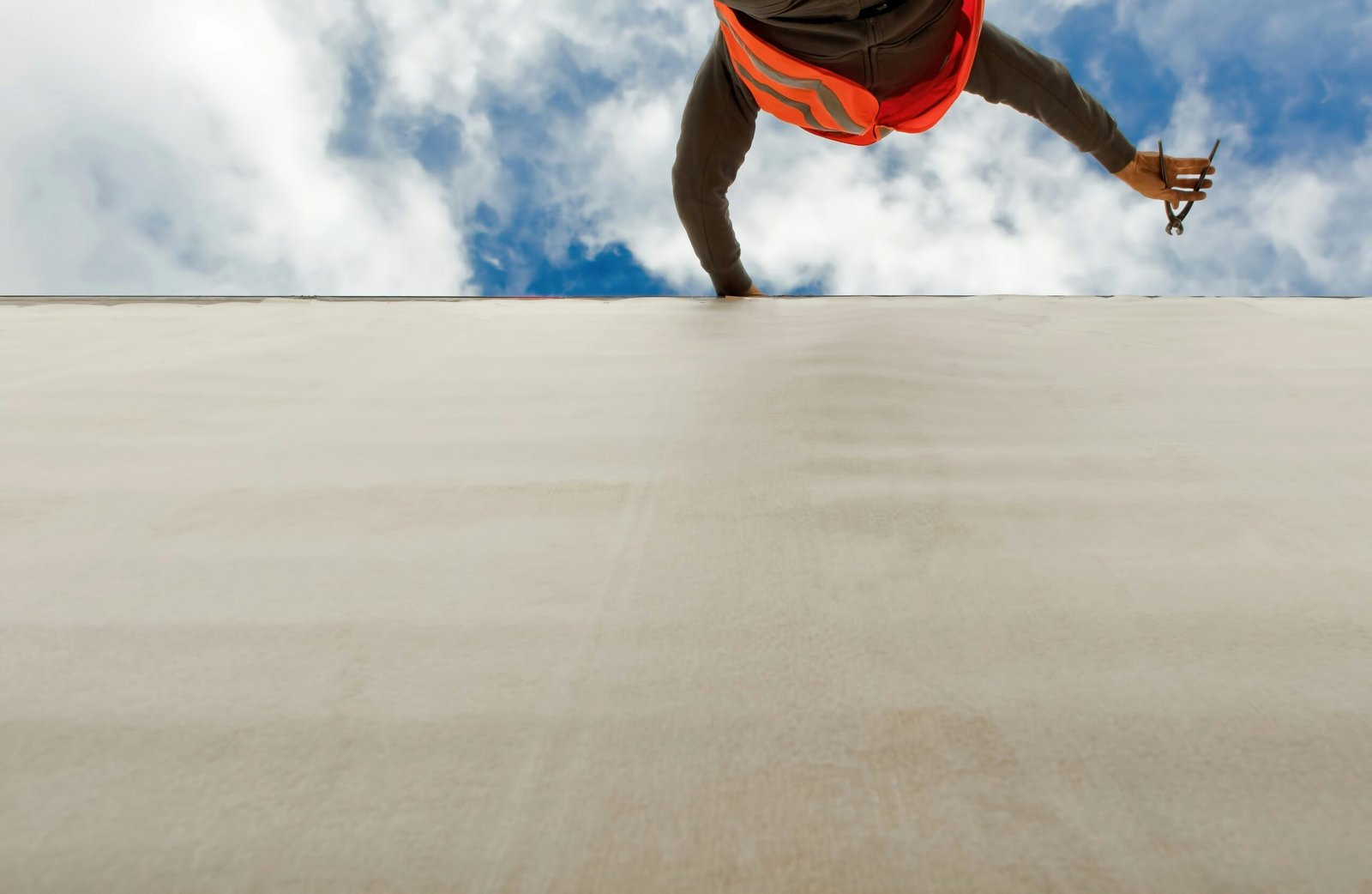
Protecting modern structures from moisture requires reliable barriers that withstand environmental stresses over decades. Among available building envelope methods, cold fluid-applied waterproofing systems have become essential for safeguarding complex roof decks, podium slabs, and foundation walls. These liquid-applied membranes form a continuous, rubber-like shield that adheres tightly to various construction substrates without requiring open flames or high-heat equipment.
Engineers and contractors select liquid membranes to eliminate the vulnerabilities common in traditional pre-formed sheet goods. By understanding how these chemical formulations cure, how they adapt to structural shifts, and why their application process offers distinct safety advantages, property managers can better protect their real estate investments from costly water damage.
How Moisture-Cured Polymers Create Monolithic Protection
Cold fluid-applied waterproofing systems achieve superior leak resistance by utilizing liquid-state polymers—such as moisture-cured polyurethanes, silicone coatings, and rapid-setting polymethyl methacrylate resins—that transform into a seamless, uninterrupted membrane upon curing.
When professional applicators roll or spray these liquid compounds onto a prepared concrete deck, the material flows directly into microscopic surface pores, hairline fractures, and intricate architectural penetrations. As the polymers react with ambient air humidity or chemical catalysts, they solidify into a single, cohesive rubber skin. This completely removes the vulnerable overlapping seams and heat-welded laps where traditional sheet membranes frequently fail under prolonged hydrostatic pressure.
Elasticity and Dynamic Crack-Bridging Mechanics
These advanced liquid-applied membranes provide exceptional elongation and elasticity, allowing them to stretch and recover as buildings undergo natural thermal expansion, contraction, and settlement stress.
Because concrete structures constantly shift under fluctuating weather and wind loads, rigid waterproofing layers can easily crack and let water pass through. Cold fluid-applied options maintain high tensile strength while remaining flexible enough to bridge active hairline cracks without tearing. Furthermore, their inherent chemical stability and resistance to ultraviolet radiation ensure that intense sunlight and standing water do not degrade the protective envelope over time.
Eliminating Fire Hazards During Jobsite Application
The installation of cold-applied waterproofing solutions significantly improves jobsite safety by entirely removing open torches, hot-air welders, and heated bitumen kettles from the working environment.
Traditional hot-applied rubberized asphalt and torch-down modified bitumen membranes demand high-temperature equipment that creates severe fire risks and releases strong fumes. In contrast, cold fluid-applied systems are engineered for safe application at ambient outdoor temperatures. This safety advantage makes liquid-applied membranes ideal for sensitive, fully occupied facilities such as active hospitals, schools, corporate offices, and multi-family residential buildings where tenant disruption must be minimized.
Substrate Versatility Across Complex Architectural Details
These versatile liquid systems adhere reliably to a wide range of common construction substrates, including poured concrete, exterior-grade plywood, structural steel, and weathered asphalt roofing.
When paired with manufacturer-approved primers, cold fluid-applied membranes bond securely to irregular surfaces and complicated geometries. This makes them indispensable for waterproofing intricate architectural details like perimeter parapets, equipment curbs, drain rings, and vertical flashing transitions where pre-formed sheet materials would prove exceptionally labor-intensive and difficult to detail correctly.
Rigorous Surface Preparation and Curing Realities
Successful long-term performance from cold fluid-applied waterproofing depends entirely on thorough surface preparation, strict moisture testing of concrete slabs, and meticulous detailing of moving joints.
Before any liquid membrane is applied, contractors must grind or shot-blast the concrete to remove contaminants and verify that the slab moisture content falls below specified manufacturer thresholds to prevent blistering. Primers are then applied to seal porous concrete and promote strong chemical adhesion. Additionally, reinforcing fabric is often embedded into the initial wet coat of liquid across corners and crack lines to deliver extra mechanical strength before the final topcoat is installed.
Lifecycle Value and Long-Term Capital Protection
Although the upfront material and professional labor costs for high-performance liquid waterproofing can exceed basic budget options, the long-term economic returns deliver substantial lifecycle savings.
The extended service life of these systems, often supported by comprehensive manufacturer warranties ranging from 10 to 20 years, greatly reduces the frequency and expense of emergency leak repairs. By stopping moisture infiltration before it reaches structural reinforcing steel, building owners protect their primary capital assets and avoid expensive interior remediation work. To explore broader capital improvements and facility upgrades, asset managers can review insights on commercial building renovation to help prioritize long-term structural investments.
Cold fluid-applied waterproofing systems offer a reliable combination of seamless protection, substrate adaptability, and jobsite safety that makes them a preferred choice for modern construction. Evaluating these technical benefits ensures that property owners can make informed decisions to safeguard their buildings against moisture damage for decades to come.
Frequently Asked Questions
What is the typical lifespan of a cold fluid-applied waterproofing system?
Most quality cold fluid-applied systems last anywhere from 15 to 25 years or more, depending on the specific formulation, proper installation, and whether they receive regular maintenance inspections.
Can cold fluid-applied membranes be installed in cold weather?
Certain formulations, such as rapid-setting polymethyl methacrylate resins, can cure in temperatures close to freezing, whereas traditional polyurethane formulas typically require mild weather conditions and dry substrates.
How do liquid membranes compare to sheet membranes regarding leaks?
Liquid membranes form a continuous, seamless bond across the entire substrate, which eliminates the vulnerable overlapping seams and laps where traditional sheet membranes are most prone to leaking.
Are cold fluid-applied systems safe for occupied buildings?
Yes, because they do not require open torches or hot kettles, they generate far fewer fire hazards and lower odor disruptions, making them ideal for schools, hospitals, and office buildings.
What substrates are compatible with cold fluid-applied waterproofing?
These systems are highly versatile and compatible with concrete, plywood, metal, and existing asphalt or modified bitumen surfaces when paired with the correct manufacturer-approved primer.
Do cold fluid-applied systems require maintenance?
Routine visual inspections should be conducted annually and after severe weather events to check for debris buildup, blocked drains, or accidental mechanical damage to the topcoat.
Disclaimer: The details provided in this guide are for informational and educational purposes only. Waterproofing technology, manufacturer specifications, and local building codes may vary; always consult certified engineering professionals and official product data sheets before beginning any construction project.

Daniel J. Morgan is the founder of Invidiata Magazine, a premier publication showcasing luxury living, arts, and culture. With a passion for excellence, Daniel has established the magazine as a beacon of sophistication and refinement, captivating discerning audiences worldwide.


