
Integrating Indigenous Knowledge and Local Co-Management
Indigenous-led conservation and community co-management models have emerged as some of the most successful frameworks for establishing enduring marine sanctuaries. Local communities and Indigenous groups possess generations of traditional ecological knowledge regarding fish migration paths, seasonal spawning aggregations, and habitat fragility. Empowering these groups to lead sanctuary governance fosters deep local ownership and ensures conservation rules respect customary cultural practices.
Successful marine conservation initiatives around the globe demonstrate that top-down government decrees achieve the best outcomes when paired with grassroots stewardship and stakeholder inclusion. Placing resource management directly in the hands of residents who live alongside the ocean generates higher compliance rates and robust community support. This collaborative approach bridges modern scientific monitoring with time-tested traditional wisdom to secure optimal ecological health.
Frequently Asked Questions
What is the primary purpose of a marine sanctuary?
The primary purpose of a marine sanctuary is to protect vulnerable marine life, conserve critical underwater habitats, and restrict destructive human activities to allow ecosystems to recover and thrive.
How do marine sanctuaries benefit the commercial fishing industry?
Marine sanctuaries help replenish depleted fish populations inside their borders, allowing healthy adult fish to migrate outward into surrounding commercial fishing grounds through the spillover effect.
What types of habitats are protected within these areas?
Marine sanctuaries commonly protect vital ecosystems such as coral reefs, seagrass meadows, mangrove forests, kelp forests, and deep-sea hydrothermal vent systems.
How do scientists monitor remote marine sanctuaries?
Researchers and enforcement agencies monitor remote sanctuaries using advanced tools like satellite vessel-tracking systems, underwater drones, acoustic sensors, and aerial surveillance imagery.
What are the biggest threats to marine sanctuaries today?
The greatest ongoing threats include illegal overfishing, plastic pollution, coastal runoff, ocean acidification, and warming water temperatures driven by global climate change.
Can the public visit marine sanctuaries?
Many marine sanctuaries are open to the public for low-impact recreational activities such as swimming, snorkeling, scuba diving, and wildlife watching, provided visitors follow strict conservation rules.
How can everyday individuals support ocean conservation?
Individuals can support conservation by reducing single-use plastics, eating sustainably sourced seafood, supporting ocean advocacy groups, and participating in local beach or waterway cleanups.
Disclaimer: Environmental policies, international marine treaties, and local sanctuary regulations are subject to ongoing updates and revisions. Readers should consult official government and international conservation bodies for the most current information regarding specific protected marine areas.
Addressing Resource Shortfalls and Intensifying Climate Stress
Despite their proven ecological benefits, marine sanctuaries frequently struggle with chronic underfunding, resource constraints, and intensifying climate-driven stress. Securing reliable financial backing remains a persistent hurdle for management agencies attempting to patrol distant borders and fund ongoing scientific monitoring. Innovative funding mechanisms, including blue bonds and public-private partnerships, are increasingly deployed to close these budget gaps and guarantee long-term operational viability.
Simultaneously, warming ocean temperatures and severe marine heatwaves test the limits of even the most strictly enforced reserves. Mitigation strategies must combine traditional regulatory oversight with climate-resilient restoration projects designed to strengthen vulnerable species against rapid environmental shifts. Overcoming these complex financial and climatic obstacles requires coordinated global cooperation and sustained political commitment.
Integrating Indigenous Knowledge and Local Co-Management
Indigenous-led conservation and community co-management models have emerged as some of the most successful frameworks for establishing enduring marine sanctuaries. Local communities and Indigenous groups possess generations of traditional ecological knowledge regarding fish migration paths, seasonal spawning aggregations, and habitat fragility. Empowering these groups to lead sanctuary governance fosters deep local ownership and ensures conservation rules respect customary cultural practices.
Successful marine conservation initiatives around the globe demonstrate that top-down government decrees achieve the best outcomes when paired with grassroots stewardship and stakeholder inclusion. Placing resource management directly in the hands of residents who live alongside the ocean generates higher compliance rates and robust community support. This collaborative approach bridges modern scientific monitoring with time-tested traditional wisdom to secure optimal ecological health.
Frequently Asked Questions
What is the primary purpose of a marine sanctuary?
The primary purpose of a marine sanctuary is to protect vulnerable marine life, conserve critical underwater habitats, and restrict destructive human activities to allow ecosystems to recover and thrive.
How do marine sanctuaries benefit the commercial fishing industry?
Marine sanctuaries help replenish depleted fish populations inside their borders, allowing healthy adult fish to migrate outward into surrounding commercial fishing grounds through the spillover effect.
What types of habitats are protected within these areas?
Marine sanctuaries commonly protect vital ecosystems such as coral reefs, seagrass meadows, mangrove forests, kelp forests, and deep-sea hydrothermal vent systems.
How do scientists monitor remote marine sanctuaries?
Researchers and enforcement agencies monitor remote sanctuaries using advanced tools like satellite vessel-tracking systems, underwater drones, acoustic sensors, and aerial surveillance imagery.
What are the biggest threats to marine sanctuaries today?
The greatest ongoing threats include illegal overfishing, plastic pollution, coastal runoff, ocean acidification, and warming water temperatures driven by global climate change.
Can the public visit marine sanctuaries?
Many marine sanctuaries are open to the public for low-impact recreational activities such as swimming, snorkeling, scuba diving, and wildlife watching, provided visitors follow strict conservation rules.
How can everyday individuals support ocean conservation?
Individuals can support conservation by reducing single-use plastics, eating sustainably sourced seafood, supporting ocean advocacy groups, and participating in local beach or waterway cleanups.
Disclaimer: Environmental policies, international marine treaties, and local sanctuary regulations are subject to ongoing updates and revisions. Readers should consult official government and international conservation bodies for the most current information regarding specific protected marine areas.
Deploying Satellite Surveillance and Underwater Drones
Modern conservation agencies rely on advanced technological tools like satellite vessel tracking, artificial intelligence, and autonomous underwater drones to monitor remote sanctuaries. These high-tech surveillance systems allow enforcement officers to detect illegal trawling, track ship movements in real-time, and identify dark vessels that deliberately switch off their tracking transponders. Implementing these digital solutions closes critical monitoring gaps across vast, difficult-to-patrol maritime territories.
Data collection platforms also integrate citizen science programs, enabling recreational divers and coastal residents to upload environmental observations directly to central research databases. This constant stream of accurate, real-time data helps conservation managers evaluate the success of existing rules and adapt quickly to emerging ecological threats. Technology transforms passive ocean mapping into an active, responsive defense system for fragile aquatic habitats.
Addressing Resource Shortfalls and Intensifying Climate Stress
Despite their proven ecological benefits, marine sanctuaries frequently struggle with chronic underfunding, resource constraints, and intensifying climate-driven stress. Securing reliable financial backing remains a persistent hurdle for management agencies attempting to patrol distant borders and fund ongoing scientific monitoring. Innovative funding mechanisms, including blue bonds and public-private partnerships, are increasingly deployed to close these budget gaps and guarantee long-term operational viability.
Simultaneously, warming ocean temperatures and severe marine heatwaves test the limits of even the most strictly enforced reserves. Mitigation strategies must combine traditional regulatory oversight with climate-resilient restoration projects designed to strengthen vulnerable species against rapid environmental shifts. Overcoming these complex financial and climatic obstacles requires coordinated global cooperation and sustained political commitment.
Integrating Indigenous Knowledge and Local Co-Management
Indigenous-led conservation and community co-management models have emerged as some of the most successful frameworks for establishing enduring marine sanctuaries. Local communities and Indigenous groups possess generations of traditional ecological knowledge regarding fish migration paths, seasonal spawning aggregations, and habitat fragility. Empowering these groups to lead sanctuary governance fosters deep local ownership and ensures conservation rules respect customary cultural practices.
Successful marine conservation initiatives around the globe demonstrate that top-down government decrees achieve the best outcomes when paired with grassroots stewardship and stakeholder inclusion. Placing resource management directly in the hands of residents who live alongside the ocean generates higher compliance rates and robust community support. This collaborative approach bridges modern scientific monitoring with time-tested traditional wisdom to secure optimal ecological health.
Frequently Asked Questions
What is the primary purpose of a marine sanctuary?
The primary purpose of a marine sanctuary is to protect vulnerable marine life, conserve critical underwater habitats, and restrict destructive human activities to allow ecosystems to recover and thrive.
How do marine sanctuaries benefit the commercial fishing industry?
Marine sanctuaries help replenish depleted fish populations inside their borders, allowing healthy adult fish to migrate outward into surrounding commercial fishing grounds through the spillover effect.
What types of habitats are protected within these areas?
Marine sanctuaries commonly protect vital ecosystems such as coral reefs, seagrass meadows, mangrove forests, kelp forests, and deep-sea hydrothermal vent systems.
How do scientists monitor remote marine sanctuaries?
Researchers and enforcement agencies monitor remote sanctuaries using advanced tools like satellite vessel-tracking systems, underwater drones, acoustic sensors, and aerial surveillance imagery.
What are the biggest threats to marine sanctuaries today?
The greatest ongoing threats include illegal overfishing, plastic pollution, coastal runoff, ocean acidification, and warming water temperatures driven by global climate change.
Can the public visit marine sanctuaries?
Many marine sanctuaries are open to the public for low-impact recreational activities such as swimming, snorkeling, scuba diving, and wildlife watching, provided visitors follow strict conservation rules.
How can everyday individuals support ocean conservation?
Individuals can support conservation by reducing single-use plastics, eating sustainably sourced seafood, supporting ocean advocacy groups, and participating in local beach or waterway cleanups.
Disclaimer: Environmental policies, international marine treaties, and local sanctuary regulations are subject to ongoing updates and revisions. Readers should consult official government and international conservation bodies for the most current information regarding specific protected marine areas.
Generating Economic Dividends Through the Spillover Effect
Coastal communities benefit economically from marine sanctuaries through thriving eco-tourism industries and the commercial fishing spillover effect. Protected aquatic reserves attract scuba divers, snorkelers, and wildlife watchers who generate steady, reliable revenue for local hospitality businesses and boat charter operators. Meanwhile, commercial fishers working outside sanctuary borders experience increased catch abundance as mature fish populations multiply inside protected waters and migrate outward into open fishing grounds.
Empirical marine studies confirm that well-managed protected areas consistently yield measurable increases in overall fish biomass within a few years of initial designation. This biological replenishment proves that strict conservation policies and profitable commercial fishing industries can coexist to support regional stability. Coastal municipalities that embrace these marine reserves secure long-term financial security for generations of fishers, guides, and local merchants.
Deploying Satellite Surveillance and Underwater Drones
Modern conservation agencies rely on advanced technological tools like satellite vessel tracking, artificial intelligence, and autonomous underwater drones to monitor remote sanctuaries. These high-tech surveillance systems allow enforcement officers to detect illegal trawling, track ship movements in real-time, and identify dark vessels that deliberately switch off their tracking transponders. Implementing these digital solutions closes critical monitoring gaps across vast, difficult-to-patrol maritime territories.
Data collection platforms also integrate citizen science programs, enabling recreational divers and coastal residents to upload environmental observations directly to central research databases. This constant stream of accurate, real-time data helps conservation managers evaluate the success of existing rules and adapt quickly to emerging ecological threats. Technology transforms passive ocean mapping into an active, responsive defense system for fragile aquatic habitats.
Addressing Resource Shortfalls and Intensifying Climate Stress
Despite their proven ecological benefits, marine sanctuaries frequently struggle with chronic underfunding, resource constraints, and intensifying climate-driven stress. Securing reliable financial backing remains a persistent hurdle for management agencies attempting to patrol distant borders and fund ongoing scientific monitoring. Innovative funding mechanisms, including blue bonds and public-private partnerships, are increasingly deployed to close these budget gaps and guarantee long-term operational viability.
Simultaneously, warming ocean temperatures and severe marine heatwaves test the limits of even the most strictly enforced reserves. Mitigation strategies must combine traditional regulatory oversight with climate-resilient restoration projects designed to strengthen vulnerable species against rapid environmental shifts. Overcoming these complex financial and climatic obstacles requires coordinated global cooperation and sustained political commitment.
Integrating Indigenous Knowledge and Local Co-Management
Indigenous-led conservation and community co-management models have emerged as some of the most successful frameworks for establishing enduring marine sanctuaries. Local communities and Indigenous groups possess generations of traditional ecological knowledge regarding fish migration paths, seasonal spawning aggregations, and habitat fragility. Empowering these groups to lead sanctuary governance fosters deep local ownership and ensures conservation rules respect customary cultural practices.
Successful marine conservation initiatives around the globe demonstrate that top-down government decrees achieve the best outcomes when paired with grassroots stewardship and stakeholder inclusion. Placing resource management directly in the hands of residents who live alongside the ocean generates higher compliance rates and robust community support. This collaborative approach bridges modern scientific monitoring with time-tested traditional wisdom to secure optimal ecological health.
Frequently Asked Questions
What is the primary purpose of a marine sanctuary?
The primary purpose of a marine sanctuary is to protect vulnerable marine life, conserve critical underwater habitats, and restrict destructive human activities to allow ecosystems to recover and thrive.
How do marine sanctuaries benefit the commercial fishing industry?
Marine sanctuaries help replenish depleted fish populations inside their borders, allowing healthy adult fish to migrate outward into surrounding commercial fishing grounds through the spillover effect.
What types of habitats are protected within these areas?
Marine sanctuaries commonly protect vital ecosystems such as coral reefs, seagrass meadows, mangrove forests, kelp forests, and deep-sea hydrothermal vent systems.
How do scientists monitor remote marine sanctuaries?
Researchers and enforcement agencies monitor remote sanctuaries using advanced tools like satellite vessel-tracking systems, underwater drones, acoustic sensors, and aerial surveillance imagery.
What are the biggest threats to marine sanctuaries today?
The greatest ongoing threats include illegal overfishing, plastic pollution, coastal runoff, ocean acidification, and warming water temperatures driven by global climate change.
Can the public visit marine sanctuaries?
Many marine sanctuaries are open to the public for low-impact recreational activities such as swimming, snorkeling, scuba diving, and wildlife watching, provided visitors follow strict conservation rules.
How can everyday individuals support ocean conservation?
Individuals can support conservation by reducing single-use plastics, eating sustainably sourced seafood, supporting ocean advocacy groups, and participating in local beach or waterway cleanups.
Disclaimer: Environmental policies, international marine treaties, and local sanctuary regulations are subject to ongoing updates and revisions. Readers should consult official government and international conservation bodies for the most current information regarding specific protected marine areas.
Safeguarding Coral Reefs, Kelp Forests, and Seagrass Meadows
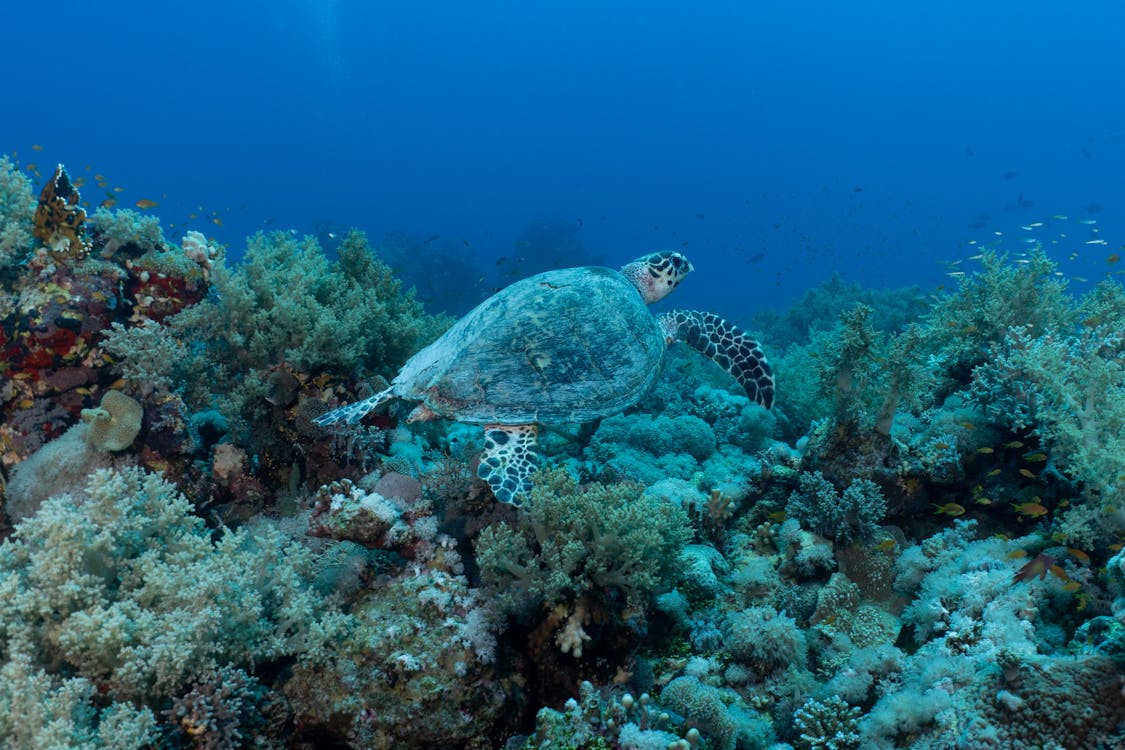
Marine sanctuaries play an indispensable role in maintaining the structural integrity of foundational habitats like coral reefs, kelp forests, and seagrass meadows. Tropical coral reefs often earn the label of ocean rainforests because they shelter roughly a quarter of all marine species despite covering a microscopic fraction of the seafloor. Shielding these delicate biological structures prevents catastrophic, chain-reaction collapses throughout regional food webs and preserves high levels of overall marine biodiversity.
When these core habitats remain free from destructive anchoring and trawling, their natural resilience against warming water temperatures and acidification increases significantly. Healthy seagrass beds and coastal mangroves absorb carbon dioxide at rates vastly exceeding land-based forests, turning protected waters into powerful natural carbon sinks. Just as maintaining a clean home if you have little kids demands daily proactive effort to keep living environments safe, preserving complex marine ecosystems requires continuous environmental stewardship and active habitat defense.
Generating Economic Dividends Through the Spillover Effect
Coastal communities benefit economically from marine sanctuaries through thriving eco-tourism industries and the commercial fishing spillover effect. Protected aquatic reserves attract scuba divers, snorkelers, and wildlife watchers who generate steady, reliable revenue for local hospitality businesses and boat charter operators. Meanwhile, commercial fishers working outside sanctuary borders experience increased catch abundance as mature fish populations multiply inside protected waters and migrate outward into open fishing grounds.
Empirical marine studies confirm that well-managed protected areas consistently yield measurable increases in overall fish biomass within a few years of initial designation. This biological replenishment proves that strict conservation policies and profitable commercial fishing industries can coexist to support regional stability. Coastal municipalities that embrace these marine reserves secure long-term financial security for generations of fishers, guides, and local merchants.
Deploying Satellite Surveillance and Underwater Drones
Modern conservation agencies rely on advanced technological tools like satellite vessel tracking, artificial intelligence, and autonomous underwater drones to monitor remote sanctuaries. These high-tech surveillance systems allow enforcement officers to detect illegal trawling, track ship movements in real-time, and identify dark vessels that deliberately switch off their tracking transponders. Implementing these digital solutions closes critical monitoring gaps across vast, difficult-to-patrol maritime territories.
Data collection platforms also integrate citizen science programs, enabling recreational divers and coastal residents to upload environmental observations directly to central research databases. This constant stream of accurate, real-time data helps conservation managers evaluate the success of existing rules and adapt quickly to emerging ecological threats. Technology transforms passive ocean mapping into an active, responsive defense system for fragile aquatic habitats.
Addressing Resource Shortfalls and Intensifying Climate Stress
Despite their proven ecological benefits, marine sanctuaries frequently struggle with chronic underfunding, resource constraints, and intensifying climate-driven stress. Securing reliable financial backing remains a persistent hurdle for management agencies attempting to patrol distant borders and fund ongoing scientific monitoring. Innovative funding mechanisms, including blue bonds and public-private partnerships, are increasingly deployed to close these budget gaps and guarantee long-term operational viability.
Simultaneously, warming ocean temperatures and severe marine heatwaves test the limits of even the most strictly enforced reserves. Mitigation strategies must combine traditional regulatory oversight with climate-resilient restoration projects designed to strengthen vulnerable species against rapid environmental shifts. Overcoming these complex financial and climatic obstacles requires coordinated global cooperation and sustained political commitment.
Integrating Indigenous Knowledge and Local Co-Management
Indigenous-led conservation and community co-management models have emerged as some of the most successful frameworks for establishing enduring marine sanctuaries. Local communities and Indigenous groups possess generations of traditional ecological knowledge regarding fish migration paths, seasonal spawning aggregations, and habitat fragility. Empowering these groups to lead sanctuary governance fosters deep local ownership and ensures conservation rules respect customary cultural practices.
Successful marine conservation initiatives around the globe demonstrate that top-down government decrees achieve the best outcomes when paired with grassroots stewardship and stakeholder inclusion. Placing resource management directly in the hands of residents who live alongside the ocean generates higher compliance rates and robust community support. This collaborative approach bridges modern scientific monitoring with time-tested traditional wisdom to secure optimal ecological health.
Frequently Asked Questions
What is the primary purpose of a marine sanctuary?
The primary purpose of a marine sanctuary is to protect vulnerable marine life, conserve critical underwater habitats, and restrict destructive human activities to allow ecosystems to recover and thrive.
How do marine sanctuaries benefit the commercial fishing industry?
Marine sanctuaries help replenish depleted fish populations inside their borders, allowing healthy adult fish to migrate outward into surrounding commercial fishing grounds through the spillover effect.
What types of habitats are protected within these areas?
Marine sanctuaries commonly protect vital ecosystems such as coral reefs, seagrass meadows, mangrove forests, kelp forests, and deep-sea hydrothermal vent systems.
How do scientists monitor remote marine sanctuaries?
Researchers and enforcement agencies monitor remote sanctuaries using advanced tools like satellite vessel-tracking systems, underwater drones, acoustic sensors, and aerial surveillance imagery.
What are the biggest threats to marine sanctuaries today?
The greatest ongoing threats include illegal overfishing, plastic pollution, coastal runoff, ocean acidification, and warming water temperatures driven by global climate change.
Can the public visit marine sanctuaries?
Many marine sanctuaries are open to the public for low-impact recreational activities such as swimming, snorkeling, scuba diving, and wildlife watching, provided visitors follow strict conservation rules.
How can everyday individuals support ocean conservation?
Individuals can support conservation by reducing single-use plastics, eating sustainably sourced seafood, supporting ocean advocacy groups, and participating in local beach or waterway cleanups.
Disclaimer: Environmental policies, international marine treaties, and local sanctuary regulations are subject to ongoing updates and revisions. Readers should consult official government and international conservation bodies for the most current information regarding specific protected marine areas.
Meeting International 30×30 Biodiversity Goals
International environmental policy increasingly centers around coordinated global agreements designed to secure substantial portions of the world’s oceans. The widespread 30×30 conservation movement commits participating nations to protect 30% of global marine environments by the end of the decade. Complementing these national commitments, milestone agreements such as the UN High Seas Treaty establish binding legal frameworks for safeguarding international waters that lie far beyond individual country jurisdictions.
These large-scale policy initiatives provide the legislative authority required to patrol vast, remote oceanic expanses against illicit activities. Aligning local marine protection agendas with international biodiversity treaties allows governments to pool enforcement resources and share satellite surveillance intelligence. Such global cooperation ensures that conservation efforts scale up effectively to match the borderless nature of modern ocean health challenges.
Safeguarding Coral Reefs, Kelp Forests, and Seagrass Meadows
Marine sanctuaries play an indispensable role in maintaining the structural integrity of foundational habitats like coral reefs, kelp forests, and seagrass meadows. Tropical coral reefs often earn the label of ocean rainforests because they shelter roughly a quarter of all marine species despite covering a microscopic fraction of the seafloor. Shielding these delicate biological structures prevents catastrophic, chain-reaction collapses throughout regional food webs and preserves high levels of overall marine biodiversity.
When these core habitats remain free from destructive anchoring and trawling, their natural resilience against warming water temperatures and acidification increases significantly. Healthy seagrass beds and coastal mangroves absorb carbon dioxide at rates vastly exceeding land-based forests, turning protected waters into powerful natural carbon sinks. Just as maintaining a clean home if you have little kids demands daily proactive effort to keep living environments safe, preserving complex marine ecosystems requires continuous environmental stewardship and active habitat defense.
Generating Economic Dividends Through the Spillover Effect
Coastal communities benefit economically from marine sanctuaries through thriving eco-tourism industries and the commercial fishing spillover effect. Protected aquatic reserves attract scuba divers, snorkelers, and wildlife watchers who generate steady, reliable revenue for local hospitality businesses and boat charter operators. Meanwhile, commercial fishers working outside sanctuary borders experience increased catch abundance as mature fish populations multiply inside protected waters and migrate outward into open fishing grounds.
Empirical marine studies confirm that well-managed protected areas consistently yield measurable increases in overall fish biomass within a few years of initial designation. This biological replenishment proves that strict conservation policies and profitable commercial fishing industries can coexist to support regional stability. Coastal municipalities that embrace these marine reserves secure long-term financial security for generations of fishers, guides, and local merchants.
Deploying Satellite Surveillance and Underwater Drones
Modern conservation agencies rely on advanced technological tools like satellite vessel tracking, artificial intelligence, and autonomous underwater drones to monitor remote sanctuaries. These high-tech surveillance systems allow enforcement officers to detect illegal trawling, track ship movements in real-time, and identify dark vessels that deliberately switch off their tracking transponders. Implementing these digital solutions closes critical monitoring gaps across vast, difficult-to-patrol maritime territories.
Data collection platforms also integrate citizen science programs, enabling recreational divers and coastal residents to upload environmental observations directly to central research databases. This constant stream of accurate, real-time data helps conservation managers evaluate the success of existing rules and adapt quickly to emerging ecological threats. Technology transforms passive ocean mapping into an active, responsive defense system for fragile aquatic habitats.
Addressing Resource Shortfalls and Intensifying Climate Stress
Despite their proven ecological benefits, marine sanctuaries frequently struggle with chronic underfunding, resource constraints, and intensifying climate-driven stress. Securing reliable financial backing remains a persistent hurdle for management agencies attempting to patrol distant borders and fund ongoing scientific monitoring. Innovative funding mechanisms, including blue bonds and public-private partnerships, are increasingly deployed to close these budget gaps and guarantee long-term operational viability.
Simultaneously, warming ocean temperatures and severe marine heatwaves test the limits of even the most strictly enforced reserves. Mitigation strategies must combine traditional regulatory oversight with climate-resilient restoration projects designed to strengthen vulnerable species against rapid environmental shifts. Overcoming these complex financial and climatic obstacles requires coordinated global cooperation and sustained political commitment.
Integrating Indigenous Knowledge and Local Co-Management
Indigenous-led conservation and community co-management models have emerged as some of the most successful frameworks for establishing enduring marine sanctuaries. Local communities and Indigenous groups possess generations of traditional ecological knowledge regarding fish migration paths, seasonal spawning aggregations, and habitat fragility. Empowering these groups to lead sanctuary governance fosters deep local ownership and ensures conservation rules respect customary cultural practices.
Successful marine conservation initiatives around the globe demonstrate that top-down government decrees achieve the best outcomes when paired with grassroots stewardship and stakeholder inclusion. Placing resource management directly in the hands of residents who live alongside the ocean generates higher compliance rates and robust community support. This collaborative approach bridges modern scientific monitoring with time-tested traditional wisdom to secure optimal ecological health.
Frequently Asked Questions
What is the primary purpose of a marine sanctuary?
The primary purpose of a marine sanctuary is to protect vulnerable marine life, conserve critical underwater habitats, and restrict destructive human activities to allow ecosystems to recover and thrive.
How do marine sanctuaries benefit the commercial fishing industry?
Marine sanctuaries help replenish depleted fish populations inside their borders, allowing healthy adult fish to migrate outward into surrounding commercial fishing grounds through the spillover effect.
What types of habitats are protected within these areas?
Marine sanctuaries commonly protect vital ecosystems such as coral reefs, seagrass meadows, mangrove forests, kelp forests, and deep-sea hydrothermal vent systems.
How do scientists monitor remote marine sanctuaries?
Researchers and enforcement agencies monitor remote sanctuaries using advanced tools like satellite vessel-tracking systems, underwater drones, acoustic sensors, and aerial surveillance imagery.
What are the biggest threats to marine sanctuaries today?
The greatest ongoing threats include illegal overfishing, plastic pollution, coastal runoff, ocean acidification, and warming water temperatures driven by global climate change.
Can the public visit marine sanctuaries?
Many marine sanctuaries are open to the public for low-impact recreational activities such as swimming, snorkeling, scuba diving, and wildlife watching, provided visitors follow strict conservation rules.
How can everyday individuals support ocean conservation?
Individuals can support conservation by reducing single-use plastics, eating sustainably sourced seafood, supporting ocean advocacy groups, and participating in local beach or waterway cleanups.
Disclaimer: Environmental policies, international marine treaties, and local sanctuary regulations are subject to ongoing updates and revisions. Readers should consult official government and international conservation bodies for the most current information regarding specific protected marine areas.
How Regulated Zoning Restricts Commercial Exploitation
Marine sanctuaries utilize distinct legal zoning frameworks to restrict commercial resource extraction and destructive human activities across sensitive oceanic boundaries. Conservation authorities establish fully protected no-take zones alongside multiple-use corridors that permit controlled recreational access and scientific research. These protective boundaries create safe nurseries where fish, marine mammals, and seabirds feed, reproduce, and mature without commercial fishing fleets or oil drilling disrupting their natural cycles.
Beyond guarding local wildlife, these uncompromised marine zones function as natural outdoor laboratories for marine scientists and university researchers. Investigators utilize pristine baseline ecosystems to measure shifting water chemistry, document complex predator-prey behaviors, and track the ecological fingerprints of climate change. Continuous data collection from protected areas empowers governing bodies to refine global conservation frameworks and adapt environmental management policies to shifting oceanic realities.
Meeting International 30×30 Biodiversity Goals
International environmental policy increasingly centers around coordinated global agreements designed to secure substantial portions of the world’s oceans. The widespread 30×30 conservation movement commits participating nations to protect 30% of global marine environments by the end of the decade. Complementing these national commitments, milestone agreements such as the UN High Seas Treaty establish binding legal frameworks for safeguarding international waters that lie far beyond individual country jurisdictions.
These large-scale policy initiatives provide the legislative authority required to patrol vast, remote oceanic expanses against illicit activities. Aligning local marine protection agendas with international biodiversity treaties allows governments to pool enforcement resources and share satellite surveillance intelligence. Such global cooperation ensures that conservation efforts scale up effectively to match the borderless nature of modern ocean health challenges.
Safeguarding Coral Reefs, Kelp Forests, and Seagrass Meadows
Marine sanctuaries play an indispensable role in maintaining the structural integrity of foundational habitats like coral reefs, kelp forests, and seagrass meadows. Tropical coral reefs often earn the label of ocean rainforests because they shelter roughly a quarter of all marine species despite covering a microscopic fraction of the seafloor. Shielding these delicate biological structures prevents catastrophic, chain-reaction collapses throughout regional food webs and preserves high levels of overall marine biodiversity.
When these core habitats remain free from destructive anchoring and trawling, their natural resilience against warming water temperatures and acidification increases significantly. Healthy seagrass beds and coastal mangroves absorb carbon dioxide at rates vastly exceeding land-based forests, turning protected waters into powerful natural carbon sinks. Just as maintaining a clean home if you have little kids demands daily proactive effort to keep living environments safe, preserving complex marine ecosystems requires continuous environmental stewardship and active habitat defense.
Generating Economic Dividends Through the Spillover Effect
Coastal communities benefit economically from marine sanctuaries through thriving eco-tourism industries and the commercial fishing spillover effect. Protected aquatic reserves attract scuba divers, snorkelers, and wildlife watchers who generate steady, reliable revenue for local hospitality businesses and boat charter operators. Meanwhile, commercial fishers working outside sanctuary borders experience increased catch abundance as mature fish populations multiply inside protected waters and migrate outward into open fishing grounds.
Empirical marine studies confirm that well-managed protected areas consistently yield measurable increases in overall fish biomass within a few years of initial designation. This biological replenishment proves that strict conservation policies and profitable commercial fishing industries can coexist to support regional stability. Coastal municipalities that embrace these marine reserves secure long-term financial security for generations of fishers, guides, and local merchants.
Deploying Satellite Surveillance and Underwater Drones
Modern conservation agencies rely on advanced technological tools like satellite vessel tracking, artificial intelligence, and autonomous underwater drones to monitor remote sanctuaries. These high-tech surveillance systems allow enforcement officers to detect illegal trawling, track ship movements in real-time, and identify dark vessels that deliberately switch off their tracking transponders. Implementing these digital solutions closes critical monitoring gaps across vast, difficult-to-patrol maritime territories.
Data collection platforms also integrate citizen science programs, enabling recreational divers and coastal residents to upload environmental observations directly to central research databases. This constant stream of accurate, real-time data helps conservation managers evaluate the success of existing rules and adapt quickly to emerging ecological threats. Technology transforms passive ocean mapping into an active, responsive defense system for fragile aquatic habitats.
Addressing Resource Shortfalls and Intensifying Climate Stress
Despite their proven ecological benefits, marine sanctuaries frequently struggle with chronic underfunding, resource constraints, and intensifying climate-driven stress. Securing reliable financial backing remains a persistent hurdle for management agencies attempting to patrol distant borders and fund ongoing scientific monitoring. Innovative funding mechanisms, including blue bonds and public-private partnerships, are increasingly deployed to close these budget gaps and guarantee long-term operational viability.
Simultaneously, warming ocean temperatures and severe marine heatwaves test the limits of even the most strictly enforced reserves. Mitigation strategies must combine traditional regulatory oversight with climate-resilient restoration projects designed to strengthen vulnerable species against rapid environmental shifts. Overcoming these complex financial and climatic obstacles requires coordinated global cooperation and sustained political commitment.
Integrating Indigenous Knowledge and Local Co-Management
Indigenous-led conservation and community co-management models have emerged as some of the most successful frameworks for establishing enduring marine sanctuaries. Local communities and Indigenous groups possess generations of traditional ecological knowledge regarding fish migration paths, seasonal spawning aggregations, and habitat fragility. Empowering these groups to lead sanctuary governance fosters deep local ownership and ensures conservation rules respect customary cultural practices.
Successful marine conservation initiatives around the globe demonstrate that top-down government decrees achieve the best outcomes when paired with grassroots stewardship and stakeholder inclusion. Placing resource management directly in the hands of residents who live alongside the ocean generates higher compliance rates and robust community support. This collaborative approach bridges modern scientific monitoring with time-tested traditional wisdom to secure optimal ecological health.
Frequently Asked Questions
What is the primary purpose of a marine sanctuary?
The primary purpose of a marine sanctuary is to protect vulnerable marine life, conserve critical underwater habitats, and restrict destructive human activities to allow ecosystems to recover and thrive.
How do marine sanctuaries benefit the commercial fishing industry?
Marine sanctuaries help replenish depleted fish populations inside their borders, allowing healthy adult fish to migrate outward into surrounding commercial fishing grounds through the spillover effect.
What types of habitats are protected within these areas?
Marine sanctuaries commonly protect vital ecosystems such as coral reefs, seagrass meadows, mangrove forests, kelp forests, and deep-sea hydrothermal vent systems.
How do scientists monitor remote marine sanctuaries?
Researchers and enforcement agencies monitor remote sanctuaries using advanced tools like satellite vessel-tracking systems, underwater drones, acoustic sensors, and aerial surveillance imagery.
What are the biggest threats to marine sanctuaries today?
The greatest ongoing threats include illegal overfishing, plastic pollution, coastal runoff, ocean acidification, and warming water temperatures driven by global climate change.
Can the public visit marine sanctuaries?
Many marine sanctuaries are open to the public for low-impact recreational activities such as swimming, snorkeling, scuba diving, and wildlife watching, provided visitors follow strict conservation rules.
How can everyday individuals support ocean conservation?
Individuals can support conservation by reducing single-use plastics, eating sustainably sourced seafood, supporting ocean advocacy groups, and participating in local beach or waterway cleanups.
Disclaimer: Environmental policies, international marine treaties, and local sanctuary regulations are subject to ongoing updates and revisions. Readers should consult official government and international conservation bodies for the most current information regarding specific protected marine areas.
Earth’s marine environments cover roughly 71% of the global surface, acting as the primary engine for climate stability and supporting millions of aquatic species. Industrial overfishing, unchecked chemical pollution, and rapid ocean warming place immense pressure on these aquatic realms. Establishing dedicated marine sanctuaries provides a proven, structured mechanism to shield vulnerable habitats from destructive interference and allow depleted fish stocks to rebound.
How Regulated Zoning Restricts Commercial Exploitation
Marine sanctuaries utilize distinct legal zoning frameworks to restrict commercial resource extraction and destructive human activities across sensitive oceanic boundaries. Conservation authorities establish fully protected no-take zones alongside multiple-use corridors that permit controlled recreational access and scientific research. These protective boundaries create safe nurseries where fish, marine mammals, and seabirds feed, reproduce, and mature without commercial fishing fleets or oil drilling disrupting their natural cycles.
Beyond guarding local wildlife, these uncompromised marine zones function as natural outdoor laboratories for marine scientists and university researchers. Investigators utilize pristine baseline ecosystems to measure shifting water chemistry, document complex predator-prey behaviors, and track the ecological fingerprints of climate change. Continuous data collection from protected areas empowers governing bodies to refine global conservation frameworks and adapt environmental management policies to shifting oceanic realities.
Meeting International 30×30 Biodiversity Goals
International environmental policy increasingly centers around coordinated global agreements designed to secure substantial portions of the world’s oceans. The widespread 30×30 conservation movement commits participating nations to protect 30% of global marine environments by the end of the decade. Complementing these national commitments, milestone agreements such as the UN High Seas Treaty establish binding legal frameworks for safeguarding international waters that lie far beyond individual country jurisdictions.
These large-scale policy initiatives provide the legislative authority required to patrol vast, remote oceanic expanses against illicit activities. Aligning local marine protection agendas with international biodiversity treaties allows governments to pool enforcement resources and share satellite surveillance intelligence. Such global cooperation ensures that conservation efforts scale up effectively to match the borderless nature of modern ocean health challenges.
Safeguarding Coral Reefs, Kelp Forests, and Seagrass Meadows
Marine sanctuaries play an indispensable role in maintaining the structural integrity of foundational habitats like coral reefs, kelp forests, and seagrass meadows. Tropical coral reefs often earn the label of ocean rainforests because they shelter roughly a quarter of all marine species despite covering a microscopic fraction of the seafloor. Shielding these delicate biological structures prevents catastrophic, chain-reaction collapses throughout regional food webs and preserves high levels of overall marine biodiversity.
When these core habitats remain free from destructive anchoring and trawling, their natural resilience against warming water temperatures and acidification increases significantly. Healthy seagrass beds and coastal mangroves absorb carbon dioxide at rates vastly exceeding land-based forests, turning protected waters into powerful natural carbon sinks. Just as maintaining a clean home if you have little kids demands daily proactive effort to keep living environments safe, preserving complex marine ecosystems requires continuous environmental stewardship and active habitat defense.
Generating Economic Dividends Through the Spillover Effect
Coastal communities benefit economically from marine sanctuaries through thriving eco-tourism industries and the commercial fishing spillover effect. Protected aquatic reserves attract scuba divers, snorkelers, and wildlife watchers who generate steady, reliable revenue for local hospitality businesses and boat charter operators. Meanwhile, commercial fishers working outside sanctuary borders experience increased catch abundance as mature fish populations multiply inside protected waters and migrate outward into open fishing grounds.
Empirical marine studies confirm that well-managed protected areas consistently yield measurable increases in overall fish biomass within a few years of initial designation. This biological replenishment proves that strict conservation policies and profitable commercial fishing industries can coexist to support regional stability. Coastal municipalities that embrace these marine reserves secure long-term financial security for generations of fishers, guides, and local merchants.
Deploying Satellite Surveillance and Underwater Drones
Modern conservation agencies rely on advanced technological tools like satellite vessel tracking, artificial intelligence, and autonomous underwater drones to monitor remote sanctuaries. These high-tech surveillance systems allow enforcement officers to detect illegal trawling, track ship movements in real-time, and identify dark vessels that deliberately switch off their tracking transponders. Implementing these digital solutions closes critical monitoring gaps across vast, difficult-to-patrol maritime territories.
Data collection platforms also integrate citizen science programs, enabling recreational divers and coastal residents to upload environmental observations directly to central research databases. This constant stream of accurate, real-time data helps conservation managers evaluate the success of existing rules and adapt quickly to emerging ecological threats. Technology transforms passive ocean mapping into an active, responsive defense system for fragile aquatic habitats.
Addressing Resource Shortfalls and Intensifying Climate Stress
Despite their proven ecological benefits, marine sanctuaries frequently struggle with chronic underfunding, resource constraints, and intensifying climate-driven stress. Securing reliable financial backing remains a persistent hurdle for management agencies attempting to patrol distant borders and fund ongoing scientific monitoring. Innovative funding mechanisms, including blue bonds and public-private partnerships, are increasingly deployed to close these budget gaps and guarantee long-term operational viability.
Simultaneously, warming ocean temperatures and severe marine heatwaves test the limits of even the most strictly enforced reserves. Mitigation strategies must combine traditional regulatory oversight with climate-resilient restoration projects designed to strengthen vulnerable species against rapid environmental shifts. Overcoming these complex financial and climatic obstacles requires coordinated global cooperation and sustained political commitment.
Integrating Indigenous Knowledge and Local Co-Management
Indigenous-led conservation and community co-management models have emerged as some of the most successful frameworks for establishing enduring marine sanctuaries. Local communities and Indigenous groups possess generations of traditional ecological knowledge regarding fish migration paths, seasonal spawning aggregations, and habitat fragility. Empowering these groups to lead sanctuary governance fosters deep local ownership and ensures conservation rules respect customary cultural practices.
Successful marine conservation initiatives around the globe demonstrate that top-down government decrees achieve the best outcomes when paired with grassroots stewardship and stakeholder inclusion. Placing resource management directly in the hands of residents who live alongside the ocean generates higher compliance rates and robust community support. This collaborative approach bridges modern scientific monitoring with time-tested traditional wisdom to secure optimal ecological health.
Frequently Asked Questions
What is the primary purpose of a marine sanctuary?
The primary purpose of a marine sanctuary is to protect vulnerable marine life, conserve critical underwater habitats, and restrict destructive human activities to allow ecosystems to recover and thrive.
How do marine sanctuaries benefit the commercial fishing industry?
Marine sanctuaries help replenish depleted fish populations inside their borders, allowing healthy adult fish to migrate outward into surrounding commercial fishing grounds through the spillover effect.
What types of habitats are protected within these areas?
Marine sanctuaries commonly protect vital ecosystems such as coral reefs, seagrass meadows, mangrove forests, kelp forests, and deep-sea hydrothermal vent systems.
How do scientists monitor remote marine sanctuaries?
Researchers and enforcement agencies monitor remote sanctuaries using advanced tools like satellite vessel-tracking systems, underwater drones, acoustic sensors, and aerial surveillance imagery.
What are the biggest threats to marine sanctuaries today?
The greatest ongoing threats include illegal overfishing, plastic pollution, coastal runoff, ocean acidification, and warming water temperatures driven by global climate change.
Can the public visit marine sanctuaries?
Many marine sanctuaries are open to the public for low-impact recreational activities such as swimming, snorkeling, scuba diving, and wildlife watching, provided visitors follow strict conservation rules.
How can everyday individuals support ocean conservation?
Individuals can support conservation by reducing single-use plastics, eating sustainably sourced seafood, supporting ocean advocacy groups, and participating in local beach or waterway cleanups.
Disclaimer: Environmental policies, international marine treaties, and local sanctuary regulations are subject to ongoing updates and revisions. Readers should consult official government and international conservation bodies for the most current information regarding specific protected marine areas.
Earth’s marine environments cover roughly 71% of the global surface, acting as the primary engine for climate stability and supporting millions of aquatic species. Industrial overfishing, unchecked chemical pollution, and rapid ocean warming place immense pressure on these aquatic realms. Establishing dedicated marine sanctuaries provides a proven, structured mechanism to shield vulnerable habitats from destructive interference and allow depleted fish stocks to rebound.
How Regulated Zoning Restricts Commercial Exploitation
Marine sanctuaries utilize distinct legal zoning frameworks to restrict commercial resource extraction and destructive human activities across sensitive oceanic boundaries. Conservation authorities establish fully protected no-take zones alongside multiple-use corridors that permit controlled recreational access and scientific research. These protective boundaries create safe nurseries where fish, marine mammals, and seabirds feed, reproduce, and mature without commercial fishing fleets or oil drilling disrupting their natural cycles.
Beyond guarding local wildlife, these uncompromised marine zones function as natural outdoor laboratories for marine scientists and university researchers. Investigators utilize pristine baseline ecosystems to measure shifting water chemistry, document complex predator-prey behaviors, and track the ecological fingerprints of climate change. Continuous data collection from protected areas empowers governing bodies to refine global conservation frameworks and adapt environmental management policies to shifting oceanic realities.
Meeting International 30×30 Biodiversity Goals
International environmental policy increasingly centers around coordinated global agreements designed to secure substantial portions of the world’s oceans. The widespread 30×30 conservation movement commits participating nations to protect 30% of global marine environments by the end of the decade. Complementing these national commitments, milestone agreements such as the UN High Seas Treaty establish binding legal frameworks for safeguarding international waters that lie far beyond individual country jurisdictions.
These large-scale policy initiatives provide the legislative authority required to patrol vast, remote oceanic expanses against illicit activities. Aligning local marine protection agendas with international biodiversity treaties allows governments to pool enforcement resources and share satellite surveillance intelligence. Such global cooperation ensures that conservation efforts scale up effectively to match the borderless nature of modern ocean health challenges.
Safeguarding Coral Reefs, Kelp Forests, and Seagrass Meadows
Marine sanctuaries play an indispensable role in maintaining the structural integrity of foundational habitats like coral reefs, kelp forests, and seagrass meadows. Tropical coral reefs often earn the label of ocean rainforests because they shelter roughly a quarter of all marine species despite covering a microscopic fraction of the seafloor. Shielding these delicate biological structures prevents catastrophic, chain-reaction collapses throughout regional food webs and preserves high levels of overall marine biodiversity.
When these core habitats remain free from destructive anchoring and trawling, their natural resilience against warming water temperatures and acidification increases significantly. Healthy seagrass beds and coastal mangroves absorb carbon dioxide at rates vastly exceeding land-based forests, turning protected waters into powerful natural carbon sinks. Just as maintaining a clean home if you have little kids demands daily proactive effort to keep living environments safe, preserving complex marine ecosystems requires continuous environmental stewardship and active habitat defense.
Generating Economic Dividends Through the Spillover Effect
Coastal communities benefit economically from marine sanctuaries through thriving eco-tourism industries and the commercial fishing spillover effect. Protected aquatic reserves attract scuba divers, snorkelers, and wildlife watchers who generate steady, reliable revenue for local hospitality businesses and boat charter operators. Meanwhile, commercial fishers working outside sanctuary borders experience increased catch abundance as mature fish populations multiply inside protected waters and migrate outward into open fishing grounds.
Empirical marine studies confirm that well-managed protected areas consistently yield measurable increases in overall fish biomass within a few years of initial designation. This biological replenishment proves that strict conservation policies and profitable commercial fishing industries can coexist to support regional stability. Coastal municipalities that embrace these marine reserves secure long-term financial security for generations of fishers, guides, and local merchants.
Deploying Satellite Surveillance and Underwater Drones
Modern conservation agencies rely on advanced technological tools like satellite vessel tracking, artificial intelligence, and autonomous underwater drones to monitor remote sanctuaries. These high-tech surveillance systems allow enforcement officers to detect illegal trawling, track ship movements in real-time, and identify dark vessels that deliberately switch off their tracking transponders. Implementing these digital solutions closes critical monitoring gaps across vast, difficult-to-patrol maritime territories.
Data collection platforms also integrate citizen science programs, enabling recreational divers and coastal residents to upload environmental observations directly to central research databases. This constant stream of accurate, real-time data helps conservation managers evaluate the success of existing rules and adapt quickly to emerging ecological threats. Technology transforms passive ocean mapping into an active, responsive defense system for fragile aquatic habitats.
Addressing Resource Shortfalls and Intensifying Climate Stress
Despite their proven ecological benefits, marine sanctuaries frequently struggle with chronic underfunding, resource constraints, and intensifying climate-driven stress. Securing reliable financial backing remains a persistent hurdle for management agencies attempting to patrol distant borders and fund ongoing scientific monitoring. Innovative funding mechanisms, including blue bonds and public-private partnerships, are increasingly deployed to close these budget gaps and guarantee long-term operational viability.
Simultaneously, warming ocean temperatures and severe marine heatwaves test the limits of even the most strictly enforced reserves. Mitigation strategies must combine traditional regulatory oversight with climate-resilient restoration projects designed to strengthen vulnerable species against rapid environmental shifts. Overcoming these complex financial and climatic obstacles requires coordinated global cooperation and sustained political commitment.
Integrating Indigenous Knowledge and Local Co-Management
Indigenous-led conservation and community co-management models have emerged as some of the most successful frameworks for establishing enduring marine sanctuaries. Local communities and Indigenous groups possess generations of traditional ecological knowledge regarding fish migration paths, seasonal spawning aggregations, and habitat fragility. Empowering these groups to lead sanctuary governance fosters deep local ownership and ensures conservation rules respect customary cultural practices.
Successful marine conservation initiatives around the globe demonstrate that top-down government decrees achieve the best outcomes when paired with grassroots stewardship and stakeholder inclusion. Placing resource management directly in the hands of residents who live alongside the ocean generates higher compliance rates and robust community support. This collaborative approach bridges modern scientific monitoring with time-tested traditional wisdom to secure optimal ecological health.
Frequently Asked Questions
What is the primary purpose of a marine sanctuary?
The primary purpose of a marine sanctuary is to protect vulnerable marine life, conserve critical underwater habitats, and restrict destructive human activities to allow ecosystems to recover and thrive.
How do marine sanctuaries benefit the commercial fishing industry?
Marine sanctuaries help replenish depleted fish populations inside their borders, allowing healthy adult fish to migrate outward into surrounding commercial fishing grounds through the spillover effect.
What types of habitats are protected within these areas?
Marine sanctuaries commonly protect vital ecosystems such as coral reefs, seagrass meadows, mangrove forests, kelp forests, and deep-sea hydrothermal vent systems.
How do scientists monitor remote marine sanctuaries?
Researchers and enforcement agencies monitor remote sanctuaries using advanced tools like satellite vessel-tracking systems, underwater drones, acoustic sensors, and aerial surveillance imagery.
What are the biggest threats to marine sanctuaries today?
The greatest ongoing threats include illegal overfishing, plastic pollution, coastal runoff, ocean acidification, and warming water temperatures driven by global climate change.
Can the public visit marine sanctuaries?
Many marine sanctuaries are open to the public for low-impact recreational activities such as swimming, snorkeling, scuba diving, and wildlife watching, provided visitors follow strict conservation rules.
How can everyday individuals support ocean conservation?
Individuals can support conservation by reducing single-use plastics, eating sustainably sourced seafood, supporting ocean advocacy groups, and participating in local beach or waterway cleanups.
Disclaimer: Environmental policies, international marine treaties, and local sanctuary regulations are subject to ongoing updates and revisions. Readers should consult official government and international conservation bodies for the most current information regarding specific protected marine areas.
Addressing Resource Shortfalls and Intensifying Climate Stress
Despite their proven ecological benefits, marine sanctuaries frequently struggle with chronic underfunding, resource constraints, and intensifying climate-driven stress. Securing reliable financial backing remains a persistent hurdle for management agencies attempting to patrol distant borders and fund ongoing scientific monitoring. Innovative funding mechanisms, including blue bonds and public-private partnerships, are increasingly deployed to close these budget gaps and guarantee long-term operational viability.
Simultaneously, warming ocean temperatures and severe marine heatwaves test the limits of even the most strictly enforced reserves. Mitigation strategies must combine traditional regulatory oversight with climate-resilient restoration projects designed to strengthen vulnerable species against rapid environmental shifts. Overcoming these complex financial and climatic obstacles requires coordinated global cooperation and sustained political commitment.
Integrating Indigenous Knowledge and Local Co-Management
Indigenous-led conservation and community co-management models have emerged as some of the most successful frameworks for establishing enduring marine sanctuaries. Local communities and Indigenous groups possess generations of traditional ecological knowledge regarding fish migration paths, seasonal spawning aggregations, and habitat fragility. Empowering these groups to lead sanctuary governance fosters deep local ownership and ensures conservation rules respect customary cultural practices.
Successful marine conservation initiatives around the globe demonstrate that top-down government decrees achieve the best outcomes when paired with grassroots stewardship and stakeholder inclusion. Placing resource management directly in the hands of residents who live alongside the ocean generates higher compliance rates and robust community support. This collaborative approach bridges modern scientific monitoring with time-tested traditional wisdom to secure optimal ecological health.
Frequently Asked Questions
What is the primary purpose of a marine sanctuary?
The primary purpose of a marine sanctuary is to protect vulnerable marine life, conserve critical underwater habitats, and restrict destructive human activities to allow ecosystems to recover and thrive.
How do marine sanctuaries benefit the commercial fishing industry?
Marine sanctuaries help replenish depleted fish populations inside their borders, allowing healthy adult fish to migrate outward into surrounding commercial fishing grounds through the spillover effect.
What types of habitats are protected within these areas?
Marine sanctuaries commonly protect vital ecosystems such as coral reefs, seagrass meadows, mangrove forests, kelp forests, and deep-sea hydrothermal vent systems.
How do scientists monitor remote marine sanctuaries?
Researchers and enforcement agencies monitor remote sanctuaries using advanced tools like satellite vessel-tracking systems, underwater drones, acoustic sensors, and aerial surveillance imagery.
What are the biggest threats to marine sanctuaries today?
The greatest ongoing threats include illegal overfishing, plastic pollution, coastal runoff, ocean acidification, and warming water temperatures driven by global climate change.
Can the public visit marine sanctuaries?
Many marine sanctuaries are open to the public for low-impact recreational activities such as swimming, snorkeling, scuba diving, and wildlife watching, provided visitors follow strict conservation rules.
How can everyday individuals support ocean conservation?
Individuals can support conservation by reducing single-use plastics, eating sustainably sourced seafood, supporting ocean advocacy groups, and participating in local beach or waterway cleanups.
Disclaimer: Environmental policies, international marine treaties, and local sanctuary regulations are subject to ongoing updates and revisions. Readers should consult official government and international conservation bodies for the most current information regarding specific protected marine areas.
Earth’s marine environments cover roughly 71% of the global surface, acting as the primary engine for climate stability and supporting millions of aquatic species. Industrial overfishing, unchecked chemical pollution, and rapid ocean warming place immense pressure on these aquatic realms. Establishing dedicated marine sanctuaries provides a proven, structured mechanism to shield vulnerable habitats from destructive interference and allow depleted fish stocks to rebound.
How Regulated Zoning Restricts Commercial Exploitation
Marine sanctuaries utilize distinct legal zoning frameworks to restrict commercial resource extraction and destructive human activities across sensitive oceanic boundaries. Conservation authorities establish fully protected no-take zones alongside multiple-use corridors that permit controlled recreational access and scientific research. These protective boundaries create safe nurseries where fish, marine mammals, and seabirds feed, reproduce, and mature without commercial fishing fleets or oil drilling disrupting their natural cycles.
Beyond guarding local wildlife, these uncompromised marine zones function as natural outdoor laboratories for marine scientists and university researchers. Investigators utilize pristine baseline ecosystems to measure shifting water chemistry, document complex predator-prey behaviors, and track the ecological fingerprints of climate change. Continuous data collection from protected areas empowers governing bodies to refine global conservation frameworks and adapt environmental management policies to shifting oceanic realities.
Meeting International 30×30 Biodiversity Goals
International environmental policy increasingly centers around coordinated global agreements designed to secure substantial portions of the world’s oceans. The widespread 30×30 conservation movement commits participating nations to protect 30% of global marine environments by the end of the decade. Complementing these national commitments, milestone agreements such as the UN High Seas Treaty establish binding legal frameworks for safeguarding international waters that lie far beyond individual country jurisdictions.
These large-scale policy initiatives provide the legislative authority required to patrol vast, remote oceanic expanses against illicit activities. Aligning local marine protection agendas with international biodiversity treaties allows governments to pool enforcement resources and share satellite surveillance intelligence. Such global cooperation ensures that conservation efforts scale up effectively to match the borderless nature of modern ocean health challenges.
Safeguarding Coral Reefs, Kelp Forests, and Seagrass Meadows
Marine sanctuaries play an indispensable role in maintaining the structural integrity of foundational habitats like coral reefs, kelp forests, and seagrass meadows. Tropical coral reefs often earn the label of ocean rainforests because they shelter roughly a quarter of all marine species despite covering a microscopic fraction of the seafloor. Shielding these delicate biological structures prevents catastrophic, chain-reaction collapses throughout regional food webs and preserves high levels of overall marine biodiversity.
When these core habitats remain free from destructive anchoring and trawling, their natural resilience against warming water temperatures and acidification increases significantly. Healthy seagrass beds and coastal mangroves absorb carbon dioxide at rates vastly exceeding land-based forests, turning protected waters into powerful natural carbon sinks. Just as maintaining a clean home if you have little kids demands daily proactive effort to keep living environments safe, preserving complex marine ecosystems requires continuous environmental stewardship and active habitat defense.
Generating Economic Dividends Through the Spillover Effect
Coastal communities benefit economically from marine sanctuaries through thriving eco-tourism industries and the commercial fishing spillover effect. Protected aquatic reserves attract scuba divers, snorkelers, and wildlife watchers who generate steady, reliable revenue for local hospitality businesses and boat charter operators. Meanwhile, commercial fishers working outside sanctuary borders experience increased catch abundance as mature fish populations multiply inside protected waters and migrate outward into open fishing grounds.
Empirical marine studies confirm that well-managed protected areas consistently yield measurable increases in overall fish biomass within a few years of initial designation. This biological replenishment proves that strict conservation policies and profitable commercial fishing industries can coexist to support regional stability. Coastal municipalities that embrace these marine reserves secure long-term financial security for generations of fishers, guides, and local merchants.
Deploying Satellite Surveillance and Underwater Drones
Modern conservation agencies rely on advanced technological tools like satellite vessel tracking, artificial intelligence, and autonomous underwater drones to monitor remote sanctuaries. These high-tech surveillance systems allow enforcement officers to detect illegal trawling, track ship movements in real-time, and identify dark vessels that deliberately switch off their tracking transponders. Implementing these digital solutions closes critical monitoring gaps across vast, difficult-to-patrol maritime territories.
Data collection platforms also integrate citizen science programs, enabling recreational divers and coastal residents to upload environmental observations directly to central research databases. This constant stream of accurate, real-time data helps conservation managers evaluate the success of existing rules and adapt quickly to emerging ecological threats. Technology transforms passive ocean mapping into an active, responsive defense system for fragile aquatic habitats.
Addressing Resource Shortfalls and Intensifying Climate Stress
Despite their proven ecological benefits, marine sanctuaries frequently struggle with chronic underfunding, resource constraints, and intensifying climate-driven stress. Securing reliable financial backing remains a persistent hurdle for management agencies attempting to patrol distant borders and fund ongoing scientific monitoring. Innovative funding mechanisms, including blue bonds and public-private partnerships, are increasingly deployed to close these budget gaps and guarantee long-term operational viability.
Simultaneously, warming ocean temperatures and severe marine heatwaves test the limits of even the most strictly enforced reserves. Mitigation strategies must combine traditional regulatory oversight with climate-resilient restoration projects designed to strengthen vulnerable species against rapid environmental shifts. Overcoming these complex financial and climatic obstacles requires coordinated global cooperation and sustained political commitment.
Integrating Indigenous Knowledge and Local Co-Management
Indigenous-led conservation and community co-management models have emerged as some of the most successful frameworks for establishing enduring marine sanctuaries. Local communities and Indigenous groups possess generations of traditional ecological knowledge regarding fish migration paths, seasonal spawning aggregations, and habitat fragility. Empowering these groups to lead sanctuary governance fosters deep local ownership and ensures conservation rules respect customary cultural practices.
Successful marine conservation initiatives around the globe demonstrate that top-down government decrees achieve the best outcomes when paired with grassroots stewardship and stakeholder inclusion. Placing resource management directly in the hands of residents who live alongside the ocean generates higher compliance rates and robust community support. This collaborative approach bridges modern scientific monitoring with time-tested traditional wisdom to secure optimal ecological health.
Frequently Asked Questions
What is the primary purpose of a marine sanctuary?
The primary purpose of a marine sanctuary is to protect vulnerable marine life, conserve critical underwater habitats, and restrict destructive human activities to allow ecosystems to recover and thrive.
How do marine sanctuaries benefit the commercial fishing industry?
Marine sanctuaries help replenish depleted fish populations inside their borders, allowing healthy adult fish to migrate outward into surrounding commercial fishing grounds through the spillover effect.
What types of habitats are protected within these areas?
Marine sanctuaries commonly protect vital ecosystems such as coral reefs, seagrass meadows, mangrove forests, kelp forests, and deep-sea hydrothermal vent systems.
How do scientists monitor remote marine sanctuaries?
Researchers and enforcement agencies monitor remote sanctuaries using advanced tools like satellite vessel-tracking systems, underwater drones, acoustic sensors, and aerial surveillance imagery.
What are the biggest threats to marine sanctuaries today?
The greatest ongoing threats include illegal overfishing, plastic pollution, coastal runoff, ocean acidification, and warming water temperatures driven by global climate change.
Can the public visit marine sanctuaries?
Many marine sanctuaries are open to the public for low-impact recreational activities such as swimming, snorkeling, scuba diving, and wildlife watching, provided visitors follow strict conservation rules.
How can everyday individuals support ocean conservation?
Individuals can support conservation by reducing single-use plastics, eating sustainably sourced seafood, supporting ocean advocacy groups, and participating in local beach or waterway cleanups.
Disclaimer: Environmental policies, international marine treaties, and local sanctuary regulations are subject to ongoing updates and revisions. Readers should consult official government and international conservation bodies for the most current information regarding specific protected marine areas.
Deploying Satellite Surveillance and Underwater Drones
Modern conservation agencies rely on advanced technological tools like satellite vessel tracking, artificial intelligence, and autonomous underwater drones to monitor remote sanctuaries. These high-tech surveillance systems allow enforcement officers to detect illegal trawling, track ship movements in real-time, and identify dark vessels that deliberately switch off their tracking transponders. Implementing these digital solutions closes critical monitoring gaps across vast, difficult-to-patrol maritime territories.
Data collection platforms also integrate citizen science programs, enabling recreational divers and coastal residents to upload environmental observations directly to central research databases. This constant stream of accurate, real-time data helps conservation managers evaluate the success of existing rules and adapt quickly to emerging ecological threats. Technology transforms passive ocean mapping into an active, responsive defense system for fragile aquatic habitats.
Addressing Resource Shortfalls and Intensifying Climate Stress
Despite their proven ecological benefits, marine sanctuaries frequently struggle with chronic underfunding, resource constraints, and intensifying climate-driven stress. Securing reliable financial backing remains a persistent hurdle for management agencies attempting to patrol distant borders and fund ongoing scientific monitoring. Innovative funding mechanisms, including blue bonds and public-private partnerships, are increasingly deployed to close these budget gaps and guarantee long-term operational viability.
Simultaneously, warming ocean temperatures and severe marine heatwaves test the limits of even the most strictly enforced reserves. Mitigation strategies must combine traditional regulatory oversight with climate-resilient restoration projects designed to strengthen vulnerable species against rapid environmental shifts. Overcoming these complex financial and climatic obstacles requires coordinated global cooperation and sustained political commitment.
Integrating Indigenous Knowledge and Local Co-Management
Indigenous-led conservation and community co-management models have emerged as some of the most successful frameworks for establishing enduring marine sanctuaries. Local communities and Indigenous groups possess generations of traditional ecological knowledge regarding fish migration paths, seasonal spawning aggregations, and habitat fragility. Empowering these groups to lead sanctuary governance fosters deep local ownership and ensures conservation rules respect customary cultural practices.
Successful marine conservation initiatives around the globe demonstrate that top-down government decrees achieve the best outcomes when paired with grassroots stewardship and stakeholder inclusion. Placing resource management directly in the hands of residents who live alongside the ocean generates higher compliance rates and robust community support. This collaborative approach bridges modern scientific monitoring with time-tested traditional wisdom to secure optimal ecological health.
Frequently Asked Questions
What is the primary purpose of a marine sanctuary?
The primary purpose of a marine sanctuary is to protect vulnerable marine life, conserve critical underwater habitats, and restrict destructive human activities to allow ecosystems to recover and thrive.
How do marine sanctuaries benefit the commercial fishing industry?
Marine sanctuaries help replenish depleted fish populations inside their borders, allowing healthy adult fish to migrate outward into surrounding commercial fishing grounds through the spillover effect.
What types of habitats are protected within these areas?
Marine sanctuaries commonly protect vital ecosystems such as coral reefs, seagrass meadows, mangrove forests, kelp forests, and deep-sea hydrothermal vent systems.
How do scientists monitor remote marine sanctuaries?
Researchers and enforcement agencies monitor remote sanctuaries using advanced tools like satellite vessel-tracking systems, underwater drones, acoustic sensors, and aerial surveillance imagery.
What are the biggest threats to marine sanctuaries today?
The greatest ongoing threats include illegal overfishing, plastic pollution, coastal runoff, ocean acidification, and warming water temperatures driven by global climate change.
Can the public visit marine sanctuaries?
Many marine sanctuaries are open to the public for low-impact recreational activities such as swimming, snorkeling, scuba diving, and wildlife watching, provided visitors follow strict conservation rules.
How can everyday individuals support ocean conservation?
Individuals can support conservation by reducing single-use plastics, eating sustainably sourced seafood, supporting ocean advocacy groups, and participating in local beach or waterway cleanups.
Disclaimer: Environmental policies, international marine treaties, and local sanctuary regulations are subject to ongoing updates and revisions. Readers should consult official government and international conservation bodies for the most current information regarding specific protected marine areas.
Earth’s marine environments cover roughly 71% of the global surface, acting as the primary engine for climate stability and supporting millions of aquatic species. Industrial overfishing, unchecked chemical pollution, and rapid ocean warming place immense pressure on these aquatic realms. Establishing dedicated marine sanctuaries provides a proven, structured mechanism to shield vulnerable habitats from destructive interference and allow depleted fish stocks to rebound.
How Regulated Zoning Restricts Commercial Exploitation
Marine sanctuaries utilize distinct legal zoning frameworks to restrict commercial resource extraction and destructive human activities across sensitive oceanic boundaries. Conservation authorities establish fully protected no-take zones alongside multiple-use corridors that permit controlled recreational access and scientific research. These protective boundaries create safe nurseries where fish, marine mammals, and seabirds feed, reproduce, and mature without commercial fishing fleets or oil drilling disrupting their natural cycles.
Beyond guarding local wildlife, these uncompromised marine zones function as natural outdoor laboratories for marine scientists and university researchers. Investigators utilize pristine baseline ecosystems to measure shifting water chemistry, document complex predator-prey behaviors, and track the ecological fingerprints of climate change. Continuous data collection from protected areas empowers governing bodies to refine global conservation frameworks and adapt environmental management policies to shifting oceanic realities.
Meeting International 30×30 Biodiversity Goals
International environmental policy increasingly centers around coordinated global agreements designed to secure substantial portions of the world’s oceans. The widespread 30×30 conservation movement commits participating nations to protect 30% of global marine environments by the end of the decade. Complementing these national commitments, milestone agreements such as the UN High Seas Treaty establish binding legal frameworks for safeguarding international waters that lie far beyond individual country jurisdictions.
These large-scale policy initiatives provide the legislative authority required to patrol vast, remote oceanic expanses against illicit activities. Aligning local marine protection agendas with international biodiversity treaties allows governments to pool enforcement resources and share satellite surveillance intelligence. Such global cooperation ensures that conservation efforts scale up effectively to match the borderless nature of modern ocean health challenges.
Safeguarding Coral Reefs, Kelp Forests, and Seagrass Meadows
Marine sanctuaries play an indispensable role in maintaining the structural integrity of foundational habitats like coral reefs, kelp forests, and seagrass meadows. Tropical coral reefs often earn the label of ocean rainforests because they shelter roughly a quarter of all marine species despite covering a microscopic fraction of the seafloor. Shielding these delicate biological structures prevents catastrophic, chain-reaction collapses throughout regional food webs and preserves high levels of overall marine biodiversity.
When these core habitats remain free from destructive anchoring and trawling, their natural resilience against warming water temperatures and acidification increases significantly. Healthy seagrass beds and coastal mangroves absorb carbon dioxide at rates vastly exceeding land-based forests, turning protected waters into powerful natural carbon sinks. Just as maintaining a clean home if you have little kids demands daily proactive effort to keep living environments safe, preserving complex marine ecosystems requires continuous environmental stewardship and active habitat defense.
Generating Economic Dividends Through the Spillover Effect
Coastal communities benefit economically from marine sanctuaries through thriving eco-tourism industries and the commercial fishing spillover effect. Protected aquatic reserves attract scuba divers, snorkelers, and wildlife watchers who generate steady, reliable revenue for local hospitality businesses and boat charter operators. Meanwhile, commercial fishers working outside sanctuary borders experience increased catch abundance as mature fish populations multiply inside protected waters and migrate outward into open fishing grounds.
Empirical marine studies confirm that well-managed protected areas consistently yield measurable increases in overall fish biomass within a few years of initial designation. This biological replenishment proves that strict conservation policies and profitable commercial fishing industries can coexist to support regional stability. Coastal municipalities that embrace these marine reserves secure long-term financial security for generations of fishers, guides, and local merchants.
Deploying Satellite Surveillance and Underwater Drones
Modern conservation agencies rely on advanced technological tools like satellite vessel tracking, artificial intelligence, and autonomous underwater drones to monitor remote sanctuaries. These high-tech surveillance systems allow enforcement officers to detect illegal trawling, track ship movements in real-time, and identify dark vessels that deliberately switch off their tracking transponders. Implementing these digital solutions closes critical monitoring gaps across vast, difficult-to-patrol maritime territories.
Data collection platforms also integrate citizen science programs, enabling recreational divers and coastal residents to upload environmental observations directly to central research databases. This constant stream of accurate, real-time data helps conservation managers evaluate the success of existing rules and adapt quickly to emerging ecological threats. Technology transforms passive ocean mapping into an active, responsive defense system for fragile aquatic habitats.
Addressing Resource Shortfalls and Intensifying Climate Stress
Despite their proven ecological benefits, marine sanctuaries frequently struggle with chronic underfunding, resource constraints, and intensifying climate-driven stress. Securing reliable financial backing remains a persistent hurdle for management agencies attempting to patrol distant borders and fund ongoing scientific monitoring. Innovative funding mechanisms, including blue bonds and public-private partnerships, are increasingly deployed to close these budget gaps and guarantee long-term operational viability.
Simultaneously, warming ocean temperatures and severe marine heatwaves test the limits of even the most strictly enforced reserves. Mitigation strategies must combine traditional regulatory oversight with climate-resilient restoration projects designed to strengthen vulnerable species against rapid environmental shifts. Overcoming these complex financial and climatic obstacles requires coordinated global cooperation and sustained political commitment.
Integrating Indigenous Knowledge and Local Co-Management
Indigenous-led conservation and community co-management models have emerged as some of the most successful frameworks for establishing enduring marine sanctuaries. Local communities and Indigenous groups possess generations of traditional ecological knowledge regarding fish migration paths, seasonal spawning aggregations, and habitat fragility. Empowering these groups to lead sanctuary governance fosters deep local ownership and ensures conservation rules respect customary cultural practices.
Successful marine conservation initiatives around the globe demonstrate that top-down government decrees achieve the best outcomes when paired with grassroots stewardship and stakeholder inclusion. Placing resource management directly in the hands of residents who live alongside the ocean generates higher compliance rates and robust community support. This collaborative approach bridges modern scientific monitoring with time-tested traditional wisdom to secure optimal ecological health.
Frequently Asked Questions
What is the primary purpose of a marine sanctuary?
The primary purpose of a marine sanctuary is to protect vulnerable marine life, conserve critical underwater habitats, and restrict destructive human activities to allow ecosystems to recover and thrive.
How do marine sanctuaries benefit the commercial fishing industry?
Marine sanctuaries help replenish depleted fish populations inside their borders, allowing healthy adult fish to migrate outward into surrounding commercial fishing grounds through the spillover effect.
What types of habitats are protected within these areas?
Marine sanctuaries commonly protect vital ecosystems such as coral reefs, seagrass meadows, mangrove forests, kelp forests, and deep-sea hydrothermal vent systems.
How do scientists monitor remote marine sanctuaries?
Researchers and enforcement agencies monitor remote sanctuaries using advanced tools like satellite vessel-tracking systems, underwater drones, acoustic sensors, and aerial surveillance imagery.
What are the biggest threats to marine sanctuaries today?
The greatest ongoing threats include illegal overfishing, plastic pollution, coastal runoff, ocean acidification, and warming water temperatures driven by global climate change.
Can the public visit marine sanctuaries?
Many marine sanctuaries are open to the public for low-impact recreational activities such as swimming, snorkeling, scuba diving, and wildlife watching, provided visitors follow strict conservation rules.
How can everyday individuals support ocean conservation?
Individuals can support conservation by reducing single-use plastics, eating sustainably sourced seafood, supporting ocean advocacy groups, and participating in local beach or waterway cleanups.
Disclaimer: Environmental policies, international marine treaties, and local sanctuary regulations are subject to ongoing updates and revisions. Readers should consult official government and international conservation bodies for the most current information regarding specific protected marine areas.
Generating Economic Dividends Through the Spillover Effect
Coastal communities benefit economically from marine sanctuaries through thriving eco-tourism industries and the commercial fishing spillover effect. Protected aquatic reserves attract scuba divers, snorkelers, and wildlife watchers who generate steady, reliable revenue for local hospitality businesses and boat charter operators. Meanwhile, commercial fishers working outside sanctuary borders experience increased catch abundance as mature fish populations multiply inside protected waters and migrate outward into open fishing grounds.
Empirical marine studies confirm that well-managed protected areas consistently yield measurable increases in overall fish biomass within a few years of initial designation. This biological replenishment proves that strict conservation policies and profitable commercial fishing industries can coexist to support regional stability. Coastal municipalities that embrace these marine reserves secure long-term financial security for generations of fishers, guides, and local merchants.
Deploying Satellite Surveillance and Underwater Drones
Modern conservation agencies rely on advanced technological tools like satellite vessel tracking, artificial intelligence, and autonomous underwater drones to monitor remote sanctuaries. These high-tech surveillance systems allow enforcement officers to detect illegal trawling, track ship movements in real-time, and identify dark vessels that deliberately switch off their tracking transponders. Implementing these digital solutions closes critical monitoring gaps across vast, difficult-to-patrol maritime territories.
Data collection platforms also integrate citizen science programs, enabling recreational divers and coastal residents to upload environmental observations directly to central research databases. This constant stream of accurate, real-time data helps conservation managers evaluate the success of existing rules and adapt quickly to emerging ecological threats. Technology transforms passive ocean mapping into an active, responsive defense system for fragile aquatic habitats.
Addressing Resource Shortfalls and Intensifying Climate Stress
Despite their proven ecological benefits, marine sanctuaries frequently struggle with chronic underfunding, resource constraints, and intensifying climate-driven stress. Securing reliable financial backing remains a persistent hurdle for management agencies attempting to patrol distant borders and fund ongoing scientific monitoring. Innovative funding mechanisms, including blue bonds and public-private partnerships, are increasingly deployed to close these budget gaps and guarantee long-term operational viability.
Simultaneously, warming ocean temperatures and severe marine heatwaves test the limits of even the most strictly enforced reserves. Mitigation strategies must combine traditional regulatory oversight with climate-resilient restoration projects designed to strengthen vulnerable species against rapid environmental shifts. Overcoming these complex financial and climatic obstacles requires coordinated global cooperation and sustained political commitment.
Integrating Indigenous Knowledge and Local Co-Management
Indigenous-led conservation and community co-management models have emerged as some of the most successful frameworks for establishing enduring marine sanctuaries. Local communities and Indigenous groups possess generations of traditional ecological knowledge regarding fish migration paths, seasonal spawning aggregations, and habitat fragility. Empowering these groups to lead sanctuary governance fosters deep local ownership and ensures conservation rules respect customary cultural practices.
Successful marine conservation initiatives around the globe demonstrate that top-down government decrees achieve the best outcomes when paired with grassroots stewardship and stakeholder inclusion. Placing resource management directly in the hands of residents who live alongside the ocean generates higher compliance rates and robust community support. This collaborative approach bridges modern scientific monitoring with time-tested traditional wisdom to secure optimal ecological health.
Frequently Asked Questions
What is the primary purpose of a marine sanctuary?
The primary purpose of a marine sanctuary is to protect vulnerable marine life, conserve critical underwater habitats, and restrict destructive human activities to allow ecosystems to recover and thrive.
How do marine sanctuaries benefit the commercial fishing industry?
Marine sanctuaries help replenish depleted fish populations inside their borders, allowing healthy adult fish to migrate outward into surrounding commercial fishing grounds through the spillover effect.
What types of habitats are protected within these areas?
Marine sanctuaries commonly protect vital ecosystems such as coral reefs, seagrass meadows, mangrove forests, kelp forests, and deep-sea hydrothermal vent systems.
How do scientists monitor remote marine sanctuaries?
Researchers and enforcement agencies monitor remote sanctuaries using advanced tools like satellite vessel-tracking systems, underwater drones, acoustic sensors, and aerial surveillance imagery.
What are the biggest threats to marine sanctuaries today?
The greatest ongoing threats include illegal overfishing, plastic pollution, coastal runoff, ocean acidification, and warming water temperatures driven by global climate change.
Can the public visit marine sanctuaries?
Many marine sanctuaries are open to the public for low-impact recreational activities such as swimming, snorkeling, scuba diving, and wildlife watching, provided visitors follow strict conservation rules.
How can everyday individuals support ocean conservation?
Individuals can support conservation by reducing single-use plastics, eating sustainably sourced seafood, supporting ocean advocacy groups, and participating in local beach or waterway cleanups.
Disclaimer: Environmental policies, international marine treaties, and local sanctuary regulations are subject to ongoing updates and revisions. Readers should consult official government and international conservation bodies for the most current information regarding specific protected marine areas.
Earth’s marine environments cover roughly 71% of the global surface, acting as the primary engine for climate stability and supporting millions of aquatic species. Industrial overfishing, unchecked chemical pollution, and rapid ocean warming place immense pressure on these aquatic realms. Establishing dedicated marine sanctuaries provides a proven, structured mechanism to shield vulnerable habitats from destructive interference and allow depleted fish stocks to rebound.
How Regulated Zoning Restricts Commercial Exploitation
Marine sanctuaries utilize distinct legal zoning frameworks to restrict commercial resource extraction and destructive human activities across sensitive oceanic boundaries. Conservation authorities establish fully protected no-take zones alongside multiple-use corridors that permit controlled recreational access and scientific research. These protective boundaries create safe nurseries where fish, marine mammals, and seabirds feed, reproduce, and mature without commercial fishing fleets or oil drilling disrupting their natural cycles.
Beyond guarding local wildlife, these uncompromised marine zones function as natural outdoor laboratories for marine scientists and university researchers. Investigators utilize pristine baseline ecosystems to measure shifting water chemistry, document complex predator-prey behaviors, and track the ecological fingerprints of climate change. Continuous data collection from protected areas empowers governing bodies to refine global conservation frameworks and adapt environmental management policies to shifting oceanic realities.
Meeting International 30×30 Biodiversity Goals
International environmental policy increasingly centers around coordinated global agreements designed to secure substantial portions of the world’s oceans. The widespread 30×30 conservation movement commits participating nations to protect 30% of global marine environments by the end of the decade. Complementing these national commitments, milestone agreements such as the UN High Seas Treaty establish binding legal frameworks for safeguarding international waters that lie far beyond individual country jurisdictions.
These large-scale policy initiatives provide the legislative authority required to patrol vast, remote oceanic expanses against illicit activities. Aligning local marine protection agendas with international biodiversity treaties allows governments to pool enforcement resources and share satellite surveillance intelligence. Such global cooperation ensures that conservation efforts scale up effectively to match the borderless nature of modern ocean health challenges.
Safeguarding Coral Reefs, Kelp Forests, and Seagrass Meadows
Marine sanctuaries play an indispensable role in maintaining the structural integrity of foundational habitats like coral reefs, kelp forests, and seagrass meadows. Tropical coral reefs often earn the label of ocean rainforests because they shelter roughly a quarter of all marine species despite covering a microscopic fraction of the seafloor. Shielding these delicate biological structures prevents catastrophic, chain-reaction collapses throughout regional food webs and preserves high levels of overall marine biodiversity.
When these core habitats remain free from destructive anchoring and trawling, their natural resilience against warming water temperatures and acidification increases significantly. Healthy seagrass beds and coastal mangroves absorb carbon dioxide at rates vastly exceeding land-based forests, turning protected waters into powerful natural carbon sinks. Just as maintaining a clean home if you have little kids demands daily proactive effort to keep living environments safe, preserving complex marine ecosystems requires continuous environmental stewardship and active habitat defense.
Generating Economic Dividends Through the Spillover Effect
Coastal communities benefit economically from marine sanctuaries through thriving eco-tourism industries and the commercial fishing spillover effect. Protected aquatic reserves attract scuba divers, snorkelers, and wildlife watchers who generate steady, reliable revenue for local hospitality businesses and boat charter operators. Meanwhile, commercial fishers working outside sanctuary borders experience increased catch abundance as mature fish populations multiply inside protected waters and migrate outward into open fishing grounds.
Empirical marine studies confirm that well-managed protected areas consistently yield measurable increases in overall fish biomass within a few years of initial designation. This biological replenishment proves that strict conservation policies and profitable commercial fishing industries can coexist to support regional stability. Coastal municipalities that embrace these marine reserves secure long-term financial security for generations of fishers, guides, and local merchants.
Deploying Satellite Surveillance and Underwater Drones
Modern conservation agencies rely on advanced technological tools like satellite vessel tracking, artificial intelligence, and autonomous underwater drones to monitor remote sanctuaries. These high-tech surveillance systems allow enforcement officers to detect illegal trawling, track ship movements in real-time, and identify dark vessels that deliberately switch off their tracking transponders. Implementing these digital solutions closes critical monitoring gaps across vast, difficult-to-patrol maritime territories.
Data collection platforms also integrate citizen science programs, enabling recreational divers and coastal residents to upload environmental observations directly to central research databases. This constant stream of accurate, real-time data helps conservation managers evaluate the success of existing rules and adapt quickly to emerging ecological threats. Technology transforms passive ocean mapping into an active, responsive defense system for fragile aquatic habitats.
Addressing Resource Shortfalls and Intensifying Climate Stress
Despite their proven ecological benefits, marine sanctuaries frequently struggle with chronic underfunding, resource constraints, and intensifying climate-driven stress. Securing reliable financial backing remains a persistent hurdle for management agencies attempting to patrol distant borders and fund ongoing scientific monitoring. Innovative funding mechanisms, including blue bonds and public-private partnerships, are increasingly deployed to close these budget gaps and guarantee long-term operational viability.
Simultaneously, warming ocean temperatures and severe marine heatwaves test the limits of even the most strictly enforced reserves. Mitigation strategies must combine traditional regulatory oversight with climate-resilient restoration projects designed to strengthen vulnerable species against rapid environmental shifts. Overcoming these complex financial and climatic obstacles requires coordinated global cooperation and sustained political commitment.
Integrating Indigenous Knowledge and Local Co-Management
Indigenous-led conservation and community co-management models have emerged as some of the most successful frameworks for establishing enduring marine sanctuaries. Local communities and Indigenous groups possess generations of traditional ecological knowledge regarding fish migration paths, seasonal spawning aggregations, and habitat fragility. Empowering these groups to lead sanctuary governance fosters deep local ownership and ensures conservation rules respect customary cultural practices.
Successful marine conservation initiatives around the globe demonstrate that top-down government decrees achieve the best outcomes when paired with grassroots stewardship and stakeholder inclusion. Placing resource management directly in the hands of residents who live alongside the ocean generates higher compliance rates and robust community support. This collaborative approach bridges modern scientific monitoring with time-tested traditional wisdom to secure optimal ecological health.
Frequently Asked Questions
What is the primary purpose of a marine sanctuary?
The primary purpose of a marine sanctuary is to protect vulnerable marine life, conserve critical underwater habitats, and restrict destructive human activities to allow ecosystems to recover and thrive.
How do marine sanctuaries benefit the commercial fishing industry?
Marine sanctuaries help replenish depleted fish populations inside their borders, allowing healthy adult fish to migrate outward into surrounding commercial fishing grounds through the spillover effect.
What types of habitats are protected within these areas?
Marine sanctuaries commonly protect vital ecosystems such as coral reefs, seagrass meadows, mangrove forests, kelp forests, and deep-sea hydrothermal vent systems.
How do scientists monitor remote marine sanctuaries?
Researchers and enforcement agencies monitor remote sanctuaries using advanced tools like satellite vessel-tracking systems, underwater drones, acoustic sensors, and aerial surveillance imagery.
What are the biggest threats to marine sanctuaries today?
The greatest ongoing threats include illegal overfishing, plastic pollution, coastal runoff, ocean acidification, and warming water temperatures driven by global climate change.
Can the public visit marine sanctuaries?
Many marine sanctuaries are open to the public for low-impact recreational activities such as swimming, snorkeling, scuba diving, and wildlife watching, provided visitors follow strict conservation rules.
How can everyday individuals support ocean conservation?
Individuals can support conservation by reducing single-use plastics, eating sustainably sourced seafood, supporting ocean advocacy groups, and participating in local beach or waterway cleanups.
Disclaimer: Environmental policies, international marine treaties, and local sanctuary regulations are subject to ongoing updates and revisions. Readers should consult official government and international conservation bodies for the most current information regarding specific protected marine areas.
Safeguarding Coral Reefs, Kelp Forests, and Seagrass Meadows
Marine sanctuaries play an indispensable role in maintaining the structural integrity of foundational habitats like coral reefs, kelp forests, and seagrass meadows. Tropical coral reefs often earn the label of ocean rainforests because they shelter roughly a quarter of all marine species despite covering a microscopic fraction of the seafloor. Shielding these delicate biological structures prevents catastrophic, chain-reaction collapses throughout regional food webs and preserves high levels of overall marine biodiversity.
When these core habitats remain free from destructive anchoring and trawling, their natural resilience against warming water temperatures and acidification increases significantly. Healthy seagrass beds and coastal mangroves absorb carbon dioxide at rates vastly exceeding land-based forests, turning protected waters into powerful natural carbon sinks. Just as maintaining a clean home if you have little kids demands daily proactive effort to keep living environments safe, preserving complex marine ecosystems requires continuous environmental stewardship and active habitat defense.
Generating Economic Dividends Through the Spillover Effect
Coastal communities benefit economically from marine sanctuaries through thriving eco-tourism industries and the commercial fishing spillover effect. Protected aquatic reserves attract scuba divers, snorkelers, and wildlife watchers who generate steady, reliable revenue for local hospitality businesses and boat charter operators. Meanwhile, commercial fishers working outside sanctuary borders experience increased catch abundance as mature fish populations multiply inside protected waters and migrate outward into open fishing grounds.
Empirical marine studies confirm that well-managed protected areas consistently yield measurable increases in overall fish biomass within a few years of initial designation. This biological replenishment proves that strict conservation policies and profitable commercial fishing industries can coexist to support regional stability. Coastal municipalities that embrace these marine reserves secure long-term financial security for generations of fishers, guides, and local merchants.
Deploying Satellite Surveillance and Underwater Drones
Modern conservation agencies rely on advanced technological tools like satellite vessel tracking, artificial intelligence, and autonomous underwater drones to monitor remote sanctuaries. These high-tech surveillance systems allow enforcement officers to detect illegal trawling, track ship movements in real-time, and identify dark vessels that deliberately switch off their tracking transponders. Implementing these digital solutions closes critical monitoring gaps across vast, difficult-to-patrol maritime territories.
Data collection platforms also integrate citizen science programs, enabling recreational divers and coastal residents to upload environmental observations directly to central research databases. This constant stream of accurate, real-time data helps conservation managers evaluate the success of existing rules and adapt quickly to emerging ecological threats. Technology transforms passive ocean mapping into an active, responsive defense system for fragile aquatic habitats.
Addressing Resource Shortfalls and Intensifying Climate Stress
Despite their proven ecological benefits, marine sanctuaries frequently struggle with chronic underfunding, resource constraints, and intensifying climate-driven stress. Securing reliable financial backing remains a persistent hurdle for management agencies attempting to patrol distant borders and fund ongoing scientific monitoring. Innovative funding mechanisms, including blue bonds and public-private partnerships, are increasingly deployed to close these budget gaps and guarantee long-term operational viability.
Simultaneously, warming ocean temperatures and severe marine heatwaves test the limits of even the most strictly enforced reserves. Mitigation strategies must combine traditional regulatory oversight with climate-resilient restoration projects designed to strengthen vulnerable species against rapid environmental shifts. Overcoming these complex financial and climatic obstacles requires coordinated global cooperation and sustained political commitment.
Integrating Indigenous Knowledge and Local Co-Management
Indigenous-led conservation and community co-management models have emerged as some of the most successful frameworks for establishing enduring marine sanctuaries. Local communities and Indigenous groups possess generations of traditional ecological knowledge regarding fish migration paths, seasonal spawning aggregations, and habitat fragility. Empowering these groups to lead sanctuary governance fosters deep local ownership and ensures conservation rules respect customary cultural practices.
Successful marine conservation initiatives around the globe demonstrate that top-down government decrees achieve the best outcomes when paired with grassroots stewardship and stakeholder inclusion. Placing resource management directly in the hands of residents who live alongside the ocean generates higher compliance rates and robust community support. This collaborative approach bridges modern scientific monitoring with time-tested traditional wisdom to secure optimal ecological health.
Frequently Asked Questions
What is the primary purpose of a marine sanctuary?
The primary purpose of a marine sanctuary is to protect vulnerable marine life, conserve critical underwater habitats, and restrict destructive human activities to allow ecosystems to recover and thrive.
How do marine sanctuaries benefit the commercial fishing industry?
Marine sanctuaries help replenish depleted fish populations inside their borders, allowing healthy adult fish to migrate outward into surrounding commercial fishing grounds through the spillover effect.
What types of habitats are protected within these areas?
Marine sanctuaries commonly protect vital ecosystems such as coral reefs, seagrass meadows, mangrove forests, kelp forests, and deep-sea hydrothermal vent systems.
How do scientists monitor remote marine sanctuaries?
Researchers and enforcement agencies monitor remote sanctuaries using advanced tools like satellite vessel-tracking systems, underwater drones, acoustic sensors, and aerial surveillance imagery.
What are the biggest threats to marine sanctuaries today?
The greatest ongoing threats include illegal overfishing, plastic pollution, coastal runoff, ocean acidification, and warming water temperatures driven by global climate change.
Can the public visit marine sanctuaries?
Many marine sanctuaries are open to the public for low-impact recreational activities such as swimming, snorkeling, scuba diving, and wildlife watching, provided visitors follow strict conservation rules.
How can everyday individuals support ocean conservation?
Individuals can support conservation by reducing single-use plastics, eating sustainably sourced seafood, supporting ocean advocacy groups, and participating in local beach or waterway cleanups.
Disclaimer: Environmental policies, international marine treaties, and local sanctuary regulations are subject to ongoing updates and revisions. Readers should consult official government and international conservation bodies for the most current information regarding specific protected marine areas.
Earth’s marine environments cover roughly 71% of the global surface, acting as the primary engine for climate stability and supporting millions of aquatic species. Industrial overfishing, unchecked chemical pollution, and rapid ocean warming place immense pressure on these aquatic realms. Establishing dedicated marine sanctuaries provides a proven, structured mechanism to shield vulnerable habitats from destructive interference and allow depleted fish stocks to rebound.
How Regulated Zoning Restricts Commercial Exploitation
Marine sanctuaries utilize distinct legal zoning frameworks to restrict commercial resource extraction and destructive human activities across sensitive oceanic boundaries. Conservation authorities establish fully protected no-take zones alongside multiple-use corridors that permit controlled recreational access and scientific research. These protective boundaries create safe nurseries where fish, marine mammals, and seabirds feed, reproduce, and mature without commercial fishing fleets or oil drilling disrupting their natural cycles.
Beyond guarding local wildlife, these uncompromised marine zones function as natural outdoor laboratories for marine scientists and university researchers. Investigators utilize pristine baseline ecosystems to measure shifting water chemistry, document complex predator-prey behaviors, and track the ecological fingerprints of climate change. Continuous data collection from protected areas empowers governing bodies to refine global conservation frameworks and adapt environmental management policies to shifting oceanic realities.
Meeting International 30×30 Biodiversity Goals
International environmental policy increasingly centers around coordinated global agreements designed to secure substantial portions of the world’s oceans. The widespread 30×30 conservation movement commits participating nations to protect 30% of global marine environments by the end of the decade. Complementing these national commitments, milestone agreements such as the UN High Seas Treaty establish binding legal frameworks for safeguarding international waters that lie far beyond individual country jurisdictions.
These large-scale policy initiatives provide the legislative authority required to patrol vast, remote oceanic expanses against illicit activities. Aligning local marine protection agendas with international biodiversity treaties allows governments to pool enforcement resources and share satellite surveillance intelligence. Such global cooperation ensures that conservation efforts scale up effectively to match the borderless nature of modern ocean health challenges.
Safeguarding Coral Reefs, Kelp Forests, and Seagrass Meadows
Marine sanctuaries play an indispensable role in maintaining the structural integrity of foundational habitats like coral reefs, kelp forests, and seagrass meadows. Tropical coral reefs often earn the label of ocean rainforests because they shelter roughly a quarter of all marine species despite covering a microscopic fraction of the seafloor. Shielding these delicate biological structures prevents catastrophic, chain-reaction collapses throughout regional food webs and preserves high levels of overall marine biodiversity.
When these core habitats remain free from destructive anchoring and trawling, their natural resilience against warming water temperatures and acidification increases significantly. Healthy seagrass beds and coastal mangroves absorb carbon dioxide at rates vastly exceeding land-based forests, turning protected waters into powerful natural carbon sinks. Just as maintaining a clean home if you have little kids demands daily proactive effort to keep living environments safe, preserving complex marine ecosystems requires continuous environmental stewardship and active habitat defense.
Generating Economic Dividends Through the Spillover Effect
Coastal communities benefit economically from marine sanctuaries through thriving eco-tourism industries and the commercial fishing spillover effect. Protected aquatic reserves attract scuba divers, snorkelers, and wildlife watchers who generate steady, reliable revenue for local hospitality businesses and boat charter operators. Meanwhile, commercial fishers working outside sanctuary borders experience increased catch abundance as mature fish populations multiply inside protected waters and migrate outward into open fishing grounds.
Empirical marine studies confirm that well-managed protected areas consistently yield measurable increases in overall fish biomass within a few years of initial designation. This biological replenishment proves that strict conservation policies and profitable commercial fishing industries can coexist to support regional stability. Coastal municipalities that embrace these marine reserves secure long-term financial security for generations of fishers, guides, and local merchants.
Deploying Satellite Surveillance and Underwater Drones
Modern conservation agencies rely on advanced technological tools like satellite vessel tracking, artificial intelligence, and autonomous underwater drones to monitor remote sanctuaries. These high-tech surveillance systems allow enforcement officers to detect illegal trawling, track ship movements in real-time, and identify dark vessels that deliberately switch off their tracking transponders. Implementing these digital solutions closes critical monitoring gaps across vast, difficult-to-patrol maritime territories.
Data collection platforms also integrate citizen science programs, enabling recreational divers and coastal residents to upload environmental observations directly to central research databases. This constant stream of accurate, real-time data helps conservation managers evaluate the success of existing rules and adapt quickly to emerging ecological threats. Technology transforms passive ocean mapping into an active, responsive defense system for fragile aquatic habitats.
Addressing Resource Shortfalls and Intensifying Climate Stress
Despite their proven ecological benefits, marine sanctuaries frequently struggle with chronic underfunding, resource constraints, and intensifying climate-driven stress. Securing reliable financial backing remains a persistent hurdle for management agencies attempting to patrol distant borders and fund ongoing scientific monitoring. Innovative funding mechanisms, including blue bonds and public-private partnerships, are increasingly deployed to close these budget gaps and guarantee long-term operational viability.
Simultaneously, warming ocean temperatures and severe marine heatwaves test the limits of even the most strictly enforced reserves. Mitigation strategies must combine traditional regulatory oversight with climate-resilient restoration projects designed to strengthen vulnerable species against rapid environmental shifts. Overcoming these complex financial and climatic obstacles requires coordinated global cooperation and sustained political commitment.
Integrating Indigenous Knowledge and Local Co-Management
Indigenous-led conservation and community co-management models have emerged as some of the most successful frameworks for establishing enduring marine sanctuaries. Local communities and Indigenous groups possess generations of traditional ecological knowledge regarding fish migration paths, seasonal spawning aggregations, and habitat fragility. Empowering these groups to lead sanctuary governance fosters deep local ownership and ensures conservation rules respect customary cultural practices.
Successful marine conservation initiatives around the globe demonstrate that top-down government decrees achieve the best outcomes when paired with grassroots stewardship and stakeholder inclusion. Placing resource management directly in the hands of residents who live alongside the ocean generates higher compliance rates and robust community support. This collaborative approach bridges modern scientific monitoring with time-tested traditional wisdom to secure optimal ecological health.
Frequently Asked Questions
What is the primary purpose of a marine sanctuary?
The primary purpose of a marine sanctuary is to protect vulnerable marine life, conserve critical underwater habitats, and restrict destructive human activities to allow ecosystems to recover and thrive.
How do marine sanctuaries benefit the commercial fishing industry?
Marine sanctuaries help replenish depleted fish populations inside their borders, allowing healthy adult fish to migrate outward into surrounding commercial fishing grounds through the spillover effect.
What types of habitats are protected within these areas?
Marine sanctuaries commonly protect vital ecosystems such as coral reefs, seagrass meadows, mangrove forests, kelp forests, and deep-sea hydrothermal vent systems.
How do scientists monitor remote marine sanctuaries?
Researchers and enforcement agencies monitor remote sanctuaries using advanced tools like satellite vessel-tracking systems, underwater drones, acoustic sensors, and aerial surveillance imagery.
What are the biggest threats to marine sanctuaries today?
The greatest ongoing threats include illegal overfishing, plastic pollution, coastal runoff, ocean acidification, and warming water temperatures driven by global climate change.
Can the public visit marine sanctuaries?
Many marine sanctuaries are open to the public for low-impact recreational activities such as swimming, snorkeling, scuba diving, and wildlife watching, provided visitors follow strict conservation rules.
How can everyday individuals support ocean conservation?
Individuals can support conservation by reducing single-use plastics, eating sustainably sourced seafood, supporting ocean advocacy groups, and participating in local beach or waterway cleanups.
Disclaimer: Environmental policies, international marine treaties, and local sanctuary regulations are subject to ongoing updates and revisions. Readers should consult official government and international conservation bodies for the most current information regarding specific protected marine areas.
Meeting International 30×30 Biodiversity Goals
International environmental policy increasingly centers around coordinated global agreements designed to secure substantial portions of the world’s oceans. The widespread 30×30 conservation movement commits participating nations to protect 30% of global marine environments by the end of the decade. Complementing these national commitments, milestone agreements such as the UN High Seas Treaty establish binding legal frameworks for safeguarding international waters that lie far beyond individual country jurisdictions.
These large-scale policy initiatives provide the legislative authority required to patrol vast, remote oceanic expanses against illicit activities. Aligning local marine protection agendas with international biodiversity treaties allows governments to pool enforcement resources and share satellite surveillance intelligence. Such global cooperation ensures that conservation efforts scale up effectively to match the borderless nature of modern ocean health challenges.
Safeguarding Coral Reefs, Kelp Forests, and Seagrass Meadows
Marine sanctuaries play an indispensable role in maintaining the structural integrity of foundational habitats like coral reefs, kelp forests, and seagrass meadows. Tropical coral reefs often earn the label of ocean rainforests because they shelter roughly a quarter of all marine species despite covering a microscopic fraction of the seafloor. Shielding these delicate biological structures prevents catastrophic, chain-reaction collapses throughout regional food webs and preserves high levels of overall marine biodiversity.
When these core habitats remain free from destructive anchoring and trawling, their natural resilience against warming water temperatures and acidification increases significantly. Healthy seagrass beds and coastal mangroves absorb carbon dioxide at rates vastly exceeding land-based forests, turning protected waters into powerful natural carbon sinks. Just as maintaining a clean home if you have little kids demands daily proactive effort to keep living environments safe, preserving complex marine ecosystems requires continuous environmental stewardship and active habitat defense.
Generating Economic Dividends Through the Spillover Effect
Coastal communities benefit economically from marine sanctuaries through thriving eco-tourism industries and the commercial fishing spillover effect. Protected aquatic reserves attract scuba divers, snorkelers, and wildlife watchers who generate steady, reliable revenue for local hospitality businesses and boat charter operators. Meanwhile, commercial fishers working outside sanctuary borders experience increased catch abundance as mature fish populations multiply inside protected waters and migrate outward into open fishing grounds.
Empirical marine studies confirm that well-managed protected areas consistently yield measurable increases in overall fish biomass within a few years of initial designation. This biological replenishment proves that strict conservation policies and profitable commercial fishing industries can coexist to support regional stability. Coastal municipalities that embrace these marine reserves secure long-term financial security for generations of fishers, guides, and local merchants.
Deploying Satellite Surveillance and Underwater Drones
Modern conservation agencies rely on advanced technological tools like satellite vessel tracking, artificial intelligence, and autonomous underwater drones to monitor remote sanctuaries. These high-tech surveillance systems allow enforcement officers to detect illegal trawling, track ship movements in real-time, and identify dark vessels that deliberately switch off their tracking transponders. Implementing these digital solutions closes critical monitoring gaps across vast, difficult-to-patrol maritime territories.
Data collection platforms also integrate citizen science programs, enabling recreational divers and coastal residents to upload environmental observations directly to central research databases. This constant stream of accurate, real-time data helps conservation managers evaluate the success of existing rules and adapt quickly to emerging ecological threats. Technology transforms passive ocean mapping into an active, responsive defense system for fragile aquatic habitats.
Addressing Resource Shortfalls and Intensifying Climate Stress
Despite their proven ecological benefits, marine sanctuaries frequently struggle with chronic underfunding, resource constraints, and intensifying climate-driven stress. Securing reliable financial backing remains a persistent hurdle for management agencies attempting to patrol distant borders and fund ongoing scientific monitoring. Innovative funding mechanisms, including blue bonds and public-private partnerships, are increasingly deployed to close these budget gaps and guarantee long-term operational viability.
Simultaneously, warming ocean temperatures and severe marine heatwaves test the limits of even the most strictly enforced reserves. Mitigation strategies must combine traditional regulatory oversight with climate-resilient restoration projects designed to strengthen vulnerable species against rapid environmental shifts. Overcoming these complex financial and climatic obstacles requires coordinated global cooperation and sustained political commitment.
Integrating Indigenous Knowledge and Local Co-Management
Indigenous-led conservation and community co-management models have emerged as some of the most successful frameworks for establishing enduring marine sanctuaries. Local communities and Indigenous groups possess generations of traditional ecological knowledge regarding fish migration paths, seasonal spawning aggregations, and habitat fragility. Empowering these groups to lead sanctuary governance fosters deep local ownership and ensures conservation rules respect customary cultural practices.
Successful marine conservation initiatives around the globe demonstrate that top-down government decrees achieve the best outcomes when paired with grassroots stewardship and stakeholder inclusion. Placing resource management directly in the hands of residents who live alongside the ocean generates higher compliance rates and robust community support. This collaborative approach bridges modern scientific monitoring with time-tested traditional wisdom to secure optimal ecological health.
Frequently Asked Questions
What is the primary purpose of a marine sanctuary?
The primary purpose of a marine sanctuary is to protect vulnerable marine life, conserve critical underwater habitats, and restrict destructive human activities to allow ecosystems to recover and thrive.
How do marine sanctuaries benefit the commercial fishing industry?
Marine sanctuaries help replenish depleted fish populations inside their borders, allowing healthy adult fish to migrate outward into surrounding commercial fishing grounds through the spillover effect.
What types of habitats are protected within these areas?
Marine sanctuaries commonly protect vital ecosystems such as coral reefs, seagrass meadows, mangrove forests, kelp forests, and deep-sea hydrothermal vent systems.
How do scientists monitor remote marine sanctuaries?
Researchers and enforcement agencies monitor remote sanctuaries using advanced tools like satellite vessel-tracking systems, underwater drones, acoustic sensors, and aerial surveillance imagery.
What are the biggest threats to marine sanctuaries today?
The greatest ongoing threats include illegal overfishing, plastic pollution, coastal runoff, ocean acidification, and warming water temperatures driven by global climate change.
Can the public visit marine sanctuaries?
Many marine sanctuaries are open to the public for low-impact recreational activities such as swimming, snorkeling, scuba diving, and wildlife watching, provided visitors follow strict conservation rules.
How can everyday individuals support ocean conservation?
Individuals can support conservation by reducing single-use plastics, eating sustainably sourced seafood, supporting ocean advocacy groups, and participating in local beach or waterway cleanups.
Disclaimer: Environmental policies, international marine treaties, and local sanctuary regulations are subject to ongoing updates and revisions. Readers should consult official government and international conservation bodies for the most current information regarding specific protected marine areas.
Earth’s marine environments cover roughly 71% of the global surface, acting as the primary engine for climate stability and supporting millions of aquatic species. Industrial overfishing, unchecked chemical pollution, and rapid ocean warming place immense pressure on these aquatic realms. Establishing dedicated marine sanctuaries provides a proven, structured mechanism to shield vulnerable habitats from destructive interference and allow depleted fish stocks to rebound.
How Regulated Zoning Restricts Commercial Exploitation
Marine sanctuaries utilize distinct legal zoning frameworks to restrict commercial resource extraction and destructive human activities across sensitive oceanic boundaries. Conservation authorities establish fully protected no-take zones alongside multiple-use corridors that permit controlled recreational access and scientific research. These protective boundaries create safe nurseries where fish, marine mammals, and seabirds feed, reproduce, and mature without commercial fishing fleets or oil drilling disrupting their natural cycles.
Beyond guarding local wildlife, these uncompromised marine zones function as natural outdoor laboratories for marine scientists and university researchers. Investigators utilize pristine baseline ecosystems to measure shifting water chemistry, document complex predator-prey behaviors, and track the ecological fingerprints of climate change. Continuous data collection from protected areas empowers governing bodies to refine global conservation frameworks and adapt environmental management policies to shifting oceanic realities.
Meeting International 30×30 Biodiversity Goals
International environmental policy increasingly centers around coordinated global agreements designed to secure substantial portions of the world’s oceans. The widespread 30×30 conservation movement commits participating nations to protect 30% of global marine environments by the end of the decade. Complementing these national commitments, milestone agreements such as the UN High Seas Treaty establish binding legal frameworks for safeguarding international waters that lie far beyond individual country jurisdictions.
These large-scale policy initiatives provide the legislative authority required to patrol vast, remote oceanic expanses against illicit activities. Aligning local marine protection agendas with international biodiversity treaties allows governments to pool enforcement resources and share satellite surveillance intelligence. Such global cooperation ensures that conservation efforts scale up effectively to match the borderless nature of modern ocean health challenges.
Safeguarding Coral Reefs, Kelp Forests, and Seagrass Meadows
Marine sanctuaries play an indispensable role in maintaining the structural integrity of foundational habitats like coral reefs, kelp forests, and seagrass meadows. Tropical coral reefs often earn the label of ocean rainforests because they shelter roughly a quarter of all marine species despite covering a microscopic fraction of the seafloor. Shielding these delicate biological structures prevents catastrophic, chain-reaction collapses throughout regional food webs and preserves high levels of overall marine biodiversity.
When these core habitats remain free from destructive anchoring and trawling, their natural resilience against warming water temperatures and acidification increases significantly. Healthy seagrass beds and coastal mangroves absorb carbon dioxide at rates vastly exceeding land-based forests, turning protected waters into powerful natural carbon sinks. Just as maintaining a clean home if you have little kids demands daily proactive effort to keep living environments safe, preserving complex marine ecosystems requires continuous environmental stewardship and active habitat defense.
Generating Economic Dividends Through the Spillover Effect
Coastal communities benefit economically from marine sanctuaries through thriving eco-tourism industries and the commercial fishing spillover effect. Protected aquatic reserves attract scuba divers, snorkelers, and wildlife watchers who generate steady, reliable revenue for local hospitality businesses and boat charter operators. Meanwhile, commercial fishers working outside sanctuary borders experience increased catch abundance as mature fish populations multiply inside protected waters and migrate outward into open fishing grounds.
Empirical marine studies confirm that well-managed protected areas consistently yield measurable increases in overall fish biomass within a few years of initial designation. This biological replenishment proves that strict conservation policies and profitable commercial fishing industries can coexist to support regional stability. Coastal municipalities that embrace these marine reserves secure long-term financial security for generations of fishers, guides, and local merchants.
Deploying Satellite Surveillance and Underwater Drones
Modern conservation agencies rely on advanced technological tools like satellite vessel tracking, artificial intelligence, and autonomous underwater drones to monitor remote sanctuaries. These high-tech surveillance systems allow enforcement officers to detect illegal trawling, track ship movements in real-time, and identify dark vessels that deliberately switch off their tracking transponders. Implementing these digital solutions closes critical monitoring gaps across vast, difficult-to-patrol maritime territories.
Data collection platforms also integrate citizen science programs, enabling recreational divers and coastal residents to upload environmental observations directly to central research databases. This constant stream of accurate, real-time data helps conservation managers evaluate the success of existing rules and adapt quickly to emerging ecological threats. Technology transforms passive ocean mapping into an active, responsive defense system for fragile aquatic habitats.
Addressing Resource Shortfalls and Intensifying Climate Stress
Despite their proven ecological benefits, marine sanctuaries frequently struggle with chronic underfunding, resource constraints, and intensifying climate-driven stress. Securing reliable financial backing remains a persistent hurdle for management agencies attempting to patrol distant borders and fund ongoing scientific monitoring. Innovative funding mechanisms, including blue bonds and public-private partnerships, are increasingly deployed to close these budget gaps and guarantee long-term operational viability.
Simultaneously, warming ocean temperatures and severe marine heatwaves test the limits of even the most strictly enforced reserves. Mitigation strategies must combine traditional regulatory oversight with climate-resilient restoration projects designed to strengthen vulnerable species against rapid environmental shifts. Overcoming these complex financial and climatic obstacles requires coordinated global cooperation and sustained political commitment.
Integrating Indigenous Knowledge and Local Co-Management
Indigenous-led conservation and community co-management models have emerged as some of the most successful frameworks for establishing enduring marine sanctuaries. Local communities and Indigenous groups possess generations of traditional ecological knowledge regarding fish migration paths, seasonal spawning aggregations, and habitat fragility. Empowering these groups to lead sanctuary governance fosters deep local ownership and ensures conservation rules respect customary cultural practices.
Successful marine conservation initiatives around the globe demonstrate that top-down government decrees achieve the best outcomes when paired with grassroots stewardship and stakeholder inclusion. Placing resource management directly in the hands of residents who live alongside the ocean generates higher compliance rates and robust community support. This collaborative approach bridges modern scientific monitoring with time-tested traditional wisdom to secure optimal ecological health.
Frequently Asked Questions
What is the primary purpose of a marine sanctuary?
The primary purpose of a marine sanctuary is to protect vulnerable marine life, conserve critical underwater habitats, and restrict destructive human activities to allow ecosystems to recover and thrive.
How do marine sanctuaries benefit the commercial fishing industry?
Marine sanctuaries help replenish depleted fish populations inside their borders, allowing healthy adult fish to migrate outward into surrounding commercial fishing grounds through the spillover effect.
What types of habitats are protected within these areas?
Marine sanctuaries commonly protect vital ecosystems such as coral reefs, seagrass meadows, mangrove forests, kelp forests, and deep-sea hydrothermal vent systems.
How do scientists monitor remote marine sanctuaries?
Researchers and enforcement agencies monitor remote sanctuaries using advanced tools like satellite vessel-tracking systems, underwater drones, acoustic sensors, and aerial surveillance imagery.
What are the biggest threats to marine sanctuaries today?
The greatest ongoing threats include illegal overfishing, plastic pollution, coastal runoff, ocean acidification, and warming water temperatures driven by global climate change.
Can the public visit marine sanctuaries?
Many marine sanctuaries are open to the public for low-impact recreational activities such as swimming, snorkeling, scuba diving, and wildlife watching, provided visitors follow strict conservation rules.
How can everyday individuals support ocean conservation?
Individuals can support conservation by reducing single-use plastics, eating sustainably sourced seafood, supporting ocean advocacy groups, and participating in local beach or waterway cleanups.
Disclaimer: Environmental policies, international marine treaties, and local sanctuary regulations are subject to ongoing updates and revisions. Readers should consult official government and international conservation bodies for the most current information regarding specific protected marine areas.
How Regulated Zoning Restricts Commercial Exploitation
Marine sanctuaries utilize distinct legal zoning frameworks to restrict commercial resource extraction and destructive human activities across sensitive oceanic boundaries. Conservation authorities establish fully protected no-take zones alongside multiple-use corridors that permit controlled recreational access and scientific research. These protective boundaries create safe nurseries where fish, marine mammals, and seabirds feed, reproduce, and mature without commercial fishing fleets or oil drilling disrupting their natural cycles.
Beyond guarding local wildlife, these uncompromised marine zones function as natural outdoor laboratories for marine scientists and university researchers. Investigators utilize pristine baseline ecosystems to measure shifting water chemistry, document complex predator-prey behaviors, and track the ecological fingerprints of climate change. Continuous data collection from protected areas empowers governing bodies to refine global conservation frameworks and adapt environmental management policies to shifting oceanic realities.
Meeting International 30×30 Biodiversity Goals
International environmental policy increasingly centers around coordinated global agreements designed to secure substantial portions of the world’s oceans. The widespread 30×30 conservation movement commits participating nations to protect 30% of global marine environments by the end of the decade. Complementing these national commitments, milestone agreements such as the UN High Seas Treaty establish binding legal frameworks for safeguarding international waters that lie far beyond individual country jurisdictions.
These large-scale policy initiatives provide the legislative authority required to patrol vast, remote oceanic expanses against illicit activities. Aligning local marine protection agendas with international biodiversity treaties allows governments to pool enforcement resources and share satellite surveillance intelligence. Such global cooperation ensures that conservation efforts scale up effectively to match the borderless nature of modern ocean health challenges.
Safeguarding Coral Reefs, Kelp Forests, and Seagrass Meadows
Marine sanctuaries play an indispensable role in maintaining the structural integrity of foundational habitats like coral reefs, kelp forests, and seagrass meadows. Tropical coral reefs often earn the label of ocean rainforests because they shelter roughly a quarter of all marine species despite covering a microscopic fraction of the seafloor. Shielding these delicate biological structures prevents catastrophic, chain-reaction collapses throughout regional food webs and preserves high levels of overall marine biodiversity.
When these core habitats remain free from destructive anchoring and trawling, their natural resilience against warming water temperatures and acidification increases significantly. Healthy seagrass beds and coastal mangroves absorb carbon dioxide at rates vastly exceeding land-based forests, turning protected waters into powerful natural carbon sinks. Just as maintaining a clean home if you have little kids demands daily proactive effort to keep living environments safe, preserving complex marine ecosystems requires continuous environmental stewardship and active habitat defense.
Generating Economic Dividends Through the Spillover Effect
Coastal communities benefit economically from marine sanctuaries through thriving eco-tourism industries and the commercial fishing spillover effect. Protected aquatic reserves attract scuba divers, snorkelers, and wildlife watchers who generate steady, reliable revenue for local hospitality businesses and boat charter operators. Meanwhile, commercial fishers working outside sanctuary borders experience increased catch abundance as mature fish populations multiply inside protected waters and migrate outward into open fishing grounds.
Empirical marine studies confirm that well-managed protected areas consistently yield measurable increases in overall fish biomass within a few years of initial designation. This biological replenishment proves that strict conservation policies and profitable commercial fishing industries can coexist to support regional stability. Coastal municipalities that embrace these marine reserves secure long-term financial security for generations of fishers, guides, and local merchants.
Deploying Satellite Surveillance and Underwater Drones
Modern conservation agencies rely on advanced technological tools like satellite vessel tracking, artificial intelligence, and autonomous underwater drones to monitor remote sanctuaries. These high-tech surveillance systems allow enforcement officers to detect illegal trawling, track ship movements in real-time, and identify dark vessels that deliberately switch off their tracking transponders. Implementing these digital solutions closes critical monitoring gaps across vast, difficult-to-patrol maritime territories.
Data collection platforms also integrate citizen science programs, enabling recreational divers and coastal residents to upload environmental observations directly to central research databases. This constant stream of accurate, real-time data helps conservation managers evaluate the success of existing rules and adapt quickly to emerging ecological threats. Technology transforms passive ocean mapping into an active, responsive defense system for fragile aquatic habitats.
Addressing Resource Shortfalls and Intensifying Climate Stress
Despite their proven ecological benefits, marine sanctuaries frequently struggle with chronic underfunding, resource constraints, and intensifying climate-driven stress. Securing reliable financial backing remains a persistent hurdle for management agencies attempting to patrol distant borders and fund ongoing scientific monitoring. Innovative funding mechanisms, including blue bonds and public-private partnerships, are increasingly deployed to close these budget gaps and guarantee long-term operational viability.
Simultaneously, warming ocean temperatures and severe marine heatwaves test the limits of even the most strictly enforced reserves. Mitigation strategies must combine traditional regulatory oversight with climate-resilient restoration projects designed to strengthen vulnerable species against rapid environmental shifts. Overcoming these complex financial and climatic obstacles requires coordinated global cooperation and sustained political commitment.
Integrating Indigenous Knowledge and Local Co-Management
Indigenous-led conservation and community co-management models have emerged as some of the most successful frameworks for establishing enduring marine sanctuaries. Local communities and Indigenous groups possess generations of traditional ecological knowledge regarding fish migration paths, seasonal spawning aggregations, and habitat fragility. Empowering these groups to lead sanctuary governance fosters deep local ownership and ensures conservation rules respect customary cultural practices.
Successful marine conservation initiatives around the globe demonstrate that top-down government decrees achieve the best outcomes when paired with grassroots stewardship and stakeholder inclusion. Placing resource management directly in the hands of residents who live alongside the ocean generates higher compliance rates and robust community support. This collaborative approach bridges modern scientific monitoring with time-tested traditional wisdom to secure optimal ecological health.
Frequently Asked Questions
What is the primary purpose of a marine sanctuary?
The primary purpose of a marine sanctuary is to protect vulnerable marine life, conserve critical underwater habitats, and restrict destructive human activities to allow ecosystems to recover and thrive.
How do marine sanctuaries benefit the commercial fishing industry?
Marine sanctuaries help replenish depleted fish populations inside their borders, allowing healthy adult fish to migrate outward into surrounding commercial fishing grounds through the spillover effect.
What types of habitats are protected within these areas?
Marine sanctuaries commonly protect vital ecosystems such as coral reefs, seagrass meadows, mangrove forests, kelp forests, and deep-sea hydrothermal vent systems.
How do scientists monitor remote marine sanctuaries?
Researchers and enforcement agencies monitor remote sanctuaries using advanced tools like satellite vessel-tracking systems, underwater drones, acoustic sensors, and aerial surveillance imagery.
What are the biggest threats to marine sanctuaries today?
The greatest ongoing threats include illegal overfishing, plastic pollution, coastal runoff, ocean acidification, and warming water temperatures driven by global climate change.
Can the public visit marine sanctuaries?
Many marine sanctuaries are open to the public for low-impact recreational activities such as swimming, snorkeling, scuba diving, and wildlife watching, provided visitors follow strict conservation rules.
How can everyday individuals support ocean conservation?
Individuals can support conservation by reducing single-use plastics, eating sustainably sourced seafood, supporting ocean advocacy groups, and participating in local beach or waterway cleanups.
Disclaimer: Environmental policies, international marine treaties, and local sanctuary regulations are subject to ongoing updates and revisions. Readers should consult official government and international conservation bodies for the most current information regarding specific protected marine areas.
Earth’s marine environments cover roughly 71% of the global surface, acting as the primary engine for climate stability and supporting millions of aquatic species. Industrial overfishing, unchecked chemical pollution, and rapid ocean warming place immense pressure on these aquatic realms. Establishing dedicated marine sanctuaries provides a proven, structured mechanism to shield vulnerable habitats from destructive interference and allow depleted fish stocks to rebound.
How Regulated Zoning Restricts Commercial Exploitation
Marine sanctuaries utilize distinct legal zoning frameworks to restrict commercial resource extraction and destructive human activities across sensitive oceanic boundaries. Conservation authorities establish fully protected no-take zones alongside multiple-use corridors that permit controlled recreational access and scientific research. These protective boundaries create safe nurseries where fish, marine mammals, and seabirds feed, reproduce, and mature without commercial fishing fleets or oil drilling disrupting their natural cycles.
Beyond guarding local wildlife, these uncompromised marine zones function as natural outdoor laboratories for marine scientists and university researchers. Investigators utilize pristine baseline ecosystems to measure shifting water chemistry, document complex predator-prey behaviors, and track the ecological fingerprints of climate change. Continuous data collection from protected areas empowers governing bodies to refine global conservation frameworks and adapt environmental management policies to shifting oceanic realities.
Meeting International 30×30 Biodiversity Goals
International environmental policy increasingly centers around coordinated global agreements designed to secure substantial portions of the world’s oceans. The widespread 30×30 conservation movement commits participating nations to protect 30% of global marine environments by the end of the decade. Complementing these national commitments, milestone agreements such as the UN High Seas Treaty establish binding legal frameworks for safeguarding international waters that lie far beyond individual country jurisdictions.
These large-scale policy initiatives provide the legislative authority required to patrol vast, remote oceanic expanses against illicit activities. Aligning local marine protection agendas with international biodiversity treaties allows governments to pool enforcement resources and share satellite surveillance intelligence. Such global cooperation ensures that conservation efforts scale up effectively to match the borderless nature of modern ocean health challenges.
Safeguarding Coral Reefs, Kelp Forests, and Seagrass Meadows
Marine sanctuaries play an indispensable role in maintaining the structural integrity of foundational habitats like coral reefs, kelp forests, and seagrass meadows. Tropical coral reefs often earn the label of ocean rainforests because they shelter roughly a quarter of all marine species despite covering a microscopic fraction of the seafloor. Shielding these delicate biological structures prevents catastrophic, chain-reaction collapses throughout regional food webs and preserves high levels of overall marine biodiversity.
When these core habitats remain free from destructive anchoring and trawling, their natural resilience against warming water temperatures and acidification increases significantly. Healthy seagrass beds and coastal mangroves absorb carbon dioxide at rates vastly exceeding land-based forests, turning protected waters into powerful natural carbon sinks. Just as maintaining a clean home if you have little kids demands daily proactive effort to keep living environments safe, preserving complex marine ecosystems requires continuous environmental stewardship and active habitat defense.
Generating Economic Dividends Through the Spillover Effect
Coastal communities benefit economically from marine sanctuaries through thriving eco-tourism industries and the commercial fishing spillover effect. Protected aquatic reserves attract scuba divers, snorkelers, and wildlife watchers who generate steady, reliable revenue for local hospitality businesses and boat charter operators. Meanwhile, commercial fishers working outside sanctuary borders experience increased catch abundance as mature fish populations multiply inside protected waters and migrate outward into open fishing grounds.
Empirical marine studies confirm that well-managed protected areas consistently yield measurable increases in overall fish biomass within a few years of initial designation. This biological replenishment proves that strict conservation policies and profitable commercial fishing industries can coexist to support regional stability. Coastal municipalities that embrace these marine reserves secure long-term financial security for generations of fishers, guides, and local merchants.
Deploying Satellite Surveillance and Underwater Drones
Modern conservation agencies rely on advanced technological tools like satellite vessel tracking, artificial intelligence, and autonomous underwater drones to monitor remote sanctuaries. These high-tech surveillance systems allow enforcement officers to detect illegal trawling, track ship movements in real-time, and identify dark vessels that deliberately switch off their tracking transponders. Implementing these digital solutions closes critical monitoring gaps across vast, difficult-to-patrol maritime territories.
Data collection platforms also integrate citizen science programs, enabling recreational divers and coastal residents to upload environmental observations directly to central research databases. This constant stream of accurate, real-time data helps conservation managers evaluate the success of existing rules and adapt quickly to emerging ecological threats. Technology transforms passive ocean mapping into an active, responsive defense system for fragile aquatic habitats.
Addressing Resource Shortfalls and Intensifying Climate Stress
Despite their proven ecological benefits, marine sanctuaries frequently struggle with chronic underfunding, resource constraints, and intensifying climate-driven stress. Securing reliable financial backing remains a persistent hurdle for management agencies attempting to patrol distant borders and fund ongoing scientific monitoring. Innovative funding mechanisms, including blue bonds and public-private partnerships, are increasingly deployed to close these budget gaps and guarantee long-term operational viability.
Simultaneously, warming ocean temperatures and severe marine heatwaves test the limits of even the most strictly enforced reserves. Mitigation strategies must combine traditional regulatory oversight with climate-resilient restoration projects designed to strengthen vulnerable species against rapid environmental shifts. Overcoming these complex financial and climatic obstacles requires coordinated global cooperation and sustained political commitment.
Integrating Indigenous Knowledge and Local Co-Management
Indigenous-led conservation and community co-management models have emerged as some of the most successful frameworks for establishing enduring marine sanctuaries. Local communities and Indigenous groups possess generations of traditional ecological knowledge regarding fish migration paths, seasonal spawning aggregations, and habitat fragility. Empowering these groups to lead sanctuary governance fosters deep local ownership and ensures conservation rules respect customary cultural practices.
Successful marine conservation initiatives around the globe demonstrate that top-down government decrees achieve the best outcomes when paired with grassroots stewardship and stakeholder inclusion. Placing resource management directly in the hands of residents who live alongside the ocean generates higher compliance rates and robust community support. This collaborative approach bridges modern scientific monitoring with time-tested traditional wisdom to secure optimal ecological health.
Frequently Asked Questions
What is the primary purpose of a marine sanctuary?
The primary purpose of a marine sanctuary is to protect vulnerable marine life, conserve critical underwater habitats, and restrict destructive human activities to allow ecosystems to recover and thrive.
How do marine sanctuaries benefit the commercial fishing industry?
Marine sanctuaries help replenish depleted fish populations inside their borders, allowing healthy adult fish to migrate outward into surrounding commercial fishing grounds through the spillover effect.
What types of habitats are protected within these areas?
Marine sanctuaries commonly protect vital ecosystems such as coral reefs, seagrass meadows, mangrove forests, kelp forests, and deep-sea hydrothermal vent systems.
How do scientists monitor remote marine sanctuaries?
Researchers and enforcement agencies monitor remote sanctuaries using advanced tools like satellite vessel-tracking systems, underwater drones, acoustic sensors, and aerial surveillance imagery.
What are the biggest threats to marine sanctuaries today?
The greatest ongoing threats include illegal overfishing, plastic pollution, coastal runoff, ocean acidification, and warming water temperatures driven by global climate change.
Can the public visit marine sanctuaries?
Many marine sanctuaries are open to the public for low-impact recreational activities such as swimming, snorkeling, scuba diving, and wildlife watching, provided visitors follow strict conservation rules.
How can everyday individuals support ocean conservation?
Individuals can support conservation by reducing single-use plastics, eating sustainably sourced seafood, supporting ocean advocacy groups, and participating in local beach or waterway cleanups.
Disclaimer: Environmental policies, international marine treaties, and local sanctuary regulations are subject to ongoing updates and revisions. Readers should consult official government and international conservation bodies for the most current information regarding specific protected marine areas.
Earth’s marine environments cover roughly 71% of the global surface, acting as the primary engine for climate stability and supporting millions of aquatic species. Industrial overfishing, unchecked chemical pollution, and rapid ocean warming place immense pressure on these aquatic realms. Establishing dedicated marine sanctuaries provides a proven, structured mechanism to shield vulnerable habitats from destructive interference and allow depleted fish stocks to rebound.
How Regulated Zoning Restricts Commercial Exploitation
Marine sanctuaries utilize distinct legal zoning frameworks to restrict commercial resource extraction and destructive human activities across sensitive oceanic boundaries. Conservation authorities establish fully protected no-take zones alongside multiple-use corridors that permit controlled recreational access and scientific research. These protective boundaries create safe nurseries where fish, marine mammals, and seabirds feed, reproduce, and mature without commercial fishing fleets or oil drilling disrupting their natural cycles.
Beyond guarding local wildlife, these uncompromised marine zones function as natural outdoor laboratories for marine scientists and university researchers. Investigators utilize pristine baseline ecosystems to measure shifting water chemistry, document complex predator-prey behaviors, and track the ecological fingerprints of climate change. Continuous data collection from protected areas empowers governing bodies to refine global conservation frameworks and adapt environmental management policies to shifting oceanic realities.
Meeting International 30×30 Biodiversity Goals
International environmental policy increasingly centers around coordinated global agreements designed to secure substantial portions of the world’s oceans. The widespread 30×30 conservation movement commits participating nations to protect 30% of global marine environments by the end of the decade. Complementing these national commitments, milestone agreements such as the UN High Seas Treaty establish binding legal frameworks for safeguarding international waters that lie far beyond individual country jurisdictions.
These large-scale policy initiatives provide the legislative authority required to patrol vast, remote oceanic expanses against illicit activities. Aligning local marine protection agendas with international biodiversity treaties allows governments to pool enforcement resources and share satellite surveillance intelligence. Such global cooperation ensures that conservation efforts scale up effectively to match the borderless nature of modern ocean health challenges.
Safeguarding Coral Reefs, Kelp Forests, and Seagrass Meadows
Marine sanctuaries play an indispensable role in maintaining the structural integrity of foundational habitats like coral reefs, kelp forests, and seagrass meadows. Tropical coral reefs often earn the label of ocean rainforests because they shelter roughly a quarter of all marine species despite covering a microscopic fraction of the seafloor. Shielding these delicate biological structures prevents catastrophic, chain-reaction collapses throughout regional food webs and preserves high levels of overall marine biodiversity.
When these core habitats remain free from destructive anchoring and trawling, their natural resilience against warming water temperatures and acidification increases significantly. Healthy seagrass beds and coastal mangroves absorb carbon dioxide at rates vastly exceeding land-based forests, turning protected waters into powerful natural carbon sinks. Just as maintaining a clean home if you have little kids demands daily proactive effort to keep living environments safe, preserving complex marine ecosystems requires continuous environmental stewardship and active habitat defense.
Generating Economic Dividends Through the Spillover Effect
Coastal communities benefit economically from marine sanctuaries through thriving eco-tourism industries and the commercial fishing spillover effect. Protected aquatic reserves attract scuba divers, snorkelers, and wildlife watchers who generate steady, reliable revenue for local hospitality businesses and boat charter operators. Meanwhile, commercial fishers working outside sanctuary borders experience increased catch abundance as mature fish populations multiply inside protected waters and migrate outward into open fishing grounds.
Empirical marine studies confirm that well-managed protected areas consistently yield measurable increases in overall fish biomass within a few years of initial designation. This biological replenishment proves that strict conservation policies and profitable commercial fishing industries can coexist to support regional stability. Coastal municipalities that embrace these marine reserves secure long-term financial security for generations of fishers, guides, and local merchants.
Deploying Satellite Surveillance and Underwater Drones
Modern conservation agencies rely on advanced technological tools like satellite vessel tracking, artificial intelligence, and autonomous underwater drones to monitor remote sanctuaries. These high-tech surveillance systems allow enforcement officers to detect illegal trawling, track ship movements in real-time, and identify dark vessels that deliberately switch off their tracking transponders. Implementing these digital solutions closes critical monitoring gaps across vast, difficult-to-patrol maritime territories.
Data collection platforms also integrate citizen science programs, enabling recreational divers and coastal residents to upload environmental observations directly to central research databases. This constant stream of accurate, real-time data helps conservation managers evaluate the success of existing rules and adapt quickly to emerging ecological threats. Technology transforms passive ocean mapping into an active, responsive defense system for fragile aquatic habitats.
Addressing Resource Shortfalls and Intensifying Climate Stress
Despite their proven ecological benefits, marine sanctuaries frequently struggle with chronic underfunding, resource constraints, and intensifying climate-driven stress. Securing reliable financial backing remains a persistent hurdle for management agencies attempting to patrol distant borders and fund ongoing scientific monitoring. Innovative funding mechanisms, including blue bonds and public-private partnerships, are increasingly deployed to close these budget gaps and guarantee long-term operational viability.
Simultaneously, warming ocean temperatures and severe marine heatwaves test the limits of even the most strictly enforced reserves. Mitigation strategies must combine traditional regulatory oversight with climate-resilient restoration projects designed to strengthen vulnerable species against rapid environmental shifts. Overcoming these complex financial and climatic obstacles requires coordinated global cooperation and sustained political commitment.
Integrating Indigenous Knowledge and Local Co-Management
Indigenous-led conservation and community co-management models have emerged as some of the most successful frameworks for establishing enduring marine sanctuaries. Local communities and Indigenous groups possess generations of traditional ecological knowledge regarding fish migration paths, seasonal spawning aggregations, and habitat fragility. Empowering these groups to lead sanctuary governance fosters deep local ownership and ensures conservation rules respect customary cultural practices.
Successful marine conservation initiatives around the globe demonstrate that top-down government decrees achieve the best outcomes when paired with grassroots stewardship and stakeholder inclusion. Placing resource management directly in the hands of residents who live alongside the ocean generates higher compliance rates and robust community support. This collaborative approach bridges modern scientific monitoring with time-tested traditional wisdom to secure optimal ecological health.
Frequently Asked Questions
What is the primary purpose of a marine sanctuary?
The primary purpose of a marine sanctuary is to protect vulnerable marine life, conserve critical underwater habitats, and restrict destructive human activities to allow ecosystems to recover and thrive.
How do marine sanctuaries benefit the commercial fishing industry?
Marine sanctuaries help replenish depleted fish populations inside their borders, allowing healthy adult fish to migrate outward into surrounding commercial fishing grounds through the spillover effect.
What types of habitats are protected within these areas?
Marine sanctuaries commonly protect vital ecosystems such as coral reefs, seagrass meadows, mangrove forests, kelp forests, and deep-sea hydrothermal vent systems.
How do scientists monitor remote marine sanctuaries?
Researchers and enforcement agencies monitor remote sanctuaries using advanced tools like satellite vessel-tracking systems, underwater drones, acoustic sensors, and aerial surveillance imagery.
What are the biggest threats to marine sanctuaries today?
The greatest ongoing threats include illegal overfishing, plastic pollution, coastal runoff, ocean acidification, and warming water temperatures driven by global climate change.
Can the public visit marine sanctuaries?
Many marine sanctuaries are open to the public for low-impact recreational activities such as swimming, snorkeling, scuba diving, and wildlife watching, provided visitors follow strict conservation rules.
How can everyday individuals support ocean conservation?
Individuals can support conservation by reducing single-use plastics, eating sustainably sourced seafood, supporting ocean advocacy groups, and participating in local beach or waterway cleanups.
Disclaimer: Environmental policies, international marine treaties, and local sanctuary regulations are subject to ongoing updates and revisions. Readers should consult official government and international conservation bodies for the most current information regarding specific protected marine areas.
Earth’s marine environments cover roughly 71% of the global surface, acting as the primary engine for climate stability and supporting millions of aquatic species. Industrial overfishing, unchecked chemical pollution, and rapid ocean warming place immense pressure on these aquatic realms. Establishing dedicated marine sanctuaries provides a proven, structured mechanism to shield vulnerable habitats from destructive interference and allow depleted fish stocks to rebound.
How Regulated Zoning Restricts Commercial Exploitation
Marine sanctuaries utilize distinct legal zoning frameworks to restrict commercial resource extraction and destructive human activities across sensitive oceanic boundaries. Conservation authorities establish fully protected no-take zones alongside multiple-use corridors that permit controlled recreational access and scientific research. These protective boundaries create safe nurseries where fish, marine mammals, and seabirds feed, reproduce, and mature without commercial fishing fleets or oil drilling disrupting their natural cycles.
Beyond guarding local wildlife, these uncompromised marine zones function as natural outdoor laboratories for marine scientists and university researchers. Investigators utilize pristine baseline ecosystems to measure shifting water chemistry, document complex predator-prey behaviors, and track the ecological fingerprints of climate change. Continuous data collection from protected areas empowers governing bodies to refine global conservation frameworks and adapt environmental management policies to shifting oceanic realities.
Meeting International 30×30 Biodiversity Goals
International environmental policy increasingly centers around coordinated global agreements designed to secure substantial portions of the world’s oceans. The widespread 30×30 conservation movement commits participating nations to protect 30% of global marine environments by the end of the decade. Complementing these national commitments, milestone agreements such as the UN High Seas Treaty establish binding legal frameworks for safeguarding international waters that lie far beyond individual country jurisdictions.
These large-scale policy initiatives provide the legislative authority required to patrol vast, remote oceanic expanses against illicit activities. Aligning local marine protection agendas with international biodiversity treaties allows governments to pool enforcement resources and share satellite surveillance intelligence. Such global cooperation ensures that conservation efforts scale up effectively to match the borderless nature of modern ocean health challenges.
Safeguarding Coral Reefs, Kelp Forests, and Seagrass Meadows
Marine sanctuaries play an indispensable role in maintaining the structural integrity of foundational habitats like coral reefs, kelp forests, and seagrass meadows. Tropical coral reefs often earn the label of ocean rainforests because they shelter roughly a quarter of all marine species despite covering a microscopic fraction of the seafloor. Shielding these delicate biological structures prevents catastrophic, chain-reaction collapses throughout regional food webs and preserves high levels of overall marine biodiversity.
When these core habitats remain free from destructive anchoring and trawling, their natural resilience against warming water temperatures and acidification increases significantly. Healthy seagrass beds and coastal mangroves absorb carbon dioxide at rates vastly exceeding land-based forests, turning protected waters into powerful natural carbon sinks. Just as maintaining a clean home if you have little kids demands daily proactive effort to keep living environments safe, preserving complex marine ecosystems requires continuous environmental stewardship and active habitat defense.
Generating Economic Dividends Through the Spillover Effect
Coastal communities benefit economically from marine sanctuaries through thriving eco-tourism industries and the commercial fishing spillover effect. Protected aquatic reserves attract scuba divers, snorkelers, and wildlife watchers who generate steady, reliable revenue for local hospitality businesses and boat charter operators. Meanwhile, commercial fishers working outside sanctuary borders experience increased catch abundance as mature fish populations multiply inside protected waters and migrate outward into open fishing grounds.
Empirical marine studies confirm that well-managed protected areas consistently yield measurable increases in overall fish biomass within a few years of initial designation. This biological replenishment proves that strict conservation policies and profitable commercial fishing industries can coexist to support regional stability. Coastal municipalities that embrace these marine reserves secure long-term financial security for generations of fishers, guides, and local merchants.
Deploying Satellite Surveillance and Underwater Drones
Modern conservation agencies rely on advanced technological tools like satellite vessel tracking, artificial intelligence, and autonomous underwater drones to monitor remote sanctuaries. These high-tech surveillance systems allow enforcement officers to detect illegal trawling, track ship movements in real-time, and identify dark vessels that deliberately switch off their tracking transponders. Implementing these digital solutions closes critical monitoring gaps across vast, difficult-to-patrol maritime territories.
Data collection platforms also integrate citizen science programs, enabling recreational divers and coastal residents to upload environmental observations directly to central research databases. This constant stream of accurate, real-time data helps conservation managers evaluate the success of existing rules and adapt quickly to emerging ecological threats. Technology transforms passive ocean mapping into an active, responsive defense system for fragile aquatic habitats.
Addressing Resource Shortfalls and Intensifying Climate Stress
Despite their proven ecological benefits, marine sanctuaries frequently struggle with chronic underfunding, resource constraints, and intensifying climate-driven stress. Securing reliable financial backing remains a persistent hurdle for management agencies attempting to patrol distant borders and fund ongoing scientific monitoring. Innovative funding mechanisms, including blue bonds and public-private partnerships, are increasingly deployed to close these budget gaps and guarantee long-term operational viability.
Simultaneously, warming ocean temperatures and severe marine heatwaves test the limits of even the most strictly enforced reserves. Mitigation strategies must combine traditional regulatory oversight with climate-resilient restoration projects designed to strengthen vulnerable species against rapid environmental shifts. Overcoming these complex financial and climatic obstacles requires coordinated global cooperation and sustained political commitment.
Integrating Indigenous Knowledge and Local Co-Management
Indigenous-led conservation and community co-management models have emerged as some of the most successful frameworks for establishing enduring marine sanctuaries. Local communities and Indigenous groups possess generations of traditional ecological knowledge regarding fish migration paths, seasonal spawning aggregations, and habitat fragility. Empowering these groups to lead sanctuary governance fosters deep local ownership and ensures conservation rules respect customary cultural practices.
Successful marine conservation initiatives around the globe demonstrate that top-down government decrees achieve the best outcomes when paired with grassroots stewardship and stakeholder inclusion. Placing resource management directly in the hands of residents who live alongside the ocean generates higher compliance rates and robust community support. This collaborative approach bridges modern scientific monitoring with time-tested traditional wisdom to secure optimal ecological health.
Frequently Asked Questions
What is the primary purpose of a marine sanctuary?
The primary purpose of a marine sanctuary is to protect vulnerable marine life, conserve critical underwater habitats, and restrict destructive human activities to allow ecosystems to recover and thrive.
How do marine sanctuaries benefit the commercial fishing industry?
Marine sanctuaries help replenish depleted fish populations inside their borders, allowing healthy adult fish to migrate outward into surrounding commercial fishing grounds through the spillover effect.
What types of habitats are protected within these areas?
Marine sanctuaries commonly protect vital ecosystems such as coral reefs, seagrass meadows, mangrove forests, kelp forests, and deep-sea hydrothermal vent systems.
How do scientists monitor remote marine sanctuaries?
Researchers and enforcement agencies monitor remote sanctuaries using advanced tools like satellite vessel-tracking systems, underwater drones, acoustic sensors, and aerial surveillance imagery.
What are the biggest threats to marine sanctuaries today?
The greatest ongoing threats include illegal overfishing, plastic pollution, coastal runoff, ocean acidification, and warming water temperatures driven by global climate change.
Can the public visit marine sanctuaries?
Many marine sanctuaries are open to the public for low-impact recreational activities such as swimming, snorkeling, scuba diving, and wildlife watching, provided visitors follow strict conservation rules.
How can everyday individuals support ocean conservation?
Individuals can support conservation by reducing single-use plastics, eating sustainably sourced seafood, supporting ocean advocacy groups, and participating in local beach or waterway cleanups.
Disclaimer: Environmental policies, international marine treaties, and local sanctuary regulations are subject to ongoing updates and revisions. Readers should consult official government and international conservation bodies for the most current information regarding specific protected marine areas.
Addressing Resource Shortfalls and Intensifying Climate Stress
Despite their proven ecological benefits, marine sanctuaries frequently struggle with chronic underfunding, resource constraints, and intensifying climate-driven stress. Securing reliable financial backing remains a persistent hurdle for management agencies attempting to patrol distant borders and fund ongoing scientific monitoring. Innovative funding mechanisms, including blue bonds and public-private partnerships, are increasingly deployed to close these budget gaps and guarantee long-term operational viability.
Simultaneously, warming ocean temperatures and severe marine heatwaves test the limits of even the most strictly enforced reserves. Mitigation strategies must combine traditional regulatory oversight with climate-resilient restoration projects designed to strengthen vulnerable species against rapid environmental shifts. Overcoming these complex financial and climatic obstacles requires coordinated global cooperation and sustained political commitment.
Integrating Indigenous Knowledge and Local Co-Management
Indigenous-led conservation and community co-management models have emerged as some of the most successful frameworks for establishing enduring marine sanctuaries. Local communities and Indigenous groups possess generations of traditional ecological knowledge regarding fish migration paths, seasonal spawning aggregations, and habitat fragility. Empowering these groups to lead sanctuary governance fosters deep local ownership and ensures conservation rules respect customary cultural practices.
Successful marine conservation initiatives around the globe demonstrate that top-down government decrees achieve the best outcomes when paired with grassroots stewardship and stakeholder inclusion. Placing resource management directly in the hands of residents who live alongside the ocean generates higher compliance rates and robust community support. This collaborative approach bridges modern scientific monitoring with time-tested traditional wisdom to secure optimal ecological health.
Frequently Asked Questions
What is the primary purpose of a marine sanctuary?
The primary purpose of a marine sanctuary is to protect vulnerable marine life, conserve critical underwater habitats, and restrict destructive human activities to allow ecosystems to recover and thrive.
How do marine sanctuaries benefit the commercial fishing industry?
Marine sanctuaries help replenish depleted fish populations inside their borders, allowing healthy adult fish to migrate outward into surrounding commercial fishing grounds through the spillover effect.
What types of habitats are protected within these areas?
Marine sanctuaries commonly protect vital ecosystems such as coral reefs, seagrass meadows, mangrove forests, kelp forests, and deep-sea hydrothermal vent systems.
How do scientists monitor remote marine sanctuaries?
Researchers and enforcement agencies monitor remote sanctuaries using advanced tools like satellite vessel-tracking systems, underwater drones, acoustic sensors, and aerial surveillance imagery.
What are the biggest threats to marine sanctuaries today?
The greatest ongoing threats include illegal overfishing, plastic pollution, coastal runoff, ocean acidification, and warming water temperatures driven by global climate change.
Can the public visit marine sanctuaries?
Many marine sanctuaries are open to the public for low-impact recreational activities such as swimming, snorkeling, scuba diving, and wildlife watching, provided visitors follow strict conservation rules.
How can everyday individuals support ocean conservation?
Individuals can support conservation by reducing single-use plastics, eating sustainably sourced seafood, supporting ocean advocacy groups, and participating in local beach or waterway cleanups.
Disclaimer: Environmental policies, international marine treaties, and local sanctuary regulations are subject to ongoing updates and revisions. Readers should consult official government and international conservation bodies for the most current information regarding specific protected marine areas.
Earth’s marine environments cover roughly 71% of the global surface, acting as the primary engine for climate stability and supporting millions of aquatic species. Industrial overfishing, unchecked chemical pollution, and rapid ocean warming place immense pressure on these aquatic realms. Establishing dedicated marine sanctuaries provides a proven, structured mechanism to shield vulnerable habitats from destructive interference and allow depleted fish stocks to rebound.
How Regulated Zoning Restricts Commercial Exploitation
Marine sanctuaries utilize distinct legal zoning frameworks to restrict commercial resource extraction and destructive human activities across sensitive oceanic boundaries. Conservation authorities establish fully protected no-take zones alongside multiple-use corridors that permit controlled recreational access and scientific research. These protective boundaries create safe nurseries where fish, marine mammals, and seabirds feed, reproduce, and mature without commercial fishing fleets or oil drilling disrupting their natural cycles.
Beyond guarding local wildlife, these uncompromised marine zones function as natural outdoor laboratories for marine scientists and university researchers. Investigators utilize pristine baseline ecosystems to measure shifting water chemistry, document complex predator-prey behaviors, and track the ecological fingerprints of climate change. Continuous data collection from protected areas empowers governing bodies to refine global conservation frameworks and adapt environmental management policies to shifting oceanic realities.
Meeting International 30×30 Biodiversity Goals
International environmental policy increasingly centers around coordinated global agreements designed to secure substantial portions of the world’s oceans. The widespread 30×30 conservation movement commits participating nations to protect 30% of global marine environments by the end of the decade. Complementing these national commitments, milestone agreements such as the UN High Seas Treaty establish binding legal frameworks for safeguarding international waters that lie far beyond individual country jurisdictions.
These large-scale policy initiatives provide the legislative authority required to patrol vast, remote oceanic expanses against illicit activities. Aligning local marine protection agendas with international biodiversity treaties allows governments to pool enforcement resources and share satellite surveillance intelligence. Such global cooperation ensures that conservation efforts scale up effectively to match the borderless nature of modern ocean health challenges.
Safeguarding Coral Reefs, Kelp Forests, and Seagrass Meadows
Marine sanctuaries play an indispensable role in maintaining the structural integrity of foundational habitats like coral reefs, kelp forests, and seagrass meadows. Tropical coral reefs often earn the label of ocean rainforests because they shelter roughly a quarter of all marine species despite covering a microscopic fraction of the seafloor. Shielding these delicate biological structures prevents catastrophic, chain-reaction collapses throughout regional food webs and preserves high levels of overall marine biodiversity.
When these core habitats remain free from destructive anchoring and trawling, their natural resilience against warming water temperatures and acidification increases significantly. Healthy seagrass beds and coastal mangroves absorb carbon dioxide at rates vastly exceeding land-based forests, turning protected waters into powerful natural carbon sinks. Just as maintaining a clean home if you have little kids demands daily proactive effort to keep living environments safe, preserving complex marine ecosystems requires continuous environmental stewardship and active habitat defense.
Generating Economic Dividends Through the Spillover Effect
Coastal communities benefit economically from marine sanctuaries through thriving eco-tourism industries and the commercial fishing spillover effect. Protected aquatic reserves attract scuba divers, snorkelers, and wildlife watchers who generate steady, reliable revenue for local hospitality businesses and boat charter operators. Meanwhile, commercial fishers working outside sanctuary borders experience increased catch abundance as mature fish populations multiply inside protected waters and migrate outward into open fishing grounds.
Empirical marine studies confirm that well-managed protected areas consistently yield measurable increases in overall fish biomass within a few years of initial designation. This biological replenishment proves that strict conservation policies and profitable commercial fishing industries can coexist to support regional stability. Coastal municipalities that embrace these marine reserves secure long-term financial security for generations of fishers, guides, and local merchants.
Deploying Satellite Surveillance and Underwater Drones
Modern conservation agencies rely on advanced technological tools like satellite vessel tracking, artificial intelligence, and autonomous underwater drones to monitor remote sanctuaries. These high-tech surveillance systems allow enforcement officers to detect illegal trawling, track ship movements in real-time, and identify dark vessels that deliberately switch off their tracking transponders. Implementing these digital solutions closes critical monitoring gaps across vast, difficult-to-patrol maritime territories.
Data collection platforms also integrate citizen science programs, enabling recreational divers and coastal residents to upload environmental observations directly to central research databases. This constant stream of accurate, real-time data helps conservation managers evaluate the success of existing rules and adapt quickly to emerging ecological threats. Technology transforms passive ocean mapping into an active, responsive defense system for fragile aquatic habitats.
Addressing Resource Shortfalls and Intensifying Climate Stress
Despite their proven ecological benefits, marine sanctuaries frequently struggle with chronic underfunding, resource constraints, and intensifying climate-driven stress. Securing reliable financial backing remains a persistent hurdle for management agencies attempting to patrol distant borders and fund ongoing scientific monitoring. Innovative funding mechanisms, including blue bonds and public-private partnerships, are increasingly deployed to close these budget gaps and guarantee long-term operational viability.
Simultaneously, warming ocean temperatures and severe marine heatwaves test the limits of even the most strictly enforced reserves. Mitigation strategies must combine traditional regulatory oversight with climate-resilient restoration projects designed to strengthen vulnerable species against rapid environmental shifts. Overcoming these complex financial and climatic obstacles requires coordinated global cooperation and sustained political commitment.
Integrating Indigenous Knowledge and Local Co-Management
Indigenous-led conservation and community co-management models have emerged as some of the most successful frameworks for establishing enduring marine sanctuaries. Local communities and Indigenous groups possess generations of traditional ecological knowledge regarding fish migration paths, seasonal spawning aggregations, and habitat fragility. Empowering these groups to lead sanctuary governance fosters deep local ownership and ensures conservation rules respect customary cultural practices.
Successful marine conservation initiatives around the globe demonstrate that top-down government decrees achieve the best outcomes when paired with grassroots stewardship and stakeholder inclusion. Placing resource management directly in the hands of residents who live alongside the ocean generates higher compliance rates and robust community support. This collaborative approach bridges modern scientific monitoring with time-tested traditional wisdom to secure optimal ecological health.
Frequently Asked Questions
What is the primary purpose of a marine sanctuary?
The primary purpose of a marine sanctuary is to protect vulnerable marine life, conserve critical underwater habitats, and restrict destructive human activities to allow ecosystems to recover and thrive.
How do marine sanctuaries benefit the commercial fishing industry?
Marine sanctuaries help replenish depleted fish populations inside their borders, allowing healthy adult fish to migrate outward into surrounding commercial fishing grounds through the spillover effect.
What types of habitats are protected within these areas?
Marine sanctuaries commonly protect vital ecosystems such as coral reefs, seagrass meadows, mangrove forests, kelp forests, and deep-sea hydrothermal vent systems.
How do scientists monitor remote marine sanctuaries?
Researchers and enforcement agencies monitor remote sanctuaries using advanced tools like satellite vessel-tracking systems, underwater drones, acoustic sensors, and aerial surveillance imagery.
What are the biggest threats to marine sanctuaries today?
The greatest ongoing threats include illegal overfishing, plastic pollution, coastal runoff, ocean acidification, and warming water temperatures driven by global climate change.
Can the public visit marine sanctuaries?
Many marine sanctuaries are open to the public for low-impact recreational activities such as swimming, snorkeling, scuba diving, and wildlife watching, provided visitors follow strict conservation rules.
How can everyday individuals support ocean conservation?
Individuals can support conservation by reducing single-use plastics, eating sustainably sourced seafood, supporting ocean advocacy groups, and participating in local beach or waterway cleanups.
Disclaimer: Environmental policies, international marine treaties, and local sanctuary regulations are subject to ongoing updates and revisions. Readers should consult official government and international conservation bodies for the most current information regarding specific protected marine areas.
Earth’s marine environments cover roughly 71% of the global surface, acting as the primary engine for climate stability and supporting millions of aquatic species. Industrial overfishing, unchecked chemical pollution, and rapid ocean warming place immense pressure on these aquatic realms. Establishing dedicated marine sanctuaries provides a proven, structured mechanism to shield vulnerable habitats from destructive interference and allow depleted fish stocks to rebound.
How Regulated Zoning Restricts Commercial Exploitation
Marine sanctuaries utilize distinct legal zoning frameworks to restrict commercial resource extraction and destructive human activities across sensitive oceanic boundaries. Conservation authorities establish fully protected no-take zones alongside multiple-use corridors that permit controlled recreational access and scientific research. These protective boundaries create safe nurseries where fish, marine mammals, and seabirds feed, reproduce, and mature without commercial fishing fleets or oil drilling disrupting their natural cycles.
Beyond guarding local wildlife, these uncompromised marine zones function as natural outdoor laboratories for marine scientists and university researchers. Investigators utilize pristine baseline ecosystems to measure shifting water chemistry, document complex predator-prey behaviors, and track the ecological fingerprints of climate change. Continuous data collection from protected areas empowers governing bodies to refine global conservation frameworks and adapt environmental management policies to shifting oceanic realities.
Meeting International 30×30 Biodiversity Goals
International environmental policy increasingly centers around coordinated global agreements designed to secure substantial portions of the world’s oceans. The widespread 30×30 conservation movement commits participating nations to protect 30% of global marine environments by the end of the decade. Complementing these national commitments, milestone agreements such as the UN High Seas Treaty establish binding legal frameworks for safeguarding international waters that lie far beyond individual country jurisdictions.
These large-scale policy initiatives provide the legislative authority required to patrol vast, remote oceanic expanses against illicit activities. Aligning local marine protection agendas with international biodiversity treaties allows governments to pool enforcement resources and share satellite surveillance intelligence. Such global cooperation ensures that conservation efforts scale up effectively to match the borderless nature of modern ocean health challenges.
Safeguarding Coral Reefs, Kelp Forests, and Seagrass Meadows
Marine sanctuaries play an indispensable role in maintaining the structural integrity of foundational habitats like coral reefs, kelp forests, and seagrass meadows. Tropical coral reefs often earn the label of ocean rainforests because they shelter roughly a quarter of all marine species despite covering a microscopic fraction of the seafloor. Shielding these delicate biological structures prevents catastrophic, chain-reaction collapses throughout regional food webs and preserves high levels of overall marine biodiversity.
When these core habitats remain free from destructive anchoring and trawling, their natural resilience against warming water temperatures and acidification increases significantly. Healthy seagrass beds and coastal mangroves absorb carbon dioxide at rates vastly exceeding land-based forests, turning protected waters into powerful natural carbon sinks. Just as maintaining a clean home if you have little kids demands daily proactive effort to keep living environments safe, preserving complex marine ecosystems requires continuous environmental stewardship and active habitat defense.
Generating Economic Dividends Through the Spillover Effect
Coastal communities benefit economically from marine sanctuaries through thriving eco-tourism industries and the commercial fishing spillover effect. Protected aquatic reserves attract scuba divers, snorkelers, and wildlife watchers who generate steady, reliable revenue for local hospitality businesses and boat charter operators. Meanwhile, commercial fishers working outside sanctuary borders experience increased catch abundance as mature fish populations multiply inside protected waters and migrate outward into open fishing grounds.
Empirical marine studies confirm that well-managed protected areas consistently yield measurable increases in overall fish biomass within a few years of initial designation. This biological replenishment proves that strict conservation policies and profitable commercial fishing industries can coexist to support regional stability. Coastal municipalities that embrace these marine reserves secure long-term financial security for generations of fishers, guides, and local merchants.
Deploying Satellite Surveillance and Underwater Drones
Modern conservation agencies rely on advanced technological tools like satellite vessel tracking, artificial intelligence, and autonomous underwater drones to monitor remote sanctuaries. These high-tech surveillance systems allow enforcement officers to detect illegal trawling, track ship movements in real-time, and identify dark vessels that deliberately switch off their tracking transponders. Implementing these digital solutions closes critical monitoring gaps across vast, difficult-to-patrol maritime territories.
Data collection platforms also integrate citizen science programs, enabling recreational divers and coastal residents to upload environmental observations directly to central research databases. This constant stream of accurate, real-time data helps conservation managers evaluate the success of existing rules and adapt quickly to emerging ecological threats. Technology transforms passive ocean mapping into an active, responsive defense system for fragile aquatic habitats.
Addressing Resource Shortfalls and Intensifying Climate Stress
Despite their proven ecological benefits, marine sanctuaries frequently struggle with chronic underfunding, resource constraints, and intensifying climate-driven stress. Securing reliable financial backing remains a persistent hurdle for management agencies attempting to patrol distant borders and fund ongoing scientific monitoring. Innovative funding mechanisms, including blue bonds and public-private partnerships, are increasingly deployed to close these budget gaps and guarantee long-term operational viability.
Simultaneously, warming ocean temperatures and severe marine heatwaves test the limits of even the most strictly enforced reserves. Mitigation strategies must combine traditional regulatory oversight with climate-resilient restoration projects designed to strengthen vulnerable species against rapid environmental shifts. Overcoming these complex financial and climatic obstacles requires coordinated global cooperation and sustained political commitment.
Integrating Indigenous Knowledge and Local Co-Management
Indigenous-led conservation and community co-management models have emerged as some of the most successful frameworks for establishing enduring marine sanctuaries. Local communities and Indigenous groups possess generations of traditional ecological knowledge regarding fish migration paths, seasonal spawning aggregations, and habitat fragility. Empowering these groups to lead sanctuary governance fosters deep local ownership and ensures conservation rules respect customary cultural practices.
Successful marine conservation initiatives around the globe demonstrate that top-down government decrees achieve the best outcomes when paired with grassroots stewardship and stakeholder inclusion. Placing resource management directly in the hands of residents who live alongside the ocean generates higher compliance rates and robust community support. This collaborative approach bridges modern scientific monitoring with time-tested traditional wisdom to secure optimal ecological health.
Frequently Asked Questions
What is the primary purpose of a marine sanctuary?
The primary purpose of a marine sanctuary is to protect vulnerable marine life, conserve critical underwater habitats, and restrict destructive human activities to allow ecosystems to recover and thrive.
How do marine sanctuaries benefit the commercial fishing industry?
Marine sanctuaries help replenish depleted fish populations inside their borders, allowing healthy adult fish to migrate outward into surrounding commercial fishing grounds through the spillover effect.
What types of habitats are protected within these areas?
Marine sanctuaries commonly protect vital ecosystems such as coral reefs, seagrass meadows, mangrove forests, kelp forests, and deep-sea hydrothermal vent systems.
How do scientists monitor remote marine sanctuaries?
Researchers and enforcement agencies monitor remote sanctuaries using advanced tools like satellite vessel-tracking systems, underwater drones, acoustic sensors, and aerial surveillance imagery.
What are the biggest threats to marine sanctuaries today?
The greatest ongoing threats include illegal overfishing, plastic pollution, coastal runoff, ocean acidification, and warming water temperatures driven by global climate change.
Can the public visit marine sanctuaries?
Many marine sanctuaries are open to the public for low-impact recreational activities such as swimming, snorkeling, scuba diving, and wildlife watching, provided visitors follow strict conservation rules.
How can everyday individuals support ocean conservation?
Individuals can support conservation by reducing single-use plastics, eating sustainably sourced seafood, supporting ocean advocacy groups, and participating in local beach or waterway cleanups.
Disclaimer: Environmental policies, international marine treaties, and local sanctuary regulations are subject to ongoing updates and revisions. Readers should consult official government and international conservation bodies for the most current information regarding specific protected marine areas.
Deploying Satellite Surveillance and Underwater Drones
Modern conservation agencies rely on advanced technological tools like satellite vessel tracking, artificial intelligence, and autonomous underwater drones to monitor remote sanctuaries. These high-tech surveillance systems allow enforcement officers to detect illegal trawling, track ship movements in real-time, and identify dark vessels that deliberately switch off their tracking transponders. Implementing these digital solutions closes critical monitoring gaps across vast, difficult-to-patrol maritime territories.
Data collection platforms also integrate citizen science programs, enabling recreational divers and coastal residents to upload environmental observations directly to central research databases. This constant stream of accurate, real-time data helps conservation managers evaluate the success of existing rules and adapt quickly to emerging ecological threats. Technology transforms passive ocean mapping into an active, responsive defense system for fragile aquatic habitats.
Addressing Resource Shortfalls and Intensifying Climate Stress
Despite their proven ecological benefits, marine sanctuaries frequently struggle with chronic underfunding, resource constraints, and intensifying climate-driven stress. Securing reliable financial backing remains a persistent hurdle for management agencies attempting to patrol distant borders and fund ongoing scientific monitoring. Innovative funding mechanisms, including blue bonds and public-private partnerships, are increasingly deployed to close these budget gaps and guarantee long-term operational viability.
Simultaneously, warming ocean temperatures and severe marine heatwaves test the limits of even the most strictly enforced reserves. Mitigation strategies must combine traditional regulatory oversight with climate-resilient restoration projects designed to strengthen vulnerable species against rapid environmental shifts. Overcoming these complex financial and climatic obstacles requires coordinated global cooperation and sustained political commitment.
Integrating Indigenous Knowledge and Local Co-Management
Indigenous-led conservation and community co-management models have emerged as some of the most successful frameworks for establishing enduring marine sanctuaries. Local communities and Indigenous groups possess generations of traditional ecological knowledge regarding fish migration paths, seasonal spawning aggregations, and habitat fragility. Empowering these groups to lead sanctuary governance fosters deep local ownership and ensures conservation rules respect customary cultural practices.
Successful marine conservation initiatives around the globe demonstrate that top-down government decrees achieve the best outcomes when paired with grassroots stewardship and stakeholder inclusion. Placing resource management directly in the hands of residents who live alongside the ocean generates higher compliance rates and robust community support. This collaborative approach bridges modern scientific monitoring with time-tested traditional wisdom to secure optimal ecological health.
Frequently Asked Questions
What is the primary purpose of a marine sanctuary?
The primary purpose of a marine sanctuary is to protect vulnerable marine life, conserve critical underwater habitats, and restrict destructive human activities to allow ecosystems to recover and thrive.
How do marine sanctuaries benefit the commercial fishing industry?
Marine sanctuaries help replenish depleted fish populations inside their borders, allowing healthy adult fish to migrate outward into surrounding commercial fishing grounds through the spillover effect.
What types of habitats are protected within these areas?
Marine sanctuaries commonly protect vital ecosystems such as coral reefs, seagrass meadows, mangrove forests, kelp forests, and deep-sea hydrothermal vent systems.
How do scientists monitor remote marine sanctuaries?
Researchers and enforcement agencies monitor remote sanctuaries using advanced tools like satellite vessel-tracking systems, underwater drones, acoustic sensors, and aerial surveillance imagery.
What are the biggest threats to marine sanctuaries today?
The greatest ongoing threats include illegal overfishing, plastic pollution, coastal runoff, ocean acidification, and warming water temperatures driven by global climate change.
Can the public visit marine sanctuaries?
Many marine sanctuaries are open to the public for low-impact recreational activities such as swimming, snorkeling, scuba diving, and wildlife watching, provided visitors follow strict conservation rules.
How can everyday individuals support ocean conservation?
Individuals can support conservation by reducing single-use plastics, eating sustainably sourced seafood, supporting ocean advocacy groups, and participating in local beach or waterway cleanups.
Disclaimer: Environmental policies, international marine treaties, and local sanctuary regulations are subject to ongoing updates and revisions. Readers should consult official government and international conservation bodies for the most current information regarding specific protected marine areas.
Earth’s marine environments cover roughly 71% of the global surface, acting as the primary engine for climate stability and supporting millions of aquatic species. Industrial overfishing, unchecked chemical pollution, and rapid ocean warming place immense pressure on these aquatic realms. Establishing dedicated marine sanctuaries provides a proven, structured mechanism to shield vulnerable habitats from destructive interference and allow depleted fish stocks to rebound.
How Regulated Zoning Restricts Commercial Exploitation
Marine sanctuaries utilize distinct legal zoning frameworks to restrict commercial resource extraction and destructive human activities across sensitive oceanic boundaries. Conservation authorities establish fully protected no-take zones alongside multiple-use corridors that permit controlled recreational access and scientific research. These protective boundaries create safe nurseries where fish, marine mammals, and seabirds feed, reproduce, and mature without commercial fishing fleets or oil drilling disrupting their natural cycles.
Beyond guarding local wildlife, these uncompromised marine zones function as natural outdoor laboratories for marine scientists and university researchers. Investigators utilize pristine baseline ecosystems to measure shifting water chemistry, document complex predator-prey behaviors, and track the ecological fingerprints of climate change. Continuous data collection from protected areas empowers governing bodies to refine global conservation frameworks and adapt environmental management policies to shifting oceanic realities.
Meeting International 30×30 Biodiversity Goals
International environmental policy increasingly centers around coordinated global agreements designed to secure substantial portions of the world’s oceans. The widespread 30×30 conservation movement commits participating nations to protect 30% of global marine environments by the end of the decade. Complementing these national commitments, milestone agreements such as the UN High Seas Treaty establish binding legal frameworks for safeguarding international waters that lie far beyond individual country jurisdictions.
These large-scale policy initiatives provide the legislative authority required to patrol vast, remote oceanic expanses against illicit activities. Aligning local marine protection agendas with international biodiversity treaties allows governments to pool enforcement resources and share satellite surveillance intelligence. Such global cooperation ensures that conservation efforts scale up effectively to match the borderless nature of modern ocean health challenges.
Safeguarding Coral Reefs, Kelp Forests, and Seagrass Meadows
Marine sanctuaries play an indispensable role in maintaining the structural integrity of foundational habitats like coral reefs, kelp forests, and seagrass meadows. Tropical coral reefs often earn the label of ocean rainforests because they shelter roughly a quarter of all marine species despite covering a microscopic fraction of the seafloor. Shielding these delicate biological structures prevents catastrophic, chain-reaction collapses throughout regional food webs and preserves high levels of overall marine biodiversity.
When these core habitats remain free from destructive anchoring and trawling, their natural resilience against warming water temperatures and acidification increases significantly. Healthy seagrass beds and coastal mangroves absorb carbon dioxide at rates vastly exceeding land-based forests, turning protected waters into powerful natural carbon sinks. Just as maintaining a clean home if you have little kids demands daily proactive effort to keep living environments safe, preserving complex marine ecosystems requires continuous environmental stewardship and active habitat defense.
Generating Economic Dividends Through the Spillover Effect
Coastal communities benefit economically from marine sanctuaries through thriving eco-tourism industries and the commercial fishing spillover effect. Protected aquatic reserves attract scuba divers, snorkelers, and wildlife watchers who generate steady, reliable revenue for local hospitality businesses and boat charter operators. Meanwhile, commercial fishers working outside sanctuary borders experience increased catch abundance as mature fish populations multiply inside protected waters and migrate outward into open fishing grounds.
Empirical marine studies confirm that well-managed protected areas consistently yield measurable increases in overall fish biomass within a few years of initial designation. This biological replenishment proves that strict conservation policies and profitable commercial fishing industries can coexist to support regional stability. Coastal municipalities that embrace these marine reserves secure long-term financial security for generations of fishers, guides, and local merchants.
Deploying Satellite Surveillance and Underwater Drones
Modern conservation agencies rely on advanced technological tools like satellite vessel tracking, artificial intelligence, and autonomous underwater drones to monitor remote sanctuaries. These high-tech surveillance systems allow enforcement officers to detect illegal trawling, track ship movements in real-time, and identify dark vessels that deliberately switch off their tracking transponders. Implementing these digital solutions closes critical monitoring gaps across vast, difficult-to-patrol maritime territories.
Data collection platforms also integrate citizen science programs, enabling recreational divers and coastal residents to upload environmental observations directly to central research databases. This constant stream of accurate, real-time data helps conservation managers evaluate the success of existing rules and adapt quickly to emerging ecological threats. Technology transforms passive ocean mapping into an active, responsive defense system for fragile aquatic habitats.
Addressing Resource Shortfalls and Intensifying Climate Stress
Despite their proven ecological benefits, marine sanctuaries frequently struggle with chronic underfunding, resource constraints, and intensifying climate-driven stress. Securing reliable financial backing remains a persistent hurdle for management agencies attempting to patrol distant borders and fund ongoing scientific monitoring. Innovative funding mechanisms, including blue bonds and public-private partnerships, are increasingly deployed to close these budget gaps and guarantee long-term operational viability.
Simultaneously, warming ocean temperatures and severe marine heatwaves test the limits of even the most strictly enforced reserves. Mitigation strategies must combine traditional regulatory oversight with climate-resilient restoration projects designed to strengthen vulnerable species against rapid environmental shifts. Overcoming these complex financial and climatic obstacles requires coordinated global cooperation and sustained political commitment.
Integrating Indigenous Knowledge and Local Co-Management
Indigenous-led conservation and community co-management models have emerged as some of the most successful frameworks for establishing enduring marine sanctuaries. Local communities and Indigenous groups possess generations of traditional ecological knowledge regarding fish migration paths, seasonal spawning aggregations, and habitat fragility. Empowering these groups to lead sanctuary governance fosters deep local ownership and ensures conservation rules respect customary cultural practices.
Successful marine conservation initiatives around the globe demonstrate that top-down government decrees achieve the best outcomes when paired with grassroots stewardship and stakeholder inclusion. Placing resource management directly in the hands of residents who live alongside the ocean generates higher compliance rates and robust community support. This collaborative approach bridges modern scientific monitoring with time-tested traditional wisdom to secure optimal ecological health.
Frequently Asked Questions
What is the primary purpose of a marine sanctuary?
The primary purpose of a marine sanctuary is to protect vulnerable marine life, conserve critical underwater habitats, and restrict destructive human activities to allow ecosystems to recover and thrive.
How do marine sanctuaries benefit the commercial fishing industry?
Marine sanctuaries help replenish depleted fish populations inside their borders, allowing healthy adult fish to migrate outward into surrounding commercial fishing grounds through the spillover effect.
What types of habitats are protected within these areas?
Marine sanctuaries commonly protect vital ecosystems such as coral reefs, seagrass meadows, mangrove forests, kelp forests, and deep-sea hydrothermal vent systems.
How do scientists monitor remote marine sanctuaries?
Researchers and enforcement agencies monitor remote sanctuaries using advanced tools like satellite vessel-tracking systems, underwater drones, acoustic sensors, and aerial surveillance imagery.
What are the biggest threats to marine sanctuaries today?
The greatest ongoing threats include illegal overfishing, plastic pollution, coastal runoff, ocean acidification, and warming water temperatures driven by global climate change.
Can the public visit marine sanctuaries?
Many marine sanctuaries are open to the public for low-impact recreational activities such as swimming, snorkeling, scuba diving, and wildlife watching, provided visitors follow strict conservation rules.
How can everyday individuals support ocean conservation?
Individuals can support conservation by reducing single-use plastics, eating sustainably sourced seafood, supporting ocean advocacy groups, and participating in local beach or waterway cleanups.
Disclaimer: Environmental policies, international marine treaties, and local sanctuary regulations are subject to ongoing updates and revisions. Readers should consult official government and international conservation bodies for the most current information regarding specific protected marine areas.
Earth’s marine environments cover roughly 71% of the global surface, acting as the primary engine for climate stability and supporting millions of aquatic species. Industrial overfishing, unchecked chemical pollution, and rapid ocean warming place immense pressure on these aquatic realms. Establishing dedicated marine sanctuaries provides a proven, structured mechanism to shield vulnerable habitats from destructive interference and allow depleted fish stocks to rebound.
How Regulated Zoning Restricts Commercial Exploitation
Marine sanctuaries utilize distinct legal zoning frameworks to restrict commercial resource extraction and destructive human activities across sensitive oceanic boundaries. Conservation authorities establish fully protected no-take zones alongside multiple-use corridors that permit controlled recreational access and scientific research. These protective boundaries create safe nurseries where fish, marine mammals, and seabirds feed, reproduce, and mature without commercial fishing fleets or oil drilling disrupting their natural cycles.
Beyond guarding local wildlife, these uncompromised marine zones function as natural outdoor laboratories for marine scientists and university researchers. Investigators utilize pristine baseline ecosystems to measure shifting water chemistry, document complex predator-prey behaviors, and track the ecological fingerprints of climate change. Continuous data collection from protected areas empowers governing bodies to refine global conservation frameworks and adapt environmental management policies to shifting oceanic realities.
Meeting International 30×30 Biodiversity Goals
International environmental policy increasingly centers around coordinated global agreements designed to secure substantial portions of the world’s oceans. The widespread 30×30 conservation movement commits participating nations to protect 30% of global marine environments by the end of the decade. Complementing these national commitments, milestone agreements such as the UN High Seas Treaty establish binding legal frameworks for safeguarding international waters that lie far beyond individual country jurisdictions.
These large-scale policy initiatives provide the legislative authority required to patrol vast, remote oceanic expanses against illicit activities. Aligning local marine protection agendas with international biodiversity treaties allows governments to pool enforcement resources and share satellite surveillance intelligence. Such global cooperation ensures that conservation efforts scale up effectively to match the borderless nature of modern ocean health challenges.
Safeguarding Coral Reefs, Kelp Forests, and Seagrass Meadows
Marine sanctuaries play an indispensable role in maintaining the structural integrity of foundational habitats like coral reefs, kelp forests, and seagrass meadows. Tropical coral reefs often earn the label of ocean rainforests because they shelter roughly a quarter of all marine species despite covering a microscopic fraction of the seafloor. Shielding these delicate biological structures prevents catastrophic, chain-reaction collapses throughout regional food webs and preserves high levels of overall marine biodiversity.
When these core habitats remain free from destructive anchoring and trawling, their natural resilience against warming water temperatures and acidification increases significantly. Healthy seagrass beds and coastal mangroves absorb carbon dioxide at rates vastly exceeding land-based forests, turning protected waters into powerful natural carbon sinks. Just as maintaining a clean home if you have little kids demands daily proactive effort to keep living environments safe, preserving complex marine ecosystems requires continuous environmental stewardship and active habitat defense.
Generating Economic Dividends Through the Spillover Effect
Coastal communities benefit economically from marine sanctuaries through thriving eco-tourism industries and the commercial fishing spillover effect. Protected aquatic reserves attract scuba divers, snorkelers, and wildlife watchers who generate steady, reliable revenue for local hospitality businesses and boat charter operators. Meanwhile, commercial fishers working outside sanctuary borders experience increased catch abundance as mature fish populations multiply inside protected waters and migrate outward into open fishing grounds.
Empirical marine studies confirm that well-managed protected areas consistently yield measurable increases in overall fish biomass within a few years of initial designation. This biological replenishment proves that strict conservation policies and profitable commercial fishing industries can coexist to support regional stability. Coastal municipalities that embrace these marine reserves secure long-term financial security for generations of fishers, guides, and local merchants.
Deploying Satellite Surveillance and Underwater Drones
Modern conservation agencies rely on advanced technological tools like satellite vessel tracking, artificial intelligence, and autonomous underwater drones to monitor remote sanctuaries. These high-tech surveillance systems allow enforcement officers to detect illegal trawling, track ship movements in real-time, and identify dark vessels that deliberately switch off their tracking transponders. Implementing these digital solutions closes critical monitoring gaps across vast, difficult-to-patrol maritime territories.
Data collection platforms also integrate citizen science programs, enabling recreational divers and coastal residents to upload environmental observations directly to central research databases. This constant stream of accurate, real-time data helps conservation managers evaluate the success of existing rules and adapt quickly to emerging ecological threats. Technology transforms passive ocean mapping into an active, responsive defense system for fragile aquatic habitats.
Addressing Resource Shortfalls and Intensifying Climate Stress
Despite their proven ecological benefits, marine sanctuaries frequently struggle with chronic underfunding, resource constraints, and intensifying climate-driven stress. Securing reliable financial backing remains a persistent hurdle for management agencies attempting to patrol distant borders and fund ongoing scientific monitoring. Innovative funding mechanisms, including blue bonds and public-private partnerships, are increasingly deployed to close these budget gaps and guarantee long-term operational viability.
Simultaneously, warming ocean temperatures and severe marine heatwaves test the limits of even the most strictly enforced reserves. Mitigation strategies must combine traditional regulatory oversight with climate-resilient restoration projects designed to strengthen vulnerable species against rapid environmental shifts. Overcoming these complex financial and climatic obstacles requires coordinated global cooperation and sustained political commitment.
Integrating Indigenous Knowledge and Local Co-Management
Indigenous-led conservation and community co-management models have emerged as some of the most successful frameworks for establishing enduring marine sanctuaries. Local communities and Indigenous groups possess generations of traditional ecological knowledge regarding fish migration paths, seasonal spawning aggregations, and habitat fragility. Empowering these groups to lead sanctuary governance fosters deep local ownership and ensures conservation rules respect customary cultural practices.
Successful marine conservation initiatives around the globe demonstrate that top-down government decrees achieve the best outcomes when paired with grassroots stewardship and stakeholder inclusion. Placing resource management directly in the hands of residents who live alongside the ocean generates higher compliance rates and robust community support. This collaborative approach bridges modern scientific monitoring with time-tested traditional wisdom to secure optimal ecological health.
Frequently Asked Questions
What is the primary purpose of a marine sanctuary?
The primary purpose of a marine sanctuary is to protect vulnerable marine life, conserve critical underwater habitats, and restrict destructive human activities to allow ecosystems to recover and thrive.
How do marine sanctuaries benefit the commercial fishing industry?
Marine sanctuaries help replenish depleted fish populations inside their borders, allowing healthy adult fish to migrate outward into surrounding commercial fishing grounds through the spillover effect.
What types of habitats are protected within these areas?
Marine sanctuaries commonly protect vital ecosystems such as coral reefs, seagrass meadows, mangrove forests, kelp forests, and deep-sea hydrothermal vent systems.
How do scientists monitor remote marine sanctuaries?
Researchers and enforcement agencies monitor remote sanctuaries using advanced tools like satellite vessel-tracking systems, underwater drones, acoustic sensors, and aerial surveillance imagery.
What are the biggest threats to marine sanctuaries today?
The greatest ongoing threats include illegal overfishing, plastic pollution, coastal runoff, ocean acidification, and warming water temperatures driven by global climate change.
Can the public visit marine sanctuaries?
Many marine sanctuaries are open to the public for low-impact recreational activities such as swimming, snorkeling, scuba diving, and wildlife watching, provided visitors follow strict conservation rules.
How can everyday individuals support ocean conservation?
Individuals can support conservation by reducing single-use plastics, eating sustainably sourced seafood, supporting ocean advocacy groups, and participating in local beach or waterway cleanups.
Disclaimer: Environmental policies, international marine treaties, and local sanctuary regulations are subject to ongoing updates and revisions. Readers should consult official government and international conservation bodies for the most current information regarding specific protected marine areas.
Generating Economic Dividends Through the Spillover Effect
Coastal communities benefit economically from marine sanctuaries through thriving eco-tourism industries and the commercial fishing spillover effect. Protected aquatic reserves attract scuba divers, snorkelers, and wildlife watchers who generate steady, reliable revenue for local hospitality businesses and boat charter operators. Meanwhile, commercial fishers working outside sanctuary borders experience increased catch abundance as mature fish populations multiply inside protected waters and migrate outward into open fishing grounds.
Empirical marine studies confirm that well-managed protected areas consistently yield measurable increases in overall fish biomass within a few years of initial designation. This biological replenishment proves that strict conservation policies and profitable commercial fishing industries can coexist to support regional stability. Coastal municipalities that embrace these marine reserves secure long-term financial security for generations of fishers, guides, and local merchants.
Deploying Satellite Surveillance and Underwater Drones
Modern conservation agencies rely on advanced technological tools like satellite vessel tracking, artificial intelligence, and autonomous underwater drones to monitor remote sanctuaries. These high-tech surveillance systems allow enforcement officers to detect illegal trawling, track ship movements in real-time, and identify dark vessels that deliberately switch off their tracking transponders. Implementing these digital solutions closes critical monitoring gaps across vast, difficult-to-patrol maritime territories.
Data collection platforms also integrate citizen science programs, enabling recreational divers and coastal residents to upload environmental observations directly to central research databases. This constant stream of accurate, real-time data helps conservation managers evaluate the success of existing rules and adapt quickly to emerging ecological threats. Technology transforms passive ocean mapping into an active, responsive defense system for fragile aquatic habitats.
Addressing Resource Shortfalls and Intensifying Climate Stress
Despite their proven ecological benefits, marine sanctuaries frequently struggle with chronic underfunding, resource constraints, and intensifying climate-driven stress. Securing reliable financial backing remains a persistent hurdle for management agencies attempting to patrol distant borders and fund ongoing scientific monitoring. Innovative funding mechanisms, including blue bonds and public-private partnerships, are increasingly deployed to close these budget gaps and guarantee long-term operational viability.
Simultaneously, warming ocean temperatures and severe marine heatwaves test the limits of even the most strictly enforced reserves. Mitigation strategies must combine traditional regulatory oversight with climate-resilient restoration projects designed to strengthen vulnerable species against rapid environmental shifts. Overcoming these complex financial and climatic obstacles requires coordinated global cooperation and sustained political commitment.
Integrating Indigenous Knowledge and Local Co-Management
Indigenous-led conservation and community co-management models have emerged as some of the most successful frameworks for establishing enduring marine sanctuaries. Local communities and Indigenous groups possess generations of traditional ecological knowledge regarding fish migration paths, seasonal spawning aggregations, and habitat fragility. Empowering these groups to lead sanctuary governance fosters deep local ownership and ensures conservation rules respect customary cultural practices.
Successful marine conservation initiatives around the globe demonstrate that top-down government decrees achieve the best outcomes when paired with grassroots stewardship and stakeholder inclusion. Placing resource management directly in the hands of residents who live alongside the ocean generates higher compliance rates and robust community support. This collaborative approach bridges modern scientific monitoring with time-tested traditional wisdom to secure optimal ecological health.
Frequently Asked Questions
What is the primary purpose of a marine sanctuary?
The primary purpose of a marine sanctuary is to protect vulnerable marine life, conserve critical underwater habitats, and restrict destructive human activities to allow ecosystems to recover and thrive.
How do marine sanctuaries benefit the commercial fishing industry?
Marine sanctuaries help replenish depleted fish populations inside their borders, allowing healthy adult fish to migrate outward into surrounding commercial fishing grounds through the spillover effect.
What types of habitats are protected within these areas?
Marine sanctuaries commonly protect vital ecosystems such as coral reefs, seagrass meadows, mangrove forests, kelp forests, and deep-sea hydrothermal vent systems.
How do scientists monitor remote marine sanctuaries?
Researchers and enforcement agencies monitor remote sanctuaries using advanced tools like satellite vessel-tracking systems, underwater drones, acoustic sensors, and aerial surveillance imagery.
What are the biggest threats to marine sanctuaries today?
The greatest ongoing threats include illegal overfishing, plastic pollution, coastal runoff, ocean acidification, and warming water temperatures driven by global climate change.
Can the public visit marine sanctuaries?
Many marine sanctuaries are open to the public for low-impact recreational activities such as swimming, snorkeling, scuba diving, and wildlife watching, provided visitors follow strict conservation rules.
How can everyday individuals support ocean conservation?
Individuals can support conservation by reducing single-use plastics, eating sustainably sourced seafood, supporting ocean advocacy groups, and participating in local beach or waterway cleanups.
Disclaimer: Environmental policies, international marine treaties, and local sanctuary regulations are subject to ongoing updates and revisions. Readers should consult official government and international conservation bodies for the most current information regarding specific protected marine areas.
Earth’s marine environments cover roughly 71% of the global surface, acting as the primary engine for climate stability and supporting millions of aquatic species. Industrial overfishing, unchecked chemical pollution, and rapid ocean warming place immense pressure on these aquatic realms. Establishing dedicated marine sanctuaries provides a proven, structured mechanism to shield vulnerable habitats from destructive interference and allow depleted fish stocks to rebound.
How Regulated Zoning Restricts Commercial Exploitation
Marine sanctuaries utilize distinct legal zoning frameworks to restrict commercial resource extraction and destructive human activities across sensitive oceanic boundaries. Conservation authorities establish fully protected no-take zones alongside multiple-use corridors that permit controlled recreational access and scientific research. These protective boundaries create safe nurseries where fish, marine mammals, and seabirds feed, reproduce, and mature without commercial fishing fleets or oil drilling disrupting their natural cycles.
Beyond guarding local wildlife, these uncompromised marine zones function as natural outdoor laboratories for marine scientists and university researchers. Investigators utilize pristine baseline ecosystems to measure shifting water chemistry, document complex predator-prey behaviors, and track the ecological fingerprints of climate change. Continuous data collection from protected areas empowers governing bodies to refine global conservation frameworks and adapt environmental management policies to shifting oceanic realities.
Meeting International 30×30 Biodiversity Goals
International environmental policy increasingly centers around coordinated global agreements designed to secure substantial portions of the world’s oceans. The widespread 30×30 conservation movement commits participating nations to protect 30% of global marine environments by the end of the decade. Complementing these national commitments, milestone agreements such as the UN High Seas Treaty establish binding legal frameworks for safeguarding international waters that lie far beyond individual country jurisdictions.
These large-scale policy initiatives provide the legislative authority required to patrol vast, remote oceanic expanses against illicit activities. Aligning local marine protection agendas with international biodiversity treaties allows governments to pool enforcement resources and share satellite surveillance intelligence. Such global cooperation ensures that conservation efforts scale up effectively to match the borderless nature of modern ocean health challenges.
Safeguarding Coral Reefs, Kelp Forests, and Seagrass Meadows
Marine sanctuaries play an indispensable role in maintaining the structural integrity of foundational habitats like coral reefs, kelp forests, and seagrass meadows. Tropical coral reefs often earn the label of ocean rainforests because they shelter roughly a quarter of all marine species despite covering a microscopic fraction of the seafloor. Shielding these delicate biological structures prevents catastrophic, chain-reaction collapses throughout regional food webs and preserves high levels of overall marine biodiversity.
When these core habitats remain free from destructive anchoring and trawling, their natural resilience against warming water temperatures and acidification increases significantly. Healthy seagrass beds and coastal mangroves absorb carbon dioxide at rates vastly exceeding land-based forests, turning protected waters into powerful natural carbon sinks. Just as maintaining a clean home if you have little kids demands daily proactive effort to keep living environments safe, preserving complex marine ecosystems requires continuous environmental stewardship and active habitat defense.
Generating Economic Dividends Through the Spillover Effect
Coastal communities benefit economically from marine sanctuaries through thriving eco-tourism industries and the commercial fishing spillover effect. Protected aquatic reserves attract scuba divers, snorkelers, and wildlife watchers who generate steady, reliable revenue for local hospitality businesses and boat charter operators. Meanwhile, commercial fishers working outside sanctuary borders experience increased catch abundance as mature fish populations multiply inside protected waters and migrate outward into open fishing grounds.
Empirical marine studies confirm that well-managed protected areas consistently yield measurable increases in overall fish biomass within a few years of initial designation. This biological replenishment proves that strict conservation policies and profitable commercial fishing industries can coexist to support regional stability. Coastal municipalities that embrace these marine reserves secure long-term financial security for generations of fishers, guides, and local merchants.
Deploying Satellite Surveillance and Underwater Drones
Modern conservation agencies rely on advanced technological tools like satellite vessel tracking, artificial intelligence, and autonomous underwater drones to monitor remote sanctuaries. These high-tech surveillance systems allow enforcement officers to detect illegal trawling, track ship movements in real-time, and identify dark vessels that deliberately switch off their tracking transponders. Implementing these digital solutions closes critical monitoring gaps across vast, difficult-to-patrol maritime territories.
Data collection platforms also integrate citizen science programs, enabling recreational divers and coastal residents to upload environmental observations directly to central research databases. This constant stream of accurate, real-time data helps conservation managers evaluate the success of existing rules and adapt quickly to emerging ecological threats. Technology transforms passive ocean mapping into an active, responsive defense system for fragile aquatic habitats.
Addressing Resource Shortfalls and Intensifying Climate Stress
Despite their proven ecological benefits, marine sanctuaries frequently struggle with chronic underfunding, resource constraints, and intensifying climate-driven stress. Securing reliable financial backing remains a persistent hurdle for management agencies attempting to patrol distant borders and fund ongoing scientific monitoring. Innovative funding mechanisms, including blue bonds and public-private partnerships, are increasingly deployed to close these budget gaps and guarantee long-term operational viability.
Simultaneously, warming ocean temperatures and severe marine heatwaves test the limits of even the most strictly enforced reserves. Mitigation strategies must combine traditional regulatory oversight with climate-resilient restoration projects designed to strengthen vulnerable species against rapid environmental shifts. Overcoming these complex financial and climatic obstacles requires coordinated global cooperation and sustained political commitment.
Integrating Indigenous Knowledge and Local Co-Management
Indigenous-led conservation and community co-management models have emerged as some of the most successful frameworks for establishing enduring marine sanctuaries. Local communities and Indigenous groups possess generations of traditional ecological knowledge regarding fish migration paths, seasonal spawning aggregations, and habitat fragility. Empowering these groups to lead sanctuary governance fosters deep local ownership and ensures conservation rules respect customary cultural practices.
Successful marine conservation initiatives around the globe demonstrate that top-down government decrees achieve the best outcomes when paired with grassroots stewardship and stakeholder inclusion. Placing resource management directly in the hands of residents who live alongside the ocean generates higher compliance rates and robust community support. This collaborative approach bridges modern scientific monitoring with time-tested traditional wisdom to secure optimal ecological health.
Frequently Asked Questions
What is the primary purpose of a marine sanctuary?
The primary purpose of a marine sanctuary is to protect vulnerable marine life, conserve critical underwater habitats, and restrict destructive human activities to allow ecosystems to recover and thrive.
How do marine sanctuaries benefit the commercial fishing industry?
Marine sanctuaries help replenish depleted fish populations inside their borders, allowing healthy adult fish to migrate outward into surrounding commercial fishing grounds through the spillover effect.
What types of habitats are protected within these areas?
Marine sanctuaries commonly protect vital ecosystems such as coral reefs, seagrass meadows, mangrove forests, kelp forests, and deep-sea hydrothermal vent systems.
How do scientists monitor remote marine sanctuaries?
Researchers and enforcement agencies monitor remote sanctuaries using advanced tools like satellite vessel-tracking systems, underwater drones, acoustic sensors, and aerial surveillance imagery.
What are the biggest threats to marine sanctuaries today?
The greatest ongoing threats include illegal overfishing, plastic pollution, coastal runoff, ocean acidification, and warming water temperatures driven by global climate change.
Can the public visit marine sanctuaries?
Many marine sanctuaries are open to the public for low-impact recreational activities such as swimming, snorkeling, scuba diving, and wildlife watching, provided visitors follow strict conservation rules.
How can everyday individuals support ocean conservation?
Individuals can support conservation by reducing single-use plastics, eating sustainably sourced seafood, supporting ocean advocacy groups, and participating in local beach or waterway cleanups.
Disclaimer: Environmental policies, international marine treaties, and local sanctuary regulations are subject to ongoing updates and revisions. Readers should consult official government and international conservation bodies for the most current information regarding specific protected marine areas.
Earth’s marine environments cover roughly 71% of the global surface, acting as the primary engine for climate stability and supporting millions of aquatic species. Industrial overfishing, unchecked chemical pollution, and rapid ocean warming place immense pressure on these aquatic realms. Establishing dedicated marine sanctuaries provides a proven, structured mechanism to shield vulnerable habitats from destructive interference and allow depleted fish stocks to rebound.
How Regulated Zoning Restricts Commercial Exploitation
Marine sanctuaries utilize distinct legal zoning frameworks to restrict commercial resource extraction and destructive human activities across sensitive oceanic boundaries. Conservation authorities establish fully protected no-take zones alongside multiple-use corridors that permit controlled recreational access and scientific research. These protective boundaries create safe nurseries where fish, marine mammals, and seabirds feed, reproduce, and mature without commercial fishing fleets or oil drilling disrupting their natural cycles.
Beyond guarding local wildlife, these uncompromised marine zones function as natural outdoor laboratories for marine scientists and university researchers. Investigators utilize pristine baseline ecosystems to measure shifting water chemistry, document complex predator-prey behaviors, and track the ecological fingerprints of climate change. Continuous data collection from protected areas empowers governing bodies to refine global conservation frameworks and adapt environmental management policies to shifting oceanic realities.
Meeting International 30×30 Biodiversity Goals
International environmental policy increasingly centers around coordinated global agreements designed to secure substantial portions of the world’s oceans. The widespread 30×30 conservation movement commits participating nations to protect 30% of global marine environments by the end of the decade. Complementing these national commitments, milestone agreements such as the UN High Seas Treaty establish binding legal frameworks for safeguarding international waters that lie far beyond individual country jurisdictions.
These large-scale policy initiatives provide the legislative authority required to patrol vast, remote oceanic expanses against illicit activities. Aligning local marine protection agendas with international biodiversity treaties allows governments to pool enforcement resources and share satellite surveillance intelligence. Such global cooperation ensures that conservation efforts scale up effectively to match the borderless nature of modern ocean health challenges.
Safeguarding Coral Reefs, Kelp Forests, and Seagrass Meadows
Marine sanctuaries play an indispensable role in maintaining the structural integrity of foundational habitats like coral reefs, kelp forests, and seagrass meadows. Tropical coral reefs often earn the label of ocean rainforests because they shelter roughly a quarter of all marine species despite covering a microscopic fraction of the seafloor. Shielding these delicate biological structures prevents catastrophic, chain-reaction collapses throughout regional food webs and preserves high levels of overall marine biodiversity.
When these core habitats remain free from destructive anchoring and trawling, their natural resilience against warming water temperatures and acidification increases significantly. Healthy seagrass beds and coastal mangroves absorb carbon dioxide at rates vastly exceeding land-based forests, turning protected waters into powerful natural carbon sinks. Just as maintaining a clean home if you have little kids demands daily proactive effort to keep living environments safe, preserving complex marine ecosystems requires continuous environmental stewardship and active habitat defense.
Generating Economic Dividends Through the Spillover Effect
Coastal communities benefit economically from marine sanctuaries through thriving eco-tourism industries and the commercial fishing spillover effect. Protected aquatic reserves attract scuba divers, snorkelers, and wildlife watchers who generate steady, reliable revenue for local hospitality businesses and boat charter operators. Meanwhile, commercial fishers working outside sanctuary borders experience increased catch abundance as mature fish populations multiply inside protected waters and migrate outward into open fishing grounds.
Empirical marine studies confirm that well-managed protected areas consistently yield measurable increases in overall fish biomass within a few years of initial designation. This biological replenishment proves that strict conservation policies and profitable commercial fishing industries can coexist to support regional stability. Coastal municipalities that embrace these marine reserves secure long-term financial security for generations of fishers, guides, and local merchants.
Deploying Satellite Surveillance and Underwater Drones
Modern conservation agencies rely on advanced technological tools like satellite vessel tracking, artificial intelligence, and autonomous underwater drones to monitor remote sanctuaries. These high-tech surveillance systems allow enforcement officers to detect illegal trawling, track ship movements in real-time, and identify dark vessels that deliberately switch off their tracking transponders. Implementing these digital solutions closes critical monitoring gaps across vast, difficult-to-patrol maritime territories.
Data collection platforms also integrate citizen science programs, enabling recreational divers and coastal residents to upload environmental observations directly to central research databases. This constant stream of accurate, real-time data helps conservation managers evaluate the success of existing rules and adapt quickly to emerging ecological threats. Technology transforms passive ocean mapping into an active, responsive defense system for fragile aquatic habitats.
Addressing Resource Shortfalls and Intensifying Climate Stress
Despite their proven ecological benefits, marine sanctuaries frequently struggle with chronic underfunding, resource constraints, and intensifying climate-driven stress. Securing reliable financial backing remains a persistent hurdle for management agencies attempting to patrol distant borders and fund ongoing scientific monitoring. Innovative funding mechanisms, including blue bonds and public-private partnerships, are increasingly deployed to close these budget gaps and guarantee long-term operational viability.
Simultaneously, warming ocean temperatures and severe marine heatwaves test the limits of even the most strictly enforced reserves. Mitigation strategies must combine traditional regulatory oversight with climate-resilient restoration projects designed to strengthen vulnerable species against rapid environmental shifts. Overcoming these complex financial and climatic obstacles requires coordinated global cooperation and sustained political commitment.
Integrating Indigenous Knowledge and Local Co-Management
Indigenous-led conservation and community co-management models have emerged as some of the most successful frameworks for establishing enduring marine sanctuaries. Local communities and Indigenous groups possess generations of traditional ecological knowledge regarding fish migration paths, seasonal spawning aggregations, and habitat fragility. Empowering these groups to lead sanctuary governance fosters deep local ownership and ensures conservation rules respect customary cultural practices.
Successful marine conservation initiatives around the globe demonstrate that top-down government decrees achieve the best outcomes when paired with grassroots stewardship and stakeholder inclusion. Placing resource management directly in the hands of residents who live alongside the ocean generates higher compliance rates and robust community support. This collaborative approach bridges modern scientific monitoring with time-tested traditional wisdom to secure optimal ecological health.
Frequently Asked Questions
What is the primary purpose of a marine sanctuary?
The primary purpose of a marine sanctuary is to protect vulnerable marine life, conserve critical underwater habitats, and restrict destructive human activities to allow ecosystems to recover and thrive.
How do marine sanctuaries benefit the commercial fishing industry?
Marine sanctuaries help replenish depleted fish populations inside their borders, allowing healthy adult fish to migrate outward into surrounding commercial fishing grounds through the spillover effect.
What types of habitats are protected within these areas?
Marine sanctuaries commonly protect vital ecosystems such as coral reefs, seagrass meadows, mangrove forests, kelp forests, and deep-sea hydrothermal vent systems.
How do scientists monitor remote marine sanctuaries?
Researchers and enforcement agencies monitor remote sanctuaries using advanced tools like satellite vessel-tracking systems, underwater drones, acoustic sensors, and aerial surveillance imagery.
What are the biggest threats to marine sanctuaries today?
The greatest ongoing threats include illegal overfishing, plastic pollution, coastal runoff, ocean acidification, and warming water temperatures driven by global climate change.
Can the public visit marine sanctuaries?
Many marine sanctuaries are open to the public for low-impact recreational activities such as swimming, snorkeling, scuba diving, and wildlife watching, provided visitors follow strict conservation rules.
How can everyday individuals support ocean conservation?
Individuals can support conservation by reducing single-use plastics, eating sustainably sourced seafood, supporting ocean advocacy groups, and participating in local beach or waterway cleanups.
Disclaimer: Environmental policies, international marine treaties, and local sanctuary regulations are subject to ongoing updates and revisions. Readers should consult official government and international conservation bodies for the most current information regarding specific protected marine areas.
Safeguarding Coral Reefs, Kelp Forests, and Seagrass Meadows
Marine sanctuaries play an indispensable role in maintaining the structural integrity of foundational habitats like coral reefs, kelp forests, and seagrass meadows. Tropical coral reefs often earn the label of ocean rainforests because they shelter roughly a quarter of all marine species despite covering a microscopic fraction of the seafloor. Shielding these delicate biological structures prevents catastrophic, chain-reaction collapses throughout regional food webs and preserves high levels of overall marine biodiversity.
When these core habitats remain free from destructive anchoring and trawling, their natural resilience against warming water temperatures and acidification increases significantly. Healthy seagrass beds and coastal mangroves absorb carbon dioxide at rates vastly exceeding land-based forests, turning protected waters into powerful natural carbon sinks. Just as maintaining a clean home if you have little kids demands daily proactive effort to keep living environments safe, preserving complex marine ecosystems requires continuous environmental stewardship and active habitat defense.
Generating Economic Dividends Through the Spillover Effect
Coastal communities benefit economically from marine sanctuaries through thriving eco-tourism industries and the commercial fishing spillover effect. Protected aquatic reserves attract scuba divers, snorkelers, and wildlife watchers who generate steady, reliable revenue for local hospitality businesses and boat charter operators. Meanwhile, commercial fishers working outside sanctuary borders experience increased catch abundance as mature fish populations multiply inside protected waters and migrate outward into open fishing grounds.
Empirical marine studies confirm that well-managed protected areas consistently yield measurable increases in overall fish biomass within a few years of initial designation. This biological replenishment proves that strict conservation policies and profitable commercial fishing industries can coexist to support regional stability. Coastal municipalities that embrace these marine reserves secure long-term financial security for generations of fishers, guides, and local merchants.
Deploying Satellite Surveillance and Underwater Drones
Modern conservation agencies rely on advanced technological tools like satellite vessel tracking, artificial intelligence, and autonomous underwater drones to monitor remote sanctuaries. These high-tech surveillance systems allow enforcement officers to detect illegal trawling, track ship movements in real-time, and identify dark vessels that deliberately switch off their tracking transponders. Implementing these digital solutions closes critical monitoring gaps across vast, difficult-to-patrol maritime territories.
Data collection platforms also integrate citizen science programs, enabling recreational divers and coastal residents to upload environmental observations directly to central research databases. This constant stream of accurate, real-time data helps conservation managers evaluate the success of existing rules and adapt quickly to emerging ecological threats. Technology transforms passive ocean mapping into an active, responsive defense system for fragile aquatic habitats.
Addressing Resource Shortfalls and Intensifying Climate Stress
Despite their proven ecological benefits, marine sanctuaries frequently struggle with chronic underfunding, resource constraints, and intensifying climate-driven stress. Securing reliable financial backing remains a persistent hurdle for management agencies attempting to patrol distant borders and fund ongoing scientific monitoring. Innovative funding mechanisms, including blue bonds and public-private partnerships, are increasingly deployed to close these budget gaps and guarantee long-term operational viability.
Simultaneously, warming ocean temperatures and severe marine heatwaves test the limits of even the most strictly enforced reserves. Mitigation strategies must combine traditional regulatory oversight with climate-resilient restoration projects designed to strengthen vulnerable species against rapid environmental shifts. Overcoming these complex financial and climatic obstacles requires coordinated global cooperation and sustained political commitment.
Integrating Indigenous Knowledge and Local Co-Management
Indigenous-led conservation and community co-management models have emerged as some of the most successful frameworks for establishing enduring marine sanctuaries. Local communities and Indigenous groups possess generations of traditional ecological knowledge regarding fish migration paths, seasonal spawning aggregations, and habitat fragility. Empowering these groups to lead sanctuary governance fosters deep local ownership and ensures conservation rules respect customary cultural practices.
Successful marine conservation initiatives around the globe demonstrate that top-down government decrees achieve the best outcomes when paired with grassroots stewardship and stakeholder inclusion. Placing resource management directly in the hands of residents who live alongside the ocean generates higher compliance rates and robust community support. This collaborative approach bridges modern scientific monitoring with time-tested traditional wisdom to secure optimal ecological health.
Frequently Asked Questions
What is the primary purpose of a marine sanctuary?
The primary purpose of a marine sanctuary is to protect vulnerable marine life, conserve critical underwater habitats, and restrict destructive human activities to allow ecosystems to recover and thrive.
How do marine sanctuaries benefit the commercial fishing industry?
Marine sanctuaries help replenish depleted fish populations inside their borders, allowing healthy adult fish to migrate outward into surrounding commercial fishing grounds through the spillover effect.
What types of habitats are protected within these areas?
Marine sanctuaries commonly protect vital ecosystems such as coral reefs, seagrass meadows, mangrove forests, kelp forests, and deep-sea hydrothermal vent systems.
How do scientists monitor remote marine sanctuaries?
Researchers and enforcement agencies monitor remote sanctuaries using advanced tools like satellite vessel-tracking systems, underwater drones, acoustic sensors, and aerial surveillance imagery.
What are the biggest threats to marine sanctuaries today?
The greatest ongoing threats include illegal overfishing, plastic pollution, coastal runoff, ocean acidification, and warming water temperatures driven by global climate change.
Can the public visit marine sanctuaries?
Many marine sanctuaries are open to the public for low-impact recreational activities such as swimming, snorkeling, scuba diving, and wildlife watching, provided visitors follow strict conservation rules.
How can everyday individuals support ocean conservation?
Individuals can support conservation by reducing single-use plastics, eating sustainably sourced seafood, supporting ocean advocacy groups, and participating in local beach or waterway cleanups.
Disclaimer: Environmental policies, international marine treaties, and local sanctuary regulations are subject to ongoing updates and revisions. Readers should consult official government and international conservation bodies for the most current information regarding specific protected marine areas.
Earth’s marine environments cover roughly 71% of the global surface, acting as the primary engine for climate stability and supporting millions of aquatic species. Industrial overfishing, unchecked chemical pollution, and rapid ocean warming place immense pressure on these aquatic realms. Establishing dedicated marine sanctuaries provides a proven, structured mechanism to shield vulnerable habitats from destructive interference and allow depleted fish stocks to rebound.
How Regulated Zoning Restricts Commercial Exploitation
Marine sanctuaries utilize distinct legal zoning frameworks to restrict commercial resource extraction and destructive human activities across sensitive oceanic boundaries. Conservation authorities establish fully protected no-take zones alongside multiple-use corridors that permit controlled recreational access and scientific research. These protective boundaries create safe nurseries where fish, marine mammals, and seabirds feed, reproduce, and mature without commercial fishing fleets or oil drilling disrupting their natural cycles.
Beyond guarding local wildlife, these uncompromised marine zones function as natural outdoor laboratories for marine scientists and university researchers. Investigators utilize pristine baseline ecosystems to measure shifting water chemistry, document complex predator-prey behaviors, and track the ecological fingerprints of climate change. Continuous data collection from protected areas empowers governing bodies to refine global conservation frameworks and adapt environmental management policies to shifting oceanic realities.
Meeting International 30×30 Biodiversity Goals
International environmental policy increasingly centers around coordinated global agreements designed to secure substantial portions of the world’s oceans. The widespread 30×30 conservation movement commits participating nations to protect 30% of global marine environments by the end of the decade. Complementing these national commitments, milestone agreements such as the UN High Seas Treaty establish binding legal frameworks for safeguarding international waters that lie far beyond individual country jurisdictions.
These large-scale policy initiatives provide the legislative authority required to patrol vast, remote oceanic expanses against illicit activities. Aligning local marine protection agendas with international biodiversity treaties allows governments to pool enforcement resources and share satellite surveillance intelligence. Such global cooperation ensures that conservation efforts scale up effectively to match the borderless nature of modern ocean health challenges.
Safeguarding Coral Reefs, Kelp Forests, and Seagrass Meadows
Marine sanctuaries play an indispensable role in maintaining the structural integrity of foundational habitats like coral reefs, kelp forests, and seagrass meadows. Tropical coral reefs often earn the label of ocean rainforests because they shelter roughly a quarter of all marine species despite covering a microscopic fraction of the seafloor. Shielding these delicate biological structures prevents catastrophic, chain-reaction collapses throughout regional food webs and preserves high levels of overall marine biodiversity.
When these core habitats remain free from destructive anchoring and trawling, their natural resilience against warming water temperatures and acidification increases significantly. Healthy seagrass beds and coastal mangroves absorb carbon dioxide at rates vastly exceeding land-based forests, turning protected waters into powerful natural carbon sinks. Just as maintaining a clean home if you have little kids demands daily proactive effort to keep living environments safe, preserving complex marine ecosystems requires continuous environmental stewardship and active habitat defense.
Generating Economic Dividends Through the Spillover Effect
Coastal communities benefit economically from marine sanctuaries through thriving eco-tourism industries and the commercial fishing spillover effect. Protected aquatic reserves attract scuba divers, snorkelers, and wildlife watchers who generate steady, reliable revenue for local hospitality businesses and boat charter operators. Meanwhile, commercial fishers working outside sanctuary borders experience increased catch abundance as mature fish populations multiply inside protected waters and migrate outward into open fishing grounds.
Empirical marine studies confirm that well-managed protected areas consistently yield measurable increases in overall fish biomass within a few years of initial designation. This biological replenishment proves that strict conservation policies and profitable commercial fishing industries can coexist to support regional stability. Coastal municipalities that embrace these marine reserves secure long-term financial security for generations of fishers, guides, and local merchants.
Deploying Satellite Surveillance and Underwater Drones
Modern conservation agencies rely on advanced technological tools like satellite vessel tracking, artificial intelligence, and autonomous underwater drones to monitor remote sanctuaries. These high-tech surveillance systems allow enforcement officers to detect illegal trawling, track ship movements in real-time, and identify dark vessels that deliberately switch off their tracking transponders. Implementing these digital solutions closes critical monitoring gaps across vast, difficult-to-patrol maritime territories.
Data collection platforms also integrate citizen science programs, enabling recreational divers and coastal residents to upload environmental observations directly to central research databases. This constant stream of accurate, real-time data helps conservation managers evaluate the success of existing rules and adapt quickly to emerging ecological threats. Technology transforms passive ocean mapping into an active, responsive defense system for fragile aquatic habitats.
Addressing Resource Shortfalls and Intensifying Climate Stress
Despite their proven ecological benefits, marine sanctuaries frequently struggle with chronic underfunding, resource constraints, and intensifying climate-driven stress. Securing reliable financial backing remains a persistent hurdle for management agencies attempting to patrol distant borders and fund ongoing scientific monitoring. Innovative funding mechanisms, including blue bonds and public-private partnerships, are increasingly deployed to close these budget gaps and guarantee long-term operational viability.
Simultaneously, warming ocean temperatures and severe marine heatwaves test the limits of even the most strictly enforced reserves. Mitigation strategies must combine traditional regulatory oversight with climate-resilient restoration projects designed to strengthen vulnerable species against rapid environmental shifts. Overcoming these complex financial and climatic obstacles requires coordinated global cooperation and sustained political commitment.
Integrating Indigenous Knowledge and Local Co-Management
Indigenous-led conservation and community co-management models have emerged as some of the most successful frameworks for establishing enduring marine sanctuaries. Local communities and Indigenous groups possess generations of traditional ecological knowledge regarding fish migration paths, seasonal spawning aggregations, and habitat fragility. Empowering these groups to lead sanctuary governance fosters deep local ownership and ensures conservation rules respect customary cultural practices.
Successful marine conservation initiatives around the globe demonstrate that top-down government decrees achieve the best outcomes when paired with grassroots stewardship and stakeholder inclusion. Placing resource management directly in the hands of residents who live alongside the ocean generates higher compliance rates and robust community support. This collaborative approach bridges modern scientific monitoring with time-tested traditional wisdom to secure optimal ecological health.
Frequently Asked Questions
What is the primary purpose of a marine sanctuary?
The primary purpose of a marine sanctuary is to protect vulnerable marine life, conserve critical underwater habitats, and restrict destructive human activities to allow ecosystems to recover and thrive.
How do marine sanctuaries benefit the commercial fishing industry?
Marine sanctuaries help replenish depleted fish populations inside their borders, allowing healthy adult fish to migrate outward into surrounding commercial fishing grounds through the spillover effect.
What types of habitats are protected within these areas?
Marine sanctuaries commonly protect vital ecosystems such as coral reefs, seagrass meadows, mangrove forests, kelp forests, and deep-sea hydrothermal vent systems.
How do scientists monitor remote marine sanctuaries?
Researchers and enforcement agencies monitor remote sanctuaries using advanced tools like satellite vessel-tracking systems, underwater drones, acoustic sensors, and aerial surveillance imagery.
What are the biggest threats to marine sanctuaries today?
The greatest ongoing threats include illegal overfishing, plastic pollution, coastal runoff, ocean acidification, and warming water temperatures driven by global climate change.
Can the public visit marine sanctuaries?
Many marine sanctuaries are open to the public for low-impact recreational activities such as swimming, snorkeling, scuba diving, and wildlife watching, provided visitors follow strict conservation rules.
How can everyday individuals support ocean conservation?
Individuals can support conservation by reducing single-use plastics, eating sustainably sourced seafood, supporting ocean advocacy groups, and participating in local beach or waterway cleanups.
Disclaimer: Environmental policies, international marine treaties, and local sanctuary regulations are subject to ongoing updates and revisions. Readers should consult official government and international conservation bodies for the most current information regarding specific protected marine areas.
Earth’s marine environments cover roughly 71% of the global surface, acting as the primary engine for climate stability and supporting millions of aquatic species. Industrial overfishing, unchecked chemical pollution, and rapid ocean warming place immense pressure on these aquatic realms. Establishing dedicated marine sanctuaries provides a proven, structured mechanism to shield vulnerable habitats from destructive interference and allow depleted fish stocks to rebound.
How Regulated Zoning Restricts Commercial Exploitation
Marine sanctuaries utilize distinct legal zoning frameworks to restrict commercial resource extraction and destructive human activities across sensitive oceanic boundaries. Conservation authorities establish fully protected no-take zones alongside multiple-use corridors that permit controlled recreational access and scientific research. These protective boundaries create safe nurseries where fish, marine mammals, and seabirds feed, reproduce, and mature without commercial fishing fleets or oil drilling disrupting their natural cycles.
Beyond guarding local wildlife, these uncompromised marine zones function as natural outdoor laboratories for marine scientists and university researchers. Investigators utilize pristine baseline ecosystems to measure shifting water chemistry, document complex predator-prey behaviors, and track the ecological fingerprints of climate change. Continuous data collection from protected areas empowers governing bodies to refine global conservation frameworks and adapt environmental management policies to shifting oceanic realities.
Meeting International 30×30 Biodiversity Goals
International environmental policy increasingly centers around coordinated global agreements designed to secure substantial portions of the world’s oceans. The widespread 30×30 conservation movement commits participating nations to protect 30% of global marine environments by the end of the decade. Complementing these national commitments, milestone agreements such as the UN High Seas Treaty establish binding legal frameworks for safeguarding international waters that lie far beyond individual country jurisdictions.
These large-scale policy initiatives provide the legislative authority required to patrol vast, remote oceanic expanses against illicit activities. Aligning local marine protection agendas with international biodiversity treaties allows governments to pool enforcement resources and share satellite surveillance intelligence. Such global cooperation ensures that conservation efforts scale up effectively to match the borderless nature of modern ocean health challenges.
Safeguarding Coral Reefs, Kelp Forests, and Seagrass Meadows
Marine sanctuaries play an indispensable role in maintaining the structural integrity of foundational habitats like coral reefs, kelp forests, and seagrass meadows. Tropical coral reefs often earn the label of ocean rainforests because they shelter roughly a quarter of all marine species despite covering a microscopic fraction of the seafloor. Shielding these delicate biological structures prevents catastrophic, chain-reaction collapses throughout regional food webs and preserves high levels of overall marine biodiversity.
When these core habitats remain free from destructive anchoring and trawling, their natural resilience against warming water temperatures and acidification increases significantly. Healthy seagrass beds and coastal mangroves absorb carbon dioxide at rates vastly exceeding land-based forests, turning protected waters into powerful natural carbon sinks. Just as maintaining a clean home if you have little kids demands daily proactive effort to keep living environments safe, preserving complex marine ecosystems requires continuous environmental stewardship and active habitat defense.
Generating Economic Dividends Through the Spillover Effect
Coastal communities benefit economically from marine sanctuaries through thriving eco-tourism industries and the commercial fishing spillover effect. Protected aquatic reserves attract scuba divers, snorkelers, and wildlife watchers who generate steady, reliable revenue for local hospitality businesses and boat charter operators. Meanwhile, commercial fishers working outside sanctuary borders experience increased catch abundance as mature fish populations multiply inside protected waters and migrate outward into open fishing grounds.
Empirical marine studies confirm that well-managed protected areas consistently yield measurable increases in overall fish biomass within a few years of initial designation. This biological replenishment proves that strict conservation policies and profitable commercial fishing industries can coexist to support regional stability. Coastal municipalities that embrace these marine reserves secure long-term financial security for generations of fishers, guides, and local merchants.
Deploying Satellite Surveillance and Underwater Drones
Modern conservation agencies rely on advanced technological tools like satellite vessel tracking, artificial intelligence, and autonomous underwater drones to monitor remote sanctuaries. These high-tech surveillance systems allow enforcement officers to detect illegal trawling, track ship movements in real-time, and identify dark vessels that deliberately switch off their tracking transponders. Implementing these digital solutions closes critical monitoring gaps across vast, difficult-to-patrol maritime territories.
Data collection platforms also integrate citizen science programs, enabling recreational divers and coastal residents to upload environmental observations directly to central research databases. This constant stream of accurate, real-time data helps conservation managers evaluate the success of existing rules and adapt quickly to emerging ecological threats. Technology transforms passive ocean mapping into an active, responsive defense system for fragile aquatic habitats.
Addressing Resource Shortfalls and Intensifying Climate Stress
Despite their proven ecological benefits, marine sanctuaries frequently struggle with chronic underfunding, resource constraints, and intensifying climate-driven stress. Securing reliable financial backing remains a persistent hurdle for management agencies attempting to patrol distant borders and fund ongoing scientific monitoring. Innovative funding mechanisms, including blue bonds and public-private partnerships, are increasingly deployed to close these budget gaps and guarantee long-term operational viability.
Simultaneously, warming ocean temperatures and severe marine heatwaves test the limits of even the most strictly enforced reserves. Mitigation strategies must combine traditional regulatory oversight with climate-resilient restoration projects designed to strengthen vulnerable species against rapid environmental shifts. Overcoming these complex financial and climatic obstacles requires coordinated global cooperation and sustained political commitment.
Integrating Indigenous Knowledge and Local Co-Management
Indigenous-led conservation and community co-management models have emerged as some of the most successful frameworks for establishing enduring marine sanctuaries. Local communities and Indigenous groups possess generations of traditional ecological knowledge regarding fish migration paths, seasonal spawning aggregations, and habitat fragility. Empowering these groups to lead sanctuary governance fosters deep local ownership and ensures conservation rules respect customary cultural practices.
Successful marine conservation initiatives around the globe demonstrate that top-down government decrees achieve the best outcomes when paired with grassroots stewardship and stakeholder inclusion. Placing resource management directly in the hands of residents who live alongside the ocean generates higher compliance rates and robust community support. This collaborative approach bridges modern scientific monitoring with time-tested traditional wisdom to secure optimal ecological health.
Frequently Asked Questions
What is the primary purpose of a marine sanctuary?
The primary purpose of a marine sanctuary is to protect vulnerable marine life, conserve critical underwater habitats, and restrict destructive human activities to allow ecosystems to recover and thrive.
How do marine sanctuaries benefit the commercial fishing industry?
Marine sanctuaries help replenish depleted fish populations inside their borders, allowing healthy adult fish to migrate outward into surrounding commercial fishing grounds through the spillover effect.
What types of habitats are protected within these areas?
Marine sanctuaries commonly protect vital ecosystems such as coral reefs, seagrass meadows, mangrove forests, kelp forests, and deep-sea hydrothermal vent systems.
How do scientists monitor remote marine sanctuaries?
Researchers and enforcement agencies monitor remote sanctuaries using advanced tools like satellite vessel-tracking systems, underwater drones, acoustic sensors, and aerial surveillance imagery.
What are the biggest threats to marine sanctuaries today?
The greatest ongoing threats include illegal overfishing, plastic pollution, coastal runoff, ocean acidification, and warming water temperatures driven by global climate change.
Can the public visit marine sanctuaries?
Many marine sanctuaries are open to the public for low-impact recreational activities such as swimming, snorkeling, scuba diving, and wildlife watching, provided visitors follow strict conservation rules.
How can everyday individuals support ocean conservation?
Individuals can support conservation by reducing single-use plastics, eating sustainably sourced seafood, supporting ocean advocacy groups, and participating in local beach or waterway cleanups.
Disclaimer: Environmental policies, international marine treaties, and local sanctuary regulations are subject to ongoing updates and revisions. Readers should consult official government and international conservation bodies for the most current information regarding specific protected marine areas.
Meeting International 30×30 Biodiversity Goals
International environmental policy increasingly centers around coordinated global agreements designed to secure substantial portions of the world’s oceans. The widespread 30×30 conservation movement commits participating nations to protect 30% of global marine environments by the end of the decade. Complementing these national commitments, milestone agreements such as the UN High Seas Treaty establish binding legal frameworks for safeguarding international waters that lie far beyond individual country jurisdictions.
These large-scale policy initiatives provide the legislative authority required to patrol vast, remote oceanic expanses against illicit activities. Aligning local marine protection agendas with international biodiversity treaties allows governments to pool enforcement resources and share satellite surveillance intelligence. Such global cooperation ensures that conservation efforts scale up effectively to match the borderless nature of modern ocean health challenges.
Safeguarding Coral Reefs, Kelp Forests, and Seagrass Meadows
Marine sanctuaries play an indispensable role in maintaining the structural integrity of foundational habitats like coral reefs, kelp forests, and seagrass meadows. Tropical coral reefs often earn the label of ocean rainforests because they shelter roughly a quarter of all marine species despite covering a microscopic fraction of the seafloor. Shielding these delicate biological structures prevents catastrophic, chain-reaction collapses throughout regional food webs and preserves high levels of overall marine biodiversity.
When these core habitats remain free from destructive anchoring and trawling, their natural resilience against warming water temperatures and acidification increases significantly. Healthy seagrass beds and coastal mangroves absorb carbon dioxide at rates vastly exceeding land-based forests, turning protected waters into powerful natural carbon sinks. Just as maintaining a clean home if you have little kids demands daily proactive effort to keep living environments safe, preserving complex marine ecosystems requires continuous environmental stewardship and active habitat defense.
Generating Economic Dividends Through the Spillover Effect
Coastal communities benefit economically from marine sanctuaries through thriving eco-tourism industries and the commercial fishing spillover effect. Protected aquatic reserves attract scuba divers, snorkelers, and wildlife watchers who generate steady, reliable revenue for local hospitality businesses and boat charter operators. Meanwhile, commercial fishers working outside sanctuary borders experience increased catch abundance as mature fish populations multiply inside protected waters and migrate outward into open fishing grounds.
Empirical marine studies confirm that well-managed protected areas consistently yield measurable increases in overall fish biomass within a few years of initial designation. This biological replenishment proves that strict conservation policies and profitable commercial fishing industries can coexist to support regional stability. Coastal municipalities that embrace these marine reserves secure long-term financial security for generations of fishers, guides, and local merchants.
Deploying Satellite Surveillance and Underwater Drones
Modern conservation agencies rely on advanced technological tools like satellite vessel tracking, artificial intelligence, and autonomous underwater drones to monitor remote sanctuaries. These high-tech surveillance systems allow enforcement officers to detect illegal trawling, track ship movements in real-time, and identify dark vessels that deliberately switch off their tracking transponders. Implementing these digital solutions closes critical monitoring gaps across vast, difficult-to-patrol maritime territories.
Data collection platforms also integrate citizen science programs, enabling recreational divers and coastal residents to upload environmental observations directly to central research databases. This constant stream of accurate, real-time data helps conservation managers evaluate the success of existing rules and adapt quickly to emerging ecological threats. Technology transforms passive ocean mapping into an active, responsive defense system for fragile aquatic habitats.
Addressing Resource Shortfalls and Intensifying Climate Stress
Despite their proven ecological benefits, marine sanctuaries frequently struggle with chronic underfunding, resource constraints, and intensifying climate-driven stress. Securing reliable financial backing remains a persistent hurdle for management agencies attempting to patrol distant borders and fund ongoing scientific monitoring. Innovative funding mechanisms, including blue bonds and public-private partnerships, are increasingly deployed to close these budget gaps and guarantee long-term operational viability.
Simultaneously, warming ocean temperatures and severe marine heatwaves test the limits of even the most strictly enforced reserves. Mitigation strategies must combine traditional regulatory oversight with climate-resilient restoration projects designed to strengthen vulnerable species against rapid environmental shifts. Overcoming these complex financial and climatic obstacles requires coordinated global cooperation and sustained political commitment.
Integrating Indigenous Knowledge and Local Co-Management
Indigenous-led conservation and community co-management models have emerged as some of the most successful frameworks for establishing enduring marine sanctuaries. Local communities and Indigenous groups possess generations of traditional ecological knowledge regarding fish migration paths, seasonal spawning aggregations, and habitat fragility. Empowering these groups to lead sanctuary governance fosters deep local ownership and ensures conservation rules respect customary cultural practices.
Successful marine conservation initiatives around the globe demonstrate that top-down government decrees achieve the best outcomes when paired with grassroots stewardship and stakeholder inclusion. Placing resource management directly in the hands of residents who live alongside the ocean generates higher compliance rates and robust community support. This collaborative approach bridges modern scientific monitoring with time-tested traditional wisdom to secure optimal ecological health.
Frequently Asked Questions
What is the primary purpose of a marine sanctuary?
The primary purpose of a marine sanctuary is to protect vulnerable marine life, conserve critical underwater habitats, and restrict destructive human activities to allow ecosystems to recover and thrive.
How do marine sanctuaries benefit the commercial fishing industry?
Marine sanctuaries help replenish depleted fish populations inside their borders, allowing healthy adult fish to migrate outward into surrounding commercial fishing grounds through the spillover effect.
What types of habitats are protected within these areas?
Marine sanctuaries commonly protect vital ecosystems such as coral reefs, seagrass meadows, mangrove forests, kelp forests, and deep-sea hydrothermal vent systems.
How do scientists monitor remote marine sanctuaries?
Researchers and enforcement agencies monitor remote sanctuaries using advanced tools like satellite vessel-tracking systems, underwater drones, acoustic sensors, and aerial surveillance imagery.
What are the biggest threats to marine sanctuaries today?
The greatest ongoing threats include illegal overfishing, plastic pollution, coastal runoff, ocean acidification, and warming water temperatures driven by global climate change.
Can the public visit marine sanctuaries?
Many marine sanctuaries are open to the public for low-impact recreational activities such as swimming, snorkeling, scuba diving, and wildlife watching, provided visitors follow strict conservation rules.
How can everyday individuals support ocean conservation?
Individuals can support conservation by reducing single-use plastics, eating sustainably sourced seafood, supporting ocean advocacy groups, and participating in local beach or waterway cleanups.
Disclaimer: Environmental policies, international marine treaties, and local sanctuary regulations are subject to ongoing updates and revisions. Readers should consult official government and international conservation bodies for the most current information regarding specific protected marine areas.
Earth’s marine environments cover roughly 71% of the global surface, acting as the primary engine for climate stability and supporting millions of aquatic species. Industrial overfishing, unchecked chemical pollution, and rapid ocean warming place immense pressure on these aquatic realms. Establishing dedicated marine sanctuaries provides a proven, structured mechanism to shield vulnerable habitats from destructive interference and allow depleted fish stocks to rebound.
How Regulated Zoning Restricts Commercial Exploitation
Marine sanctuaries utilize distinct legal zoning frameworks to restrict commercial resource extraction and destructive human activities across sensitive oceanic boundaries. Conservation authorities establish fully protected no-take zones alongside multiple-use corridors that permit controlled recreational access and scientific research. These protective boundaries create safe nurseries where fish, marine mammals, and seabirds feed, reproduce, and mature without commercial fishing fleets or oil drilling disrupting their natural cycles.
Beyond guarding local wildlife, these uncompromised marine zones function as natural outdoor laboratories for marine scientists and university researchers. Investigators utilize pristine baseline ecosystems to measure shifting water chemistry, document complex predator-prey behaviors, and track the ecological fingerprints of climate change. Continuous data collection from protected areas empowers governing bodies to refine global conservation frameworks and adapt environmental management policies to shifting oceanic realities.
Meeting International 30×30 Biodiversity Goals
International environmental policy increasingly centers around coordinated global agreements designed to secure substantial portions of the world’s oceans. The widespread 30×30 conservation movement commits participating nations to protect 30% of global marine environments by the end of the decade. Complementing these national commitments, milestone agreements such as the UN High Seas Treaty establish binding legal frameworks for safeguarding international waters that lie far beyond individual country jurisdictions.
These large-scale policy initiatives provide the legislative authority required to patrol vast, remote oceanic expanses against illicit activities. Aligning local marine protection agendas with international biodiversity treaties allows governments to pool enforcement resources and share satellite surveillance intelligence. Such global cooperation ensures that conservation efforts scale up effectively to match the borderless nature of modern ocean health challenges.
Safeguarding Coral Reefs, Kelp Forests, and Seagrass Meadows
Marine sanctuaries play an indispensable role in maintaining the structural integrity of foundational habitats like coral reefs, kelp forests, and seagrass meadows. Tropical coral reefs often earn the label of ocean rainforests because they shelter roughly a quarter of all marine species despite covering a microscopic fraction of the seafloor. Shielding these delicate biological structures prevents catastrophic, chain-reaction collapses throughout regional food webs and preserves high levels of overall marine biodiversity.
When these core habitats remain free from destructive anchoring and trawling, their natural resilience against warming water temperatures and acidification increases significantly. Healthy seagrass beds and coastal mangroves absorb carbon dioxide at rates vastly exceeding land-based forests, turning protected waters into powerful natural carbon sinks. Just as maintaining a clean home if you have little kids demands daily proactive effort to keep living environments safe, preserving complex marine ecosystems requires continuous environmental stewardship and active habitat defense.
Generating Economic Dividends Through the Spillover Effect
Coastal communities benefit economically from marine sanctuaries through thriving eco-tourism industries and the commercial fishing spillover effect. Protected aquatic reserves attract scuba divers, snorkelers, and wildlife watchers who generate steady, reliable revenue for local hospitality businesses and boat charter operators. Meanwhile, commercial fishers working outside sanctuary borders experience increased catch abundance as mature fish populations multiply inside protected waters and migrate outward into open fishing grounds.
Empirical marine studies confirm that well-managed protected areas consistently yield measurable increases in overall fish biomass within a few years of initial designation. This biological replenishment proves that strict conservation policies and profitable commercial fishing industries can coexist to support regional stability. Coastal municipalities that embrace these marine reserves secure long-term financial security for generations of fishers, guides, and local merchants.
Deploying Satellite Surveillance and Underwater Drones
Modern conservation agencies rely on advanced technological tools like satellite vessel tracking, artificial intelligence, and autonomous underwater drones to monitor remote sanctuaries. These high-tech surveillance systems allow enforcement officers to detect illegal trawling, track ship movements in real-time, and identify dark vessels that deliberately switch off their tracking transponders. Implementing these digital solutions closes critical monitoring gaps across vast, difficult-to-patrol maritime territories.
Data collection platforms also integrate citizen science programs, enabling recreational divers and coastal residents to upload environmental observations directly to central research databases. This constant stream of accurate, real-time data helps conservation managers evaluate the success of existing rules and adapt quickly to emerging ecological threats. Technology transforms passive ocean mapping into an active, responsive defense system for fragile aquatic habitats.
Addressing Resource Shortfalls and Intensifying Climate Stress
Despite their proven ecological benefits, marine sanctuaries frequently struggle with chronic underfunding, resource constraints, and intensifying climate-driven stress. Securing reliable financial backing remains a persistent hurdle for management agencies attempting to patrol distant borders and fund ongoing scientific monitoring. Innovative funding mechanisms, including blue bonds and public-private partnerships, are increasingly deployed to close these budget gaps and guarantee long-term operational viability.
Simultaneously, warming ocean temperatures and severe marine heatwaves test the limits of even the most strictly enforced reserves. Mitigation strategies must combine traditional regulatory oversight with climate-resilient restoration projects designed to strengthen vulnerable species against rapid environmental shifts. Overcoming these complex financial and climatic obstacles requires coordinated global cooperation and sustained political commitment.
Integrating Indigenous Knowledge and Local Co-Management
Indigenous-led conservation and community co-management models have emerged as some of the most successful frameworks for establishing enduring marine sanctuaries. Local communities and Indigenous groups possess generations of traditional ecological knowledge regarding fish migration paths, seasonal spawning aggregations, and habitat fragility. Empowering these groups to lead sanctuary governance fosters deep local ownership and ensures conservation rules respect customary cultural practices.
Successful marine conservation initiatives around the globe demonstrate that top-down government decrees achieve the best outcomes when paired with grassroots stewardship and stakeholder inclusion. Placing resource management directly in the hands of residents who live alongside the ocean generates higher compliance rates and robust community support. This collaborative approach bridges modern scientific monitoring with time-tested traditional wisdom to secure optimal ecological health.
Frequently Asked Questions
What is the primary purpose of a marine sanctuary?
The primary purpose of a marine sanctuary is to protect vulnerable marine life, conserve critical underwater habitats, and restrict destructive human activities to allow ecosystems to recover and thrive.
How do marine sanctuaries benefit the commercial fishing industry?
Marine sanctuaries help replenish depleted fish populations inside their borders, allowing healthy adult fish to migrate outward into surrounding commercial fishing grounds through the spillover effect.
What types of habitats are protected within these areas?
Marine sanctuaries commonly protect vital ecosystems such as coral reefs, seagrass meadows, mangrove forests, kelp forests, and deep-sea hydrothermal vent systems.
How do scientists monitor remote marine sanctuaries?
Researchers and enforcement agencies monitor remote sanctuaries using advanced tools like satellite vessel-tracking systems, underwater drones, acoustic sensors, and aerial surveillance imagery.
What are the biggest threats to marine sanctuaries today?
The greatest ongoing threats include illegal overfishing, plastic pollution, coastal runoff, ocean acidification, and warming water temperatures driven by global climate change.
Can the public visit marine sanctuaries?
Many marine sanctuaries are open to the public for low-impact recreational activities such as swimming, snorkeling, scuba diving, and wildlife watching, provided visitors follow strict conservation rules.
How can everyday individuals support ocean conservation?
Individuals can support conservation by reducing single-use plastics, eating sustainably sourced seafood, supporting ocean advocacy groups, and participating in local beach or waterway cleanups.
Disclaimer: Environmental policies, international marine treaties, and local sanctuary regulations are subject to ongoing updates and revisions. Readers should consult official government and international conservation bodies for the most current information regarding specific protected marine areas.
Earth’s marine environments cover roughly 71% of the global surface, acting as the primary engine for climate stability and supporting millions of aquatic species. Industrial overfishing, unchecked chemical pollution, and rapid ocean warming place immense pressure on these aquatic realms. Establishing dedicated marine sanctuaries provides a proven, structured mechanism to shield vulnerable habitats from destructive interference and allow depleted fish stocks to rebound.
How Regulated Zoning Restricts Commercial Exploitation
Marine sanctuaries utilize distinct legal zoning frameworks to restrict commercial resource extraction and destructive human activities across sensitive oceanic boundaries. Conservation authorities establish fully protected no-take zones alongside multiple-use corridors that permit controlled recreational access and scientific research. These protective boundaries create safe nurseries where fish, marine mammals, and seabirds feed, reproduce, and mature without commercial fishing fleets or oil drilling disrupting their natural cycles.
Beyond guarding local wildlife, these uncompromised marine zones function as natural outdoor laboratories for marine scientists and university researchers. Investigators utilize pristine baseline ecosystems to measure shifting water chemistry, document complex predator-prey behaviors, and track the ecological fingerprints of climate change. Continuous data collection from protected areas empowers governing bodies to refine global conservation frameworks and adapt environmental management policies to shifting oceanic realities.
Meeting International 30×30 Biodiversity Goals
International environmental policy increasingly centers around coordinated global agreements designed to secure substantial portions of the world’s oceans. The widespread 30×30 conservation movement commits participating nations to protect 30% of global marine environments by the end of the decade. Complementing these national commitments, milestone agreements such as the UN High Seas Treaty establish binding legal frameworks for safeguarding international waters that lie far beyond individual country jurisdictions.
These large-scale policy initiatives provide the legislative authority required to patrol vast, remote oceanic expanses against illicit activities. Aligning local marine protection agendas with international biodiversity treaties allows governments to pool enforcement resources and share satellite surveillance intelligence. Such global cooperation ensures that conservation efforts scale up effectively to match the borderless nature of modern ocean health challenges.
Safeguarding Coral Reefs, Kelp Forests, and Seagrass Meadows
Marine sanctuaries play an indispensable role in maintaining the structural integrity of foundational habitats like coral reefs, kelp forests, and seagrass meadows. Tropical coral reefs often earn the label of ocean rainforests because they shelter roughly a quarter of all marine species despite covering a microscopic fraction of the seafloor. Shielding these delicate biological structures prevents catastrophic, chain-reaction collapses throughout regional food webs and preserves high levels of overall marine biodiversity.
When these core habitats remain free from destructive anchoring and trawling, their natural resilience against warming water temperatures and acidification increases significantly. Healthy seagrass beds and coastal mangroves absorb carbon dioxide at rates vastly exceeding land-based forests, turning protected waters into powerful natural carbon sinks. Just as maintaining a clean home if you have little kids demands daily proactive effort to keep living environments safe, preserving complex marine ecosystems requires continuous environmental stewardship and active habitat defense.
Generating Economic Dividends Through the Spillover Effect
Coastal communities benefit economically from marine sanctuaries through thriving eco-tourism industries and the commercial fishing spillover effect. Protected aquatic reserves attract scuba divers, snorkelers, and wildlife watchers who generate steady, reliable revenue for local hospitality businesses and boat charter operators. Meanwhile, commercial fishers working outside sanctuary borders experience increased catch abundance as mature fish populations multiply inside protected waters and migrate outward into open fishing grounds.
Empirical marine studies confirm that well-managed protected areas consistently yield measurable increases in overall fish biomass within a few years of initial designation. This biological replenishment proves that strict conservation policies and profitable commercial fishing industries can coexist to support regional stability. Coastal municipalities that embrace these marine reserves secure long-term financial security for generations of fishers, guides, and local merchants.
Deploying Satellite Surveillance and Underwater Drones
Modern conservation agencies rely on advanced technological tools like satellite vessel tracking, artificial intelligence, and autonomous underwater drones to monitor remote sanctuaries. These high-tech surveillance systems allow enforcement officers to detect illegal trawling, track ship movements in real-time, and identify dark vessels that deliberately switch off their tracking transponders. Implementing these digital solutions closes critical monitoring gaps across vast, difficult-to-patrol maritime territories.
Data collection platforms also integrate citizen science programs, enabling recreational divers and coastal residents to upload environmental observations directly to central research databases. This constant stream of accurate, real-time data helps conservation managers evaluate the success of existing rules and adapt quickly to emerging ecological threats. Technology transforms passive ocean mapping into an active, responsive defense system for fragile aquatic habitats.
Addressing Resource Shortfalls and Intensifying Climate Stress
Despite their proven ecological benefits, marine sanctuaries frequently struggle with chronic underfunding, resource constraints, and intensifying climate-driven stress. Securing reliable financial backing remains a persistent hurdle for management agencies attempting to patrol distant borders and fund ongoing scientific monitoring. Innovative funding mechanisms, including blue bonds and public-private partnerships, are increasingly deployed to close these budget gaps and guarantee long-term operational viability.
Simultaneously, warming ocean temperatures and severe marine heatwaves test the limits of even the most strictly enforced reserves. Mitigation strategies must combine traditional regulatory oversight with climate-resilient restoration projects designed to strengthen vulnerable species against rapid environmental shifts. Overcoming these complex financial and climatic obstacles requires coordinated global cooperation and sustained political commitment.
Integrating Indigenous Knowledge and Local Co-Management
Indigenous-led conservation and community co-management models have emerged as some of the most successful frameworks for establishing enduring marine sanctuaries. Local communities and Indigenous groups possess generations of traditional ecological knowledge regarding fish migration paths, seasonal spawning aggregations, and habitat fragility. Empowering these groups to lead sanctuary governance fosters deep local ownership and ensures conservation rules respect customary cultural practices.
Successful marine conservation initiatives around the globe demonstrate that top-down government decrees achieve the best outcomes when paired with grassroots stewardship and stakeholder inclusion. Placing resource management directly in the hands of residents who live alongside the ocean generates higher compliance rates and robust community support. This collaborative approach bridges modern scientific monitoring with time-tested traditional wisdom to secure optimal ecological health.
Frequently Asked Questions
What is the primary purpose of a marine sanctuary?
The primary purpose of a marine sanctuary is to protect vulnerable marine life, conserve critical underwater habitats, and restrict destructive human activities to allow ecosystems to recover and thrive.
How do marine sanctuaries benefit the commercial fishing industry?
Marine sanctuaries help replenish depleted fish populations inside their borders, allowing healthy adult fish to migrate outward into surrounding commercial fishing grounds through the spillover effect.
What types of habitats are protected within these areas?
Marine sanctuaries commonly protect vital ecosystems such as coral reefs, seagrass meadows, mangrove forests, kelp forests, and deep-sea hydrothermal vent systems.
How do scientists monitor remote marine sanctuaries?
Researchers and enforcement agencies monitor remote sanctuaries using advanced tools like satellite vessel-tracking systems, underwater drones, acoustic sensors, and aerial surveillance imagery.
What are the biggest threats to marine sanctuaries today?
The greatest ongoing threats include illegal overfishing, plastic pollution, coastal runoff, ocean acidification, and warming water temperatures driven by global climate change.
Can the public visit marine sanctuaries?
Many marine sanctuaries are open to the public for low-impact recreational activities such as swimming, snorkeling, scuba diving, and wildlife watching, provided visitors follow strict conservation rules.
How can everyday individuals support ocean conservation?
Individuals can support conservation by reducing single-use plastics, eating sustainably sourced seafood, supporting ocean advocacy groups, and participating in local beach or waterway cleanups.
Disclaimer: Environmental policies, international marine treaties, and local sanctuary regulations are subject to ongoing updates and revisions. Readers should consult official government and international conservation bodies for the most current information regarding specific protected marine areas.
How Regulated Zoning Restricts Commercial Exploitation
Marine sanctuaries utilize distinct legal zoning frameworks to restrict commercial resource extraction and destructive human activities across sensitive oceanic boundaries. Conservation authorities establish fully protected no-take zones alongside multiple-use corridors that permit controlled recreational access and scientific research. These protective boundaries create safe nurseries where fish, marine mammals, and seabirds feed, reproduce, and mature without commercial fishing fleets or oil drilling disrupting their natural cycles.
Beyond guarding local wildlife, these uncompromised marine zones function as natural outdoor laboratories for marine scientists and university researchers. Investigators utilize pristine baseline ecosystems to measure shifting water chemistry, document complex predator-prey behaviors, and track the ecological fingerprints of climate change. Continuous data collection from protected areas empowers governing bodies to refine global conservation frameworks and adapt environmental management policies to shifting oceanic realities.
Meeting International 30×30 Biodiversity Goals
International environmental policy increasingly centers around coordinated global agreements designed to secure substantial portions of the world’s oceans. The widespread 30×30 conservation movement commits participating nations to protect 30% of global marine environments by the end of the decade. Complementing these national commitments, milestone agreements such as the UN High Seas Treaty establish binding legal frameworks for safeguarding international waters that lie far beyond individual country jurisdictions.
These large-scale policy initiatives provide the legislative authority required to patrol vast, remote oceanic expanses against illicit activities. Aligning local marine protection agendas with international biodiversity treaties allows governments to pool enforcement resources and share satellite surveillance intelligence. Such global cooperation ensures that conservation efforts scale up effectively to match the borderless nature of modern ocean health challenges.
Safeguarding Coral Reefs, Kelp Forests, and Seagrass Meadows
Marine sanctuaries play an indispensable role in maintaining the structural integrity of foundational habitats like coral reefs, kelp forests, and seagrass meadows. Tropical coral reefs often earn the label of ocean rainforests because they shelter roughly a quarter of all marine species despite covering a microscopic fraction of the seafloor. Shielding these delicate biological structures prevents catastrophic, chain-reaction collapses throughout regional food webs and preserves high levels of overall marine biodiversity.
When these core habitats remain free from destructive anchoring and trawling, their natural resilience against warming water temperatures and acidification increases significantly. Healthy seagrass beds and coastal mangroves absorb carbon dioxide at rates vastly exceeding land-based forests, turning protected waters into powerful natural carbon sinks. Just as maintaining a clean home if you have little kids demands daily proactive effort to keep living environments safe, preserving complex marine ecosystems requires continuous environmental stewardship and active habitat defense.
Generating Economic Dividends Through the Spillover Effect
Coastal communities benefit economically from marine sanctuaries through thriving eco-tourism industries and the commercial fishing spillover effect. Protected aquatic reserves attract scuba divers, snorkelers, and wildlife watchers who generate steady, reliable revenue for local hospitality businesses and boat charter operators. Meanwhile, commercial fishers working outside sanctuary borders experience increased catch abundance as mature fish populations multiply inside protected waters and migrate outward into open fishing grounds.
Empirical marine studies confirm that well-managed protected areas consistently yield measurable increases in overall fish biomass within a few years of initial designation. This biological replenishment proves that strict conservation policies and profitable commercial fishing industries can coexist to support regional stability. Coastal municipalities that embrace these marine reserves secure long-term financial security for generations of fishers, guides, and local merchants.
Deploying Satellite Surveillance and Underwater Drones
Modern conservation agencies rely on advanced technological tools like satellite vessel tracking, artificial intelligence, and autonomous underwater drones to monitor remote sanctuaries. These high-tech surveillance systems allow enforcement officers to detect illegal trawling, track ship movements in real-time, and identify dark vessels that deliberately switch off their tracking transponders. Implementing these digital solutions closes critical monitoring gaps across vast, difficult-to-patrol maritime territories.
Data collection platforms also integrate citizen science programs, enabling recreational divers and coastal residents to upload environmental observations directly to central research databases. This constant stream of accurate, real-time data helps conservation managers evaluate the success of existing rules and adapt quickly to emerging ecological threats. Technology transforms passive ocean mapping into an active, responsive defense system for fragile aquatic habitats.
Addressing Resource Shortfalls and Intensifying Climate Stress
Despite their proven ecological benefits, marine sanctuaries frequently struggle with chronic underfunding, resource constraints, and intensifying climate-driven stress. Securing reliable financial backing remains a persistent hurdle for management agencies attempting to patrol distant borders and fund ongoing scientific monitoring. Innovative funding mechanisms, including blue bonds and public-private partnerships, are increasingly deployed to close these budget gaps and guarantee long-term operational viability.
Simultaneously, warming ocean temperatures and severe marine heatwaves test the limits of even the most strictly enforced reserves. Mitigation strategies must combine traditional regulatory oversight with climate-resilient restoration projects designed to strengthen vulnerable species against rapid environmental shifts. Overcoming these complex financial and climatic obstacles requires coordinated global cooperation and sustained political commitment.
Integrating Indigenous Knowledge and Local Co-Management
Indigenous-led conservation and community co-management models have emerged as some of the most successful frameworks for establishing enduring marine sanctuaries. Local communities and Indigenous groups possess generations of traditional ecological knowledge regarding fish migration paths, seasonal spawning aggregations, and habitat fragility. Empowering these groups to lead sanctuary governance fosters deep local ownership and ensures conservation rules respect customary cultural practices.
Successful marine conservation initiatives around the globe demonstrate that top-down government decrees achieve the best outcomes when paired with grassroots stewardship and stakeholder inclusion. Placing resource management directly in the hands of residents who live alongside the ocean generates higher compliance rates and robust community support. This collaborative approach bridges modern scientific monitoring with time-tested traditional wisdom to secure optimal ecological health.
Frequently Asked Questions
What is the primary purpose of a marine sanctuary?
The primary purpose of a marine sanctuary is to protect vulnerable marine life, conserve critical underwater habitats, and restrict destructive human activities to allow ecosystems to recover and thrive.
How do marine sanctuaries benefit the commercial fishing industry?
Marine sanctuaries help replenish depleted fish populations inside their borders, allowing healthy adult fish to migrate outward into surrounding commercial fishing grounds through the spillover effect.
What types of habitats are protected within these areas?
Marine sanctuaries commonly protect vital ecosystems such as coral reefs, seagrass meadows, mangrove forests, kelp forests, and deep-sea hydrothermal vent systems.
How do scientists monitor remote marine sanctuaries?
Researchers and enforcement agencies monitor remote sanctuaries using advanced tools like satellite vessel-tracking systems, underwater drones, acoustic sensors, and aerial surveillance imagery.
What are the biggest threats to marine sanctuaries today?
The greatest ongoing threats include illegal overfishing, plastic pollution, coastal runoff, ocean acidification, and warming water temperatures driven by global climate change.
Can the public visit marine sanctuaries?
Many marine sanctuaries are open to the public for low-impact recreational activities such as swimming, snorkeling, scuba diving, and wildlife watching, provided visitors follow strict conservation rules.
How can everyday individuals support ocean conservation?
Individuals can support conservation by reducing single-use plastics, eating sustainably sourced seafood, supporting ocean advocacy groups, and participating in local beach or waterway cleanups.
Disclaimer: Environmental policies, international marine treaties, and local sanctuary regulations are subject to ongoing updates and revisions. Readers should consult official government and international conservation bodies for the most current information regarding specific protected marine areas.
Earth’s marine environments cover roughly 71% of the global surface, acting as the primary engine for climate stability and supporting millions of aquatic species. Industrial overfishing, unchecked chemical pollution, and rapid ocean warming place immense pressure on these aquatic realms. Establishing dedicated marine sanctuaries provides a proven, structured mechanism to shield vulnerable habitats from destructive interference and allow depleted fish stocks to rebound.
How Regulated Zoning Restricts Commercial Exploitation
Marine sanctuaries utilize distinct legal zoning frameworks to restrict commercial resource extraction and destructive human activities across sensitive oceanic boundaries. Conservation authorities establish fully protected no-take zones alongside multiple-use corridors that permit controlled recreational access and scientific research. These protective boundaries create safe nurseries where fish, marine mammals, and seabirds feed, reproduce, and mature without commercial fishing fleets or oil drilling disrupting their natural cycles.
Beyond guarding local wildlife, these uncompromised marine zones function as natural outdoor laboratories for marine scientists and university researchers. Investigators utilize pristine baseline ecosystems to measure shifting water chemistry, document complex predator-prey behaviors, and track the ecological fingerprints of climate change. Continuous data collection from protected areas empowers governing bodies to refine global conservation frameworks and adapt environmental management policies to shifting oceanic realities.
Meeting International 30×30 Biodiversity Goals
International environmental policy increasingly centers around coordinated global agreements designed to secure substantial portions of the world’s oceans. The widespread 30×30 conservation movement commits participating nations to protect 30% of global marine environments by the end of the decade. Complementing these national commitments, milestone agreements such as the UN High Seas Treaty establish binding legal frameworks for safeguarding international waters that lie far beyond individual country jurisdictions.
These large-scale policy initiatives provide the legislative authority required to patrol vast, remote oceanic expanses against illicit activities. Aligning local marine protection agendas with international biodiversity treaties allows governments to pool enforcement resources and share satellite surveillance intelligence. Such global cooperation ensures that conservation efforts scale up effectively to match the borderless nature of modern ocean health challenges.
Safeguarding Coral Reefs, Kelp Forests, and Seagrass Meadows
Marine sanctuaries play an indispensable role in maintaining the structural integrity of foundational habitats like coral reefs, kelp forests, and seagrass meadows. Tropical coral reefs often earn the label of ocean rainforests because they shelter roughly a quarter of all marine species despite covering a microscopic fraction of the seafloor. Shielding these delicate biological structures prevents catastrophic, chain-reaction collapses throughout regional food webs and preserves high levels of overall marine biodiversity.
When these core habitats remain free from destructive anchoring and trawling, their natural resilience against warming water temperatures and acidification increases significantly. Healthy seagrass beds and coastal mangroves absorb carbon dioxide at rates vastly exceeding land-based forests, turning protected waters into powerful natural carbon sinks. Just as maintaining a clean home if you have little kids demands daily proactive effort to keep living environments safe, preserving complex marine ecosystems requires continuous environmental stewardship and active habitat defense.
Generating Economic Dividends Through the Spillover Effect
Coastal communities benefit economically from marine sanctuaries through thriving eco-tourism industries and the commercial fishing spillover effect. Protected aquatic reserves attract scuba divers, snorkelers, and wildlife watchers who generate steady, reliable revenue for local hospitality businesses and boat charter operators. Meanwhile, commercial fishers working outside sanctuary borders experience increased catch abundance as mature fish populations multiply inside protected waters and migrate outward into open fishing grounds.
Empirical marine studies confirm that well-managed protected areas consistently yield measurable increases in overall fish biomass within a few years of initial designation. This biological replenishment proves that strict conservation policies and profitable commercial fishing industries can coexist to support regional stability. Coastal municipalities that embrace these marine reserves secure long-term financial security for generations of fishers, guides, and local merchants.
Deploying Satellite Surveillance and Underwater Drones
Modern conservation agencies rely on advanced technological tools like satellite vessel tracking, artificial intelligence, and autonomous underwater drones to monitor remote sanctuaries. These high-tech surveillance systems allow enforcement officers to detect illegal trawling, track ship movements in real-time, and identify dark vessels that deliberately switch off their tracking transponders. Implementing these digital solutions closes critical monitoring gaps across vast, difficult-to-patrol maritime territories.
Data collection platforms also integrate citizen science programs, enabling recreational divers and coastal residents to upload environmental observations directly to central research databases. This constant stream of accurate, real-time data helps conservation managers evaluate the success of existing rules and adapt quickly to emerging ecological threats. Technology transforms passive ocean mapping into an active, responsive defense system for fragile aquatic habitats.
Addressing Resource Shortfalls and Intensifying Climate Stress
Despite their proven ecological benefits, marine sanctuaries frequently struggle with chronic underfunding, resource constraints, and intensifying climate-driven stress. Securing reliable financial backing remains a persistent hurdle for management agencies attempting to patrol distant borders and fund ongoing scientific monitoring. Innovative funding mechanisms, including blue bonds and public-private partnerships, are increasingly deployed to close these budget gaps and guarantee long-term operational viability.
Simultaneously, warming ocean temperatures and severe marine heatwaves test the limits of even the most strictly enforced reserves. Mitigation strategies must combine traditional regulatory oversight with climate-resilient restoration projects designed to strengthen vulnerable species against rapid environmental shifts. Overcoming these complex financial and climatic obstacles requires coordinated global cooperation and sustained political commitment.
Integrating Indigenous Knowledge and Local Co-Management
Indigenous-led conservation and community co-management models have emerged as some of the most successful frameworks for establishing enduring marine sanctuaries. Local communities and Indigenous groups possess generations of traditional ecological knowledge regarding fish migration paths, seasonal spawning aggregations, and habitat fragility. Empowering these groups to lead sanctuary governance fosters deep local ownership and ensures conservation rules respect customary cultural practices.
Successful marine conservation initiatives around the globe demonstrate that top-down government decrees achieve the best outcomes when paired with grassroots stewardship and stakeholder inclusion. Placing resource management directly in the hands of residents who live alongside the ocean generates higher compliance rates and robust community support. This collaborative approach bridges modern scientific monitoring with time-tested traditional wisdom to secure optimal ecological health.
Frequently Asked Questions
What is the primary purpose of a marine sanctuary?
The primary purpose of a marine sanctuary is to protect vulnerable marine life, conserve critical underwater habitats, and restrict destructive human activities to allow ecosystems to recover and thrive.
How do marine sanctuaries benefit the commercial fishing industry?
Marine sanctuaries help replenish depleted fish populations inside their borders, allowing healthy adult fish to migrate outward into surrounding commercial fishing grounds through the spillover effect.
What types of habitats are protected within these areas?
Marine sanctuaries commonly protect vital ecosystems such as coral reefs, seagrass meadows, mangrove forests, kelp forests, and deep-sea hydrothermal vent systems.
How do scientists monitor remote marine sanctuaries?
Researchers and enforcement agencies monitor remote sanctuaries using advanced tools like satellite vessel-tracking systems, underwater drones, acoustic sensors, and aerial surveillance imagery.
What are the biggest threats to marine sanctuaries today?
The greatest ongoing threats include illegal overfishing, plastic pollution, coastal runoff, ocean acidification, and warming water temperatures driven by global climate change.
Can the public visit marine sanctuaries?
Many marine sanctuaries are open to the public for low-impact recreational activities such as swimming, snorkeling, scuba diving, and wildlife watching, provided visitors follow strict conservation rules.
How can everyday individuals support ocean conservation?
Individuals can support conservation by reducing single-use plastics, eating sustainably sourced seafood, supporting ocean advocacy groups, and participating in local beach or waterway cleanups.
Disclaimer: Environmental policies, international marine treaties, and local sanctuary regulations are subject to ongoing updates and revisions. Readers should consult official government and international conservation bodies for the most current information regarding specific protected marine areas.
Earth’s marine environments cover roughly 71% of the global surface, acting as the primary engine for climate stability and supporting millions of aquatic species. Industrial overfishing, unchecked chemical pollution, and rapid ocean warming place immense pressure on these aquatic realms. Establishing dedicated marine sanctuaries provides a proven, structured mechanism to shield vulnerable habitats from destructive interference and allow depleted fish stocks to rebound.
How Regulated Zoning Restricts Commercial Exploitation
Marine sanctuaries utilize distinct legal zoning frameworks to restrict commercial resource extraction and destructive human activities across sensitive oceanic boundaries. Conservation authorities establish fully protected no-take zones alongside multiple-use corridors that permit controlled recreational access and scientific research. These protective boundaries create safe nurseries where fish, marine mammals, and seabirds feed, reproduce, and mature without commercial fishing fleets or oil drilling disrupting their natural cycles.
Beyond guarding local wildlife, these uncompromised marine zones function as natural outdoor laboratories for marine scientists and university researchers. Investigators utilize pristine baseline ecosystems to measure shifting water chemistry, document complex predator-prey behaviors, and track the ecological fingerprints of climate change. Continuous data collection from protected areas empowers governing bodies to refine global conservation frameworks and adapt environmental management policies to shifting oceanic realities.
Meeting International 30×30 Biodiversity Goals
International environmental policy increasingly centers around coordinated global agreements designed to secure substantial portions of the world’s oceans. The widespread 30×30 conservation movement commits participating nations to protect 30% of global marine environments by the end of the decade. Complementing these national commitments, milestone agreements such as the UN High Seas Treaty establish binding legal frameworks for safeguarding international waters that lie far beyond individual country jurisdictions.
These large-scale policy initiatives provide the legislative authority required to patrol vast, remote oceanic expanses against illicit activities. Aligning local marine protection agendas with international biodiversity treaties allows governments to pool enforcement resources and share satellite surveillance intelligence. Such global cooperation ensures that conservation efforts scale up effectively to match the borderless nature of modern ocean health challenges.
Safeguarding Coral Reefs, Kelp Forests, and Seagrass Meadows
Marine sanctuaries play an indispensable role in maintaining the structural integrity of foundational habitats like coral reefs, kelp forests, and seagrass meadows. Tropical coral reefs often earn the label of ocean rainforests because they shelter roughly a quarter of all marine species despite covering a microscopic fraction of the seafloor. Shielding these delicate biological structures prevents catastrophic, chain-reaction collapses throughout regional food webs and preserves high levels of overall marine biodiversity.
When these core habitats remain free from destructive anchoring and trawling, their natural resilience against warming water temperatures and acidification increases significantly. Healthy seagrass beds and coastal mangroves absorb carbon dioxide at rates vastly exceeding land-based forests, turning protected waters into powerful natural carbon sinks. Just as maintaining a clean home if you have little kids demands daily proactive effort to keep living environments safe, preserving complex marine ecosystems requires continuous environmental stewardship and active habitat defense.
Generating Economic Dividends Through the Spillover Effect
Coastal communities benefit economically from marine sanctuaries through thriving eco-tourism industries and the commercial fishing spillover effect. Protected aquatic reserves attract scuba divers, snorkelers, and wildlife watchers who generate steady, reliable revenue for local hospitality businesses and boat charter operators. Meanwhile, commercial fishers working outside sanctuary borders experience increased catch abundance as mature fish populations multiply inside protected waters and migrate outward into open fishing grounds.
Empirical marine studies confirm that well-managed protected areas consistently yield measurable increases in overall fish biomass within a few years of initial designation. This biological replenishment proves that strict conservation policies and profitable commercial fishing industries can coexist to support regional stability. Coastal municipalities that embrace these marine reserves secure long-term financial security for generations of fishers, guides, and local merchants.
Deploying Satellite Surveillance and Underwater Drones
Modern conservation agencies rely on advanced technological tools like satellite vessel tracking, artificial intelligence, and autonomous underwater drones to monitor remote sanctuaries. These high-tech surveillance systems allow enforcement officers to detect illegal trawling, track ship movements in real-time, and identify dark vessels that deliberately switch off their tracking transponders. Implementing these digital solutions closes critical monitoring gaps across vast, difficult-to-patrol maritime territories.
Data collection platforms also integrate citizen science programs, enabling recreational divers and coastal residents to upload environmental observations directly to central research databases. This constant stream of accurate, real-time data helps conservation managers evaluate the success of existing rules and adapt quickly to emerging ecological threats. Technology transforms passive ocean mapping into an active, responsive defense system for fragile aquatic habitats.
Addressing Resource Shortfalls and Intensifying Climate Stress
Despite their proven ecological benefits, marine sanctuaries frequently struggle with chronic underfunding, resource constraints, and intensifying climate-driven stress. Securing reliable financial backing remains a persistent hurdle for management agencies attempting to patrol distant borders and fund ongoing scientific monitoring. Innovative funding mechanisms, including blue bonds and public-private partnerships, are increasingly deployed to close these budget gaps and guarantee long-term operational viability.
Simultaneously, warming ocean temperatures and severe marine heatwaves test the limits of even the most strictly enforced reserves. Mitigation strategies must combine traditional regulatory oversight with climate-resilient restoration projects designed to strengthen vulnerable species against rapid environmental shifts. Overcoming these complex financial and climatic obstacles requires coordinated global cooperation and sustained political commitment.
Integrating Indigenous Knowledge and Local Co-Management
Indigenous-led conservation and community co-management models have emerged as some of the most successful frameworks for establishing enduring marine sanctuaries. Local communities and Indigenous groups possess generations of traditional ecological knowledge regarding fish migration paths, seasonal spawning aggregations, and habitat fragility. Empowering these groups to lead sanctuary governance fosters deep local ownership and ensures conservation rules respect customary cultural practices.
Successful marine conservation initiatives around the globe demonstrate that top-down government decrees achieve the best outcomes when paired with grassroots stewardship and stakeholder inclusion. Placing resource management directly in the hands of residents who live alongside the ocean generates higher compliance rates and robust community support. This collaborative approach bridges modern scientific monitoring with time-tested traditional wisdom to secure optimal ecological health.
Frequently Asked Questions
What is the primary purpose of a marine sanctuary?
The primary purpose of a marine sanctuary is to protect vulnerable marine life, conserve critical underwater habitats, and restrict destructive human activities to allow ecosystems to recover and thrive.
How do marine sanctuaries benefit the commercial fishing industry?
Marine sanctuaries help replenish depleted fish populations inside their borders, allowing healthy adult fish to migrate outward into surrounding commercial fishing grounds through the spillover effect.
What types of habitats are protected within these areas?
Marine sanctuaries commonly protect vital ecosystems such as coral reefs, seagrass meadows, mangrove forests, kelp forests, and deep-sea hydrothermal vent systems.
How do scientists monitor remote marine sanctuaries?
Researchers and enforcement agencies monitor remote sanctuaries using advanced tools like satellite vessel-tracking systems, underwater drones, acoustic sensors, and aerial surveillance imagery.
What are the biggest threats to marine sanctuaries today?
The greatest ongoing threats include illegal overfishing, plastic pollution, coastal runoff, ocean acidification, and warming water temperatures driven by global climate change.
Can the public visit marine sanctuaries?
Many marine sanctuaries are open to the public for low-impact recreational activities such as swimming, snorkeling, scuba diving, and wildlife watching, provided visitors follow strict conservation rules.
How can everyday individuals support ocean conservation?
Individuals can support conservation by reducing single-use plastics, eating sustainably sourced seafood, supporting ocean advocacy groups, and participating in local beach or waterway cleanups.
Disclaimer: Environmental policies, international marine treaties, and local sanctuary regulations are subject to ongoing updates and revisions. Readers should consult official government and international conservation bodies for the most current information regarding specific protected marine areas.
Addressing Resource Shortfalls and Intensifying Climate Stress
Despite their proven ecological benefits, marine sanctuaries frequently struggle with chronic underfunding, resource constraints, and intensifying climate-driven stress. Securing reliable financial backing remains a persistent hurdle for management agencies attempting to patrol distant borders and fund ongoing scientific monitoring. Innovative funding mechanisms, including blue bonds and public-private partnerships, are increasingly deployed to close these budget gaps and guarantee long-term operational viability.
Simultaneously, warming ocean temperatures and severe marine heatwaves test the limits of even the most strictly enforced reserves. Mitigation strategies must combine traditional regulatory oversight with climate-resilient restoration projects designed to strengthen vulnerable species against rapid environmental shifts. Overcoming these complex financial and climatic obstacles requires coordinated global cooperation and sustained political commitment.
Integrating Indigenous Knowledge and Local Co-Management
Indigenous-led conservation and community co-management models have emerged as some of the most successful frameworks for establishing enduring marine sanctuaries. Local communities and Indigenous groups possess generations of traditional ecological knowledge regarding fish migration paths, seasonal spawning aggregations, and habitat fragility. Empowering these groups to lead sanctuary governance fosters deep local ownership and ensures conservation rules respect customary cultural practices.
Successful marine conservation initiatives around the globe demonstrate that top-down government decrees achieve the best outcomes when paired with grassroots stewardship and stakeholder inclusion. Placing resource management directly in the hands of residents who live alongside the ocean generates higher compliance rates and robust community support. This collaborative approach bridges modern scientific monitoring with time-tested traditional wisdom to secure optimal ecological health.
Frequently Asked Questions
What is the primary purpose of a marine sanctuary?
The primary purpose of a marine sanctuary is to protect vulnerable marine life, conserve critical underwater habitats, and restrict destructive human activities to allow ecosystems to recover and thrive.
How do marine sanctuaries benefit the commercial fishing industry?
Marine sanctuaries help replenish depleted fish populations inside their borders, allowing healthy adult fish to migrate outward into surrounding commercial fishing grounds through the spillover effect.
What types of habitats are protected within these areas?
Marine sanctuaries commonly protect vital ecosystems such as coral reefs, seagrass meadows, mangrove forests, kelp forests, and deep-sea hydrothermal vent systems.
How do scientists monitor remote marine sanctuaries?
Researchers and enforcement agencies monitor remote sanctuaries using advanced tools like satellite vessel-tracking systems, underwater drones, acoustic sensors, and aerial surveillance imagery.
What are the biggest threats to marine sanctuaries today?
The greatest ongoing threats include illegal overfishing, plastic pollution, coastal runoff, ocean acidification, and warming water temperatures driven by global climate change.
Can the public visit marine sanctuaries?
Many marine sanctuaries are open to the public for low-impact recreational activities such as swimming, snorkeling, scuba diving, and wildlife watching, provided visitors follow strict conservation rules.
How can everyday individuals support ocean conservation?
Individuals can support conservation by reducing single-use plastics, eating sustainably sourced seafood, supporting ocean advocacy groups, and participating in local beach or waterway cleanups.
Disclaimer: Environmental policies, international marine treaties, and local sanctuary regulations are subject to ongoing updates and revisions. Readers should consult official government and international conservation bodies for the most current information regarding specific protected marine areas.
How Regulated Zoning Restricts Commercial Exploitation
Marine sanctuaries utilize distinct legal zoning frameworks to restrict commercial resource extraction and destructive human activities across sensitive oceanic boundaries. Conservation authorities establish fully protected no-take zones alongside multiple-use corridors that permit controlled recreational access and scientific research. These protective boundaries create safe nurseries where fish, marine mammals, and seabirds feed, reproduce, and mature without commercial fishing fleets or oil drilling disrupting their natural cycles.
Beyond guarding local wildlife, these uncompromised marine zones function as natural outdoor laboratories for marine scientists and university researchers. Investigators utilize pristine baseline ecosystems to measure shifting water chemistry, document complex predator-prey behaviors, and track the ecological fingerprints of climate change. Continuous data collection from protected areas empowers governing bodies to refine global conservation frameworks and adapt environmental management policies to shifting oceanic realities.
Meeting International 30×30 Biodiversity Goals
International environmental policy increasingly centers around coordinated global agreements designed to secure substantial portions of the world’s oceans. The widespread 30×30 conservation movement commits participating nations to protect 30% of global marine environments by the end of the decade. Complementing these national commitments, milestone agreements such as the UN High Seas Treaty establish binding legal frameworks for safeguarding international waters that lie far beyond individual country jurisdictions.
These large-scale policy initiatives provide the legislative authority required to patrol vast, remote oceanic expanses against illicit activities. Aligning local marine protection agendas with international biodiversity treaties allows governments to pool enforcement resources and share satellite surveillance intelligence. Such global cooperation ensures that conservation efforts scale up effectively to match the borderless nature of modern ocean health challenges.
Safeguarding Coral Reefs, Kelp Forests, and Seagrass Meadows
Marine sanctuaries play an indispensable role in maintaining the structural integrity of foundational habitats like coral reefs, kelp forests, and seagrass meadows. Tropical coral reefs often earn the label of ocean rainforests because they shelter roughly a quarter of all marine species despite covering a microscopic fraction of the seafloor. Shielding these delicate biological structures prevents catastrophic, chain-reaction collapses throughout regional food webs and preserves high levels of overall marine biodiversity.
When these core habitats remain free from destructive anchoring and trawling, their natural resilience against warming water temperatures and acidification increases significantly. Healthy seagrass beds and coastal mangroves absorb carbon dioxide at rates vastly exceeding land-based forests, turning protected waters into powerful natural carbon sinks. Just as maintaining a clean home if you have little kids demands daily proactive effort to keep living environments safe, preserving complex marine ecosystems requires continuous environmental stewardship and active habitat defense.
Generating Economic Dividends Through the Spillover Effect
Coastal communities benefit economically from marine sanctuaries through thriving eco-tourism industries and the commercial fishing spillover effect. Protected aquatic reserves attract scuba divers, snorkelers, and wildlife watchers who generate steady, reliable revenue for local hospitality businesses and boat charter operators. Meanwhile, commercial fishers working outside sanctuary borders experience increased catch abundance as mature fish populations multiply inside protected waters and migrate outward into open fishing grounds.
Empirical marine studies confirm that well-managed protected areas consistently yield measurable increases in overall fish biomass within a few years of initial designation. This biological replenishment proves that strict conservation policies and profitable commercial fishing industries can coexist to support regional stability. Coastal municipalities that embrace these marine reserves secure long-term financial security for generations of fishers, guides, and local merchants.
Deploying Satellite Surveillance and Underwater Drones
Modern conservation agencies rely on advanced technological tools like satellite vessel tracking, artificial intelligence, and autonomous underwater drones to monitor remote sanctuaries. These high-tech surveillance systems allow enforcement officers to detect illegal trawling, track ship movements in real-time, and identify dark vessels that deliberately switch off their tracking transponders. Implementing these digital solutions closes critical monitoring gaps across vast, difficult-to-patrol maritime territories.
Data collection platforms also integrate citizen science programs, enabling recreational divers and coastal residents to upload environmental observations directly to central research databases. This constant stream of accurate, real-time data helps conservation managers evaluate the success of existing rules and adapt quickly to emerging ecological threats. Technology transforms passive ocean mapping into an active, responsive defense system for fragile aquatic habitats.
Addressing Resource Shortfalls and Intensifying Climate Stress
Despite their proven ecological benefits, marine sanctuaries frequently struggle with chronic underfunding, resource constraints, and intensifying climate-driven stress. Securing reliable financial backing remains a persistent hurdle for management agencies attempting to patrol distant borders and fund ongoing scientific monitoring. Innovative funding mechanisms, including blue bonds and public-private partnerships, are increasingly deployed to close these budget gaps and guarantee long-term operational viability.
Simultaneously, warming ocean temperatures and severe marine heatwaves test the limits of even the most strictly enforced reserves. Mitigation strategies must combine traditional regulatory oversight with climate-resilient restoration projects designed to strengthen vulnerable species against rapid environmental shifts. Overcoming these complex financial and climatic obstacles requires coordinated global cooperation and sustained political commitment.
Integrating Indigenous Knowledge and Local Co-Management
Indigenous-led conservation and community co-management models have emerged as some of the most successful frameworks for establishing enduring marine sanctuaries. Local communities and Indigenous groups possess generations of traditional ecological knowledge regarding fish migration paths, seasonal spawning aggregations, and habitat fragility. Empowering these groups to lead sanctuary governance fosters deep local ownership and ensures conservation rules respect customary cultural practices.
Successful marine conservation initiatives around the globe demonstrate that top-down government decrees achieve the best outcomes when paired with grassroots stewardship and stakeholder inclusion. Placing resource management directly in the hands of residents who live alongside the ocean generates higher compliance rates and robust community support. This collaborative approach bridges modern scientific monitoring with time-tested traditional wisdom to secure optimal ecological health.
Frequently Asked Questions
What is the primary purpose of a marine sanctuary?
The primary purpose of a marine sanctuary is to protect vulnerable marine life, conserve critical underwater habitats, and restrict destructive human activities to allow ecosystems to recover and thrive.
How do marine sanctuaries benefit the commercial fishing industry?
Marine sanctuaries help replenish depleted fish populations inside their borders, allowing healthy adult fish to migrate outward into surrounding commercial fishing grounds through the spillover effect.
What types of habitats are protected within these areas?
Marine sanctuaries commonly protect vital ecosystems such as coral reefs, seagrass meadows, mangrove forests, kelp forests, and deep-sea hydrothermal vent systems.
How do scientists monitor remote marine sanctuaries?
Researchers and enforcement agencies monitor remote sanctuaries using advanced tools like satellite vessel-tracking systems, underwater drones, acoustic sensors, and aerial surveillance imagery.
What are the biggest threats to marine sanctuaries today?
The greatest ongoing threats include illegal overfishing, plastic pollution, coastal runoff, ocean acidification, and warming water temperatures driven by global climate change.
Can the public visit marine sanctuaries?
Many marine sanctuaries are open to the public for low-impact recreational activities such as swimming, snorkeling, scuba diving, and wildlife watching, provided visitors follow strict conservation rules.
How can everyday individuals support ocean conservation?
Individuals can support conservation by reducing single-use plastics, eating sustainably sourced seafood, supporting ocean advocacy groups, and participating in local beach or waterway cleanups.
Disclaimer: Environmental policies, international marine treaties, and local sanctuary regulations are subject to ongoing updates and revisions. Readers should consult official government and international conservation bodies for the most current information regarding specific protected marine areas.
Earth’s marine environments cover roughly 71% of the global surface, acting as the primary engine for climate stability and supporting millions of aquatic species. Industrial overfishing, unchecked chemical pollution, and rapid ocean warming place immense pressure on these aquatic realms. Establishing dedicated marine sanctuaries provides a proven, structured mechanism to shield vulnerable habitats from destructive interference and allow depleted fish stocks to rebound.
How Regulated Zoning Restricts Commercial Exploitation
Marine sanctuaries utilize distinct legal zoning frameworks to restrict commercial resource extraction and destructive human activities across sensitive oceanic boundaries. Conservation authorities establish fully protected no-take zones alongside multiple-use corridors that permit controlled recreational access and scientific research. These protective boundaries create safe nurseries where fish, marine mammals, and seabirds feed, reproduce, and mature without commercial fishing fleets or oil drilling disrupting their natural cycles.
Beyond guarding local wildlife, these uncompromised marine zones function as natural outdoor laboratories for marine scientists and university researchers. Investigators utilize pristine baseline ecosystems to measure shifting water chemistry, document complex predator-prey behaviors, and track the ecological fingerprints of climate change. Continuous data collection from protected areas empowers governing bodies to refine global conservation frameworks and adapt environmental management policies to shifting oceanic realities.
Meeting International 30×30 Biodiversity Goals
International environmental policy increasingly centers around coordinated global agreements designed to secure substantial portions of the world’s oceans. The widespread 30×30 conservation movement commits participating nations to protect 30% of global marine environments by the end of the decade. Complementing these national commitments, milestone agreements such as the UN High Seas Treaty establish binding legal frameworks for safeguarding international waters that lie far beyond individual country jurisdictions.
These large-scale policy initiatives provide the legislative authority required to patrol vast, remote oceanic expanses against illicit activities. Aligning local marine protection agendas with international biodiversity treaties allows governments to pool enforcement resources and share satellite surveillance intelligence. Such global cooperation ensures that conservation efforts scale up effectively to match the borderless nature of modern ocean health challenges.
Safeguarding Coral Reefs, Kelp Forests, and Seagrass Meadows
Marine sanctuaries play an indispensable role in maintaining the structural integrity of foundational habitats like coral reefs, kelp forests, and seagrass meadows. Tropical coral reefs often earn the label of ocean rainforests because they shelter roughly a quarter of all marine species despite covering a microscopic fraction of the seafloor. Shielding these delicate biological structures prevents catastrophic, chain-reaction collapses throughout regional food webs and preserves high levels of overall marine biodiversity.
When these core habitats remain free from destructive anchoring and trawling, their natural resilience against warming water temperatures and acidification increases significantly. Healthy seagrass beds and coastal mangroves absorb carbon dioxide at rates vastly exceeding land-based forests, turning protected waters into powerful natural carbon sinks. Just as maintaining a clean home if you have little kids demands daily proactive effort to keep living environments safe, preserving complex marine ecosystems requires continuous environmental stewardship and active habitat defense.
Generating Economic Dividends Through the Spillover Effect
Coastal communities benefit economically from marine sanctuaries through thriving eco-tourism industries and the commercial fishing spillover effect. Protected aquatic reserves attract scuba divers, snorkelers, and wildlife watchers who generate steady, reliable revenue for local hospitality businesses and boat charter operators. Meanwhile, commercial fishers working outside sanctuary borders experience increased catch abundance as mature fish populations multiply inside protected waters and migrate outward into open fishing grounds.
Empirical marine studies confirm that well-managed protected areas consistently yield measurable increases in overall fish biomass within a few years of initial designation. This biological replenishment proves that strict conservation policies and profitable commercial fishing industries can coexist to support regional stability. Coastal municipalities that embrace these marine reserves secure long-term financial security for generations of fishers, guides, and local merchants.
Deploying Satellite Surveillance and Underwater Drones
Modern conservation agencies rely on advanced technological tools like satellite vessel tracking, artificial intelligence, and autonomous underwater drones to monitor remote sanctuaries. These high-tech surveillance systems allow enforcement officers to detect illegal trawling, track ship movements in real-time, and identify dark vessels that deliberately switch off their tracking transponders. Implementing these digital solutions closes critical monitoring gaps across vast, difficult-to-patrol maritime territories.
Data collection platforms also integrate citizen science programs, enabling recreational divers and coastal residents to upload environmental observations directly to central research databases. This constant stream of accurate, real-time data helps conservation managers evaluate the success of existing rules and adapt quickly to emerging ecological threats. Technology transforms passive ocean mapping into an active, responsive defense system for fragile aquatic habitats.
Addressing Resource Shortfalls and Intensifying Climate Stress
Despite their proven ecological benefits, marine sanctuaries frequently struggle with chronic underfunding, resource constraints, and intensifying climate-driven stress. Securing reliable financial backing remains a persistent hurdle for management agencies attempting to patrol distant borders and fund ongoing scientific monitoring. Innovative funding mechanisms, including blue bonds and public-private partnerships, are increasingly deployed to close these budget gaps and guarantee long-term operational viability.
Simultaneously, warming ocean temperatures and severe marine heatwaves test the limits of even the most strictly enforced reserves. Mitigation strategies must combine traditional regulatory oversight with climate-resilient restoration projects designed to strengthen vulnerable species against rapid environmental shifts. Overcoming these complex financial and climatic obstacles requires coordinated global cooperation and sustained political commitment.
Integrating Indigenous Knowledge and Local Co-Management
Indigenous-led conservation and community co-management models have emerged as some of the most successful frameworks for establishing enduring marine sanctuaries. Local communities and Indigenous groups possess generations of traditional ecological knowledge regarding fish migration paths, seasonal spawning aggregations, and habitat fragility. Empowering these groups to lead sanctuary governance fosters deep local ownership and ensures conservation rules respect customary cultural practices.
Successful marine conservation initiatives around the globe demonstrate that top-down government decrees achieve the best outcomes when paired with grassroots stewardship and stakeholder inclusion. Placing resource management directly in the hands of residents who live alongside the ocean generates higher compliance rates and robust community support. This collaborative approach bridges modern scientific monitoring with time-tested traditional wisdom to secure optimal ecological health.
Frequently Asked Questions
What is the primary purpose of a marine sanctuary?
The primary purpose of a marine sanctuary is to protect vulnerable marine life, conserve critical underwater habitats, and restrict destructive human activities to allow ecosystems to recover and thrive.
How do marine sanctuaries benefit the commercial fishing industry?
Marine sanctuaries help replenish depleted fish populations inside their borders, allowing healthy adult fish to migrate outward into surrounding commercial fishing grounds through the spillover effect.
What types of habitats are protected within these areas?
Marine sanctuaries commonly protect vital ecosystems such as coral reefs, seagrass meadows, mangrove forests, kelp forests, and deep-sea hydrothermal vent systems.
How do scientists monitor remote marine sanctuaries?
Researchers and enforcement agencies monitor remote sanctuaries using advanced tools like satellite vessel-tracking systems, underwater drones, acoustic sensors, and aerial surveillance imagery.
What are the biggest threats to marine sanctuaries today?
The greatest ongoing threats include illegal overfishing, plastic pollution, coastal runoff, ocean acidification, and warming water temperatures driven by global climate change.
Can the public visit marine sanctuaries?
Many marine sanctuaries are open to the public for low-impact recreational activities such as swimming, snorkeling, scuba diving, and wildlife watching, provided visitors follow strict conservation rules.
How can everyday individuals support ocean conservation?
Individuals can support conservation by reducing single-use plastics, eating sustainably sourced seafood, supporting ocean advocacy groups, and participating in local beach or waterway cleanups.
Disclaimer: Environmental policies, international marine treaties, and local sanctuary regulations are subject to ongoing updates and revisions. Readers should consult official government and international conservation bodies for the most current information regarding specific protected marine areas.
Earth’s marine environments cover roughly 71% of the global surface, acting as the primary engine for climate stability and supporting millions of aquatic species. Industrial overfishing, unchecked chemical pollution, and rapid ocean warming place immense pressure on these aquatic realms. Establishing dedicated marine sanctuaries provides a proven, structured mechanism to shield vulnerable habitats from destructive interference and allow depleted fish stocks to rebound.
How Regulated Zoning Restricts Commercial Exploitation
Marine sanctuaries utilize distinct legal zoning frameworks to restrict commercial resource extraction and destructive human activities across sensitive oceanic boundaries. Conservation authorities establish fully protected no-take zones alongside multiple-use corridors that permit controlled recreational access and scientific research. These protective boundaries create safe nurseries where fish, marine mammals, and seabirds feed, reproduce, and mature without commercial fishing fleets or oil drilling disrupting their natural cycles.
Beyond guarding local wildlife, these uncompromised marine zones function as natural outdoor laboratories for marine scientists and university researchers. Investigators utilize pristine baseline ecosystems to measure shifting water chemistry, document complex predator-prey behaviors, and track the ecological fingerprints of climate change. Continuous data collection from protected areas empowers governing bodies to refine global conservation frameworks and adapt environmental management policies to shifting oceanic realities.
Meeting International 30×30 Biodiversity Goals
International environmental policy increasingly centers around coordinated global agreements designed to secure substantial portions of the world’s oceans. The widespread 30×30 conservation movement commits participating nations to protect 30% of global marine environments by the end of the decade. Complementing these national commitments, milestone agreements such as the UN High Seas Treaty establish binding legal frameworks for safeguarding international waters that lie far beyond individual country jurisdictions.
These large-scale policy initiatives provide the legislative authority required to patrol vast, remote oceanic expanses against illicit activities. Aligning local marine protection agendas with international biodiversity treaties allows governments to pool enforcement resources and share satellite surveillance intelligence. Such global cooperation ensures that conservation efforts scale up effectively to match the borderless nature of modern ocean health challenges.
Safeguarding Coral Reefs, Kelp Forests, and Seagrass Meadows
Marine sanctuaries play an indispensable role in maintaining the structural integrity of foundational habitats like coral reefs, kelp forests, and seagrass meadows. Tropical coral reefs often earn the label of ocean rainforests because they shelter roughly a quarter of all marine species despite covering a microscopic fraction of the seafloor. Shielding these delicate biological structures prevents catastrophic, chain-reaction collapses throughout regional food webs and preserves high levels of overall marine biodiversity.
When these core habitats remain free from destructive anchoring and trawling, their natural resilience against warming water temperatures and acidification increases significantly. Healthy seagrass beds and coastal mangroves absorb carbon dioxide at rates vastly exceeding land-based forests, turning protected waters into powerful natural carbon sinks. Just as maintaining a clean home if you have little kids demands daily proactive effort to keep living environments safe, preserving complex marine ecosystems requires continuous environmental stewardship and active habitat defense.
Generating Economic Dividends Through the Spillover Effect
Coastal communities benefit economically from marine sanctuaries through thriving eco-tourism industries and the commercial fishing spillover effect. Protected aquatic reserves attract scuba divers, snorkelers, and wildlife watchers who generate steady, reliable revenue for local hospitality businesses and boat charter operators. Meanwhile, commercial fishers working outside sanctuary borders experience increased catch abundance as mature fish populations multiply inside protected waters and migrate outward into open fishing grounds.
Empirical marine studies confirm that well-managed protected areas consistently yield measurable increases in overall fish biomass within a few years of initial designation. This biological replenishment proves that strict conservation policies and profitable commercial fishing industries can coexist to support regional stability. Coastal municipalities that embrace these marine reserves secure long-term financial security for generations of fishers, guides, and local merchants.
Deploying Satellite Surveillance and Underwater Drones
Modern conservation agencies rely on advanced technological tools like satellite vessel tracking, artificial intelligence, and autonomous underwater drones to monitor remote sanctuaries. These high-tech surveillance systems allow enforcement officers to detect illegal trawling, track ship movements in real-time, and identify dark vessels that deliberately switch off their tracking transponders. Implementing these digital solutions closes critical monitoring gaps across vast, difficult-to-patrol maritime territories.
Data collection platforms also integrate citizen science programs, enabling recreational divers and coastal residents to upload environmental observations directly to central research databases. This constant stream of accurate, real-time data helps conservation managers evaluate the success of existing rules and adapt quickly to emerging ecological threats. Technology transforms passive ocean mapping into an active, responsive defense system for fragile aquatic habitats.
Addressing Resource Shortfalls and Intensifying Climate Stress
Despite their proven ecological benefits, marine sanctuaries frequently struggle with chronic underfunding, resource constraints, and intensifying climate-driven stress. Securing reliable financial backing remains a persistent hurdle for management agencies attempting to patrol distant borders and fund ongoing scientific monitoring. Innovative funding mechanisms, including blue bonds and public-private partnerships, are increasingly deployed to close these budget gaps and guarantee long-term operational viability.
Simultaneously, warming ocean temperatures and severe marine heatwaves test the limits of even the most strictly enforced reserves. Mitigation strategies must combine traditional regulatory oversight with climate-resilient restoration projects designed to strengthen vulnerable species against rapid environmental shifts. Overcoming these complex financial and climatic obstacles requires coordinated global cooperation and sustained political commitment.
Integrating Indigenous Knowledge and Local Co-Management
Indigenous-led conservation and community co-management models have emerged as some of the most successful frameworks for establishing enduring marine sanctuaries. Local communities and Indigenous groups possess generations of traditional ecological knowledge regarding fish migration paths, seasonal spawning aggregations, and habitat fragility. Empowering these groups to lead sanctuary governance fosters deep local ownership and ensures conservation rules respect customary cultural practices.
Successful marine conservation initiatives around the globe demonstrate that top-down government decrees achieve the best outcomes when paired with grassroots stewardship and stakeholder inclusion. Placing resource management directly in the hands of residents who live alongside the ocean generates higher compliance rates and robust community support. This collaborative approach bridges modern scientific monitoring with time-tested traditional wisdom to secure optimal ecological health.
Frequently Asked Questions
What is the primary purpose of a marine sanctuary?
The primary purpose of a marine sanctuary is to protect vulnerable marine life, conserve critical underwater habitats, and restrict destructive human activities to allow ecosystems to recover and thrive.
How do marine sanctuaries benefit the commercial fishing industry?
Marine sanctuaries help replenish depleted fish populations inside their borders, allowing healthy adult fish to migrate outward into surrounding commercial fishing grounds through the spillover effect.
What types of habitats are protected within these areas?
Marine sanctuaries commonly protect vital ecosystems such as coral reefs, seagrass meadows, mangrove forests, kelp forests, and deep-sea hydrothermal vent systems.
How do scientists monitor remote marine sanctuaries?
Researchers and enforcement agencies monitor remote sanctuaries using advanced tools like satellite vessel-tracking systems, underwater drones, acoustic sensors, and aerial surveillance imagery.
What are the biggest threats to marine sanctuaries today?
The greatest ongoing threats include illegal overfishing, plastic pollution, coastal runoff, ocean acidification, and warming water temperatures driven by global climate change.
Can the public visit marine sanctuaries?
Many marine sanctuaries are open to the public for low-impact recreational activities such as swimming, snorkeling, scuba diving, and wildlife watching, provided visitors follow strict conservation rules.
How can everyday individuals support ocean conservation?
Individuals can support conservation by reducing single-use plastics, eating sustainably sourced seafood, supporting ocean advocacy groups, and participating in local beach or waterway cleanups.
Disclaimer: Environmental policies, international marine treaties, and local sanctuary regulations are subject to ongoing updates and revisions. Readers should consult official government and international conservation bodies for the most current information regarding specific protected marine areas.
Deploying Satellite Surveillance and Underwater Drones
Modern conservation agencies rely on advanced technological tools like satellite vessel tracking, artificial intelligence, and autonomous underwater drones to monitor remote sanctuaries. These high-tech surveillance systems allow enforcement officers to detect illegal trawling, track ship movements in real-time, and identify dark vessels that deliberately switch off their tracking transponders. Implementing these digital solutions closes critical monitoring gaps across vast, difficult-to-patrol maritime territories.
Data collection platforms also integrate citizen science programs, enabling recreational divers and coastal residents to upload environmental observations directly to central research databases. This constant stream of accurate, real-time data helps conservation managers evaluate the success of existing rules and adapt quickly to emerging ecological threats. Technology transforms passive ocean mapping into an active, responsive defense system for fragile aquatic habitats.
Addressing Resource Shortfalls and Intensifying Climate Stress
Despite their proven ecological benefits, marine sanctuaries frequently struggle with chronic underfunding, resource constraints, and intensifying climate-driven stress. Securing reliable financial backing remains a persistent hurdle for management agencies attempting to patrol distant borders and fund ongoing scientific monitoring. Innovative funding mechanisms, including blue bonds and public-private partnerships, are increasingly deployed to close these budget gaps and guarantee long-term operational viability.
Simultaneously, warming ocean temperatures and severe marine heatwaves test the limits of even the most strictly enforced reserves. Mitigation strategies must combine traditional regulatory oversight with climate-resilient restoration projects designed to strengthen vulnerable species against rapid environmental shifts. Overcoming these complex financial and climatic obstacles requires coordinated global cooperation and sustained political commitment.
Integrating Indigenous Knowledge and Local Co-Management
Indigenous-led conservation and community co-management models have emerged as some of the most successful frameworks for establishing enduring marine sanctuaries. Local communities and Indigenous groups possess generations of traditional ecological knowledge regarding fish migration paths, seasonal spawning aggregations, and habitat fragility. Empowering these groups to lead sanctuary governance fosters deep local ownership and ensures conservation rules respect customary cultural practices.
Successful marine conservation initiatives around the globe demonstrate that top-down government decrees achieve the best outcomes when paired with grassroots stewardship and stakeholder inclusion. Placing resource management directly in the hands of residents who live alongside the ocean generates higher compliance rates and robust community support. This collaborative approach bridges modern scientific monitoring with time-tested traditional wisdom to secure optimal ecological health.
Frequently Asked Questions
What is the primary purpose of a marine sanctuary?
The primary purpose of a marine sanctuary is to protect vulnerable marine life, conserve critical underwater habitats, and restrict destructive human activities to allow ecosystems to recover and thrive.
How do marine sanctuaries benefit the commercial fishing industry?
Marine sanctuaries help replenish depleted fish populations inside their borders, allowing healthy adult fish to migrate outward into surrounding commercial fishing grounds through the spillover effect.
What types of habitats are protected within these areas?
Marine sanctuaries commonly protect vital ecosystems such as coral reefs, seagrass meadows, mangrove forests, kelp forests, and deep-sea hydrothermal vent systems.
How do scientists monitor remote marine sanctuaries?
Researchers and enforcement agencies monitor remote sanctuaries using advanced tools like satellite vessel-tracking systems, underwater drones, acoustic sensors, and aerial surveillance imagery.
What are the biggest threats to marine sanctuaries today?
The greatest ongoing threats include illegal overfishing, plastic pollution, coastal runoff, ocean acidification, and warming water temperatures driven by global climate change.
Can the public visit marine sanctuaries?
Many marine sanctuaries are open to the public for low-impact recreational activities such as swimming, snorkeling, scuba diving, and wildlife watching, provided visitors follow strict conservation rules.
How can everyday individuals support ocean conservation?
Individuals can support conservation by reducing single-use plastics, eating sustainably sourced seafood, supporting ocean advocacy groups, and participating in local beach or waterway cleanups.
Disclaimer: Environmental policies, international marine treaties, and local sanctuary regulations are subject to ongoing updates and revisions. Readers should consult official government and international conservation bodies for the most current information regarding specific protected marine areas.
How Regulated Zoning Restricts Commercial Exploitation
Marine sanctuaries utilize distinct legal zoning frameworks to restrict commercial resource extraction and destructive human activities across sensitive oceanic boundaries. Conservation authorities establish fully protected no-take zones alongside multiple-use corridors that permit controlled recreational access and scientific research. These protective boundaries create safe nurseries where fish, marine mammals, and seabirds feed, reproduce, and mature without commercial fishing fleets or oil drilling disrupting their natural cycles.
Beyond guarding local wildlife, these uncompromised marine zones function as natural outdoor laboratories for marine scientists and university researchers. Investigators utilize pristine baseline ecosystems to measure shifting water chemistry, document complex predator-prey behaviors, and track the ecological fingerprints of climate change. Continuous data collection from protected areas empowers governing bodies to refine global conservation frameworks and adapt environmental management policies to shifting oceanic realities.
Meeting International 30×30 Biodiversity Goals
International environmental policy increasingly centers around coordinated global agreements designed to secure substantial portions of the world’s oceans. The widespread 30×30 conservation movement commits participating nations to protect 30% of global marine environments by the end of the decade. Complementing these national commitments, milestone agreements such as the UN High Seas Treaty establish binding legal frameworks for safeguarding international waters that lie far beyond individual country jurisdictions.
These large-scale policy initiatives provide the legislative authority required to patrol vast, remote oceanic expanses against illicit activities. Aligning local marine protection agendas with international biodiversity treaties allows governments to pool enforcement resources and share satellite surveillance intelligence. Such global cooperation ensures that conservation efforts scale up effectively to match the borderless nature of modern ocean health challenges.
Safeguarding Coral Reefs, Kelp Forests, and Seagrass Meadows
Marine sanctuaries play an indispensable role in maintaining the structural integrity of foundational habitats like coral reefs, kelp forests, and seagrass meadows. Tropical coral reefs often earn the label of ocean rainforests because they shelter roughly a quarter of all marine species despite covering a microscopic fraction of the seafloor. Shielding these delicate biological structures prevents catastrophic, chain-reaction collapses throughout regional food webs and preserves high levels of overall marine biodiversity.
When these core habitats remain free from destructive anchoring and trawling, their natural resilience against warming water temperatures and acidification increases significantly. Healthy seagrass beds and coastal mangroves absorb carbon dioxide at rates vastly exceeding land-based forests, turning protected waters into powerful natural carbon sinks. Just as maintaining a clean home if you have little kids demands daily proactive effort to keep living environments safe, preserving complex marine ecosystems requires continuous environmental stewardship and active habitat defense.
Generating Economic Dividends Through the Spillover Effect
Coastal communities benefit economically from marine sanctuaries through thriving eco-tourism industries and the commercial fishing spillover effect. Protected aquatic reserves attract scuba divers, snorkelers, and wildlife watchers who generate steady, reliable revenue for local hospitality businesses and boat charter operators. Meanwhile, commercial fishers working outside sanctuary borders experience increased catch abundance as mature fish populations multiply inside protected waters and migrate outward into open fishing grounds.
Empirical marine studies confirm that well-managed protected areas consistently yield measurable increases in overall fish biomass within a few years of initial designation. This biological replenishment proves that strict conservation policies and profitable commercial fishing industries can coexist to support regional stability. Coastal municipalities that embrace these marine reserves secure long-term financial security for generations of fishers, guides, and local merchants.
Deploying Satellite Surveillance and Underwater Drones
Modern conservation agencies rely on advanced technological tools like satellite vessel tracking, artificial intelligence, and autonomous underwater drones to monitor remote sanctuaries. These high-tech surveillance systems allow enforcement officers to detect illegal trawling, track ship movements in real-time, and identify dark vessels that deliberately switch off their tracking transponders. Implementing these digital solutions closes critical monitoring gaps across vast, difficult-to-patrol maritime territories.
Data collection platforms also integrate citizen science programs, enabling recreational divers and coastal residents to upload environmental observations directly to central research databases. This constant stream of accurate, real-time data helps conservation managers evaluate the success of existing rules and adapt quickly to emerging ecological threats. Technology transforms passive ocean mapping into an active, responsive defense system for fragile aquatic habitats.
Addressing Resource Shortfalls and Intensifying Climate Stress
Despite their proven ecological benefits, marine sanctuaries frequently struggle with chronic underfunding, resource constraints, and intensifying climate-driven stress. Securing reliable financial backing remains a persistent hurdle for management agencies attempting to patrol distant borders and fund ongoing scientific monitoring. Innovative funding mechanisms, including blue bonds and public-private partnerships, are increasingly deployed to close these budget gaps and guarantee long-term operational viability.
Simultaneously, warming ocean temperatures and severe marine heatwaves test the limits of even the most strictly enforced reserves. Mitigation strategies must combine traditional regulatory oversight with climate-resilient restoration projects designed to strengthen vulnerable species against rapid environmental shifts. Overcoming these complex financial and climatic obstacles requires coordinated global cooperation and sustained political commitment.
Integrating Indigenous Knowledge and Local Co-Management
Indigenous-led conservation and community co-management models have emerged as some of the most successful frameworks for establishing enduring marine sanctuaries. Local communities and Indigenous groups possess generations of traditional ecological knowledge regarding fish migration paths, seasonal spawning aggregations, and habitat fragility. Empowering these groups to lead sanctuary governance fosters deep local ownership and ensures conservation rules respect customary cultural practices.
Successful marine conservation initiatives around the globe demonstrate that top-down government decrees achieve the best outcomes when paired with grassroots stewardship and stakeholder inclusion. Placing resource management directly in the hands of residents who live alongside the ocean generates higher compliance rates and robust community support. This collaborative approach bridges modern scientific monitoring with time-tested traditional wisdom to secure optimal ecological health.
Frequently Asked Questions
What is the primary purpose of a marine sanctuary?
The primary purpose of a marine sanctuary is to protect vulnerable marine life, conserve critical underwater habitats, and restrict destructive human activities to allow ecosystems to recover and thrive.
How do marine sanctuaries benefit the commercial fishing industry?
Marine sanctuaries help replenish depleted fish populations inside their borders, allowing healthy adult fish to migrate outward into surrounding commercial fishing grounds through the spillover effect.
What types of habitats are protected within these areas?
Marine sanctuaries commonly protect vital ecosystems such as coral reefs, seagrass meadows, mangrove forests, kelp forests, and deep-sea hydrothermal vent systems.
How do scientists monitor remote marine sanctuaries?
Researchers and enforcement agencies monitor remote sanctuaries using advanced tools like satellite vessel-tracking systems, underwater drones, acoustic sensors, and aerial surveillance imagery.
What are the biggest threats to marine sanctuaries today?
The greatest ongoing threats include illegal overfishing, plastic pollution, coastal runoff, ocean acidification, and warming water temperatures driven by global climate change.
Can the public visit marine sanctuaries?
Many marine sanctuaries are open to the public for low-impact recreational activities such as swimming, snorkeling, scuba diving, and wildlife watching, provided visitors follow strict conservation rules.
How can everyday individuals support ocean conservation?
Individuals can support conservation by reducing single-use plastics, eating sustainably sourced seafood, supporting ocean advocacy groups, and participating in local beach or waterway cleanups.
Disclaimer: Environmental policies, international marine treaties, and local sanctuary regulations are subject to ongoing updates and revisions. Readers should consult official government and international conservation bodies for the most current information regarding specific protected marine areas.
Earth’s marine environments cover roughly 71% of the global surface, acting as the primary engine for climate stability and supporting millions of aquatic species. Industrial overfishing, unchecked chemical pollution, and rapid ocean warming place immense pressure on these aquatic realms. Establishing dedicated marine sanctuaries provides a proven, structured mechanism to shield vulnerable habitats from destructive interference and allow depleted fish stocks to rebound.
How Regulated Zoning Restricts Commercial Exploitation
Marine sanctuaries utilize distinct legal zoning frameworks to restrict commercial resource extraction and destructive human activities across sensitive oceanic boundaries. Conservation authorities establish fully protected no-take zones alongside multiple-use corridors that permit controlled recreational access and scientific research. These protective boundaries create safe nurseries where fish, marine mammals, and seabirds feed, reproduce, and mature without commercial fishing fleets or oil drilling disrupting their natural cycles.
Beyond guarding local wildlife, these uncompromised marine zones function as natural outdoor laboratories for marine scientists and university researchers. Investigators utilize pristine baseline ecosystems to measure shifting water chemistry, document complex predator-prey behaviors, and track the ecological fingerprints of climate change. Continuous data collection from protected areas empowers governing bodies to refine global conservation frameworks and adapt environmental management policies to shifting oceanic realities.
Meeting International 30×30 Biodiversity Goals
International environmental policy increasingly centers around coordinated global agreements designed to secure substantial portions of the world’s oceans. The widespread 30×30 conservation movement commits participating nations to protect 30% of global marine environments by the end of the decade. Complementing these national commitments, milestone agreements such as the UN High Seas Treaty establish binding legal frameworks for safeguarding international waters that lie far beyond individual country jurisdictions.
These large-scale policy initiatives provide the legislative authority required to patrol vast, remote oceanic expanses against illicit activities. Aligning local marine protection agendas with international biodiversity treaties allows governments to pool enforcement resources and share satellite surveillance intelligence. Such global cooperation ensures that conservation efforts scale up effectively to match the borderless nature of modern ocean health challenges.
Safeguarding Coral Reefs, Kelp Forests, and Seagrass Meadows
Marine sanctuaries play an indispensable role in maintaining the structural integrity of foundational habitats like coral reefs, kelp forests, and seagrass meadows. Tropical coral reefs often earn the label of ocean rainforests because they shelter roughly a quarter of all marine species despite covering a microscopic fraction of the seafloor. Shielding these delicate biological structures prevents catastrophic, chain-reaction collapses throughout regional food webs and preserves high levels of overall marine biodiversity.
When these core habitats remain free from destructive anchoring and trawling, their natural resilience against warming water temperatures and acidification increases significantly. Healthy seagrass beds and coastal mangroves absorb carbon dioxide at rates vastly exceeding land-based forests, turning protected waters into powerful natural carbon sinks. Just as maintaining a clean home if you have little kids demands daily proactive effort to keep living environments safe, preserving complex marine ecosystems requires continuous environmental stewardship and active habitat defense.
Generating Economic Dividends Through the Spillover Effect
Coastal communities benefit economically from marine sanctuaries through thriving eco-tourism industries and the commercial fishing spillover effect. Protected aquatic reserves attract scuba divers, snorkelers, and wildlife watchers who generate steady, reliable revenue for local hospitality businesses and boat charter operators. Meanwhile, commercial fishers working outside sanctuary borders experience increased catch abundance as mature fish populations multiply inside protected waters and migrate outward into open fishing grounds.
Empirical marine studies confirm that well-managed protected areas consistently yield measurable increases in overall fish biomass within a few years of initial designation. This biological replenishment proves that strict conservation policies and profitable commercial fishing industries can coexist to support regional stability. Coastal municipalities that embrace these marine reserves secure long-term financial security for generations of fishers, guides, and local merchants.
Deploying Satellite Surveillance and Underwater Drones
Modern conservation agencies rely on advanced technological tools like satellite vessel tracking, artificial intelligence, and autonomous underwater drones to monitor remote sanctuaries. These high-tech surveillance systems allow enforcement officers to detect illegal trawling, track ship movements in real-time, and identify dark vessels that deliberately switch off their tracking transponders. Implementing these digital solutions closes critical monitoring gaps across vast, difficult-to-patrol maritime territories.
Data collection platforms also integrate citizen science programs, enabling recreational divers and coastal residents to upload environmental observations directly to central research databases. This constant stream of accurate, real-time data helps conservation managers evaluate the success of existing rules and adapt quickly to emerging ecological threats. Technology transforms passive ocean mapping into an active, responsive defense system for fragile aquatic habitats.
Addressing Resource Shortfalls and Intensifying Climate Stress
Despite their proven ecological benefits, marine sanctuaries frequently struggle with chronic underfunding, resource constraints, and intensifying climate-driven stress. Securing reliable financial backing remains a persistent hurdle for management agencies attempting to patrol distant borders and fund ongoing scientific monitoring. Innovative funding mechanisms, including blue bonds and public-private partnerships, are increasingly deployed to close these budget gaps and guarantee long-term operational viability.
Simultaneously, warming ocean temperatures and severe marine heatwaves test the limits of even the most strictly enforced reserves. Mitigation strategies must combine traditional regulatory oversight with climate-resilient restoration projects designed to strengthen vulnerable species against rapid environmental shifts. Overcoming these complex financial and climatic obstacles requires coordinated global cooperation and sustained political commitment.
Integrating Indigenous Knowledge and Local Co-Management
Indigenous-led conservation and community co-management models have emerged as some of the most successful frameworks for establishing enduring marine sanctuaries. Local communities and Indigenous groups possess generations of traditional ecological knowledge regarding fish migration paths, seasonal spawning aggregations, and habitat fragility. Empowering these groups to lead sanctuary governance fosters deep local ownership and ensures conservation rules respect customary cultural practices.
Successful marine conservation initiatives around the globe demonstrate that top-down government decrees achieve the best outcomes when paired with grassroots stewardship and stakeholder inclusion. Placing resource management directly in the hands of residents who live alongside the ocean generates higher compliance rates and robust community support. This collaborative approach bridges modern scientific monitoring with time-tested traditional wisdom to secure optimal ecological health.
Frequently Asked Questions
What is the primary purpose of a marine sanctuary?
The primary purpose of a marine sanctuary is to protect vulnerable marine life, conserve critical underwater habitats, and restrict destructive human activities to allow ecosystems to recover and thrive.
How do marine sanctuaries benefit the commercial fishing industry?
Marine sanctuaries help replenish depleted fish populations inside their borders, allowing healthy adult fish to migrate outward into surrounding commercial fishing grounds through the spillover effect.
What types of habitats are protected within these areas?
Marine sanctuaries commonly protect vital ecosystems such as coral reefs, seagrass meadows, mangrove forests, kelp forests, and deep-sea hydrothermal vent systems.
How do scientists monitor remote marine sanctuaries?
Researchers and enforcement agencies monitor remote sanctuaries using advanced tools like satellite vessel-tracking systems, underwater drones, acoustic sensors, and aerial surveillance imagery.
What are the biggest threats to marine sanctuaries today?
The greatest ongoing threats include illegal overfishing, plastic pollution, coastal runoff, ocean acidification, and warming water temperatures driven by global climate change.
Can the public visit marine sanctuaries?
Many marine sanctuaries are open to the public for low-impact recreational activities such as swimming, snorkeling, scuba diving, and wildlife watching, provided visitors follow strict conservation rules.
How can everyday individuals support ocean conservation?
Individuals can support conservation by reducing single-use plastics, eating sustainably sourced seafood, supporting ocean advocacy groups, and participating in local beach or waterway cleanups.
Disclaimer: Environmental policies, international marine treaties, and local sanctuary regulations are subject to ongoing updates and revisions. Readers should consult official government and international conservation bodies for the most current information regarding specific protected marine areas.
Earth’s marine environments cover roughly 71% of the global surface, acting as the primary engine for climate stability and supporting millions of aquatic species. Industrial overfishing, unchecked chemical pollution, and rapid ocean warming place immense pressure on these aquatic realms. Establishing dedicated marine sanctuaries provides a proven, structured mechanism to shield vulnerable habitats from destructive interference and allow depleted fish stocks to rebound.
How Regulated Zoning Restricts Commercial Exploitation
Marine sanctuaries utilize distinct legal zoning frameworks to restrict commercial resource extraction and destructive human activities across sensitive oceanic boundaries. Conservation authorities establish fully protected no-take zones alongside multiple-use corridors that permit controlled recreational access and scientific research. These protective boundaries create safe nurseries where fish, marine mammals, and seabirds feed, reproduce, and mature without commercial fishing fleets or oil drilling disrupting their natural cycles.
Beyond guarding local wildlife, these uncompromised marine zones function as natural outdoor laboratories for marine scientists and university researchers. Investigators utilize pristine baseline ecosystems to measure shifting water chemistry, document complex predator-prey behaviors, and track the ecological fingerprints of climate change. Continuous data collection from protected areas empowers governing bodies to refine global conservation frameworks and adapt environmental management policies to shifting oceanic realities.
Meeting International 30×30 Biodiversity Goals
International environmental policy increasingly centers around coordinated global agreements designed to secure substantial portions of the world’s oceans. The widespread 30×30 conservation movement commits participating nations to protect 30% of global marine environments by the end of the decade. Complementing these national commitments, milestone agreements such as the UN High Seas Treaty establish binding legal frameworks for safeguarding international waters that lie far beyond individual country jurisdictions.
These large-scale policy initiatives provide the legislative authority required to patrol vast, remote oceanic expanses against illicit activities. Aligning local marine protection agendas with international biodiversity treaties allows governments to pool enforcement resources and share satellite surveillance intelligence. Such global cooperation ensures that conservation efforts scale up effectively to match the borderless nature of modern ocean health challenges.
Safeguarding Coral Reefs, Kelp Forests, and Seagrass Meadows
Marine sanctuaries play an indispensable role in maintaining the structural integrity of foundational habitats like coral reefs, kelp forests, and seagrass meadows. Tropical coral reefs often earn the label of ocean rainforests because they shelter roughly a quarter of all marine species despite covering a microscopic fraction of the seafloor. Shielding these delicate biological structures prevents catastrophic, chain-reaction collapses throughout regional food webs and preserves high levels of overall marine biodiversity.
When these core habitats remain free from destructive anchoring and trawling, their natural resilience against warming water temperatures and acidification increases significantly. Healthy seagrass beds and coastal mangroves absorb carbon dioxide at rates vastly exceeding land-based forests, turning protected waters into powerful natural carbon sinks. Just as maintaining a clean home if you have little kids demands daily proactive effort to keep living environments safe, preserving complex marine ecosystems requires continuous environmental stewardship and active habitat defense.
Generating Economic Dividends Through the Spillover Effect
Coastal communities benefit economically from marine sanctuaries through thriving eco-tourism industries and the commercial fishing spillover effect. Protected aquatic reserves attract scuba divers, snorkelers, and wildlife watchers who generate steady, reliable revenue for local hospitality businesses and boat charter operators. Meanwhile, commercial fishers working outside sanctuary borders experience increased catch abundance as mature fish populations multiply inside protected waters and migrate outward into open fishing grounds.
Empirical marine studies confirm that well-managed protected areas consistently yield measurable increases in overall fish biomass within a few years of initial designation. This biological replenishment proves that strict conservation policies and profitable commercial fishing industries can coexist to support regional stability. Coastal municipalities that embrace these marine reserves secure long-term financial security for generations of fishers, guides, and local merchants.
Deploying Satellite Surveillance and Underwater Drones
Modern conservation agencies rely on advanced technological tools like satellite vessel tracking, artificial intelligence, and autonomous underwater drones to monitor remote sanctuaries. These high-tech surveillance systems allow enforcement officers to detect illegal trawling, track ship movements in real-time, and identify dark vessels that deliberately switch off their tracking transponders. Implementing these digital solutions closes critical monitoring gaps across vast, difficult-to-patrol maritime territories.
Data collection platforms also integrate citizen science programs, enabling recreational divers and coastal residents to upload environmental observations directly to central research databases. This constant stream of accurate, real-time data helps conservation managers evaluate the success of existing rules and adapt quickly to emerging ecological threats. Technology transforms passive ocean mapping into an active, responsive defense system for fragile aquatic habitats.
Addressing Resource Shortfalls and Intensifying Climate Stress
Despite their proven ecological benefits, marine sanctuaries frequently struggle with chronic underfunding, resource constraints, and intensifying climate-driven stress. Securing reliable financial backing remains a persistent hurdle for management agencies attempting to patrol distant borders and fund ongoing scientific monitoring. Innovative funding mechanisms, including blue bonds and public-private partnerships, are increasingly deployed to close these budget gaps and guarantee long-term operational viability.
Simultaneously, warming ocean temperatures and severe marine heatwaves test the limits of even the most strictly enforced reserves. Mitigation strategies must combine traditional regulatory oversight with climate-resilient restoration projects designed to strengthen vulnerable species against rapid environmental shifts. Overcoming these complex financial and climatic obstacles requires coordinated global cooperation and sustained political commitment.
Integrating Indigenous Knowledge and Local Co-Management
Indigenous-led conservation and community co-management models have emerged as some of the most successful frameworks for establishing enduring marine sanctuaries. Local communities and Indigenous groups possess generations of traditional ecological knowledge regarding fish migration paths, seasonal spawning aggregations, and habitat fragility. Empowering these groups to lead sanctuary governance fosters deep local ownership and ensures conservation rules respect customary cultural practices.
Successful marine conservation initiatives around the globe demonstrate that top-down government decrees achieve the best outcomes when paired with grassroots stewardship and stakeholder inclusion. Placing resource management directly in the hands of residents who live alongside the ocean generates higher compliance rates and robust community support. This collaborative approach bridges modern scientific monitoring with time-tested traditional wisdom to secure optimal ecological health.
Frequently Asked Questions
What is the primary purpose of a marine sanctuary?
The primary purpose of a marine sanctuary is to protect vulnerable marine life, conserve critical underwater habitats, and restrict destructive human activities to allow ecosystems to recover and thrive.
How do marine sanctuaries benefit the commercial fishing industry?
Marine sanctuaries help replenish depleted fish populations inside their borders, allowing healthy adult fish to migrate outward into surrounding commercial fishing grounds through the spillover effect.
What types of habitats are protected within these areas?
Marine sanctuaries commonly protect vital ecosystems such as coral reefs, seagrass meadows, mangrove forests, kelp forests, and deep-sea hydrothermal vent systems.
How do scientists monitor remote marine sanctuaries?
Researchers and enforcement agencies monitor remote sanctuaries using advanced tools like satellite vessel-tracking systems, underwater drones, acoustic sensors, and aerial surveillance imagery.
What are the biggest threats to marine sanctuaries today?
The greatest ongoing threats include illegal overfishing, plastic pollution, coastal runoff, ocean acidification, and warming water temperatures driven by global climate change.
Can the public visit marine sanctuaries?
Many marine sanctuaries are open to the public for low-impact recreational activities such as swimming, snorkeling, scuba diving, and wildlife watching, provided visitors follow strict conservation rules.
How can everyday individuals support ocean conservation?
Individuals can support conservation by reducing single-use plastics, eating sustainably sourced seafood, supporting ocean advocacy groups, and participating in local beach or waterway cleanups.
Disclaimer: Environmental policies, international marine treaties, and local sanctuary regulations are subject to ongoing updates and revisions. Readers should consult official government and international conservation bodies for the most current information regarding specific protected marine areas.
Generating Economic Dividends Through the Spillover Effect
Coastal communities benefit economically from marine sanctuaries through thriving eco-tourism industries and the commercial fishing spillover effect. Protected aquatic reserves attract scuba divers, snorkelers, and wildlife watchers who generate steady, reliable revenue for local hospitality businesses and boat charter operators. Meanwhile, commercial fishers working outside sanctuary borders experience increased catch abundance as mature fish populations multiply inside protected waters and migrate outward into open fishing grounds.
Empirical marine studies confirm that well-managed protected areas consistently yield measurable increases in overall fish biomass within a few years of initial designation. This biological replenishment proves that strict conservation policies and profitable commercial fishing industries can coexist to support regional stability. Coastal municipalities that embrace these marine reserves secure long-term financial security for generations of fishers, guides, and local merchants.
Deploying Satellite Surveillance and Underwater Drones
Modern conservation agencies rely on advanced technological tools like satellite vessel tracking, artificial intelligence, and autonomous underwater drones to monitor remote sanctuaries. These high-tech surveillance systems allow enforcement officers to detect illegal trawling, track ship movements in real-time, and identify dark vessels that deliberately switch off their tracking transponders. Implementing these digital solutions closes critical monitoring gaps across vast, difficult-to-patrol maritime territories.
Data collection platforms also integrate citizen science programs, enabling recreational divers and coastal residents to upload environmental observations directly to central research databases. This constant stream of accurate, real-time data helps conservation managers evaluate the success of existing rules and adapt quickly to emerging ecological threats. Technology transforms passive ocean mapping into an active, responsive defense system for fragile aquatic habitats.
Addressing Resource Shortfalls and Intensifying Climate Stress
Despite their proven ecological benefits, marine sanctuaries frequently struggle with chronic underfunding, resource constraints, and intensifying climate-driven stress. Securing reliable financial backing remains a persistent hurdle for management agencies attempting to patrol distant borders and fund ongoing scientific monitoring. Innovative funding mechanisms, including blue bonds and public-private partnerships, are increasingly deployed to close these budget gaps and guarantee long-term operational viability.
Simultaneously, warming ocean temperatures and severe marine heatwaves test the limits of even the most strictly enforced reserves. Mitigation strategies must combine traditional regulatory oversight with climate-resilient restoration projects designed to strengthen vulnerable species against rapid environmental shifts. Overcoming these complex financial and climatic obstacles requires coordinated global cooperation and sustained political commitment.
Integrating Indigenous Knowledge and Local Co-Management
Indigenous-led conservation and community co-management models have emerged as some of the most successful frameworks for establishing enduring marine sanctuaries. Local communities and Indigenous groups possess generations of traditional ecological knowledge regarding fish migration paths, seasonal spawning aggregations, and habitat fragility. Empowering these groups to lead sanctuary governance fosters deep local ownership and ensures conservation rules respect customary cultural practices.
Successful marine conservation initiatives around the globe demonstrate that top-down government decrees achieve the best outcomes when paired with grassroots stewardship and stakeholder inclusion. Placing resource management directly in the hands of residents who live alongside the ocean generates higher compliance rates and robust community support. This collaborative approach bridges modern scientific monitoring with time-tested traditional wisdom to secure optimal ecological health.
Frequently Asked Questions
What is the primary purpose of a marine sanctuary?
The primary purpose of a marine sanctuary is to protect vulnerable marine life, conserve critical underwater habitats, and restrict destructive human activities to allow ecosystems to recover and thrive.
How do marine sanctuaries benefit the commercial fishing industry?
Marine sanctuaries help replenish depleted fish populations inside their borders, allowing healthy adult fish to migrate outward into surrounding commercial fishing grounds through the spillover effect.
What types of habitats are protected within these areas?
Marine sanctuaries commonly protect vital ecosystems such as coral reefs, seagrass meadows, mangrove forests, kelp forests, and deep-sea hydrothermal vent systems.
How do scientists monitor remote marine sanctuaries?
Researchers and enforcement agencies monitor remote sanctuaries using advanced tools like satellite vessel-tracking systems, underwater drones, acoustic sensors, and aerial surveillance imagery.
What are the biggest threats to marine sanctuaries today?
The greatest ongoing threats include illegal overfishing, plastic pollution, coastal runoff, ocean acidification, and warming water temperatures driven by global climate change.
Can the public visit marine sanctuaries?
Many marine sanctuaries are open to the public for low-impact recreational activities such as swimming, snorkeling, scuba diving, and wildlife watching, provided visitors follow strict conservation rules.
How can everyday individuals support ocean conservation?
Individuals can support conservation by reducing single-use plastics, eating sustainably sourced seafood, supporting ocean advocacy groups, and participating in local beach or waterway cleanups.
Disclaimer: Environmental policies, international marine treaties, and local sanctuary regulations are subject to ongoing updates and revisions. Readers should consult official government and international conservation bodies for the most current information regarding specific protected marine areas.
How Regulated Zoning Restricts Commercial Exploitation
Marine sanctuaries utilize distinct legal zoning frameworks to restrict commercial resource extraction and destructive human activities across sensitive oceanic boundaries. Conservation authorities establish fully protected no-take zones alongside multiple-use corridors that permit controlled recreational access and scientific research. These protective boundaries create safe nurseries where fish, marine mammals, and seabirds feed, reproduce, and mature without commercial fishing fleets or oil drilling disrupting their natural cycles.
Beyond guarding local wildlife, these uncompromised marine zones function as natural outdoor laboratories for marine scientists and university researchers. Investigators utilize pristine baseline ecosystems to measure shifting water chemistry, document complex predator-prey behaviors, and track the ecological fingerprints of climate change. Continuous data collection from protected areas empowers governing bodies to refine global conservation frameworks and adapt environmental management policies to shifting oceanic realities.
Meeting International 30×30 Biodiversity Goals
International environmental policy increasingly centers around coordinated global agreements designed to secure substantial portions of the world’s oceans. The widespread 30×30 conservation movement commits participating nations to protect 30% of global marine environments by the end of the decade. Complementing these national commitments, milestone agreements such as the UN High Seas Treaty establish binding legal frameworks for safeguarding international waters that lie far beyond individual country jurisdictions.
These large-scale policy initiatives provide the legislative authority required to patrol vast, remote oceanic expanses against illicit activities. Aligning local marine protection agendas with international biodiversity treaties allows governments to pool enforcement resources and share satellite surveillance intelligence. Such global cooperation ensures that conservation efforts scale up effectively to match the borderless nature of modern ocean health challenges.
Safeguarding Coral Reefs, Kelp Forests, and Seagrass Meadows
Marine sanctuaries play an indispensable role in maintaining the structural integrity of foundational habitats like coral reefs, kelp forests, and seagrass meadows. Tropical coral reefs often earn the label of ocean rainforests because they shelter roughly a quarter of all marine species despite covering a microscopic fraction of the seafloor. Shielding these delicate biological structures prevents catastrophic, chain-reaction collapses throughout regional food webs and preserves high levels of overall marine biodiversity.
When these core habitats remain free from destructive anchoring and trawling, their natural resilience against warming water temperatures and acidification increases significantly. Healthy seagrass beds and coastal mangroves absorb carbon dioxide at rates vastly exceeding land-based forests, turning protected waters into powerful natural carbon sinks. Just as maintaining a clean home if you have little kids demands daily proactive effort to keep living environments safe, preserving complex marine ecosystems requires continuous environmental stewardship and active habitat defense.
Generating Economic Dividends Through the Spillover Effect
Coastal communities benefit economically from marine sanctuaries through thriving eco-tourism industries and the commercial fishing spillover effect. Protected aquatic reserves attract scuba divers, snorkelers, and wildlife watchers who generate steady, reliable revenue for local hospitality businesses and boat charter operators. Meanwhile, commercial fishers working outside sanctuary borders experience increased catch abundance as mature fish populations multiply inside protected waters and migrate outward into open fishing grounds.
Empirical marine studies confirm that well-managed protected areas consistently yield measurable increases in overall fish biomass within a few years of initial designation. This biological replenishment proves that strict conservation policies and profitable commercial fishing industries can coexist to support regional stability. Coastal municipalities that embrace these marine reserves secure long-term financial security for generations of fishers, guides, and local merchants.
Deploying Satellite Surveillance and Underwater Drones
Modern conservation agencies rely on advanced technological tools like satellite vessel tracking, artificial intelligence, and autonomous underwater drones to monitor remote sanctuaries. These high-tech surveillance systems allow enforcement officers to detect illegal trawling, track ship movements in real-time, and identify dark vessels that deliberately switch off their tracking transponders. Implementing these digital solutions closes critical monitoring gaps across vast, difficult-to-patrol maritime territories.
Data collection platforms also integrate citizen science programs, enabling recreational divers and coastal residents to upload environmental observations directly to central research databases. This constant stream of accurate, real-time data helps conservation managers evaluate the success of existing rules and adapt quickly to emerging ecological threats. Technology transforms passive ocean mapping into an active, responsive defense system for fragile aquatic habitats.
Addressing Resource Shortfalls and Intensifying Climate Stress
Despite their proven ecological benefits, marine sanctuaries frequently struggle with chronic underfunding, resource constraints, and intensifying climate-driven stress. Securing reliable financial backing remains a persistent hurdle for management agencies attempting to patrol distant borders and fund ongoing scientific monitoring. Innovative funding mechanisms, including blue bonds and public-private partnerships, are increasingly deployed to close these budget gaps and guarantee long-term operational viability.
Simultaneously, warming ocean temperatures and severe marine heatwaves test the limits of even the most strictly enforced reserves. Mitigation strategies must combine traditional regulatory oversight with climate-resilient restoration projects designed to strengthen vulnerable species against rapid environmental shifts. Overcoming these complex financial and climatic obstacles requires coordinated global cooperation and sustained political commitment.
Integrating Indigenous Knowledge and Local Co-Management
Indigenous-led conservation and community co-management models have emerged as some of the most successful frameworks for establishing enduring marine sanctuaries. Local communities and Indigenous groups possess generations of traditional ecological knowledge regarding fish migration paths, seasonal spawning aggregations, and habitat fragility. Empowering these groups to lead sanctuary governance fosters deep local ownership and ensures conservation rules respect customary cultural practices.
Successful marine conservation initiatives around the globe demonstrate that top-down government decrees achieve the best outcomes when paired with grassroots stewardship and stakeholder inclusion. Placing resource management directly in the hands of residents who live alongside the ocean generates higher compliance rates and robust community support. This collaborative approach bridges modern scientific monitoring with time-tested traditional wisdom to secure optimal ecological health.
Frequently Asked Questions
What is the primary purpose of a marine sanctuary?
The primary purpose of a marine sanctuary is to protect vulnerable marine life, conserve critical underwater habitats, and restrict destructive human activities to allow ecosystems to recover and thrive.
How do marine sanctuaries benefit the commercial fishing industry?
Marine sanctuaries help replenish depleted fish populations inside their borders, allowing healthy adult fish to migrate outward into surrounding commercial fishing grounds through the spillover effect.
What types of habitats are protected within these areas?
Marine sanctuaries commonly protect vital ecosystems such as coral reefs, seagrass meadows, mangrove forests, kelp forests, and deep-sea hydrothermal vent systems.
How do scientists monitor remote marine sanctuaries?
Researchers and enforcement agencies monitor remote sanctuaries using advanced tools like satellite vessel-tracking systems, underwater drones, acoustic sensors, and aerial surveillance imagery.
What are the biggest threats to marine sanctuaries today?
The greatest ongoing threats include illegal overfishing, plastic pollution, coastal runoff, ocean acidification, and warming water temperatures driven by global climate change.
Can the public visit marine sanctuaries?
Many marine sanctuaries are open to the public for low-impact recreational activities such as swimming, snorkeling, scuba diving, and wildlife watching, provided visitors follow strict conservation rules.
How can everyday individuals support ocean conservation?
Individuals can support conservation by reducing single-use plastics, eating sustainably sourced seafood, supporting ocean advocacy groups, and participating in local beach or waterway cleanups.
Disclaimer: Environmental policies, international marine treaties, and local sanctuary regulations are subject to ongoing updates and revisions. Readers should consult official government and international conservation bodies for the most current information regarding specific protected marine areas.
Earth’s marine environments cover roughly 71% of the global surface, acting as the primary engine for climate stability and supporting millions of aquatic species. Industrial overfishing, unchecked chemical pollution, and rapid ocean warming place immense pressure on these aquatic realms. Establishing dedicated marine sanctuaries provides a proven, structured mechanism to shield vulnerable habitats from destructive interference and allow depleted fish stocks to rebound.
How Regulated Zoning Restricts Commercial Exploitation
Marine sanctuaries utilize distinct legal zoning frameworks to restrict commercial resource extraction and destructive human activities across sensitive oceanic boundaries. Conservation authorities establish fully protected no-take zones alongside multiple-use corridors that permit controlled recreational access and scientific research. These protective boundaries create safe nurseries where fish, marine mammals, and seabirds feed, reproduce, and mature without commercial fishing fleets or oil drilling disrupting their natural cycles.
Beyond guarding local wildlife, these uncompromised marine zones function as natural outdoor laboratories for marine scientists and university researchers. Investigators utilize pristine baseline ecosystems to measure shifting water chemistry, document complex predator-prey behaviors, and track the ecological fingerprints of climate change. Continuous data collection from protected areas empowers governing bodies to refine global conservation frameworks and adapt environmental management policies to shifting oceanic realities.
Meeting International 30×30 Biodiversity Goals
International environmental policy increasingly centers around coordinated global agreements designed to secure substantial portions of the world’s oceans. The widespread 30×30 conservation movement commits participating nations to protect 30% of global marine environments by the end of the decade. Complementing these national commitments, milestone agreements such as the UN High Seas Treaty establish binding legal frameworks for safeguarding international waters that lie far beyond individual country jurisdictions.
These large-scale policy initiatives provide the legislative authority required to patrol vast, remote oceanic expanses against illicit activities. Aligning local marine protection agendas with international biodiversity treaties allows governments to pool enforcement resources and share satellite surveillance intelligence. Such global cooperation ensures that conservation efforts scale up effectively to match the borderless nature of modern ocean health challenges.
Safeguarding Coral Reefs, Kelp Forests, and Seagrass Meadows
Marine sanctuaries play an indispensable role in maintaining the structural integrity of foundational habitats like coral reefs, kelp forests, and seagrass meadows. Tropical coral reefs often earn the label of ocean rainforests because they shelter roughly a quarter of all marine species despite covering a microscopic fraction of the seafloor. Shielding these delicate biological structures prevents catastrophic, chain-reaction collapses throughout regional food webs and preserves high levels of overall marine biodiversity.
When these core habitats remain free from destructive anchoring and trawling, their natural resilience against warming water temperatures and acidification increases significantly. Healthy seagrass beds and coastal mangroves absorb carbon dioxide at rates vastly exceeding land-based forests, turning protected waters into powerful natural carbon sinks. Just as maintaining a clean home if you have little kids demands daily proactive effort to keep living environments safe, preserving complex marine ecosystems requires continuous environmental stewardship and active habitat defense.
Generating Economic Dividends Through the Spillover Effect
Coastal communities benefit economically from marine sanctuaries through thriving eco-tourism industries and the commercial fishing spillover effect. Protected aquatic reserves attract scuba divers, snorkelers, and wildlife watchers who generate steady, reliable revenue for local hospitality businesses and boat charter operators. Meanwhile, commercial fishers working outside sanctuary borders experience increased catch abundance as mature fish populations multiply inside protected waters and migrate outward into open fishing grounds.
Empirical marine studies confirm that well-managed protected areas consistently yield measurable increases in overall fish biomass within a few years of initial designation. This biological replenishment proves that strict conservation policies and profitable commercial fishing industries can coexist to support regional stability. Coastal municipalities that embrace these marine reserves secure long-term financial security for generations of fishers, guides, and local merchants.
Deploying Satellite Surveillance and Underwater Drones
Modern conservation agencies rely on advanced technological tools like satellite vessel tracking, artificial intelligence, and autonomous underwater drones to monitor remote sanctuaries. These high-tech surveillance systems allow enforcement officers to detect illegal trawling, track ship movements in real-time, and identify dark vessels that deliberately switch off their tracking transponders. Implementing these digital solutions closes critical monitoring gaps across vast, difficult-to-patrol maritime territories.
Data collection platforms also integrate citizen science programs, enabling recreational divers and coastal residents to upload environmental observations directly to central research databases. This constant stream of accurate, real-time data helps conservation managers evaluate the success of existing rules and adapt quickly to emerging ecological threats. Technology transforms passive ocean mapping into an active, responsive defense system for fragile aquatic habitats.
Addressing Resource Shortfalls and Intensifying Climate Stress
Despite their proven ecological benefits, marine sanctuaries frequently struggle with chronic underfunding, resource constraints, and intensifying climate-driven stress. Securing reliable financial backing remains a persistent hurdle for management agencies attempting to patrol distant borders and fund ongoing scientific monitoring. Innovative funding mechanisms, including blue bonds and public-private partnerships, are increasingly deployed to close these budget gaps and guarantee long-term operational viability.
Simultaneously, warming ocean temperatures and severe marine heatwaves test the limits of even the most strictly enforced reserves. Mitigation strategies must combine traditional regulatory oversight with climate-resilient restoration projects designed to strengthen vulnerable species against rapid environmental shifts. Overcoming these complex financial and climatic obstacles requires coordinated global cooperation and sustained political commitment.
Integrating Indigenous Knowledge and Local Co-Management
Indigenous-led conservation and community co-management models have emerged as some of the most successful frameworks for establishing enduring marine sanctuaries. Local communities and Indigenous groups possess generations of traditional ecological knowledge regarding fish migration paths, seasonal spawning aggregations, and habitat fragility. Empowering these groups to lead sanctuary governance fosters deep local ownership and ensures conservation rules respect customary cultural practices.
Successful marine conservation initiatives around the globe demonstrate that top-down government decrees achieve the best outcomes when paired with grassroots stewardship and stakeholder inclusion. Placing resource management directly in the hands of residents who live alongside the ocean generates higher compliance rates and robust community support. This collaborative approach bridges modern scientific monitoring with time-tested traditional wisdom to secure optimal ecological health.
Frequently Asked Questions
What is the primary purpose of a marine sanctuary?
The primary purpose of a marine sanctuary is to protect vulnerable marine life, conserve critical underwater habitats, and restrict destructive human activities to allow ecosystems to recover and thrive.
How do marine sanctuaries benefit the commercial fishing industry?
Marine sanctuaries help replenish depleted fish populations inside their borders, allowing healthy adult fish to migrate outward into surrounding commercial fishing grounds through the spillover effect.
What types of habitats are protected within these areas?
Marine sanctuaries commonly protect vital ecosystems such as coral reefs, seagrass meadows, mangrove forests, kelp forests, and deep-sea hydrothermal vent systems.
How do scientists monitor remote marine sanctuaries?
Researchers and enforcement agencies monitor remote sanctuaries using advanced tools like satellite vessel-tracking systems, underwater drones, acoustic sensors, and aerial surveillance imagery.
What are the biggest threats to marine sanctuaries today?
The greatest ongoing threats include illegal overfishing, plastic pollution, coastal runoff, ocean acidification, and warming water temperatures driven by global climate change.
Can the public visit marine sanctuaries?
Many marine sanctuaries are open to the public for low-impact recreational activities such as swimming, snorkeling, scuba diving, and wildlife watching, provided visitors follow strict conservation rules.
How can everyday individuals support ocean conservation?
Individuals can support conservation by reducing single-use plastics, eating sustainably sourced seafood, supporting ocean advocacy groups, and participating in local beach or waterway cleanups.
Disclaimer: Environmental policies, international marine treaties, and local sanctuary regulations are subject to ongoing updates and revisions. Readers should consult official government and international conservation bodies for the most current information regarding specific protected marine areas.
Earth’s marine environments cover roughly 71% of the global surface, acting as the primary engine for climate stability and supporting millions of aquatic species. Industrial overfishing, unchecked chemical pollution, and rapid ocean warming place immense pressure on these aquatic realms. Establishing dedicated marine sanctuaries provides a proven, structured mechanism to shield vulnerable habitats from destructive interference and allow depleted fish stocks to rebound.
How Regulated Zoning Restricts Commercial Exploitation
Marine sanctuaries utilize distinct legal zoning frameworks to restrict commercial resource extraction and destructive human activities across sensitive oceanic boundaries. Conservation authorities establish fully protected no-take zones alongside multiple-use corridors that permit controlled recreational access and scientific research. These protective boundaries create safe nurseries where fish, marine mammals, and seabirds feed, reproduce, and mature without commercial fishing fleets or oil drilling disrupting their natural cycles.
Beyond guarding local wildlife, these uncompromised marine zones function as natural outdoor laboratories for marine scientists and university researchers. Investigators utilize pristine baseline ecosystems to measure shifting water chemistry, document complex predator-prey behaviors, and track the ecological fingerprints of climate change. Continuous data collection from protected areas empowers governing bodies to refine global conservation frameworks and adapt environmental management policies to shifting oceanic realities.
Meeting International 30×30 Biodiversity Goals
International environmental policy increasingly centers around coordinated global agreements designed to secure substantial portions of the world’s oceans. The widespread 30×30 conservation movement commits participating nations to protect 30% of global marine environments by the end of the decade. Complementing these national commitments, milestone agreements such as the UN High Seas Treaty establish binding legal frameworks for safeguarding international waters that lie far beyond individual country jurisdictions.
These large-scale policy initiatives provide the legislative authority required to patrol vast, remote oceanic expanses against illicit activities. Aligning local marine protection agendas with international biodiversity treaties allows governments to pool enforcement resources and share satellite surveillance intelligence. Such global cooperation ensures that conservation efforts scale up effectively to match the borderless nature of modern ocean health challenges.
Safeguarding Coral Reefs, Kelp Forests, and Seagrass Meadows
Marine sanctuaries play an indispensable role in maintaining the structural integrity of foundational habitats like coral reefs, kelp forests, and seagrass meadows. Tropical coral reefs often earn the label of ocean rainforests because they shelter roughly a quarter of all marine species despite covering a microscopic fraction of the seafloor. Shielding these delicate biological structures prevents catastrophic, chain-reaction collapses throughout regional food webs and preserves high levels of overall marine biodiversity.
When these core habitats remain free from destructive anchoring and trawling, their natural resilience against warming water temperatures and acidification increases significantly. Healthy seagrass beds and coastal mangroves absorb carbon dioxide at rates vastly exceeding land-based forests, turning protected waters into powerful natural carbon sinks. Just as maintaining a clean home if you have little kids demands daily proactive effort to keep living environments safe, preserving complex marine ecosystems requires continuous environmental stewardship and active habitat defense.
Generating Economic Dividends Through the Spillover Effect
Coastal communities benefit economically from marine sanctuaries through thriving eco-tourism industries and the commercial fishing spillover effect. Protected aquatic reserves attract scuba divers, snorkelers, and wildlife watchers who generate steady, reliable revenue for local hospitality businesses and boat charter operators. Meanwhile, commercial fishers working outside sanctuary borders experience increased catch abundance as mature fish populations multiply inside protected waters and migrate outward into open fishing grounds.
Empirical marine studies confirm that well-managed protected areas consistently yield measurable increases in overall fish biomass within a few years of initial designation. This biological replenishment proves that strict conservation policies and profitable commercial fishing industries can coexist to support regional stability. Coastal municipalities that embrace these marine reserves secure long-term financial security for generations of fishers, guides, and local merchants.
Deploying Satellite Surveillance and Underwater Drones
Modern conservation agencies rely on advanced technological tools like satellite vessel tracking, artificial intelligence, and autonomous underwater drones to monitor remote sanctuaries. These high-tech surveillance systems allow enforcement officers to detect illegal trawling, track ship movements in real-time, and identify dark vessels that deliberately switch off their tracking transponders. Implementing these digital solutions closes critical monitoring gaps across vast, difficult-to-patrol maritime territories.
Data collection platforms also integrate citizen science programs, enabling recreational divers and coastal residents to upload environmental observations directly to central research databases. This constant stream of accurate, real-time data helps conservation managers evaluate the success of existing rules and adapt quickly to emerging ecological threats. Technology transforms passive ocean mapping into an active, responsive defense system for fragile aquatic habitats.
Addressing Resource Shortfalls and Intensifying Climate Stress
Despite their proven ecological benefits, marine sanctuaries frequently struggle with chronic underfunding, resource constraints, and intensifying climate-driven stress. Securing reliable financial backing remains a persistent hurdle for management agencies attempting to patrol distant borders and fund ongoing scientific monitoring. Innovative funding mechanisms, including blue bonds and public-private partnerships, are increasingly deployed to close these budget gaps and guarantee long-term operational viability.
Simultaneously, warming ocean temperatures and severe marine heatwaves test the limits of even the most strictly enforced reserves. Mitigation strategies must combine traditional regulatory oversight with climate-resilient restoration projects designed to strengthen vulnerable species against rapid environmental shifts. Overcoming these complex financial and climatic obstacles requires coordinated global cooperation and sustained political commitment.
Integrating Indigenous Knowledge and Local Co-Management
Indigenous-led conservation and community co-management models have emerged as some of the most successful frameworks for establishing enduring marine sanctuaries. Local communities and Indigenous groups possess generations of traditional ecological knowledge regarding fish migration paths, seasonal spawning aggregations, and habitat fragility. Empowering these groups to lead sanctuary governance fosters deep local ownership and ensures conservation rules respect customary cultural practices.
Successful marine conservation initiatives around the globe demonstrate that top-down government decrees achieve the best outcomes when paired with grassroots stewardship and stakeholder inclusion. Placing resource management directly in the hands of residents who live alongside the ocean generates higher compliance rates and robust community support. This collaborative approach bridges modern scientific monitoring with time-tested traditional wisdom to secure optimal ecological health.
Frequently Asked Questions
What is the primary purpose of a marine sanctuary?
The primary purpose of a marine sanctuary is to protect vulnerable marine life, conserve critical underwater habitats, and restrict destructive human activities to allow ecosystems to recover and thrive.
How do marine sanctuaries benefit the commercial fishing industry?
Marine sanctuaries help replenish depleted fish populations inside their borders, allowing healthy adult fish to migrate outward into surrounding commercial fishing grounds through the spillover effect.
What types of habitats are protected within these areas?
Marine sanctuaries commonly protect vital ecosystems such as coral reefs, seagrass meadows, mangrove forests, kelp forests, and deep-sea hydrothermal vent systems.
How do scientists monitor remote marine sanctuaries?
Researchers and enforcement agencies monitor remote sanctuaries using advanced tools like satellite vessel-tracking systems, underwater drones, acoustic sensors, and aerial surveillance imagery.
What are the biggest threats to marine sanctuaries today?
The greatest ongoing threats include illegal overfishing, plastic pollution, coastal runoff, ocean acidification, and warming water temperatures driven by global climate change.
Can the public visit marine sanctuaries?
Many marine sanctuaries are open to the public for low-impact recreational activities such as swimming, snorkeling, scuba diving, and wildlife watching, provided visitors follow strict conservation rules.
How can everyday individuals support ocean conservation?
Individuals can support conservation by reducing single-use plastics, eating sustainably sourced seafood, supporting ocean advocacy groups, and participating in local beach or waterway cleanups.
Disclaimer: Environmental policies, international marine treaties, and local sanctuary regulations are subject to ongoing updates and revisions. Readers should consult official government and international conservation bodies for the most current information regarding specific protected marine areas.
Safeguarding Coral Reefs, Kelp Forests, and Seagrass Meadows
Marine sanctuaries play an indispensable role in maintaining the structural integrity of foundational habitats like coral reefs, kelp forests, and seagrass meadows. Tropical coral reefs often earn the label of ocean rainforests because they shelter roughly a quarter of all marine species despite covering a microscopic fraction of the seafloor. Shielding these delicate biological structures prevents catastrophic, chain-reaction collapses throughout regional food webs and preserves high levels of overall marine biodiversity.
When these core habitats remain free from destructive anchoring and trawling, their natural resilience against warming water temperatures and acidification increases significantly. Healthy seagrass beds and coastal mangroves absorb carbon dioxide at rates vastly exceeding land-based forests, turning protected waters into powerful natural carbon sinks. Just as maintaining a clean home if you have little kids demands daily proactive effort to keep living environments safe, preserving complex marine ecosystems requires continuous environmental stewardship and active habitat defense.
Generating Economic Dividends Through the Spillover Effect
Coastal communities benefit economically from marine sanctuaries through thriving eco-tourism industries and the commercial fishing spillover effect. Protected aquatic reserves attract scuba divers, snorkelers, and wildlife watchers who generate steady, reliable revenue for local hospitality businesses and boat charter operators. Meanwhile, commercial fishers working outside sanctuary borders experience increased catch abundance as mature fish populations multiply inside protected waters and migrate outward into open fishing grounds.
Empirical marine studies confirm that well-managed protected areas consistently yield measurable increases in overall fish biomass within a few years of initial designation. This biological replenishment proves that strict conservation policies and profitable commercial fishing industries can coexist to support regional stability. Coastal municipalities that embrace these marine reserves secure long-term financial security for generations of fishers, guides, and local merchants.
Deploying Satellite Surveillance and Underwater Drones
Modern conservation agencies rely on advanced technological tools like satellite vessel tracking, artificial intelligence, and autonomous underwater drones to monitor remote sanctuaries. These high-tech surveillance systems allow enforcement officers to detect illegal trawling, track ship movements in real-time, and identify dark vessels that deliberately switch off their tracking transponders. Implementing these digital solutions closes critical monitoring gaps across vast, difficult-to-patrol maritime territories.
Data collection platforms also integrate citizen science programs, enabling recreational divers and coastal residents to upload environmental observations directly to central research databases. This constant stream of accurate, real-time data helps conservation managers evaluate the success of existing rules and adapt quickly to emerging ecological threats. Technology transforms passive ocean mapping into an active, responsive defense system for fragile aquatic habitats.
Addressing Resource Shortfalls and Intensifying Climate Stress
Despite their proven ecological benefits, marine sanctuaries frequently struggle with chronic underfunding, resource constraints, and intensifying climate-driven stress. Securing reliable financial backing remains a persistent hurdle for management agencies attempting to patrol distant borders and fund ongoing scientific monitoring. Innovative funding mechanisms, including blue bonds and public-private partnerships, are increasingly deployed to close these budget gaps and guarantee long-term operational viability.
Simultaneously, warming ocean temperatures and severe marine heatwaves test the limits of even the most strictly enforced reserves. Mitigation strategies must combine traditional regulatory oversight with climate-resilient restoration projects designed to strengthen vulnerable species against rapid environmental shifts. Overcoming these complex financial and climatic obstacles requires coordinated global cooperation and sustained political commitment.
Integrating Indigenous Knowledge and Local Co-Management
Indigenous-led conservation and community co-management models have emerged as some of the most successful frameworks for establishing enduring marine sanctuaries. Local communities and Indigenous groups possess generations of traditional ecological knowledge regarding fish migration paths, seasonal spawning aggregations, and habitat fragility. Empowering these groups to lead sanctuary governance fosters deep local ownership and ensures conservation rules respect customary cultural practices.
Successful marine conservation initiatives around the globe demonstrate that top-down government decrees achieve the best outcomes when paired with grassroots stewardship and stakeholder inclusion. Placing resource management directly in the hands of residents who live alongside the ocean generates higher compliance rates and robust community support. This collaborative approach bridges modern scientific monitoring with time-tested traditional wisdom to secure optimal ecological health.
Frequently Asked Questions
What is the primary purpose of a marine sanctuary?
The primary purpose of a marine sanctuary is to protect vulnerable marine life, conserve critical underwater habitats, and restrict destructive human activities to allow ecosystems to recover and thrive.
How do marine sanctuaries benefit the commercial fishing industry?
Marine sanctuaries help replenish depleted fish populations inside their borders, allowing healthy adult fish to migrate outward into surrounding commercial fishing grounds through the spillover effect.
What types of habitats are protected within these areas?
Marine sanctuaries commonly protect vital ecosystems such as coral reefs, seagrass meadows, mangrove forests, kelp forests, and deep-sea hydrothermal vent systems.
How do scientists monitor remote marine sanctuaries?
Researchers and enforcement agencies monitor remote sanctuaries using advanced tools like satellite vessel-tracking systems, underwater drones, acoustic sensors, and aerial surveillance imagery.
What are the biggest threats to marine sanctuaries today?
The greatest ongoing threats include illegal overfishing, plastic pollution, coastal runoff, ocean acidification, and warming water temperatures driven by global climate change.
Can the public visit marine sanctuaries?
Many marine sanctuaries are open to the public for low-impact recreational activities such as swimming, snorkeling, scuba diving, and wildlife watching, provided visitors follow strict conservation rules.
How can everyday individuals support ocean conservation?
Individuals can support conservation by reducing single-use plastics, eating sustainably sourced seafood, supporting ocean advocacy groups, and participating in local beach or waterway cleanups.
Disclaimer: Environmental policies, international marine treaties, and local sanctuary regulations are subject to ongoing updates and revisions. Readers should consult official government and international conservation bodies for the most current information regarding specific protected marine areas.
How Regulated Zoning Restricts Commercial Exploitation
Marine sanctuaries utilize distinct legal zoning frameworks to restrict commercial resource extraction and destructive human activities across sensitive oceanic boundaries. Conservation authorities establish fully protected no-take zones alongside multiple-use corridors that permit controlled recreational access and scientific research. These protective boundaries create safe nurseries where fish, marine mammals, and seabirds feed, reproduce, and mature without commercial fishing fleets or oil drilling disrupting their natural cycles.
Beyond guarding local wildlife, these uncompromised marine zones function as natural outdoor laboratories for marine scientists and university researchers. Investigators utilize pristine baseline ecosystems to measure shifting water chemistry, document complex predator-prey behaviors, and track the ecological fingerprints of climate change. Continuous data collection from protected areas empowers governing bodies to refine global conservation frameworks and adapt environmental management policies to shifting oceanic realities.
Meeting International 30×30 Biodiversity Goals
International environmental policy increasingly centers around coordinated global agreements designed to secure substantial portions of the world’s oceans. The widespread 30×30 conservation movement commits participating nations to protect 30% of global marine environments by the end of the decade. Complementing these national commitments, milestone agreements such as the UN High Seas Treaty establish binding legal frameworks for safeguarding international waters that lie far beyond individual country jurisdictions.
These large-scale policy initiatives provide the legislative authority required to patrol vast, remote oceanic expanses against illicit activities. Aligning local marine protection agendas with international biodiversity treaties allows governments to pool enforcement resources and share satellite surveillance intelligence. Such global cooperation ensures that conservation efforts scale up effectively to match the borderless nature of modern ocean health challenges.
Safeguarding Coral Reefs, Kelp Forests, and Seagrass Meadows
Marine sanctuaries play an indispensable role in maintaining the structural integrity of foundational habitats like coral reefs, kelp forests, and seagrass meadows. Tropical coral reefs often earn the label of ocean rainforests because they shelter roughly a quarter of all marine species despite covering a microscopic fraction of the seafloor. Shielding these delicate biological structures prevents catastrophic, chain-reaction collapses throughout regional food webs and preserves high levels of overall marine biodiversity.
When these core habitats remain free from destructive anchoring and trawling, their natural resilience against warming water temperatures and acidification increases significantly. Healthy seagrass beds and coastal mangroves absorb carbon dioxide at rates vastly exceeding land-based forests, turning protected waters into powerful natural carbon sinks. Just as maintaining a clean home if you have little kids demands daily proactive effort to keep living environments safe, preserving complex marine ecosystems requires continuous environmental stewardship and active habitat defense.
Generating Economic Dividends Through the Spillover Effect
Coastal communities benefit economically from marine sanctuaries through thriving eco-tourism industries and the commercial fishing spillover effect. Protected aquatic reserves attract scuba divers, snorkelers, and wildlife watchers who generate steady, reliable revenue for local hospitality businesses and boat charter operators. Meanwhile, commercial fishers working outside sanctuary borders experience increased catch abundance as mature fish populations multiply inside protected waters and migrate outward into open fishing grounds.
Empirical marine studies confirm that well-managed protected areas consistently yield measurable increases in overall fish biomass within a few years of initial designation. This biological replenishment proves that strict conservation policies and profitable commercial fishing industries can coexist to support regional stability. Coastal municipalities that embrace these marine reserves secure long-term financial security for generations of fishers, guides, and local merchants.
Deploying Satellite Surveillance and Underwater Drones
Modern conservation agencies rely on advanced technological tools like satellite vessel tracking, artificial intelligence, and autonomous underwater drones to monitor remote sanctuaries. These high-tech surveillance systems allow enforcement officers to detect illegal trawling, track ship movements in real-time, and identify dark vessels that deliberately switch off their tracking transponders. Implementing these digital solutions closes critical monitoring gaps across vast, difficult-to-patrol maritime territories.
Data collection platforms also integrate citizen science programs, enabling recreational divers and coastal residents to upload environmental observations directly to central research databases. This constant stream of accurate, real-time data helps conservation managers evaluate the success of existing rules and adapt quickly to emerging ecological threats. Technology transforms passive ocean mapping into an active, responsive defense system for fragile aquatic habitats.
Addressing Resource Shortfalls and Intensifying Climate Stress
Despite their proven ecological benefits, marine sanctuaries frequently struggle with chronic underfunding, resource constraints, and intensifying climate-driven stress. Securing reliable financial backing remains a persistent hurdle for management agencies attempting to patrol distant borders and fund ongoing scientific monitoring. Innovative funding mechanisms, including blue bonds and public-private partnerships, are increasingly deployed to close these budget gaps and guarantee long-term operational viability.
Simultaneously, warming ocean temperatures and severe marine heatwaves test the limits of even the most strictly enforced reserves. Mitigation strategies must combine traditional regulatory oversight with climate-resilient restoration projects designed to strengthen vulnerable species against rapid environmental shifts. Overcoming these complex financial and climatic obstacles requires coordinated global cooperation and sustained political commitment.
Integrating Indigenous Knowledge and Local Co-Management
Indigenous-led conservation and community co-management models have emerged as some of the most successful frameworks for establishing enduring marine sanctuaries. Local communities and Indigenous groups possess generations of traditional ecological knowledge regarding fish migration paths, seasonal spawning aggregations, and habitat fragility. Empowering these groups to lead sanctuary governance fosters deep local ownership and ensures conservation rules respect customary cultural practices.
Successful marine conservation initiatives around the globe demonstrate that top-down government decrees achieve the best outcomes when paired with grassroots stewardship and stakeholder inclusion. Placing resource management directly in the hands of residents who live alongside the ocean generates higher compliance rates and robust community support. This collaborative approach bridges modern scientific monitoring with time-tested traditional wisdom to secure optimal ecological health.
Frequently Asked Questions
What is the primary purpose of a marine sanctuary?
The primary purpose of a marine sanctuary is to protect vulnerable marine life, conserve critical underwater habitats, and restrict destructive human activities to allow ecosystems to recover and thrive.
How do marine sanctuaries benefit the commercial fishing industry?
Marine sanctuaries help replenish depleted fish populations inside their borders, allowing healthy adult fish to migrate outward into surrounding commercial fishing grounds through the spillover effect.
What types of habitats are protected within these areas?
Marine sanctuaries commonly protect vital ecosystems such as coral reefs, seagrass meadows, mangrove forests, kelp forests, and deep-sea hydrothermal vent systems.
How do scientists monitor remote marine sanctuaries?
Researchers and enforcement agencies monitor remote sanctuaries using advanced tools like satellite vessel-tracking systems, underwater drones, acoustic sensors, and aerial surveillance imagery.
What are the biggest threats to marine sanctuaries today?
The greatest ongoing threats include illegal overfishing, plastic pollution, coastal runoff, ocean acidification, and warming water temperatures driven by global climate change.
Can the public visit marine sanctuaries?
Many marine sanctuaries are open to the public for low-impact recreational activities such as swimming, snorkeling, scuba diving, and wildlife watching, provided visitors follow strict conservation rules.
How can everyday individuals support ocean conservation?
Individuals can support conservation by reducing single-use plastics, eating sustainably sourced seafood, supporting ocean advocacy groups, and participating in local beach or waterway cleanups.
Disclaimer: Environmental policies, international marine treaties, and local sanctuary regulations are subject to ongoing updates and revisions. Readers should consult official government and international conservation bodies for the most current information regarding specific protected marine areas.
Earth’s marine environments cover roughly 71% of the global surface, acting as the primary engine for climate stability and supporting millions of aquatic species. Industrial overfishing, unchecked chemical pollution, and rapid ocean warming place immense pressure on these aquatic realms. Establishing dedicated marine sanctuaries provides a proven, structured mechanism to shield vulnerable habitats from destructive interference and allow depleted fish stocks to rebound.
How Regulated Zoning Restricts Commercial Exploitation
Marine sanctuaries utilize distinct legal zoning frameworks to restrict commercial resource extraction and destructive human activities across sensitive oceanic boundaries. Conservation authorities establish fully protected no-take zones alongside multiple-use corridors that permit controlled recreational access and scientific research. These protective boundaries create safe nurseries where fish, marine mammals, and seabirds feed, reproduce, and mature without commercial fishing fleets or oil drilling disrupting their natural cycles.
Beyond guarding local wildlife, these uncompromised marine zones function as natural outdoor laboratories for marine scientists and university researchers. Investigators utilize pristine baseline ecosystems to measure shifting water chemistry, document complex predator-prey behaviors, and track the ecological fingerprints of climate change. Continuous data collection from protected areas empowers governing bodies to refine global conservation frameworks and adapt environmental management policies to shifting oceanic realities.
Meeting International 30×30 Biodiversity Goals
International environmental policy increasingly centers around coordinated global agreements designed to secure substantial portions of the world’s oceans. The widespread 30×30 conservation movement commits participating nations to protect 30% of global marine environments by the end of the decade. Complementing these national commitments, milestone agreements such as the UN High Seas Treaty establish binding legal frameworks for safeguarding international waters that lie far beyond individual country jurisdictions.
These large-scale policy initiatives provide the legislative authority required to patrol vast, remote oceanic expanses against illicit activities. Aligning local marine protection agendas with international biodiversity treaties allows governments to pool enforcement resources and share satellite surveillance intelligence. Such global cooperation ensures that conservation efforts scale up effectively to match the borderless nature of modern ocean health challenges.
Safeguarding Coral Reefs, Kelp Forests, and Seagrass Meadows
Marine sanctuaries play an indispensable role in maintaining the structural integrity of foundational habitats like coral reefs, kelp forests, and seagrass meadows. Tropical coral reefs often earn the label of ocean rainforests because they shelter roughly a quarter of all marine species despite covering a microscopic fraction of the seafloor. Shielding these delicate biological structures prevents catastrophic, chain-reaction collapses throughout regional food webs and preserves high levels of overall marine biodiversity.
When these core habitats remain free from destructive anchoring and trawling, their natural resilience against warming water temperatures and acidification increases significantly. Healthy seagrass beds and coastal mangroves absorb carbon dioxide at rates vastly exceeding land-based forests, turning protected waters into powerful natural carbon sinks. Just as maintaining a clean home if you have little kids demands daily proactive effort to keep living environments safe, preserving complex marine ecosystems requires continuous environmental stewardship and active habitat defense.
Generating Economic Dividends Through the Spillover Effect
Coastal communities benefit economically from marine sanctuaries through thriving eco-tourism industries and the commercial fishing spillover effect. Protected aquatic reserves attract scuba divers, snorkelers, and wildlife watchers who generate steady, reliable revenue for local hospitality businesses and boat charter operators. Meanwhile, commercial fishers working outside sanctuary borders experience increased catch abundance as mature fish populations multiply inside protected waters and migrate outward into open fishing grounds.
Empirical marine studies confirm that well-managed protected areas consistently yield measurable increases in overall fish biomass within a few years of initial designation. This biological replenishment proves that strict conservation policies and profitable commercial fishing industries can coexist to support regional stability. Coastal municipalities that embrace these marine reserves secure long-term financial security for generations of fishers, guides, and local merchants.
Deploying Satellite Surveillance and Underwater Drones
Modern conservation agencies rely on advanced technological tools like satellite vessel tracking, artificial intelligence, and autonomous underwater drones to monitor remote sanctuaries. These high-tech surveillance systems allow enforcement officers to detect illegal trawling, track ship movements in real-time, and identify dark vessels that deliberately switch off their tracking transponders. Implementing these digital solutions closes critical monitoring gaps across vast, difficult-to-patrol maritime territories.
Data collection platforms also integrate citizen science programs, enabling recreational divers and coastal residents to upload environmental observations directly to central research databases. This constant stream of accurate, real-time data helps conservation managers evaluate the success of existing rules and adapt quickly to emerging ecological threats. Technology transforms passive ocean mapping into an active, responsive defense system for fragile aquatic habitats.
Addressing Resource Shortfalls and Intensifying Climate Stress
Despite their proven ecological benefits, marine sanctuaries frequently struggle with chronic underfunding, resource constraints, and intensifying climate-driven stress. Securing reliable financial backing remains a persistent hurdle for management agencies attempting to patrol distant borders and fund ongoing scientific monitoring. Innovative funding mechanisms, including blue bonds and public-private partnerships, are increasingly deployed to close these budget gaps and guarantee long-term operational viability.
Simultaneously, warming ocean temperatures and severe marine heatwaves test the limits of even the most strictly enforced reserves. Mitigation strategies must combine traditional regulatory oversight with climate-resilient restoration projects designed to strengthen vulnerable species against rapid environmental shifts. Overcoming these complex financial and climatic obstacles requires coordinated global cooperation and sustained political commitment.
Integrating Indigenous Knowledge and Local Co-Management
Indigenous-led conservation and community co-management models have emerged as some of the most successful frameworks for establishing enduring marine sanctuaries. Local communities and Indigenous groups possess generations of traditional ecological knowledge regarding fish migration paths, seasonal spawning aggregations, and habitat fragility. Empowering these groups to lead sanctuary governance fosters deep local ownership and ensures conservation rules respect customary cultural practices.
Successful marine conservation initiatives around the globe demonstrate that top-down government decrees achieve the best outcomes when paired with grassroots stewardship and stakeholder inclusion. Placing resource management directly in the hands of residents who live alongside the ocean generates higher compliance rates and robust community support. This collaborative approach bridges modern scientific monitoring with time-tested traditional wisdom to secure optimal ecological health.
Frequently Asked Questions
What is the primary purpose of a marine sanctuary?
The primary purpose of a marine sanctuary is to protect vulnerable marine life, conserve critical underwater habitats, and restrict destructive human activities to allow ecosystems to recover and thrive.
How do marine sanctuaries benefit the commercial fishing industry?
Marine sanctuaries help replenish depleted fish populations inside their borders, allowing healthy adult fish to migrate outward into surrounding commercial fishing grounds through the spillover effect.
What types of habitats are protected within these areas?
Marine sanctuaries commonly protect vital ecosystems such as coral reefs, seagrass meadows, mangrove forests, kelp forests, and deep-sea hydrothermal vent systems.
How do scientists monitor remote marine sanctuaries?
Researchers and enforcement agencies monitor remote sanctuaries using advanced tools like satellite vessel-tracking systems, underwater drones, acoustic sensors, and aerial surveillance imagery.
What are the biggest threats to marine sanctuaries today?
The greatest ongoing threats include illegal overfishing, plastic pollution, coastal runoff, ocean acidification, and warming water temperatures driven by global climate change.
Can the public visit marine sanctuaries?
Many marine sanctuaries are open to the public for low-impact recreational activities such as swimming, snorkeling, scuba diving, and wildlife watching, provided visitors follow strict conservation rules.
How can everyday individuals support ocean conservation?
Individuals can support conservation by reducing single-use plastics, eating sustainably sourced seafood, supporting ocean advocacy groups, and participating in local beach or waterway cleanups.
Disclaimer: Environmental policies, international marine treaties, and local sanctuary regulations are subject to ongoing updates and revisions. Readers should consult official government and international conservation bodies for the most current information regarding specific protected marine areas.
Earth’s marine environments cover roughly 71% of the global surface, acting as the primary engine for climate stability and supporting millions of aquatic species. Industrial overfishing, unchecked chemical pollution, and rapid ocean warming place immense pressure on these aquatic realms. Establishing dedicated marine sanctuaries provides a proven, structured mechanism to shield vulnerable habitats from destructive interference and allow depleted fish stocks to rebound.
How Regulated Zoning Restricts Commercial Exploitation
Marine sanctuaries utilize distinct legal zoning frameworks to restrict commercial resource extraction and destructive human activities across sensitive oceanic boundaries. Conservation authorities establish fully protected no-take zones alongside multiple-use corridors that permit controlled recreational access and scientific research. These protective boundaries create safe nurseries where fish, marine mammals, and seabirds feed, reproduce, and mature without commercial fishing fleets or oil drilling disrupting their natural cycles.
Beyond guarding local wildlife, these uncompromised marine zones function as natural outdoor laboratories for marine scientists and university researchers. Investigators utilize pristine baseline ecosystems to measure shifting water chemistry, document complex predator-prey behaviors, and track the ecological fingerprints of climate change. Continuous data collection from protected areas empowers governing bodies to refine global conservation frameworks and adapt environmental management policies to shifting oceanic realities.
Meeting International 30×30 Biodiversity Goals
International environmental policy increasingly centers around coordinated global agreements designed to secure substantial portions of the world’s oceans. The widespread 30×30 conservation movement commits participating nations to protect 30% of global marine environments by the end of the decade. Complementing these national commitments, milestone agreements such as the UN High Seas Treaty establish binding legal frameworks for safeguarding international waters that lie far beyond individual country jurisdictions.
These large-scale policy initiatives provide the legislative authority required to patrol vast, remote oceanic expanses against illicit activities. Aligning local marine protection agendas with international biodiversity treaties allows governments to pool enforcement resources and share satellite surveillance intelligence. Such global cooperation ensures that conservation efforts scale up effectively to match the borderless nature of modern ocean health challenges.
Safeguarding Coral Reefs, Kelp Forests, and Seagrass Meadows
Marine sanctuaries play an indispensable role in maintaining the structural integrity of foundational habitats like coral reefs, kelp forests, and seagrass meadows. Tropical coral reefs often earn the label of ocean rainforests because they shelter roughly a quarter of all marine species despite covering a microscopic fraction of the seafloor. Shielding these delicate biological structures prevents catastrophic, chain-reaction collapses throughout regional food webs and preserves high levels of overall marine biodiversity.
When these core habitats remain free from destructive anchoring and trawling, their natural resilience against warming water temperatures and acidification increases significantly. Healthy seagrass beds and coastal mangroves absorb carbon dioxide at rates vastly exceeding land-based forests, turning protected waters into powerful natural carbon sinks. Just as maintaining a clean home if you have little kids demands daily proactive effort to keep living environments safe, preserving complex marine ecosystems requires continuous environmental stewardship and active habitat defense.
Generating Economic Dividends Through the Spillover Effect
Coastal communities benefit economically from marine sanctuaries through thriving eco-tourism industries and the commercial fishing spillover effect. Protected aquatic reserves attract scuba divers, snorkelers, and wildlife watchers who generate steady, reliable revenue for local hospitality businesses and boat charter operators. Meanwhile, commercial fishers working outside sanctuary borders experience increased catch abundance as mature fish populations multiply inside protected waters and migrate outward into open fishing grounds.
Empirical marine studies confirm that well-managed protected areas consistently yield measurable increases in overall fish biomass within a few years of initial designation. This biological replenishment proves that strict conservation policies and profitable commercial fishing industries can coexist to support regional stability. Coastal municipalities that embrace these marine reserves secure long-term financial security for generations of fishers, guides, and local merchants.
Deploying Satellite Surveillance and Underwater Drones
Modern conservation agencies rely on advanced technological tools like satellite vessel tracking, artificial intelligence, and autonomous underwater drones to monitor remote sanctuaries. These high-tech surveillance systems allow enforcement officers to detect illegal trawling, track ship movements in real-time, and identify dark vessels that deliberately switch off their tracking transponders. Implementing these digital solutions closes critical monitoring gaps across vast, difficult-to-patrol maritime territories.
Data collection platforms also integrate citizen science programs, enabling recreational divers and coastal residents to upload environmental observations directly to central research databases. This constant stream of accurate, real-time data helps conservation managers evaluate the success of existing rules and adapt quickly to emerging ecological threats. Technology transforms passive ocean mapping into an active, responsive defense system for fragile aquatic habitats.
Addressing Resource Shortfalls and Intensifying Climate Stress
Despite their proven ecological benefits, marine sanctuaries frequently struggle with chronic underfunding, resource constraints, and intensifying climate-driven stress. Securing reliable financial backing remains a persistent hurdle for management agencies attempting to patrol distant borders and fund ongoing scientific monitoring. Innovative funding mechanisms, including blue bonds and public-private partnerships, are increasingly deployed to close these budget gaps and guarantee long-term operational viability.
Simultaneously, warming ocean temperatures and severe marine heatwaves test the limits of even the most strictly enforced reserves. Mitigation strategies must combine traditional regulatory oversight with climate-resilient restoration projects designed to strengthen vulnerable species against rapid environmental shifts. Overcoming these complex financial and climatic obstacles requires coordinated global cooperation and sustained political commitment.
Integrating Indigenous Knowledge and Local Co-Management
Indigenous-led conservation and community co-management models have emerged as some of the most successful frameworks for establishing enduring marine sanctuaries. Local communities and Indigenous groups possess generations of traditional ecological knowledge regarding fish migration paths, seasonal spawning aggregations, and habitat fragility. Empowering these groups to lead sanctuary governance fosters deep local ownership and ensures conservation rules respect customary cultural practices.
Successful marine conservation initiatives around the globe demonstrate that top-down government decrees achieve the best outcomes when paired with grassroots stewardship and stakeholder inclusion. Placing resource management directly in the hands of residents who live alongside the ocean generates higher compliance rates and robust community support. This collaborative approach bridges modern scientific monitoring with time-tested traditional wisdom to secure optimal ecological health.
Frequently Asked Questions
What is the primary purpose of a marine sanctuary?
The primary purpose of a marine sanctuary is to protect vulnerable marine life, conserve critical underwater habitats, and restrict destructive human activities to allow ecosystems to recover and thrive.
How do marine sanctuaries benefit the commercial fishing industry?
Marine sanctuaries help replenish depleted fish populations inside their borders, allowing healthy adult fish to migrate outward into surrounding commercial fishing grounds through the spillover effect.
What types of habitats are protected within these areas?
Marine sanctuaries commonly protect vital ecosystems such as coral reefs, seagrass meadows, mangrove forests, kelp forests, and deep-sea hydrothermal vent systems.
How do scientists monitor remote marine sanctuaries?
Researchers and enforcement agencies monitor remote sanctuaries using advanced tools like satellite vessel-tracking systems, underwater drones, acoustic sensors, and aerial surveillance imagery.
What are the biggest threats to marine sanctuaries today?
The greatest ongoing threats include illegal overfishing, plastic pollution, coastal runoff, ocean acidification, and warming water temperatures driven by global climate change.
Can the public visit marine sanctuaries?
Many marine sanctuaries are open to the public for low-impact recreational activities such as swimming, snorkeling, scuba diving, and wildlife watching, provided visitors follow strict conservation rules.
How can everyday individuals support ocean conservation?
Individuals can support conservation by reducing single-use plastics, eating sustainably sourced seafood, supporting ocean advocacy groups, and participating in local beach or waterway cleanups.
Disclaimer: Environmental policies, international marine treaties, and local sanctuary regulations are subject to ongoing updates and revisions. Readers should consult official government and international conservation bodies for the most current information regarding specific protected marine areas.
Meeting International 30×30 Biodiversity Goals
International environmental policy increasingly centers around coordinated global agreements designed to secure substantial portions of the world’s oceans. The widespread 30×30 conservation movement commits participating nations to protect 30% of global marine environments by the end of the decade. Complementing these national commitments, milestone agreements such as the UN High Seas Treaty establish binding legal frameworks for safeguarding international waters that lie far beyond individual country jurisdictions.
These large-scale policy initiatives provide the legislative authority required to patrol vast, remote oceanic expanses against illicit activities. Aligning local marine protection agendas with international biodiversity treaties allows governments to pool enforcement resources and share satellite surveillance intelligence. Such global cooperation ensures that conservation efforts scale up effectively to match the borderless nature of modern ocean health challenges.
Safeguarding Coral Reefs, Kelp Forests, and Seagrass Meadows
Marine sanctuaries play an indispensable role in maintaining the structural integrity of foundational habitats like coral reefs, kelp forests, and seagrass meadows. Tropical coral reefs often earn the label of ocean rainforests because they shelter roughly a quarter of all marine species despite covering a microscopic fraction of the seafloor. Shielding these delicate biological structures prevents catastrophic, chain-reaction collapses throughout regional food webs and preserves high levels of overall marine biodiversity.
When these core habitats remain free from destructive anchoring and trawling, their natural resilience against warming water temperatures and acidification increases significantly. Healthy seagrass beds and coastal mangroves absorb carbon dioxide at rates vastly exceeding land-based forests, turning protected waters into powerful natural carbon sinks. Just as maintaining a clean home if you have little kids demands daily proactive effort to keep living environments safe, preserving complex marine ecosystems requires continuous environmental stewardship and active habitat defense.
Generating Economic Dividends Through the Spillover Effect
Coastal communities benefit economically from marine sanctuaries through thriving eco-tourism industries and the commercial fishing spillover effect. Protected aquatic reserves attract scuba divers, snorkelers, and wildlife watchers who generate steady, reliable revenue for local hospitality businesses and boat charter operators. Meanwhile, commercial fishers working outside sanctuary borders experience increased catch abundance as mature fish populations multiply inside protected waters and migrate outward into open fishing grounds.
Empirical marine studies confirm that well-managed protected areas consistently yield measurable increases in overall fish biomass within a few years of initial designation. This biological replenishment proves that strict conservation policies and profitable commercial fishing industries can coexist to support regional stability. Coastal municipalities that embrace these marine reserves secure long-term financial security for generations of fishers, guides, and local merchants.
Deploying Satellite Surveillance and Underwater Drones
Modern conservation agencies rely on advanced technological tools like satellite vessel tracking, artificial intelligence, and autonomous underwater drones to monitor remote sanctuaries. These high-tech surveillance systems allow enforcement officers to detect illegal trawling, track ship movements in real-time, and identify dark vessels that deliberately switch off their tracking transponders. Implementing these digital solutions closes critical monitoring gaps across vast, difficult-to-patrol maritime territories.
Data collection platforms also integrate citizen science programs, enabling recreational divers and coastal residents to upload environmental observations directly to central research databases. This constant stream of accurate, real-time data helps conservation managers evaluate the success of existing rules and adapt quickly to emerging ecological threats. Technology transforms passive ocean mapping into an active, responsive defense system for fragile aquatic habitats.
Addressing Resource Shortfalls and Intensifying Climate Stress
Despite their proven ecological benefits, marine sanctuaries frequently struggle with chronic underfunding, resource constraints, and intensifying climate-driven stress. Securing reliable financial backing remains a persistent hurdle for management agencies attempting to patrol distant borders and fund ongoing scientific monitoring. Innovative funding mechanisms, including blue bonds and public-private partnerships, are increasingly deployed to close these budget gaps and guarantee long-term operational viability.
Simultaneously, warming ocean temperatures and severe marine heatwaves test the limits of even the most strictly enforced reserves. Mitigation strategies must combine traditional regulatory oversight with climate-resilient restoration projects designed to strengthen vulnerable species against rapid environmental shifts. Overcoming these complex financial and climatic obstacles requires coordinated global cooperation and sustained political commitment.
Integrating Indigenous Knowledge and Local Co-Management
Indigenous-led conservation and community co-management models have emerged as some of the most successful frameworks for establishing enduring marine sanctuaries. Local communities and Indigenous groups possess generations of traditional ecological knowledge regarding fish migration paths, seasonal spawning aggregations, and habitat fragility. Empowering these groups to lead sanctuary governance fosters deep local ownership and ensures conservation rules respect customary cultural practices.
Successful marine conservation initiatives around the globe demonstrate that top-down government decrees achieve the best outcomes when paired with grassroots stewardship and stakeholder inclusion. Placing resource management directly in the hands of residents who live alongside the ocean generates higher compliance rates and robust community support. This collaborative approach bridges modern scientific monitoring with time-tested traditional wisdom to secure optimal ecological health.
Frequently Asked Questions
What is the primary purpose of a marine sanctuary?
The primary purpose of a marine sanctuary is to protect vulnerable marine life, conserve critical underwater habitats, and restrict destructive human activities to allow ecosystems to recover and thrive.
How do marine sanctuaries benefit the commercial fishing industry?
Marine sanctuaries help replenish depleted fish populations inside their borders, allowing healthy adult fish to migrate outward into surrounding commercial fishing grounds through the spillover effect.
What types of habitats are protected within these areas?
Marine sanctuaries commonly protect vital ecosystems such as coral reefs, seagrass meadows, mangrove forests, kelp forests, and deep-sea hydrothermal vent systems.
How do scientists monitor remote marine sanctuaries?
Researchers and enforcement agencies monitor remote sanctuaries using advanced tools like satellite vessel-tracking systems, underwater drones, acoustic sensors, and aerial surveillance imagery.
What are the biggest threats to marine sanctuaries today?
The greatest ongoing threats include illegal overfishing, plastic pollution, coastal runoff, ocean acidification, and warming water temperatures driven by global climate change.
Can the public visit marine sanctuaries?
Many marine sanctuaries are open to the public for low-impact recreational activities such as swimming, snorkeling, scuba diving, and wildlife watching, provided visitors follow strict conservation rules.
How can everyday individuals support ocean conservation?
Individuals can support conservation by reducing single-use plastics, eating sustainably sourced seafood, supporting ocean advocacy groups, and participating in local beach or waterway cleanups.
Disclaimer: Environmental policies, international marine treaties, and local sanctuary regulations are subject to ongoing updates and revisions. Readers should consult official government and international conservation bodies for the most current information regarding specific protected marine areas.
How Regulated Zoning Restricts Commercial Exploitation
Marine sanctuaries utilize distinct legal zoning frameworks to restrict commercial resource extraction and destructive human activities across sensitive oceanic boundaries. Conservation authorities establish fully protected no-take zones alongside multiple-use corridors that permit controlled recreational access and scientific research. These protective boundaries create safe nurseries where fish, marine mammals, and seabirds feed, reproduce, and mature without commercial fishing fleets or oil drilling disrupting their natural cycles.
Beyond guarding local wildlife, these uncompromised marine zones function as natural outdoor laboratories for marine scientists and university researchers. Investigators utilize pristine baseline ecosystems to measure shifting water chemistry, document complex predator-prey behaviors, and track the ecological fingerprints of climate change. Continuous data collection from protected areas empowers governing bodies to refine global conservation frameworks and adapt environmental management policies to shifting oceanic realities.
Meeting International 30×30 Biodiversity Goals
International environmental policy increasingly centers around coordinated global agreements designed to secure substantial portions of the world’s oceans. The widespread 30×30 conservation movement commits participating nations to protect 30% of global marine environments by the end of the decade. Complementing these national commitments, milestone agreements such as the UN High Seas Treaty establish binding legal frameworks for safeguarding international waters that lie far beyond individual country jurisdictions.
These large-scale policy initiatives provide the legislative authority required to patrol vast, remote oceanic expanses against illicit activities. Aligning local marine protection agendas with international biodiversity treaties allows governments to pool enforcement resources and share satellite surveillance intelligence. Such global cooperation ensures that conservation efforts scale up effectively to match the borderless nature of modern ocean health challenges.
Safeguarding Coral Reefs, Kelp Forests, and Seagrass Meadows
Marine sanctuaries play an indispensable role in maintaining the structural integrity of foundational habitats like coral reefs, kelp forests, and seagrass meadows. Tropical coral reefs often earn the label of ocean rainforests because they shelter roughly a quarter of all marine species despite covering a microscopic fraction of the seafloor. Shielding these delicate biological structures prevents catastrophic, chain-reaction collapses throughout regional food webs and preserves high levels of overall marine biodiversity.
When these core habitats remain free from destructive anchoring and trawling, their natural resilience against warming water temperatures and acidification increases significantly. Healthy seagrass beds and coastal mangroves absorb carbon dioxide at rates vastly exceeding land-based forests, turning protected waters into powerful natural carbon sinks. Just as maintaining a clean home if you have little kids demands daily proactive effort to keep living environments safe, preserving complex marine ecosystems requires continuous environmental stewardship and active habitat defense.
Generating Economic Dividends Through the Spillover Effect
Coastal communities benefit economically from marine sanctuaries through thriving eco-tourism industries and the commercial fishing spillover effect. Protected aquatic reserves attract scuba divers, snorkelers, and wildlife watchers who generate steady, reliable revenue for local hospitality businesses and boat charter operators. Meanwhile, commercial fishers working outside sanctuary borders experience increased catch abundance as mature fish populations multiply inside protected waters and migrate outward into open fishing grounds.
Empirical marine studies confirm that well-managed protected areas consistently yield measurable increases in overall fish biomass within a few years of initial designation. This biological replenishment proves that strict conservation policies and profitable commercial fishing industries can coexist to support regional stability. Coastal municipalities that embrace these marine reserves secure long-term financial security for generations of fishers, guides, and local merchants.
Deploying Satellite Surveillance and Underwater Drones
Modern conservation agencies rely on advanced technological tools like satellite vessel tracking, artificial intelligence, and autonomous underwater drones to monitor remote sanctuaries. These high-tech surveillance systems allow enforcement officers to detect illegal trawling, track ship movements in real-time, and identify dark vessels that deliberately switch off their tracking transponders. Implementing these digital solutions closes critical monitoring gaps across vast, difficult-to-patrol maritime territories.
Data collection platforms also integrate citizen science programs, enabling recreational divers and coastal residents to upload environmental observations directly to central research databases. This constant stream of accurate, real-time data helps conservation managers evaluate the success of existing rules and adapt quickly to emerging ecological threats. Technology transforms passive ocean mapping into an active, responsive defense system for fragile aquatic habitats.
Addressing Resource Shortfalls and Intensifying Climate Stress
Despite their proven ecological benefits, marine sanctuaries frequently struggle with chronic underfunding, resource constraints, and intensifying climate-driven stress. Securing reliable financial backing remains a persistent hurdle for management agencies attempting to patrol distant borders and fund ongoing scientific monitoring. Innovative funding mechanisms, including blue bonds and public-private partnerships, are increasingly deployed to close these budget gaps and guarantee long-term operational viability.
Simultaneously, warming ocean temperatures and severe marine heatwaves test the limits of even the most strictly enforced reserves. Mitigation strategies must combine traditional regulatory oversight with climate-resilient restoration projects designed to strengthen vulnerable species against rapid environmental shifts. Overcoming these complex financial and climatic obstacles requires coordinated global cooperation and sustained political commitment.
Integrating Indigenous Knowledge and Local Co-Management
Indigenous-led conservation and community co-management models have emerged as some of the most successful frameworks for establishing enduring marine sanctuaries. Local communities and Indigenous groups possess generations of traditional ecological knowledge regarding fish migration paths, seasonal spawning aggregations, and habitat fragility. Empowering these groups to lead sanctuary governance fosters deep local ownership and ensures conservation rules respect customary cultural practices.
Successful marine conservation initiatives around the globe demonstrate that top-down government decrees achieve the best outcomes when paired with grassroots stewardship and stakeholder inclusion. Placing resource management directly in the hands of residents who live alongside the ocean generates higher compliance rates and robust community support. This collaborative approach bridges modern scientific monitoring with time-tested traditional wisdom to secure optimal ecological health.
Frequently Asked Questions
What is the primary purpose of a marine sanctuary?
The primary purpose of a marine sanctuary is to protect vulnerable marine life, conserve critical underwater habitats, and restrict destructive human activities to allow ecosystems to recover and thrive.
How do marine sanctuaries benefit the commercial fishing industry?
Marine sanctuaries help replenish depleted fish populations inside their borders, allowing healthy adult fish to migrate outward into surrounding commercial fishing grounds through the spillover effect.
What types of habitats are protected within these areas?
Marine sanctuaries commonly protect vital ecosystems such as coral reefs, seagrass meadows, mangrove forests, kelp forests, and deep-sea hydrothermal vent systems.
How do scientists monitor remote marine sanctuaries?
Researchers and enforcement agencies monitor remote sanctuaries using advanced tools like satellite vessel-tracking systems, underwater drones, acoustic sensors, and aerial surveillance imagery.
What are the biggest threats to marine sanctuaries today?
The greatest ongoing threats include illegal overfishing, plastic pollution, coastal runoff, ocean acidification, and warming water temperatures driven by global climate change.
Can the public visit marine sanctuaries?
Many marine sanctuaries are open to the public for low-impact recreational activities such as swimming, snorkeling, scuba diving, and wildlife watching, provided visitors follow strict conservation rules.
How can everyday individuals support ocean conservation?
Individuals can support conservation by reducing single-use plastics, eating sustainably sourced seafood, supporting ocean advocacy groups, and participating in local beach or waterway cleanups.
Disclaimer: Environmental policies, international marine treaties, and local sanctuary regulations are subject to ongoing updates and revisions. Readers should consult official government and international conservation bodies for the most current information regarding specific protected marine areas.
Earth’s marine environments cover roughly 71% of the global surface, acting as the primary engine for climate stability and supporting millions of aquatic species. Industrial overfishing, unchecked chemical pollution, and rapid ocean warming place immense pressure on these aquatic realms. Establishing dedicated marine sanctuaries provides a proven, structured mechanism to shield vulnerable habitats from destructive interference and allow depleted fish stocks to rebound.
How Regulated Zoning Restricts Commercial Exploitation
Marine sanctuaries utilize distinct legal zoning frameworks to restrict commercial resource extraction and destructive human activities across sensitive oceanic boundaries. Conservation authorities establish fully protected no-take zones alongside multiple-use corridors that permit controlled recreational access and scientific research. These protective boundaries create safe nurseries where fish, marine mammals, and seabirds feed, reproduce, and mature without commercial fishing fleets or oil drilling disrupting their natural cycles.
Beyond guarding local wildlife, these uncompromised marine zones function as natural outdoor laboratories for marine scientists and university researchers. Investigators utilize pristine baseline ecosystems to measure shifting water chemistry, document complex predator-prey behaviors, and track the ecological fingerprints of climate change. Continuous data collection from protected areas empowers governing bodies to refine global conservation frameworks and adapt environmental management policies to shifting oceanic realities.
Meeting International 30×30 Biodiversity Goals
International environmental policy increasingly centers around coordinated global agreements designed to secure substantial portions of the world’s oceans. The widespread 30×30 conservation movement commits participating nations to protect 30% of global marine environments by the end of the decade. Complementing these national commitments, milestone agreements such as the UN High Seas Treaty establish binding legal frameworks for safeguarding international waters that lie far beyond individual country jurisdictions.
These large-scale policy initiatives provide the legislative authority required to patrol vast, remote oceanic expanses against illicit activities. Aligning local marine protection agendas with international biodiversity treaties allows governments to pool enforcement resources and share satellite surveillance intelligence. Such global cooperation ensures that conservation efforts scale up effectively to match the borderless nature of modern ocean health challenges.
Safeguarding Coral Reefs, Kelp Forests, and Seagrass Meadows
Marine sanctuaries play an indispensable role in maintaining the structural integrity of foundational habitats like coral reefs, kelp forests, and seagrass meadows. Tropical coral reefs often earn the label of ocean rainforests because they shelter roughly a quarter of all marine species despite covering a microscopic fraction of the seafloor. Shielding these delicate biological structures prevents catastrophic, chain-reaction collapses throughout regional food webs and preserves high levels of overall marine biodiversity.
When these core habitats remain free from destructive anchoring and trawling, their natural resilience against warming water temperatures and acidification increases significantly. Healthy seagrass beds and coastal mangroves absorb carbon dioxide at rates vastly exceeding land-based forests, turning protected waters into powerful natural carbon sinks. Just as maintaining a clean home if you have little kids demands daily proactive effort to keep living environments safe, preserving complex marine ecosystems requires continuous environmental stewardship and active habitat defense.
Generating Economic Dividends Through the Spillover Effect
Coastal communities benefit economically from marine sanctuaries through thriving eco-tourism industries and the commercial fishing spillover effect. Protected aquatic reserves attract scuba divers, snorkelers, and wildlife watchers who generate steady, reliable revenue for local hospitality businesses and boat charter operators. Meanwhile, commercial fishers working outside sanctuary borders experience increased catch abundance as mature fish populations multiply inside protected waters and migrate outward into open fishing grounds.
Empirical marine studies confirm that well-managed protected areas consistently yield measurable increases in overall fish biomass within a few years of initial designation. This biological replenishment proves that strict conservation policies and profitable commercial fishing industries can coexist to support regional stability. Coastal municipalities that embrace these marine reserves secure long-term financial security for generations of fishers, guides, and local merchants.
Deploying Satellite Surveillance and Underwater Drones
Modern conservation agencies rely on advanced technological tools like satellite vessel tracking, artificial intelligence, and autonomous underwater drones to monitor remote sanctuaries. These high-tech surveillance systems allow enforcement officers to detect illegal trawling, track ship movements in real-time, and identify dark vessels that deliberately switch off their tracking transponders. Implementing these digital solutions closes critical monitoring gaps across vast, difficult-to-patrol maritime territories.
Data collection platforms also integrate citizen science programs, enabling recreational divers and coastal residents to upload environmental observations directly to central research databases. This constant stream of accurate, real-time data helps conservation managers evaluate the success of existing rules and adapt quickly to emerging ecological threats. Technology transforms passive ocean mapping into an active, responsive defense system for fragile aquatic habitats.
Addressing Resource Shortfalls and Intensifying Climate Stress
Despite their proven ecological benefits, marine sanctuaries frequently struggle with chronic underfunding, resource constraints, and intensifying climate-driven stress. Securing reliable financial backing remains a persistent hurdle for management agencies attempting to patrol distant borders and fund ongoing scientific monitoring. Innovative funding mechanisms, including blue bonds and public-private partnerships, are increasingly deployed to close these budget gaps and guarantee long-term operational viability.
Simultaneously, warming ocean temperatures and severe marine heatwaves test the limits of even the most strictly enforced reserves. Mitigation strategies must combine traditional regulatory oversight with climate-resilient restoration projects designed to strengthen vulnerable species against rapid environmental shifts. Overcoming these complex financial and climatic obstacles requires coordinated global cooperation and sustained political commitment.
Integrating Indigenous Knowledge and Local Co-Management
Indigenous-led conservation and community co-management models have emerged as some of the most successful frameworks for establishing enduring marine sanctuaries. Local communities and Indigenous groups possess generations of traditional ecological knowledge regarding fish migration paths, seasonal spawning aggregations, and habitat fragility. Empowering these groups to lead sanctuary governance fosters deep local ownership and ensures conservation rules respect customary cultural practices.
Successful marine conservation initiatives around the globe demonstrate that top-down government decrees achieve the best outcomes when paired with grassroots stewardship and stakeholder inclusion. Placing resource management directly in the hands of residents who live alongside the ocean generates higher compliance rates and robust community support. This collaborative approach bridges modern scientific monitoring with time-tested traditional wisdom to secure optimal ecological health.
Frequently Asked Questions
What is the primary purpose of a marine sanctuary?
The primary purpose of a marine sanctuary is to protect vulnerable marine life, conserve critical underwater habitats, and restrict destructive human activities to allow ecosystems to recover and thrive.
How do marine sanctuaries benefit the commercial fishing industry?
Marine sanctuaries help replenish depleted fish populations inside their borders, allowing healthy adult fish to migrate outward into surrounding commercial fishing grounds through the spillover effect.
What types of habitats are protected within these areas?
Marine sanctuaries commonly protect vital ecosystems such as coral reefs, seagrass meadows, mangrove forests, kelp forests, and deep-sea hydrothermal vent systems.
How do scientists monitor remote marine sanctuaries?
Researchers and enforcement agencies monitor remote sanctuaries using advanced tools like satellite vessel-tracking systems, underwater drones, acoustic sensors, and aerial surveillance imagery.
What are the biggest threats to marine sanctuaries today?
The greatest ongoing threats include illegal overfishing, plastic pollution, coastal runoff, ocean acidification, and warming water temperatures driven by global climate change.
Can the public visit marine sanctuaries?
Many marine sanctuaries are open to the public for low-impact recreational activities such as swimming, snorkeling, scuba diving, and wildlife watching, provided visitors follow strict conservation rules.
How can everyday individuals support ocean conservation?
Individuals can support conservation by reducing single-use plastics, eating sustainably sourced seafood, supporting ocean advocacy groups, and participating in local beach or waterway cleanups.
Disclaimer: Environmental policies, international marine treaties, and local sanctuary regulations are subject to ongoing updates and revisions. Readers should consult official government and international conservation bodies for the most current information regarding specific protected marine areas.
Earth’s marine environments cover roughly 71% of the global surface, acting as the primary engine for climate stability and supporting millions of aquatic species. Industrial overfishing, unchecked chemical pollution, and rapid ocean warming place immense pressure on these aquatic realms. Establishing dedicated marine sanctuaries provides a proven, structured mechanism to shield vulnerable habitats from destructive interference and allow depleted fish stocks to rebound.
How Regulated Zoning Restricts Commercial Exploitation
Marine sanctuaries utilize distinct legal zoning frameworks to restrict commercial resource extraction and destructive human activities across sensitive oceanic boundaries. Conservation authorities establish fully protected no-take zones alongside multiple-use corridors that permit controlled recreational access and scientific research. These protective boundaries create safe nurseries where fish, marine mammals, and seabirds feed, reproduce, and mature without commercial fishing fleets or oil drilling disrupting their natural cycles.
Beyond guarding local wildlife, these uncompromised marine zones function as natural outdoor laboratories for marine scientists and university researchers. Investigators utilize pristine baseline ecosystems to measure shifting water chemistry, document complex predator-prey behaviors, and track the ecological fingerprints of climate change. Continuous data collection from protected areas empowers governing bodies to refine global conservation frameworks and adapt environmental management policies to shifting oceanic realities.
Meeting International 30×30 Biodiversity Goals
International environmental policy increasingly centers around coordinated global agreements designed to secure substantial portions of the world’s oceans. The widespread 30×30 conservation movement commits participating nations to protect 30% of global marine environments by the end of the decade. Complementing these national commitments, milestone agreements such as the UN High Seas Treaty establish binding legal frameworks for safeguarding international waters that lie far beyond individual country jurisdictions.
These large-scale policy initiatives provide the legislative authority required to patrol vast, remote oceanic expanses against illicit activities. Aligning local marine protection agendas with international biodiversity treaties allows governments to pool enforcement resources and share satellite surveillance intelligence. Such global cooperation ensures that conservation efforts scale up effectively to match the borderless nature of modern ocean health challenges.
Safeguarding Coral Reefs, Kelp Forests, and Seagrass Meadows
Marine sanctuaries play an indispensable role in maintaining the structural integrity of foundational habitats like coral reefs, kelp forests, and seagrass meadows. Tropical coral reefs often earn the label of ocean rainforests because they shelter roughly a quarter of all marine species despite covering a microscopic fraction of the seafloor. Shielding these delicate biological structures prevents catastrophic, chain-reaction collapses throughout regional food webs and preserves high levels of overall marine biodiversity.
When these core habitats remain free from destructive anchoring and trawling, their natural resilience against warming water temperatures and acidification increases significantly. Healthy seagrass beds and coastal mangroves absorb carbon dioxide at rates vastly exceeding land-based forests, turning protected waters into powerful natural carbon sinks. Just as maintaining a clean home if you have little kids demands daily proactive effort to keep living environments safe, preserving complex marine ecosystems requires continuous environmental stewardship and active habitat defense.
Generating Economic Dividends Through the Spillover Effect
Coastal communities benefit economically from marine sanctuaries through thriving eco-tourism industries and the commercial fishing spillover effect. Protected aquatic reserves attract scuba divers, snorkelers, and wildlife watchers who generate steady, reliable revenue for local hospitality businesses and boat charter operators. Meanwhile, commercial fishers working outside sanctuary borders experience increased catch abundance as mature fish populations multiply inside protected waters and migrate outward into open fishing grounds.
Empirical marine studies confirm that well-managed protected areas consistently yield measurable increases in overall fish biomass within a few years of initial designation. This biological replenishment proves that strict conservation policies and profitable commercial fishing industries can coexist to support regional stability. Coastal municipalities that embrace these marine reserves secure long-term financial security for generations of fishers, guides, and local merchants.
Deploying Satellite Surveillance and Underwater Drones
Modern conservation agencies rely on advanced technological tools like satellite vessel tracking, artificial intelligence, and autonomous underwater drones to monitor remote sanctuaries. These high-tech surveillance systems allow enforcement officers to detect illegal trawling, track ship movements in real-time, and identify dark vessels that deliberately switch off their tracking transponders. Implementing these digital solutions closes critical monitoring gaps across vast, difficult-to-patrol maritime territories.
Data collection platforms also integrate citizen science programs, enabling recreational divers and coastal residents to upload environmental observations directly to central research databases. This constant stream of accurate, real-time data helps conservation managers evaluate the success of existing rules and adapt quickly to emerging ecological threats. Technology transforms passive ocean mapping into an active, responsive defense system for fragile aquatic habitats.
Addressing Resource Shortfalls and Intensifying Climate Stress
Despite their proven ecological benefits, marine sanctuaries frequently struggle with chronic underfunding, resource constraints, and intensifying climate-driven stress. Securing reliable financial backing remains a persistent hurdle for management agencies attempting to patrol distant borders and fund ongoing scientific monitoring. Innovative funding mechanisms, including blue bonds and public-private partnerships, are increasingly deployed to close these budget gaps and guarantee long-term operational viability.
Simultaneously, warming ocean temperatures and severe marine heatwaves test the limits of even the most strictly enforced reserves. Mitigation strategies must combine traditional regulatory oversight with climate-resilient restoration projects designed to strengthen vulnerable species against rapid environmental shifts. Overcoming these complex financial and climatic obstacles requires coordinated global cooperation and sustained political commitment.
Integrating Indigenous Knowledge and Local Co-Management
Indigenous-led conservation and community co-management models have emerged as some of the most successful frameworks for establishing enduring marine sanctuaries. Local communities and Indigenous groups possess generations of traditional ecological knowledge regarding fish migration paths, seasonal spawning aggregations, and habitat fragility. Empowering these groups to lead sanctuary governance fosters deep local ownership and ensures conservation rules respect customary cultural practices.
Successful marine conservation initiatives around the globe demonstrate that top-down government decrees achieve the best outcomes when paired with grassroots stewardship and stakeholder inclusion. Placing resource management directly in the hands of residents who live alongside the ocean generates higher compliance rates and robust community support. This collaborative approach bridges modern scientific monitoring with time-tested traditional wisdom to secure optimal ecological health.
Frequently Asked Questions
What is the primary purpose of a marine sanctuary?
The primary purpose of a marine sanctuary is to protect vulnerable marine life, conserve critical underwater habitats, and restrict destructive human activities to allow ecosystems to recover and thrive.
How do marine sanctuaries benefit the commercial fishing industry?
Marine sanctuaries help replenish depleted fish populations inside their borders, allowing healthy adult fish to migrate outward into surrounding commercial fishing grounds through the spillover effect.
What types of habitats are protected within these areas?
Marine sanctuaries commonly protect vital ecosystems such as coral reefs, seagrass meadows, mangrove forests, kelp forests, and deep-sea hydrothermal vent systems.
How do scientists monitor remote marine sanctuaries?
Researchers and enforcement agencies monitor remote sanctuaries using advanced tools like satellite vessel-tracking systems, underwater drones, acoustic sensors, and aerial surveillance imagery.
What are the biggest threats to marine sanctuaries today?
The greatest ongoing threats include illegal overfishing, plastic pollution, coastal runoff, ocean acidification, and warming water temperatures driven by global climate change.
Can the public visit marine sanctuaries?
Many marine sanctuaries are open to the public for low-impact recreational activities such as swimming, snorkeling, scuba diving, and wildlife watching, provided visitors follow strict conservation rules.
How can everyday individuals support ocean conservation?
Individuals can support conservation by reducing single-use plastics, eating sustainably sourced seafood, supporting ocean advocacy groups, and participating in local beach or waterway cleanups.
Disclaimer: Environmental policies, international marine treaties, and local sanctuary regulations are subject to ongoing updates and revisions. Readers should consult official government and international conservation bodies for the most current information regarding specific protected marine areas.
Addressing Resource Shortfalls and Intensifying Climate Stress
Despite their proven ecological benefits, marine sanctuaries frequently struggle with chronic underfunding, resource constraints, and intensifying climate-driven stress. Securing reliable financial backing remains a persistent hurdle for management agencies attempting to patrol distant borders and fund ongoing scientific monitoring. Innovative funding mechanisms, including blue bonds and public-private partnerships, are increasingly deployed to close these budget gaps and guarantee long-term operational viability.
Simultaneously, warming ocean temperatures and severe marine heatwaves test the limits of even the most strictly enforced reserves. Mitigation strategies must combine traditional regulatory oversight with climate-resilient restoration projects designed to strengthen vulnerable species against rapid environmental shifts. Overcoming these complex financial and climatic obstacles requires coordinated global cooperation and sustained political commitment.
Integrating Indigenous Knowledge and Local Co-Management
Indigenous-led conservation and community co-management models have emerged as some of the most successful frameworks for establishing enduring marine sanctuaries. Local communities and Indigenous groups possess generations of traditional ecological knowledge regarding fish migration paths, seasonal spawning aggregations, and habitat fragility. Empowering these groups to lead sanctuary governance fosters deep local ownership and ensures conservation rules respect customary cultural practices.
Successful marine conservation initiatives around the globe demonstrate that top-down government decrees achieve the best outcomes when paired with grassroots stewardship and stakeholder inclusion. Placing resource management directly in the hands of residents who live alongside the ocean generates higher compliance rates and robust community support. This collaborative approach bridges modern scientific monitoring with time-tested traditional wisdom to secure optimal ecological health.
Frequently Asked Questions
What is the primary purpose of a marine sanctuary?
The primary purpose of a marine sanctuary is to protect vulnerable marine life, conserve critical underwater habitats, and restrict destructive human activities to allow ecosystems to recover and thrive.
How do marine sanctuaries benefit the commercial fishing industry?
Marine sanctuaries help replenish depleted fish populations inside their borders, allowing healthy adult fish to migrate outward into surrounding commercial fishing grounds through the spillover effect.
What types of habitats are protected within these areas?
Marine sanctuaries commonly protect vital ecosystems such as coral reefs, seagrass meadows, mangrove forests, kelp forests, and deep-sea hydrothermal vent systems.
How do scientists monitor remote marine sanctuaries?
Researchers and enforcement agencies monitor remote sanctuaries using advanced tools like satellite vessel-tracking systems, underwater drones, acoustic sensors, and aerial surveillance imagery.
What are the biggest threats to marine sanctuaries today?
The greatest ongoing threats include illegal overfishing, plastic pollution, coastal runoff, ocean acidification, and warming water temperatures driven by global climate change.
Can the public visit marine sanctuaries?
Many marine sanctuaries are open to the public for low-impact recreational activities such as swimming, snorkeling, scuba diving, and wildlife watching, provided visitors follow strict conservation rules.
How can everyday individuals support ocean conservation?
Individuals can support conservation by reducing single-use plastics, eating sustainably sourced seafood, supporting ocean advocacy groups, and participating in local beach or waterway cleanups.
Disclaimer: Environmental policies, international marine treaties, and local sanctuary regulations are subject to ongoing updates and revisions. Readers should consult official government and international conservation bodies for the most current information regarding specific protected marine areas.
Meeting International 30×30 Biodiversity Goals
International environmental policy increasingly centers around coordinated global agreements designed to secure substantial portions of the world’s oceans. The widespread 30×30 conservation movement commits participating nations to protect 30% of global marine environments by the end of the decade. Complementing these national commitments, milestone agreements such as the UN High Seas Treaty establish binding legal frameworks for safeguarding international waters that lie far beyond individual country jurisdictions.
These large-scale policy initiatives provide the legislative authority required to patrol vast, remote oceanic expanses against illicit activities. Aligning local marine protection agendas with international biodiversity treaties allows governments to pool enforcement resources and share satellite surveillance intelligence. Such global cooperation ensures that conservation efforts scale up effectively to match the borderless nature of modern ocean health challenges.
Safeguarding Coral Reefs, Kelp Forests, and Seagrass Meadows
Marine sanctuaries play an indispensable role in maintaining the structural integrity of foundational habitats like coral reefs, kelp forests, and seagrass meadows. Tropical coral reefs often earn the label of ocean rainforests because they shelter roughly a quarter of all marine species despite covering a microscopic fraction of the seafloor. Shielding these delicate biological structures prevents catastrophic, chain-reaction collapses throughout regional food webs and preserves high levels of overall marine biodiversity.
When these core habitats remain free from destructive anchoring and trawling, their natural resilience against warming water temperatures and acidification increases significantly. Healthy seagrass beds and coastal mangroves absorb carbon dioxide at rates vastly exceeding land-based forests, turning protected waters into powerful natural carbon sinks. Just as maintaining a clean home if you have little kids demands daily proactive effort to keep living environments safe, preserving complex marine ecosystems requires continuous environmental stewardship and active habitat defense.
Generating Economic Dividends Through the Spillover Effect
Coastal communities benefit economically from marine sanctuaries through thriving eco-tourism industries and the commercial fishing spillover effect. Protected aquatic reserves attract scuba divers, snorkelers, and wildlife watchers who generate steady, reliable revenue for local hospitality businesses and boat charter operators. Meanwhile, commercial fishers working outside sanctuary borders experience increased catch abundance as mature fish populations multiply inside protected waters and migrate outward into open fishing grounds.
Empirical marine studies confirm that well-managed protected areas consistently yield measurable increases in overall fish biomass within a few years of initial designation. This biological replenishment proves that strict conservation policies and profitable commercial fishing industries can coexist to support regional stability. Coastal municipalities that embrace these marine reserves secure long-term financial security for generations of fishers, guides, and local merchants.
Deploying Satellite Surveillance and Underwater Drones
Modern conservation agencies rely on advanced technological tools like satellite vessel tracking, artificial intelligence, and autonomous underwater drones to monitor remote sanctuaries. These high-tech surveillance systems allow enforcement officers to detect illegal trawling, track ship movements in real-time, and identify dark vessels that deliberately switch off their tracking transponders. Implementing these digital solutions closes critical monitoring gaps across vast, difficult-to-patrol maritime territories.
Data collection platforms also integrate citizen science programs, enabling recreational divers and coastal residents to upload environmental observations directly to central research databases. This constant stream of accurate, real-time data helps conservation managers evaluate the success of existing rules and adapt quickly to emerging ecological threats. Technology transforms passive ocean mapping into an active, responsive defense system for fragile aquatic habitats.
Addressing Resource Shortfalls and Intensifying Climate Stress
Despite their proven ecological benefits, marine sanctuaries frequently struggle with chronic underfunding, resource constraints, and intensifying climate-driven stress. Securing reliable financial backing remains a persistent hurdle for management agencies attempting to patrol distant borders and fund ongoing scientific monitoring. Innovative funding mechanisms, including blue bonds and public-private partnerships, are increasingly deployed to close these budget gaps and guarantee long-term operational viability.
Simultaneously, warming ocean temperatures and severe marine heatwaves test the limits of even the most strictly enforced reserves. Mitigation strategies must combine traditional regulatory oversight with climate-resilient restoration projects designed to strengthen vulnerable species against rapid environmental shifts. Overcoming these complex financial and climatic obstacles requires coordinated global cooperation and sustained political commitment.
Integrating Indigenous Knowledge and Local Co-Management
Indigenous-led conservation and community co-management models have emerged as some of the most successful frameworks for establishing enduring marine sanctuaries. Local communities and Indigenous groups possess generations of traditional ecological knowledge regarding fish migration paths, seasonal spawning aggregations, and habitat fragility. Empowering these groups to lead sanctuary governance fosters deep local ownership and ensures conservation rules respect customary cultural practices.
Successful marine conservation initiatives around the globe demonstrate that top-down government decrees achieve the best outcomes when paired with grassroots stewardship and stakeholder inclusion. Placing resource management directly in the hands of residents who live alongside the ocean generates higher compliance rates and robust community support. This collaborative approach bridges modern scientific monitoring with time-tested traditional wisdom to secure optimal ecological health.
Frequently Asked Questions
What is the primary purpose of a marine sanctuary?
The primary purpose of a marine sanctuary is to protect vulnerable marine life, conserve critical underwater habitats, and restrict destructive human activities to allow ecosystems to recover and thrive.
How do marine sanctuaries benefit the commercial fishing industry?
Marine sanctuaries help replenish depleted fish populations inside their borders, allowing healthy adult fish to migrate outward into surrounding commercial fishing grounds through the spillover effect.
What types of habitats are protected within these areas?
Marine sanctuaries commonly protect vital ecosystems such as coral reefs, seagrass meadows, mangrove forests, kelp forests, and deep-sea hydrothermal vent systems.
How do scientists monitor remote marine sanctuaries?
Researchers and enforcement agencies monitor remote sanctuaries using advanced tools like satellite vessel-tracking systems, underwater drones, acoustic sensors, and aerial surveillance imagery.
What are the biggest threats to marine sanctuaries today?
The greatest ongoing threats include illegal overfishing, plastic pollution, coastal runoff, ocean acidification, and warming water temperatures driven by global climate change.
Can the public visit marine sanctuaries?
Many marine sanctuaries are open to the public for low-impact recreational activities such as swimming, snorkeling, scuba diving, and wildlife watching, provided visitors follow strict conservation rules.
How can everyday individuals support ocean conservation?
Individuals can support conservation by reducing single-use plastics, eating sustainably sourced seafood, supporting ocean advocacy groups, and participating in local beach or waterway cleanups.
Disclaimer: Environmental policies, international marine treaties, and local sanctuary regulations are subject to ongoing updates and revisions. Readers should consult official government and international conservation bodies for the most current information regarding specific protected marine areas.
How Regulated Zoning Restricts Commercial Exploitation
Marine sanctuaries utilize distinct legal zoning frameworks to restrict commercial resource extraction and destructive human activities across sensitive oceanic boundaries. Conservation authorities establish fully protected no-take zones alongside multiple-use corridors that permit controlled recreational access and scientific research. These protective boundaries create safe nurseries where fish, marine mammals, and seabirds feed, reproduce, and mature without commercial fishing fleets or oil drilling disrupting their natural cycles.
Beyond guarding local wildlife, these uncompromised marine zones function as natural outdoor laboratories for marine scientists and university researchers. Investigators utilize pristine baseline ecosystems to measure shifting water chemistry, document complex predator-prey behaviors, and track the ecological fingerprints of climate change. Continuous data collection from protected areas empowers governing bodies to refine global conservation frameworks and adapt environmental management policies to shifting oceanic realities.
Meeting International 30×30 Biodiversity Goals
International environmental policy increasingly centers around coordinated global agreements designed to secure substantial portions of the world’s oceans. The widespread 30×30 conservation movement commits participating nations to protect 30% of global marine environments by the end of the decade. Complementing these national commitments, milestone agreements such as the UN High Seas Treaty establish binding legal frameworks for safeguarding international waters that lie far beyond individual country jurisdictions.
These large-scale policy initiatives provide the legislative authority required to patrol vast, remote oceanic expanses against illicit activities. Aligning local marine protection agendas with international biodiversity treaties allows governments to pool enforcement resources and share satellite surveillance intelligence. Such global cooperation ensures that conservation efforts scale up effectively to match the borderless nature of modern ocean health challenges.
Safeguarding Coral Reefs, Kelp Forests, and Seagrass Meadows
Marine sanctuaries play an indispensable role in maintaining the structural integrity of foundational habitats like coral reefs, kelp forests, and seagrass meadows. Tropical coral reefs often earn the label of ocean rainforests because they shelter roughly a quarter of all marine species despite covering a microscopic fraction of the seafloor. Shielding these delicate biological structures prevents catastrophic, chain-reaction collapses throughout regional food webs and preserves high levels of overall marine biodiversity.
When these core habitats remain free from destructive anchoring and trawling, their natural resilience against warming water temperatures and acidification increases significantly. Healthy seagrass beds and coastal mangroves absorb carbon dioxide at rates vastly exceeding land-based forests, turning protected waters into powerful natural carbon sinks. Just as maintaining a clean home if you have little kids demands daily proactive effort to keep living environments safe, preserving complex marine ecosystems requires continuous environmental stewardship and active habitat defense.
Generating Economic Dividends Through the Spillover Effect
Coastal communities benefit economically from marine sanctuaries through thriving eco-tourism industries and the commercial fishing spillover effect. Protected aquatic reserves attract scuba divers, snorkelers, and wildlife watchers who generate steady, reliable revenue for local hospitality businesses and boat charter operators. Meanwhile, commercial fishers working outside sanctuary borders experience increased catch abundance as mature fish populations multiply inside protected waters and migrate outward into open fishing grounds.
Empirical marine studies confirm that well-managed protected areas consistently yield measurable increases in overall fish biomass within a few years of initial designation. This biological replenishment proves that strict conservation policies and profitable commercial fishing industries can coexist to support regional stability. Coastal municipalities that embrace these marine reserves secure long-term financial security for generations of fishers, guides, and local merchants.
Deploying Satellite Surveillance and Underwater Drones
Modern conservation agencies rely on advanced technological tools like satellite vessel tracking, artificial intelligence, and autonomous underwater drones to monitor remote sanctuaries. These high-tech surveillance systems allow enforcement officers to detect illegal trawling, track ship movements in real-time, and identify dark vessels that deliberately switch off their tracking transponders. Implementing these digital solutions closes critical monitoring gaps across vast, difficult-to-patrol maritime territories.
Data collection platforms also integrate citizen science programs, enabling recreational divers and coastal residents to upload environmental observations directly to central research databases. This constant stream of accurate, real-time data helps conservation managers evaluate the success of existing rules and adapt quickly to emerging ecological threats. Technology transforms passive ocean mapping into an active, responsive defense system for fragile aquatic habitats.
Addressing Resource Shortfalls and Intensifying Climate Stress
Despite their proven ecological benefits, marine sanctuaries frequently struggle with chronic underfunding, resource constraints, and intensifying climate-driven stress. Securing reliable financial backing remains a persistent hurdle for management agencies attempting to patrol distant borders and fund ongoing scientific monitoring. Innovative funding mechanisms, including blue bonds and public-private partnerships, are increasingly deployed to close these budget gaps and guarantee long-term operational viability.
Simultaneously, warming ocean temperatures and severe marine heatwaves test the limits of even the most strictly enforced reserves. Mitigation strategies must combine traditional regulatory oversight with climate-resilient restoration projects designed to strengthen vulnerable species against rapid environmental shifts. Overcoming these complex financial and climatic obstacles requires coordinated global cooperation and sustained political commitment.
Integrating Indigenous Knowledge and Local Co-Management
Indigenous-led conservation and community co-management models have emerged as some of the most successful frameworks for establishing enduring marine sanctuaries. Local communities and Indigenous groups possess generations of traditional ecological knowledge regarding fish migration paths, seasonal spawning aggregations, and habitat fragility. Empowering these groups to lead sanctuary governance fosters deep local ownership and ensures conservation rules respect customary cultural practices.
Successful marine conservation initiatives around the globe demonstrate that top-down government decrees achieve the best outcomes when paired with grassroots stewardship and stakeholder inclusion. Placing resource management directly in the hands of residents who live alongside the ocean generates higher compliance rates and robust community support. This collaborative approach bridges modern scientific monitoring with time-tested traditional wisdom to secure optimal ecological health.
Frequently Asked Questions
What is the primary purpose of a marine sanctuary?
The primary purpose of a marine sanctuary is to protect vulnerable marine life, conserve critical underwater habitats, and restrict destructive human activities to allow ecosystems to recover and thrive.
How do marine sanctuaries benefit the commercial fishing industry?
Marine sanctuaries help replenish depleted fish populations inside their borders, allowing healthy adult fish to migrate outward into surrounding commercial fishing grounds through the spillover effect.
What types of habitats are protected within these areas?
Marine sanctuaries commonly protect vital ecosystems such as coral reefs, seagrass meadows, mangrove forests, kelp forests, and deep-sea hydrothermal vent systems.
How do scientists monitor remote marine sanctuaries?
Researchers and enforcement agencies monitor remote sanctuaries using advanced tools like satellite vessel-tracking systems, underwater drones, acoustic sensors, and aerial surveillance imagery.
What are the biggest threats to marine sanctuaries today?
The greatest ongoing threats include illegal overfishing, plastic pollution, coastal runoff, ocean acidification, and warming water temperatures driven by global climate change.
Can the public visit marine sanctuaries?
Many marine sanctuaries are open to the public for low-impact recreational activities such as swimming, snorkeling, scuba diving, and wildlife watching, provided visitors follow strict conservation rules.
How can everyday individuals support ocean conservation?
Individuals can support conservation by reducing single-use plastics, eating sustainably sourced seafood, supporting ocean advocacy groups, and participating in local beach or waterway cleanups.
Disclaimer: Environmental policies, international marine treaties, and local sanctuary regulations are subject to ongoing updates and revisions. Readers should consult official government and international conservation bodies for the most current information regarding specific protected marine areas.
Earth’s marine environments cover roughly 71% of the global surface, acting as the primary engine for climate stability and supporting millions of aquatic species. Industrial overfishing, unchecked chemical pollution, and rapid ocean warming place immense pressure on these aquatic realms. Establishing dedicated marine sanctuaries provides a proven, structured mechanism to shield vulnerable habitats from destructive interference and allow depleted fish stocks to rebound.
How Regulated Zoning Restricts Commercial Exploitation
Marine sanctuaries utilize distinct legal zoning frameworks to restrict commercial resource extraction and destructive human activities across sensitive oceanic boundaries. Conservation authorities establish fully protected no-take zones alongside multiple-use corridors that permit controlled recreational access and scientific research. These protective boundaries create safe nurseries where fish, marine mammals, and seabirds feed, reproduce, and mature without commercial fishing fleets or oil drilling disrupting their natural cycles.
Beyond guarding local wildlife, these uncompromised marine zones function as natural outdoor laboratories for marine scientists and university researchers. Investigators utilize pristine baseline ecosystems to measure shifting water chemistry, document complex predator-prey behaviors, and track the ecological fingerprints of climate change. Continuous data collection from protected areas empowers governing bodies to refine global conservation frameworks and adapt environmental management policies to shifting oceanic realities.
Meeting International 30×30 Biodiversity Goals
International environmental policy increasingly centers around coordinated global agreements designed to secure substantial portions of the world’s oceans. The widespread 30×30 conservation movement commits participating nations to protect 30% of global marine environments by the end of the decade. Complementing these national commitments, milestone agreements such as the UN High Seas Treaty establish binding legal frameworks for safeguarding international waters that lie far beyond individual country jurisdictions.
These large-scale policy initiatives provide the legislative authority required to patrol vast, remote oceanic expanses against illicit activities. Aligning local marine protection agendas with international biodiversity treaties allows governments to pool enforcement resources and share satellite surveillance intelligence. Such global cooperation ensures that conservation efforts scale up effectively to match the borderless nature of modern ocean health challenges.
Safeguarding Coral Reefs, Kelp Forests, and Seagrass Meadows
Marine sanctuaries play an indispensable role in maintaining the structural integrity of foundational habitats like coral reefs, kelp forests, and seagrass meadows. Tropical coral reefs often earn the label of ocean rainforests because they shelter roughly a quarter of all marine species despite covering a microscopic fraction of the seafloor. Shielding these delicate biological structures prevents catastrophic, chain-reaction collapses throughout regional food webs and preserves high levels of overall marine biodiversity.
When these core habitats remain free from destructive anchoring and trawling, their natural resilience against warming water temperatures and acidification increases significantly. Healthy seagrass beds and coastal mangroves absorb carbon dioxide at rates vastly exceeding land-based forests, turning protected waters into powerful natural carbon sinks. Just as maintaining a clean home if you have little kids demands daily proactive effort to keep living environments safe, preserving complex marine ecosystems requires continuous environmental stewardship and active habitat defense.
Generating Economic Dividends Through the Spillover Effect
Coastal communities benefit economically from marine sanctuaries through thriving eco-tourism industries and the commercial fishing spillover effect. Protected aquatic reserves attract scuba divers, snorkelers, and wildlife watchers who generate steady, reliable revenue for local hospitality businesses and boat charter operators. Meanwhile, commercial fishers working outside sanctuary borders experience increased catch abundance as mature fish populations multiply inside protected waters and migrate outward into open fishing grounds.
Empirical marine studies confirm that well-managed protected areas consistently yield measurable increases in overall fish biomass within a few years of initial designation. This biological replenishment proves that strict conservation policies and profitable commercial fishing industries can coexist to support regional stability. Coastal municipalities that embrace these marine reserves secure long-term financial security for generations of fishers, guides, and local merchants.
Deploying Satellite Surveillance and Underwater Drones
Modern conservation agencies rely on advanced technological tools like satellite vessel tracking, artificial intelligence, and autonomous underwater drones to monitor remote sanctuaries. These high-tech surveillance systems allow enforcement officers to detect illegal trawling, track ship movements in real-time, and identify dark vessels that deliberately switch off their tracking transponders. Implementing these digital solutions closes critical monitoring gaps across vast, difficult-to-patrol maritime territories.
Data collection platforms also integrate citizen science programs, enabling recreational divers and coastal residents to upload environmental observations directly to central research databases. This constant stream of accurate, real-time data helps conservation managers evaluate the success of existing rules and adapt quickly to emerging ecological threats. Technology transforms passive ocean mapping into an active, responsive defense system for fragile aquatic habitats.
Addressing Resource Shortfalls and Intensifying Climate Stress
Despite their proven ecological benefits, marine sanctuaries frequently struggle with chronic underfunding, resource constraints, and intensifying climate-driven stress. Securing reliable financial backing remains a persistent hurdle for management agencies attempting to patrol distant borders and fund ongoing scientific monitoring. Innovative funding mechanisms, including blue bonds and public-private partnerships, are increasingly deployed to close these budget gaps and guarantee long-term operational viability.
Simultaneously, warming ocean temperatures and severe marine heatwaves test the limits of even the most strictly enforced reserves. Mitigation strategies must combine traditional regulatory oversight with climate-resilient restoration projects designed to strengthen vulnerable species against rapid environmental shifts. Overcoming these complex financial and climatic obstacles requires coordinated global cooperation and sustained political commitment.
Integrating Indigenous Knowledge and Local Co-Management
Indigenous-led conservation and community co-management models have emerged as some of the most successful frameworks for establishing enduring marine sanctuaries. Local communities and Indigenous groups possess generations of traditional ecological knowledge regarding fish migration paths, seasonal spawning aggregations, and habitat fragility. Empowering these groups to lead sanctuary governance fosters deep local ownership and ensures conservation rules respect customary cultural practices.
Successful marine conservation initiatives around the globe demonstrate that top-down government decrees achieve the best outcomes when paired with grassroots stewardship and stakeholder inclusion. Placing resource management directly in the hands of residents who live alongside the ocean generates higher compliance rates and robust community support. This collaborative approach bridges modern scientific monitoring with time-tested traditional wisdom to secure optimal ecological health.
Frequently Asked Questions
What is the primary purpose of a marine sanctuary?
The primary purpose of a marine sanctuary is to protect vulnerable marine life, conserve critical underwater habitats, and restrict destructive human activities to allow ecosystems to recover and thrive.
How do marine sanctuaries benefit the commercial fishing industry?
Marine sanctuaries help replenish depleted fish populations inside their borders, allowing healthy adult fish to migrate outward into surrounding commercial fishing grounds through the spillover effect.
What types of habitats are protected within these areas?
Marine sanctuaries commonly protect vital ecosystems such as coral reefs, seagrass meadows, mangrove forests, kelp forests, and deep-sea hydrothermal vent systems.
How do scientists monitor remote marine sanctuaries?
Researchers and enforcement agencies monitor remote sanctuaries using advanced tools like satellite vessel-tracking systems, underwater drones, acoustic sensors, and aerial surveillance imagery.
What are the biggest threats to marine sanctuaries today?
The greatest ongoing threats include illegal overfishing, plastic pollution, coastal runoff, ocean acidification, and warming water temperatures driven by global climate change.
Can the public visit marine sanctuaries?
Many marine sanctuaries are open to the public for low-impact recreational activities such as swimming, snorkeling, scuba diving, and wildlife watching, provided visitors follow strict conservation rules.
How can everyday individuals support ocean conservation?
Individuals can support conservation by reducing single-use plastics, eating sustainably sourced seafood, supporting ocean advocacy groups, and participating in local beach or waterway cleanups.
Disclaimer: Environmental policies, international marine treaties, and local sanctuary regulations are subject to ongoing updates and revisions. Readers should consult official government and international conservation bodies for the most current information regarding specific protected marine areas.
Earth’s marine environments cover roughly 71% of the global surface, acting as the primary engine for climate stability and supporting millions of aquatic species. Industrial overfishing, unchecked chemical pollution, and rapid ocean warming place immense pressure on these aquatic realms. Establishing dedicated marine sanctuaries provides a proven, structured mechanism to shield vulnerable habitats from destructive interference and allow depleted fish stocks to rebound.
How Regulated Zoning Restricts Commercial Exploitation
Marine sanctuaries utilize distinct legal zoning frameworks to restrict commercial resource extraction and destructive human activities across sensitive oceanic boundaries. Conservation authorities establish fully protected no-take zones alongside multiple-use corridors that permit controlled recreational access and scientific research. These protective boundaries create safe nurseries where fish, marine mammals, and seabirds feed, reproduce, and mature without commercial fishing fleets or oil drilling disrupting their natural cycles.
Beyond guarding local wildlife, these uncompromised marine zones function as natural outdoor laboratories for marine scientists and university researchers. Investigators utilize pristine baseline ecosystems to measure shifting water chemistry, document complex predator-prey behaviors, and track the ecological fingerprints of climate change. Continuous data collection from protected areas empowers governing bodies to refine global conservation frameworks and adapt environmental management policies to shifting oceanic realities.
Meeting International 30×30 Biodiversity Goals
International environmental policy increasingly centers around coordinated global agreements designed to secure substantial portions of the world’s oceans. The widespread 30×30 conservation movement commits participating nations to protect 30% of global marine environments by the end of the decade. Complementing these national commitments, milestone agreements such as the UN High Seas Treaty establish binding legal frameworks for safeguarding international waters that lie far beyond individual country jurisdictions.
These large-scale policy initiatives provide the legislative authority required to patrol vast, remote oceanic expanses against illicit activities. Aligning local marine protection agendas with international biodiversity treaties allows governments to pool enforcement resources and share satellite surveillance intelligence. Such global cooperation ensures that conservation efforts scale up effectively to match the borderless nature of modern ocean health challenges.
Safeguarding Coral Reefs, Kelp Forests, and Seagrass Meadows
Marine sanctuaries play an indispensable role in maintaining the structural integrity of foundational habitats like coral reefs, kelp forests, and seagrass meadows. Tropical coral reefs often earn the label of ocean rainforests because they shelter roughly a quarter of all marine species despite covering a microscopic fraction of the seafloor. Shielding these delicate biological structures prevents catastrophic, chain-reaction collapses throughout regional food webs and preserves high levels of overall marine biodiversity.
When these core habitats remain free from destructive anchoring and trawling, their natural resilience against warming water temperatures and acidification increases significantly. Healthy seagrass beds and coastal mangroves absorb carbon dioxide at rates vastly exceeding land-based forests, turning protected waters into powerful natural carbon sinks. Just as maintaining a clean home if you have little kids demands daily proactive effort to keep living environments safe, preserving complex marine ecosystems requires continuous environmental stewardship and active habitat defense.
Generating Economic Dividends Through the Spillover Effect
Coastal communities benefit economically from marine sanctuaries through thriving eco-tourism industries and the commercial fishing spillover effect. Protected aquatic reserves attract scuba divers, snorkelers, and wildlife watchers who generate steady, reliable revenue for local hospitality businesses and boat charter operators. Meanwhile, commercial fishers working outside sanctuary borders experience increased catch abundance as mature fish populations multiply inside protected waters and migrate outward into open fishing grounds.
Empirical marine studies confirm that well-managed protected areas consistently yield measurable increases in overall fish biomass within a few years of initial designation. This biological replenishment proves that strict conservation policies and profitable commercial fishing industries can coexist to support regional stability. Coastal municipalities that embrace these marine reserves secure long-term financial security for generations of fishers, guides, and local merchants.
Deploying Satellite Surveillance and Underwater Drones
Modern conservation agencies rely on advanced technological tools like satellite vessel tracking, artificial intelligence, and autonomous underwater drones to monitor remote sanctuaries. These high-tech surveillance systems allow enforcement officers to detect illegal trawling, track ship movements in real-time, and identify dark vessels that deliberately switch off their tracking transponders. Implementing these digital solutions closes critical monitoring gaps across vast, difficult-to-patrol maritime territories.
Data collection platforms also integrate citizen science programs, enabling recreational divers and coastal residents to upload environmental observations directly to central research databases. This constant stream of accurate, real-time data helps conservation managers evaluate the success of existing rules and adapt quickly to emerging ecological threats. Technology transforms passive ocean mapping into an active, responsive defense system for fragile aquatic habitats.
Addressing Resource Shortfalls and Intensifying Climate Stress
Despite their proven ecological benefits, marine sanctuaries frequently struggle with chronic underfunding, resource constraints, and intensifying climate-driven stress. Securing reliable financial backing remains a persistent hurdle for management agencies attempting to patrol distant borders and fund ongoing scientific monitoring. Innovative funding mechanisms, including blue bonds and public-private partnerships, are increasingly deployed to close these budget gaps and guarantee long-term operational viability.
Simultaneously, warming ocean temperatures and severe marine heatwaves test the limits of even the most strictly enforced reserves. Mitigation strategies must combine traditional regulatory oversight with climate-resilient restoration projects designed to strengthen vulnerable species against rapid environmental shifts. Overcoming these complex financial and climatic obstacles requires coordinated global cooperation and sustained political commitment.
Integrating Indigenous Knowledge and Local Co-Management
Indigenous-led conservation and community co-management models have emerged as some of the most successful frameworks for establishing enduring marine sanctuaries. Local communities and Indigenous groups possess generations of traditional ecological knowledge regarding fish migration paths, seasonal spawning aggregations, and habitat fragility. Empowering these groups to lead sanctuary governance fosters deep local ownership and ensures conservation rules respect customary cultural practices.
Successful marine conservation initiatives around the globe demonstrate that top-down government decrees achieve the best outcomes when paired with grassroots stewardship and stakeholder inclusion. Placing resource management directly in the hands of residents who live alongside the ocean generates higher compliance rates and robust community support. This collaborative approach bridges modern scientific monitoring with time-tested traditional wisdom to secure optimal ecological health.
Frequently Asked Questions
What is the primary purpose of a marine sanctuary?
The primary purpose of a marine sanctuary is to protect vulnerable marine life, conserve critical underwater habitats, and restrict destructive human activities to allow ecosystems to recover and thrive.
How do marine sanctuaries benefit the commercial fishing industry?
Marine sanctuaries help replenish depleted fish populations inside their borders, allowing healthy adult fish to migrate outward into surrounding commercial fishing grounds through the spillover effect.
What types of habitats are protected within these areas?
Marine sanctuaries commonly protect vital ecosystems such as coral reefs, seagrass meadows, mangrove forests, kelp forests, and deep-sea hydrothermal vent systems.
How do scientists monitor remote marine sanctuaries?
Researchers and enforcement agencies monitor remote sanctuaries using advanced tools like satellite vessel-tracking systems, underwater drones, acoustic sensors, and aerial surveillance imagery.
What are the biggest threats to marine sanctuaries today?
The greatest ongoing threats include illegal overfishing, plastic pollution, coastal runoff, ocean acidification, and warming water temperatures driven by global climate change.
Can the public visit marine sanctuaries?
Many marine sanctuaries are open to the public for low-impact recreational activities such as swimming, snorkeling, scuba diving, and wildlife watching, provided visitors follow strict conservation rules.
How can everyday individuals support ocean conservation?
Individuals can support conservation by reducing single-use plastics, eating sustainably sourced seafood, supporting ocean advocacy groups, and participating in local beach or waterway cleanups.
Disclaimer: Environmental policies, international marine treaties, and local sanctuary regulations are subject to ongoing updates and revisions. Readers should consult official government and international conservation bodies for the most current information regarding specific protected marine areas.
Deploying Satellite Surveillance and Underwater Drones
Modern conservation agencies rely on advanced technological tools like satellite vessel tracking, artificial intelligence, and autonomous underwater drones to monitor remote sanctuaries. These high-tech surveillance systems allow enforcement officers to detect illegal trawling, track ship movements in real-time, and identify dark vessels that deliberately switch off their tracking transponders. Implementing these digital solutions closes critical monitoring gaps across vast, difficult-to-patrol maritime territories.
Data collection platforms also integrate citizen science programs, enabling recreational divers and coastal residents to upload environmental observations directly to central research databases. This constant stream of accurate, real-time data helps conservation managers evaluate the success of existing rules and adapt quickly to emerging ecological threats. Technology transforms passive ocean mapping into an active, responsive defense system for fragile aquatic habitats.
Addressing Resource Shortfalls and Intensifying Climate Stress
Despite their proven ecological benefits, marine sanctuaries frequently struggle with chronic underfunding, resource constraints, and intensifying climate-driven stress. Securing reliable financial backing remains a persistent hurdle for management agencies attempting to patrol distant borders and fund ongoing scientific monitoring. Innovative funding mechanisms, including blue bonds and public-private partnerships, are increasingly deployed to close these budget gaps and guarantee long-term operational viability.
Simultaneously, warming ocean temperatures and severe marine heatwaves test the limits of even the most strictly enforced reserves. Mitigation strategies must combine traditional regulatory oversight with climate-resilient restoration projects designed to strengthen vulnerable species against rapid environmental shifts. Overcoming these complex financial and climatic obstacles requires coordinated global cooperation and sustained political commitment.
Integrating Indigenous Knowledge and Local Co-Management
Indigenous-led conservation and community co-management models have emerged as some of the most successful frameworks for establishing enduring marine sanctuaries. Local communities and Indigenous groups possess generations of traditional ecological knowledge regarding fish migration paths, seasonal spawning aggregations, and habitat fragility. Empowering these groups to lead sanctuary governance fosters deep local ownership and ensures conservation rules respect customary cultural practices.
Successful marine conservation initiatives around the globe demonstrate that top-down government decrees achieve the best outcomes when paired with grassroots stewardship and stakeholder inclusion. Placing resource management directly in the hands of residents who live alongside the ocean generates higher compliance rates and robust community support. This collaborative approach bridges modern scientific monitoring with time-tested traditional wisdom to secure optimal ecological health.
Frequently Asked Questions
What is the primary purpose of a marine sanctuary?
The primary purpose of a marine sanctuary is to protect vulnerable marine life, conserve critical underwater habitats, and restrict destructive human activities to allow ecosystems to recover and thrive.
How do marine sanctuaries benefit the commercial fishing industry?
Marine sanctuaries help replenish depleted fish populations inside their borders, allowing healthy adult fish to migrate outward into surrounding commercial fishing grounds through the spillover effect.
What types of habitats are protected within these areas?
Marine sanctuaries commonly protect vital ecosystems such as coral reefs, seagrass meadows, mangrove forests, kelp forests, and deep-sea hydrothermal vent systems.
How do scientists monitor remote marine sanctuaries?
Researchers and enforcement agencies monitor remote sanctuaries using advanced tools like satellite vessel-tracking systems, underwater drones, acoustic sensors, and aerial surveillance imagery.
What are the biggest threats to marine sanctuaries today?
The greatest ongoing threats include illegal overfishing, plastic pollution, coastal runoff, ocean acidification, and warming water temperatures driven by global climate change.
Can the public visit marine sanctuaries?
Many marine sanctuaries are open to the public for low-impact recreational activities such as swimming, snorkeling, scuba diving, and wildlife watching, provided visitors follow strict conservation rules.
How can everyday individuals support ocean conservation?
Individuals can support conservation by reducing single-use plastics, eating sustainably sourced seafood, supporting ocean advocacy groups, and participating in local beach or waterway cleanups.
Disclaimer: Environmental policies, international marine treaties, and local sanctuary regulations are subject to ongoing updates and revisions. Readers should consult official government and international conservation bodies for the most current information regarding specific protected marine areas.
Meeting International 30×30 Biodiversity Goals
International environmental policy increasingly centers around coordinated global agreements designed to secure substantial portions of the world’s oceans. The widespread 30×30 conservation movement commits participating nations to protect 30% of global marine environments by the end of the decade. Complementing these national commitments, milestone agreements such as the UN High Seas Treaty establish binding legal frameworks for safeguarding international waters that lie far beyond individual country jurisdictions.
These large-scale policy initiatives provide the legislative authority required to patrol vast, remote oceanic expanses against illicit activities. Aligning local marine protection agendas with international biodiversity treaties allows governments to pool enforcement resources and share satellite surveillance intelligence. Such global cooperation ensures that conservation efforts scale up effectively to match the borderless nature of modern ocean health challenges.
Safeguarding Coral Reefs, Kelp Forests, and Seagrass Meadows
Marine sanctuaries play an indispensable role in maintaining the structural integrity of foundational habitats like coral reefs, kelp forests, and seagrass meadows. Tropical coral reefs often earn the label of ocean rainforests because they shelter roughly a quarter of all marine species despite covering a microscopic fraction of the seafloor. Shielding these delicate biological structures prevents catastrophic, chain-reaction collapses throughout regional food webs and preserves high levels of overall marine biodiversity.
When these core habitats remain free from destructive anchoring and trawling, their natural resilience against warming water temperatures and acidification increases significantly. Healthy seagrass beds and coastal mangroves absorb carbon dioxide at rates vastly exceeding land-based forests, turning protected waters into powerful natural carbon sinks. Just as maintaining a clean home if you have little kids demands daily proactive effort to keep living environments safe, preserving complex marine ecosystems requires continuous environmental stewardship and active habitat defense.
Generating Economic Dividends Through the Spillover Effect
Coastal communities benefit economically from marine sanctuaries through thriving eco-tourism industries and the commercial fishing spillover effect. Protected aquatic reserves attract scuba divers, snorkelers, and wildlife watchers who generate steady, reliable revenue for local hospitality businesses and boat charter operators. Meanwhile, commercial fishers working outside sanctuary borders experience increased catch abundance as mature fish populations multiply inside protected waters and migrate outward into open fishing grounds.
Empirical marine studies confirm that well-managed protected areas consistently yield measurable increases in overall fish biomass within a few years of initial designation. This biological replenishment proves that strict conservation policies and profitable commercial fishing industries can coexist to support regional stability. Coastal municipalities that embrace these marine reserves secure long-term financial security for generations of fishers, guides, and local merchants.
Deploying Satellite Surveillance and Underwater Drones
Modern conservation agencies rely on advanced technological tools like satellite vessel tracking, artificial intelligence, and autonomous underwater drones to monitor remote sanctuaries. These high-tech surveillance systems allow enforcement officers to detect illegal trawling, track ship movements in real-time, and identify dark vessels that deliberately switch off their tracking transponders. Implementing these digital solutions closes critical monitoring gaps across vast, difficult-to-patrol maritime territories.
Data collection platforms also integrate citizen science programs, enabling recreational divers and coastal residents to upload environmental observations directly to central research databases. This constant stream of accurate, real-time data helps conservation managers evaluate the success of existing rules and adapt quickly to emerging ecological threats. Technology transforms passive ocean mapping into an active, responsive defense system for fragile aquatic habitats.
Addressing Resource Shortfalls and Intensifying Climate Stress
Despite their proven ecological benefits, marine sanctuaries frequently struggle with chronic underfunding, resource constraints, and intensifying climate-driven stress. Securing reliable financial backing remains a persistent hurdle for management agencies attempting to patrol distant borders and fund ongoing scientific monitoring. Innovative funding mechanisms, including blue bonds and public-private partnerships, are increasingly deployed to close these budget gaps and guarantee long-term operational viability.
Simultaneously, warming ocean temperatures and severe marine heatwaves test the limits of even the most strictly enforced reserves. Mitigation strategies must combine traditional regulatory oversight with climate-resilient restoration projects designed to strengthen vulnerable species against rapid environmental shifts. Overcoming these complex financial and climatic obstacles requires coordinated global cooperation and sustained political commitment.
Integrating Indigenous Knowledge and Local Co-Management
Indigenous-led conservation and community co-management models have emerged as some of the most successful frameworks for establishing enduring marine sanctuaries. Local communities and Indigenous groups possess generations of traditional ecological knowledge regarding fish migration paths, seasonal spawning aggregations, and habitat fragility. Empowering these groups to lead sanctuary governance fosters deep local ownership and ensures conservation rules respect customary cultural practices.
Successful marine conservation initiatives around the globe demonstrate that top-down government decrees achieve the best outcomes when paired with grassroots stewardship and stakeholder inclusion. Placing resource management directly in the hands of residents who live alongside the ocean generates higher compliance rates and robust community support. This collaborative approach bridges modern scientific monitoring with time-tested traditional wisdom to secure optimal ecological health.
Frequently Asked Questions
What is the primary purpose of a marine sanctuary?
The primary purpose of a marine sanctuary is to protect vulnerable marine life, conserve critical underwater habitats, and restrict destructive human activities to allow ecosystems to recover and thrive.
How do marine sanctuaries benefit the commercial fishing industry?
Marine sanctuaries help replenish depleted fish populations inside their borders, allowing healthy adult fish to migrate outward into surrounding commercial fishing grounds through the spillover effect.
What types of habitats are protected within these areas?
Marine sanctuaries commonly protect vital ecosystems such as coral reefs, seagrass meadows, mangrove forests, kelp forests, and deep-sea hydrothermal vent systems.
How do scientists monitor remote marine sanctuaries?
Researchers and enforcement agencies monitor remote sanctuaries using advanced tools like satellite vessel-tracking systems, underwater drones, acoustic sensors, and aerial surveillance imagery.
What are the biggest threats to marine sanctuaries today?
The greatest ongoing threats include illegal overfishing, plastic pollution, coastal runoff, ocean acidification, and warming water temperatures driven by global climate change.
Can the public visit marine sanctuaries?
Many marine sanctuaries are open to the public for low-impact recreational activities such as swimming, snorkeling, scuba diving, and wildlife watching, provided visitors follow strict conservation rules.
How can everyday individuals support ocean conservation?
Individuals can support conservation by reducing single-use plastics, eating sustainably sourced seafood, supporting ocean advocacy groups, and participating in local beach or waterway cleanups.
Disclaimer: Environmental policies, international marine treaties, and local sanctuary regulations are subject to ongoing updates and revisions. Readers should consult official government and international conservation bodies for the most current information regarding specific protected marine areas.
How Regulated Zoning Restricts Commercial Exploitation
Marine sanctuaries utilize distinct legal zoning frameworks to restrict commercial resource extraction and destructive human activities across sensitive oceanic boundaries. Conservation authorities establish fully protected no-take zones alongside multiple-use corridors that permit controlled recreational access and scientific research. These protective boundaries create safe nurseries where fish, marine mammals, and seabirds feed, reproduce, and mature without commercial fishing fleets or oil drilling disrupting their natural cycles.
Beyond guarding local wildlife, these uncompromised marine zones function as natural outdoor laboratories for marine scientists and university researchers. Investigators utilize pristine baseline ecosystems to measure shifting water chemistry, document complex predator-prey behaviors, and track the ecological fingerprints of climate change. Continuous data collection from protected areas empowers governing bodies to refine global conservation frameworks and adapt environmental management policies to shifting oceanic realities.
Meeting International 30×30 Biodiversity Goals
International environmental policy increasingly centers around coordinated global agreements designed to secure substantial portions of the world’s oceans. The widespread 30×30 conservation movement commits participating nations to protect 30% of global marine environments by the end of the decade. Complementing these national commitments, milestone agreements such as the UN High Seas Treaty establish binding legal frameworks for safeguarding international waters that lie far beyond individual country jurisdictions.
These large-scale policy initiatives provide the legislative authority required to patrol vast, remote oceanic expanses against illicit activities. Aligning local marine protection agendas with international biodiversity treaties allows governments to pool enforcement resources and share satellite surveillance intelligence. Such global cooperation ensures that conservation efforts scale up effectively to match the borderless nature of modern ocean health challenges.
Safeguarding Coral Reefs, Kelp Forests, and Seagrass Meadows
Marine sanctuaries play an indispensable role in maintaining the structural integrity of foundational habitats like coral reefs, kelp forests, and seagrass meadows. Tropical coral reefs often earn the label of ocean rainforests because they shelter roughly a quarter of all marine species despite covering a microscopic fraction of the seafloor. Shielding these delicate biological structures prevents catastrophic, chain-reaction collapses throughout regional food webs and preserves high levels of overall marine biodiversity.
When these core habitats remain free from destructive anchoring and trawling, their natural resilience against warming water temperatures and acidification increases significantly. Healthy seagrass beds and coastal mangroves absorb carbon dioxide at rates vastly exceeding land-based forests, turning protected waters into powerful natural carbon sinks. Just as maintaining a clean home if you have little kids demands daily proactive effort to keep living environments safe, preserving complex marine ecosystems requires continuous environmental stewardship and active habitat defense.
Generating Economic Dividends Through the Spillover Effect
Coastal communities benefit economically from marine sanctuaries through thriving eco-tourism industries and the commercial fishing spillover effect. Protected aquatic reserves attract scuba divers, snorkelers, and wildlife watchers who generate steady, reliable revenue for local hospitality businesses and boat charter operators. Meanwhile, commercial fishers working outside sanctuary borders experience increased catch abundance as mature fish populations multiply inside protected waters and migrate outward into open fishing grounds.
Empirical marine studies confirm that well-managed protected areas consistently yield measurable increases in overall fish biomass within a few years of initial designation. This biological replenishment proves that strict conservation policies and profitable commercial fishing industries can coexist to support regional stability. Coastal municipalities that embrace these marine reserves secure long-term financial security for generations of fishers, guides, and local merchants.
Deploying Satellite Surveillance and Underwater Drones
Modern conservation agencies rely on advanced technological tools like satellite vessel tracking, artificial intelligence, and autonomous underwater drones to monitor remote sanctuaries. These high-tech surveillance systems allow enforcement officers to detect illegal trawling, track ship movements in real-time, and identify dark vessels that deliberately switch off their tracking transponders. Implementing these digital solutions closes critical monitoring gaps across vast, difficult-to-patrol maritime territories.
Data collection platforms also integrate citizen science programs, enabling recreational divers and coastal residents to upload environmental observations directly to central research databases. This constant stream of accurate, real-time data helps conservation managers evaluate the success of existing rules and adapt quickly to emerging ecological threats. Technology transforms passive ocean mapping into an active, responsive defense system for fragile aquatic habitats.
Addressing Resource Shortfalls and Intensifying Climate Stress
Despite their proven ecological benefits, marine sanctuaries frequently struggle with chronic underfunding, resource constraints, and intensifying climate-driven stress. Securing reliable financial backing remains a persistent hurdle for management agencies attempting to patrol distant borders and fund ongoing scientific monitoring. Innovative funding mechanisms, including blue bonds and public-private partnerships, are increasingly deployed to close these budget gaps and guarantee long-term operational viability.
Simultaneously, warming ocean temperatures and severe marine heatwaves test the limits of even the most strictly enforced reserves. Mitigation strategies must combine traditional regulatory oversight with climate-resilient restoration projects designed to strengthen vulnerable species against rapid environmental shifts. Overcoming these complex financial and climatic obstacles requires coordinated global cooperation and sustained political commitment.
Integrating Indigenous Knowledge and Local Co-Management
Indigenous-led conservation and community co-management models have emerged as some of the most successful frameworks for establishing enduring marine sanctuaries. Local communities and Indigenous groups possess generations of traditional ecological knowledge regarding fish migration paths, seasonal spawning aggregations, and habitat fragility. Empowering these groups to lead sanctuary governance fosters deep local ownership and ensures conservation rules respect customary cultural practices.
Successful marine conservation initiatives around the globe demonstrate that top-down government decrees achieve the best outcomes when paired with grassroots stewardship and stakeholder inclusion. Placing resource management directly in the hands of residents who live alongside the ocean generates higher compliance rates and robust community support. This collaborative approach bridges modern scientific monitoring with time-tested traditional wisdom to secure optimal ecological health.
Frequently Asked Questions
What is the primary purpose of a marine sanctuary?
The primary purpose of a marine sanctuary is to protect vulnerable marine life, conserve critical underwater habitats, and restrict destructive human activities to allow ecosystems to recover and thrive.
How do marine sanctuaries benefit the commercial fishing industry?
Marine sanctuaries help replenish depleted fish populations inside their borders, allowing healthy adult fish to migrate outward into surrounding commercial fishing grounds through the spillover effect.
What types of habitats are protected within these areas?
Marine sanctuaries commonly protect vital ecosystems such as coral reefs, seagrass meadows, mangrove forests, kelp forests, and deep-sea hydrothermal vent systems.
How do scientists monitor remote marine sanctuaries?
Researchers and enforcement agencies monitor remote sanctuaries using advanced tools like satellite vessel-tracking systems, underwater drones, acoustic sensors, and aerial surveillance imagery.
What are the biggest threats to marine sanctuaries today?
The greatest ongoing threats include illegal overfishing, plastic pollution, coastal runoff, ocean acidification, and warming water temperatures driven by global climate change.
Can the public visit marine sanctuaries?
Many marine sanctuaries are open to the public for low-impact recreational activities such as swimming, snorkeling, scuba diving, and wildlife watching, provided visitors follow strict conservation rules.
How can everyday individuals support ocean conservation?
Individuals can support conservation by reducing single-use plastics, eating sustainably sourced seafood, supporting ocean advocacy groups, and participating in local beach or waterway cleanups.
Disclaimer: Environmental policies, international marine treaties, and local sanctuary regulations are subject to ongoing updates and revisions. Readers should consult official government and international conservation bodies for the most current information regarding specific protected marine areas.
Earth’s marine environments cover roughly 71% of the global surface, acting as the primary engine for climate stability and supporting millions of aquatic species. Industrial overfishing, unchecked chemical pollution, and rapid ocean warming place immense pressure on these aquatic realms. Establishing dedicated marine sanctuaries provides a proven, structured mechanism to shield vulnerable habitats from destructive interference and allow depleted fish stocks to rebound.
How Regulated Zoning Restricts Commercial Exploitation
Marine sanctuaries utilize distinct legal zoning frameworks to restrict commercial resource extraction and destructive human activities across sensitive oceanic boundaries. Conservation authorities establish fully protected no-take zones alongside multiple-use corridors that permit controlled recreational access and scientific research. These protective boundaries create safe nurseries where fish, marine mammals, and seabirds feed, reproduce, and mature without commercial fishing fleets or oil drilling disrupting their natural cycles.
Beyond guarding local wildlife, these uncompromised marine zones function as natural outdoor laboratories for marine scientists and university researchers. Investigators utilize pristine baseline ecosystems to measure shifting water chemistry, document complex predator-prey behaviors, and track the ecological fingerprints of climate change. Continuous data collection from protected areas empowers governing bodies to refine global conservation frameworks and adapt environmental management policies to shifting oceanic realities.
Meeting International 30×30 Biodiversity Goals
International environmental policy increasingly centers around coordinated global agreements designed to secure substantial portions of the world’s oceans. The widespread 30×30 conservation movement commits participating nations to protect 30% of global marine environments by the end of the decade. Complementing these national commitments, milestone agreements such as the UN High Seas Treaty establish binding legal frameworks for safeguarding international waters that lie far beyond individual country jurisdictions.
These large-scale policy initiatives provide the legislative authority required to patrol vast, remote oceanic expanses against illicit activities. Aligning local marine protection agendas with international biodiversity treaties allows governments to pool enforcement resources and share satellite surveillance intelligence. Such global cooperation ensures that conservation efforts scale up effectively to match the borderless nature of modern ocean health challenges.
Safeguarding Coral Reefs, Kelp Forests, and Seagrass Meadows
Marine sanctuaries play an indispensable role in maintaining the structural integrity of foundational habitats like coral reefs, kelp forests, and seagrass meadows. Tropical coral reefs often earn the label of ocean rainforests because they shelter roughly a quarter of all marine species despite covering a microscopic fraction of the seafloor. Shielding these delicate biological structures prevents catastrophic, chain-reaction collapses throughout regional food webs and preserves high levels of overall marine biodiversity.
When these core habitats remain free from destructive anchoring and trawling, their natural resilience against warming water temperatures and acidification increases significantly. Healthy seagrass beds and coastal mangroves absorb carbon dioxide at rates vastly exceeding land-based forests, turning protected waters into powerful natural carbon sinks. Just as maintaining a clean home if you have little kids demands daily proactive effort to keep living environments safe, preserving complex marine ecosystems requires continuous environmental stewardship and active habitat defense.
Generating Economic Dividends Through the Spillover Effect
Coastal communities benefit economically from marine sanctuaries through thriving eco-tourism industries and the commercial fishing spillover effect. Protected aquatic reserves attract scuba divers, snorkelers, and wildlife watchers who generate steady, reliable revenue for local hospitality businesses and boat charter operators. Meanwhile, commercial fishers working outside sanctuary borders experience increased catch abundance as mature fish populations multiply inside protected waters and migrate outward into open fishing grounds.
Empirical marine studies confirm that well-managed protected areas consistently yield measurable increases in overall fish biomass within a few years of initial designation. This biological replenishment proves that strict conservation policies and profitable commercial fishing industries can coexist to support regional stability. Coastal municipalities that embrace these marine reserves secure long-term financial security for generations of fishers, guides, and local merchants.
Deploying Satellite Surveillance and Underwater Drones
Modern conservation agencies rely on advanced technological tools like satellite vessel tracking, artificial intelligence, and autonomous underwater drones to monitor remote sanctuaries. These high-tech surveillance systems allow enforcement officers to detect illegal trawling, track ship movements in real-time, and identify dark vessels that deliberately switch off their tracking transponders. Implementing these digital solutions closes critical monitoring gaps across vast, difficult-to-patrol maritime territories.
Data collection platforms also integrate citizen science programs, enabling recreational divers and coastal residents to upload environmental observations directly to central research databases. This constant stream of accurate, real-time data helps conservation managers evaluate the success of existing rules and adapt quickly to emerging ecological threats. Technology transforms passive ocean mapping into an active, responsive defense system for fragile aquatic habitats.
Addressing Resource Shortfalls and Intensifying Climate Stress
Despite their proven ecological benefits, marine sanctuaries frequently struggle with chronic underfunding, resource constraints, and intensifying climate-driven stress. Securing reliable financial backing remains a persistent hurdle for management agencies attempting to patrol distant borders and fund ongoing scientific monitoring. Innovative funding mechanisms, including blue bonds and public-private partnerships, are increasingly deployed to close these budget gaps and guarantee long-term operational viability.
Simultaneously, warming ocean temperatures and severe marine heatwaves test the limits of even the most strictly enforced reserves. Mitigation strategies must combine traditional regulatory oversight with climate-resilient restoration projects designed to strengthen vulnerable species against rapid environmental shifts. Overcoming these complex financial and climatic obstacles requires coordinated global cooperation and sustained political commitment.
Integrating Indigenous Knowledge and Local Co-Management
Indigenous-led conservation and community co-management models have emerged as some of the most successful frameworks for establishing enduring marine sanctuaries. Local communities and Indigenous groups possess generations of traditional ecological knowledge regarding fish migration paths, seasonal spawning aggregations, and habitat fragility. Empowering these groups to lead sanctuary governance fosters deep local ownership and ensures conservation rules respect customary cultural practices.
Successful marine conservation initiatives around the globe demonstrate that top-down government decrees achieve the best outcomes when paired with grassroots stewardship and stakeholder inclusion. Placing resource management directly in the hands of residents who live alongside the ocean generates higher compliance rates and robust community support. This collaborative approach bridges modern scientific monitoring with time-tested traditional wisdom to secure optimal ecological health.
Frequently Asked Questions
What is the primary purpose of a marine sanctuary?
The primary purpose of a marine sanctuary is to protect vulnerable marine life, conserve critical underwater habitats, and restrict destructive human activities to allow ecosystems to recover and thrive.
How do marine sanctuaries benefit the commercial fishing industry?
Marine sanctuaries help replenish depleted fish populations inside their borders, allowing healthy adult fish to migrate outward into surrounding commercial fishing grounds through the spillover effect.
What types of habitats are protected within these areas?
Marine sanctuaries commonly protect vital ecosystems such as coral reefs, seagrass meadows, mangrove forests, kelp forests, and deep-sea hydrothermal vent systems.
How do scientists monitor remote marine sanctuaries?
Researchers and enforcement agencies monitor remote sanctuaries using advanced tools like satellite vessel-tracking systems, underwater drones, acoustic sensors, and aerial surveillance imagery.
What are the biggest threats to marine sanctuaries today?
The greatest ongoing threats include illegal overfishing, plastic pollution, coastal runoff, ocean acidification, and warming water temperatures driven by global climate change.
Can the public visit marine sanctuaries?
Many marine sanctuaries are open to the public for low-impact recreational activities such as swimming, snorkeling, scuba diving, and wildlife watching, provided visitors follow strict conservation rules.
How can everyday individuals support ocean conservation?
Individuals can support conservation by reducing single-use plastics, eating sustainably sourced seafood, supporting ocean advocacy groups, and participating in local beach or waterway cleanups.
Disclaimer: Environmental policies, international marine treaties, and local sanctuary regulations are subject to ongoing updates and revisions. Readers should consult official government and international conservation bodies for the most current information regarding specific protected marine areas.
Earth’s marine environments cover roughly 71% of the global surface, acting as the primary engine for climate stability and supporting millions of aquatic species. Industrial overfishing, unchecked chemical pollution, and rapid ocean warming place immense pressure on these aquatic realms. Establishing dedicated marine sanctuaries provides a proven, structured mechanism to shield vulnerable habitats from destructive interference and allow depleted fish stocks to rebound.
How Regulated Zoning Restricts Commercial Exploitation
Marine sanctuaries utilize distinct legal zoning frameworks to restrict commercial resource extraction and destructive human activities across sensitive oceanic boundaries. Conservation authorities establish fully protected no-take zones alongside multiple-use corridors that permit controlled recreational access and scientific research. These protective boundaries create safe nurseries where fish, marine mammals, and seabirds feed, reproduce, and mature without commercial fishing fleets or oil drilling disrupting their natural cycles.
Beyond guarding local wildlife, these uncompromised marine zones function as natural outdoor laboratories for marine scientists and university researchers. Investigators utilize pristine baseline ecosystems to measure shifting water chemistry, document complex predator-prey behaviors, and track the ecological fingerprints of climate change. Continuous data collection from protected areas empowers governing bodies to refine global conservation frameworks and adapt environmental management policies to shifting oceanic realities.
Meeting International 30×30 Biodiversity Goals
International environmental policy increasingly centers around coordinated global agreements designed to secure substantial portions of the world’s oceans. The widespread 30×30 conservation movement commits participating nations to protect 30% of global marine environments by the end of the decade. Complementing these national commitments, milestone agreements such as the UN High Seas Treaty establish binding legal frameworks for safeguarding international waters that lie far beyond individual country jurisdictions.
These large-scale policy initiatives provide the legislative authority required to patrol vast, remote oceanic expanses against illicit activities. Aligning local marine protection agendas with international biodiversity treaties allows governments to pool enforcement resources and share satellite surveillance intelligence. Such global cooperation ensures that conservation efforts scale up effectively to match the borderless nature of modern ocean health challenges.
Safeguarding Coral Reefs, Kelp Forests, and Seagrass Meadows
Marine sanctuaries play an indispensable role in maintaining the structural integrity of foundational habitats like coral reefs, kelp forests, and seagrass meadows. Tropical coral reefs often earn the label of ocean rainforests because they shelter roughly a quarter of all marine species despite covering a microscopic fraction of the seafloor. Shielding these delicate biological structures prevents catastrophic, chain-reaction collapses throughout regional food webs and preserves high levels of overall marine biodiversity.
When these core habitats remain free from destructive anchoring and trawling, their natural resilience against warming water temperatures and acidification increases significantly. Healthy seagrass beds and coastal mangroves absorb carbon dioxide at rates vastly exceeding land-based forests, turning protected waters into powerful natural carbon sinks. Just as maintaining a clean home if you have little kids demands daily proactive effort to keep living environments safe, preserving complex marine ecosystems requires continuous environmental stewardship and active habitat defense.
Generating Economic Dividends Through the Spillover Effect
Coastal communities benefit economically from marine sanctuaries through thriving eco-tourism industries and the commercial fishing spillover effect. Protected aquatic reserves attract scuba divers, snorkelers, and wildlife watchers who generate steady, reliable revenue for local hospitality businesses and boat charter operators. Meanwhile, commercial fishers working outside sanctuary borders experience increased catch abundance as mature fish populations multiply inside protected waters and migrate outward into open fishing grounds.
Empirical marine studies confirm that well-managed protected areas consistently yield measurable increases in overall fish biomass within a few years of initial designation. This biological replenishment proves that strict conservation policies and profitable commercial fishing industries can coexist to support regional stability. Coastal municipalities that embrace these marine reserves secure long-term financial security for generations of fishers, guides, and local merchants.
Deploying Satellite Surveillance and Underwater Drones
Modern conservation agencies rely on advanced technological tools like satellite vessel tracking, artificial intelligence, and autonomous underwater drones to monitor remote sanctuaries. These high-tech surveillance systems allow enforcement officers to detect illegal trawling, track ship movements in real-time, and identify dark vessels that deliberately switch off their tracking transponders. Implementing these digital solutions closes critical monitoring gaps across vast, difficult-to-patrol maritime territories.
Data collection platforms also integrate citizen science programs, enabling recreational divers and coastal residents to upload environmental observations directly to central research databases. This constant stream of accurate, real-time data helps conservation managers evaluate the success of existing rules and adapt quickly to emerging ecological threats. Technology transforms passive ocean mapping into an active, responsive defense system for fragile aquatic habitats.
Addressing Resource Shortfalls and Intensifying Climate Stress
Despite their proven ecological benefits, marine sanctuaries frequently struggle with chronic underfunding, resource constraints, and intensifying climate-driven stress. Securing reliable financial backing remains a persistent hurdle for management agencies attempting to patrol distant borders and fund ongoing scientific monitoring. Innovative funding mechanisms, including blue bonds and public-private partnerships, are increasingly deployed to close these budget gaps and guarantee long-term operational viability.
Simultaneously, warming ocean temperatures and severe marine heatwaves test the limits of even the most strictly enforced reserves. Mitigation strategies must combine traditional regulatory oversight with climate-resilient restoration projects designed to strengthen vulnerable species against rapid environmental shifts. Overcoming these complex financial and climatic obstacles requires coordinated global cooperation and sustained political commitment.
Integrating Indigenous Knowledge and Local Co-Management
Indigenous-led conservation and community co-management models have emerged as some of the most successful frameworks for establishing enduring marine sanctuaries. Local communities and Indigenous groups possess generations of traditional ecological knowledge regarding fish migration paths, seasonal spawning aggregations, and habitat fragility. Empowering these groups to lead sanctuary governance fosters deep local ownership and ensures conservation rules respect customary cultural practices.
Successful marine conservation initiatives around the globe demonstrate that top-down government decrees achieve the best outcomes when paired with grassroots stewardship and stakeholder inclusion. Placing resource management directly in the hands of residents who live alongside the ocean generates higher compliance rates and robust community support. This collaborative approach bridges modern scientific monitoring with time-tested traditional wisdom to secure optimal ecological health.
Frequently Asked Questions
What is the primary purpose of a marine sanctuary?
The primary purpose of a marine sanctuary is to protect vulnerable marine life, conserve critical underwater habitats, and restrict destructive human activities to allow ecosystems to recover and thrive.
How do marine sanctuaries benefit the commercial fishing industry?
Marine sanctuaries help replenish depleted fish populations inside their borders, allowing healthy adult fish to migrate outward into surrounding commercial fishing grounds through the spillover effect.
What types of habitats are protected within these areas?
Marine sanctuaries commonly protect vital ecosystems such as coral reefs, seagrass meadows, mangrove forests, kelp forests, and deep-sea hydrothermal vent systems.
How do scientists monitor remote marine sanctuaries?
Researchers and enforcement agencies monitor remote sanctuaries using advanced tools like satellite vessel-tracking systems, underwater drones, acoustic sensors, and aerial surveillance imagery.
What are the biggest threats to marine sanctuaries today?
The greatest ongoing threats include illegal overfishing, plastic pollution, coastal runoff, ocean acidification, and warming water temperatures driven by global climate change.
Can the public visit marine sanctuaries?
Many marine sanctuaries are open to the public for low-impact recreational activities such as swimming, snorkeling, scuba diving, and wildlife watching, provided visitors follow strict conservation rules.
How can everyday individuals support ocean conservation?
Individuals can support conservation by reducing single-use plastics, eating sustainably sourced seafood, supporting ocean advocacy groups, and participating in local beach or waterway cleanups.
Disclaimer: Environmental policies, international marine treaties, and local sanctuary regulations are subject to ongoing updates and revisions. Readers should consult official government and international conservation bodies for the most current information regarding specific protected marine areas.
Generating Economic Dividends Through the Spillover Effect
Coastal communities benefit economically from marine sanctuaries through thriving eco-tourism industries and the commercial fishing spillover effect. Protected aquatic reserves attract scuba divers, snorkelers, and wildlife watchers who generate steady, reliable revenue for local hospitality businesses and boat charter operators. Meanwhile, commercial fishers working outside sanctuary borders experience increased catch abundance as mature fish populations multiply inside protected waters and migrate outward into open fishing grounds.
Empirical marine studies confirm that well-managed protected areas consistently yield measurable increases in overall fish biomass within a few years of initial designation. This biological replenishment proves that strict conservation policies and profitable commercial fishing industries can coexist to support regional stability. Coastal municipalities that embrace these marine reserves secure long-term financial security for generations of fishers, guides, and local merchants.
Deploying Satellite Surveillance and Underwater Drones
Modern conservation agencies rely on advanced technological tools like satellite vessel tracking, artificial intelligence, and autonomous underwater drones to monitor remote sanctuaries. These high-tech surveillance systems allow enforcement officers to detect illegal trawling, track ship movements in real-time, and identify dark vessels that deliberately switch off their tracking transponders. Implementing these digital solutions closes critical monitoring gaps across vast, difficult-to-patrol maritime territories.
Data collection platforms also integrate citizen science programs, enabling recreational divers and coastal residents to upload environmental observations directly to central research databases. This constant stream of accurate, real-time data helps conservation managers evaluate the success of existing rules and adapt quickly to emerging ecological threats. Technology transforms passive ocean mapping into an active, responsive defense system for fragile aquatic habitats.
Addressing Resource Shortfalls and Intensifying Climate Stress
Despite their proven ecological benefits, marine sanctuaries frequently struggle with chronic underfunding, resource constraints, and intensifying climate-driven stress. Securing reliable financial backing remains a persistent hurdle for management agencies attempting to patrol distant borders and fund ongoing scientific monitoring. Innovative funding mechanisms, including blue bonds and public-private partnerships, are increasingly deployed to close these budget gaps and guarantee long-term operational viability.
Simultaneously, warming ocean temperatures and severe marine heatwaves test the limits of even the most strictly enforced reserves. Mitigation strategies must combine traditional regulatory oversight with climate-resilient restoration projects designed to strengthen vulnerable species against rapid environmental shifts. Overcoming these complex financial and climatic obstacles requires coordinated global cooperation and sustained political commitment.
Integrating Indigenous Knowledge and Local Co-Management
Indigenous-led conservation and community co-management models have emerged as some of the most successful frameworks for establishing enduring marine sanctuaries. Local communities and Indigenous groups possess generations of traditional ecological knowledge regarding fish migration paths, seasonal spawning aggregations, and habitat fragility. Empowering these groups to lead sanctuary governance fosters deep local ownership and ensures conservation rules respect customary cultural practices.
Successful marine conservation initiatives around the globe demonstrate that top-down government decrees achieve the best outcomes when paired with grassroots stewardship and stakeholder inclusion. Placing resource management directly in the hands of residents who live alongside the ocean generates higher compliance rates and robust community support. This collaborative approach bridges modern scientific monitoring with time-tested traditional wisdom to secure optimal ecological health.
Frequently Asked Questions
What is the primary purpose of a marine sanctuary?
The primary purpose of a marine sanctuary is to protect vulnerable marine life, conserve critical underwater habitats, and restrict destructive human activities to allow ecosystems to recover and thrive.
How do marine sanctuaries benefit the commercial fishing industry?
Marine sanctuaries help replenish depleted fish populations inside their borders, allowing healthy adult fish to migrate outward into surrounding commercial fishing grounds through the spillover effect.
What types of habitats are protected within these areas?
Marine sanctuaries commonly protect vital ecosystems such as coral reefs, seagrass meadows, mangrove forests, kelp forests, and deep-sea hydrothermal vent systems.
How do scientists monitor remote marine sanctuaries?
Researchers and enforcement agencies monitor remote sanctuaries using advanced tools like satellite vessel-tracking systems, underwater drones, acoustic sensors, and aerial surveillance imagery.
What are the biggest threats to marine sanctuaries today?
The greatest ongoing threats include illegal overfishing, plastic pollution, coastal runoff, ocean acidification, and warming water temperatures driven by global climate change.
Can the public visit marine sanctuaries?
Many marine sanctuaries are open to the public for low-impact recreational activities such as swimming, snorkeling, scuba diving, and wildlife watching, provided visitors follow strict conservation rules.
How can everyday individuals support ocean conservation?
Individuals can support conservation by reducing single-use plastics, eating sustainably sourced seafood, supporting ocean advocacy groups, and participating in local beach or waterway cleanups.
Disclaimer: Environmental policies, international marine treaties, and local sanctuary regulations are subject to ongoing updates and revisions. Readers should consult official government and international conservation bodies for the most current information regarding specific protected marine areas.
Meeting International 30×30 Biodiversity Goals
International environmental policy increasingly centers around coordinated global agreements designed to secure substantial portions of the world’s oceans. The widespread 30×30 conservation movement commits participating nations to protect 30% of global marine environments by the end of the decade. Complementing these national commitments, milestone agreements such as the UN High Seas Treaty establish binding legal frameworks for safeguarding international waters that lie far beyond individual country jurisdictions.
These large-scale policy initiatives provide the legislative authority required to patrol vast, remote oceanic expanses against illicit activities. Aligning local marine protection agendas with international biodiversity treaties allows governments to pool enforcement resources and share satellite surveillance intelligence. Such global cooperation ensures that conservation efforts scale up effectively to match the borderless nature of modern ocean health challenges.
Safeguarding Coral Reefs, Kelp Forests, and Seagrass Meadows
Marine sanctuaries play an indispensable role in maintaining the structural integrity of foundational habitats like coral reefs, kelp forests, and seagrass meadows. Tropical coral reefs often earn the label of ocean rainforests because they shelter roughly a quarter of all marine species despite covering a microscopic fraction of the seafloor. Shielding these delicate biological structures prevents catastrophic, chain-reaction collapses throughout regional food webs and preserves high levels of overall marine biodiversity.
When these core habitats remain free from destructive anchoring and trawling, their natural resilience against warming water temperatures and acidification increases significantly. Healthy seagrass beds and coastal mangroves absorb carbon dioxide at rates vastly exceeding land-based forests, turning protected waters into powerful natural carbon sinks. Just as maintaining a clean home if you have little kids demands daily proactive effort to keep living environments safe, preserving complex marine ecosystems requires continuous environmental stewardship and active habitat defense.
Generating Economic Dividends Through the Spillover Effect
Coastal communities benefit economically from marine sanctuaries through thriving eco-tourism industries and the commercial fishing spillover effect. Protected aquatic reserves attract scuba divers, snorkelers, and wildlife watchers who generate steady, reliable revenue for local hospitality businesses and boat charter operators. Meanwhile, commercial fishers working outside sanctuary borders experience increased catch abundance as mature fish populations multiply inside protected waters and migrate outward into open fishing grounds.
Empirical marine studies confirm that well-managed protected areas consistently yield measurable increases in overall fish biomass within a few years of initial designation. This biological replenishment proves that strict conservation policies and profitable commercial fishing industries can coexist to support regional stability. Coastal municipalities that embrace these marine reserves secure long-term financial security for generations of fishers, guides, and local merchants.
Deploying Satellite Surveillance and Underwater Drones
Modern conservation agencies rely on advanced technological tools like satellite vessel tracking, artificial intelligence, and autonomous underwater drones to monitor remote sanctuaries. These high-tech surveillance systems allow enforcement officers to detect illegal trawling, track ship movements in real-time, and identify dark vessels that deliberately switch off their tracking transponders. Implementing these digital solutions closes critical monitoring gaps across vast, difficult-to-patrol maritime territories.
Data collection platforms also integrate citizen science programs, enabling recreational divers and coastal residents to upload environmental observations directly to central research databases. This constant stream of accurate, real-time data helps conservation managers evaluate the success of existing rules and adapt quickly to emerging ecological threats. Technology transforms passive ocean mapping into an active, responsive defense system for fragile aquatic habitats.
Addressing Resource Shortfalls and Intensifying Climate Stress
Despite their proven ecological benefits, marine sanctuaries frequently struggle with chronic underfunding, resource constraints, and intensifying climate-driven stress. Securing reliable financial backing remains a persistent hurdle for management agencies attempting to patrol distant borders and fund ongoing scientific monitoring. Innovative funding mechanisms, including blue bonds and public-private partnerships, are increasingly deployed to close these budget gaps and guarantee long-term operational viability.
Simultaneously, warming ocean temperatures and severe marine heatwaves test the limits of even the most strictly enforced reserves. Mitigation strategies must combine traditional regulatory oversight with climate-resilient restoration projects designed to strengthen vulnerable species against rapid environmental shifts. Overcoming these complex financial and climatic obstacles requires coordinated global cooperation and sustained political commitment.
Integrating Indigenous Knowledge and Local Co-Management
Indigenous-led conservation and community co-management models have emerged as some of the most successful frameworks for establishing enduring marine sanctuaries. Local communities and Indigenous groups possess generations of traditional ecological knowledge regarding fish migration paths, seasonal spawning aggregations, and habitat fragility. Empowering these groups to lead sanctuary governance fosters deep local ownership and ensures conservation rules respect customary cultural practices.
Successful marine conservation initiatives around the globe demonstrate that top-down government decrees achieve the best outcomes when paired with grassroots stewardship and stakeholder inclusion. Placing resource management directly in the hands of residents who live alongside the ocean generates higher compliance rates and robust community support. This collaborative approach bridges modern scientific monitoring with time-tested traditional wisdom to secure optimal ecological health.
Frequently Asked Questions
What is the primary purpose of a marine sanctuary?
The primary purpose of a marine sanctuary is to protect vulnerable marine life, conserve critical underwater habitats, and restrict destructive human activities to allow ecosystems to recover and thrive.
How do marine sanctuaries benefit the commercial fishing industry?
Marine sanctuaries help replenish depleted fish populations inside their borders, allowing healthy adult fish to migrate outward into surrounding commercial fishing grounds through the spillover effect.
What types of habitats are protected within these areas?
Marine sanctuaries commonly protect vital ecosystems such as coral reefs, seagrass meadows, mangrove forests, kelp forests, and deep-sea hydrothermal vent systems.
How do scientists monitor remote marine sanctuaries?
Researchers and enforcement agencies monitor remote sanctuaries using advanced tools like satellite vessel-tracking systems, underwater drones, acoustic sensors, and aerial surveillance imagery.
What are the biggest threats to marine sanctuaries today?
The greatest ongoing threats include illegal overfishing, plastic pollution, coastal runoff, ocean acidification, and warming water temperatures driven by global climate change.
Can the public visit marine sanctuaries?
Many marine sanctuaries are open to the public for low-impact recreational activities such as swimming, snorkeling, scuba diving, and wildlife watching, provided visitors follow strict conservation rules.
How can everyday individuals support ocean conservation?
Individuals can support conservation by reducing single-use plastics, eating sustainably sourced seafood, supporting ocean advocacy groups, and participating in local beach or waterway cleanups.
Disclaimer: Environmental policies, international marine treaties, and local sanctuary regulations are subject to ongoing updates and revisions. Readers should consult official government and international conservation bodies for the most current information regarding specific protected marine areas.
How Regulated Zoning Restricts Commercial Exploitation
Marine sanctuaries utilize distinct legal zoning frameworks to restrict commercial resource extraction and destructive human activities across sensitive oceanic boundaries. Conservation authorities establish fully protected no-take zones alongside multiple-use corridors that permit controlled recreational access and scientific research. These protective boundaries create safe nurseries where fish, marine mammals, and seabirds feed, reproduce, and mature without commercial fishing fleets or oil drilling disrupting their natural cycles.
Beyond guarding local wildlife, these uncompromised marine zones function as natural outdoor laboratories for marine scientists and university researchers. Investigators utilize pristine baseline ecosystems to measure shifting water chemistry, document complex predator-prey behaviors, and track the ecological fingerprints of climate change. Continuous data collection from protected areas empowers governing bodies to refine global conservation frameworks and adapt environmental management policies to shifting oceanic realities.
Meeting International 30×30 Biodiversity Goals
International environmental policy increasingly centers around coordinated global agreements designed to secure substantial portions of the world’s oceans. The widespread 30×30 conservation movement commits participating nations to protect 30% of global marine environments by the end of the decade. Complementing these national commitments, milestone agreements such as the UN High Seas Treaty establish binding legal frameworks for safeguarding international waters that lie far beyond individual country jurisdictions.
These large-scale policy initiatives provide the legislative authority required to patrol vast, remote oceanic expanses against illicit activities. Aligning local marine protection agendas with international biodiversity treaties allows governments to pool enforcement resources and share satellite surveillance intelligence. Such global cooperation ensures that conservation efforts scale up effectively to match the borderless nature of modern ocean health challenges.
Safeguarding Coral Reefs, Kelp Forests, and Seagrass Meadows
Marine sanctuaries play an indispensable role in maintaining the structural integrity of foundational habitats like coral reefs, kelp forests, and seagrass meadows. Tropical coral reefs often earn the label of ocean rainforests because they shelter roughly a quarter of all marine species despite covering a microscopic fraction of the seafloor. Shielding these delicate biological structures prevents catastrophic, chain-reaction collapses throughout regional food webs and preserves high levels of overall marine biodiversity.
When these core habitats remain free from destructive anchoring and trawling, their natural resilience against warming water temperatures and acidification increases significantly. Healthy seagrass beds and coastal mangroves absorb carbon dioxide at rates vastly exceeding land-based forests, turning protected waters into powerful natural carbon sinks. Just as maintaining a clean home if you have little kids demands daily proactive effort to keep living environments safe, preserving complex marine ecosystems requires continuous environmental stewardship and active habitat defense.
Generating Economic Dividends Through the Spillover Effect
Coastal communities benefit economically from marine sanctuaries through thriving eco-tourism industries and the commercial fishing spillover effect. Protected aquatic reserves attract scuba divers, snorkelers, and wildlife watchers who generate steady, reliable revenue for local hospitality businesses and boat charter operators. Meanwhile, commercial fishers working outside sanctuary borders experience increased catch abundance as mature fish populations multiply inside protected waters and migrate outward into open fishing grounds.
Empirical marine studies confirm that well-managed protected areas consistently yield measurable increases in overall fish biomass within a few years of initial designation. This biological replenishment proves that strict conservation policies and profitable commercial fishing industries can coexist to support regional stability. Coastal municipalities that embrace these marine reserves secure long-term financial security for generations of fishers, guides, and local merchants.
Deploying Satellite Surveillance and Underwater Drones
Modern conservation agencies rely on advanced technological tools like satellite vessel tracking, artificial intelligence, and autonomous underwater drones to monitor remote sanctuaries. These high-tech surveillance systems allow enforcement officers to detect illegal trawling, track ship movements in real-time, and identify dark vessels that deliberately switch off their tracking transponders. Implementing these digital solutions closes critical monitoring gaps across vast, difficult-to-patrol maritime territories.
Data collection platforms also integrate citizen science programs, enabling recreational divers and coastal residents to upload environmental observations directly to central research databases. This constant stream of accurate, real-time data helps conservation managers evaluate the success of existing rules and adapt quickly to emerging ecological threats. Technology transforms passive ocean mapping into an active, responsive defense system for fragile aquatic habitats.
Addressing Resource Shortfalls and Intensifying Climate Stress
Despite their proven ecological benefits, marine sanctuaries frequently struggle with chronic underfunding, resource constraints, and intensifying climate-driven stress. Securing reliable financial backing remains a persistent hurdle for management agencies attempting to patrol distant borders and fund ongoing scientific monitoring. Innovative funding mechanisms, including blue bonds and public-private partnerships, are increasingly deployed to close these budget gaps and guarantee long-term operational viability.
Simultaneously, warming ocean temperatures and severe marine heatwaves test the limits of even the most strictly enforced reserves. Mitigation strategies must combine traditional regulatory oversight with climate-resilient restoration projects designed to strengthen vulnerable species against rapid environmental shifts. Overcoming these complex financial and climatic obstacles requires coordinated global cooperation and sustained political commitment.
Integrating Indigenous Knowledge and Local Co-Management
Indigenous-led conservation and community co-management models have emerged as some of the most successful frameworks for establishing enduring marine sanctuaries. Local communities and Indigenous groups possess generations of traditional ecological knowledge regarding fish migration paths, seasonal spawning aggregations, and habitat fragility. Empowering these groups to lead sanctuary governance fosters deep local ownership and ensures conservation rules respect customary cultural practices.
Successful marine conservation initiatives around the globe demonstrate that top-down government decrees achieve the best outcomes when paired with grassroots stewardship and stakeholder inclusion. Placing resource management directly in the hands of residents who live alongside the ocean generates higher compliance rates and robust community support. This collaborative approach bridges modern scientific monitoring with time-tested traditional wisdom to secure optimal ecological health.
Frequently Asked Questions
What is the primary purpose of a marine sanctuary?
The primary purpose of a marine sanctuary is to protect vulnerable marine life, conserve critical underwater habitats, and restrict destructive human activities to allow ecosystems to recover and thrive.
How do marine sanctuaries benefit the commercial fishing industry?
Marine sanctuaries help replenish depleted fish populations inside their borders, allowing healthy adult fish to migrate outward into surrounding commercial fishing grounds through the spillover effect.
What types of habitats are protected within these areas?
Marine sanctuaries commonly protect vital ecosystems such as coral reefs, seagrass meadows, mangrove forests, kelp forests, and deep-sea hydrothermal vent systems.
How do scientists monitor remote marine sanctuaries?
Researchers and enforcement agencies monitor remote sanctuaries using advanced tools like satellite vessel-tracking systems, underwater drones, acoustic sensors, and aerial surveillance imagery.
What are the biggest threats to marine sanctuaries today?
The greatest ongoing threats include illegal overfishing, plastic pollution, coastal runoff, ocean acidification, and warming water temperatures driven by global climate change.
Can the public visit marine sanctuaries?
Many marine sanctuaries are open to the public for low-impact recreational activities such as swimming, snorkeling, scuba diving, and wildlife watching, provided visitors follow strict conservation rules.
How can everyday individuals support ocean conservation?
Individuals can support conservation by reducing single-use plastics, eating sustainably sourced seafood, supporting ocean advocacy groups, and participating in local beach or waterway cleanups.
Disclaimer: Environmental policies, international marine treaties, and local sanctuary regulations are subject to ongoing updates and revisions. Readers should consult official government and international conservation bodies for the most current information regarding specific protected marine areas.
Earth’s marine environments cover roughly 71% of the global surface, acting as the primary engine for climate stability and supporting millions of aquatic species. Industrial overfishing, unchecked chemical pollution, and rapid ocean warming place immense pressure on these aquatic realms. Establishing dedicated marine sanctuaries provides a proven, structured mechanism to shield vulnerable habitats from destructive interference and allow depleted fish stocks to rebound.
How Regulated Zoning Restricts Commercial Exploitation
Marine sanctuaries utilize distinct legal zoning frameworks to restrict commercial resource extraction and destructive human activities across sensitive oceanic boundaries. Conservation authorities establish fully protected no-take zones alongside multiple-use corridors that permit controlled recreational access and scientific research. These protective boundaries create safe nurseries where fish, marine mammals, and seabirds feed, reproduce, and mature without commercial fishing fleets or oil drilling disrupting their natural cycles.
Beyond guarding local wildlife, these uncompromised marine zones function as natural outdoor laboratories for marine scientists and university researchers. Investigators utilize pristine baseline ecosystems to measure shifting water chemistry, document complex predator-prey behaviors, and track the ecological fingerprints of climate change. Continuous data collection from protected areas empowers governing bodies to refine global conservation frameworks and adapt environmental management policies to shifting oceanic realities.
Meeting International 30×30 Biodiversity Goals
International environmental policy increasingly centers around coordinated global agreements designed to secure substantial portions of the world’s oceans. The widespread 30×30 conservation movement commits participating nations to protect 30% of global marine environments by the end of the decade. Complementing these national commitments, milestone agreements such as the UN High Seas Treaty establish binding legal frameworks for safeguarding international waters that lie far beyond individual country jurisdictions.
These large-scale policy initiatives provide the legislative authority required to patrol vast, remote oceanic expanses against illicit activities. Aligning local marine protection agendas with international biodiversity treaties allows governments to pool enforcement resources and share satellite surveillance intelligence. Such global cooperation ensures that conservation efforts scale up effectively to match the borderless nature of modern ocean health challenges.
Safeguarding Coral Reefs, Kelp Forests, and Seagrass Meadows
Marine sanctuaries play an indispensable role in maintaining the structural integrity of foundational habitats like coral reefs, kelp forests, and seagrass meadows. Tropical coral reefs often earn the label of ocean rainforests because they shelter roughly a quarter of all marine species despite covering a microscopic fraction of the seafloor. Shielding these delicate biological structures prevents catastrophic, chain-reaction collapses throughout regional food webs and preserves high levels of overall marine biodiversity.
When these core habitats remain free from destructive anchoring and trawling, their natural resilience against warming water temperatures and acidification increases significantly. Healthy seagrass beds and coastal mangroves absorb carbon dioxide at rates vastly exceeding land-based forests, turning protected waters into powerful natural carbon sinks. Just as maintaining a clean home if you have little kids demands daily proactive effort to keep living environments safe, preserving complex marine ecosystems requires continuous environmental stewardship and active habitat defense.
Generating Economic Dividends Through the Spillover Effect
Coastal communities benefit economically from marine sanctuaries through thriving eco-tourism industries and the commercial fishing spillover effect. Protected aquatic reserves attract scuba divers, snorkelers, and wildlife watchers who generate steady, reliable revenue for local hospitality businesses and boat charter operators. Meanwhile, commercial fishers working outside sanctuary borders experience increased catch abundance as mature fish populations multiply inside protected waters and migrate outward into open fishing grounds.
Empirical marine studies confirm that well-managed protected areas consistently yield measurable increases in overall fish biomass within a few years of initial designation. This biological replenishment proves that strict conservation policies and profitable commercial fishing industries can coexist to support regional stability. Coastal municipalities that embrace these marine reserves secure long-term financial security for generations of fishers, guides, and local merchants.
Deploying Satellite Surveillance and Underwater Drones
Modern conservation agencies rely on advanced technological tools like satellite vessel tracking, artificial intelligence, and autonomous underwater drones to monitor remote sanctuaries. These high-tech surveillance systems allow enforcement officers to detect illegal trawling, track ship movements in real-time, and identify dark vessels that deliberately switch off their tracking transponders. Implementing these digital solutions closes critical monitoring gaps across vast, difficult-to-patrol maritime territories.
Data collection platforms also integrate citizen science programs, enabling recreational divers and coastal residents to upload environmental observations directly to central research databases. This constant stream of accurate, real-time data helps conservation managers evaluate the success of existing rules and adapt quickly to emerging ecological threats. Technology transforms passive ocean mapping into an active, responsive defense system for fragile aquatic habitats.
Addressing Resource Shortfalls and Intensifying Climate Stress
Despite their proven ecological benefits, marine sanctuaries frequently struggle with chronic underfunding, resource constraints, and intensifying climate-driven stress. Securing reliable financial backing remains a persistent hurdle for management agencies attempting to patrol distant borders and fund ongoing scientific monitoring. Innovative funding mechanisms, including blue bonds and public-private partnerships, are increasingly deployed to close these budget gaps and guarantee long-term operational viability.
Simultaneously, warming ocean temperatures and severe marine heatwaves test the limits of even the most strictly enforced reserves. Mitigation strategies must combine traditional regulatory oversight with climate-resilient restoration projects designed to strengthen vulnerable species against rapid environmental shifts. Overcoming these complex financial and climatic obstacles requires coordinated global cooperation and sustained political commitment.
Integrating Indigenous Knowledge and Local Co-Management
Indigenous-led conservation and community co-management models have emerged as some of the most successful frameworks for establishing enduring marine sanctuaries. Local communities and Indigenous groups possess generations of traditional ecological knowledge regarding fish migration paths, seasonal spawning aggregations, and habitat fragility. Empowering these groups to lead sanctuary governance fosters deep local ownership and ensures conservation rules respect customary cultural practices.
Successful marine conservation initiatives around the globe demonstrate that top-down government decrees achieve the best outcomes when paired with grassroots stewardship and stakeholder inclusion. Placing resource management directly in the hands of residents who live alongside the ocean generates higher compliance rates and robust community support. This collaborative approach bridges modern scientific monitoring with time-tested traditional wisdom to secure optimal ecological health.
Frequently Asked Questions
What is the primary purpose of a marine sanctuary?
The primary purpose of a marine sanctuary is to protect vulnerable marine life, conserve critical underwater habitats, and restrict destructive human activities to allow ecosystems to recover and thrive.
How do marine sanctuaries benefit the commercial fishing industry?
Marine sanctuaries help replenish depleted fish populations inside their borders, allowing healthy adult fish to migrate outward into surrounding commercial fishing grounds through the spillover effect.
What types of habitats are protected within these areas?
Marine sanctuaries commonly protect vital ecosystems such as coral reefs, seagrass meadows, mangrove forests, kelp forests, and deep-sea hydrothermal vent systems.
How do scientists monitor remote marine sanctuaries?
Researchers and enforcement agencies monitor remote sanctuaries using advanced tools like satellite vessel-tracking systems, underwater drones, acoustic sensors, and aerial surveillance imagery.
What are the biggest threats to marine sanctuaries today?
The greatest ongoing threats include illegal overfishing, plastic pollution, coastal runoff, ocean acidification, and warming water temperatures driven by global climate change.
Can the public visit marine sanctuaries?
Many marine sanctuaries are open to the public for low-impact recreational activities such as swimming, snorkeling, scuba diving, and wildlife watching, provided visitors follow strict conservation rules.
How can everyday individuals support ocean conservation?
Individuals can support conservation by reducing single-use plastics, eating sustainably sourced seafood, supporting ocean advocacy groups, and participating in local beach or waterway cleanups.
Disclaimer: Environmental policies, international marine treaties, and local sanctuary regulations are subject to ongoing updates and revisions. Readers should consult official government and international conservation bodies for the most current information regarding specific protected marine areas.
Earth’s marine environments cover roughly 71% of the global surface, acting as the primary engine for climate stability and supporting millions of aquatic species. Industrial overfishing, unchecked chemical pollution, and rapid ocean warming place immense pressure on these aquatic realms. Establishing dedicated marine sanctuaries provides a proven, structured mechanism to shield vulnerable habitats from destructive interference and allow depleted fish stocks to rebound.
How Regulated Zoning Restricts Commercial Exploitation
Marine sanctuaries utilize distinct legal zoning frameworks to restrict commercial resource extraction and destructive human activities across sensitive oceanic boundaries. Conservation authorities establish fully protected no-take zones alongside multiple-use corridors that permit controlled recreational access and scientific research. These protective boundaries create safe nurseries where fish, marine mammals, and seabirds feed, reproduce, and mature without commercial fishing fleets or oil drilling disrupting their natural cycles.
Beyond guarding local wildlife, these uncompromised marine zones function as natural outdoor laboratories for marine scientists and university researchers. Investigators utilize pristine baseline ecosystems to measure shifting water chemistry, document complex predator-prey behaviors, and track the ecological fingerprints of climate change. Continuous data collection from protected areas empowers governing bodies to refine global conservation frameworks and adapt environmental management policies to shifting oceanic realities.
Meeting International 30×30 Biodiversity Goals
International environmental policy increasingly centers around coordinated global agreements designed to secure substantial portions of the world’s oceans. The widespread 30×30 conservation movement commits participating nations to protect 30% of global marine environments by the end of the decade. Complementing these national commitments, milestone agreements such as the UN High Seas Treaty establish binding legal frameworks for safeguarding international waters that lie far beyond individual country jurisdictions.
These large-scale policy initiatives provide the legislative authority required to patrol vast, remote oceanic expanses against illicit activities. Aligning local marine protection agendas with international biodiversity treaties allows governments to pool enforcement resources and share satellite surveillance intelligence. Such global cooperation ensures that conservation efforts scale up effectively to match the borderless nature of modern ocean health challenges.
Safeguarding Coral Reefs, Kelp Forests, and Seagrass Meadows
Marine sanctuaries play an indispensable role in maintaining the structural integrity of foundational habitats like coral reefs, kelp forests, and seagrass meadows. Tropical coral reefs often earn the label of ocean rainforests because they shelter roughly a quarter of all marine species despite covering a microscopic fraction of the seafloor. Shielding these delicate biological structures prevents catastrophic, chain-reaction collapses throughout regional food webs and preserves high levels of overall marine biodiversity.
When these core habitats remain free from destructive anchoring and trawling, their natural resilience against warming water temperatures and acidification increases significantly. Healthy seagrass beds and coastal mangroves absorb carbon dioxide at rates vastly exceeding land-based forests, turning protected waters into powerful natural carbon sinks. Just as maintaining a clean home if you have little kids demands daily proactive effort to keep living environments safe, preserving complex marine ecosystems requires continuous environmental stewardship and active habitat defense.
Generating Economic Dividends Through the Spillover Effect
Coastal communities benefit economically from marine sanctuaries through thriving eco-tourism industries and the commercial fishing spillover effect. Protected aquatic reserves attract scuba divers, snorkelers, and wildlife watchers who generate steady, reliable revenue for local hospitality businesses and boat charter operators. Meanwhile, commercial fishers working outside sanctuary borders experience increased catch abundance as mature fish populations multiply inside protected waters and migrate outward into open fishing grounds.
Empirical marine studies confirm that well-managed protected areas consistently yield measurable increases in overall fish biomass within a few years of initial designation. This biological replenishment proves that strict conservation policies and profitable commercial fishing industries can coexist to support regional stability. Coastal municipalities that embrace these marine reserves secure long-term financial security for generations of fishers, guides, and local merchants.
Deploying Satellite Surveillance and Underwater Drones
Modern conservation agencies rely on advanced technological tools like satellite vessel tracking, artificial intelligence, and autonomous underwater drones to monitor remote sanctuaries. These high-tech surveillance systems allow enforcement officers to detect illegal trawling, track ship movements in real-time, and identify dark vessels that deliberately switch off their tracking transponders. Implementing these digital solutions closes critical monitoring gaps across vast, difficult-to-patrol maritime territories.
Data collection platforms also integrate citizen science programs, enabling recreational divers and coastal residents to upload environmental observations directly to central research databases. This constant stream of accurate, real-time data helps conservation managers evaluate the success of existing rules and adapt quickly to emerging ecological threats. Technology transforms passive ocean mapping into an active, responsive defense system for fragile aquatic habitats.
Addressing Resource Shortfalls and Intensifying Climate Stress
Despite their proven ecological benefits, marine sanctuaries frequently struggle with chronic underfunding, resource constraints, and intensifying climate-driven stress. Securing reliable financial backing remains a persistent hurdle for management agencies attempting to patrol distant borders and fund ongoing scientific monitoring. Innovative funding mechanisms, including blue bonds and public-private partnerships, are increasingly deployed to close these budget gaps and guarantee long-term operational viability.
Simultaneously, warming ocean temperatures and severe marine heatwaves test the limits of even the most strictly enforced reserves. Mitigation strategies must combine traditional regulatory oversight with climate-resilient restoration projects designed to strengthen vulnerable species against rapid environmental shifts. Overcoming these complex financial and climatic obstacles requires coordinated global cooperation and sustained political commitment.
Integrating Indigenous Knowledge and Local Co-Management
Indigenous-led conservation and community co-management models have emerged as some of the most successful frameworks for establishing enduring marine sanctuaries. Local communities and Indigenous groups possess generations of traditional ecological knowledge regarding fish migration paths, seasonal spawning aggregations, and habitat fragility. Empowering these groups to lead sanctuary governance fosters deep local ownership and ensures conservation rules respect customary cultural practices.
Successful marine conservation initiatives around the globe demonstrate that top-down government decrees achieve the best outcomes when paired with grassroots stewardship and stakeholder inclusion. Placing resource management directly in the hands of residents who live alongside the ocean generates higher compliance rates and robust community support. This collaborative approach bridges modern scientific monitoring with time-tested traditional wisdom to secure optimal ecological health.
Frequently Asked Questions
What is the primary purpose of a marine sanctuary?
The primary purpose of a marine sanctuary is to protect vulnerable marine life, conserve critical underwater habitats, and restrict destructive human activities to allow ecosystems to recover and thrive.
How do marine sanctuaries benefit the commercial fishing industry?
Marine sanctuaries help replenish depleted fish populations inside their borders, allowing healthy adult fish to migrate outward into surrounding commercial fishing grounds through the spillover effect.
What types of habitats are protected within these areas?
Marine sanctuaries commonly protect vital ecosystems such as coral reefs, seagrass meadows, mangrove forests, kelp forests, and deep-sea hydrothermal vent systems.
How do scientists monitor remote marine sanctuaries?
Researchers and enforcement agencies monitor remote sanctuaries using advanced tools like satellite vessel-tracking systems, underwater drones, acoustic sensors, and aerial surveillance imagery.
What are the biggest threats to marine sanctuaries today?
The greatest ongoing threats include illegal overfishing, plastic pollution, coastal runoff, ocean acidification, and warming water temperatures driven by global climate change.
Can the public visit marine sanctuaries?
Many marine sanctuaries are open to the public for low-impact recreational activities such as swimming, snorkeling, scuba diving, and wildlife watching, provided visitors follow strict conservation rules.
How can everyday individuals support ocean conservation?
Individuals can support conservation by reducing single-use plastics, eating sustainably sourced seafood, supporting ocean advocacy groups, and participating in local beach or waterway cleanups.
Disclaimer: Environmental policies, international marine treaties, and local sanctuary regulations are subject to ongoing updates and revisions. Readers should consult official government and international conservation bodies for the most current information regarding specific protected marine areas.
Safeguarding Coral Reefs, Kelp Forests, and Seagrass Meadows
Marine sanctuaries play an indispensable role in maintaining the structural integrity of foundational habitats like coral reefs, kelp forests, and seagrass meadows. Tropical coral reefs often earn the label of ocean rainforests because they shelter roughly a quarter of all marine species despite covering a microscopic fraction of the seafloor. Shielding these delicate biological structures prevents catastrophic, chain-reaction collapses throughout regional food webs and preserves high levels of overall marine biodiversity.
When these core habitats remain free from destructive anchoring and trawling, their natural resilience against warming water temperatures and acidification increases significantly. Healthy seagrass beds and coastal mangroves absorb carbon dioxide at rates vastly exceeding land-based forests, turning protected waters into powerful natural carbon sinks. Just as maintaining a clean home if you have little kids demands daily proactive effort to keep living environments safe, preserving complex marine ecosystems requires continuous environmental stewardship and active habitat defense.
Generating Economic Dividends Through the Spillover Effect
Coastal communities benefit economically from marine sanctuaries through thriving eco-tourism industries and the commercial fishing spillover effect. Protected aquatic reserves attract scuba divers, snorkelers, and wildlife watchers who generate steady, reliable revenue for local hospitality businesses and boat charter operators. Meanwhile, commercial fishers working outside sanctuary borders experience increased catch abundance as mature fish populations multiply inside protected waters and migrate outward into open fishing grounds.
Empirical marine studies confirm that well-managed protected areas consistently yield measurable increases in overall fish biomass within a few years of initial designation. This biological replenishment proves that strict conservation policies and profitable commercial fishing industries can coexist to support regional stability. Coastal municipalities that embrace these marine reserves secure long-term financial security for generations of fishers, guides, and local merchants.
Deploying Satellite Surveillance and Underwater Drones
Modern conservation agencies rely on advanced technological tools like satellite vessel tracking, artificial intelligence, and autonomous underwater drones to monitor remote sanctuaries. These high-tech surveillance systems allow enforcement officers to detect illegal trawling, track ship movements in real-time, and identify dark vessels that deliberately switch off their tracking transponders. Implementing these digital solutions closes critical monitoring gaps across vast, difficult-to-patrol maritime territories.
Data collection platforms also integrate citizen science programs, enabling recreational divers and coastal residents to upload environmental observations directly to central research databases. This constant stream of accurate, real-time data helps conservation managers evaluate the success of existing rules and adapt quickly to emerging ecological threats. Technology transforms passive ocean mapping into an active, responsive defense system for fragile aquatic habitats.
Addressing Resource Shortfalls and Intensifying Climate Stress
Despite their proven ecological benefits, marine sanctuaries frequently struggle with chronic underfunding, resource constraints, and intensifying climate-driven stress. Securing reliable financial backing remains a persistent hurdle for management agencies attempting to patrol distant borders and fund ongoing scientific monitoring. Innovative funding mechanisms, including blue bonds and public-private partnerships, are increasingly deployed to close these budget gaps and guarantee long-term operational viability.
Simultaneously, warming ocean temperatures and severe marine heatwaves test the limits of even the most strictly enforced reserves. Mitigation strategies must combine traditional regulatory oversight with climate-resilient restoration projects designed to strengthen vulnerable species against rapid environmental shifts. Overcoming these complex financial and climatic obstacles requires coordinated global cooperation and sustained political commitment.
Integrating Indigenous Knowledge and Local Co-Management
Indigenous-led conservation and community co-management models have emerged as some of the most successful frameworks for establishing enduring marine sanctuaries. Local communities and Indigenous groups possess generations of traditional ecological knowledge regarding fish migration paths, seasonal spawning aggregations, and habitat fragility. Empowering these groups to lead sanctuary governance fosters deep local ownership and ensures conservation rules respect customary cultural practices.
Successful marine conservation initiatives around the globe demonstrate that top-down government decrees achieve the best outcomes when paired with grassroots stewardship and stakeholder inclusion. Placing resource management directly in the hands of residents who live alongside the ocean generates higher compliance rates and robust community support. This collaborative approach bridges modern scientific monitoring with time-tested traditional wisdom to secure optimal ecological health.
Frequently Asked Questions
What is the primary purpose of a marine sanctuary?
The primary purpose of a marine sanctuary is to protect vulnerable marine life, conserve critical underwater habitats, and restrict destructive human activities to allow ecosystems to recover and thrive.
How do marine sanctuaries benefit the commercial fishing industry?
Marine sanctuaries help replenish depleted fish populations inside their borders, allowing healthy adult fish to migrate outward into surrounding commercial fishing grounds through the spillover effect.
What types of habitats are protected within these areas?
Marine sanctuaries commonly protect vital ecosystems such as coral reefs, seagrass meadows, mangrove forests, kelp forests, and deep-sea hydrothermal vent systems.
How do scientists monitor remote marine sanctuaries?
Researchers and enforcement agencies monitor remote sanctuaries using advanced tools like satellite vessel-tracking systems, underwater drones, acoustic sensors, and aerial surveillance imagery.
What are the biggest threats to marine sanctuaries today?
The greatest ongoing threats include illegal overfishing, plastic pollution, coastal runoff, ocean acidification, and warming water temperatures driven by global climate change.
Can the public visit marine sanctuaries?
Many marine sanctuaries are open to the public for low-impact recreational activities such as swimming, snorkeling, scuba diving, and wildlife watching, provided visitors follow strict conservation rules.
How can everyday individuals support ocean conservation?
Individuals can support conservation by reducing single-use plastics, eating sustainably sourced seafood, supporting ocean advocacy groups, and participating in local beach or waterway cleanups.
Disclaimer: Environmental policies, international marine treaties, and local sanctuary regulations are subject to ongoing updates and revisions. Readers should consult official government and international conservation bodies for the most current information regarding specific protected marine areas.
Meeting International 30×30 Biodiversity Goals
International environmental policy increasingly centers around coordinated global agreements designed to secure substantial portions of the world’s oceans. The widespread 30×30 conservation movement commits participating nations to protect 30% of global marine environments by the end of the decade. Complementing these national commitments, milestone agreements such as the UN High Seas Treaty establish binding legal frameworks for safeguarding international waters that lie far beyond individual country jurisdictions.
These large-scale policy initiatives provide the legislative authority required to patrol vast, remote oceanic expanses against illicit activities. Aligning local marine protection agendas with international biodiversity treaties allows governments to pool enforcement resources and share satellite surveillance intelligence. Such global cooperation ensures that conservation efforts scale up effectively to match the borderless nature of modern ocean health challenges.
Safeguarding Coral Reefs, Kelp Forests, and Seagrass Meadows
Marine sanctuaries play an indispensable role in maintaining the structural integrity of foundational habitats like coral reefs, kelp forests, and seagrass meadows. Tropical coral reefs often earn the label of ocean rainforests because they shelter roughly a quarter of all marine species despite covering a microscopic fraction of the seafloor. Shielding these delicate biological structures prevents catastrophic, chain-reaction collapses throughout regional food webs and preserves high levels of overall marine biodiversity.
When these core habitats remain free from destructive anchoring and trawling, their natural resilience against warming water temperatures and acidification increases significantly. Healthy seagrass beds and coastal mangroves absorb carbon dioxide at rates vastly exceeding land-based forests, turning protected waters into powerful natural carbon sinks. Just as maintaining a clean home if you have little kids demands daily proactive effort to keep living environments safe, preserving complex marine ecosystems requires continuous environmental stewardship and active habitat defense.
Generating Economic Dividends Through the Spillover Effect
Coastal communities benefit economically from marine sanctuaries through thriving eco-tourism industries and the commercial fishing spillover effect. Protected aquatic reserves attract scuba divers, snorkelers, and wildlife watchers who generate steady, reliable revenue for local hospitality businesses and boat charter operators. Meanwhile, commercial fishers working outside sanctuary borders experience increased catch abundance as mature fish populations multiply inside protected waters and migrate outward into open fishing grounds.
Empirical marine studies confirm that well-managed protected areas consistently yield measurable increases in overall fish biomass within a few years of initial designation. This biological replenishment proves that strict conservation policies and profitable commercial fishing industries can coexist to support regional stability. Coastal municipalities that embrace these marine reserves secure long-term financial security for generations of fishers, guides, and local merchants.
Deploying Satellite Surveillance and Underwater Drones
Modern conservation agencies rely on advanced technological tools like satellite vessel tracking, artificial intelligence, and autonomous underwater drones to monitor remote sanctuaries. These high-tech surveillance systems allow enforcement officers to detect illegal trawling, track ship movements in real-time, and identify dark vessels that deliberately switch off their tracking transponders. Implementing these digital solutions closes critical monitoring gaps across vast, difficult-to-patrol maritime territories.
Data collection platforms also integrate citizen science programs, enabling recreational divers and coastal residents to upload environmental observations directly to central research databases. This constant stream of accurate, real-time data helps conservation managers evaluate the success of existing rules and adapt quickly to emerging ecological threats. Technology transforms passive ocean mapping into an active, responsive defense system for fragile aquatic habitats.
Addressing Resource Shortfalls and Intensifying Climate Stress
Despite their proven ecological benefits, marine sanctuaries frequently struggle with chronic underfunding, resource constraints, and intensifying climate-driven stress. Securing reliable financial backing remains a persistent hurdle for management agencies attempting to patrol distant borders and fund ongoing scientific monitoring. Innovative funding mechanisms, including blue bonds and public-private partnerships, are increasingly deployed to close these budget gaps and guarantee long-term operational viability.
Simultaneously, warming ocean temperatures and severe marine heatwaves test the limits of even the most strictly enforced reserves. Mitigation strategies must combine traditional regulatory oversight with climate-resilient restoration projects designed to strengthen vulnerable species against rapid environmental shifts. Overcoming these complex financial and climatic obstacles requires coordinated global cooperation and sustained political commitment.
Integrating Indigenous Knowledge and Local Co-Management
Indigenous-led conservation and community co-management models have emerged as some of the most successful frameworks for establishing enduring marine sanctuaries. Local communities and Indigenous groups possess generations of traditional ecological knowledge regarding fish migration paths, seasonal spawning aggregations, and habitat fragility. Empowering these groups to lead sanctuary governance fosters deep local ownership and ensures conservation rules respect customary cultural practices.
Successful marine conservation initiatives around the globe demonstrate that top-down government decrees achieve the best outcomes when paired with grassroots stewardship and stakeholder inclusion. Placing resource management directly in the hands of residents who live alongside the ocean generates higher compliance rates and robust community support. This collaborative approach bridges modern scientific monitoring with time-tested traditional wisdom to secure optimal ecological health.
Frequently Asked Questions
What is the primary purpose of a marine sanctuary?
The primary purpose of a marine sanctuary is to protect vulnerable marine life, conserve critical underwater habitats, and restrict destructive human activities to allow ecosystems to recover and thrive.
How do marine sanctuaries benefit the commercial fishing industry?
Marine sanctuaries help replenish depleted fish populations inside their borders, allowing healthy adult fish to migrate outward into surrounding commercial fishing grounds through the spillover effect.
What types of habitats are protected within these areas?
Marine sanctuaries commonly protect vital ecosystems such as coral reefs, seagrass meadows, mangrove forests, kelp forests, and deep-sea hydrothermal vent systems.
How do scientists monitor remote marine sanctuaries?
Researchers and enforcement agencies monitor remote sanctuaries using advanced tools like satellite vessel-tracking systems, underwater drones, acoustic sensors, and aerial surveillance imagery.
What are the biggest threats to marine sanctuaries today?
The greatest ongoing threats include illegal overfishing, plastic pollution, coastal runoff, ocean acidification, and warming water temperatures driven by global climate change.
Can the public visit marine sanctuaries?
Many marine sanctuaries are open to the public for low-impact recreational activities such as swimming, snorkeling, scuba diving, and wildlife watching, provided visitors follow strict conservation rules.
How can everyday individuals support ocean conservation?
Individuals can support conservation by reducing single-use plastics, eating sustainably sourced seafood, supporting ocean advocacy groups, and participating in local beach or waterway cleanups.
Disclaimer: Environmental policies, international marine treaties, and local sanctuary regulations are subject to ongoing updates and revisions. Readers should consult official government and international conservation bodies for the most current information regarding specific protected marine areas.
How Regulated Zoning Restricts Commercial Exploitation
Marine sanctuaries utilize distinct legal zoning frameworks to restrict commercial resource extraction and destructive human activities across sensitive oceanic boundaries. Conservation authorities establish fully protected no-take zones alongside multiple-use corridors that permit controlled recreational access and scientific research. These protective boundaries create safe nurseries where fish, marine mammals, and seabirds feed, reproduce, and mature without commercial fishing fleets or oil drilling disrupting their natural cycles.
Beyond guarding local wildlife, these uncompromised marine zones function as natural outdoor laboratories for marine scientists and university researchers. Investigators utilize pristine baseline ecosystems to measure shifting water chemistry, document complex predator-prey behaviors, and track the ecological fingerprints of climate change. Continuous data collection from protected areas empowers governing bodies to refine global conservation frameworks and adapt environmental management policies to shifting oceanic realities.
Meeting International 30×30 Biodiversity Goals
International environmental policy increasingly centers around coordinated global agreements designed to secure substantial portions of the world’s oceans. The widespread 30×30 conservation movement commits participating nations to protect 30% of global marine environments by the end of the decade. Complementing these national commitments, milestone agreements such as the UN High Seas Treaty establish binding legal frameworks for safeguarding international waters that lie far beyond individual country jurisdictions.
These large-scale policy initiatives provide the legislative authority required to patrol vast, remote oceanic expanses against illicit activities. Aligning local marine protection agendas with international biodiversity treaties allows governments to pool enforcement resources and share satellite surveillance intelligence. Such global cooperation ensures that conservation efforts scale up effectively to match the borderless nature of modern ocean health challenges.
Safeguarding Coral Reefs, Kelp Forests, and Seagrass Meadows
Marine sanctuaries play an indispensable role in maintaining the structural integrity of foundational habitats like coral reefs, kelp forests, and seagrass meadows. Tropical coral reefs often earn the label of ocean rainforests because they shelter roughly a quarter of all marine species despite covering a microscopic fraction of the seafloor. Shielding these delicate biological structures prevents catastrophic, chain-reaction collapses throughout regional food webs and preserves high levels of overall marine biodiversity.
When these core habitats remain free from destructive anchoring and trawling, their natural resilience against warming water temperatures and acidification increases significantly. Healthy seagrass beds and coastal mangroves absorb carbon dioxide at rates vastly exceeding land-based forests, turning protected waters into powerful natural carbon sinks. Just as maintaining a clean home if you have little kids demands daily proactive effort to keep living environments safe, preserving complex marine ecosystems requires continuous environmental stewardship and active habitat defense.
Generating Economic Dividends Through the Spillover Effect
Coastal communities benefit economically from marine sanctuaries through thriving eco-tourism industries and the commercial fishing spillover effect. Protected aquatic reserves attract scuba divers, snorkelers, and wildlife watchers who generate steady, reliable revenue for local hospitality businesses and boat charter operators. Meanwhile, commercial fishers working outside sanctuary borders experience increased catch abundance as mature fish populations multiply inside protected waters and migrate outward into open fishing grounds.
Empirical marine studies confirm that well-managed protected areas consistently yield measurable increases in overall fish biomass within a few years of initial designation. This biological replenishment proves that strict conservation policies and profitable commercial fishing industries can coexist to support regional stability. Coastal municipalities that embrace these marine reserves secure long-term financial security for generations of fishers, guides, and local merchants.
Deploying Satellite Surveillance and Underwater Drones
Modern conservation agencies rely on advanced technological tools like satellite vessel tracking, artificial intelligence, and autonomous underwater drones to monitor remote sanctuaries. These high-tech surveillance systems allow enforcement officers to detect illegal trawling, track ship movements in real-time, and identify dark vessels that deliberately switch off their tracking transponders. Implementing these digital solutions closes critical monitoring gaps across vast, difficult-to-patrol maritime territories.
Data collection platforms also integrate citizen science programs, enabling recreational divers and coastal residents to upload environmental observations directly to central research databases. This constant stream of accurate, real-time data helps conservation managers evaluate the success of existing rules and adapt quickly to emerging ecological threats. Technology transforms passive ocean mapping into an active, responsive defense system for fragile aquatic habitats.
Addressing Resource Shortfalls and Intensifying Climate Stress
Despite their proven ecological benefits, marine sanctuaries frequently struggle with chronic underfunding, resource constraints, and intensifying climate-driven stress. Securing reliable financial backing remains a persistent hurdle for management agencies attempting to patrol distant borders and fund ongoing scientific monitoring. Innovative funding mechanisms, including blue bonds and public-private partnerships, are increasingly deployed to close these budget gaps and guarantee long-term operational viability.
Simultaneously, warming ocean temperatures and severe marine heatwaves test the limits of even the most strictly enforced reserves. Mitigation strategies must combine traditional regulatory oversight with climate-resilient restoration projects designed to strengthen vulnerable species against rapid environmental shifts. Overcoming these complex financial and climatic obstacles requires coordinated global cooperation and sustained political commitment.
Integrating Indigenous Knowledge and Local Co-Management
Indigenous-led conservation and community co-management models have emerged as some of the most successful frameworks for establishing enduring marine sanctuaries. Local communities and Indigenous groups possess generations of traditional ecological knowledge regarding fish migration paths, seasonal spawning aggregations, and habitat fragility. Empowering these groups to lead sanctuary governance fosters deep local ownership and ensures conservation rules respect customary cultural practices.
Successful marine conservation initiatives around the globe demonstrate that top-down government decrees achieve the best outcomes when paired with grassroots stewardship and stakeholder inclusion. Placing resource management directly in the hands of residents who live alongside the ocean generates higher compliance rates and robust community support. This collaborative approach bridges modern scientific monitoring with time-tested traditional wisdom to secure optimal ecological health.
Frequently Asked Questions
What is the primary purpose of a marine sanctuary?
The primary purpose of a marine sanctuary is to protect vulnerable marine life, conserve critical underwater habitats, and restrict destructive human activities to allow ecosystems to recover and thrive.
How do marine sanctuaries benefit the commercial fishing industry?
Marine sanctuaries help replenish depleted fish populations inside their borders, allowing healthy adult fish to migrate outward into surrounding commercial fishing grounds through the spillover effect.
What types of habitats are protected within these areas?
Marine sanctuaries commonly protect vital ecosystems such as coral reefs, seagrass meadows, mangrove forests, kelp forests, and deep-sea hydrothermal vent systems.
How do scientists monitor remote marine sanctuaries?
Researchers and enforcement agencies monitor remote sanctuaries using advanced tools like satellite vessel-tracking systems, underwater drones, acoustic sensors, and aerial surveillance imagery.
What are the biggest threats to marine sanctuaries today?
The greatest ongoing threats include illegal overfishing, plastic pollution, coastal runoff, ocean acidification, and warming water temperatures driven by global climate change.
Can the public visit marine sanctuaries?
Many marine sanctuaries are open to the public for low-impact recreational activities such as swimming, snorkeling, scuba diving, and wildlife watching, provided visitors follow strict conservation rules.
How can everyday individuals support ocean conservation?
Individuals can support conservation by reducing single-use plastics, eating sustainably sourced seafood, supporting ocean advocacy groups, and participating in local beach or waterway cleanups.
Disclaimer: Environmental policies, international marine treaties, and local sanctuary regulations are subject to ongoing updates and revisions. Readers should consult official government and international conservation bodies for the most current information regarding specific protected marine areas.
Earth’s marine environments cover roughly 71% of the global surface, acting as the primary engine for climate stability and supporting millions of aquatic species. Industrial overfishing, unchecked chemical pollution, and rapid ocean warming place immense pressure on these aquatic realms. Establishing dedicated marine sanctuaries provides a proven, structured mechanism to shield vulnerable habitats from destructive interference and allow depleted fish stocks to rebound.
How Regulated Zoning Restricts Commercial Exploitation
Marine sanctuaries utilize distinct legal zoning frameworks to restrict commercial resource extraction and destructive human activities across sensitive oceanic boundaries. Conservation authorities establish fully protected no-take zones alongside multiple-use corridors that permit controlled recreational access and scientific research. These protective boundaries create safe nurseries where fish, marine mammals, and seabirds feed, reproduce, and mature without commercial fishing fleets or oil drilling disrupting their natural cycles.
Beyond guarding local wildlife, these uncompromised marine zones function as natural outdoor laboratories for marine scientists and university researchers. Investigators utilize pristine baseline ecosystems to measure shifting water chemistry, document complex predator-prey behaviors, and track the ecological fingerprints of climate change. Continuous data collection from protected areas empowers governing bodies to refine global conservation frameworks and adapt environmental management policies to shifting oceanic realities.
Meeting International 30×30 Biodiversity Goals
International environmental policy increasingly centers around coordinated global agreements designed to secure substantial portions of the world’s oceans. The widespread 30×30 conservation movement commits participating nations to protect 30% of global marine environments by the end of the decade. Complementing these national commitments, milestone agreements such as the UN High Seas Treaty establish binding legal frameworks for safeguarding international waters that lie far beyond individual country jurisdictions.
These large-scale policy initiatives provide the legislative authority required to patrol vast, remote oceanic expanses against illicit activities. Aligning local marine protection agendas with international biodiversity treaties allows governments to pool enforcement resources and share satellite surveillance intelligence. Such global cooperation ensures that conservation efforts scale up effectively to match the borderless nature of modern ocean health challenges.
Safeguarding Coral Reefs, Kelp Forests, and Seagrass Meadows
Marine sanctuaries play an indispensable role in maintaining the structural integrity of foundational habitats like coral reefs, kelp forests, and seagrass meadows. Tropical coral reefs often earn the label of ocean rainforests because they shelter roughly a quarter of all marine species despite covering a microscopic fraction of the seafloor. Shielding these delicate biological structures prevents catastrophic, chain-reaction collapses throughout regional food webs and preserves high levels of overall marine biodiversity.
When these core habitats remain free from destructive anchoring and trawling, their natural resilience against warming water temperatures and acidification increases significantly. Healthy seagrass beds and coastal mangroves absorb carbon dioxide at rates vastly exceeding land-based forests, turning protected waters into powerful natural carbon sinks. Just as maintaining a clean home if you have little kids demands daily proactive effort to keep living environments safe, preserving complex marine ecosystems requires continuous environmental stewardship and active habitat defense.
Generating Economic Dividends Through the Spillover Effect
Coastal communities benefit economically from marine sanctuaries through thriving eco-tourism industries and the commercial fishing spillover effect. Protected aquatic reserves attract scuba divers, snorkelers, and wildlife watchers who generate steady, reliable revenue for local hospitality businesses and boat charter operators. Meanwhile, commercial fishers working outside sanctuary borders experience increased catch abundance as mature fish populations multiply inside protected waters and migrate outward into open fishing grounds.
Empirical marine studies confirm that well-managed protected areas consistently yield measurable increases in overall fish biomass within a few years of initial designation. This biological replenishment proves that strict conservation policies and profitable commercial fishing industries can coexist to support regional stability. Coastal municipalities that embrace these marine reserves secure long-term financial security for generations of fishers, guides, and local merchants.
Deploying Satellite Surveillance and Underwater Drones
Modern conservation agencies rely on advanced technological tools like satellite vessel tracking, artificial intelligence, and autonomous underwater drones to monitor remote sanctuaries. These high-tech surveillance systems allow enforcement officers to detect illegal trawling, track ship movements in real-time, and identify dark vessels that deliberately switch off their tracking transponders. Implementing these digital solutions closes critical monitoring gaps across vast, difficult-to-patrol maritime territories.
Data collection platforms also integrate citizen science programs, enabling recreational divers and coastal residents to upload environmental observations directly to central research databases. This constant stream of accurate, real-time data helps conservation managers evaluate the success of existing rules and adapt quickly to emerging ecological threats. Technology transforms passive ocean mapping into an active, responsive defense system for fragile aquatic habitats.
Addressing Resource Shortfalls and Intensifying Climate Stress
Despite their proven ecological benefits, marine sanctuaries frequently struggle with chronic underfunding, resource constraints, and intensifying climate-driven stress. Securing reliable financial backing remains a persistent hurdle for management agencies attempting to patrol distant borders and fund ongoing scientific monitoring. Innovative funding mechanisms, including blue bonds and public-private partnerships, are increasingly deployed to close these budget gaps and guarantee long-term operational viability.
Simultaneously, warming ocean temperatures and severe marine heatwaves test the limits of even the most strictly enforced reserves. Mitigation strategies must combine traditional regulatory oversight with climate-resilient restoration projects designed to strengthen vulnerable species against rapid environmental shifts. Overcoming these complex financial and climatic obstacles requires coordinated global cooperation and sustained political commitment.
Integrating Indigenous Knowledge and Local Co-Management
Indigenous-led conservation and community co-management models have emerged as some of the most successful frameworks for establishing enduring marine sanctuaries. Local communities and Indigenous groups possess generations of traditional ecological knowledge regarding fish migration paths, seasonal spawning aggregations, and habitat fragility. Empowering these groups to lead sanctuary governance fosters deep local ownership and ensures conservation rules respect customary cultural practices.
Successful marine conservation initiatives around the globe demonstrate that top-down government decrees achieve the best outcomes when paired with grassroots stewardship and stakeholder inclusion. Placing resource management directly in the hands of residents who live alongside the ocean generates higher compliance rates and robust community support. This collaborative approach bridges modern scientific monitoring with time-tested traditional wisdom to secure optimal ecological health.
Frequently Asked Questions
What is the primary purpose of a marine sanctuary?
The primary purpose of a marine sanctuary is to protect vulnerable marine life, conserve critical underwater habitats, and restrict destructive human activities to allow ecosystems to recover and thrive.
How do marine sanctuaries benefit the commercial fishing industry?
Marine sanctuaries help replenish depleted fish populations inside their borders, allowing healthy adult fish to migrate outward into surrounding commercial fishing grounds through the spillover effect.
What types of habitats are protected within these areas?
Marine sanctuaries commonly protect vital ecosystems such as coral reefs, seagrass meadows, mangrove forests, kelp forests, and deep-sea hydrothermal vent systems.
How do scientists monitor remote marine sanctuaries?
Researchers and enforcement agencies monitor remote sanctuaries using advanced tools like satellite vessel-tracking systems, underwater drones, acoustic sensors, and aerial surveillance imagery.
What are the biggest threats to marine sanctuaries today?
The greatest ongoing threats include illegal overfishing, plastic pollution, coastal runoff, ocean acidification, and warming water temperatures driven by global climate change.
Can the public visit marine sanctuaries?
Many marine sanctuaries are open to the public for low-impact recreational activities such as swimming, snorkeling, scuba diving, and wildlife watching, provided visitors follow strict conservation rules.
How can everyday individuals support ocean conservation?
Individuals can support conservation by reducing single-use plastics, eating sustainably sourced seafood, supporting ocean advocacy groups, and participating in local beach or waterway cleanups.
Disclaimer: Environmental policies, international marine treaties, and local sanctuary regulations are subject to ongoing updates and revisions. Readers should consult official government and international conservation bodies for the most current information regarding specific protected marine areas.
Earth’s marine environments cover roughly 71% of the global surface, acting as the primary engine for climate stability and supporting millions of aquatic species. Industrial overfishing, unchecked chemical pollution, and rapid ocean warming place immense pressure on these aquatic realms. Establishing dedicated marine sanctuaries provides a proven, structured mechanism to shield vulnerable habitats from destructive interference and allow depleted fish stocks to rebound.
How Regulated Zoning Restricts Commercial Exploitation
Marine sanctuaries utilize distinct legal zoning frameworks to restrict commercial resource extraction and destructive human activities across sensitive oceanic boundaries. Conservation authorities establish fully protected no-take zones alongside multiple-use corridors that permit controlled recreational access and scientific research. These protective boundaries create safe nurseries where fish, marine mammals, and seabirds feed, reproduce, and mature without commercial fishing fleets or oil drilling disrupting their natural cycles.
Beyond guarding local wildlife, these uncompromised marine zones function as natural outdoor laboratories for marine scientists and university researchers. Investigators utilize pristine baseline ecosystems to measure shifting water chemistry, document complex predator-prey behaviors, and track the ecological fingerprints of climate change. Continuous data collection from protected areas empowers governing bodies to refine global conservation frameworks and adapt environmental management policies to shifting oceanic realities.
Meeting International 30×30 Biodiversity Goals
International environmental policy increasingly centers around coordinated global agreements designed to secure substantial portions of the world’s oceans. The widespread 30×30 conservation movement commits participating nations to protect 30% of global marine environments by the end of the decade. Complementing these national commitments, milestone agreements such as the UN High Seas Treaty establish binding legal frameworks for safeguarding international waters that lie far beyond individual country jurisdictions.
These large-scale policy initiatives provide the legislative authority required to patrol vast, remote oceanic expanses against illicit activities. Aligning local marine protection agendas with international biodiversity treaties allows governments to pool enforcement resources and share satellite surveillance intelligence. Such global cooperation ensures that conservation efforts scale up effectively to match the borderless nature of modern ocean health challenges.
Safeguarding Coral Reefs, Kelp Forests, and Seagrass Meadows
Marine sanctuaries play an indispensable role in maintaining the structural integrity of foundational habitats like coral reefs, kelp forests, and seagrass meadows. Tropical coral reefs often earn the label of ocean rainforests because they shelter roughly a quarter of all marine species despite covering a microscopic fraction of the seafloor. Shielding these delicate biological structures prevents catastrophic, chain-reaction collapses throughout regional food webs and preserves high levels of overall marine biodiversity.
When these core habitats remain free from destructive anchoring and trawling, their natural resilience against warming water temperatures and acidification increases significantly. Healthy seagrass beds and coastal mangroves absorb carbon dioxide at rates vastly exceeding land-based forests, turning protected waters into powerful natural carbon sinks. Just as maintaining a clean home if you have little kids demands daily proactive effort to keep living environments safe, preserving complex marine ecosystems requires continuous environmental stewardship and active habitat defense.
Generating Economic Dividends Through the Spillover Effect
Coastal communities benefit economically from marine sanctuaries through thriving eco-tourism industries and the commercial fishing spillover effect. Protected aquatic reserves attract scuba divers, snorkelers, and wildlife watchers who generate steady, reliable revenue for local hospitality businesses and boat charter operators. Meanwhile, commercial fishers working outside sanctuary borders experience increased catch abundance as mature fish populations multiply inside protected waters and migrate outward into open fishing grounds.
Empirical marine studies confirm that well-managed protected areas consistently yield measurable increases in overall fish biomass within a few years of initial designation. This biological replenishment proves that strict conservation policies and profitable commercial fishing industries can coexist to support regional stability. Coastal municipalities that embrace these marine reserves secure long-term financial security for generations of fishers, guides, and local merchants.
Deploying Satellite Surveillance and Underwater Drones
Modern conservation agencies rely on advanced technological tools like satellite vessel tracking, artificial intelligence, and autonomous underwater drones to monitor remote sanctuaries. These high-tech surveillance systems allow enforcement officers to detect illegal trawling, track ship movements in real-time, and identify dark vessels that deliberately switch off their tracking transponders. Implementing these digital solutions closes critical monitoring gaps across vast, difficult-to-patrol maritime territories.
Data collection platforms also integrate citizen science programs, enabling recreational divers and coastal residents to upload environmental observations directly to central research databases. This constant stream of accurate, real-time data helps conservation managers evaluate the success of existing rules and adapt quickly to emerging ecological threats. Technology transforms passive ocean mapping into an active, responsive defense system for fragile aquatic habitats.
Addressing Resource Shortfalls and Intensifying Climate Stress
Despite their proven ecological benefits, marine sanctuaries frequently struggle with chronic underfunding, resource constraints, and intensifying climate-driven stress. Securing reliable financial backing remains a persistent hurdle for management agencies attempting to patrol distant borders and fund ongoing scientific monitoring. Innovative funding mechanisms, including blue bonds and public-private partnerships, are increasingly deployed to close these budget gaps and guarantee long-term operational viability.
Simultaneously, warming ocean temperatures and severe marine heatwaves test the limits of even the most strictly enforced reserves. Mitigation strategies must combine traditional regulatory oversight with climate-resilient restoration projects designed to strengthen vulnerable species against rapid environmental shifts. Overcoming these complex financial and climatic obstacles requires coordinated global cooperation and sustained political commitment.
Integrating Indigenous Knowledge and Local Co-Management
Indigenous-led conservation and community co-management models have emerged as some of the most successful frameworks for establishing enduring marine sanctuaries. Local communities and Indigenous groups possess generations of traditional ecological knowledge regarding fish migration paths, seasonal spawning aggregations, and habitat fragility. Empowering these groups to lead sanctuary governance fosters deep local ownership and ensures conservation rules respect customary cultural practices.
Successful marine conservation initiatives around the globe demonstrate that top-down government decrees achieve the best outcomes when paired with grassroots stewardship and stakeholder inclusion. Placing resource management directly in the hands of residents who live alongside the ocean generates higher compliance rates and robust community support. This collaborative approach bridges modern scientific monitoring with time-tested traditional wisdom to secure optimal ecological health.
Frequently Asked Questions
What is the primary purpose of a marine sanctuary?
The primary purpose of a marine sanctuary is to protect vulnerable marine life, conserve critical underwater habitats, and restrict destructive human activities to allow ecosystems to recover and thrive.
How do marine sanctuaries benefit the commercial fishing industry?
Marine sanctuaries help replenish depleted fish populations inside their borders, allowing healthy adult fish to migrate outward into surrounding commercial fishing grounds through the spillover effect.
What types of habitats are protected within these areas?
Marine sanctuaries commonly protect vital ecosystems such as coral reefs, seagrass meadows, mangrove forests, kelp forests, and deep-sea hydrothermal vent systems.
How do scientists monitor remote marine sanctuaries?
Researchers and enforcement agencies monitor remote sanctuaries using advanced tools like satellite vessel-tracking systems, underwater drones, acoustic sensors, and aerial surveillance imagery.
What are the biggest threats to marine sanctuaries today?
The greatest ongoing threats include illegal overfishing, plastic pollution, coastal runoff, ocean acidification, and warming water temperatures driven by global climate change.
Can the public visit marine sanctuaries?
Many marine sanctuaries are open to the public for low-impact recreational activities such as swimming, snorkeling, scuba diving, and wildlife watching, provided visitors follow strict conservation rules.
How can everyday individuals support ocean conservation?
Individuals can support conservation by reducing single-use plastics, eating sustainably sourced seafood, supporting ocean advocacy groups, and participating in local beach or waterway cleanups.
Disclaimer: Environmental policies, international marine treaties, and local sanctuary regulations are subject to ongoing updates and revisions. Readers should consult official government and international conservation bodies for the most current information regarding specific protected marine areas.
Addressing Resource Shortfalls and Intensifying Climate Stress
Despite their proven ecological benefits, marine sanctuaries frequently struggle with chronic underfunding, resource constraints, and intensifying climate-driven stress. Securing reliable financial backing remains a persistent hurdle for management agencies attempting to patrol distant borders and fund ongoing scientific monitoring. Innovative funding mechanisms, including blue bonds and public-private partnerships, are increasingly deployed to close these budget gaps and guarantee long-term operational viability.
Simultaneously, warming ocean temperatures and severe marine heatwaves test the limits of even the most strictly enforced reserves. Mitigation strategies must combine traditional regulatory oversight with climate-resilient restoration projects designed to strengthen vulnerable species against rapid environmental shifts. Overcoming these complex financial and climatic obstacles requires coordinated global cooperation and sustained political commitment.
Integrating Indigenous Knowledge and Local Co-Management
Indigenous-led conservation and community co-management models have emerged as some of the most successful frameworks for establishing enduring marine sanctuaries. Local communities and Indigenous groups possess generations of traditional ecological knowledge regarding fish migration paths, seasonal spawning aggregations, and habitat fragility. Empowering these groups to lead sanctuary governance fosters deep local ownership and ensures conservation rules respect customary cultural practices.
Successful marine conservation initiatives around the globe demonstrate that top-down government decrees achieve the best outcomes when paired with grassroots stewardship and stakeholder inclusion. Placing resource management directly in the hands of residents who live alongside the ocean generates higher compliance rates and robust community support. This collaborative approach bridges modern scientific monitoring with time-tested traditional wisdom to secure optimal ecological health.
Frequently Asked Questions
What is the primary purpose of a marine sanctuary?
The primary purpose of a marine sanctuary is to protect vulnerable marine life, conserve critical underwater habitats, and restrict destructive human activities to allow ecosystems to recover and thrive.
How do marine sanctuaries benefit the commercial fishing industry?
Marine sanctuaries help replenish depleted fish populations inside their borders, allowing healthy adult fish to migrate outward into surrounding commercial fishing grounds through the spillover effect.
What types of habitats are protected within these areas?
Marine sanctuaries commonly protect vital ecosystems such as coral reefs, seagrass meadows, mangrove forests, kelp forests, and deep-sea hydrothermal vent systems.
How do scientists monitor remote marine sanctuaries?
Researchers and enforcement agencies monitor remote sanctuaries using advanced tools like satellite vessel-tracking systems, underwater drones, acoustic sensors, and aerial surveillance imagery.
What are the biggest threats to marine sanctuaries today?
The greatest ongoing threats include illegal overfishing, plastic pollution, coastal runoff, ocean acidification, and warming water temperatures driven by global climate change.
Can the public visit marine sanctuaries?
Many marine sanctuaries are open to the public for low-impact recreational activities such as swimming, snorkeling, scuba diving, and wildlife watching, provided visitors follow strict conservation rules.
How can everyday individuals support ocean conservation?
Individuals can support conservation by reducing single-use plastics, eating sustainably sourced seafood, supporting ocean advocacy groups, and participating in local beach or waterway cleanups.
Disclaimer: Environmental policies, international marine treaties, and local sanctuary regulations are subject to ongoing updates and revisions. Readers should consult official government and international conservation bodies for the most current information regarding specific protected marine areas.
Safeguarding Coral Reefs, Kelp Forests, and Seagrass Meadows
Marine sanctuaries play an indispensable role in maintaining the structural integrity of foundational habitats like coral reefs, kelp forests, and seagrass meadows. Tropical coral reefs often earn the label of ocean rainforests because they shelter roughly a quarter of all marine species despite covering a microscopic fraction of the seafloor. Shielding these delicate biological structures prevents catastrophic, chain-reaction collapses throughout regional food webs and preserves high levels of overall marine biodiversity.
When these core habitats remain free from destructive anchoring and trawling, their natural resilience against warming water temperatures and acidification increases significantly. Healthy seagrass beds and coastal mangroves absorb carbon dioxide at rates vastly exceeding land-based forests, turning protected waters into powerful natural carbon sinks. Just as maintaining a clean home if you have little kids demands daily proactive effort to keep living environments safe, preserving complex marine ecosystems requires continuous environmental stewardship and active habitat defense.
Generating Economic Dividends Through the Spillover Effect
Coastal communities benefit economically from marine sanctuaries through thriving eco-tourism industries and the commercial fishing spillover effect. Protected aquatic reserves attract scuba divers, snorkelers, and wildlife watchers who generate steady, reliable revenue for local hospitality businesses and boat charter operators. Meanwhile, commercial fishers working outside sanctuary borders experience increased catch abundance as mature fish populations multiply inside protected waters and migrate outward into open fishing grounds.
Empirical marine studies confirm that well-managed protected areas consistently yield measurable increases in overall fish biomass within a few years of initial designation. This biological replenishment proves that strict conservation policies and profitable commercial fishing industries can coexist to support regional stability. Coastal municipalities that embrace these marine reserves secure long-term financial security for generations of fishers, guides, and local merchants.
Deploying Satellite Surveillance and Underwater Drones
Modern conservation agencies rely on advanced technological tools like satellite vessel tracking, artificial intelligence, and autonomous underwater drones to monitor remote sanctuaries. These high-tech surveillance systems allow enforcement officers to detect illegal trawling, track ship movements in real-time, and identify dark vessels that deliberately switch off their tracking transponders. Implementing these digital solutions closes critical monitoring gaps across vast, difficult-to-patrol maritime territories.
Data collection platforms also integrate citizen science programs, enabling recreational divers and coastal residents to upload environmental observations directly to central research databases. This constant stream of accurate, real-time data helps conservation managers evaluate the success of existing rules and adapt quickly to emerging ecological threats. Technology transforms passive ocean mapping into an active, responsive defense system for fragile aquatic habitats.
Addressing Resource Shortfalls and Intensifying Climate Stress
Despite their proven ecological benefits, marine sanctuaries frequently struggle with chronic underfunding, resource constraints, and intensifying climate-driven stress. Securing reliable financial backing remains a persistent hurdle for management agencies attempting to patrol distant borders and fund ongoing scientific monitoring. Innovative funding mechanisms, including blue bonds and public-private partnerships, are increasingly deployed to close these budget gaps and guarantee long-term operational viability.
Simultaneously, warming ocean temperatures and severe marine heatwaves test the limits of even the most strictly enforced reserves. Mitigation strategies must combine traditional regulatory oversight with climate-resilient restoration projects designed to strengthen vulnerable species against rapid environmental shifts. Overcoming these complex financial and climatic obstacles requires coordinated global cooperation and sustained political commitment.
Integrating Indigenous Knowledge and Local Co-Management
Indigenous-led conservation and community co-management models have emerged as some of the most successful frameworks for establishing enduring marine sanctuaries. Local communities and Indigenous groups possess generations of traditional ecological knowledge regarding fish migration paths, seasonal spawning aggregations, and habitat fragility. Empowering these groups to lead sanctuary governance fosters deep local ownership and ensures conservation rules respect customary cultural practices.
Successful marine conservation initiatives around the globe demonstrate that top-down government decrees achieve the best outcomes when paired with grassroots stewardship and stakeholder inclusion. Placing resource management directly in the hands of residents who live alongside the ocean generates higher compliance rates and robust community support. This collaborative approach bridges modern scientific monitoring with time-tested traditional wisdom to secure optimal ecological health.
Frequently Asked Questions
What is the primary purpose of a marine sanctuary?
The primary purpose of a marine sanctuary is to protect vulnerable marine life, conserve critical underwater habitats, and restrict destructive human activities to allow ecosystems to recover and thrive.
How do marine sanctuaries benefit the commercial fishing industry?
Marine sanctuaries help replenish depleted fish populations inside their borders, allowing healthy adult fish to migrate outward into surrounding commercial fishing grounds through the spillover effect.
What types of habitats are protected within these areas?
Marine sanctuaries commonly protect vital ecosystems such as coral reefs, seagrass meadows, mangrove forests, kelp forests, and deep-sea hydrothermal vent systems.
How do scientists monitor remote marine sanctuaries?
Researchers and enforcement agencies monitor remote sanctuaries using advanced tools like satellite vessel-tracking systems, underwater drones, acoustic sensors, and aerial surveillance imagery.
What are the biggest threats to marine sanctuaries today?
The greatest ongoing threats include illegal overfishing, plastic pollution, coastal runoff, ocean acidification, and warming water temperatures driven by global climate change.
Can the public visit marine sanctuaries?
Many marine sanctuaries are open to the public for low-impact recreational activities such as swimming, snorkeling, scuba diving, and wildlife watching, provided visitors follow strict conservation rules.
How can everyday individuals support ocean conservation?
Individuals can support conservation by reducing single-use plastics, eating sustainably sourced seafood, supporting ocean advocacy groups, and participating in local beach or waterway cleanups.
Disclaimer: Environmental policies, international marine treaties, and local sanctuary regulations are subject to ongoing updates and revisions. Readers should consult official government and international conservation bodies for the most current information regarding specific protected marine areas.
Meeting International 30×30 Biodiversity Goals
International environmental policy increasingly centers around coordinated global agreements designed to secure substantial portions of the world’s oceans. The widespread 30×30 conservation movement commits participating nations to protect 30% of global marine environments by the end of the decade. Complementing these national commitments, milestone agreements such as the UN High Seas Treaty establish binding legal frameworks for safeguarding international waters that lie far beyond individual country jurisdictions.
These large-scale policy initiatives provide the legislative authority required to patrol vast, remote oceanic expanses against illicit activities. Aligning local marine protection agendas with international biodiversity treaties allows governments to pool enforcement resources and share satellite surveillance intelligence. Such global cooperation ensures that conservation efforts scale up effectively to match the borderless nature of modern ocean health challenges.
Safeguarding Coral Reefs, Kelp Forests, and Seagrass Meadows
Marine sanctuaries play an indispensable role in maintaining the structural integrity of foundational habitats like coral reefs, kelp forests, and seagrass meadows. Tropical coral reefs often earn the label of ocean rainforests because they shelter roughly a quarter of all marine species despite covering a microscopic fraction of the seafloor. Shielding these delicate biological structures prevents catastrophic, chain-reaction collapses throughout regional food webs and preserves high levels of overall marine biodiversity.
When these core habitats remain free from destructive anchoring and trawling, their natural resilience against warming water temperatures and acidification increases significantly. Healthy seagrass beds and coastal mangroves absorb carbon dioxide at rates vastly exceeding land-based forests, turning protected waters into powerful natural carbon sinks. Just as maintaining a clean home if you have little kids demands daily proactive effort to keep living environments safe, preserving complex marine ecosystems requires continuous environmental stewardship and active habitat defense.
Generating Economic Dividends Through the Spillover Effect
Coastal communities benefit economically from marine sanctuaries through thriving eco-tourism industries and the commercial fishing spillover effect. Protected aquatic reserves attract scuba divers, snorkelers, and wildlife watchers who generate steady, reliable revenue for local hospitality businesses and boat charter operators. Meanwhile, commercial fishers working outside sanctuary borders experience increased catch abundance as mature fish populations multiply inside protected waters and migrate outward into open fishing grounds.
Empirical marine studies confirm that well-managed protected areas consistently yield measurable increases in overall fish biomass within a few years of initial designation. This biological replenishment proves that strict conservation policies and profitable commercial fishing industries can coexist to support regional stability. Coastal municipalities that embrace these marine reserves secure long-term financial security for generations of fishers, guides, and local merchants.
Deploying Satellite Surveillance and Underwater Drones
Modern conservation agencies rely on advanced technological tools like satellite vessel tracking, artificial intelligence, and autonomous underwater drones to monitor remote sanctuaries. These high-tech surveillance systems allow enforcement officers to detect illegal trawling, track ship movements in real-time, and identify dark vessels that deliberately switch off their tracking transponders. Implementing these digital solutions closes critical monitoring gaps across vast, difficult-to-patrol maritime territories.
Data collection platforms also integrate citizen science programs, enabling recreational divers and coastal residents to upload environmental observations directly to central research databases. This constant stream of accurate, real-time data helps conservation managers evaluate the success of existing rules and adapt quickly to emerging ecological threats. Technology transforms passive ocean mapping into an active, responsive defense system for fragile aquatic habitats.
Addressing Resource Shortfalls and Intensifying Climate Stress
Despite their proven ecological benefits, marine sanctuaries frequently struggle with chronic underfunding, resource constraints, and intensifying climate-driven stress. Securing reliable financial backing remains a persistent hurdle for management agencies attempting to patrol distant borders and fund ongoing scientific monitoring. Innovative funding mechanisms, including blue bonds and public-private partnerships, are increasingly deployed to close these budget gaps and guarantee long-term operational viability.
Simultaneously, warming ocean temperatures and severe marine heatwaves test the limits of even the most strictly enforced reserves. Mitigation strategies must combine traditional regulatory oversight with climate-resilient restoration projects designed to strengthen vulnerable species against rapid environmental shifts. Overcoming these complex financial and climatic obstacles requires coordinated global cooperation and sustained political commitment.
Integrating Indigenous Knowledge and Local Co-Management
Indigenous-led conservation and community co-management models have emerged as some of the most successful frameworks for establishing enduring marine sanctuaries. Local communities and Indigenous groups possess generations of traditional ecological knowledge regarding fish migration paths, seasonal spawning aggregations, and habitat fragility. Empowering these groups to lead sanctuary governance fosters deep local ownership and ensures conservation rules respect customary cultural practices.
Successful marine conservation initiatives around the globe demonstrate that top-down government decrees achieve the best outcomes when paired with grassroots stewardship and stakeholder inclusion. Placing resource management directly in the hands of residents who live alongside the ocean generates higher compliance rates and robust community support. This collaborative approach bridges modern scientific monitoring with time-tested traditional wisdom to secure optimal ecological health.
Frequently Asked Questions
What is the primary purpose of a marine sanctuary?
The primary purpose of a marine sanctuary is to protect vulnerable marine life, conserve critical underwater habitats, and restrict destructive human activities to allow ecosystems to recover and thrive.
How do marine sanctuaries benefit the commercial fishing industry?
Marine sanctuaries help replenish depleted fish populations inside their borders, allowing healthy adult fish to migrate outward into surrounding commercial fishing grounds through the spillover effect.
What types of habitats are protected within these areas?
Marine sanctuaries commonly protect vital ecosystems such as coral reefs, seagrass meadows, mangrove forests, kelp forests, and deep-sea hydrothermal vent systems.
How do scientists monitor remote marine sanctuaries?
Researchers and enforcement agencies monitor remote sanctuaries using advanced tools like satellite vessel-tracking systems, underwater drones, acoustic sensors, and aerial surveillance imagery.
What are the biggest threats to marine sanctuaries today?
The greatest ongoing threats include illegal overfishing, plastic pollution, coastal runoff, ocean acidification, and warming water temperatures driven by global climate change.
Can the public visit marine sanctuaries?
Many marine sanctuaries are open to the public for low-impact recreational activities such as swimming, snorkeling, scuba diving, and wildlife watching, provided visitors follow strict conservation rules.
How can everyday individuals support ocean conservation?
Individuals can support conservation by reducing single-use plastics, eating sustainably sourced seafood, supporting ocean advocacy groups, and participating in local beach or waterway cleanups.
Disclaimer: Environmental policies, international marine treaties, and local sanctuary regulations are subject to ongoing updates and revisions. Readers should consult official government and international conservation bodies for the most current information regarding specific protected marine areas.
How Regulated Zoning Restricts Commercial Exploitation
Marine sanctuaries utilize distinct legal zoning frameworks to restrict commercial resource extraction and destructive human activities across sensitive oceanic boundaries. Conservation authorities establish fully protected no-take zones alongside multiple-use corridors that permit controlled recreational access and scientific research. These protective boundaries create safe nurseries where fish, marine mammals, and seabirds feed, reproduce, and mature without commercial fishing fleets or oil drilling disrupting their natural cycles.
Beyond guarding local wildlife, these uncompromised marine zones function as natural outdoor laboratories for marine scientists and university researchers. Investigators utilize pristine baseline ecosystems to measure shifting water chemistry, document complex predator-prey behaviors, and track the ecological fingerprints of climate change. Continuous data collection from protected areas empowers governing bodies to refine global conservation frameworks and adapt environmental management policies to shifting oceanic realities.
Meeting International 30×30 Biodiversity Goals
International environmental policy increasingly centers around coordinated global agreements designed to secure substantial portions of the world’s oceans. The widespread 30×30 conservation movement commits participating nations to protect 30% of global marine environments by the end of the decade. Complementing these national commitments, milestone agreements such as the UN High Seas Treaty establish binding legal frameworks for safeguarding international waters that lie far beyond individual country jurisdictions.
These large-scale policy initiatives provide the legislative authority required to patrol vast, remote oceanic expanses against illicit activities. Aligning local marine protection agendas with international biodiversity treaties allows governments to pool enforcement resources and share satellite surveillance intelligence. Such global cooperation ensures that conservation efforts scale up effectively to match the borderless nature of modern ocean health challenges.
Safeguarding Coral Reefs, Kelp Forests, and Seagrass Meadows
Marine sanctuaries play an indispensable role in maintaining the structural integrity of foundational habitats like coral reefs, kelp forests, and seagrass meadows. Tropical coral reefs often earn the label of ocean rainforests because they shelter roughly a quarter of all marine species despite covering a microscopic fraction of the seafloor. Shielding these delicate biological structures prevents catastrophic, chain-reaction collapses throughout regional food webs and preserves high levels of overall marine biodiversity.
When these core habitats remain free from destructive anchoring and trawling, their natural resilience against warming water temperatures and acidification increases significantly. Healthy seagrass beds and coastal mangroves absorb carbon dioxide at rates vastly exceeding land-based forests, turning protected waters into powerful natural carbon sinks. Just as maintaining a clean home if you have little kids demands daily proactive effort to keep living environments safe, preserving complex marine ecosystems requires continuous environmental stewardship and active habitat defense.
Generating Economic Dividends Through the Spillover Effect
Coastal communities benefit economically from marine sanctuaries through thriving eco-tourism industries and the commercial fishing spillover effect. Protected aquatic reserves attract scuba divers, snorkelers, and wildlife watchers who generate steady, reliable revenue for local hospitality businesses and boat charter operators. Meanwhile, commercial fishers working outside sanctuary borders experience increased catch abundance as mature fish populations multiply inside protected waters and migrate outward into open fishing grounds.
Empirical marine studies confirm that well-managed protected areas consistently yield measurable increases in overall fish biomass within a few years of initial designation. This biological replenishment proves that strict conservation policies and profitable commercial fishing industries can coexist to support regional stability. Coastal municipalities that embrace these marine reserves secure long-term financial security for generations of fishers, guides, and local merchants.
Deploying Satellite Surveillance and Underwater Drones
Modern conservation agencies rely on advanced technological tools like satellite vessel tracking, artificial intelligence, and autonomous underwater drones to monitor remote sanctuaries. These high-tech surveillance systems allow enforcement officers to detect illegal trawling, track ship movements in real-time, and identify dark vessels that deliberately switch off their tracking transponders. Implementing these digital solutions closes critical monitoring gaps across vast, difficult-to-patrol maritime territories.
Data collection platforms also integrate citizen science programs, enabling recreational divers and coastal residents to upload environmental observations directly to central research databases. This constant stream of accurate, real-time data helps conservation managers evaluate the success of existing rules and adapt quickly to emerging ecological threats. Technology transforms passive ocean mapping into an active, responsive defense system for fragile aquatic habitats.
Addressing Resource Shortfalls and Intensifying Climate Stress
Despite their proven ecological benefits, marine sanctuaries frequently struggle with chronic underfunding, resource constraints, and intensifying climate-driven stress. Securing reliable financial backing remains a persistent hurdle for management agencies attempting to patrol distant borders and fund ongoing scientific monitoring. Innovative funding mechanisms, including blue bonds and public-private partnerships, are increasingly deployed to close these budget gaps and guarantee long-term operational viability.
Simultaneously, warming ocean temperatures and severe marine heatwaves test the limits of even the most strictly enforced reserves. Mitigation strategies must combine traditional regulatory oversight with climate-resilient restoration projects designed to strengthen vulnerable species against rapid environmental shifts. Overcoming these complex financial and climatic obstacles requires coordinated global cooperation and sustained political commitment.
Integrating Indigenous Knowledge and Local Co-Management
Indigenous-led conservation and community co-management models have emerged as some of the most successful frameworks for establishing enduring marine sanctuaries. Local communities and Indigenous groups possess generations of traditional ecological knowledge regarding fish migration paths, seasonal spawning aggregations, and habitat fragility. Empowering these groups to lead sanctuary governance fosters deep local ownership and ensures conservation rules respect customary cultural practices.
Successful marine conservation initiatives around the globe demonstrate that top-down government decrees achieve the best outcomes when paired with grassroots stewardship and stakeholder inclusion. Placing resource management directly in the hands of residents who live alongside the ocean generates higher compliance rates and robust community support. This collaborative approach bridges modern scientific monitoring with time-tested traditional wisdom to secure optimal ecological health.
Frequently Asked Questions
What is the primary purpose of a marine sanctuary?
The primary purpose of a marine sanctuary is to protect vulnerable marine life, conserve critical underwater habitats, and restrict destructive human activities to allow ecosystems to recover and thrive.
How do marine sanctuaries benefit the commercial fishing industry?
Marine sanctuaries help replenish depleted fish populations inside their borders, allowing healthy adult fish to migrate outward into surrounding commercial fishing grounds through the spillover effect.
What types of habitats are protected within these areas?
Marine sanctuaries commonly protect vital ecosystems such as coral reefs, seagrass meadows, mangrove forests, kelp forests, and deep-sea hydrothermal vent systems.
How do scientists monitor remote marine sanctuaries?
Researchers and enforcement agencies monitor remote sanctuaries using advanced tools like satellite vessel-tracking systems, underwater drones, acoustic sensors, and aerial surveillance imagery.
What are the biggest threats to marine sanctuaries today?
The greatest ongoing threats include illegal overfishing, plastic pollution, coastal runoff, ocean acidification, and warming water temperatures driven by global climate change.
Can the public visit marine sanctuaries?
Many marine sanctuaries are open to the public for low-impact recreational activities such as swimming, snorkeling, scuba diving, and wildlife watching, provided visitors follow strict conservation rules.
How can everyday individuals support ocean conservation?
Individuals can support conservation by reducing single-use plastics, eating sustainably sourced seafood, supporting ocean advocacy groups, and participating in local beach or waterway cleanups.
Disclaimer: Environmental policies, international marine treaties, and local sanctuary regulations are subject to ongoing updates and revisions. Readers should consult official government and international conservation bodies for the most current information regarding specific protected marine areas.
Earth’s marine environments cover roughly 71% of the global surface, acting as the primary engine for climate stability and supporting millions of aquatic species. Industrial overfishing, unchecked chemical pollution, and rapid ocean warming place immense pressure on these aquatic realms. Establishing dedicated marine sanctuaries provides a proven, structured mechanism to shield vulnerable habitats from destructive interference and allow depleted fish stocks to rebound.
How Regulated Zoning Restricts Commercial Exploitation
Marine sanctuaries utilize distinct legal zoning frameworks to restrict commercial resource extraction and destructive human activities across sensitive oceanic boundaries. Conservation authorities establish fully protected no-take zones alongside multiple-use corridors that permit controlled recreational access and scientific research. These protective boundaries create safe nurseries where fish, marine mammals, and seabirds feed, reproduce, and mature without commercial fishing fleets or oil drilling disrupting their natural cycles.
Beyond guarding local wildlife, these uncompromised marine zones function as natural outdoor laboratories for marine scientists and university researchers. Investigators utilize pristine baseline ecosystems to measure shifting water chemistry, document complex predator-prey behaviors, and track the ecological fingerprints of climate change. Continuous data collection from protected areas empowers governing bodies to refine global conservation frameworks and adapt environmental management policies to shifting oceanic realities.
Meeting International 30×30 Biodiversity Goals
International environmental policy increasingly centers around coordinated global agreements designed to secure substantial portions of the world’s oceans. The widespread 30×30 conservation movement commits participating nations to protect 30% of global marine environments by the end of the decade. Complementing these national commitments, milestone agreements such as the UN High Seas Treaty establish binding legal frameworks for safeguarding international waters that lie far beyond individual country jurisdictions.
These large-scale policy initiatives provide the legislative authority required to patrol vast, remote oceanic expanses against illicit activities. Aligning local marine protection agendas with international biodiversity treaties allows governments to pool enforcement resources and share satellite surveillance intelligence. Such global cooperation ensures that conservation efforts scale up effectively to match the borderless nature of modern ocean health challenges.
Safeguarding Coral Reefs, Kelp Forests, and Seagrass Meadows
Marine sanctuaries play an indispensable role in maintaining the structural integrity of foundational habitats like coral reefs, kelp forests, and seagrass meadows. Tropical coral reefs often earn the label of ocean rainforests because they shelter roughly a quarter of all marine species despite covering a microscopic fraction of the seafloor. Shielding these delicate biological structures prevents catastrophic, chain-reaction collapses throughout regional food webs and preserves high levels of overall marine biodiversity.
When these core habitats remain free from destructive anchoring and trawling, their natural resilience against warming water temperatures and acidification increases significantly. Healthy seagrass beds and coastal mangroves absorb carbon dioxide at rates vastly exceeding land-based forests, turning protected waters into powerful natural carbon sinks. Just as maintaining a clean home if you have little kids demands daily proactive effort to keep living environments safe, preserving complex marine ecosystems requires continuous environmental stewardship and active habitat defense.
Generating Economic Dividends Through the Spillover Effect
Coastal communities benefit economically from marine sanctuaries through thriving eco-tourism industries and the commercial fishing spillover effect. Protected aquatic reserves attract scuba divers, snorkelers, and wildlife watchers who generate steady, reliable revenue for local hospitality businesses and boat charter operators. Meanwhile, commercial fishers working outside sanctuary borders experience increased catch abundance as mature fish populations multiply inside protected waters and migrate outward into open fishing grounds.
Empirical marine studies confirm that well-managed protected areas consistently yield measurable increases in overall fish biomass within a few years of initial designation. This biological replenishment proves that strict conservation policies and profitable commercial fishing industries can coexist to support regional stability. Coastal municipalities that embrace these marine reserves secure long-term financial security for generations of fishers, guides, and local merchants.
Deploying Satellite Surveillance and Underwater Drones
Modern conservation agencies rely on advanced technological tools like satellite vessel tracking, artificial intelligence, and autonomous underwater drones to monitor remote sanctuaries. These high-tech surveillance systems allow enforcement officers to detect illegal trawling, track ship movements in real-time, and identify dark vessels that deliberately switch off their tracking transponders. Implementing these digital solutions closes critical monitoring gaps across vast, difficult-to-patrol maritime territories.
Data collection platforms also integrate citizen science programs, enabling recreational divers and coastal residents to upload environmental observations directly to central research databases. This constant stream of accurate, real-time data helps conservation managers evaluate the success of existing rules and adapt quickly to emerging ecological threats. Technology transforms passive ocean mapping into an active, responsive defense system for fragile aquatic habitats.
Addressing Resource Shortfalls and Intensifying Climate Stress
Despite their proven ecological benefits, marine sanctuaries frequently struggle with chronic underfunding, resource constraints, and intensifying climate-driven stress. Securing reliable financial backing remains a persistent hurdle for management agencies attempting to patrol distant borders and fund ongoing scientific monitoring. Innovative funding mechanisms, including blue bonds and public-private partnerships, are increasingly deployed to close these budget gaps and guarantee long-term operational viability.
Simultaneously, warming ocean temperatures and severe marine heatwaves test the limits of even the most strictly enforced reserves. Mitigation strategies must combine traditional regulatory oversight with climate-resilient restoration projects designed to strengthen vulnerable species against rapid environmental shifts. Overcoming these complex financial and climatic obstacles requires coordinated global cooperation and sustained political commitment.
Integrating Indigenous Knowledge and Local Co-Management
Indigenous-led conservation and community co-management models have emerged as some of the most successful frameworks for establishing enduring marine sanctuaries. Local communities and Indigenous groups possess generations of traditional ecological knowledge regarding fish migration paths, seasonal spawning aggregations, and habitat fragility. Empowering these groups to lead sanctuary governance fosters deep local ownership and ensures conservation rules respect customary cultural practices.
Successful marine conservation initiatives around the globe demonstrate that top-down government decrees achieve the best outcomes when paired with grassroots stewardship and stakeholder inclusion. Placing resource management directly in the hands of residents who live alongside the ocean generates higher compliance rates and robust community support. This collaborative approach bridges modern scientific monitoring with time-tested traditional wisdom to secure optimal ecological health.
Frequently Asked Questions
What is the primary purpose of a marine sanctuary?
The primary purpose of a marine sanctuary is to protect vulnerable marine life, conserve critical underwater habitats, and restrict destructive human activities to allow ecosystems to recover and thrive.
How do marine sanctuaries benefit the commercial fishing industry?
Marine sanctuaries help replenish depleted fish populations inside their borders, allowing healthy adult fish to migrate outward into surrounding commercial fishing grounds through the spillover effect.
What types of habitats are protected within these areas?
Marine sanctuaries commonly protect vital ecosystems such as coral reefs, seagrass meadows, mangrove forests, kelp forests, and deep-sea hydrothermal vent systems.
How do scientists monitor remote marine sanctuaries?
Researchers and enforcement agencies monitor remote sanctuaries using advanced tools like satellite vessel-tracking systems, underwater drones, acoustic sensors, and aerial surveillance imagery.
What are the biggest threats to marine sanctuaries today?
The greatest ongoing threats include illegal overfishing, plastic pollution, coastal runoff, ocean acidification, and warming water temperatures driven by global climate change.
Can the public visit marine sanctuaries?
Many marine sanctuaries are open to the public for low-impact recreational activities such as swimming, snorkeling, scuba diving, and wildlife watching, provided visitors follow strict conservation rules.
How can everyday individuals support ocean conservation?
Individuals can support conservation by reducing single-use plastics, eating sustainably sourced seafood, supporting ocean advocacy groups, and participating in local beach or waterway cleanups.
Disclaimer: Environmental policies, international marine treaties, and local sanctuary regulations are subject to ongoing updates and revisions. Readers should consult official government and international conservation bodies for the most current information regarding specific protected marine areas.
Earth’s marine environments cover roughly 71% of the global surface, acting as the primary engine for climate stability and supporting millions of aquatic species. Industrial overfishing, unchecked chemical pollution, and rapid ocean warming place immense pressure on these aquatic realms. Establishing dedicated marine sanctuaries provides a proven, structured mechanism to shield vulnerable habitats from destructive interference and allow depleted fish stocks to rebound.
How Regulated Zoning Restricts Commercial Exploitation
Marine sanctuaries utilize distinct legal zoning frameworks to restrict commercial resource extraction and destructive human activities across sensitive oceanic boundaries. Conservation authorities establish fully protected no-take zones alongside multiple-use corridors that permit controlled recreational access and scientific research. These protective boundaries create safe nurseries where fish, marine mammals, and seabirds feed, reproduce, and mature without commercial fishing fleets or oil drilling disrupting their natural cycles.
Beyond guarding local wildlife, these uncompromised marine zones function as natural outdoor laboratories for marine scientists and university researchers. Investigators utilize pristine baseline ecosystems to measure shifting water chemistry, document complex predator-prey behaviors, and track the ecological fingerprints of climate change. Continuous data collection from protected areas empowers governing bodies to refine global conservation frameworks and adapt environmental management policies to shifting oceanic realities.
Meeting International 30×30 Biodiversity Goals
International environmental policy increasingly centers around coordinated global agreements designed to secure substantial portions of the world’s oceans. The widespread 30×30 conservation movement commits participating nations to protect 30% of global marine environments by the end of the decade. Complementing these national commitments, milestone agreements such as the UN High Seas Treaty establish binding legal frameworks for safeguarding international waters that lie far beyond individual country jurisdictions.
These large-scale policy initiatives provide the legislative authority required to patrol vast, remote oceanic expanses against illicit activities. Aligning local marine protection agendas with international biodiversity treaties allows governments to pool enforcement resources and share satellite surveillance intelligence. Such global cooperation ensures that conservation efforts scale up effectively to match the borderless nature of modern ocean health challenges.
Safeguarding Coral Reefs, Kelp Forests, and Seagrass Meadows
Marine sanctuaries play an indispensable role in maintaining the structural integrity of foundational habitats like coral reefs, kelp forests, and seagrass meadows. Tropical coral reefs often earn the label of ocean rainforests because they shelter roughly a quarter of all marine species despite covering a microscopic fraction of the seafloor. Shielding these delicate biological structures prevents catastrophic, chain-reaction collapses throughout regional food webs and preserves high levels of overall marine biodiversity.
When these core habitats remain free from destructive anchoring and trawling, their natural resilience against warming water temperatures and acidification increases significantly. Healthy seagrass beds and coastal mangroves absorb carbon dioxide at rates vastly exceeding land-based forests, turning protected waters into powerful natural carbon sinks. Just as maintaining a clean home if you have little kids demands daily proactive effort to keep living environments safe, preserving complex marine ecosystems requires continuous environmental stewardship and active habitat defense.
Generating Economic Dividends Through the Spillover Effect
Coastal communities benefit economically from marine sanctuaries through thriving eco-tourism industries and the commercial fishing spillover effect. Protected aquatic reserves attract scuba divers, snorkelers, and wildlife watchers who generate steady, reliable revenue for local hospitality businesses and boat charter operators. Meanwhile, commercial fishers working outside sanctuary borders experience increased catch abundance as mature fish populations multiply inside protected waters and migrate outward into open fishing grounds.
Empirical marine studies confirm that well-managed protected areas consistently yield measurable increases in overall fish biomass within a few years of initial designation. This biological replenishment proves that strict conservation policies and profitable commercial fishing industries can coexist to support regional stability. Coastal municipalities that embrace these marine reserves secure long-term financial security for generations of fishers, guides, and local merchants.
Deploying Satellite Surveillance and Underwater Drones
Modern conservation agencies rely on advanced technological tools like satellite vessel tracking, artificial intelligence, and autonomous underwater drones to monitor remote sanctuaries. These high-tech surveillance systems allow enforcement officers to detect illegal trawling, track ship movements in real-time, and identify dark vessels that deliberately switch off their tracking transponders. Implementing these digital solutions closes critical monitoring gaps across vast, difficult-to-patrol maritime territories.
Data collection platforms also integrate citizen science programs, enabling recreational divers and coastal residents to upload environmental observations directly to central research databases. This constant stream of accurate, real-time data helps conservation managers evaluate the success of existing rules and adapt quickly to emerging ecological threats. Technology transforms passive ocean mapping into an active, responsive defense system for fragile aquatic habitats.
Addressing Resource Shortfalls and Intensifying Climate Stress
Despite their proven ecological benefits, marine sanctuaries frequently struggle with chronic underfunding, resource constraints, and intensifying climate-driven stress. Securing reliable financial backing remains a persistent hurdle for management agencies attempting to patrol distant borders and fund ongoing scientific monitoring. Innovative funding mechanisms, including blue bonds and public-private partnerships, are increasingly deployed to close these budget gaps and guarantee long-term operational viability.
Simultaneously, warming ocean temperatures and severe marine heatwaves test the limits of even the most strictly enforced reserves. Mitigation strategies must combine traditional regulatory oversight with climate-resilient restoration projects designed to strengthen vulnerable species against rapid environmental shifts. Overcoming these complex financial and climatic obstacles requires coordinated global cooperation and sustained political commitment.
Integrating Indigenous Knowledge and Local Co-Management
Indigenous-led conservation and community co-management models have emerged as some of the most successful frameworks for establishing enduring marine sanctuaries. Local communities and Indigenous groups possess generations of traditional ecological knowledge regarding fish migration paths, seasonal spawning aggregations, and habitat fragility. Empowering these groups to lead sanctuary governance fosters deep local ownership and ensures conservation rules respect customary cultural practices.
Successful marine conservation initiatives around the globe demonstrate that top-down government decrees achieve the best outcomes when paired with grassroots stewardship and stakeholder inclusion. Placing resource management directly in the hands of residents who live alongside the ocean generates higher compliance rates and robust community support. This collaborative approach bridges modern scientific monitoring with time-tested traditional wisdom to secure optimal ecological health.
Frequently Asked Questions
What is the primary purpose of a marine sanctuary?
The primary purpose of a marine sanctuary is to protect vulnerable marine life, conserve critical underwater habitats, and restrict destructive human activities to allow ecosystems to recover and thrive.
How do marine sanctuaries benefit the commercial fishing industry?
Marine sanctuaries help replenish depleted fish populations inside their borders, allowing healthy adult fish to migrate outward into surrounding commercial fishing grounds through the spillover effect.
What types of habitats are protected within these areas?
Marine sanctuaries commonly protect vital ecosystems such as coral reefs, seagrass meadows, mangrove forests, kelp forests, and deep-sea hydrothermal vent systems.
How do scientists monitor remote marine sanctuaries?
Researchers and enforcement agencies monitor remote sanctuaries using advanced tools like satellite vessel-tracking systems, underwater drones, acoustic sensors, and aerial surveillance imagery.
What are the biggest threats to marine sanctuaries today?
The greatest ongoing threats include illegal overfishing, plastic pollution, coastal runoff, ocean acidification, and warming water temperatures driven by global climate change.
Can the public visit marine sanctuaries?
Many marine sanctuaries are open to the public for low-impact recreational activities such as swimming, snorkeling, scuba diving, and wildlife watching, provided visitors follow strict conservation rules.
How can everyday individuals support ocean conservation?
Individuals can support conservation by reducing single-use plastics, eating sustainably sourced seafood, supporting ocean advocacy groups, and participating in local beach or waterway cleanups.
Disclaimer: Environmental policies, international marine treaties, and local sanctuary regulations are subject to ongoing updates and revisions. Readers should consult official government and international conservation bodies for the most current information regarding specific protected marine areas.
Deploying Satellite Surveillance and Underwater Drones
Modern conservation agencies rely on advanced technological tools like satellite vessel tracking, artificial intelligence, and autonomous underwater drones to monitor remote sanctuaries. These high-tech surveillance systems allow enforcement officers to detect illegal trawling, track ship movements in real-time, and identify dark vessels that deliberately switch off their tracking transponders. Implementing these digital solutions closes critical monitoring gaps across vast, difficult-to-patrol maritime territories.
Data collection platforms also integrate citizen science programs, enabling recreational divers and coastal residents to upload environmental observations directly to central research databases. This constant stream of accurate, real-time data helps conservation managers evaluate the success of existing rules and adapt quickly to emerging ecological threats. Technology transforms passive ocean mapping into an active, responsive defense system for fragile aquatic habitats.
Addressing Resource Shortfalls and Intensifying Climate Stress
Despite their proven ecological benefits, marine sanctuaries frequently struggle with chronic underfunding, resource constraints, and intensifying climate-driven stress. Securing reliable financial backing remains a persistent hurdle for management agencies attempting to patrol distant borders and fund ongoing scientific monitoring. Innovative funding mechanisms, including blue bonds and public-private partnerships, are increasingly deployed to close these budget gaps and guarantee long-term operational viability.
Simultaneously, warming ocean temperatures and severe marine heatwaves test the limits of even the most strictly enforced reserves. Mitigation strategies must combine traditional regulatory oversight with climate-resilient restoration projects designed to strengthen vulnerable species against rapid environmental shifts. Overcoming these complex financial and climatic obstacles requires coordinated global cooperation and sustained political commitment.
Integrating Indigenous Knowledge and Local Co-Management
Indigenous-led conservation and community co-management models have emerged as some of the most successful frameworks for establishing enduring marine sanctuaries. Local communities and Indigenous groups possess generations of traditional ecological knowledge regarding fish migration paths, seasonal spawning aggregations, and habitat fragility. Empowering these groups to lead sanctuary governance fosters deep local ownership and ensures conservation rules respect customary cultural practices.
Successful marine conservation initiatives around the globe demonstrate that top-down government decrees achieve the best outcomes when paired with grassroots stewardship and stakeholder inclusion. Placing resource management directly in the hands of residents who live alongside the ocean generates higher compliance rates and robust community support. This collaborative approach bridges modern scientific monitoring with time-tested traditional wisdom to secure optimal ecological health.
Frequently Asked Questions
What is the primary purpose of a marine sanctuary?
The primary purpose of a marine sanctuary is to protect vulnerable marine life, conserve critical underwater habitats, and restrict destructive human activities to allow ecosystems to recover and thrive.
How do marine sanctuaries benefit the commercial fishing industry?
Marine sanctuaries help replenish depleted fish populations inside their borders, allowing healthy adult fish to migrate outward into surrounding commercial fishing grounds through the spillover effect.
What types of habitats are protected within these areas?
Marine sanctuaries commonly protect vital ecosystems such as coral reefs, seagrass meadows, mangrove forests, kelp forests, and deep-sea hydrothermal vent systems.
How do scientists monitor remote marine sanctuaries?
Researchers and enforcement agencies monitor remote sanctuaries using advanced tools like satellite vessel-tracking systems, underwater drones, acoustic sensors, and aerial surveillance imagery.
What are the biggest threats to marine sanctuaries today?
The greatest ongoing threats include illegal overfishing, plastic pollution, coastal runoff, ocean acidification, and warming water temperatures driven by global climate change.
Can the public visit marine sanctuaries?
Many marine sanctuaries are open to the public for low-impact recreational activities such as swimming, snorkeling, scuba diving, and wildlife watching, provided visitors follow strict conservation rules.
How can everyday individuals support ocean conservation?
Individuals can support conservation by reducing single-use plastics, eating sustainably sourced seafood, supporting ocean advocacy groups, and participating in local beach or waterway cleanups.
Disclaimer: Environmental policies, international marine treaties, and local sanctuary regulations are subject to ongoing updates and revisions. Readers should consult official government and international conservation bodies for the most current information regarding specific protected marine areas.
Safeguarding Coral Reefs, Kelp Forests, and Seagrass Meadows
Marine sanctuaries play an indispensable role in maintaining the structural integrity of foundational habitats like coral reefs, kelp forests, and seagrass meadows. Tropical coral reefs often earn the label of ocean rainforests because they shelter roughly a quarter of all marine species despite covering a microscopic fraction of the seafloor. Shielding these delicate biological structures prevents catastrophic, chain-reaction collapses throughout regional food webs and preserves high levels of overall marine biodiversity.
When these core habitats remain free from destructive anchoring and trawling, their natural resilience against warming water temperatures and acidification increases significantly. Healthy seagrass beds and coastal mangroves absorb carbon dioxide at rates vastly exceeding land-based forests, turning protected waters into powerful natural carbon sinks. Just as maintaining a clean home if you have little kids demands daily proactive effort to keep living environments safe, preserving complex marine ecosystems requires continuous environmental stewardship and active habitat defense.
Generating Economic Dividends Through the Spillover Effect
Coastal communities benefit economically from marine sanctuaries through thriving eco-tourism industries and the commercial fishing spillover effect. Protected aquatic reserves attract scuba divers, snorkelers, and wildlife watchers who generate steady, reliable revenue for local hospitality businesses and boat charter operators. Meanwhile, commercial fishers working outside sanctuary borders experience increased catch abundance as mature fish populations multiply inside protected waters and migrate outward into open fishing grounds.
Empirical marine studies confirm that well-managed protected areas consistently yield measurable increases in overall fish biomass within a few years of initial designation. This biological replenishment proves that strict conservation policies and profitable commercial fishing industries can coexist to support regional stability. Coastal municipalities that embrace these marine reserves secure long-term financial security for generations of fishers, guides, and local merchants.
Deploying Satellite Surveillance and Underwater Drones
Modern conservation agencies rely on advanced technological tools like satellite vessel tracking, artificial intelligence, and autonomous underwater drones to monitor remote sanctuaries. These high-tech surveillance systems allow enforcement officers to detect illegal trawling, track ship movements in real-time, and identify dark vessels that deliberately switch off their tracking transponders. Implementing these digital solutions closes critical monitoring gaps across vast, difficult-to-patrol maritime territories.
Data collection platforms also integrate citizen science programs, enabling recreational divers and coastal residents to upload environmental observations directly to central research databases. This constant stream of accurate, real-time data helps conservation managers evaluate the success of existing rules and adapt quickly to emerging ecological threats. Technology transforms passive ocean mapping into an active, responsive defense system for fragile aquatic habitats.
Addressing Resource Shortfalls and Intensifying Climate Stress
Despite their proven ecological benefits, marine sanctuaries frequently struggle with chronic underfunding, resource constraints, and intensifying climate-driven stress. Securing reliable financial backing remains a persistent hurdle for management agencies attempting to patrol distant borders and fund ongoing scientific monitoring. Innovative funding mechanisms, including blue bonds and public-private partnerships, are increasingly deployed to close these budget gaps and guarantee long-term operational viability.
Simultaneously, warming ocean temperatures and severe marine heatwaves test the limits of even the most strictly enforced reserves. Mitigation strategies must combine traditional regulatory oversight with climate-resilient restoration projects designed to strengthen vulnerable species against rapid environmental shifts. Overcoming these complex financial and climatic obstacles requires coordinated global cooperation and sustained political commitment.
Integrating Indigenous Knowledge and Local Co-Management
Indigenous-led conservation and community co-management models have emerged as some of the most successful frameworks for establishing enduring marine sanctuaries. Local communities and Indigenous groups possess generations of traditional ecological knowledge regarding fish migration paths, seasonal spawning aggregations, and habitat fragility. Empowering these groups to lead sanctuary governance fosters deep local ownership and ensures conservation rules respect customary cultural practices.
Successful marine conservation initiatives around the globe demonstrate that top-down government decrees achieve the best outcomes when paired with grassroots stewardship and stakeholder inclusion. Placing resource management directly in the hands of residents who live alongside the ocean generates higher compliance rates and robust community support. This collaborative approach bridges modern scientific monitoring with time-tested traditional wisdom to secure optimal ecological health.
Frequently Asked Questions
What is the primary purpose of a marine sanctuary?
The primary purpose of a marine sanctuary is to protect vulnerable marine life, conserve critical underwater habitats, and restrict destructive human activities to allow ecosystems to recover and thrive.
How do marine sanctuaries benefit the commercial fishing industry?
Marine sanctuaries help replenish depleted fish populations inside their borders, allowing healthy adult fish to migrate outward into surrounding commercial fishing grounds through the spillover effect.
What types of habitats are protected within these areas?
Marine sanctuaries commonly protect vital ecosystems such as coral reefs, seagrass meadows, mangrove forests, kelp forests, and deep-sea hydrothermal vent systems.
How do scientists monitor remote marine sanctuaries?
Researchers and enforcement agencies monitor remote sanctuaries using advanced tools like satellite vessel-tracking systems, underwater drones, acoustic sensors, and aerial surveillance imagery.
What are the biggest threats to marine sanctuaries today?
The greatest ongoing threats include illegal overfishing, plastic pollution, coastal runoff, ocean acidification, and warming water temperatures driven by global climate change.
Can the public visit marine sanctuaries?
Many marine sanctuaries are open to the public for low-impact recreational activities such as swimming, snorkeling, scuba diving, and wildlife watching, provided visitors follow strict conservation rules.
How can everyday individuals support ocean conservation?
Individuals can support conservation by reducing single-use plastics, eating sustainably sourced seafood, supporting ocean advocacy groups, and participating in local beach or waterway cleanups.
Disclaimer: Environmental policies, international marine treaties, and local sanctuary regulations are subject to ongoing updates and revisions. Readers should consult official government and international conservation bodies for the most current information regarding specific protected marine areas.
Meeting International 30×30 Biodiversity Goals
International environmental policy increasingly centers around coordinated global agreements designed to secure substantial portions of the world’s oceans. The widespread 30×30 conservation movement commits participating nations to protect 30% of global marine environments by the end of the decade. Complementing these national commitments, milestone agreements such as the UN High Seas Treaty establish binding legal frameworks for safeguarding international waters that lie far beyond individual country jurisdictions.
These large-scale policy initiatives provide the legislative authority required to patrol vast, remote oceanic expanses against illicit activities. Aligning local marine protection agendas with international biodiversity treaties allows governments to pool enforcement resources and share satellite surveillance intelligence. Such global cooperation ensures that conservation efforts scale up effectively to match the borderless nature of modern ocean health challenges.
Safeguarding Coral Reefs, Kelp Forests, and Seagrass Meadows
Marine sanctuaries play an indispensable role in maintaining the structural integrity of foundational habitats like coral reefs, kelp forests, and seagrass meadows. Tropical coral reefs often earn the label of ocean rainforests because they shelter roughly a quarter of all marine species despite covering a microscopic fraction of the seafloor. Shielding these delicate biological structures prevents catastrophic, chain-reaction collapses throughout regional food webs and preserves high levels of overall marine biodiversity.
When these core habitats remain free from destructive anchoring and trawling, their natural resilience against warming water temperatures and acidification increases significantly. Healthy seagrass beds and coastal mangroves absorb carbon dioxide at rates vastly exceeding land-based forests, turning protected waters into powerful natural carbon sinks. Just as maintaining a clean home if you have little kids demands daily proactive effort to keep living environments safe, preserving complex marine ecosystems requires continuous environmental stewardship and active habitat defense.
Generating Economic Dividends Through the Spillover Effect
Coastal communities benefit economically from marine sanctuaries through thriving eco-tourism industries and the commercial fishing spillover effect. Protected aquatic reserves attract scuba divers, snorkelers, and wildlife watchers who generate steady, reliable revenue for local hospitality businesses and boat charter operators. Meanwhile, commercial fishers working outside sanctuary borders experience increased catch abundance as mature fish populations multiply inside protected waters and migrate outward into open fishing grounds.
Empirical marine studies confirm that well-managed protected areas consistently yield measurable increases in overall fish biomass within a few years of initial designation. This biological replenishment proves that strict conservation policies and profitable commercial fishing industries can coexist to support regional stability. Coastal municipalities that embrace these marine reserves secure long-term financial security for generations of fishers, guides, and local merchants.
Deploying Satellite Surveillance and Underwater Drones
Modern conservation agencies rely on advanced technological tools like satellite vessel tracking, artificial intelligence, and autonomous underwater drones to monitor remote sanctuaries. These high-tech surveillance systems allow enforcement officers to detect illegal trawling, track ship movements in real-time, and identify dark vessels that deliberately switch off their tracking transponders. Implementing these digital solutions closes critical monitoring gaps across vast, difficult-to-patrol maritime territories.
Data collection platforms also integrate citizen science programs, enabling recreational divers and coastal residents to upload environmental observations directly to central research databases. This constant stream of accurate, real-time data helps conservation managers evaluate the success of existing rules and adapt quickly to emerging ecological threats. Technology transforms passive ocean mapping into an active, responsive defense system for fragile aquatic habitats.
Addressing Resource Shortfalls and Intensifying Climate Stress
Despite their proven ecological benefits, marine sanctuaries frequently struggle with chronic underfunding, resource constraints, and intensifying climate-driven stress. Securing reliable financial backing remains a persistent hurdle for management agencies attempting to patrol distant borders and fund ongoing scientific monitoring. Innovative funding mechanisms, including blue bonds and public-private partnerships, are increasingly deployed to close these budget gaps and guarantee long-term operational viability.
Simultaneously, warming ocean temperatures and severe marine heatwaves test the limits of even the most strictly enforced reserves. Mitigation strategies must combine traditional regulatory oversight with climate-resilient restoration projects designed to strengthen vulnerable species against rapid environmental shifts. Overcoming these complex financial and climatic obstacles requires coordinated global cooperation and sustained political commitment.
Integrating Indigenous Knowledge and Local Co-Management
Indigenous-led conservation and community co-management models have emerged as some of the most successful frameworks for establishing enduring marine sanctuaries. Local communities and Indigenous groups possess generations of traditional ecological knowledge regarding fish migration paths, seasonal spawning aggregations, and habitat fragility. Empowering these groups to lead sanctuary governance fosters deep local ownership and ensures conservation rules respect customary cultural practices.
Successful marine conservation initiatives around the globe demonstrate that top-down government decrees achieve the best outcomes when paired with grassroots stewardship and stakeholder inclusion. Placing resource management directly in the hands of residents who live alongside the ocean generates higher compliance rates and robust community support. This collaborative approach bridges modern scientific monitoring with time-tested traditional wisdom to secure optimal ecological health.
Frequently Asked Questions
What is the primary purpose of a marine sanctuary?
The primary purpose of a marine sanctuary is to protect vulnerable marine life, conserve critical underwater habitats, and restrict destructive human activities to allow ecosystems to recover and thrive.
How do marine sanctuaries benefit the commercial fishing industry?
Marine sanctuaries help replenish depleted fish populations inside their borders, allowing healthy adult fish to migrate outward into surrounding commercial fishing grounds through the spillover effect.
What types of habitats are protected within these areas?
Marine sanctuaries commonly protect vital ecosystems such as coral reefs, seagrass meadows, mangrove forests, kelp forests, and deep-sea hydrothermal vent systems.
How do scientists monitor remote marine sanctuaries?
Researchers and enforcement agencies monitor remote sanctuaries using advanced tools like satellite vessel-tracking systems, underwater drones, acoustic sensors, and aerial surveillance imagery.
What are the biggest threats to marine sanctuaries today?
The greatest ongoing threats include illegal overfishing, plastic pollution, coastal runoff, ocean acidification, and warming water temperatures driven by global climate change.
Can the public visit marine sanctuaries?
Many marine sanctuaries are open to the public for low-impact recreational activities such as swimming, snorkeling, scuba diving, and wildlife watching, provided visitors follow strict conservation rules.
How can everyday individuals support ocean conservation?
Individuals can support conservation by reducing single-use plastics, eating sustainably sourced seafood, supporting ocean advocacy groups, and participating in local beach or waterway cleanups.
Disclaimer: Environmental policies, international marine treaties, and local sanctuary regulations are subject to ongoing updates and revisions. Readers should consult official government and international conservation bodies for the most current information regarding specific protected marine areas.
How Regulated Zoning Restricts Commercial Exploitation
Marine sanctuaries utilize distinct legal zoning frameworks to restrict commercial resource extraction and destructive human activities across sensitive oceanic boundaries. Conservation authorities establish fully protected no-take zones alongside multiple-use corridors that permit controlled recreational access and scientific research. These protective boundaries create safe nurseries where fish, marine mammals, and seabirds feed, reproduce, and mature without commercial fishing fleets or oil drilling disrupting their natural cycles.
Beyond guarding local wildlife, these uncompromised marine zones function as natural outdoor laboratories for marine scientists and university researchers. Investigators utilize pristine baseline ecosystems to measure shifting water chemistry, document complex predator-prey behaviors, and track the ecological fingerprints of climate change. Continuous data collection from protected areas empowers governing bodies to refine global conservation frameworks and adapt environmental management policies to shifting oceanic realities.
Meeting International 30×30 Biodiversity Goals
International environmental policy increasingly centers around coordinated global agreements designed to secure substantial portions of the world’s oceans. The widespread 30×30 conservation movement commits participating nations to protect 30% of global marine environments by the end of the decade. Complementing these national commitments, milestone agreements such as the UN High Seas Treaty establish binding legal frameworks for safeguarding international waters that lie far beyond individual country jurisdictions.
These large-scale policy initiatives provide the legislative authority required to patrol vast, remote oceanic expanses against illicit activities. Aligning local marine protection agendas with international biodiversity treaties allows governments to pool enforcement resources and share satellite surveillance intelligence. Such global cooperation ensures that conservation efforts scale up effectively to match the borderless nature of modern ocean health challenges.
Safeguarding Coral Reefs, Kelp Forests, and Seagrass Meadows
Marine sanctuaries play an indispensable role in maintaining the structural integrity of foundational habitats like coral reefs, kelp forests, and seagrass meadows. Tropical coral reefs often earn the label of ocean rainforests because they shelter roughly a quarter of all marine species despite covering a microscopic fraction of the seafloor. Shielding these delicate biological structures prevents catastrophic, chain-reaction collapses throughout regional food webs and preserves high levels of overall marine biodiversity.
When these core habitats remain free from destructive anchoring and trawling, their natural resilience against warming water temperatures and acidification increases significantly. Healthy seagrass beds and coastal mangroves absorb carbon dioxide at rates vastly exceeding land-based forests, turning protected waters into powerful natural carbon sinks. Just as maintaining a clean home if you have little kids demands daily proactive effort to keep living environments safe, preserving complex marine ecosystems requires continuous environmental stewardship and active habitat defense.
Generating Economic Dividends Through the Spillover Effect
Coastal communities benefit economically from marine sanctuaries through thriving eco-tourism industries and the commercial fishing spillover effect. Protected aquatic reserves attract scuba divers, snorkelers, and wildlife watchers who generate steady, reliable revenue for local hospitality businesses and boat charter operators. Meanwhile, commercial fishers working outside sanctuary borders experience increased catch abundance as mature fish populations multiply inside protected waters and migrate outward into open fishing grounds.
Empirical marine studies confirm that well-managed protected areas consistently yield measurable increases in overall fish biomass within a few years of initial designation. This biological replenishment proves that strict conservation policies and profitable commercial fishing industries can coexist to support regional stability. Coastal municipalities that embrace these marine reserves secure long-term financial security for generations of fishers, guides, and local merchants.
Deploying Satellite Surveillance and Underwater Drones
Modern conservation agencies rely on advanced technological tools like satellite vessel tracking, artificial intelligence, and autonomous underwater drones to monitor remote sanctuaries. These high-tech surveillance systems allow enforcement officers to detect illegal trawling, track ship movements in real-time, and identify dark vessels that deliberately switch off their tracking transponders. Implementing these digital solutions closes critical monitoring gaps across vast, difficult-to-patrol maritime territories.
Data collection platforms also integrate citizen science programs, enabling recreational divers and coastal residents to upload environmental observations directly to central research databases. This constant stream of accurate, real-time data helps conservation managers evaluate the success of existing rules and adapt quickly to emerging ecological threats. Technology transforms passive ocean mapping into an active, responsive defense system for fragile aquatic habitats.
Addressing Resource Shortfalls and Intensifying Climate Stress
Despite their proven ecological benefits, marine sanctuaries frequently struggle with chronic underfunding, resource constraints, and intensifying climate-driven stress. Securing reliable financial backing remains a persistent hurdle for management agencies attempting to patrol distant borders and fund ongoing scientific monitoring. Innovative funding mechanisms, including blue bonds and public-private partnerships, are increasingly deployed to close these budget gaps and guarantee long-term operational viability.
Simultaneously, warming ocean temperatures and severe marine heatwaves test the limits of even the most strictly enforced reserves. Mitigation strategies must combine traditional regulatory oversight with climate-resilient restoration projects designed to strengthen vulnerable species against rapid environmental shifts. Overcoming these complex financial and climatic obstacles requires coordinated global cooperation and sustained political commitment.
Integrating Indigenous Knowledge and Local Co-Management
Indigenous-led conservation and community co-management models have emerged as some of the most successful frameworks for establishing enduring marine sanctuaries. Local communities and Indigenous groups possess generations of traditional ecological knowledge regarding fish migration paths, seasonal spawning aggregations, and habitat fragility. Empowering these groups to lead sanctuary governance fosters deep local ownership and ensures conservation rules respect customary cultural practices.
Successful marine conservation initiatives around the globe demonstrate that top-down government decrees achieve the best outcomes when paired with grassroots stewardship and stakeholder inclusion. Placing resource management directly in the hands of residents who live alongside the ocean generates higher compliance rates and robust community support. This collaborative approach bridges modern scientific monitoring with time-tested traditional wisdom to secure optimal ecological health.
Frequently Asked Questions
What is the primary purpose of a marine sanctuary?
The primary purpose of a marine sanctuary is to protect vulnerable marine life, conserve critical underwater habitats, and restrict destructive human activities to allow ecosystems to recover and thrive.
How do marine sanctuaries benefit the commercial fishing industry?
Marine sanctuaries help replenish depleted fish populations inside their borders, allowing healthy adult fish to migrate outward into surrounding commercial fishing grounds through the spillover effect.
What types of habitats are protected within these areas?
Marine sanctuaries commonly protect vital ecosystems such as coral reefs, seagrass meadows, mangrove forests, kelp forests, and deep-sea hydrothermal vent systems.
How do scientists monitor remote marine sanctuaries?
Researchers and enforcement agencies monitor remote sanctuaries using advanced tools like satellite vessel-tracking systems, underwater drones, acoustic sensors, and aerial surveillance imagery.
What are the biggest threats to marine sanctuaries today?
The greatest ongoing threats include illegal overfishing, plastic pollution, coastal runoff, ocean acidification, and warming water temperatures driven by global climate change.
Can the public visit marine sanctuaries?
Many marine sanctuaries are open to the public for low-impact recreational activities such as swimming, snorkeling, scuba diving, and wildlife watching, provided visitors follow strict conservation rules.
How can everyday individuals support ocean conservation?
Individuals can support conservation by reducing single-use plastics, eating sustainably sourced seafood, supporting ocean advocacy groups, and participating in local beach or waterway cleanups.
Disclaimer: Environmental policies, international marine treaties, and local sanctuary regulations are subject to ongoing updates and revisions. Readers should consult official government and international conservation bodies for the most current information regarding specific protected marine areas.
Earth’s marine environments cover roughly 71% of the global surface, acting as the primary engine for climate stability and supporting millions of aquatic species. Industrial overfishing, unchecked chemical pollution, and rapid ocean warming place immense pressure on these aquatic realms. Establishing dedicated marine sanctuaries provides a proven, structured mechanism to shield vulnerable habitats from destructive interference and allow depleted fish stocks to rebound.
How Regulated Zoning Restricts Commercial Exploitation
Marine sanctuaries utilize distinct legal zoning frameworks to restrict commercial resource extraction and destructive human activities across sensitive oceanic boundaries. Conservation authorities establish fully protected no-take zones alongside multiple-use corridors that permit controlled recreational access and scientific research. These protective boundaries create safe nurseries where fish, marine mammals, and seabirds feed, reproduce, and mature without commercial fishing fleets or oil drilling disrupting their natural cycles.
Beyond guarding local wildlife, these uncompromised marine zones function as natural outdoor laboratories for marine scientists and university researchers. Investigators utilize pristine baseline ecosystems to measure shifting water chemistry, document complex predator-prey behaviors, and track the ecological fingerprints of climate change. Continuous data collection from protected areas empowers governing bodies to refine global conservation frameworks and adapt environmental management policies to shifting oceanic realities.
Meeting International 30×30 Biodiversity Goals
International environmental policy increasingly centers around coordinated global agreements designed to secure substantial portions of the world’s oceans. The widespread 30×30 conservation movement commits participating nations to protect 30% of global marine environments by the end of the decade. Complementing these national commitments, milestone agreements such as the UN High Seas Treaty establish binding legal frameworks for safeguarding international waters that lie far beyond individual country jurisdictions.
These large-scale policy initiatives provide the legislative authority required to patrol vast, remote oceanic expanses against illicit activities. Aligning local marine protection agendas with international biodiversity treaties allows governments to pool enforcement resources and share satellite surveillance intelligence. Such global cooperation ensures that conservation efforts scale up effectively to match the borderless nature of modern ocean health challenges.
Safeguarding Coral Reefs, Kelp Forests, and Seagrass Meadows
Marine sanctuaries play an indispensable role in maintaining the structural integrity of foundational habitats like coral reefs, kelp forests, and seagrass meadows. Tropical coral reefs often earn the label of ocean rainforests because they shelter roughly a quarter of all marine species despite covering a microscopic fraction of the seafloor. Shielding these delicate biological structures prevents catastrophic, chain-reaction collapses throughout regional food webs and preserves high levels of overall marine biodiversity.
When these core habitats remain free from destructive anchoring and trawling, their natural resilience against warming water temperatures and acidification increases significantly. Healthy seagrass beds and coastal mangroves absorb carbon dioxide at rates vastly exceeding land-based forests, turning protected waters into powerful natural carbon sinks. Just as maintaining a clean home if you have little kids demands daily proactive effort to keep living environments safe, preserving complex marine ecosystems requires continuous environmental stewardship and active habitat defense.
Generating Economic Dividends Through the Spillover Effect
Coastal communities benefit economically from marine sanctuaries through thriving eco-tourism industries and the commercial fishing spillover effect. Protected aquatic reserves attract scuba divers, snorkelers, and wildlife watchers who generate steady, reliable revenue for local hospitality businesses and boat charter operators. Meanwhile, commercial fishers working outside sanctuary borders experience increased catch abundance as mature fish populations multiply inside protected waters and migrate outward into open fishing grounds.
Empirical marine studies confirm that well-managed protected areas consistently yield measurable increases in overall fish biomass within a few years of initial designation. This biological replenishment proves that strict conservation policies and profitable commercial fishing industries can coexist to support regional stability. Coastal municipalities that embrace these marine reserves secure long-term financial security for generations of fishers, guides, and local merchants.
Deploying Satellite Surveillance and Underwater Drones
Modern conservation agencies rely on advanced technological tools like satellite vessel tracking, artificial intelligence, and autonomous underwater drones to monitor remote sanctuaries. These high-tech surveillance systems allow enforcement officers to detect illegal trawling, track ship movements in real-time, and identify dark vessels that deliberately switch off their tracking transponders. Implementing these digital solutions closes critical monitoring gaps across vast, difficult-to-patrol maritime territories.
Data collection platforms also integrate citizen science programs, enabling recreational divers and coastal residents to upload environmental observations directly to central research databases. This constant stream of accurate, real-time data helps conservation managers evaluate the success of existing rules and adapt quickly to emerging ecological threats. Technology transforms passive ocean mapping into an active, responsive defense system for fragile aquatic habitats.
Addressing Resource Shortfalls and Intensifying Climate Stress
Despite their proven ecological benefits, marine sanctuaries frequently struggle with chronic underfunding, resource constraints, and intensifying climate-driven stress. Securing reliable financial backing remains a persistent hurdle for management agencies attempting to patrol distant borders and fund ongoing scientific monitoring. Innovative funding mechanisms, including blue bonds and public-private partnerships, are increasingly deployed to close these budget gaps and guarantee long-term operational viability.
Simultaneously, warming ocean temperatures and severe marine heatwaves test the limits of even the most strictly enforced reserves. Mitigation strategies must combine traditional regulatory oversight with climate-resilient restoration projects designed to strengthen vulnerable species against rapid environmental shifts. Overcoming these complex financial and climatic obstacles requires coordinated global cooperation and sustained political commitment.
Integrating Indigenous Knowledge and Local Co-Management
Indigenous-led conservation and community co-management models have emerged as some of the most successful frameworks for establishing enduring marine sanctuaries. Local communities and Indigenous groups possess generations of traditional ecological knowledge regarding fish migration paths, seasonal spawning aggregations, and habitat fragility. Empowering these groups to lead sanctuary governance fosters deep local ownership and ensures conservation rules respect customary cultural practices.
Successful marine conservation initiatives around the globe demonstrate that top-down government decrees achieve the best outcomes when paired with grassroots stewardship and stakeholder inclusion. Placing resource management directly in the hands of residents who live alongside the ocean generates higher compliance rates and robust community support. This collaborative approach bridges modern scientific monitoring with time-tested traditional wisdom to secure optimal ecological health.
Frequently Asked Questions
What is the primary purpose of a marine sanctuary?
The primary purpose of a marine sanctuary is to protect vulnerable marine life, conserve critical underwater habitats, and restrict destructive human activities to allow ecosystems to recover and thrive.
How do marine sanctuaries benefit the commercial fishing industry?
Marine sanctuaries help replenish depleted fish populations inside their borders, allowing healthy adult fish to migrate outward into surrounding commercial fishing grounds through the spillover effect.
What types of habitats are protected within these areas?
Marine sanctuaries commonly protect vital ecosystems such as coral reefs, seagrass meadows, mangrove forests, kelp forests, and deep-sea hydrothermal vent systems.
How do scientists monitor remote marine sanctuaries?
Researchers and enforcement agencies monitor remote sanctuaries using advanced tools like satellite vessel-tracking systems, underwater drones, acoustic sensors, and aerial surveillance imagery.
What are the biggest threats to marine sanctuaries today?
The greatest ongoing threats include illegal overfishing, plastic pollution, coastal runoff, ocean acidification, and warming water temperatures driven by global climate change.
Can the public visit marine sanctuaries?
Many marine sanctuaries are open to the public for low-impact recreational activities such as swimming, snorkeling, scuba diving, and wildlife watching, provided visitors follow strict conservation rules.
How can everyday individuals support ocean conservation?
Individuals can support conservation by reducing single-use plastics, eating sustainably sourced seafood, supporting ocean advocacy groups, and participating in local beach or waterway cleanups.
Disclaimer: Environmental policies, international marine treaties, and local sanctuary regulations are subject to ongoing updates and revisions. Readers should consult official government and international conservation bodies for the most current information regarding specific protected marine areas.
Earth’s marine environments cover roughly 71% of the global surface, acting as the primary engine for climate stability and supporting millions of aquatic species. Industrial overfishing, unchecked chemical pollution, and rapid ocean warming place immense pressure on these aquatic realms. Establishing dedicated marine sanctuaries provides a proven, structured mechanism to shield vulnerable habitats from destructive interference and allow depleted fish stocks to rebound.
How Regulated Zoning Restricts Commercial Exploitation
Marine sanctuaries utilize distinct legal zoning frameworks to restrict commercial resource extraction and destructive human activities across sensitive oceanic boundaries. Conservation authorities establish fully protected no-take zones alongside multiple-use corridors that permit controlled recreational access and scientific research. These protective boundaries create safe nurseries where fish, marine mammals, and seabirds feed, reproduce, and mature without commercial fishing fleets or oil drilling disrupting their natural cycles.
Beyond guarding local wildlife, these uncompromised marine zones function as natural outdoor laboratories for marine scientists and university researchers. Investigators utilize pristine baseline ecosystems to measure shifting water chemistry, document complex predator-prey behaviors, and track the ecological fingerprints of climate change. Continuous data collection from protected areas empowers governing bodies to refine global conservation frameworks and adapt environmental management policies to shifting oceanic realities.
Meeting International 30×30 Biodiversity Goals
International environmental policy increasingly centers around coordinated global agreements designed to secure substantial portions of the world’s oceans. The widespread 30×30 conservation movement commits participating nations to protect 30% of global marine environments by the end of the decade. Complementing these national commitments, milestone agreements such as the UN High Seas Treaty establish binding legal frameworks for safeguarding international waters that lie far beyond individual country jurisdictions.
These large-scale policy initiatives provide the legislative authority required to patrol vast, remote oceanic expanses against illicit activities. Aligning local marine protection agendas with international biodiversity treaties allows governments to pool enforcement resources and share satellite surveillance intelligence. Such global cooperation ensures that conservation efforts scale up effectively to match the borderless nature of modern ocean health challenges.
Safeguarding Coral Reefs, Kelp Forests, and Seagrass Meadows
Marine sanctuaries play an indispensable role in maintaining the structural integrity of foundational habitats like coral reefs, kelp forests, and seagrass meadows. Tropical coral reefs often earn the label of ocean rainforests because they shelter roughly a quarter of all marine species despite covering a microscopic fraction of the seafloor. Shielding these delicate biological structures prevents catastrophic, chain-reaction collapses throughout regional food webs and preserves high levels of overall marine biodiversity.
When these core habitats remain free from destructive anchoring and trawling, their natural resilience against warming water temperatures and acidification increases significantly. Healthy seagrass beds and coastal mangroves absorb carbon dioxide at rates vastly exceeding land-based forests, turning protected waters into powerful natural carbon sinks. Just as maintaining a clean home if you have little kids demands daily proactive effort to keep living environments safe, preserving complex marine ecosystems requires continuous environmental stewardship and active habitat defense.
Generating Economic Dividends Through the Spillover Effect
Coastal communities benefit economically from marine sanctuaries through thriving eco-tourism industries and the commercial fishing spillover effect. Protected aquatic reserves attract scuba divers, snorkelers, and wildlife watchers who generate steady, reliable revenue for local hospitality businesses and boat charter operators. Meanwhile, commercial fishers working outside sanctuary borders experience increased catch abundance as mature fish populations multiply inside protected waters and migrate outward into open fishing grounds.
Empirical marine studies confirm that well-managed protected areas consistently yield measurable increases in overall fish biomass within a few years of initial designation. This biological replenishment proves that strict conservation policies and profitable commercial fishing industries can coexist to support regional stability. Coastal municipalities that embrace these marine reserves secure long-term financial security for generations of fishers, guides, and local merchants.
Deploying Satellite Surveillance and Underwater Drones
Modern conservation agencies rely on advanced technological tools like satellite vessel tracking, artificial intelligence, and autonomous underwater drones to monitor remote sanctuaries. These high-tech surveillance systems allow enforcement officers to detect illegal trawling, track ship movements in real-time, and identify dark vessels that deliberately switch off their tracking transponders. Implementing these digital solutions closes critical monitoring gaps across vast, difficult-to-patrol maritime territories.
Data collection platforms also integrate citizen science programs, enabling recreational divers and coastal residents to upload environmental observations directly to central research databases. This constant stream of accurate, real-time data helps conservation managers evaluate the success of existing rules and adapt quickly to emerging ecological threats. Technology transforms passive ocean mapping into an active, responsive defense system for fragile aquatic habitats.
Addressing Resource Shortfalls and Intensifying Climate Stress
Despite their proven ecological benefits, marine sanctuaries frequently struggle with chronic underfunding, resource constraints, and intensifying climate-driven stress. Securing reliable financial backing remains a persistent hurdle for management agencies attempting to patrol distant borders and fund ongoing scientific monitoring. Innovative funding mechanisms, including blue bonds and public-private partnerships, are increasingly deployed to close these budget gaps and guarantee long-term operational viability.
Simultaneously, warming ocean temperatures and severe marine heatwaves test the limits of even the most strictly enforced reserves. Mitigation strategies must combine traditional regulatory oversight with climate-resilient restoration projects designed to strengthen vulnerable species against rapid environmental shifts. Overcoming these complex financial and climatic obstacles requires coordinated global cooperation and sustained political commitment.
Integrating Indigenous Knowledge and Local Co-Management
Indigenous-led conservation and community co-management models have emerged as some of the most successful frameworks for establishing enduring marine sanctuaries. Local communities and Indigenous groups possess generations of traditional ecological knowledge regarding fish migration paths, seasonal spawning aggregations, and habitat fragility. Empowering these groups to lead sanctuary governance fosters deep local ownership and ensures conservation rules respect customary cultural practices.
Successful marine conservation initiatives around the globe demonstrate that top-down government decrees achieve the best outcomes when paired with grassroots stewardship and stakeholder inclusion. Placing resource management directly in the hands of residents who live alongside the ocean generates higher compliance rates and robust community support. This collaborative approach bridges modern scientific monitoring with time-tested traditional wisdom to secure optimal ecological health.
Frequently Asked Questions
What is the primary purpose of a marine sanctuary?
The primary purpose of a marine sanctuary is to protect vulnerable marine life, conserve critical underwater habitats, and restrict destructive human activities to allow ecosystems to recover and thrive.
How do marine sanctuaries benefit the commercial fishing industry?
Marine sanctuaries help replenish depleted fish populations inside their borders, allowing healthy adult fish to migrate outward into surrounding commercial fishing grounds through the spillover effect.
What types of habitats are protected within these areas?
Marine sanctuaries commonly protect vital ecosystems such as coral reefs, seagrass meadows, mangrove forests, kelp forests, and deep-sea hydrothermal vent systems.
How do scientists monitor remote marine sanctuaries?
Researchers and enforcement agencies monitor remote sanctuaries using advanced tools like satellite vessel-tracking systems, underwater drones, acoustic sensors, and aerial surveillance imagery.
What are the biggest threats to marine sanctuaries today?
The greatest ongoing threats include illegal overfishing, plastic pollution, coastal runoff, ocean acidification, and warming water temperatures driven by global climate change.
Can the public visit marine sanctuaries?
Many marine sanctuaries are open to the public for low-impact recreational activities such as swimming, snorkeling, scuba diving, and wildlife watching, provided visitors follow strict conservation rules.
How can everyday individuals support ocean conservation?
Individuals can support conservation by reducing single-use plastics, eating sustainably sourced seafood, supporting ocean advocacy groups, and participating in local beach or waterway cleanups.
Disclaimer: Environmental policies, international marine treaties, and local sanctuary regulations are subject to ongoing updates and revisions. Readers should consult official government and international conservation bodies for the most current information regarding specific protected marine areas.
Generating Economic Dividends Through the Spillover Effect
Coastal communities benefit economically from marine sanctuaries through thriving eco-tourism industries and the commercial fishing spillover effect. Protected aquatic reserves attract scuba divers, snorkelers, and wildlife watchers who generate steady, reliable revenue for local hospitality businesses and boat charter operators. Meanwhile, commercial fishers working outside sanctuary borders experience increased catch abundance as mature fish populations multiply inside protected waters and migrate outward into open fishing grounds.
Empirical marine studies confirm that well-managed protected areas consistently yield measurable increases in overall fish biomass within a few years of initial designation. This biological replenishment proves that strict conservation policies and profitable commercial fishing industries can coexist to support regional stability. Coastal municipalities that embrace these marine reserves secure long-term financial security for generations of fishers, guides, and local merchants.
Deploying Satellite Surveillance and Underwater Drones
Modern conservation agencies rely on advanced technological tools like satellite vessel tracking, artificial intelligence, and autonomous underwater drones to monitor remote sanctuaries. These high-tech surveillance systems allow enforcement officers to detect illegal trawling, track ship movements in real-time, and identify dark vessels that deliberately switch off their tracking transponders. Implementing these digital solutions closes critical monitoring gaps across vast, difficult-to-patrol maritime territories.
Data collection platforms also integrate citizen science programs, enabling recreational divers and coastal residents to upload environmental observations directly to central research databases. This constant stream of accurate, real-time data helps conservation managers evaluate the success of existing rules and adapt quickly to emerging ecological threats. Technology transforms passive ocean mapping into an active, responsive defense system for fragile aquatic habitats.
Addressing Resource Shortfalls and Intensifying Climate Stress
Despite their proven ecological benefits, marine sanctuaries frequently struggle with chronic underfunding, resource constraints, and intensifying climate-driven stress. Securing reliable financial backing remains a persistent hurdle for management agencies attempting to patrol distant borders and fund ongoing scientific monitoring. Innovative funding mechanisms, including blue bonds and public-private partnerships, are increasingly deployed to close these budget gaps and guarantee long-term operational viability.
Simultaneously, warming ocean temperatures and severe marine heatwaves test the limits of even the most strictly enforced reserves. Mitigation strategies must combine traditional regulatory oversight with climate-resilient restoration projects designed to strengthen vulnerable species against rapid environmental shifts. Overcoming these complex financial and climatic obstacles requires coordinated global cooperation and sustained political commitment.
Integrating Indigenous Knowledge and Local Co-Management
Indigenous-led conservation and community co-management models have emerged as some of the most successful frameworks for establishing enduring marine sanctuaries. Local communities and Indigenous groups possess generations of traditional ecological knowledge regarding fish migration paths, seasonal spawning aggregations, and habitat fragility. Empowering these groups to lead sanctuary governance fosters deep local ownership and ensures conservation rules respect customary cultural practices.
Successful marine conservation initiatives around the globe demonstrate that top-down government decrees achieve the best outcomes when paired with grassroots stewardship and stakeholder inclusion. Placing resource management directly in the hands of residents who live alongside the ocean generates higher compliance rates and robust community support. This collaborative approach bridges modern scientific monitoring with time-tested traditional wisdom to secure optimal ecological health.
Frequently Asked Questions
What is the primary purpose of a marine sanctuary?
The primary purpose of a marine sanctuary is to protect vulnerable marine life, conserve critical underwater habitats, and restrict destructive human activities to allow ecosystems to recover and thrive.
How do marine sanctuaries benefit the commercial fishing industry?
Marine sanctuaries help replenish depleted fish populations inside their borders, allowing healthy adult fish to migrate outward into surrounding commercial fishing grounds through the spillover effect.
What types of habitats are protected within these areas?
Marine sanctuaries commonly protect vital ecosystems such as coral reefs, seagrass meadows, mangrove forests, kelp forests, and deep-sea hydrothermal vent systems.
How do scientists monitor remote marine sanctuaries?
Researchers and enforcement agencies monitor remote sanctuaries using advanced tools like satellite vessel-tracking systems, underwater drones, acoustic sensors, and aerial surveillance imagery.
What are the biggest threats to marine sanctuaries today?
The greatest ongoing threats include illegal overfishing, plastic pollution, coastal runoff, ocean acidification, and warming water temperatures driven by global climate change.
Can the public visit marine sanctuaries?
Many marine sanctuaries are open to the public for low-impact recreational activities such as swimming, snorkeling, scuba diving, and wildlife watching, provided visitors follow strict conservation rules.
How can everyday individuals support ocean conservation?
Individuals can support conservation by reducing single-use plastics, eating sustainably sourced seafood, supporting ocean advocacy groups, and participating in local beach or waterway cleanups.
Disclaimer: Environmental policies, international marine treaties, and local sanctuary regulations are subject to ongoing updates and revisions. Readers should consult official government and international conservation bodies for the most current information regarding specific protected marine areas.
Safeguarding Coral Reefs, Kelp Forests, and Seagrass Meadows
Marine sanctuaries play an indispensable role in maintaining the structural integrity of foundational habitats like coral reefs, kelp forests, and seagrass meadows. Tropical coral reefs often earn the label of ocean rainforests because they shelter roughly a quarter of all marine species despite covering a microscopic fraction of the seafloor. Shielding these delicate biological structures prevents catastrophic, chain-reaction collapses throughout regional food webs and preserves high levels of overall marine biodiversity.
When these core habitats remain free from destructive anchoring and trawling, their natural resilience against warming water temperatures and acidification increases significantly. Healthy seagrass beds and coastal mangroves absorb carbon dioxide at rates vastly exceeding land-based forests, turning protected waters into powerful natural carbon sinks. Just as maintaining a clean home if you have little kids demands daily proactive effort to keep living environments safe, preserving complex marine ecosystems requires continuous environmental stewardship and active habitat defense.
Generating Economic Dividends Through the Spillover Effect
Coastal communities benefit economically from marine sanctuaries through thriving eco-tourism industries and the commercial fishing spillover effect. Protected aquatic reserves attract scuba divers, snorkelers, and wildlife watchers who generate steady, reliable revenue for local hospitality businesses and boat charter operators. Meanwhile, commercial fishers working outside sanctuary borders experience increased catch abundance as mature fish populations multiply inside protected waters and migrate outward into open fishing grounds.
Empirical marine studies confirm that well-managed protected areas consistently yield measurable increases in overall fish biomass within a few years of initial designation. This biological replenishment proves that strict conservation policies and profitable commercial fishing industries can coexist to support regional stability. Coastal municipalities that embrace these marine reserves secure long-term financial security for generations of fishers, guides, and local merchants.
Deploying Satellite Surveillance and Underwater Drones
Modern conservation agencies rely on advanced technological tools like satellite vessel tracking, artificial intelligence, and autonomous underwater drones to monitor remote sanctuaries. These high-tech surveillance systems allow enforcement officers to detect illegal trawling, track ship movements in real-time, and identify dark vessels that deliberately switch off their tracking transponders. Implementing these digital solutions closes critical monitoring gaps across vast, difficult-to-patrol maritime territories.
Data collection platforms also integrate citizen science programs, enabling recreational divers and coastal residents to upload environmental observations directly to central research databases. This constant stream of accurate, real-time data helps conservation managers evaluate the success of existing rules and adapt quickly to emerging ecological threats. Technology transforms passive ocean mapping into an active, responsive defense system for fragile aquatic habitats.
Addressing Resource Shortfalls and Intensifying Climate Stress
Despite their proven ecological benefits, marine sanctuaries frequently struggle with chronic underfunding, resource constraints, and intensifying climate-driven stress. Securing reliable financial backing remains a persistent hurdle for management agencies attempting to patrol distant borders and fund ongoing scientific monitoring. Innovative funding mechanisms, including blue bonds and public-private partnerships, are increasingly deployed to close these budget gaps and guarantee long-term operational viability.
Simultaneously, warming ocean temperatures and severe marine heatwaves test the limits of even the most strictly enforced reserves. Mitigation strategies must combine traditional regulatory oversight with climate-resilient restoration projects designed to strengthen vulnerable species against rapid environmental shifts. Overcoming these complex financial and climatic obstacles requires coordinated global cooperation and sustained political commitment.
Integrating Indigenous Knowledge and Local Co-Management
Indigenous-led conservation and community co-management models have emerged as some of the most successful frameworks for establishing enduring marine sanctuaries. Local communities and Indigenous groups possess generations of traditional ecological knowledge regarding fish migration paths, seasonal spawning aggregations, and habitat fragility. Empowering these groups to lead sanctuary governance fosters deep local ownership and ensures conservation rules respect customary cultural practices.
Successful marine conservation initiatives around the globe demonstrate that top-down government decrees achieve the best outcomes when paired with grassroots stewardship and stakeholder inclusion. Placing resource management directly in the hands of residents who live alongside the ocean generates higher compliance rates and robust community support. This collaborative approach bridges modern scientific monitoring with time-tested traditional wisdom to secure optimal ecological health.
Frequently Asked Questions
What is the primary purpose of a marine sanctuary?
The primary purpose of a marine sanctuary is to protect vulnerable marine life, conserve critical underwater habitats, and restrict destructive human activities to allow ecosystems to recover and thrive.
How do marine sanctuaries benefit the commercial fishing industry?
Marine sanctuaries help replenish depleted fish populations inside their borders, allowing healthy adult fish to migrate outward into surrounding commercial fishing grounds through the spillover effect.
What types of habitats are protected within these areas?
Marine sanctuaries commonly protect vital ecosystems such as coral reefs, seagrass meadows, mangrove forests, kelp forests, and deep-sea hydrothermal vent systems.
How do scientists monitor remote marine sanctuaries?
Researchers and enforcement agencies monitor remote sanctuaries using advanced tools like satellite vessel-tracking systems, underwater drones, acoustic sensors, and aerial surveillance imagery.
What are the biggest threats to marine sanctuaries today?
The greatest ongoing threats include illegal overfishing, plastic pollution, coastal runoff, ocean acidification, and warming water temperatures driven by global climate change.
Can the public visit marine sanctuaries?
Many marine sanctuaries are open to the public for low-impact recreational activities such as swimming, snorkeling, scuba diving, and wildlife watching, provided visitors follow strict conservation rules.
How can everyday individuals support ocean conservation?
Individuals can support conservation by reducing single-use plastics, eating sustainably sourced seafood, supporting ocean advocacy groups, and participating in local beach or waterway cleanups.
Disclaimer: Environmental policies, international marine treaties, and local sanctuary regulations are subject to ongoing updates and revisions. Readers should consult official government and international conservation bodies for the most current information regarding specific protected marine areas.
Meeting International 30×30 Biodiversity Goals
International environmental policy increasingly centers around coordinated global agreements designed to secure substantial portions of the world’s oceans. The widespread 30×30 conservation movement commits participating nations to protect 30% of global marine environments by the end of the decade. Complementing these national commitments, milestone agreements such as the UN High Seas Treaty establish binding legal frameworks for safeguarding international waters that lie far beyond individual country jurisdictions.
These large-scale policy initiatives provide the legislative authority required to patrol vast, remote oceanic expanses against illicit activities. Aligning local marine protection agendas with international biodiversity treaties allows governments to pool enforcement resources and share satellite surveillance intelligence. Such global cooperation ensures that conservation efforts scale up effectively to match the borderless nature of modern ocean health challenges.
Safeguarding Coral Reefs, Kelp Forests, and Seagrass Meadows
Marine sanctuaries play an indispensable role in maintaining the structural integrity of foundational habitats like coral reefs, kelp forests, and seagrass meadows. Tropical coral reefs often earn the label of ocean rainforests because they shelter roughly a quarter of all marine species despite covering a microscopic fraction of the seafloor. Shielding these delicate biological structures prevents catastrophic, chain-reaction collapses throughout regional food webs and preserves high levels of overall marine biodiversity.
When these core habitats remain free from destructive anchoring and trawling, their natural resilience against warming water temperatures and acidification increases significantly. Healthy seagrass beds and coastal mangroves absorb carbon dioxide at rates vastly exceeding land-based forests, turning protected waters into powerful natural carbon sinks. Just as maintaining a clean home if you have little kids demands daily proactive effort to keep living environments safe, preserving complex marine ecosystems requires continuous environmental stewardship and active habitat defense.
Generating Economic Dividends Through the Spillover Effect
Coastal communities benefit economically from marine sanctuaries through thriving eco-tourism industries and the commercial fishing spillover effect. Protected aquatic reserves attract scuba divers, snorkelers, and wildlife watchers who generate steady, reliable revenue for local hospitality businesses and boat charter operators. Meanwhile, commercial fishers working outside sanctuary borders experience increased catch abundance as mature fish populations multiply inside protected waters and migrate outward into open fishing grounds.
Empirical marine studies confirm that well-managed protected areas consistently yield measurable increases in overall fish biomass within a few years of initial designation. This biological replenishment proves that strict conservation policies and profitable commercial fishing industries can coexist to support regional stability. Coastal municipalities that embrace these marine reserves secure long-term financial security for generations of fishers, guides, and local merchants.
Deploying Satellite Surveillance and Underwater Drones
Modern conservation agencies rely on advanced technological tools like satellite vessel tracking, artificial intelligence, and autonomous underwater drones to monitor remote sanctuaries. These high-tech surveillance systems allow enforcement officers to detect illegal trawling, track ship movements in real-time, and identify dark vessels that deliberately switch off their tracking transponders. Implementing these digital solutions closes critical monitoring gaps across vast, difficult-to-patrol maritime territories.
Data collection platforms also integrate citizen science programs, enabling recreational divers and coastal residents to upload environmental observations directly to central research databases. This constant stream of accurate, real-time data helps conservation managers evaluate the success of existing rules and adapt quickly to emerging ecological threats. Technology transforms passive ocean mapping into an active, responsive defense system for fragile aquatic habitats.
Addressing Resource Shortfalls and Intensifying Climate Stress
Despite their proven ecological benefits, marine sanctuaries frequently struggle with chronic underfunding, resource constraints, and intensifying climate-driven stress. Securing reliable financial backing remains a persistent hurdle for management agencies attempting to patrol distant borders and fund ongoing scientific monitoring. Innovative funding mechanisms, including blue bonds and public-private partnerships, are increasingly deployed to close these budget gaps and guarantee long-term operational viability.
Simultaneously, warming ocean temperatures and severe marine heatwaves test the limits of even the most strictly enforced reserves. Mitigation strategies must combine traditional regulatory oversight with climate-resilient restoration projects designed to strengthen vulnerable species against rapid environmental shifts. Overcoming these complex financial and climatic obstacles requires coordinated global cooperation and sustained political commitment.
Integrating Indigenous Knowledge and Local Co-Management
Indigenous-led conservation and community co-management models have emerged as some of the most successful frameworks for establishing enduring marine sanctuaries. Local communities and Indigenous groups possess generations of traditional ecological knowledge regarding fish migration paths, seasonal spawning aggregations, and habitat fragility. Empowering these groups to lead sanctuary governance fosters deep local ownership and ensures conservation rules respect customary cultural practices.
Successful marine conservation initiatives around the globe demonstrate that top-down government decrees achieve the best outcomes when paired with grassroots stewardship and stakeholder inclusion. Placing resource management directly in the hands of residents who live alongside the ocean generates higher compliance rates and robust community support. This collaborative approach bridges modern scientific monitoring with time-tested traditional wisdom to secure optimal ecological health.
Frequently Asked Questions
What is the primary purpose of a marine sanctuary?
The primary purpose of a marine sanctuary is to protect vulnerable marine life, conserve critical underwater habitats, and restrict destructive human activities to allow ecosystems to recover and thrive.
How do marine sanctuaries benefit the commercial fishing industry?
Marine sanctuaries help replenish depleted fish populations inside their borders, allowing healthy adult fish to migrate outward into surrounding commercial fishing grounds through the spillover effect.
What types of habitats are protected within these areas?
Marine sanctuaries commonly protect vital ecosystems such as coral reefs, seagrass meadows, mangrove forests, kelp forests, and deep-sea hydrothermal vent systems.
How do scientists monitor remote marine sanctuaries?
Researchers and enforcement agencies monitor remote sanctuaries using advanced tools like satellite vessel-tracking systems, underwater drones, acoustic sensors, and aerial surveillance imagery.
What are the biggest threats to marine sanctuaries today?
The greatest ongoing threats include illegal overfishing, plastic pollution, coastal runoff, ocean acidification, and warming water temperatures driven by global climate change.
Can the public visit marine sanctuaries?
Many marine sanctuaries are open to the public for low-impact recreational activities such as swimming, snorkeling, scuba diving, and wildlife watching, provided visitors follow strict conservation rules.
How can everyday individuals support ocean conservation?
Individuals can support conservation by reducing single-use plastics, eating sustainably sourced seafood, supporting ocean advocacy groups, and participating in local beach or waterway cleanups.
Disclaimer: Environmental policies, international marine treaties, and local sanctuary regulations are subject to ongoing updates and revisions. Readers should consult official government and international conservation bodies for the most current information regarding specific protected marine areas.
How Regulated Zoning Restricts Commercial Exploitation
Marine sanctuaries utilize distinct legal zoning frameworks to restrict commercial resource extraction and destructive human activities across sensitive oceanic boundaries. Conservation authorities establish fully protected no-take zones alongside multiple-use corridors that permit controlled recreational access and scientific research. These protective boundaries create safe nurseries where fish, marine mammals, and seabirds feed, reproduce, and mature without commercial fishing fleets or oil drilling disrupting their natural cycles.
Beyond guarding local wildlife, these uncompromised marine zones function as natural outdoor laboratories for marine scientists and university researchers. Investigators utilize pristine baseline ecosystems to measure shifting water chemistry, document complex predator-prey behaviors, and track the ecological fingerprints of climate change. Continuous data collection from protected areas empowers governing bodies to refine global conservation frameworks and adapt environmental management policies to shifting oceanic realities.
Meeting International 30×30 Biodiversity Goals
International environmental policy increasingly centers around coordinated global agreements designed to secure substantial portions of the world’s oceans. The widespread 30×30 conservation movement commits participating nations to protect 30% of global marine environments by the end of the decade. Complementing these national commitments, milestone agreements such as the UN High Seas Treaty establish binding legal frameworks for safeguarding international waters that lie far beyond individual country jurisdictions.
These large-scale policy initiatives provide the legislative authority required to patrol vast, remote oceanic expanses against illicit activities. Aligning local marine protection agendas with international biodiversity treaties allows governments to pool enforcement resources and share satellite surveillance intelligence. Such global cooperation ensures that conservation efforts scale up effectively to match the borderless nature of modern ocean health challenges.
Safeguarding Coral Reefs, Kelp Forests, and Seagrass Meadows
Marine sanctuaries play an indispensable role in maintaining the structural integrity of foundational habitats like coral reefs, kelp forests, and seagrass meadows. Tropical coral reefs often earn the label of ocean rainforests because they shelter roughly a quarter of all marine species despite covering a microscopic fraction of the seafloor. Shielding these delicate biological structures prevents catastrophic, chain-reaction collapses throughout regional food webs and preserves high levels of overall marine biodiversity.
When these core habitats remain free from destructive anchoring and trawling, their natural resilience against warming water temperatures and acidification increases significantly. Healthy seagrass beds and coastal mangroves absorb carbon dioxide at rates vastly exceeding land-based forests, turning protected waters into powerful natural carbon sinks. Just as maintaining a clean home if you have little kids demands daily proactive effort to keep living environments safe, preserving complex marine ecosystems requires continuous environmental stewardship and active habitat defense.
Generating Economic Dividends Through the Spillover Effect
Coastal communities benefit economically from marine sanctuaries through thriving eco-tourism industries and the commercial fishing spillover effect. Protected aquatic reserves attract scuba divers, snorkelers, and wildlife watchers who generate steady, reliable revenue for local hospitality businesses and boat charter operators. Meanwhile, commercial fishers working outside sanctuary borders experience increased catch abundance as mature fish populations multiply inside protected waters and migrate outward into open fishing grounds.
Empirical marine studies confirm that well-managed protected areas consistently yield measurable increases in overall fish biomass within a few years of initial designation. This biological replenishment proves that strict conservation policies and profitable commercial fishing industries can coexist to support regional stability. Coastal municipalities that embrace these marine reserves secure long-term financial security for generations of fishers, guides, and local merchants.
Deploying Satellite Surveillance and Underwater Drones
Modern conservation agencies rely on advanced technological tools like satellite vessel tracking, artificial intelligence, and autonomous underwater drones to monitor remote sanctuaries. These high-tech surveillance systems allow enforcement officers to detect illegal trawling, track ship movements in real-time, and identify dark vessels that deliberately switch off their tracking transponders. Implementing these digital solutions closes critical monitoring gaps across vast, difficult-to-patrol maritime territories.
Data collection platforms also integrate citizen science programs, enabling recreational divers and coastal residents to upload environmental observations directly to central research databases. This constant stream of accurate, real-time data helps conservation managers evaluate the success of existing rules and adapt quickly to emerging ecological threats. Technology transforms passive ocean mapping into an active, responsive defense system for fragile aquatic habitats.
Addressing Resource Shortfalls and Intensifying Climate Stress
Despite their proven ecological benefits, marine sanctuaries frequently struggle with chronic underfunding, resource constraints, and intensifying climate-driven stress. Securing reliable financial backing remains a persistent hurdle for management agencies attempting to patrol distant borders and fund ongoing scientific monitoring. Innovative funding mechanisms, including blue bonds and public-private partnerships, are increasingly deployed to close these budget gaps and guarantee long-term operational viability.
Simultaneously, warming ocean temperatures and severe marine heatwaves test the limits of even the most strictly enforced reserves. Mitigation strategies must combine traditional regulatory oversight with climate-resilient restoration projects designed to strengthen vulnerable species against rapid environmental shifts. Overcoming these complex financial and climatic obstacles requires coordinated global cooperation and sustained political commitment.
Integrating Indigenous Knowledge and Local Co-Management
Indigenous-led conservation and community co-management models have emerged as some of the most successful frameworks for establishing enduring marine sanctuaries. Local communities and Indigenous groups possess generations of traditional ecological knowledge regarding fish migration paths, seasonal spawning aggregations, and habitat fragility. Empowering these groups to lead sanctuary governance fosters deep local ownership and ensures conservation rules respect customary cultural practices.
Successful marine conservation initiatives around the globe demonstrate that top-down government decrees achieve the best outcomes when paired with grassroots stewardship and stakeholder inclusion. Placing resource management directly in the hands of residents who live alongside the ocean generates higher compliance rates and robust community support. This collaborative approach bridges modern scientific monitoring with time-tested traditional wisdom to secure optimal ecological health.
Frequently Asked Questions
What is the primary purpose of a marine sanctuary?
The primary purpose of a marine sanctuary is to protect vulnerable marine life, conserve critical underwater habitats, and restrict destructive human activities to allow ecosystems to recover and thrive.
How do marine sanctuaries benefit the commercial fishing industry?
Marine sanctuaries help replenish depleted fish populations inside their borders, allowing healthy adult fish to migrate outward into surrounding commercial fishing grounds through the spillover effect.
What types of habitats are protected within these areas?
Marine sanctuaries commonly protect vital ecosystems such as coral reefs, seagrass meadows, mangrove forests, kelp forests, and deep-sea hydrothermal vent systems.
How do scientists monitor remote marine sanctuaries?
Researchers and enforcement agencies monitor remote sanctuaries using advanced tools like satellite vessel-tracking systems, underwater drones, acoustic sensors, and aerial surveillance imagery.
What are the biggest threats to marine sanctuaries today?
The greatest ongoing threats include illegal overfishing, plastic pollution, coastal runoff, ocean acidification, and warming water temperatures driven by global climate change.
Can the public visit marine sanctuaries?
Many marine sanctuaries are open to the public for low-impact recreational activities such as swimming, snorkeling, scuba diving, and wildlife watching, provided visitors follow strict conservation rules.
How can everyday individuals support ocean conservation?
Individuals can support conservation by reducing single-use plastics, eating sustainably sourced seafood, supporting ocean advocacy groups, and participating in local beach or waterway cleanups.
Disclaimer: Environmental policies, international marine treaties, and local sanctuary regulations are subject to ongoing updates and revisions. Readers should consult official government and international conservation bodies for the most current information regarding specific protected marine areas.
Earth’s marine environments cover roughly 71% of the global surface, acting as the primary engine for climate stability and supporting millions of aquatic species. Industrial overfishing, unchecked chemical pollution, and rapid ocean warming place immense pressure on these aquatic realms. Establishing dedicated marine sanctuaries provides a proven, structured mechanism to shield vulnerable habitats from destructive interference and allow depleted fish stocks to rebound.
How Regulated Zoning Restricts Commercial Exploitation
Marine sanctuaries utilize distinct legal zoning frameworks to restrict commercial resource extraction and destructive human activities across sensitive oceanic boundaries. Conservation authorities establish fully protected no-take zones alongside multiple-use corridors that permit controlled recreational access and scientific research. These protective boundaries create safe nurseries where fish, marine mammals, and seabirds feed, reproduce, and mature without commercial fishing fleets or oil drilling disrupting their natural cycles.
Beyond guarding local wildlife, these uncompromised marine zones function as natural outdoor laboratories for marine scientists and university researchers. Investigators utilize pristine baseline ecosystems to measure shifting water chemistry, document complex predator-prey behaviors, and track the ecological fingerprints of climate change. Continuous data collection from protected areas empowers governing bodies to refine global conservation frameworks and adapt environmental management policies to shifting oceanic realities.
Meeting International 30×30 Biodiversity Goals
International environmental policy increasingly centers around coordinated global agreements designed to secure substantial portions of the world’s oceans. The widespread 30×30 conservation movement commits participating nations to protect 30% of global marine environments by the end of the decade. Complementing these national commitments, milestone agreements such as the UN High Seas Treaty establish binding legal frameworks for safeguarding international waters that lie far beyond individual country jurisdictions.
These large-scale policy initiatives provide the legislative authority required to patrol vast, remote oceanic expanses against illicit activities. Aligning local marine protection agendas with international biodiversity treaties allows governments to pool enforcement resources and share satellite surveillance intelligence. Such global cooperation ensures that conservation efforts scale up effectively to match the borderless nature of modern ocean health challenges.
Safeguarding Coral Reefs, Kelp Forests, and Seagrass Meadows
Marine sanctuaries play an indispensable role in maintaining the structural integrity of foundational habitats like coral reefs, kelp forests, and seagrass meadows. Tropical coral reefs often earn the label of ocean rainforests because they shelter roughly a quarter of all marine species despite covering a microscopic fraction of the seafloor. Shielding these delicate biological structures prevents catastrophic, chain-reaction collapses throughout regional food webs and preserves high levels of overall marine biodiversity.
When these core habitats remain free from destructive anchoring and trawling, their natural resilience against warming water temperatures and acidification increases significantly. Healthy seagrass beds and coastal mangroves absorb carbon dioxide at rates vastly exceeding land-based forests, turning protected waters into powerful natural carbon sinks. Just as maintaining a clean home if you have little kids demands daily proactive effort to keep living environments safe, preserving complex marine ecosystems requires continuous environmental stewardship and active habitat defense.
Generating Economic Dividends Through the Spillover Effect
Coastal communities benefit economically from marine sanctuaries through thriving eco-tourism industries and the commercial fishing spillover effect. Protected aquatic reserves attract scuba divers, snorkelers, and wildlife watchers who generate steady, reliable revenue for local hospitality businesses and boat charter operators. Meanwhile, commercial fishers working outside sanctuary borders experience increased catch abundance as mature fish populations multiply inside protected waters and migrate outward into open fishing grounds.
Empirical marine studies confirm that well-managed protected areas consistently yield measurable increases in overall fish biomass within a few years of initial designation. This biological replenishment proves that strict conservation policies and profitable commercial fishing industries can coexist to support regional stability. Coastal municipalities that embrace these marine reserves secure long-term financial security for generations of fishers, guides, and local merchants.
Deploying Satellite Surveillance and Underwater Drones
Modern conservation agencies rely on advanced technological tools like satellite vessel tracking, artificial intelligence, and autonomous underwater drones to monitor remote sanctuaries. These high-tech surveillance systems allow enforcement officers to detect illegal trawling, track ship movements in real-time, and identify dark vessels that deliberately switch off their tracking transponders. Implementing these digital solutions closes critical monitoring gaps across vast, difficult-to-patrol maritime territories.
Data collection platforms also integrate citizen science programs, enabling recreational divers and coastal residents to upload environmental observations directly to central research databases. This constant stream of accurate, real-time data helps conservation managers evaluate the success of existing rules and adapt quickly to emerging ecological threats. Technology transforms passive ocean mapping into an active, responsive defense system for fragile aquatic habitats.
Addressing Resource Shortfalls and Intensifying Climate Stress
Despite their proven ecological benefits, marine sanctuaries frequently struggle with chronic underfunding, resource constraints, and intensifying climate-driven stress. Securing reliable financial backing remains a persistent hurdle for management agencies attempting to patrol distant borders and fund ongoing scientific monitoring. Innovative funding mechanisms, including blue bonds and public-private partnerships, are increasingly deployed to close these budget gaps and guarantee long-term operational viability.
Simultaneously, warming ocean temperatures and severe marine heatwaves test the limits of even the most strictly enforced reserves. Mitigation strategies must combine traditional regulatory oversight with climate-resilient restoration projects designed to strengthen vulnerable species against rapid environmental shifts. Overcoming these complex financial and climatic obstacles requires coordinated global cooperation and sustained political commitment.
Integrating Indigenous Knowledge and Local Co-Management
Indigenous-led conservation and community co-management models have emerged as some of the most successful frameworks for establishing enduring marine sanctuaries. Local communities and Indigenous groups possess generations of traditional ecological knowledge regarding fish migration paths, seasonal spawning aggregations, and habitat fragility. Empowering these groups to lead sanctuary governance fosters deep local ownership and ensures conservation rules respect customary cultural practices.
Successful marine conservation initiatives around the globe demonstrate that top-down government decrees achieve the best outcomes when paired with grassroots stewardship and stakeholder inclusion. Placing resource management directly in the hands of residents who live alongside the ocean generates higher compliance rates and robust community support. This collaborative approach bridges modern scientific monitoring with time-tested traditional wisdom to secure optimal ecological health.
Frequently Asked Questions
What is the primary purpose of a marine sanctuary?
The primary purpose of a marine sanctuary is to protect vulnerable marine life, conserve critical underwater habitats, and restrict destructive human activities to allow ecosystems to recover and thrive.
How do marine sanctuaries benefit the commercial fishing industry?
Marine sanctuaries help replenish depleted fish populations inside their borders, allowing healthy adult fish to migrate outward into surrounding commercial fishing grounds through the spillover effect.
What types of habitats are protected within these areas?
Marine sanctuaries commonly protect vital ecosystems such as coral reefs, seagrass meadows, mangrove forests, kelp forests, and deep-sea hydrothermal vent systems.
How do scientists monitor remote marine sanctuaries?
Researchers and enforcement agencies monitor remote sanctuaries using advanced tools like satellite vessel-tracking systems, underwater drones, acoustic sensors, and aerial surveillance imagery.
What are the biggest threats to marine sanctuaries today?
The greatest ongoing threats include illegal overfishing, plastic pollution, coastal runoff, ocean acidification, and warming water temperatures driven by global climate change.
Can the public visit marine sanctuaries?
Many marine sanctuaries are open to the public for low-impact recreational activities such as swimming, snorkeling, scuba diving, and wildlife watching, provided visitors follow strict conservation rules.
How can everyday individuals support ocean conservation?
Individuals can support conservation by reducing single-use plastics, eating sustainably sourced seafood, supporting ocean advocacy groups, and participating in local beach or waterway cleanups.
Disclaimer: Environmental policies, international marine treaties, and local sanctuary regulations are subject to ongoing updates and revisions. Readers should consult official government and international conservation bodies for the most current information regarding specific protected marine areas.
Earth’s marine environments cover roughly 71% of the global surface, acting as the primary engine for climate stability and supporting millions of aquatic species. Industrial overfishing, unchecked chemical pollution, and rapid ocean warming place immense pressure on these aquatic realms. Establishing dedicated marine sanctuaries provides a proven, structured mechanism to shield vulnerable habitats from destructive interference and allow depleted fish stocks to rebound.
How Regulated Zoning Restricts Commercial Exploitation
Marine sanctuaries utilize distinct legal zoning frameworks to restrict commercial resource extraction and destructive human activities across sensitive oceanic boundaries. Conservation authorities establish fully protected no-take zones alongside multiple-use corridors that permit controlled recreational access and scientific research. These protective boundaries create safe nurseries where fish, marine mammals, and seabirds feed, reproduce, and mature without commercial fishing fleets or oil drilling disrupting their natural cycles.
Beyond guarding local wildlife, these uncompromised marine zones function as natural outdoor laboratories for marine scientists and university researchers. Investigators utilize pristine baseline ecosystems to measure shifting water chemistry, document complex predator-prey behaviors, and track the ecological fingerprints of climate change. Continuous data collection from protected areas empowers governing bodies to refine global conservation frameworks and adapt environmental management policies to shifting oceanic realities.
Meeting International 30×30 Biodiversity Goals
International environmental policy increasingly centers around coordinated global agreements designed to secure substantial portions of the world’s oceans. The widespread 30×30 conservation movement commits participating nations to protect 30% of global marine environments by the end of the decade. Complementing these national commitments, milestone agreements such as the UN High Seas Treaty establish binding legal frameworks for safeguarding international waters that lie far beyond individual country jurisdictions.
These large-scale policy initiatives provide the legislative authority required to patrol vast, remote oceanic expanses against illicit activities. Aligning local marine protection agendas with international biodiversity treaties allows governments to pool enforcement resources and share satellite surveillance intelligence. Such global cooperation ensures that conservation efforts scale up effectively to match the borderless nature of modern ocean health challenges.
Safeguarding Coral Reefs, Kelp Forests, and Seagrass Meadows
Marine sanctuaries play an indispensable role in maintaining the structural integrity of foundational habitats like coral reefs, kelp forests, and seagrass meadows. Tropical coral reefs often earn the label of ocean rainforests because they shelter roughly a quarter of all marine species despite covering a microscopic fraction of the seafloor. Shielding these delicate biological structures prevents catastrophic, chain-reaction collapses throughout regional food webs and preserves high levels of overall marine biodiversity.
When these core habitats remain free from destructive anchoring and trawling, their natural resilience against warming water temperatures and acidification increases significantly. Healthy seagrass beds and coastal mangroves absorb carbon dioxide at rates vastly exceeding land-based forests, turning protected waters into powerful natural carbon sinks. Just as maintaining a clean home if you have little kids demands daily proactive effort to keep living environments safe, preserving complex marine ecosystems requires continuous environmental stewardship and active habitat defense.
Generating Economic Dividends Through the Spillover Effect
Coastal communities benefit economically from marine sanctuaries through thriving eco-tourism industries and the commercial fishing spillover effect. Protected aquatic reserves attract scuba divers, snorkelers, and wildlife watchers who generate steady, reliable revenue for local hospitality businesses and boat charter operators. Meanwhile, commercial fishers working outside sanctuary borders experience increased catch abundance as mature fish populations multiply inside protected waters and migrate outward into open fishing grounds.
Empirical marine studies confirm that well-managed protected areas consistently yield measurable increases in overall fish biomass within a few years of initial designation. This biological replenishment proves that strict conservation policies and profitable commercial fishing industries can coexist to support regional stability. Coastal municipalities that embrace these marine reserves secure long-term financial security for generations of fishers, guides, and local merchants.
Deploying Satellite Surveillance and Underwater Drones
Modern conservation agencies rely on advanced technological tools like satellite vessel tracking, artificial intelligence, and autonomous underwater drones to monitor remote sanctuaries. These high-tech surveillance systems allow enforcement officers to detect illegal trawling, track ship movements in real-time, and identify dark vessels that deliberately switch off their tracking transponders. Implementing these digital solutions closes critical monitoring gaps across vast, difficult-to-patrol maritime territories.
Data collection platforms also integrate citizen science programs, enabling recreational divers and coastal residents to upload environmental observations directly to central research databases. This constant stream of accurate, real-time data helps conservation managers evaluate the success of existing rules and adapt quickly to emerging ecological threats. Technology transforms passive ocean mapping into an active, responsive defense system for fragile aquatic habitats.
Addressing Resource Shortfalls and Intensifying Climate Stress
Despite their proven ecological benefits, marine sanctuaries frequently struggle with chronic underfunding, resource constraints, and intensifying climate-driven stress. Securing reliable financial backing remains a persistent hurdle for management agencies attempting to patrol distant borders and fund ongoing scientific monitoring. Innovative funding mechanisms, including blue bonds and public-private partnerships, are increasingly deployed to close these budget gaps and guarantee long-term operational viability.
Simultaneously, warming ocean temperatures and severe marine heatwaves test the limits of even the most strictly enforced reserves. Mitigation strategies must combine traditional regulatory oversight with climate-resilient restoration projects designed to strengthen vulnerable species against rapid environmental shifts. Overcoming these complex financial and climatic obstacles requires coordinated global cooperation and sustained political commitment.
Integrating Indigenous Knowledge and Local Co-Management
Indigenous-led conservation and community co-management models have emerged as some of the most successful frameworks for establishing enduring marine sanctuaries. Local communities and Indigenous groups possess generations of traditional ecological knowledge regarding fish migration paths, seasonal spawning aggregations, and habitat fragility. Empowering these groups to lead sanctuary governance fosters deep local ownership and ensures conservation rules respect customary cultural practices.
Successful marine conservation initiatives around the globe demonstrate that top-down government decrees achieve the best outcomes when paired with grassroots stewardship and stakeholder inclusion. Placing resource management directly in the hands of residents who live alongside the ocean generates higher compliance rates and robust community support. This collaborative approach bridges modern scientific monitoring with time-tested traditional wisdom to secure optimal ecological health.
Frequently Asked Questions
What is the primary purpose of a marine sanctuary?
The primary purpose of a marine sanctuary is to protect vulnerable marine life, conserve critical underwater habitats, and restrict destructive human activities to allow ecosystems to recover and thrive.
How do marine sanctuaries benefit the commercial fishing industry?
Marine sanctuaries help replenish depleted fish populations inside their borders, allowing healthy adult fish to migrate outward into surrounding commercial fishing grounds through the spillover effect.
What types of habitats are protected within these areas?
Marine sanctuaries commonly protect vital ecosystems such as coral reefs, seagrass meadows, mangrove forests, kelp forests, and deep-sea hydrothermal vent systems.
How do scientists monitor remote marine sanctuaries?
Researchers and enforcement agencies monitor remote sanctuaries using advanced tools like satellite vessel-tracking systems, underwater drones, acoustic sensors, and aerial surveillance imagery.
What are the biggest threats to marine sanctuaries today?
The greatest ongoing threats include illegal overfishing, plastic pollution, coastal runoff, ocean acidification, and warming water temperatures driven by global climate change.
Can the public visit marine sanctuaries?
Many marine sanctuaries are open to the public for low-impact recreational activities such as swimming, snorkeling, scuba diving, and wildlife watching, provided visitors follow strict conservation rules.
How can everyday individuals support ocean conservation?
Individuals can support conservation by reducing single-use plastics, eating sustainably sourced seafood, supporting ocean advocacy groups, and participating in local beach or waterway cleanups.
Disclaimer: Environmental policies, international marine treaties, and local sanctuary regulations are subject to ongoing updates and revisions. Readers should consult official government and international conservation bodies for the most current information regarding specific protected marine areas.
Addressing Resource Shortfalls and Intensifying Climate Stress
Despite their proven ecological benefits, marine sanctuaries frequently struggle with chronic underfunding, resource constraints, and intensifying climate-driven stress. Securing reliable financial backing remains a persistent hurdle for management agencies attempting to patrol distant borders and fund ongoing scientific monitoring. Innovative funding mechanisms, including blue bonds and public-private partnerships, are increasingly deployed to close these budget gaps and guarantee long-term operational viability.
Simultaneously, warming ocean temperatures and severe marine heatwaves test the limits of even the most strictly enforced reserves. Mitigation strategies must combine traditional regulatory oversight with climate-resilient restoration projects designed to strengthen vulnerable species against rapid environmental shifts. Overcoming these complex financial and climatic obstacles requires coordinated global cooperation and sustained political commitment.
Integrating Indigenous Knowledge and Local Co-Management
Indigenous-led conservation and community co-management models have emerged as some of the most successful frameworks for establishing enduring marine sanctuaries. Local communities and Indigenous groups possess generations of traditional ecological knowledge regarding fish migration paths, seasonal spawning aggregations, and habitat fragility. Empowering these groups to lead sanctuary governance fosters deep local ownership and ensures conservation rules respect customary cultural practices.
Successful marine conservation initiatives around the globe demonstrate that top-down government decrees achieve the best outcomes when paired with grassroots stewardship and stakeholder inclusion. Placing resource management directly in the hands of residents who live alongside the ocean generates higher compliance rates and robust community support. This collaborative approach bridges modern scientific monitoring with time-tested traditional wisdom to secure optimal ecological health.
Frequently Asked Questions
What is the primary purpose of a marine sanctuary?
The primary purpose of a marine sanctuary is to protect vulnerable marine life, conserve critical underwater habitats, and restrict destructive human activities to allow ecosystems to recover and thrive.
How do marine sanctuaries benefit the commercial fishing industry?
Marine sanctuaries help replenish depleted fish populations inside their borders, allowing healthy adult fish to migrate outward into surrounding commercial fishing grounds through the spillover effect.
What types of habitats are protected within these areas?
Marine sanctuaries commonly protect vital ecosystems such as coral reefs, seagrass meadows, mangrove forests, kelp forests, and deep-sea hydrothermal vent systems.
How do scientists monitor remote marine sanctuaries?
Researchers and enforcement agencies monitor remote sanctuaries using advanced tools like satellite vessel-tracking systems, underwater drones, acoustic sensors, and aerial surveillance imagery.
What are the biggest threats to marine sanctuaries today?
The greatest ongoing threats include illegal overfishing, plastic pollution, coastal runoff, ocean acidification, and warming water temperatures driven by global climate change.
Can the public visit marine sanctuaries?
Many marine sanctuaries are open to the public for low-impact recreational activities such as swimming, snorkeling, scuba diving, and wildlife watching, provided visitors follow strict conservation rules.
How can everyday individuals support ocean conservation?
Individuals can support conservation by reducing single-use plastics, eating sustainably sourced seafood, supporting ocean advocacy groups, and participating in local beach or waterway cleanups.
Disclaimer: Environmental policies, international marine treaties, and local sanctuary regulations are subject to ongoing updates and revisions. Readers should consult official government and international conservation bodies for the most current information regarding specific protected marine areas.
Generating Economic Dividends Through the Spillover Effect
Coastal communities benefit economically from marine sanctuaries through thriving eco-tourism industries and the commercial fishing spillover effect. Protected aquatic reserves attract scuba divers, snorkelers, and wildlife watchers who generate steady, reliable revenue for local hospitality businesses and boat charter operators. Meanwhile, commercial fishers working outside sanctuary borders experience increased catch abundance as mature fish populations multiply inside protected waters and migrate outward into open fishing grounds.
Empirical marine studies confirm that well-managed protected areas consistently yield measurable increases in overall fish biomass within a few years of initial designation. This biological replenishment proves that strict conservation policies and profitable commercial fishing industries can coexist to support regional stability. Coastal municipalities that embrace these marine reserves secure long-term financial security for generations of fishers, guides, and local merchants.
Deploying Satellite Surveillance and Underwater Drones
Modern conservation agencies rely on advanced technological tools like satellite vessel tracking, artificial intelligence, and autonomous underwater drones to monitor remote sanctuaries. These high-tech surveillance systems allow enforcement officers to detect illegal trawling, track ship movements in real-time, and identify dark vessels that deliberately switch off their tracking transponders. Implementing these digital solutions closes critical monitoring gaps across vast, difficult-to-patrol maritime territories.
Data collection platforms also integrate citizen science programs, enabling recreational divers and coastal residents to upload environmental observations directly to central research databases. This constant stream of accurate, real-time data helps conservation managers evaluate the success of existing rules and adapt quickly to emerging ecological threats. Technology transforms passive ocean mapping into an active, responsive defense system for fragile aquatic habitats.
Addressing Resource Shortfalls and Intensifying Climate Stress
Despite their proven ecological benefits, marine sanctuaries frequently struggle with chronic underfunding, resource constraints, and intensifying climate-driven stress. Securing reliable financial backing remains a persistent hurdle for management agencies attempting to patrol distant borders and fund ongoing scientific monitoring. Innovative funding mechanisms, including blue bonds and public-private partnerships, are increasingly deployed to close these budget gaps and guarantee long-term operational viability.
Simultaneously, warming ocean temperatures and severe marine heatwaves test the limits of even the most strictly enforced reserves. Mitigation strategies must combine traditional regulatory oversight with climate-resilient restoration projects designed to strengthen vulnerable species against rapid environmental shifts. Overcoming these complex financial and climatic obstacles requires coordinated global cooperation and sustained political commitment.
Integrating Indigenous Knowledge and Local Co-Management
Indigenous-led conservation and community co-management models have emerged as some of the most successful frameworks for establishing enduring marine sanctuaries. Local communities and Indigenous groups possess generations of traditional ecological knowledge regarding fish migration paths, seasonal spawning aggregations, and habitat fragility. Empowering these groups to lead sanctuary governance fosters deep local ownership and ensures conservation rules respect customary cultural practices.
Successful marine conservation initiatives around the globe demonstrate that top-down government decrees achieve the best outcomes when paired with grassroots stewardship and stakeholder inclusion. Placing resource management directly in the hands of residents who live alongside the ocean generates higher compliance rates and robust community support. This collaborative approach bridges modern scientific monitoring with time-tested traditional wisdom to secure optimal ecological health.
Frequently Asked Questions
What is the primary purpose of a marine sanctuary?
The primary purpose of a marine sanctuary is to protect vulnerable marine life, conserve critical underwater habitats, and restrict destructive human activities to allow ecosystems to recover and thrive.
How do marine sanctuaries benefit the commercial fishing industry?
Marine sanctuaries help replenish depleted fish populations inside their borders, allowing healthy adult fish to migrate outward into surrounding commercial fishing grounds through the spillover effect.
What types of habitats are protected within these areas?
Marine sanctuaries commonly protect vital ecosystems such as coral reefs, seagrass meadows, mangrove forests, kelp forests, and deep-sea hydrothermal vent systems.
How do scientists monitor remote marine sanctuaries?
Researchers and enforcement agencies monitor remote sanctuaries using advanced tools like satellite vessel-tracking systems, underwater drones, acoustic sensors, and aerial surveillance imagery.
What are the biggest threats to marine sanctuaries today?
The greatest ongoing threats include illegal overfishing, plastic pollution, coastal runoff, ocean acidification, and warming water temperatures driven by global climate change.
Can the public visit marine sanctuaries?
Many marine sanctuaries are open to the public for low-impact recreational activities such as swimming, snorkeling, scuba diving, and wildlife watching, provided visitors follow strict conservation rules.
How can everyday individuals support ocean conservation?
Individuals can support conservation by reducing single-use plastics, eating sustainably sourced seafood, supporting ocean advocacy groups, and participating in local beach or waterway cleanups.
Disclaimer: Environmental policies, international marine treaties, and local sanctuary regulations are subject to ongoing updates and revisions. Readers should consult official government and international conservation bodies for the most current information regarding specific protected marine areas.
Safeguarding Coral Reefs, Kelp Forests, and Seagrass Meadows
Marine sanctuaries play an indispensable role in maintaining the structural integrity of foundational habitats like coral reefs, kelp forests, and seagrass meadows. Tropical coral reefs often earn the label of ocean rainforests because they shelter roughly a quarter of all marine species despite covering a microscopic fraction of the seafloor. Shielding these delicate biological structures prevents catastrophic, chain-reaction collapses throughout regional food webs and preserves high levels of overall marine biodiversity.
When these core habitats remain free from destructive anchoring and trawling, their natural resilience against warming water temperatures and acidification increases significantly. Healthy seagrass beds and coastal mangroves absorb carbon dioxide at rates vastly exceeding land-based forests, turning protected waters into powerful natural carbon sinks. Just as maintaining a clean home if you have little kids demands daily proactive effort to keep living environments safe, preserving complex marine ecosystems requires continuous environmental stewardship and active habitat defense.
Generating Economic Dividends Through the Spillover Effect
Coastal communities benefit economically from marine sanctuaries through thriving eco-tourism industries and the commercial fishing spillover effect. Protected aquatic reserves attract scuba divers, snorkelers, and wildlife watchers who generate steady, reliable revenue for local hospitality businesses and boat charter operators. Meanwhile, commercial fishers working outside sanctuary borders experience increased catch abundance as mature fish populations multiply inside protected waters and migrate outward into open fishing grounds.
Empirical marine studies confirm that well-managed protected areas consistently yield measurable increases in overall fish biomass within a few years of initial designation. This biological replenishment proves that strict conservation policies and profitable commercial fishing industries can coexist to support regional stability. Coastal municipalities that embrace these marine reserves secure long-term financial security for generations of fishers, guides, and local merchants.
Deploying Satellite Surveillance and Underwater Drones
Modern conservation agencies rely on advanced technological tools like satellite vessel tracking, artificial intelligence, and autonomous underwater drones to monitor remote sanctuaries. These high-tech surveillance systems allow enforcement officers to detect illegal trawling, track ship movements in real-time, and identify dark vessels that deliberately switch off their tracking transponders. Implementing these digital solutions closes critical monitoring gaps across vast, difficult-to-patrol maritime territories.
Data collection platforms also integrate citizen science programs, enabling recreational divers and coastal residents to upload environmental observations directly to central research databases. This constant stream of accurate, real-time data helps conservation managers evaluate the success of existing rules and adapt quickly to emerging ecological threats. Technology transforms passive ocean mapping into an active, responsive defense system for fragile aquatic habitats.
Addressing Resource Shortfalls and Intensifying Climate Stress
Despite their proven ecological benefits, marine sanctuaries frequently struggle with chronic underfunding, resource constraints, and intensifying climate-driven stress. Securing reliable financial backing remains a persistent hurdle for management agencies attempting to patrol distant borders and fund ongoing scientific monitoring. Innovative funding mechanisms, including blue bonds and public-private partnerships, are increasingly deployed to close these budget gaps and guarantee long-term operational viability.
Simultaneously, warming ocean temperatures and severe marine heatwaves test the limits of even the most strictly enforced reserves. Mitigation strategies must combine traditional regulatory oversight with climate-resilient restoration projects designed to strengthen vulnerable species against rapid environmental shifts. Overcoming these complex financial and climatic obstacles requires coordinated global cooperation and sustained political commitment.
Integrating Indigenous Knowledge and Local Co-Management
Indigenous-led conservation and community co-management models have emerged as some of the most successful frameworks for establishing enduring marine sanctuaries. Local communities and Indigenous groups possess generations of traditional ecological knowledge regarding fish migration paths, seasonal spawning aggregations, and habitat fragility. Empowering these groups to lead sanctuary governance fosters deep local ownership and ensures conservation rules respect customary cultural practices.
Successful marine conservation initiatives around the globe demonstrate that top-down government decrees achieve the best outcomes when paired with grassroots stewardship and stakeholder inclusion. Placing resource management directly in the hands of residents who live alongside the ocean generates higher compliance rates and robust community support. This collaborative approach bridges modern scientific monitoring with time-tested traditional wisdom to secure optimal ecological health.
Frequently Asked Questions
What is the primary purpose of a marine sanctuary?
The primary purpose of a marine sanctuary is to protect vulnerable marine life, conserve critical underwater habitats, and restrict destructive human activities to allow ecosystems to recover and thrive.
How do marine sanctuaries benefit the commercial fishing industry?
Marine sanctuaries help replenish depleted fish populations inside their borders, allowing healthy adult fish to migrate outward into surrounding commercial fishing grounds through the spillover effect.
What types of habitats are protected within these areas?
Marine sanctuaries commonly protect vital ecosystems such as coral reefs, seagrass meadows, mangrove forests, kelp forests, and deep-sea hydrothermal vent systems.
How do scientists monitor remote marine sanctuaries?
Researchers and enforcement agencies monitor remote sanctuaries using advanced tools like satellite vessel-tracking systems, underwater drones, acoustic sensors, and aerial surveillance imagery.
What are the biggest threats to marine sanctuaries today?
The greatest ongoing threats include illegal overfishing, plastic pollution, coastal runoff, ocean acidification, and warming water temperatures driven by global climate change.
Can the public visit marine sanctuaries?
Many marine sanctuaries are open to the public for low-impact recreational activities such as swimming, snorkeling, scuba diving, and wildlife watching, provided visitors follow strict conservation rules.
How can everyday individuals support ocean conservation?
Individuals can support conservation by reducing single-use plastics, eating sustainably sourced seafood, supporting ocean advocacy groups, and participating in local beach or waterway cleanups.
Disclaimer: Environmental policies, international marine treaties, and local sanctuary regulations are subject to ongoing updates and revisions. Readers should consult official government and international conservation bodies for the most current information regarding specific protected marine areas.
Meeting International 30×30 Biodiversity Goals
International environmental policy increasingly centers around coordinated global agreements designed to secure substantial portions of the world’s oceans. The widespread 30×30 conservation movement commits participating nations to protect 30% of global marine environments by the end of the decade. Complementing these national commitments, milestone agreements such as the UN High Seas Treaty establish binding legal frameworks for safeguarding international waters that lie far beyond individual country jurisdictions.
These large-scale policy initiatives provide the legislative authority required to patrol vast, remote oceanic expanses against illicit activities. Aligning local marine protection agendas with international biodiversity treaties allows governments to pool enforcement resources and share satellite surveillance intelligence. Such global cooperation ensures that conservation efforts scale up effectively to match the borderless nature of modern ocean health challenges.
Safeguarding Coral Reefs, Kelp Forests, and Seagrass Meadows
Marine sanctuaries play an indispensable role in maintaining the structural integrity of foundational habitats like coral reefs, kelp forests, and seagrass meadows. Tropical coral reefs often earn the label of ocean rainforests because they shelter roughly a quarter of all marine species despite covering a microscopic fraction of the seafloor. Shielding these delicate biological structures prevents catastrophic, chain-reaction collapses throughout regional food webs and preserves high levels of overall marine biodiversity.
When these core habitats remain free from destructive anchoring and trawling, their natural resilience against warming water temperatures and acidification increases significantly. Healthy seagrass beds and coastal mangroves absorb carbon dioxide at rates vastly exceeding land-based forests, turning protected waters into powerful natural carbon sinks. Just as maintaining a clean home if you have little kids demands daily proactive effort to keep living environments safe, preserving complex marine ecosystems requires continuous environmental stewardship and active habitat defense.
Generating Economic Dividends Through the Spillover Effect
Coastal communities benefit economically from marine sanctuaries through thriving eco-tourism industries and the commercial fishing spillover effect. Protected aquatic reserves attract scuba divers, snorkelers, and wildlife watchers who generate steady, reliable revenue for local hospitality businesses and boat charter operators. Meanwhile, commercial fishers working outside sanctuary borders experience increased catch abundance as mature fish populations multiply inside protected waters and migrate outward into open fishing grounds.
Empirical marine studies confirm that well-managed protected areas consistently yield measurable increases in overall fish biomass within a few years of initial designation. This biological replenishment proves that strict conservation policies and profitable commercial fishing industries can coexist to support regional stability. Coastal municipalities that embrace these marine reserves secure long-term financial security for generations of fishers, guides, and local merchants.
Deploying Satellite Surveillance and Underwater Drones
Modern conservation agencies rely on advanced technological tools like satellite vessel tracking, artificial intelligence, and autonomous underwater drones to monitor remote sanctuaries. These high-tech surveillance systems allow enforcement officers to detect illegal trawling, track ship movements in real-time, and identify dark vessels that deliberately switch off their tracking transponders. Implementing these digital solutions closes critical monitoring gaps across vast, difficult-to-patrol maritime territories.
Data collection platforms also integrate citizen science programs, enabling recreational divers and coastal residents to upload environmental observations directly to central research databases. This constant stream of accurate, real-time data helps conservation managers evaluate the success of existing rules and adapt quickly to emerging ecological threats. Technology transforms passive ocean mapping into an active, responsive defense system for fragile aquatic habitats.
Addressing Resource Shortfalls and Intensifying Climate Stress
Despite their proven ecological benefits, marine sanctuaries frequently struggle with chronic underfunding, resource constraints, and intensifying climate-driven stress. Securing reliable financial backing remains a persistent hurdle for management agencies attempting to patrol distant borders and fund ongoing scientific monitoring. Innovative funding mechanisms, including blue bonds and public-private partnerships, are increasingly deployed to close these budget gaps and guarantee long-term operational viability.
Simultaneously, warming ocean temperatures and severe marine heatwaves test the limits of even the most strictly enforced reserves. Mitigation strategies must combine traditional regulatory oversight with climate-resilient restoration projects designed to strengthen vulnerable species against rapid environmental shifts. Overcoming these complex financial and climatic obstacles requires coordinated global cooperation and sustained political commitment.
Integrating Indigenous Knowledge and Local Co-Management
Indigenous-led conservation and community co-management models have emerged as some of the most successful frameworks for establishing enduring marine sanctuaries. Local communities and Indigenous groups possess generations of traditional ecological knowledge regarding fish migration paths, seasonal spawning aggregations, and habitat fragility. Empowering these groups to lead sanctuary governance fosters deep local ownership and ensures conservation rules respect customary cultural practices.
Successful marine conservation initiatives around the globe demonstrate that top-down government decrees achieve the best outcomes when paired with grassroots stewardship and stakeholder inclusion. Placing resource management directly in the hands of residents who live alongside the ocean generates higher compliance rates and robust community support. This collaborative approach bridges modern scientific monitoring with time-tested traditional wisdom to secure optimal ecological health.
Frequently Asked Questions
What is the primary purpose of a marine sanctuary?
The primary purpose of a marine sanctuary is to protect vulnerable marine life, conserve critical underwater habitats, and restrict destructive human activities to allow ecosystems to recover and thrive.
How do marine sanctuaries benefit the commercial fishing industry?
Marine sanctuaries help replenish depleted fish populations inside their borders, allowing healthy adult fish to migrate outward into surrounding commercial fishing grounds through the spillover effect.
What types of habitats are protected within these areas?
Marine sanctuaries commonly protect vital ecosystems such as coral reefs, seagrass meadows, mangrove forests, kelp forests, and deep-sea hydrothermal vent systems.
How do scientists monitor remote marine sanctuaries?
Researchers and enforcement agencies monitor remote sanctuaries using advanced tools like satellite vessel-tracking systems, underwater drones, acoustic sensors, and aerial surveillance imagery.
What are the biggest threats to marine sanctuaries today?
The greatest ongoing threats include illegal overfishing, plastic pollution, coastal runoff, ocean acidification, and warming water temperatures driven by global climate change.
Can the public visit marine sanctuaries?
Many marine sanctuaries are open to the public for low-impact recreational activities such as swimming, snorkeling, scuba diving, and wildlife watching, provided visitors follow strict conservation rules.
How can everyday individuals support ocean conservation?
Individuals can support conservation by reducing single-use plastics, eating sustainably sourced seafood, supporting ocean advocacy groups, and participating in local beach or waterway cleanups.
Disclaimer: Environmental policies, international marine treaties, and local sanctuary regulations are subject to ongoing updates and revisions. Readers should consult official government and international conservation bodies for the most current information regarding specific protected marine areas.
How Regulated Zoning Restricts Commercial Exploitation
Marine sanctuaries utilize distinct legal zoning frameworks to restrict commercial resource extraction and destructive human activities across sensitive oceanic boundaries. Conservation authorities establish fully protected no-take zones alongside multiple-use corridors that permit controlled recreational access and scientific research. These protective boundaries create safe nurseries where fish, marine mammals, and seabirds feed, reproduce, and mature without commercial fishing fleets or oil drilling disrupting their natural cycles.
Beyond guarding local wildlife, these uncompromised marine zones function as natural outdoor laboratories for marine scientists and university researchers. Investigators utilize pristine baseline ecosystems to measure shifting water chemistry, document complex predator-prey behaviors, and track the ecological fingerprints of climate change. Continuous data collection from protected areas empowers governing bodies to refine global conservation frameworks and adapt environmental management policies to shifting oceanic realities.
Meeting International 30×30 Biodiversity Goals
International environmental policy increasingly centers around coordinated global agreements designed to secure substantial portions of the world’s oceans. The widespread 30×30 conservation movement commits participating nations to protect 30% of global marine environments by the end of the decade. Complementing these national commitments, milestone agreements such as the UN High Seas Treaty establish binding legal frameworks for safeguarding international waters that lie far beyond individual country jurisdictions.
These large-scale policy initiatives provide the legislative authority required to patrol vast, remote oceanic expanses against illicit activities. Aligning local marine protection agendas with international biodiversity treaties allows governments to pool enforcement resources and share satellite surveillance intelligence. Such global cooperation ensures that conservation efforts scale up effectively to match the borderless nature of modern ocean health challenges.
Safeguarding Coral Reefs, Kelp Forests, and Seagrass Meadows
Marine sanctuaries play an indispensable role in maintaining the structural integrity of foundational habitats like coral reefs, kelp forests, and seagrass meadows. Tropical coral reefs often earn the label of ocean rainforests because they shelter roughly a quarter of all marine species despite covering a microscopic fraction of the seafloor. Shielding these delicate biological structures prevents catastrophic, chain-reaction collapses throughout regional food webs and preserves high levels of overall marine biodiversity.
When these core habitats remain free from destructive anchoring and trawling, their natural resilience against warming water temperatures and acidification increases significantly. Healthy seagrass beds and coastal mangroves absorb carbon dioxide at rates vastly exceeding land-based forests, turning protected waters into powerful natural carbon sinks. Just as maintaining a clean home if you have little kids demands daily proactive effort to keep living environments safe, preserving complex marine ecosystems requires continuous environmental stewardship and active habitat defense.
Generating Economic Dividends Through the Spillover Effect
Coastal communities benefit economically from marine sanctuaries through thriving eco-tourism industries and the commercial fishing spillover effect. Protected aquatic reserves attract scuba divers, snorkelers, and wildlife watchers who generate steady, reliable revenue for local hospitality businesses and boat charter operators. Meanwhile, commercial fishers working outside sanctuary borders experience increased catch abundance as mature fish populations multiply inside protected waters and migrate outward into open fishing grounds.
Empirical marine studies confirm that well-managed protected areas consistently yield measurable increases in overall fish biomass within a few years of initial designation. This biological replenishment proves that strict conservation policies and profitable commercial fishing industries can coexist to support regional stability. Coastal municipalities that embrace these marine reserves secure long-term financial security for generations of fishers, guides, and local merchants.
Deploying Satellite Surveillance and Underwater Drones
Modern conservation agencies rely on advanced technological tools like satellite vessel tracking, artificial intelligence, and autonomous underwater drones to monitor remote sanctuaries. These high-tech surveillance systems allow enforcement officers to detect illegal trawling, track ship movements in real-time, and identify dark vessels that deliberately switch off their tracking transponders. Implementing these digital solutions closes critical monitoring gaps across vast, difficult-to-patrol maritime territories.
Data collection platforms also integrate citizen science programs, enabling recreational divers and coastal residents to upload environmental observations directly to central research databases. This constant stream of accurate, real-time data helps conservation managers evaluate the success of existing rules and adapt quickly to emerging ecological threats. Technology transforms passive ocean mapping into an active, responsive defense system for fragile aquatic habitats.
Addressing Resource Shortfalls and Intensifying Climate Stress
Despite their proven ecological benefits, marine sanctuaries frequently struggle with chronic underfunding, resource constraints, and intensifying climate-driven stress. Securing reliable financial backing remains a persistent hurdle for management agencies attempting to patrol distant borders and fund ongoing scientific monitoring. Innovative funding mechanisms, including blue bonds and public-private partnerships, are increasingly deployed to close these budget gaps and guarantee long-term operational viability.
Simultaneously, warming ocean temperatures and severe marine heatwaves test the limits of even the most strictly enforced reserves. Mitigation strategies must combine traditional regulatory oversight with climate-resilient restoration projects designed to strengthen vulnerable species against rapid environmental shifts. Overcoming these complex financial and climatic obstacles requires coordinated global cooperation and sustained political commitment.
Integrating Indigenous Knowledge and Local Co-Management
Indigenous-led conservation and community co-management models have emerged as some of the most successful frameworks for establishing enduring marine sanctuaries. Local communities and Indigenous groups possess generations of traditional ecological knowledge regarding fish migration paths, seasonal spawning aggregations, and habitat fragility. Empowering these groups to lead sanctuary governance fosters deep local ownership and ensures conservation rules respect customary cultural practices.
Successful marine conservation initiatives around the globe demonstrate that top-down government decrees achieve the best outcomes when paired with grassroots stewardship and stakeholder inclusion. Placing resource management directly in the hands of residents who live alongside the ocean generates higher compliance rates and robust community support. This collaborative approach bridges modern scientific monitoring with time-tested traditional wisdom to secure optimal ecological health.
Frequently Asked Questions
What is the primary purpose of a marine sanctuary?
The primary purpose of a marine sanctuary is to protect vulnerable marine life, conserve critical underwater habitats, and restrict destructive human activities to allow ecosystems to recover and thrive.
How do marine sanctuaries benefit the commercial fishing industry?
Marine sanctuaries help replenish depleted fish populations inside their borders, allowing healthy adult fish to migrate outward into surrounding commercial fishing grounds through the spillover effect.
What types of habitats are protected within these areas?
Marine sanctuaries commonly protect vital ecosystems such as coral reefs, seagrass meadows, mangrove forests, kelp forests, and deep-sea hydrothermal vent systems.
How do scientists monitor remote marine sanctuaries?
Researchers and enforcement agencies monitor remote sanctuaries using advanced tools like satellite vessel-tracking systems, underwater drones, acoustic sensors, and aerial surveillance imagery.
What are the biggest threats to marine sanctuaries today?
The greatest ongoing threats include illegal overfishing, plastic pollution, coastal runoff, ocean acidification, and warming water temperatures driven by global climate change.
Can the public visit marine sanctuaries?
Many marine sanctuaries are open to the public for low-impact recreational activities such as swimming, snorkeling, scuba diving, and wildlife watching, provided visitors follow strict conservation rules.
How can everyday individuals support ocean conservation?
Individuals can support conservation by reducing single-use plastics, eating sustainably sourced seafood, supporting ocean advocacy groups, and participating in local beach or waterway cleanups.
Disclaimer: Environmental policies, international marine treaties, and local sanctuary regulations are subject to ongoing updates and revisions. Readers should consult official government and international conservation bodies for the most current information regarding specific protected marine areas.
Earth’s marine environments cover roughly 71% of the global surface, acting as the primary engine for climate stability and supporting millions of aquatic species. Industrial overfishing, unchecked chemical pollution, and rapid ocean warming place immense pressure on these aquatic realms. Establishing dedicated marine sanctuaries provides a proven, structured mechanism to shield vulnerable habitats from destructive interference and allow depleted fish stocks to rebound.
How Regulated Zoning Restricts Commercial Exploitation
Marine sanctuaries utilize distinct legal zoning frameworks to restrict commercial resource extraction and destructive human activities across sensitive oceanic boundaries. Conservation authorities establish fully protected no-take zones alongside multiple-use corridors that permit controlled recreational access and scientific research. These protective boundaries create safe nurseries where fish, marine mammals, and seabirds feed, reproduce, and mature without commercial fishing fleets or oil drilling disrupting their natural cycles.
Beyond guarding local wildlife, these uncompromised marine zones function as natural outdoor laboratories for marine scientists and university researchers. Investigators utilize pristine baseline ecosystems to measure shifting water chemistry, document complex predator-prey behaviors, and track the ecological fingerprints of climate change. Continuous data collection from protected areas empowers governing bodies to refine global conservation frameworks and adapt environmental management policies to shifting oceanic realities.
Meeting International 30×30 Biodiversity Goals
International environmental policy increasingly centers around coordinated global agreements designed to secure substantial portions of the world’s oceans. The widespread 30×30 conservation movement commits participating nations to protect 30% of global marine environments by the end of the decade. Complementing these national commitments, milestone agreements such as the UN High Seas Treaty establish binding legal frameworks for safeguarding international waters that lie far beyond individual country jurisdictions.
These large-scale policy initiatives provide the legislative authority required to patrol vast, remote oceanic expanses against illicit activities. Aligning local marine protection agendas with international biodiversity treaties allows governments to pool enforcement resources and share satellite surveillance intelligence. Such global cooperation ensures that conservation efforts scale up effectively to match the borderless nature of modern ocean health challenges.
Safeguarding Coral Reefs, Kelp Forests, and Seagrass Meadows
Marine sanctuaries play an indispensable role in maintaining the structural integrity of foundational habitats like coral reefs, kelp forests, and seagrass meadows. Tropical coral reefs often earn the label of ocean rainforests because they shelter roughly a quarter of all marine species despite covering a microscopic fraction of the seafloor. Shielding these delicate biological structures prevents catastrophic, chain-reaction collapses throughout regional food webs and preserves high levels of overall marine biodiversity.
When these core habitats remain free from destructive anchoring and trawling, their natural resilience against warming water temperatures and acidification increases significantly. Healthy seagrass beds and coastal mangroves absorb carbon dioxide at rates vastly exceeding land-based forests, turning protected waters into powerful natural carbon sinks. Just as maintaining a clean home if you have little kids demands daily proactive effort to keep living environments safe, preserving complex marine ecosystems requires continuous environmental stewardship and active habitat defense.
Generating Economic Dividends Through the Spillover Effect
Coastal communities benefit economically from marine sanctuaries through thriving eco-tourism industries and the commercial fishing spillover effect. Protected aquatic reserves attract scuba divers, snorkelers, and wildlife watchers who generate steady, reliable revenue for local hospitality businesses and boat charter operators. Meanwhile, commercial fishers working outside sanctuary borders experience increased catch abundance as mature fish populations multiply inside protected waters and migrate outward into open fishing grounds.
Empirical marine studies confirm that well-managed protected areas consistently yield measurable increases in overall fish biomass within a few years of initial designation. This biological replenishment proves that strict conservation policies and profitable commercial fishing industries can coexist to support regional stability. Coastal municipalities that embrace these marine reserves secure long-term financial security for generations of fishers, guides, and local merchants.
Deploying Satellite Surveillance and Underwater Drones
Modern conservation agencies rely on advanced technological tools like satellite vessel tracking, artificial intelligence, and autonomous underwater drones to monitor remote sanctuaries. These high-tech surveillance systems allow enforcement officers to detect illegal trawling, track ship movements in real-time, and identify dark vessels that deliberately switch off their tracking transponders. Implementing these digital solutions closes critical monitoring gaps across vast, difficult-to-patrol maritime territories.
Data collection platforms also integrate citizen science programs, enabling recreational divers and coastal residents to upload environmental observations directly to central research databases. This constant stream of accurate, real-time data helps conservation managers evaluate the success of existing rules and adapt quickly to emerging ecological threats. Technology transforms passive ocean mapping into an active, responsive defense system for fragile aquatic habitats.
Addressing Resource Shortfalls and Intensifying Climate Stress
Despite their proven ecological benefits, marine sanctuaries frequently struggle with chronic underfunding, resource constraints, and intensifying climate-driven stress. Securing reliable financial backing remains a persistent hurdle for management agencies attempting to patrol distant borders and fund ongoing scientific monitoring. Innovative funding mechanisms, including blue bonds and public-private partnerships, are increasingly deployed to close these budget gaps and guarantee long-term operational viability.
Simultaneously, warming ocean temperatures and severe marine heatwaves test the limits of even the most strictly enforced reserves. Mitigation strategies must combine traditional regulatory oversight with climate-resilient restoration projects designed to strengthen vulnerable species against rapid environmental shifts. Overcoming these complex financial and climatic obstacles requires coordinated global cooperation and sustained political commitment.
Integrating Indigenous Knowledge and Local Co-Management
Indigenous-led conservation and community co-management models have emerged as some of the most successful frameworks for establishing enduring marine sanctuaries. Local communities and Indigenous groups possess generations of traditional ecological knowledge regarding fish migration paths, seasonal spawning aggregations, and habitat fragility. Empowering these groups to lead sanctuary governance fosters deep local ownership and ensures conservation rules respect customary cultural practices.
Successful marine conservation initiatives around the globe demonstrate that top-down government decrees achieve the best outcomes when paired with grassroots stewardship and stakeholder inclusion. Placing resource management directly in the hands of residents who live alongside the ocean generates higher compliance rates and robust community support. This collaborative approach bridges modern scientific monitoring with time-tested traditional wisdom to secure optimal ecological health.
Frequently Asked Questions
What is the primary purpose of a marine sanctuary?
The primary purpose of a marine sanctuary is to protect vulnerable marine life, conserve critical underwater habitats, and restrict destructive human activities to allow ecosystems to recover and thrive.
How do marine sanctuaries benefit the commercial fishing industry?
Marine sanctuaries help replenish depleted fish populations inside their borders, allowing healthy adult fish to migrate outward into surrounding commercial fishing grounds through the spillover effect.
What types of habitats are protected within these areas?
Marine sanctuaries commonly protect vital ecosystems such as coral reefs, seagrass meadows, mangrove forests, kelp forests, and deep-sea hydrothermal vent systems.
How do scientists monitor remote marine sanctuaries?
Researchers and enforcement agencies monitor remote sanctuaries using advanced tools like satellite vessel-tracking systems, underwater drones, acoustic sensors, and aerial surveillance imagery.
What are the biggest threats to marine sanctuaries today?
The greatest ongoing threats include illegal overfishing, plastic pollution, coastal runoff, ocean acidification, and warming water temperatures driven by global climate change.
Can the public visit marine sanctuaries?
Many marine sanctuaries are open to the public for low-impact recreational activities such as swimming, snorkeling, scuba diving, and wildlife watching, provided visitors follow strict conservation rules.
How can everyday individuals support ocean conservation?
Individuals can support conservation by reducing single-use plastics, eating sustainably sourced seafood, supporting ocean advocacy groups, and participating in local beach or waterway cleanups.
Disclaimer: Environmental policies, international marine treaties, and local sanctuary regulations are subject to ongoing updates and revisions. Readers should consult official government and international conservation bodies for the most current information regarding specific protected marine areas.
Earth’s marine environments cover roughly 71% of the global surface, acting as the primary engine for climate stability and supporting millions of aquatic species. Industrial overfishing, unchecked chemical pollution, and rapid ocean warming place immense pressure on these aquatic realms. Establishing dedicated marine sanctuaries provides a proven, structured mechanism to shield vulnerable habitats from destructive interference and allow depleted fish stocks to rebound.
How Regulated Zoning Restricts Commercial Exploitation
Marine sanctuaries utilize distinct legal zoning frameworks to restrict commercial resource extraction and destructive human activities across sensitive oceanic boundaries. Conservation authorities establish fully protected no-take zones alongside multiple-use corridors that permit controlled recreational access and scientific research. These protective boundaries create safe nurseries where fish, marine mammals, and seabirds feed, reproduce, and mature without commercial fishing fleets or oil drilling disrupting their natural cycles.
Beyond guarding local wildlife, these uncompromised marine zones function as natural outdoor laboratories for marine scientists and university researchers. Investigators utilize pristine baseline ecosystems to measure shifting water chemistry, document complex predator-prey behaviors, and track the ecological fingerprints of climate change. Continuous data collection from protected areas empowers governing bodies to refine global conservation frameworks and adapt environmental management policies to shifting oceanic realities.
Meeting International 30×30 Biodiversity Goals
International environmental policy increasingly centers around coordinated global agreements designed to secure substantial portions of the world’s oceans. The widespread 30×30 conservation movement commits participating nations to protect 30% of global marine environments by the end of the decade. Complementing these national commitments, milestone agreements such as the UN High Seas Treaty establish binding legal frameworks for safeguarding international waters that lie far beyond individual country jurisdictions.
These large-scale policy initiatives provide the legislative authority required to patrol vast, remote oceanic expanses against illicit activities. Aligning local marine protection agendas with international biodiversity treaties allows governments to pool enforcement resources and share satellite surveillance intelligence. Such global cooperation ensures that conservation efforts scale up effectively to match the borderless nature of modern ocean health challenges.
Safeguarding Coral Reefs, Kelp Forests, and Seagrass Meadows
Marine sanctuaries play an indispensable role in maintaining the structural integrity of foundational habitats like coral reefs, kelp forests, and seagrass meadows. Tropical coral reefs often earn the label of ocean rainforests because they shelter roughly a quarter of all marine species despite covering a microscopic fraction of the seafloor. Shielding these delicate biological structures prevents catastrophic, chain-reaction collapses throughout regional food webs and preserves high levels of overall marine biodiversity.
When these core habitats remain free from destructive anchoring and trawling, their natural resilience against warming water temperatures and acidification increases significantly. Healthy seagrass beds and coastal mangroves absorb carbon dioxide at rates vastly exceeding land-based forests, turning protected waters into powerful natural carbon sinks. Just as maintaining a clean home if you have little kids demands daily proactive effort to keep living environments safe, preserving complex marine ecosystems requires continuous environmental stewardship and active habitat defense.
Generating Economic Dividends Through the Spillover Effect
Coastal communities benefit economically from marine sanctuaries through thriving eco-tourism industries and the commercial fishing spillover effect. Protected aquatic reserves attract scuba divers, snorkelers, and wildlife watchers who generate steady, reliable revenue for local hospitality businesses and boat charter operators. Meanwhile, commercial fishers working outside sanctuary borders experience increased catch abundance as mature fish populations multiply inside protected waters and migrate outward into open fishing grounds.
Empirical marine studies confirm that well-managed protected areas consistently yield measurable increases in overall fish biomass within a few years of initial designation. This biological replenishment proves that strict conservation policies and profitable commercial fishing industries can coexist to support regional stability. Coastal municipalities that embrace these marine reserves secure long-term financial security for generations of fishers, guides, and local merchants.
Deploying Satellite Surveillance and Underwater Drones
Modern conservation agencies rely on advanced technological tools like satellite vessel tracking, artificial intelligence, and autonomous underwater drones to monitor remote sanctuaries. These high-tech surveillance systems allow enforcement officers to detect illegal trawling, track ship movements in real-time, and identify dark vessels that deliberately switch off their tracking transponders. Implementing these digital solutions closes critical monitoring gaps across vast, difficult-to-patrol maritime territories.
Data collection platforms also integrate citizen science programs, enabling recreational divers and coastal residents to upload environmental observations directly to central research databases. This constant stream of accurate, real-time data helps conservation managers evaluate the success of existing rules and adapt quickly to emerging ecological threats. Technology transforms passive ocean mapping into an active, responsive defense system for fragile aquatic habitats.
Addressing Resource Shortfalls and Intensifying Climate Stress
Despite their proven ecological benefits, marine sanctuaries frequently struggle with chronic underfunding, resource constraints, and intensifying climate-driven stress. Securing reliable financial backing remains a persistent hurdle for management agencies attempting to patrol distant borders and fund ongoing scientific monitoring. Innovative funding mechanisms, including blue bonds and public-private partnerships, are increasingly deployed to close these budget gaps and guarantee long-term operational viability.
Simultaneously, warming ocean temperatures and severe marine heatwaves test the limits of even the most strictly enforced reserves. Mitigation strategies must combine traditional regulatory oversight with climate-resilient restoration projects designed to strengthen vulnerable species against rapid environmental shifts. Overcoming these complex financial and climatic obstacles requires coordinated global cooperation and sustained political commitment.
Integrating Indigenous Knowledge and Local Co-Management
Indigenous-led conservation and community co-management models have emerged as some of the most successful frameworks for establishing enduring marine sanctuaries. Local communities and Indigenous groups possess generations of traditional ecological knowledge regarding fish migration paths, seasonal spawning aggregations, and habitat fragility. Empowering these groups to lead sanctuary governance fosters deep local ownership and ensures conservation rules respect customary cultural practices.
Successful marine conservation initiatives around the globe demonstrate that top-down government decrees achieve the best outcomes when paired with grassroots stewardship and stakeholder inclusion. Placing resource management directly in the hands of residents who live alongside the ocean generates higher compliance rates and robust community support. This collaborative approach bridges modern scientific monitoring with time-tested traditional wisdom to secure optimal ecological health.
Frequently Asked Questions
What is the primary purpose of a marine sanctuary?
The primary purpose of a marine sanctuary is to protect vulnerable marine life, conserve critical underwater habitats, and restrict destructive human activities to allow ecosystems to recover and thrive.
How do marine sanctuaries benefit the commercial fishing industry?
Marine sanctuaries help replenish depleted fish populations inside their borders, allowing healthy adult fish to migrate outward into surrounding commercial fishing grounds through the spillover effect.
What types of habitats are protected within these areas?
Marine sanctuaries commonly protect vital ecosystems such as coral reefs, seagrass meadows, mangrove forests, kelp forests, and deep-sea hydrothermal vent systems.
How do scientists monitor remote marine sanctuaries?
Researchers and enforcement agencies monitor remote sanctuaries using advanced tools like satellite vessel-tracking systems, underwater drones, acoustic sensors, and aerial surveillance imagery.
What are the biggest threats to marine sanctuaries today?
The greatest ongoing threats include illegal overfishing, plastic pollution, coastal runoff, ocean acidification, and warming water temperatures driven by global climate change.
Can the public visit marine sanctuaries?
Many marine sanctuaries are open to the public for low-impact recreational activities such as swimming, snorkeling, scuba diving, and wildlife watching, provided visitors follow strict conservation rules.
How can everyday individuals support ocean conservation?
Individuals can support conservation by reducing single-use plastics, eating sustainably sourced seafood, supporting ocean advocacy groups, and participating in local beach or waterway cleanups.
Disclaimer: Environmental policies, international marine treaties, and local sanctuary regulations are subject to ongoing updates and revisions. Readers should consult official government and international conservation bodies for the most current information regarding specific protected marine areas.
Deploying Satellite Surveillance and Underwater Drones
Modern conservation agencies rely on advanced technological tools like satellite vessel tracking, artificial intelligence, and autonomous underwater drones to monitor remote sanctuaries. These high-tech surveillance systems allow enforcement officers to detect illegal trawling, track ship movements in real-time, and identify dark vessels that deliberately switch off their tracking transponders. Implementing these digital solutions closes critical monitoring gaps across vast, difficult-to-patrol maritime territories.
Data collection platforms also integrate citizen science programs, enabling recreational divers and coastal residents to upload environmental observations directly to central research databases. This constant stream of accurate, real-time data helps conservation managers evaluate the success of existing rules and adapt quickly to emerging ecological threats. Technology transforms passive ocean mapping into an active, responsive defense system for fragile aquatic habitats.
Addressing Resource Shortfalls and Intensifying Climate Stress
Despite their proven ecological benefits, marine sanctuaries frequently struggle with chronic underfunding, resource constraints, and intensifying climate-driven stress. Securing reliable financial backing remains a persistent hurdle for management agencies attempting to patrol distant borders and fund ongoing scientific monitoring. Innovative funding mechanisms, including blue bonds and public-private partnerships, are increasingly deployed to close these budget gaps and guarantee long-term operational viability.
Simultaneously, warming ocean temperatures and severe marine heatwaves test the limits of even the most strictly enforced reserves. Mitigation strategies must combine traditional regulatory oversight with climate-resilient restoration projects designed to strengthen vulnerable species against rapid environmental shifts. Overcoming these complex financial and climatic obstacles requires coordinated global cooperation and sustained political commitment.
Integrating Indigenous Knowledge and Local Co-Management
Indigenous-led conservation and community co-management models have emerged as some of the most successful frameworks for establishing enduring marine sanctuaries. Local communities and Indigenous groups possess generations of traditional ecological knowledge regarding fish migration paths, seasonal spawning aggregations, and habitat fragility. Empowering these groups to lead sanctuary governance fosters deep local ownership and ensures conservation rules respect customary cultural practices.
Successful marine conservation initiatives around the globe demonstrate that top-down government decrees achieve the best outcomes when paired with grassroots stewardship and stakeholder inclusion. Placing resource management directly in the hands of residents who live alongside the ocean generates higher compliance rates and robust community support. This collaborative approach bridges modern scientific monitoring with time-tested traditional wisdom to secure optimal ecological health.
Frequently Asked Questions
What is the primary purpose of a marine sanctuary?
The primary purpose of a marine sanctuary is to protect vulnerable marine life, conserve critical underwater habitats, and restrict destructive human activities to allow ecosystems to recover and thrive.
How do marine sanctuaries benefit the commercial fishing industry?
Marine sanctuaries help replenish depleted fish populations inside their borders, allowing healthy adult fish to migrate outward into surrounding commercial fishing grounds through the spillover effect.
What types of habitats are protected within these areas?
Marine sanctuaries commonly protect vital ecosystems such as coral reefs, seagrass meadows, mangrove forests, kelp forests, and deep-sea hydrothermal vent systems.
How do scientists monitor remote marine sanctuaries?
Researchers and enforcement agencies monitor remote sanctuaries using advanced tools like satellite vessel-tracking systems, underwater drones, acoustic sensors, and aerial surveillance imagery.
What are the biggest threats to marine sanctuaries today?
The greatest ongoing threats include illegal overfishing, plastic pollution, coastal runoff, ocean acidification, and warming water temperatures driven by global climate change.
Can the public visit marine sanctuaries?
Many marine sanctuaries are open to the public for low-impact recreational activities such as swimming, snorkeling, scuba diving, and wildlife watching, provided visitors follow strict conservation rules.
How can everyday individuals support ocean conservation?
Individuals can support conservation by reducing single-use plastics, eating sustainably sourced seafood, supporting ocean advocacy groups, and participating in local beach or waterway cleanups.
Disclaimer: Environmental policies, international marine treaties, and local sanctuary regulations are subject to ongoing updates and revisions. Readers should consult official government and international conservation bodies for the most current information regarding specific protected marine areas.
Generating Economic Dividends Through the Spillover Effect
Coastal communities benefit economically from marine sanctuaries through thriving eco-tourism industries and the commercial fishing spillover effect. Protected aquatic reserves attract scuba divers, snorkelers, and wildlife watchers who generate steady, reliable revenue for local hospitality businesses and boat charter operators. Meanwhile, commercial fishers working outside sanctuary borders experience increased catch abundance as mature fish populations multiply inside protected waters and migrate outward into open fishing grounds.
Empirical marine studies confirm that well-managed protected areas consistently yield measurable increases in overall fish biomass within a few years of initial designation. This biological replenishment proves that strict conservation policies and profitable commercial fishing industries can coexist to support regional stability. Coastal municipalities that embrace these marine reserves secure long-term financial security for generations of fishers, guides, and local merchants.
Deploying Satellite Surveillance and Underwater Drones
Modern conservation agencies rely on advanced technological tools like satellite vessel tracking, artificial intelligence, and autonomous underwater drones to monitor remote sanctuaries. These high-tech surveillance systems allow enforcement officers to detect illegal trawling, track ship movements in real-time, and identify dark vessels that deliberately switch off their tracking transponders. Implementing these digital solutions closes critical monitoring gaps across vast, difficult-to-patrol maritime territories.
Data collection platforms also integrate citizen science programs, enabling recreational divers and coastal residents to upload environmental observations directly to central research databases. This constant stream of accurate, real-time data helps conservation managers evaluate the success of existing rules and adapt quickly to emerging ecological threats. Technology transforms passive ocean mapping into an active, responsive defense system for fragile aquatic habitats.
Addressing Resource Shortfalls and Intensifying Climate Stress
Despite their proven ecological benefits, marine sanctuaries frequently struggle with chronic underfunding, resource constraints, and intensifying climate-driven stress. Securing reliable financial backing remains a persistent hurdle for management agencies attempting to patrol distant borders and fund ongoing scientific monitoring. Innovative funding mechanisms, including blue bonds and public-private partnerships, are increasingly deployed to close these budget gaps and guarantee long-term operational viability.
Simultaneously, warming ocean temperatures and severe marine heatwaves test the limits of even the most strictly enforced reserves. Mitigation strategies must combine traditional regulatory oversight with climate-resilient restoration projects designed to strengthen vulnerable species against rapid environmental shifts. Overcoming these complex financial and climatic obstacles requires coordinated global cooperation and sustained political commitment.
Integrating Indigenous Knowledge and Local Co-Management
Indigenous-led conservation and community co-management models have emerged as some of the most successful frameworks for establishing enduring marine sanctuaries. Local communities and Indigenous groups possess generations of traditional ecological knowledge regarding fish migration paths, seasonal spawning aggregations, and habitat fragility. Empowering these groups to lead sanctuary governance fosters deep local ownership and ensures conservation rules respect customary cultural practices.
Successful marine conservation initiatives around the globe demonstrate that top-down government decrees achieve the best outcomes when paired with grassroots stewardship and stakeholder inclusion. Placing resource management directly in the hands of residents who live alongside the ocean generates higher compliance rates and robust community support. This collaborative approach bridges modern scientific monitoring with time-tested traditional wisdom to secure optimal ecological health.
Frequently Asked Questions
What is the primary purpose of a marine sanctuary?
The primary purpose of a marine sanctuary is to protect vulnerable marine life, conserve critical underwater habitats, and restrict destructive human activities to allow ecosystems to recover and thrive.
How do marine sanctuaries benefit the commercial fishing industry?
Marine sanctuaries help replenish depleted fish populations inside their borders, allowing healthy adult fish to migrate outward into surrounding commercial fishing grounds through the spillover effect.
What types of habitats are protected within these areas?
Marine sanctuaries commonly protect vital ecosystems such as coral reefs, seagrass meadows, mangrove forests, kelp forests, and deep-sea hydrothermal vent systems.
How do scientists monitor remote marine sanctuaries?
Researchers and enforcement agencies monitor remote sanctuaries using advanced tools like satellite vessel-tracking systems, underwater drones, acoustic sensors, and aerial surveillance imagery.
What are the biggest threats to marine sanctuaries today?
The greatest ongoing threats include illegal overfishing, plastic pollution, coastal runoff, ocean acidification, and warming water temperatures driven by global climate change.
Can the public visit marine sanctuaries?
Many marine sanctuaries are open to the public for low-impact recreational activities such as swimming, snorkeling, scuba diving, and wildlife watching, provided visitors follow strict conservation rules.
How can everyday individuals support ocean conservation?
Individuals can support conservation by reducing single-use plastics, eating sustainably sourced seafood, supporting ocean advocacy groups, and participating in local beach or waterway cleanups.
Disclaimer: Environmental policies, international marine treaties, and local sanctuary regulations are subject to ongoing updates and revisions. Readers should consult official government and international conservation bodies for the most current information regarding specific protected marine areas.
Safeguarding Coral Reefs, Kelp Forests, and Seagrass Meadows
Marine sanctuaries play an indispensable role in maintaining the structural integrity of foundational habitats like coral reefs, kelp forests, and seagrass meadows. Tropical coral reefs often earn the label of ocean rainforests because they shelter roughly a quarter of all marine species despite covering a microscopic fraction of the seafloor. Shielding these delicate biological structures prevents catastrophic, chain-reaction collapses throughout regional food webs and preserves high levels of overall marine biodiversity.
When these core habitats remain free from destructive anchoring and trawling, their natural resilience against warming water temperatures and acidification increases significantly. Healthy seagrass beds and coastal mangroves absorb carbon dioxide at rates vastly exceeding land-based forests, turning protected waters into powerful natural carbon sinks. Just as maintaining a clean home if you have little kids demands daily proactive effort to keep living environments safe, preserving complex marine ecosystems requires continuous environmental stewardship and active habitat defense.
Generating Economic Dividends Through the Spillover Effect
Coastal communities benefit economically from marine sanctuaries through thriving eco-tourism industries and the commercial fishing spillover effect. Protected aquatic reserves attract scuba divers, snorkelers, and wildlife watchers who generate steady, reliable revenue for local hospitality businesses and boat charter operators. Meanwhile, commercial fishers working outside sanctuary borders experience increased catch abundance as mature fish populations multiply inside protected waters and migrate outward into open fishing grounds.
Empirical marine studies confirm that well-managed protected areas consistently yield measurable increases in overall fish biomass within a few years of initial designation. This biological replenishment proves that strict conservation policies and profitable commercial fishing industries can coexist to support regional stability. Coastal municipalities that embrace these marine reserves secure long-term financial security for generations of fishers, guides, and local merchants.
Deploying Satellite Surveillance and Underwater Drones
Modern conservation agencies rely on advanced technological tools like satellite vessel tracking, artificial intelligence, and autonomous underwater drones to monitor remote sanctuaries. These high-tech surveillance systems allow enforcement officers to detect illegal trawling, track ship movements in real-time, and identify dark vessels that deliberately switch off their tracking transponders. Implementing these digital solutions closes critical monitoring gaps across vast, difficult-to-patrol maritime territories.
Data collection platforms also integrate citizen science programs, enabling recreational divers and coastal residents to upload environmental observations directly to central research databases. This constant stream of accurate, real-time data helps conservation managers evaluate the success of existing rules and adapt quickly to emerging ecological threats. Technology transforms passive ocean mapping into an active, responsive defense system for fragile aquatic habitats.
Addressing Resource Shortfalls and Intensifying Climate Stress
Despite their proven ecological benefits, marine sanctuaries frequently struggle with chronic underfunding, resource constraints, and intensifying climate-driven stress. Securing reliable financial backing remains a persistent hurdle for management agencies attempting to patrol distant borders and fund ongoing scientific monitoring. Innovative funding mechanisms, including blue bonds and public-private partnerships, are increasingly deployed to close these budget gaps and guarantee long-term operational viability.
Simultaneously, warming ocean temperatures and severe marine heatwaves test the limits of even the most strictly enforced reserves. Mitigation strategies must combine traditional regulatory oversight with climate-resilient restoration projects designed to strengthen vulnerable species against rapid environmental shifts. Overcoming these complex financial and climatic obstacles requires coordinated global cooperation and sustained political commitment.
Integrating Indigenous Knowledge and Local Co-Management
Indigenous-led conservation and community co-management models have emerged as some of the most successful frameworks for establishing enduring marine sanctuaries. Local communities and Indigenous groups possess generations of traditional ecological knowledge regarding fish migration paths, seasonal spawning aggregations, and habitat fragility. Empowering these groups to lead sanctuary governance fosters deep local ownership and ensures conservation rules respect customary cultural practices.
Successful marine conservation initiatives around the globe demonstrate that top-down government decrees achieve the best outcomes when paired with grassroots stewardship and stakeholder inclusion. Placing resource management directly in the hands of residents who live alongside the ocean generates higher compliance rates and robust community support. This collaborative approach bridges modern scientific monitoring with time-tested traditional wisdom to secure optimal ecological health.
Frequently Asked Questions
What is the primary purpose of a marine sanctuary?
The primary purpose of a marine sanctuary is to protect vulnerable marine life, conserve critical underwater habitats, and restrict destructive human activities to allow ecosystems to recover and thrive.
How do marine sanctuaries benefit the commercial fishing industry?
Marine sanctuaries help replenish depleted fish populations inside their borders, allowing healthy adult fish to migrate outward into surrounding commercial fishing grounds through the spillover effect.
What types of habitats are protected within these areas?
Marine sanctuaries commonly protect vital ecosystems such as coral reefs, seagrass meadows, mangrove forests, kelp forests, and deep-sea hydrothermal vent systems.
How do scientists monitor remote marine sanctuaries?
Researchers and enforcement agencies monitor remote sanctuaries using advanced tools like satellite vessel-tracking systems, underwater drones, acoustic sensors, and aerial surveillance imagery.
What are the biggest threats to marine sanctuaries today?
The greatest ongoing threats include illegal overfishing, plastic pollution, coastal runoff, ocean acidification, and warming water temperatures driven by global climate change.
Can the public visit marine sanctuaries?
Many marine sanctuaries are open to the public for low-impact recreational activities such as swimming, snorkeling, scuba diving, and wildlife watching, provided visitors follow strict conservation rules.
How can everyday individuals support ocean conservation?
Individuals can support conservation by reducing single-use plastics, eating sustainably sourced seafood, supporting ocean advocacy groups, and participating in local beach or waterway cleanups.
Disclaimer: Environmental policies, international marine treaties, and local sanctuary regulations are subject to ongoing updates and revisions. Readers should consult official government and international conservation bodies for the most current information regarding specific protected marine areas.
Meeting International 30×30 Biodiversity Goals
International environmental policy increasingly centers around coordinated global agreements designed to secure substantial portions of the world’s oceans. The widespread 30×30 conservation movement commits participating nations to protect 30% of global marine environments by the end of the decade. Complementing these national commitments, milestone agreements such as the UN High Seas Treaty establish binding legal frameworks for safeguarding international waters that lie far beyond individual country jurisdictions.
These large-scale policy initiatives provide the legislative authority required to patrol vast, remote oceanic expanses against illicit activities. Aligning local marine protection agendas with international biodiversity treaties allows governments to pool enforcement resources and share satellite surveillance intelligence. Such global cooperation ensures that conservation efforts scale up effectively to match the borderless nature of modern ocean health challenges.
Safeguarding Coral Reefs, Kelp Forests, and Seagrass Meadows
Marine sanctuaries play an indispensable role in maintaining the structural integrity of foundational habitats like coral reefs, kelp forests, and seagrass meadows. Tropical coral reefs often earn the label of ocean rainforests because they shelter roughly a quarter of all marine species despite covering a microscopic fraction of the seafloor. Shielding these delicate biological structures prevents catastrophic, chain-reaction collapses throughout regional food webs and preserves high levels of overall marine biodiversity.
When these core habitats remain free from destructive anchoring and trawling, their natural resilience against warming water temperatures and acidification increases significantly. Healthy seagrass beds and coastal mangroves absorb carbon dioxide at rates vastly exceeding land-based forests, turning protected waters into powerful natural carbon sinks. Just as maintaining a clean home if you have little kids demands daily proactive effort to keep living environments safe, preserving complex marine ecosystems requires continuous environmental stewardship and active habitat defense.
Generating Economic Dividends Through the Spillover Effect
Coastal communities benefit economically from marine sanctuaries through thriving eco-tourism industries and the commercial fishing spillover effect. Protected aquatic reserves attract scuba divers, snorkelers, and wildlife watchers who generate steady, reliable revenue for local hospitality businesses and boat charter operators. Meanwhile, commercial fishers working outside sanctuary borders experience increased catch abundance as mature fish populations multiply inside protected waters and migrate outward into open fishing grounds.
Empirical marine studies confirm that well-managed protected areas consistently yield measurable increases in overall fish biomass within a few years of initial designation. This biological replenishment proves that strict conservation policies and profitable commercial fishing industries can coexist to support regional stability. Coastal municipalities that embrace these marine reserves secure long-term financial security for generations of fishers, guides, and local merchants.
Deploying Satellite Surveillance and Underwater Drones
Modern conservation agencies rely on advanced technological tools like satellite vessel tracking, artificial intelligence, and autonomous underwater drones to monitor remote sanctuaries. These high-tech surveillance systems allow enforcement officers to detect illegal trawling, track ship movements in real-time, and identify dark vessels that deliberately switch off their tracking transponders. Implementing these digital solutions closes critical monitoring gaps across vast, difficult-to-patrol maritime territories.
Data collection platforms also integrate citizen science programs, enabling recreational divers and coastal residents to upload environmental observations directly to central research databases. This constant stream of accurate, real-time data helps conservation managers evaluate the success of existing rules and adapt quickly to emerging ecological threats. Technology transforms passive ocean mapping into an active, responsive defense system for fragile aquatic habitats.
Addressing Resource Shortfalls and Intensifying Climate Stress
Despite their proven ecological benefits, marine sanctuaries frequently struggle with chronic underfunding, resource constraints, and intensifying climate-driven stress. Securing reliable financial backing remains a persistent hurdle for management agencies attempting to patrol distant borders and fund ongoing scientific monitoring. Innovative funding mechanisms, including blue bonds and public-private partnerships, are increasingly deployed to close these budget gaps and guarantee long-term operational viability.
Simultaneously, warming ocean temperatures and severe marine heatwaves test the limits of even the most strictly enforced reserves. Mitigation strategies must combine traditional regulatory oversight with climate-resilient restoration projects designed to strengthen vulnerable species against rapid environmental shifts. Overcoming these complex financial and climatic obstacles requires coordinated global cooperation and sustained political commitment.
Integrating Indigenous Knowledge and Local Co-Management
Indigenous-led conservation and community co-management models have emerged as some of the most successful frameworks for establishing enduring marine sanctuaries. Local communities and Indigenous groups possess generations of traditional ecological knowledge regarding fish migration paths, seasonal spawning aggregations, and habitat fragility. Empowering these groups to lead sanctuary governance fosters deep local ownership and ensures conservation rules respect customary cultural practices.
Successful marine conservation initiatives around the globe demonstrate that top-down government decrees achieve the best outcomes when paired with grassroots stewardship and stakeholder inclusion. Placing resource management directly in the hands of residents who live alongside the ocean generates higher compliance rates and robust community support. This collaborative approach bridges modern scientific monitoring with time-tested traditional wisdom to secure optimal ecological health.
Frequently Asked Questions
What is the primary purpose of a marine sanctuary?
The primary purpose of a marine sanctuary is to protect vulnerable marine life, conserve critical underwater habitats, and restrict destructive human activities to allow ecosystems to recover and thrive.
How do marine sanctuaries benefit the commercial fishing industry?
Marine sanctuaries help replenish depleted fish populations inside their borders, allowing healthy adult fish to migrate outward into surrounding commercial fishing grounds through the spillover effect.
What types of habitats are protected within these areas?
Marine sanctuaries commonly protect vital ecosystems such as coral reefs, seagrass meadows, mangrove forests, kelp forests, and deep-sea hydrothermal vent systems.
How do scientists monitor remote marine sanctuaries?
Researchers and enforcement agencies monitor remote sanctuaries using advanced tools like satellite vessel-tracking systems, underwater drones, acoustic sensors, and aerial surveillance imagery.
What are the biggest threats to marine sanctuaries today?
The greatest ongoing threats include illegal overfishing, plastic pollution, coastal runoff, ocean acidification, and warming water temperatures driven by global climate change.
Can the public visit marine sanctuaries?
Many marine sanctuaries are open to the public for low-impact recreational activities such as swimming, snorkeling, scuba diving, and wildlife watching, provided visitors follow strict conservation rules.
How can everyday individuals support ocean conservation?
Individuals can support conservation by reducing single-use plastics, eating sustainably sourced seafood, supporting ocean advocacy groups, and participating in local beach or waterway cleanups.
Disclaimer: Environmental policies, international marine treaties, and local sanctuary regulations are subject to ongoing updates and revisions. Readers should consult official government and international conservation bodies for the most current information regarding specific protected marine areas.
How Regulated Zoning Restricts Commercial Exploitation
Marine sanctuaries utilize distinct legal zoning frameworks to restrict commercial resource extraction and destructive human activities across sensitive oceanic boundaries. Conservation authorities establish fully protected no-take zones alongside multiple-use corridors that permit controlled recreational access and scientific research. These protective boundaries create safe nurseries where fish, marine mammals, and seabirds feed, reproduce, and mature without commercial fishing fleets or oil drilling disrupting their natural cycles.
Beyond guarding local wildlife, these uncompromised marine zones function as natural outdoor laboratories for marine scientists and university researchers. Investigators utilize pristine baseline ecosystems to measure shifting water chemistry, document complex predator-prey behaviors, and track the ecological fingerprints of climate change. Continuous data collection from protected areas empowers governing bodies to refine global conservation frameworks and adapt environmental management policies to shifting oceanic realities.
Meeting International 30×30 Biodiversity Goals
International environmental policy increasingly centers around coordinated global agreements designed to secure substantial portions of the world’s oceans. The widespread 30×30 conservation movement commits participating nations to protect 30% of global marine environments by the end of the decade. Complementing these national commitments, milestone agreements such as the UN High Seas Treaty establish binding legal frameworks for safeguarding international waters that lie far beyond individual country jurisdictions.
These large-scale policy initiatives provide the legislative authority required to patrol vast, remote oceanic expanses against illicit activities. Aligning local marine protection agendas with international biodiversity treaties allows governments to pool enforcement resources and share satellite surveillance intelligence. Such global cooperation ensures that conservation efforts scale up effectively to match the borderless nature of modern ocean health challenges.
Safeguarding Coral Reefs, Kelp Forests, and Seagrass Meadows
Marine sanctuaries play an indispensable role in maintaining the structural integrity of foundational habitats like coral reefs, kelp forests, and seagrass meadows. Tropical coral reefs often earn the label of ocean rainforests because they shelter roughly a quarter of all marine species despite covering a microscopic fraction of the seafloor. Shielding these delicate biological structures prevents catastrophic, chain-reaction collapses throughout regional food webs and preserves high levels of overall marine biodiversity.
When these core habitats remain free from destructive anchoring and trawling, their natural resilience against warming water temperatures and acidification increases significantly. Healthy seagrass beds and coastal mangroves absorb carbon dioxide at rates vastly exceeding land-based forests, turning protected waters into powerful natural carbon sinks. Just as maintaining a clean home if you have little kids demands daily proactive effort to keep living environments safe, preserving complex marine ecosystems requires continuous environmental stewardship and active habitat defense.
Generating Economic Dividends Through the Spillover Effect
Coastal communities benefit economically from marine sanctuaries through thriving eco-tourism industries and the commercial fishing spillover effect. Protected aquatic reserves attract scuba divers, snorkelers, and wildlife watchers who generate steady, reliable revenue for local hospitality businesses and boat charter operators. Meanwhile, commercial fishers working outside sanctuary borders experience increased catch abundance as mature fish populations multiply inside protected waters and migrate outward into open fishing grounds.
Empirical marine studies confirm that well-managed protected areas consistently yield measurable increases in overall fish biomass within a few years of initial designation. This biological replenishment proves that strict conservation policies and profitable commercial fishing industries can coexist to support regional stability. Coastal municipalities that embrace these marine reserves secure long-term financial security for generations of fishers, guides, and local merchants.
Deploying Satellite Surveillance and Underwater Drones
Modern conservation agencies rely on advanced technological tools like satellite vessel tracking, artificial intelligence, and autonomous underwater drones to monitor remote sanctuaries. These high-tech surveillance systems allow enforcement officers to detect illegal trawling, track ship movements in real-time, and identify dark vessels that deliberately switch off their tracking transponders. Implementing these digital solutions closes critical monitoring gaps across vast, difficult-to-patrol maritime territories.
Data collection platforms also integrate citizen science programs, enabling recreational divers and coastal residents to upload environmental observations directly to central research databases. This constant stream of accurate, real-time data helps conservation managers evaluate the success of existing rules and adapt quickly to emerging ecological threats. Technology transforms passive ocean mapping into an active, responsive defense system for fragile aquatic habitats.
Addressing Resource Shortfalls and Intensifying Climate Stress
Despite their proven ecological benefits, marine sanctuaries frequently struggle with chronic underfunding, resource constraints, and intensifying climate-driven stress. Securing reliable financial backing remains a persistent hurdle for management agencies attempting to patrol distant borders and fund ongoing scientific monitoring. Innovative funding mechanisms, including blue bonds and public-private partnerships, are increasingly deployed to close these budget gaps and guarantee long-term operational viability.
Simultaneously, warming ocean temperatures and severe marine heatwaves test the limits of even the most strictly enforced reserves. Mitigation strategies must combine traditional regulatory oversight with climate-resilient restoration projects designed to strengthen vulnerable species against rapid environmental shifts. Overcoming these complex financial and climatic obstacles requires coordinated global cooperation and sustained political commitment.
Integrating Indigenous Knowledge and Local Co-Management
Indigenous-led conservation and community co-management models have emerged as some of the most successful frameworks for establishing enduring marine sanctuaries. Local communities and Indigenous groups possess generations of traditional ecological knowledge regarding fish migration paths, seasonal spawning aggregations, and habitat fragility. Empowering these groups to lead sanctuary governance fosters deep local ownership and ensures conservation rules respect customary cultural practices.
Successful marine conservation initiatives around the globe demonstrate that top-down government decrees achieve the best outcomes when paired with grassroots stewardship and stakeholder inclusion. Placing resource management directly in the hands of residents who live alongside the ocean generates higher compliance rates and robust community support. This collaborative approach bridges modern scientific monitoring with time-tested traditional wisdom to secure optimal ecological health.
Frequently Asked Questions
What is the primary purpose of a marine sanctuary?
The primary purpose of a marine sanctuary is to protect vulnerable marine life, conserve critical underwater habitats, and restrict destructive human activities to allow ecosystems to recover and thrive.
How do marine sanctuaries benefit the commercial fishing industry?
Marine sanctuaries help replenish depleted fish populations inside their borders, allowing healthy adult fish to migrate outward into surrounding commercial fishing grounds through the spillover effect.
What types of habitats are protected within these areas?
Marine sanctuaries commonly protect vital ecosystems such as coral reefs, seagrass meadows, mangrove forests, kelp forests, and deep-sea hydrothermal vent systems.
How do scientists monitor remote marine sanctuaries?
Researchers and enforcement agencies monitor remote sanctuaries using advanced tools like satellite vessel-tracking systems, underwater drones, acoustic sensors, and aerial surveillance imagery.
What are the biggest threats to marine sanctuaries today?
The greatest ongoing threats include illegal overfishing, plastic pollution, coastal runoff, ocean acidification, and warming water temperatures driven by global climate change.
Can the public visit marine sanctuaries?
Many marine sanctuaries are open to the public for low-impact recreational activities such as swimming, snorkeling, scuba diving, and wildlife watching, provided visitors follow strict conservation rules.
How can everyday individuals support ocean conservation?
Individuals can support conservation by reducing single-use plastics, eating sustainably sourced seafood, supporting ocean advocacy groups, and participating in local beach or waterway cleanups.
Disclaimer: Environmental policies, international marine treaties, and local sanctuary regulations are subject to ongoing updates and revisions. Readers should consult official government and international conservation bodies for the most current information regarding specific protected marine areas.
Earth’s marine environments cover roughly 71% of the global surface, acting as the primary engine for climate stability and supporting millions of aquatic species. Industrial overfishing, unchecked chemical pollution, and rapid ocean warming place immense pressure on these aquatic realms. Establishing dedicated marine sanctuaries provides a proven, structured mechanism to shield vulnerable habitats from destructive interference and allow depleted fish stocks to rebound.
How Regulated Zoning Restricts Commercial Exploitation
Marine sanctuaries utilize distinct legal zoning frameworks to restrict commercial resource extraction and destructive human activities across sensitive oceanic boundaries. Conservation authorities establish fully protected no-take zones alongside multiple-use corridors that permit controlled recreational access and scientific research. These protective boundaries create safe nurseries where fish, marine mammals, and seabirds feed, reproduce, and mature without commercial fishing fleets or oil drilling disrupting their natural cycles.
Beyond guarding local wildlife, these uncompromised marine zones function as natural outdoor laboratories for marine scientists and university researchers. Investigators utilize pristine baseline ecosystems to measure shifting water chemistry, document complex predator-prey behaviors, and track the ecological fingerprints of climate change. Continuous data collection from protected areas empowers governing bodies to refine global conservation frameworks and adapt environmental management policies to shifting oceanic realities.
Meeting International 30×30 Biodiversity Goals
International environmental policy increasingly centers around coordinated global agreements designed to secure substantial portions of the world’s oceans. The widespread 30×30 conservation movement commits participating nations to protect 30% of global marine environments by the end of the decade. Complementing these national commitments, milestone agreements such as the UN High Seas Treaty establish binding legal frameworks for safeguarding international waters that lie far beyond individual country jurisdictions.
These large-scale policy initiatives provide the legislative authority required to patrol vast, remote oceanic expanses against illicit activities. Aligning local marine protection agendas with international biodiversity treaties allows governments to pool enforcement resources and share satellite surveillance intelligence. Such global cooperation ensures that conservation efforts scale up effectively to match the borderless nature of modern ocean health challenges.
Safeguarding Coral Reefs, Kelp Forests, and Seagrass Meadows
Marine sanctuaries play an indispensable role in maintaining the structural integrity of foundational habitats like coral reefs, kelp forests, and seagrass meadows. Tropical coral reefs often earn the label of ocean rainforests because they shelter roughly a quarter of all marine species despite covering a microscopic fraction of the seafloor. Shielding these delicate biological structures prevents catastrophic, chain-reaction collapses throughout regional food webs and preserves high levels of overall marine biodiversity.
When these core habitats remain free from destructive anchoring and trawling, their natural resilience against warming water temperatures and acidification increases significantly. Healthy seagrass beds and coastal mangroves absorb carbon dioxide at rates vastly exceeding land-based forests, turning protected waters into powerful natural carbon sinks. Just as maintaining a clean home if you have little kids demands daily proactive effort to keep living environments safe, preserving complex marine ecosystems requires continuous environmental stewardship and active habitat defense.
Generating Economic Dividends Through the Spillover Effect
Coastal communities benefit economically from marine sanctuaries through thriving eco-tourism industries and the commercial fishing spillover effect. Protected aquatic reserves attract scuba divers, snorkelers, and wildlife watchers who generate steady, reliable revenue for local hospitality businesses and boat charter operators. Meanwhile, commercial fishers working outside sanctuary borders experience increased catch abundance as mature fish populations multiply inside protected waters and migrate outward into open fishing grounds.
Empirical marine studies confirm that well-managed protected areas consistently yield measurable increases in overall fish biomass within a few years of initial designation. This biological replenishment proves that strict conservation policies and profitable commercial fishing industries can coexist to support regional stability. Coastal municipalities that embrace these marine reserves secure long-term financial security for generations of fishers, guides, and local merchants.
Deploying Satellite Surveillance and Underwater Drones
Modern conservation agencies rely on advanced technological tools like satellite vessel tracking, artificial intelligence, and autonomous underwater drones to monitor remote sanctuaries. These high-tech surveillance systems allow enforcement officers to detect illegal trawling, track ship movements in real-time, and identify dark vessels that deliberately switch off their tracking transponders. Implementing these digital solutions closes critical monitoring gaps across vast, difficult-to-patrol maritime territories.
Data collection platforms also integrate citizen science programs, enabling recreational divers and coastal residents to upload environmental observations directly to central research databases. This constant stream of accurate, real-time data helps conservation managers evaluate the success of existing rules and adapt quickly to emerging ecological threats. Technology transforms passive ocean mapping into an active, responsive defense system for fragile aquatic habitats.
Addressing Resource Shortfalls and Intensifying Climate Stress
Despite their proven ecological benefits, marine sanctuaries frequently struggle with chronic underfunding, resource constraints, and intensifying climate-driven stress. Securing reliable financial backing remains a persistent hurdle for management agencies attempting to patrol distant borders and fund ongoing scientific monitoring. Innovative funding mechanisms, including blue bonds and public-private partnerships, are increasingly deployed to close these budget gaps and guarantee long-term operational viability.
Simultaneously, warming ocean temperatures and severe marine heatwaves test the limits of even the most strictly enforced reserves. Mitigation strategies must combine traditional regulatory oversight with climate-resilient restoration projects designed to strengthen vulnerable species against rapid environmental shifts. Overcoming these complex financial and climatic obstacles requires coordinated global cooperation and sustained political commitment.
Integrating Indigenous Knowledge and Local Co-Management
Indigenous-led conservation and community co-management models have emerged as some of the most successful frameworks for establishing enduring marine sanctuaries. Local communities and Indigenous groups possess generations of traditional ecological knowledge regarding fish migration paths, seasonal spawning aggregations, and habitat fragility. Empowering these groups to lead sanctuary governance fosters deep local ownership and ensures conservation rules respect customary cultural practices.
Successful marine conservation initiatives around the globe demonstrate that top-down government decrees achieve the best outcomes when paired with grassroots stewardship and stakeholder inclusion. Placing resource management directly in the hands of residents who live alongside the ocean generates higher compliance rates and robust community support. This collaborative approach bridges modern scientific monitoring with time-tested traditional wisdom to secure optimal ecological health.
Frequently Asked Questions
What is the primary purpose of a marine sanctuary?
The primary purpose of a marine sanctuary is to protect vulnerable marine life, conserve critical underwater habitats, and restrict destructive human activities to allow ecosystems to recover and thrive.
How do marine sanctuaries benefit the commercial fishing industry?
Marine sanctuaries help replenish depleted fish populations inside their borders, allowing healthy adult fish to migrate outward into surrounding commercial fishing grounds through the spillover effect.
What types of habitats are protected within these areas?
Marine sanctuaries commonly protect vital ecosystems such as coral reefs, seagrass meadows, mangrove forests, kelp forests, and deep-sea hydrothermal vent systems.
How do scientists monitor remote marine sanctuaries?
Researchers and enforcement agencies monitor remote sanctuaries using advanced tools like satellite vessel-tracking systems, underwater drones, acoustic sensors, and aerial surveillance imagery.
What are the biggest threats to marine sanctuaries today?
The greatest ongoing threats include illegal overfishing, plastic pollution, coastal runoff, ocean acidification, and warming water temperatures driven by global climate change.
Can the public visit marine sanctuaries?
Many marine sanctuaries are open to the public for low-impact recreational activities such as swimming, snorkeling, scuba diving, and wildlife watching, provided visitors follow strict conservation rules.
How can everyday individuals support ocean conservation?
Individuals can support conservation by reducing single-use plastics, eating sustainably sourced seafood, supporting ocean advocacy groups, and participating in local beach or waterway cleanups.
Disclaimer: Environmental policies, international marine treaties, and local sanctuary regulations are subject to ongoing updates and revisions. Readers should consult official government and international conservation bodies for the most current information regarding specific protected marine areas.
Earth’s marine environments cover roughly 71% of the global surface, acting as the primary engine for climate stability and supporting millions of aquatic species. Industrial overfishing, unchecked chemical pollution, and rapid ocean warming place immense pressure on these aquatic realms. Establishing dedicated marine sanctuaries provides a proven, structured mechanism to shield vulnerable habitats from destructive interference and allow depleted fish stocks to rebound.
How Regulated Zoning Restricts Commercial Exploitation
Marine sanctuaries utilize distinct legal zoning frameworks to restrict commercial resource extraction and destructive human activities across sensitive oceanic boundaries. Conservation authorities establish fully protected no-take zones alongside multiple-use corridors that permit controlled recreational access and scientific research. These protective boundaries create safe nurseries where fish, marine mammals, and seabirds feed, reproduce, and mature without commercial fishing fleets or oil drilling disrupting their natural cycles.
Beyond guarding local wildlife, these uncompromised marine zones function as natural outdoor laboratories for marine scientists and university researchers. Investigators utilize pristine baseline ecosystems to measure shifting water chemistry, document complex predator-prey behaviors, and track the ecological fingerprints of climate change. Continuous data collection from protected areas empowers governing bodies to refine global conservation frameworks and adapt environmental management policies to shifting oceanic realities.
Meeting International 30×30 Biodiversity Goals
International environmental policy increasingly centers around coordinated global agreements designed to secure substantial portions of the world’s oceans. The widespread 30×30 conservation movement commits participating nations to protect 30% of global marine environments by the end of the decade. Complementing these national commitments, milestone agreements such as the UN High Seas Treaty establish binding legal frameworks for safeguarding international waters that lie far beyond individual country jurisdictions.
These large-scale policy initiatives provide the legislative authority required to patrol vast, remote oceanic expanses against illicit activities. Aligning local marine protection agendas with international biodiversity treaties allows governments to pool enforcement resources and share satellite surveillance intelligence. Such global cooperation ensures that conservation efforts scale up effectively to match the borderless nature of modern ocean health challenges.
Safeguarding Coral Reefs, Kelp Forests, and Seagrass Meadows
Marine sanctuaries play an indispensable role in maintaining the structural integrity of foundational habitats like coral reefs, kelp forests, and seagrass meadows. Tropical coral reefs often earn the label of ocean rainforests because they shelter roughly a quarter of all marine species despite covering a microscopic fraction of the seafloor. Shielding these delicate biological structures prevents catastrophic, chain-reaction collapses throughout regional food webs and preserves high levels of overall marine biodiversity.
When these core habitats remain free from destructive anchoring and trawling, their natural resilience against warming water temperatures and acidification increases significantly. Healthy seagrass beds and coastal mangroves absorb carbon dioxide at rates vastly exceeding land-based forests, turning protected waters into powerful natural carbon sinks. Just as maintaining a clean home if you have little kids demands daily proactive effort to keep living environments safe, preserving complex marine ecosystems requires continuous environmental stewardship and active habitat defense.
Generating Economic Dividends Through the Spillover Effect
Coastal communities benefit economically from marine sanctuaries through thriving eco-tourism industries and the commercial fishing spillover effect. Protected aquatic reserves attract scuba divers, snorkelers, and wildlife watchers who generate steady, reliable revenue for local hospitality businesses and boat charter operators. Meanwhile, commercial fishers working outside sanctuary borders experience increased catch abundance as mature fish populations multiply inside protected waters and migrate outward into open fishing grounds.
Empirical marine studies confirm that well-managed protected areas consistently yield measurable increases in overall fish biomass within a few years of initial designation. This biological replenishment proves that strict conservation policies and profitable commercial fishing industries can coexist to support regional stability. Coastal municipalities that embrace these marine reserves secure long-term financial security for generations of fishers, guides, and local merchants.
Deploying Satellite Surveillance and Underwater Drones
Modern conservation agencies rely on advanced technological tools like satellite vessel tracking, artificial intelligence, and autonomous underwater drones to monitor remote sanctuaries. These high-tech surveillance systems allow enforcement officers to detect illegal trawling, track ship movements in real-time, and identify dark vessels that deliberately switch off their tracking transponders. Implementing these digital solutions closes critical monitoring gaps across vast, difficult-to-patrol maritime territories.
Data collection platforms also integrate citizen science programs, enabling recreational divers and coastal residents to upload environmental observations directly to central research databases. This constant stream of accurate, real-time data helps conservation managers evaluate the success of existing rules and adapt quickly to emerging ecological threats. Technology transforms passive ocean mapping into an active, responsive defense system for fragile aquatic habitats.
Addressing Resource Shortfalls and Intensifying Climate Stress
Despite their proven ecological benefits, marine sanctuaries frequently struggle with chronic underfunding, resource constraints, and intensifying climate-driven stress. Securing reliable financial backing remains a persistent hurdle for management agencies attempting to patrol distant borders and fund ongoing scientific monitoring. Innovative funding mechanisms, including blue bonds and public-private partnerships, are increasingly deployed to close these budget gaps and guarantee long-term operational viability.
Simultaneously, warming ocean temperatures and severe marine heatwaves test the limits of even the most strictly enforced reserves. Mitigation strategies must combine traditional regulatory oversight with climate-resilient restoration projects designed to strengthen vulnerable species against rapid environmental shifts. Overcoming these complex financial and climatic obstacles requires coordinated global cooperation and sustained political commitment.
Integrating Indigenous Knowledge and Local Co-Management
Indigenous-led conservation and community co-management models have emerged as some of the most successful frameworks for establishing enduring marine sanctuaries. Local communities and Indigenous groups possess generations of traditional ecological knowledge regarding fish migration paths, seasonal spawning aggregations, and habitat fragility. Empowering these groups to lead sanctuary governance fosters deep local ownership and ensures conservation rules respect customary cultural practices.
Successful marine conservation initiatives around the globe demonstrate that top-down government decrees achieve the best outcomes when paired with grassroots stewardship and stakeholder inclusion. Placing resource management directly in the hands of residents who live alongside the ocean generates higher compliance rates and robust community support. This collaborative approach bridges modern scientific monitoring with time-tested traditional wisdom to secure optimal ecological health.
Frequently Asked Questions
What is the primary purpose of a marine sanctuary?
The primary purpose of a marine sanctuary is to protect vulnerable marine life, conserve critical underwater habitats, and restrict destructive human activities to allow ecosystems to recover and thrive.
How do marine sanctuaries benefit the commercial fishing industry?
Marine sanctuaries help replenish depleted fish populations inside their borders, allowing healthy adult fish to migrate outward into surrounding commercial fishing grounds through the spillover effect.
What types of habitats are protected within these areas?
Marine sanctuaries commonly protect vital ecosystems such as coral reefs, seagrass meadows, mangrove forests, kelp forests, and deep-sea hydrothermal vent systems.
How do scientists monitor remote marine sanctuaries?
Researchers and enforcement agencies monitor remote sanctuaries using advanced tools like satellite vessel-tracking systems, underwater drones, acoustic sensors, and aerial surveillance imagery.
What are the biggest threats to marine sanctuaries today?
The greatest ongoing threats include illegal overfishing, plastic pollution, coastal runoff, ocean acidification, and warming water temperatures driven by global climate change.
Can the public visit marine sanctuaries?
Many marine sanctuaries are open to the public for low-impact recreational activities such as swimming, snorkeling, scuba diving, and wildlife watching, provided visitors follow strict conservation rules.
How can everyday individuals support ocean conservation?
Individuals can support conservation by reducing single-use plastics, eating sustainably sourced seafood, supporting ocean advocacy groups, and participating in local beach or waterway cleanups.
Disclaimer: Environmental policies, international marine treaties, and local sanctuary regulations are subject to ongoing updates and revisions. Readers should consult official government and international conservation bodies for the most current information regarding specific protected marine areas.
Addressing Resource Shortfalls and Intensifying Climate Stress
Despite their proven ecological benefits, marine sanctuaries frequently struggle with chronic underfunding, resource constraints, and intensifying climate-driven stress. Securing reliable financial backing remains a persistent hurdle for management agencies attempting to patrol distant borders and fund ongoing scientific monitoring. Innovative funding mechanisms, including blue bonds and public-private partnerships, are increasingly deployed to close these budget gaps and guarantee long-term operational viability.
Simultaneously, warming ocean temperatures and severe marine heatwaves test the limits of even the most strictly enforced reserves. Mitigation strategies must combine traditional regulatory oversight with climate-resilient restoration projects designed to strengthen vulnerable species against rapid environmental shifts. Overcoming these complex financial and climatic obstacles requires coordinated global cooperation and sustained political commitment.
Integrating Indigenous Knowledge and Local Co-Management
Indigenous-led conservation and community co-management models have emerged as some of the most successful frameworks for establishing enduring marine sanctuaries. Local communities and Indigenous groups possess generations of traditional ecological knowledge regarding fish migration paths, seasonal spawning aggregations, and habitat fragility. Empowering these groups to lead sanctuary governance fosters deep local ownership and ensures conservation rules respect customary cultural practices.
Successful marine conservation initiatives around the globe demonstrate that top-down government decrees achieve the best outcomes when paired with grassroots stewardship and stakeholder inclusion. Placing resource management directly in the hands of residents who live alongside the ocean generates higher compliance rates and robust community support. This collaborative approach bridges modern scientific monitoring with time-tested traditional wisdom to secure optimal ecological health.
Frequently Asked Questions
What is the primary purpose of a marine sanctuary?
The primary purpose of a marine sanctuary is to protect vulnerable marine life, conserve critical underwater habitats, and restrict destructive human activities to allow ecosystems to recover and thrive.
How do marine sanctuaries benefit the commercial fishing industry?
Marine sanctuaries help replenish depleted fish populations inside their borders, allowing healthy adult fish to migrate outward into surrounding commercial fishing grounds through the spillover effect.
What types of habitats are protected within these areas?
Marine sanctuaries commonly protect vital ecosystems such as coral reefs, seagrass meadows, mangrove forests, kelp forests, and deep-sea hydrothermal vent systems.
How do scientists monitor remote marine sanctuaries?
Researchers and enforcement agencies monitor remote sanctuaries using advanced tools like satellite vessel-tracking systems, underwater drones, acoustic sensors, and aerial surveillance imagery.
What are the biggest threats to marine sanctuaries today?
The greatest ongoing threats include illegal overfishing, plastic pollution, coastal runoff, ocean acidification, and warming water temperatures driven by global climate change.
Can the public visit marine sanctuaries?
Many marine sanctuaries are open to the public for low-impact recreational activities such as swimming, snorkeling, scuba diving, and wildlife watching, provided visitors follow strict conservation rules.
How can everyday individuals support ocean conservation?
Individuals can support conservation by reducing single-use plastics, eating sustainably sourced seafood, supporting ocean advocacy groups, and participating in local beach or waterway cleanups.
Disclaimer: Environmental policies, international marine treaties, and local sanctuary regulations are subject to ongoing updates and revisions. Readers should consult official government and international conservation bodies for the most current information regarding specific protected marine areas.
Deploying Satellite Surveillance and Underwater Drones
Modern conservation agencies rely on advanced technological tools like satellite vessel tracking, artificial intelligence, and autonomous underwater drones to monitor remote sanctuaries. These high-tech surveillance systems allow enforcement officers to detect illegal trawling, track ship movements in real-time, and identify dark vessels that deliberately switch off their tracking transponders. Implementing these digital solutions closes critical monitoring gaps across vast, difficult-to-patrol maritime territories.
Data collection platforms also integrate citizen science programs, enabling recreational divers and coastal residents to upload environmental observations directly to central research databases. This constant stream of accurate, real-time data helps conservation managers evaluate the success of existing rules and adapt quickly to emerging ecological threats. Technology transforms passive ocean mapping into an active, responsive defense system for fragile aquatic habitats.
Addressing Resource Shortfalls and Intensifying Climate Stress
Despite their proven ecological benefits, marine sanctuaries frequently struggle with chronic underfunding, resource constraints, and intensifying climate-driven stress. Securing reliable financial backing remains a persistent hurdle for management agencies attempting to patrol distant borders and fund ongoing scientific monitoring. Innovative funding mechanisms, including blue bonds and public-private partnerships, are increasingly deployed to close these budget gaps and guarantee long-term operational viability.
Simultaneously, warming ocean temperatures and severe marine heatwaves test the limits of even the most strictly enforced reserves. Mitigation strategies must combine traditional regulatory oversight with climate-resilient restoration projects designed to strengthen vulnerable species against rapid environmental shifts. Overcoming these complex financial and climatic obstacles requires coordinated global cooperation and sustained political commitment.
Integrating Indigenous Knowledge and Local Co-Management
Indigenous-led conservation and community co-management models have emerged as some of the most successful frameworks for establishing enduring marine sanctuaries. Local communities and Indigenous groups possess generations of traditional ecological knowledge regarding fish migration paths, seasonal spawning aggregations, and habitat fragility. Empowering these groups to lead sanctuary governance fosters deep local ownership and ensures conservation rules respect customary cultural practices.
Successful marine conservation initiatives around the globe demonstrate that top-down government decrees achieve the best outcomes when paired with grassroots stewardship and stakeholder inclusion. Placing resource management directly in the hands of residents who live alongside the ocean generates higher compliance rates and robust community support. This collaborative approach bridges modern scientific monitoring with time-tested traditional wisdom to secure optimal ecological health.
Frequently Asked Questions
What is the primary purpose of a marine sanctuary?
The primary purpose of a marine sanctuary is to protect vulnerable marine life, conserve critical underwater habitats, and restrict destructive human activities to allow ecosystems to recover and thrive.
How do marine sanctuaries benefit the commercial fishing industry?
Marine sanctuaries help replenish depleted fish populations inside their borders, allowing healthy adult fish to migrate outward into surrounding commercial fishing grounds through the spillover effect.
What types of habitats are protected within these areas?
Marine sanctuaries commonly protect vital ecosystems such as coral reefs, seagrass meadows, mangrove forests, kelp forests, and deep-sea hydrothermal vent systems.
How do scientists monitor remote marine sanctuaries?
Researchers and enforcement agencies monitor remote sanctuaries using advanced tools like satellite vessel-tracking systems, underwater drones, acoustic sensors, and aerial surveillance imagery.
What are the biggest threats to marine sanctuaries today?
The greatest ongoing threats include illegal overfishing, plastic pollution, coastal runoff, ocean acidification, and warming water temperatures driven by global climate change.
Can the public visit marine sanctuaries?
Many marine sanctuaries are open to the public for low-impact recreational activities such as swimming, snorkeling, scuba diving, and wildlife watching, provided visitors follow strict conservation rules.
How can everyday individuals support ocean conservation?
Individuals can support conservation by reducing single-use plastics, eating sustainably sourced seafood, supporting ocean advocacy groups, and participating in local beach or waterway cleanups.
Disclaimer: Environmental policies, international marine treaties, and local sanctuary regulations are subject to ongoing updates and revisions. Readers should consult official government and international conservation bodies for the most current information regarding specific protected marine areas.
Generating Economic Dividends Through the Spillover Effect
Coastal communities benefit economically from marine sanctuaries through thriving eco-tourism industries and the commercial fishing spillover effect. Protected aquatic reserves attract scuba divers, snorkelers, and wildlife watchers who generate steady, reliable revenue for local hospitality businesses and boat charter operators. Meanwhile, commercial fishers working outside sanctuary borders experience increased catch abundance as mature fish populations multiply inside protected waters and migrate outward into open fishing grounds.
Empirical marine studies confirm that well-managed protected areas consistently yield measurable increases in overall fish biomass within a few years of initial designation. This biological replenishment proves that strict conservation policies and profitable commercial fishing industries can coexist to support regional stability. Coastal municipalities that embrace these marine reserves secure long-term financial security for generations of fishers, guides, and local merchants.
Deploying Satellite Surveillance and Underwater Drones
Modern conservation agencies rely on advanced technological tools like satellite vessel tracking, artificial intelligence, and autonomous underwater drones to monitor remote sanctuaries. These high-tech surveillance systems allow enforcement officers to detect illegal trawling, track ship movements in real-time, and identify dark vessels that deliberately switch off their tracking transponders. Implementing these digital solutions closes critical monitoring gaps across vast, difficult-to-patrol maritime territories.
Data collection platforms also integrate citizen science programs, enabling recreational divers and coastal residents to upload environmental observations directly to central research databases. This constant stream of accurate, real-time data helps conservation managers evaluate the success of existing rules and adapt quickly to emerging ecological threats. Technology transforms passive ocean mapping into an active, responsive defense system for fragile aquatic habitats.
Addressing Resource Shortfalls and Intensifying Climate Stress
Despite their proven ecological benefits, marine sanctuaries frequently struggle with chronic underfunding, resource constraints, and intensifying climate-driven stress. Securing reliable financial backing remains a persistent hurdle for management agencies attempting to patrol distant borders and fund ongoing scientific monitoring. Innovative funding mechanisms, including blue bonds and public-private partnerships, are increasingly deployed to close these budget gaps and guarantee long-term operational viability.
Simultaneously, warming ocean temperatures and severe marine heatwaves test the limits of even the most strictly enforced reserves. Mitigation strategies must combine traditional regulatory oversight with climate-resilient restoration projects designed to strengthen vulnerable species against rapid environmental shifts. Overcoming these complex financial and climatic obstacles requires coordinated global cooperation and sustained political commitment.
Integrating Indigenous Knowledge and Local Co-Management
Indigenous-led conservation and community co-management models have emerged as some of the most successful frameworks for establishing enduring marine sanctuaries. Local communities and Indigenous groups possess generations of traditional ecological knowledge regarding fish migration paths, seasonal spawning aggregations, and habitat fragility. Empowering these groups to lead sanctuary governance fosters deep local ownership and ensures conservation rules respect customary cultural practices.
Successful marine conservation initiatives around the globe demonstrate that top-down government decrees achieve the best outcomes when paired with grassroots stewardship and stakeholder inclusion. Placing resource management directly in the hands of residents who live alongside the ocean generates higher compliance rates and robust community support. This collaborative approach bridges modern scientific monitoring with time-tested traditional wisdom to secure optimal ecological health.
Frequently Asked Questions
What is the primary purpose of a marine sanctuary?
The primary purpose of a marine sanctuary is to protect vulnerable marine life, conserve critical underwater habitats, and restrict destructive human activities to allow ecosystems to recover and thrive.
How do marine sanctuaries benefit the commercial fishing industry?
Marine sanctuaries help replenish depleted fish populations inside their borders, allowing healthy adult fish to migrate outward into surrounding commercial fishing grounds through the spillover effect.
What types of habitats are protected within these areas?
Marine sanctuaries commonly protect vital ecosystems such as coral reefs, seagrass meadows, mangrove forests, kelp forests, and deep-sea hydrothermal vent systems.
How do scientists monitor remote marine sanctuaries?
Researchers and enforcement agencies monitor remote sanctuaries using advanced tools like satellite vessel-tracking systems, underwater drones, acoustic sensors, and aerial surveillance imagery.
What are the biggest threats to marine sanctuaries today?
The greatest ongoing threats include illegal overfishing, plastic pollution, coastal runoff, ocean acidification, and warming water temperatures driven by global climate change.
Can the public visit marine sanctuaries?
Many marine sanctuaries are open to the public for low-impact recreational activities such as swimming, snorkeling, scuba diving, and wildlife watching, provided visitors follow strict conservation rules.
How can everyday individuals support ocean conservation?
Individuals can support conservation by reducing single-use plastics, eating sustainably sourced seafood, supporting ocean advocacy groups, and participating in local beach or waterway cleanups.
Disclaimer: Environmental policies, international marine treaties, and local sanctuary regulations are subject to ongoing updates and revisions. Readers should consult official government and international conservation bodies for the most current information regarding specific protected marine areas.
Safeguarding Coral Reefs, Kelp Forests, and Seagrass Meadows
Marine sanctuaries play an indispensable role in maintaining the structural integrity of foundational habitats like coral reefs, kelp forests, and seagrass meadows. Tropical coral reefs often earn the label of ocean rainforests because they shelter roughly a quarter of all marine species despite covering a microscopic fraction of the seafloor. Shielding these delicate biological structures prevents catastrophic, chain-reaction collapses throughout regional food webs and preserves high levels of overall marine biodiversity.
When these core habitats remain free from destructive anchoring and trawling, their natural resilience against warming water temperatures and acidification increases significantly. Healthy seagrass beds and coastal mangroves absorb carbon dioxide at rates vastly exceeding land-based forests, turning protected waters into powerful natural carbon sinks. Just as maintaining a clean home if you have little kids demands daily proactive effort to keep living environments safe, preserving complex marine ecosystems requires continuous environmental stewardship and active habitat defense.
Generating Economic Dividends Through the Spillover Effect
Coastal communities benefit economically from marine sanctuaries through thriving eco-tourism industries and the commercial fishing spillover effect. Protected aquatic reserves attract scuba divers, snorkelers, and wildlife watchers who generate steady, reliable revenue for local hospitality businesses and boat charter operators. Meanwhile, commercial fishers working outside sanctuary borders experience increased catch abundance as mature fish populations multiply inside protected waters and migrate outward into open fishing grounds.
Empirical marine studies confirm that well-managed protected areas consistently yield measurable increases in overall fish biomass within a few years of initial designation. This biological replenishment proves that strict conservation policies and profitable commercial fishing industries can coexist to support regional stability. Coastal municipalities that embrace these marine reserves secure long-term financial security for generations of fishers, guides, and local merchants.
Deploying Satellite Surveillance and Underwater Drones
Modern conservation agencies rely on advanced technological tools like satellite vessel tracking, artificial intelligence, and autonomous underwater drones to monitor remote sanctuaries. These high-tech surveillance systems allow enforcement officers to detect illegal trawling, track ship movements in real-time, and identify dark vessels that deliberately switch off their tracking transponders. Implementing these digital solutions closes critical monitoring gaps across vast, difficult-to-patrol maritime territories.
Data collection platforms also integrate citizen science programs, enabling recreational divers and coastal residents to upload environmental observations directly to central research databases. This constant stream of accurate, real-time data helps conservation managers evaluate the success of existing rules and adapt quickly to emerging ecological threats. Technology transforms passive ocean mapping into an active, responsive defense system for fragile aquatic habitats.
Addressing Resource Shortfalls and Intensifying Climate Stress
Despite their proven ecological benefits, marine sanctuaries frequently struggle with chronic underfunding, resource constraints, and intensifying climate-driven stress. Securing reliable financial backing remains a persistent hurdle for management agencies attempting to patrol distant borders and fund ongoing scientific monitoring. Innovative funding mechanisms, including blue bonds and public-private partnerships, are increasingly deployed to close these budget gaps and guarantee long-term operational viability.
Simultaneously, warming ocean temperatures and severe marine heatwaves test the limits of even the most strictly enforced reserves. Mitigation strategies must combine traditional regulatory oversight with climate-resilient restoration projects designed to strengthen vulnerable species against rapid environmental shifts. Overcoming these complex financial and climatic obstacles requires coordinated global cooperation and sustained political commitment.
Integrating Indigenous Knowledge and Local Co-Management
Indigenous-led conservation and community co-management models have emerged as some of the most successful frameworks for establishing enduring marine sanctuaries. Local communities and Indigenous groups possess generations of traditional ecological knowledge regarding fish migration paths, seasonal spawning aggregations, and habitat fragility. Empowering these groups to lead sanctuary governance fosters deep local ownership and ensures conservation rules respect customary cultural practices.
Successful marine conservation initiatives around the globe demonstrate that top-down government decrees achieve the best outcomes when paired with grassroots stewardship and stakeholder inclusion. Placing resource management directly in the hands of residents who live alongside the ocean generates higher compliance rates and robust community support. This collaborative approach bridges modern scientific monitoring with time-tested traditional wisdom to secure optimal ecological health.
Frequently Asked Questions
What is the primary purpose of a marine sanctuary?
The primary purpose of a marine sanctuary is to protect vulnerable marine life, conserve critical underwater habitats, and restrict destructive human activities to allow ecosystems to recover and thrive.
How do marine sanctuaries benefit the commercial fishing industry?
Marine sanctuaries help replenish depleted fish populations inside their borders, allowing healthy adult fish to migrate outward into surrounding commercial fishing grounds through the spillover effect.
What types of habitats are protected within these areas?
Marine sanctuaries commonly protect vital ecosystems such as coral reefs, seagrass meadows, mangrove forests, kelp forests, and deep-sea hydrothermal vent systems.
How do scientists monitor remote marine sanctuaries?
Researchers and enforcement agencies monitor remote sanctuaries using advanced tools like satellite vessel-tracking systems, underwater drones, acoustic sensors, and aerial surveillance imagery.
What are the biggest threats to marine sanctuaries today?
The greatest ongoing threats include illegal overfishing, plastic pollution, coastal runoff, ocean acidification, and warming water temperatures driven by global climate change.
Can the public visit marine sanctuaries?
Many marine sanctuaries are open to the public for low-impact recreational activities such as swimming, snorkeling, scuba diving, and wildlife watching, provided visitors follow strict conservation rules.
How can everyday individuals support ocean conservation?
Individuals can support conservation by reducing single-use plastics, eating sustainably sourced seafood, supporting ocean advocacy groups, and participating in local beach or waterway cleanups.
Disclaimer: Environmental policies, international marine treaties, and local sanctuary regulations are subject to ongoing updates and revisions. Readers should consult official government and international conservation bodies for the most current information regarding specific protected marine areas.
Meeting International 30×30 Biodiversity Goals
International environmental policy increasingly centers around coordinated global agreements designed to secure substantial portions of the world’s oceans. The widespread 30×30 conservation movement commits participating nations to protect 30% of global marine environments by the end of the decade. Complementing these national commitments, milestone agreements such as the UN High Seas Treaty establish binding legal frameworks for safeguarding international waters that lie far beyond individual country jurisdictions.
These large-scale policy initiatives provide the legislative authority required to patrol vast, remote oceanic expanses against illicit activities. Aligning local marine protection agendas with international biodiversity treaties allows governments to pool enforcement resources and share satellite surveillance intelligence. Such global cooperation ensures that conservation efforts scale up effectively to match the borderless nature of modern ocean health challenges.
Safeguarding Coral Reefs, Kelp Forests, and Seagrass Meadows
Marine sanctuaries play an indispensable role in maintaining the structural integrity of foundational habitats like coral reefs, kelp forests, and seagrass meadows. Tropical coral reefs often earn the label of ocean rainforests because they shelter roughly a quarter of all marine species despite covering a microscopic fraction of the seafloor. Shielding these delicate biological structures prevents catastrophic, chain-reaction collapses throughout regional food webs and preserves high levels of overall marine biodiversity.
When these core habitats remain free from destructive anchoring and trawling, their natural resilience against warming water temperatures and acidification increases significantly. Healthy seagrass beds and coastal mangroves absorb carbon dioxide at rates vastly exceeding land-based forests, turning protected waters into powerful natural carbon sinks. Just as maintaining a clean home if you have little kids demands daily proactive effort to keep living environments safe, preserving complex marine ecosystems requires continuous environmental stewardship and active habitat defense.
Generating Economic Dividends Through the Spillover Effect
Coastal communities benefit economically from marine sanctuaries through thriving eco-tourism industries and the commercial fishing spillover effect. Protected aquatic reserves attract scuba divers, snorkelers, and wildlife watchers who generate steady, reliable revenue for local hospitality businesses and boat charter operators. Meanwhile, commercial fishers working outside sanctuary borders experience increased catch abundance as mature fish populations multiply inside protected waters and migrate outward into open fishing grounds.
Empirical marine studies confirm that well-managed protected areas consistently yield measurable increases in overall fish biomass within a few years of initial designation. This biological replenishment proves that strict conservation policies and profitable commercial fishing industries can coexist to support regional stability. Coastal municipalities that embrace these marine reserves secure long-term financial security for generations of fishers, guides, and local merchants.
Deploying Satellite Surveillance and Underwater Drones
Modern conservation agencies rely on advanced technological tools like satellite vessel tracking, artificial intelligence, and autonomous underwater drones to monitor remote sanctuaries. These high-tech surveillance systems allow enforcement officers to detect illegal trawling, track ship movements in real-time, and identify dark vessels that deliberately switch off their tracking transponders. Implementing these digital solutions closes critical monitoring gaps across vast, difficult-to-patrol maritime territories.
Data collection platforms also integrate citizen science programs, enabling recreational divers and coastal residents to upload environmental observations directly to central research databases. This constant stream of accurate, real-time data helps conservation managers evaluate the success of existing rules and adapt quickly to emerging ecological threats. Technology transforms passive ocean mapping into an active, responsive defense system for fragile aquatic habitats.
Addressing Resource Shortfalls and Intensifying Climate Stress
Despite their proven ecological benefits, marine sanctuaries frequently struggle with chronic underfunding, resource constraints, and intensifying climate-driven stress. Securing reliable financial backing remains a persistent hurdle for management agencies attempting to patrol distant borders and fund ongoing scientific monitoring. Innovative funding mechanisms, including blue bonds and public-private partnerships, are increasingly deployed to close these budget gaps and guarantee long-term operational viability.
Simultaneously, warming ocean temperatures and severe marine heatwaves test the limits of even the most strictly enforced reserves. Mitigation strategies must combine traditional regulatory oversight with climate-resilient restoration projects designed to strengthen vulnerable species against rapid environmental shifts. Overcoming these complex financial and climatic obstacles requires coordinated global cooperation and sustained political commitment.
Integrating Indigenous Knowledge and Local Co-Management
Indigenous-led conservation and community co-management models have emerged as some of the most successful frameworks for establishing enduring marine sanctuaries. Local communities and Indigenous groups possess generations of traditional ecological knowledge regarding fish migration paths, seasonal spawning aggregations, and habitat fragility. Empowering these groups to lead sanctuary governance fosters deep local ownership and ensures conservation rules respect customary cultural practices.
Successful marine conservation initiatives around the globe demonstrate that top-down government decrees achieve the best outcomes when paired with grassroots stewardship and stakeholder inclusion. Placing resource management directly in the hands of residents who live alongside the ocean generates higher compliance rates and robust community support. This collaborative approach bridges modern scientific monitoring with time-tested traditional wisdom to secure optimal ecological health.
Frequently Asked Questions
What is the primary purpose of a marine sanctuary?
The primary purpose of a marine sanctuary is to protect vulnerable marine life, conserve critical underwater habitats, and restrict destructive human activities to allow ecosystems to recover and thrive.
How do marine sanctuaries benefit the commercial fishing industry?
Marine sanctuaries help replenish depleted fish populations inside their borders, allowing healthy adult fish to migrate outward into surrounding commercial fishing grounds through the spillover effect.
What types of habitats are protected within these areas?
Marine sanctuaries commonly protect vital ecosystems such as coral reefs, seagrass meadows, mangrove forests, kelp forests, and deep-sea hydrothermal vent systems.
How do scientists monitor remote marine sanctuaries?
Researchers and enforcement agencies monitor remote sanctuaries using advanced tools like satellite vessel-tracking systems, underwater drones, acoustic sensors, and aerial surveillance imagery.
What are the biggest threats to marine sanctuaries today?
The greatest ongoing threats include illegal overfishing, plastic pollution, coastal runoff, ocean acidification, and warming water temperatures driven by global climate change.
Can the public visit marine sanctuaries?
Many marine sanctuaries are open to the public for low-impact recreational activities such as swimming, snorkeling, scuba diving, and wildlife watching, provided visitors follow strict conservation rules.
How can everyday individuals support ocean conservation?
Individuals can support conservation by reducing single-use plastics, eating sustainably sourced seafood, supporting ocean advocacy groups, and participating in local beach or waterway cleanups.
Disclaimer: Environmental policies, international marine treaties, and local sanctuary regulations are subject to ongoing updates and revisions. Readers should consult official government and international conservation bodies for the most current information regarding specific protected marine areas.
How Regulated Zoning Restricts Commercial Exploitation
Marine sanctuaries utilize distinct legal zoning frameworks to restrict commercial resource extraction and destructive human activities across sensitive oceanic boundaries. Conservation authorities establish fully protected no-take zones alongside multiple-use corridors that permit controlled recreational access and scientific research. These protective boundaries create safe nurseries where fish, marine mammals, and seabirds feed, reproduce, and mature without commercial fishing fleets or oil drilling disrupting their natural cycles.
Beyond guarding local wildlife, these uncompromised marine zones function as natural outdoor laboratories for marine scientists and university researchers. Investigators utilize pristine baseline ecosystems to measure shifting water chemistry, document complex predator-prey behaviors, and track the ecological fingerprints of climate change. Continuous data collection from protected areas empowers governing bodies to refine global conservation frameworks and adapt environmental management policies to shifting oceanic realities.
Meeting International 30×30 Biodiversity Goals
International environmental policy increasingly centers around coordinated global agreements designed to secure substantial portions of the world’s oceans. The widespread 30×30 conservation movement commits participating nations to protect 30% of global marine environments by the end of the decade. Complementing these national commitments, milestone agreements such as the UN High Seas Treaty establish binding legal frameworks for safeguarding international waters that lie far beyond individual country jurisdictions.
These large-scale policy initiatives provide the legislative authority required to patrol vast, remote oceanic expanses against illicit activities. Aligning local marine protection agendas with international biodiversity treaties allows governments to pool enforcement resources and share satellite surveillance intelligence. Such global cooperation ensures that conservation efforts scale up effectively to match the borderless nature of modern ocean health challenges.
Safeguarding Coral Reefs, Kelp Forests, and Seagrass Meadows
Marine sanctuaries play an indispensable role in maintaining the structural integrity of foundational habitats like coral reefs, kelp forests, and seagrass meadows. Tropical coral reefs often earn the label of ocean rainforests because they shelter roughly a quarter of all marine species despite covering a microscopic fraction of the seafloor. Shielding these delicate biological structures prevents catastrophic, chain-reaction collapses throughout regional food webs and preserves high levels of overall marine biodiversity.
When these core habitats remain free from destructive anchoring and trawling, their natural resilience against warming water temperatures and acidification increases significantly. Healthy seagrass beds and coastal mangroves absorb carbon dioxide at rates vastly exceeding land-based forests, turning protected waters into powerful natural carbon sinks. Just as maintaining a clean home if you have little kids demands daily proactive effort to keep living environments safe, preserving complex marine ecosystems requires continuous environmental stewardship and active habitat defense.
Generating Economic Dividends Through the Spillover Effect
Coastal communities benefit economically from marine sanctuaries through thriving eco-tourism industries and the commercial fishing spillover effect. Protected aquatic reserves attract scuba divers, snorkelers, and wildlife watchers who generate steady, reliable revenue for local hospitality businesses and boat charter operators. Meanwhile, commercial fishers working outside sanctuary borders experience increased catch abundance as mature fish populations multiply inside protected waters and migrate outward into open fishing grounds.
Empirical marine studies confirm that well-managed protected areas consistently yield measurable increases in overall fish biomass within a few years of initial designation. This biological replenishment proves that strict conservation policies and profitable commercial fishing industries can coexist to support regional stability. Coastal municipalities that embrace these marine reserves secure long-term financial security for generations of fishers, guides, and local merchants.
Deploying Satellite Surveillance and Underwater Drones
Modern conservation agencies rely on advanced technological tools like satellite vessel tracking, artificial intelligence, and autonomous underwater drones to monitor remote sanctuaries. These high-tech surveillance systems allow enforcement officers to detect illegal trawling, track ship movements in real-time, and identify dark vessels that deliberately switch off their tracking transponders. Implementing these digital solutions closes critical monitoring gaps across vast, difficult-to-patrol maritime territories.
Data collection platforms also integrate citizen science programs, enabling recreational divers and coastal residents to upload environmental observations directly to central research databases. This constant stream of accurate, real-time data helps conservation managers evaluate the success of existing rules and adapt quickly to emerging ecological threats. Technology transforms passive ocean mapping into an active, responsive defense system for fragile aquatic habitats.
Addressing Resource Shortfalls and Intensifying Climate Stress
Despite their proven ecological benefits, marine sanctuaries frequently struggle with chronic underfunding, resource constraints, and intensifying climate-driven stress. Securing reliable financial backing remains a persistent hurdle for management agencies attempting to patrol distant borders and fund ongoing scientific monitoring. Innovative funding mechanisms, including blue bonds and public-private partnerships, are increasingly deployed to close these budget gaps and guarantee long-term operational viability.
Simultaneously, warming ocean temperatures and severe marine heatwaves test the limits of even the most strictly enforced reserves. Mitigation strategies must combine traditional regulatory oversight with climate-resilient restoration projects designed to strengthen vulnerable species against rapid environmental shifts. Overcoming these complex financial and climatic obstacles requires coordinated global cooperation and sustained political commitment.
Integrating Indigenous Knowledge and Local Co-Management
Indigenous-led conservation and community co-management models have emerged as some of the most successful frameworks for establishing enduring marine sanctuaries. Local communities and Indigenous groups possess generations of traditional ecological knowledge regarding fish migration paths, seasonal spawning aggregations, and habitat fragility. Empowering these groups to lead sanctuary governance fosters deep local ownership and ensures conservation rules respect customary cultural practices.
Successful marine conservation initiatives around the globe demonstrate that top-down government decrees achieve the best outcomes when paired with grassroots stewardship and stakeholder inclusion. Placing resource management directly in the hands of residents who live alongside the ocean generates higher compliance rates and robust community support. This collaborative approach bridges modern scientific monitoring with time-tested traditional wisdom to secure optimal ecological health.
Frequently Asked Questions
What is the primary purpose of a marine sanctuary?
The primary purpose of a marine sanctuary is to protect vulnerable marine life, conserve critical underwater habitats, and restrict destructive human activities to allow ecosystems to recover and thrive.
How do marine sanctuaries benefit the commercial fishing industry?
Marine sanctuaries help replenish depleted fish populations inside their borders, allowing healthy adult fish to migrate outward into surrounding commercial fishing grounds through the spillover effect.
What types of habitats are protected within these areas?
Marine sanctuaries commonly protect vital ecosystems such as coral reefs, seagrass meadows, mangrove forests, kelp forests, and deep-sea hydrothermal vent systems.
How do scientists monitor remote marine sanctuaries?
Researchers and enforcement agencies monitor remote sanctuaries using advanced tools like satellite vessel-tracking systems, underwater drones, acoustic sensors, and aerial surveillance imagery.
What are the biggest threats to marine sanctuaries today?
The greatest ongoing threats include illegal overfishing, plastic pollution, coastal runoff, ocean acidification, and warming water temperatures driven by global climate change.
Can the public visit marine sanctuaries?
Many marine sanctuaries are open to the public for low-impact recreational activities such as swimming, snorkeling, scuba diving, and wildlife watching, provided visitors follow strict conservation rules.
How can everyday individuals support ocean conservation?
Individuals can support conservation by reducing single-use plastics, eating sustainably sourced seafood, supporting ocean advocacy groups, and participating in local beach or waterway cleanups.
Disclaimer: Environmental policies, international marine treaties, and local sanctuary regulations are subject to ongoing updates and revisions. Readers should consult official government and international conservation bodies for the most current information regarding specific protected marine areas.
Earth’s marine environments cover roughly 71% of the global surface, acting as the primary engine for climate stability and supporting millions of aquatic species. Industrial overfishing, unchecked chemical pollution, and rapid ocean warming place immense pressure on these aquatic realms. Establishing dedicated marine sanctuaries provides a proven, structured mechanism to shield vulnerable habitats from destructive interference and allow depleted fish stocks to rebound.
How Regulated Zoning Restricts Commercial Exploitation
Marine sanctuaries utilize distinct legal zoning frameworks to restrict commercial resource extraction and destructive human activities across sensitive oceanic boundaries. Conservation authorities establish fully protected no-take zones alongside multiple-use corridors that permit controlled recreational access and scientific research. These protective boundaries create safe nurseries where fish, marine mammals, and seabirds feed, reproduce, and mature without commercial fishing fleets or oil drilling disrupting their natural cycles.
Beyond guarding local wildlife, these uncompromised marine zones function as natural outdoor laboratories for marine scientists and university researchers. Investigators utilize pristine baseline ecosystems to measure shifting water chemistry, document complex predator-prey behaviors, and track the ecological fingerprints of climate change. Continuous data collection from protected areas empowers governing bodies to refine global conservation frameworks and adapt environmental management policies to shifting oceanic realities.
Meeting International 30×30 Biodiversity Goals
International environmental policy increasingly centers around coordinated global agreements designed to secure substantial portions of the world’s oceans. The widespread 30×30 conservation movement commits participating nations to protect 30% of global marine environments by the end of the decade. Complementing these national commitments, milestone agreements such as the UN High Seas Treaty establish binding legal frameworks for safeguarding international waters that lie far beyond individual country jurisdictions.
These large-scale policy initiatives provide the legislative authority required to patrol vast, remote oceanic expanses against illicit activities. Aligning local marine protection agendas with international biodiversity treaties allows governments to pool enforcement resources and share satellite surveillance intelligence. Such global cooperation ensures that conservation efforts scale up effectively to match the borderless nature of modern ocean health challenges.
Safeguarding Coral Reefs, Kelp Forests, and Seagrass Meadows
Marine sanctuaries play an indispensable role in maintaining the structural integrity of foundational habitats like coral reefs, kelp forests, and seagrass meadows. Tropical coral reefs often earn the label of ocean rainforests because they shelter roughly a quarter of all marine species despite covering a microscopic fraction of the seafloor. Shielding these delicate biological structures prevents catastrophic, chain-reaction collapses throughout regional food webs and preserves high levels of overall marine biodiversity.
When these core habitats remain free from destructive anchoring and trawling, their natural resilience against warming water temperatures and acidification increases significantly. Healthy seagrass beds and coastal mangroves absorb carbon dioxide at rates vastly exceeding land-based forests, turning protected waters into powerful natural carbon sinks. Just as maintaining a clean home if you have little kids demands daily proactive effort to keep living environments safe, preserving complex marine ecosystems requires continuous environmental stewardship and active habitat defense.
Generating Economic Dividends Through the Spillover Effect
Coastal communities benefit economically from marine sanctuaries through thriving eco-tourism industries and the commercial fishing spillover effect. Protected aquatic reserves attract scuba divers, snorkelers, and wildlife watchers who generate steady, reliable revenue for local hospitality businesses and boat charter operators. Meanwhile, commercial fishers working outside sanctuary borders experience increased catch abundance as mature fish populations multiply inside protected waters and migrate outward into open fishing grounds.
Empirical marine studies confirm that well-managed protected areas consistently yield measurable increases in overall fish biomass within a few years of initial designation. This biological replenishment proves that strict conservation policies and profitable commercial fishing industries can coexist to support regional stability. Coastal municipalities that embrace these marine reserves secure long-term financial security for generations of fishers, guides, and local merchants.
Deploying Satellite Surveillance and Underwater Drones
Modern conservation agencies rely on advanced technological tools like satellite vessel tracking, artificial intelligence, and autonomous underwater drones to monitor remote sanctuaries. These high-tech surveillance systems allow enforcement officers to detect illegal trawling, track ship movements in real-time, and identify dark vessels that deliberately switch off their tracking transponders. Implementing these digital solutions closes critical monitoring gaps across vast, difficult-to-patrol maritime territories.
Data collection platforms also integrate citizen science programs, enabling recreational divers and coastal residents to upload environmental observations directly to central research databases. This constant stream of accurate, real-time data helps conservation managers evaluate the success of existing rules and adapt quickly to emerging ecological threats. Technology transforms passive ocean mapping into an active, responsive defense system for fragile aquatic habitats.
Addressing Resource Shortfalls and Intensifying Climate Stress
Despite their proven ecological benefits, marine sanctuaries frequently struggle with chronic underfunding, resource constraints, and intensifying climate-driven stress. Securing reliable financial backing remains a persistent hurdle for management agencies attempting to patrol distant borders and fund ongoing scientific monitoring. Innovative funding mechanisms, including blue bonds and public-private partnerships, are increasingly deployed to close these budget gaps and guarantee long-term operational viability.
Simultaneously, warming ocean temperatures and severe marine heatwaves test the limits of even the most strictly enforced reserves. Mitigation strategies must combine traditional regulatory oversight with climate-resilient restoration projects designed to strengthen vulnerable species against rapid environmental shifts. Overcoming these complex financial and climatic obstacles requires coordinated global cooperation and sustained political commitment.
Integrating Indigenous Knowledge and Local Co-Management
Indigenous-led conservation and community co-management models have emerged as some of the most successful frameworks for establishing enduring marine sanctuaries. Local communities and Indigenous groups possess generations of traditional ecological knowledge regarding fish migration paths, seasonal spawning aggregations, and habitat fragility. Empowering these groups to lead sanctuary governance fosters deep local ownership and ensures conservation rules respect customary cultural practices.
Successful marine conservation initiatives around the globe demonstrate that top-down government decrees achieve the best outcomes when paired with grassroots stewardship and stakeholder inclusion. Placing resource management directly in the hands of residents who live alongside the ocean generates higher compliance rates and robust community support. This collaborative approach bridges modern scientific monitoring with time-tested traditional wisdom to secure optimal ecological health.
Frequently Asked Questions
What is the primary purpose of a marine sanctuary?
The primary purpose of a marine sanctuary is to protect vulnerable marine life, conserve critical underwater habitats, and restrict destructive human activities to allow ecosystems to recover and thrive.
How do marine sanctuaries benefit the commercial fishing industry?
Marine sanctuaries help replenish depleted fish populations inside their borders, allowing healthy adult fish to migrate outward into surrounding commercial fishing grounds through the spillover effect.
What types of habitats are protected within these areas?
Marine sanctuaries commonly protect vital ecosystems such as coral reefs, seagrass meadows, mangrove forests, kelp forests, and deep-sea hydrothermal vent systems.
How do scientists monitor remote marine sanctuaries?
Researchers and enforcement agencies monitor remote sanctuaries using advanced tools like satellite vessel-tracking systems, underwater drones, acoustic sensors, and aerial surveillance imagery.
What are the biggest threats to marine sanctuaries today?
The greatest ongoing threats include illegal overfishing, plastic pollution, coastal runoff, ocean acidification, and warming water temperatures driven by global climate change.
Can the public visit marine sanctuaries?
Many marine sanctuaries are open to the public for low-impact recreational activities such as swimming, snorkeling, scuba diving, and wildlife watching, provided visitors follow strict conservation rules.
How can everyday individuals support ocean conservation?
Individuals can support conservation by reducing single-use plastics, eating sustainably sourced seafood, supporting ocean advocacy groups, and participating in local beach or waterway cleanups.
Disclaimer: Environmental policies, international marine treaties, and local sanctuary regulations are subject to ongoing updates and revisions. Readers should consult official government and international conservation bodies for the most current information regarding specific protected marine areas.
Earth’s marine environments cover roughly 71% of the global surface, acting as the primary engine for climate stability and supporting millions of aquatic species. Industrial overfishing, unchecked chemical pollution, and rapid ocean warming place immense pressure on these aquatic realms. Establishing dedicated marine sanctuaries provides a proven, structured mechanism to shield vulnerable habitats from destructive interference and allow depleted fish stocks to rebound.
How Regulated Zoning Restricts Commercial Exploitation
Marine sanctuaries utilize distinct legal zoning frameworks to restrict commercial resource extraction and destructive human activities across sensitive oceanic boundaries. Conservation authorities establish fully protected no-take zones alongside multiple-use corridors that permit controlled recreational access and scientific research. These protective boundaries create safe nurseries where fish, marine mammals, and seabirds feed, reproduce, and mature without commercial fishing fleets or oil drilling disrupting their natural cycles.
Beyond guarding local wildlife, these uncompromised marine zones function as natural outdoor laboratories for marine scientists and university researchers. Investigators utilize pristine baseline ecosystems to measure shifting water chemistry, document complex predator-prey behaviors, and track the ecological fingerprints of climate change. Continuous data collection from protected areas empowers governing bodies to refine global conservation frameworks and adapt environmental management policies to shifting oceanic realities.
Meeting International 30×30 Biodiversity Goals
International environmental policy increasingly centers around coordinated global agreements designed to secure substantial portions of the world’s oceans. The widespread 30×30 conservation movement commits participating nations to protect 30% of global marine environments by the end of the decade. Complementing these national commitments, milestone agreements such as the UN High Seas Treaty establish binding legal frameworks for safeguarding international waters that lie far beyond individual country jurisdictions.
These large-scale policy initiatives provide the legislative authority required to patrol vast, remote oceanic expanses against illicit activities. Aligning local marine protection agendas with international biodiversity treaties allows governments to pool enforcement resources and share satellite surveillance intelligence. Such global cooperation ensures that conservation efforts scale up effectively to match the borderless nature of modern ocean health challenges.
Safeguarding Coral Reefs, Kelp Forests, and Seagrass Meadows
Marine sanctuaries play an indispensable role in maintaining the structural integrity of foundational habitats like coral reefs, kelp forests, and seagrass meadows. Tropical coral reefs often earn the label of ocean rainforests because they shelter roughly a quarter of all marine species despite covering a microscopic fraction of the seafloor. Shielding these delicate biological structures prevents catastrophic, chain-reaction collapses throughout regional food webs and preserves high levels of overall marine biodiversity.
When these core habitats remain free from destructive anchoring and trawling, their natural resilience against warming water temperatures and acidification increases significantly. Healthy seagrass beds and coastal mangroves absorb carbon dioxide at rates vastly exceeding land-based forests, turning protected waters into powerful natural carbon sinks. Just as maintaining a clean home if you have little kids demands daily proactive effort to keep living environments safe, preserving complex marine ecosystems requires continuous environmental stewardship and active habitat defense.
Generating Economic Dividends Through the Spillover Effect
Coastal communities benefit economically from marine sanctuaries through thriving eco-tourism industries and the commercial fishing spillover effect. Protected aquatic reserves attract scuba divers, snorkelers, and wildlife watchers who generate steady, reliable revenue for local hospitality businesses and boat charter operators. Meanwhile, commercial fishers working outside sanctuary borders experience increased catch abundance as mature fish populations multiply inside protected waters and migrate outward into open fishing grounds.
Empirical marine studies confirm that well-managed protected areas consistently yield measurable increases in overall fish biomass within a few years of initial designation. This biological replenishment proves that strict conservation policies and profitable commercial fishing industries can coexist to support regional stability. Coastal municipalities that embrace these marine reserves secure long-term financial security for generations of fishers, guides, and local merchants.
Deploying Satellite Surveillance and Underwater Drones
Modern conservation agencies rely on advanced technological tools like satellite vessel tracking, artificial intelligence, and autonomous underwater drones to monitor remote sanctuaries. These high-tech surveillance systems allow enforcement officers to detect illegal trawling, track ship movements in real-time, and identify dark vessels that deliberately switch off their tracking transponders. Implementing these digital solutions closes critical monitoring gaps across vast, difficult-to-patrol maritime territories.
Data collection platforms also integrate citizen science programs, enabling recreational divers and coastal residents to upload environmental observations directly to central research databases. This constant stream of accurate, real-time data helps conservation managers evaluate the success of existing rules and adapt quickly to emerging ecological threats. Technology transforms passive ocean mapping into an active, responsive defense system for fragile aquatic habitats.
Addressing Resource Shortfalls and Intensifying Climate Stress
Despite their proven ecological benefits, marine sanctuaries frequently struggle with chronic underfunding, resource constraints, and intensifying climate-driven stress. Securing reliable financial backing remains a persistent hurdle for management agencies attempting to patrol distant borders and fund ongoing scientific monitoring. Innovative funding mechanisms, including blue bonds and public-private partnerships, are increasingly deployed to close these budget gaps and guarantee long-term operational viability.
Simultaneously, warming ocean temperatures and severe marine heatwaves test the limits of even the most strictly enforced reserves. Mitigation strategies must combine traditional regulatory oversight with climate-resilient restoration projects designed to strengthen vulnerable species against rapid environmental shifts. Overcoming these complex financial and climatic obstacles requires coordinated global cooperation and sustained political commitment.
Integrating Indigenous Knowledge and Local Co-Management
Indigenous-led conservation and community co-management models have emerged as some of the most successful frameworks for establishing enduring marine sanctuaries. Local communities and Indigenous groups possess generations of traditional ecological knowledge regarding fish migration paths, seasonal spawning aggregations, and habitat fragility. Empowering these groups to lead sanctuary governance fosters deep local ownership and ensures conservation rules respect customary cultural practices.
Successful marine conservation initiatives around the globe demonstrate that top-down government decrees achieve the best outcomes when paired with grassroots stewardship and stakeholder inclusion. Placing resource management directly in the hands of residents who live alongside the ocean generates higher compliance rates and robust community support. This collaborative approach bridges modern scientific monitoring with time-tested traditional wisdom to secure optimal ecological health.
Frequently Asked Questions
What is the primary purpose of a marine sanctuary?
The primary purpose of a marine sanctuary is to protect vulnerable marine life, conserve critical underwater habitats, and restrict destructive human activities to allow ecosystems to recover and thrive.
How do marine sanctuaries benefit the commercial fishing industry?
Marine sanctuaries help replenish depleted fish populations inside their borders, allowing healthy adult fish to migrate outward into surrounding commercial fishing grounds through the spillover effect.
What types of habitats are protected within these areas?
Marine sanctuaries commonly protect vital ecosystems such as coral reefs, seagrass meadows, mangrove forests, kelp forests, and deep-sea hydrothermal vent systems.
How do scientists monitor remote marine sanctuaries?
Researchers and enforcement agencies monitor remote sanctuaries using advanced tools like satellite vessel-tracking systems, underwater drones, acoustic sensors, and aerial surveillance imagery.
What are the biggest threats to marine sanctuaries today?
The greatest ongoing threats include illegal overfishing, plastic pollution, coastal runoff, ocean acidification, and warming water temperatures driven by global climate change.
Can the public visit marine sanctuaries?
Many marine sanctuaries are open to the public for low-impact recreational activities such as swimming, snorkeling, scuba diving, and wildlife watching, provided visitors follow strict conservation rules.
How can everyday individuals support ocean conservation?
Individuals can support conservation by reducing single-use plastics, eating sustainably sourced seafood, supporting ocean advocacy groups, and participating in local beach or waterway cleanups.
Disclaimer: Environmental policies, international marine treaties, and local sanctuary regulations are subject to ongoing updates and revisions. Readers should consult official government and international conservation bodies for the most current information regarding specific protected marine areas.

Daniel J. Morgan is the founder of Invidiata Magazine, a premier publication showcasing luxury living, arts, and culture. With a passion for excellence, Daniel has established the magazine as a beacon of sophistication and refinement, captivating discerning audiences worldwide.


