

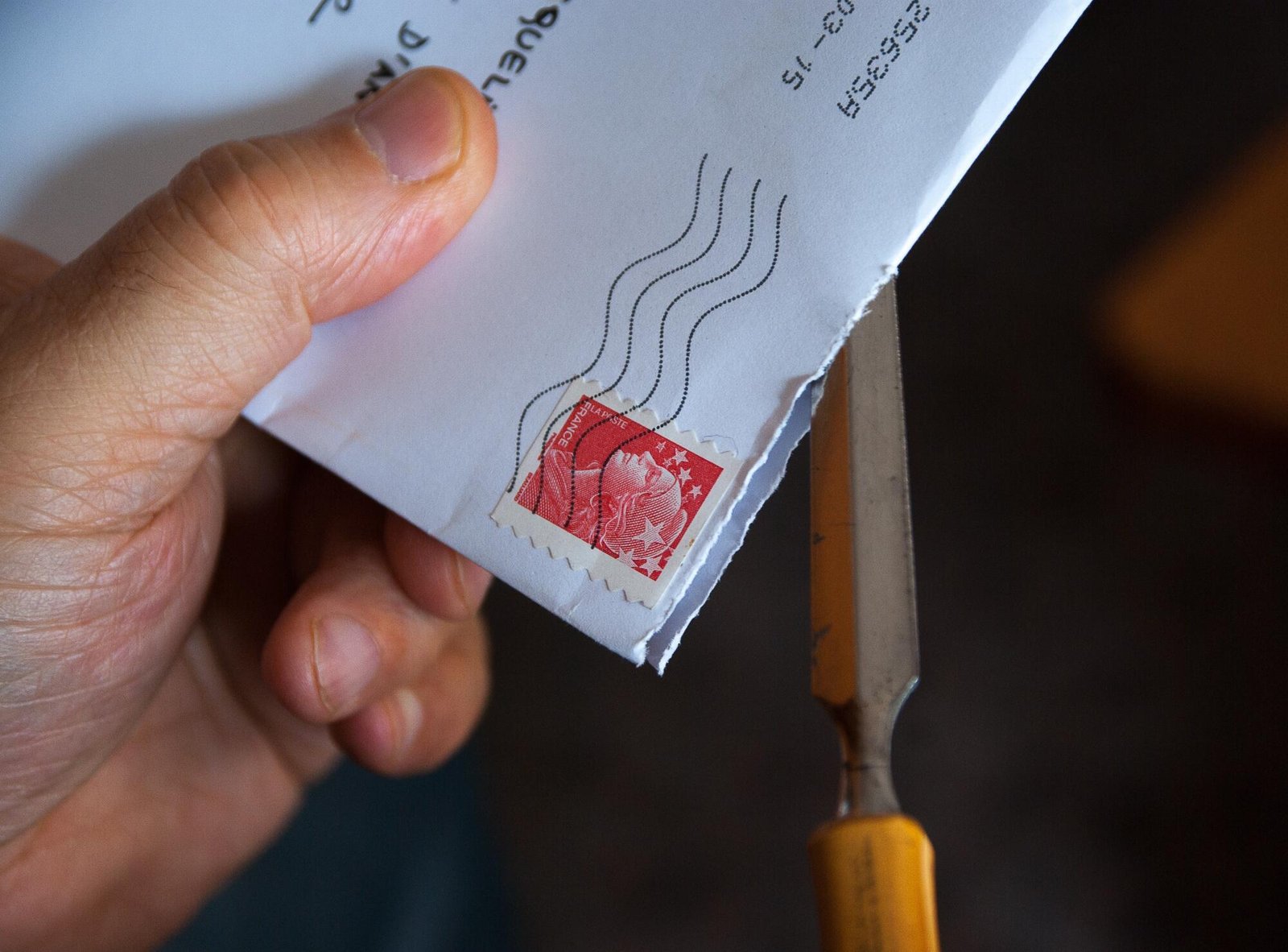
Certified mail envelopes offer a reliable and secure way to send important legal, financial, or personal documents. However, even with robust tracking mechanisms and mandatory barcode scans, these specialized envelopes sometimes vanish into thin air. If you have experienced this frustrating situation, you are definitely not alone in dealing with postal transit anomalies.
This comprehensive guide explores the primary operational breakdowns that cause certified mail envelopes to go missing during transit and provides actionable tips to prevent it from happening to your critical correspondence.
The Anatomy of Postal Transit and Tracking Vulnerabilities
Postal transit relies on a delicate combination of high-speed automated sorting equipment and careful manual handling by mail carriers.
When a breakdown occurs at any point along this complex journey, mail pieces can be delayed, misrouted, or lost entirely. While standard mail can sometimes disappear without a trace, certified mail features unique tracking barcodes. These barcodes allow senders to monitor progress, yet exceptional mishaps still bypass automated safeguards.
Addressing and Labeling Failures During High-Speed Sorting
The most common reason for certified mail envelopes going missing is incorrect addressing, smudged ink, or damaged barcode labels.
If the address printed on the envelope is illegible or if the adhesive certified mail barcode sticker gets torn during high-speed transit, optical character recognition machines cannot read it. When automated sorting equipment fails to route a piece, it must be diverted to manual exception bins, where processing delays or lost paperwork risks increase significantly. To prevent this, always double-check the accuracy of the recipient address before dispatching your mail piece, use clear block lettering, or print durable computer-generated labels that resist smudging.
Human Error and Carrier Misdelivery Risks
Another frequent cause of missing certified mail envelopes is human error resulting in misdelivery to an incorrect street address.
This unfortunate slip-up can happen if a postal worker mistakenly drops the item into a neighboring mailbox or if the intended recipient recently moved and failed to update their official mail forwarding records with the post office. Because certified mail typically requires a recipient signature upon delivery, misdeliveries often create immediate panic when the online tracking portal shows a delivered status that does not match reality. Senders should verify recipient details carefully and ensure that forwarding orders are fully active before sending vital paperwork.
Processing Mishaps Inside Regional Distribution Hubs
Certified mail envelopes go through multiple sorting facilities and transit handoffs, creating ample opportunity for physical processing mishaps.
During high-speed automated sorting, paper envelopes can occasionally jam inside heavy machinery, tearing the outer paper or destroying the tracking label beyond recognition. Furthermore, busy regional distribution centers handle millions of pieces daily, meaning individual items can occasionally slip behind conveyor belts or fall into deep cracks between sorting bins. Using sturdier security envelopes or protective cardstock inserts can greatly minimize the risk of physical damage during intensive sorting operations.
Mail Theft and Final-Mile Security Breaches
Unfortunately, theft, porch piracy, and mail tampering represent serious security risks that can cause certified mail envelopes to vanish.
This vulnerability usually arises during the final mile of delivery if an item is left unattended in an accessible apartment lobby or unsecured residential mailbox. Because certified mail often contains sensitive documents like tax forms, legal notices, or financial agreements, bad actors occasionally target mailboxes looking for valuable personal data. Utilizing secure drop-off locations inside a local post office lobby and requesting an electronic return receipt can help verify chain-of-custody before vulnerabilities occur.
Navigating Recovery Protocols When Envelopes Disappear
If your tracking status stops updating or shows an unexplained delay, you should take immediate action by filing a Missing Mail Search Request through official postal channels.
Start by reviewing your tracking history online to pinpoint the exact facility where the envelope was last scanned. If the delivery window has passed without any updates, submit a formal help request with your original mailing receipt and tracking number. Postal investigators utilize these physical descriptions and barcode numbers to search dead letter branches and sorting facility recovery bins across the regional network.
When managing critical financial paperwork and preparing formal documentation standards, professionals often explore resources like expert certified internal accountant career guidance for structured record-keeping advice.
Frequently Asked Questions
How long should I wait before reporting a missing certified mail envelope?
You should wait until the expected delivery date has passed by at least a couple of business days before filing an official inquiry with postal authorities.
Does certified mail automatically include financial insurance if it is lost?
Basic certified mail service does not include direct indemnity insurance for lost contents, so you must purchase additional insurance coverage separately if your documents hold high monetary value.
What is the difference between physical return receipts and electronic return receipts?
Electronic return receipts provide a digital copy of the recipient’s signature via email, whereas physical return receipts use a green postcard returned to you through traditional mail delivery.
Can I track a certified mail envelope internationally?
Certified mail is primarily a domestic service offered by national postal operators, meaning international tracking capabilities vary significantly depending on the destination country.
What information do I need to file a missing mail search request?
You will need your original mailing receipt containing the unique tracking number, detailed descriptions of the sender and recipient addresses, and a physical description of the envelope.
Are documents professionally evaluated or handled differently during a lost mail search?
Postal workers search centralized recovery centers and dead mail departments manually, much like how professionals manage administrative reviews or verify professional paperwork credentials when organizing vital enterprise correspondence.
To conclude, staying proactive with proper labeling, secure drop-offs, and timely tracking checks will give your important correspondence the highest possible chance of reaching its destination safely. Readers should always verify final operational policies and shipping guidelines directly through official postal service websites before dispatching critical documents.


