
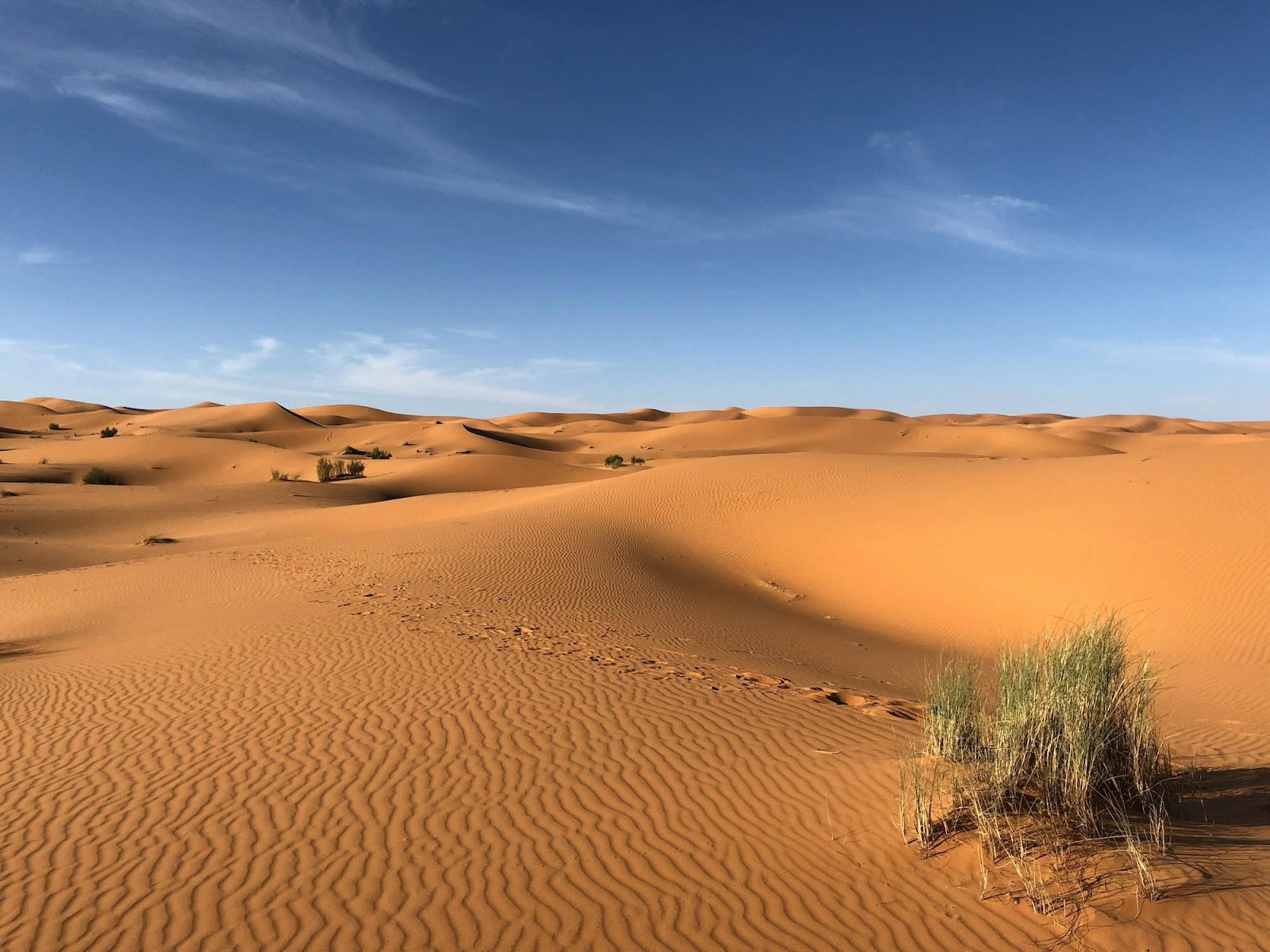
Planning a trip to the Sahara Desert requires careful preparation because of the vast scale and unpredictable environment of the world’s largest hot desert. Stretching across multiple countries in North Africa, the Sahara offers towering sand dunes, rocky plateaus, and ancient trade routes that continue to fascinate global travelers. Organizing this kind of expedition involves much more than booking a standard vacation package. Travelers must carefully evaluate regional entry points, prepare for extreme daily temperature shifts, and respect indigenous traditions. Whether you intend to ride a camel across the dunes of Erg Chebbi or study historical rock art in remote mountain ranges, understanding the practical realities of desert travel ensures a safe and memorable journey.
Understanding Regional Geography and Selecting Your Sahara Entry Point
Choosing the correct entry country dictates your entire itinerary because the Sahara spans millions of square kilometers across several distinct North African nations. Morocco remains the most popular and accessible gateway for international visitors, featuring well-maintained roads leading directly to the majestic sand seas of Merzouga and M’hamid. Tunisia offers a more compact desert experience near southern oases like Tozeur, making it ideal for travelers working with shorter timeframes. Meanwhile, Algeria provides vast, untouched wilderness areas for seasoned adventurers, though visiting requires navigating complex visa procedures and mandatory local escorts. Evaluating your logistical comfort level and travel duration will help you determine which country serves as your best starting point.
Decoding Seasonal Weather Patterns and Choosing When to Go
The optimal time for a desert excursion is during the cooler winter months between October and April, when daytime temperatures hover comfortably between 20°C and 25°C. Summer travel through the interior is intensely hazardous, with daytime air temperatures frequently surging past 50°C and turning exposed sand into a severe burn risk. Visitors must also anticipate seasonal environmental factors, such as dry winds and shorter daylight hours that cause temperatures to drop sharply right after sunset. Planning your travel window around these climatic realities guarantees a comfortable climate during your daytime explorations.
Packing Specialized Gear for Scorching Days and Freezing Nights
Assembling a proper packing list means preparing for two entirely different climates within a single 24-hour cycle. Lightweight, breathable long-sleeve shirts made of cotton or linen protect your skin from intense ultraviolet radiation, while sturdy hiking boots keep fine sand out and provide traction on rocky tracks. Because desert heat radiates away instantly once the sun goes down, evening temperatures can plummet near or below freezing during winter nights. Packing thermal base layers, fleece jackets, wool beanies, and windproof outerwear is therefore just as important as bringing high-SPF sunscreen and polarized sunglasses.
Engaging Respectfully with Indigenous Berber and Tuareg Communities
Experiencing the Sahara authentically involves connecting closely with the indigenous groups who have called these arid lands home for centuries. Learning basic Arabic or Tamasheq greetings demonstrates cultural appreciation and instantly builds rapport with your guides and local villagers. Travelers should always maintain modest attire out of respect for traditional Islamic and indigenous customs, particularly when passing through remote settlements. When purchasing traditional handicrafts such as woven rugs, leather goods, or protective head wraps, buying directly from artisan cooperatives ensures that your spending supports local families rather than mass-market souvenir traders.
Managing Health, Safety, and Remote Desert Logistics
Maintaining safety in remote desert environments depends on strict hydration protocols and the constant supervision of experienced local guides. Dehydration can occur rapidly in extremely dry air even without heavy physical exertion, making it vital to consume electrolyte-infused water consistently throughout the day. Cellular networks drop entirely once you venture deep into the sand dunes, so reputable tour operators rely on satellite communication devices for emergency coordination. Travelers should also consult a travel medicine clinic weeks before departure to stay updated on routine immunizations and health precautions.
Experiencing Authentic Desert Activities Beyond the Standard Tour
Immersing yourself in the landscape goes far beyond a quick snapshot on a dune, offering genuine encounters with the natural rhythm of the region. Camel caravans allow travelers to move at the historic pace of ancient nomadic traders, while sandboarding down steep slopes adds a thrilling element to the afternoon. Once night falls far away from urban light pollution, the desert sky provides a brilliantly clear panorama for stargazing beside a campfire.
Frequently Asked Questions About Sahara Travel
Do I need to hire a guide for a Sahara desert trip?
Yes, navigating deep desert terrain independently is extremely dangerous due to shifting sandstorms, lack of marked tracks, and extreme heat, making licensed local guides mandatory for safety.
How cold does it get at night in the Sahara?
Desert temperatures drop rapidly after sunset, frequently approaching freezing levels during winter nights, which makes heavy jackets and thermal wear essential.
Which country has the easiest access for first-time desert visitors?
Morocco offers the most streamlined tourist infrastructure, making it the most seamless and welcoming destination for travelers visiting the Sahara for the first time.
Is mobile phone service available in the deep desert?
Cellular service works reliably near border towns and tourist camps, but signals disappear completely once you travel deep into the dunes, requiring satellite devices for remote communication.
How much drinking water should I pack per day?
Expedition leaders generally recommend carrying a minimum of four to five liters of water per person daily to prevent rapid dehydration in dry desert heat.
Can tourists camp independently in the Sahara?
Independent wild camping is discouraged and often restricted in sensitive border regions, so visitors should join organized desert camp tours managed by experienced professionals.
Preparing for a journey into the world’s most famous desert requires thoughtful planning, respect for local communities, and careful attention to safety guidelines. For travelers who enjoy charting their own course across vast landscapes, exploring options like renting a dedicated vehicle for long distance travel can provide a helpful blueprint for independent travel logistics. By selecting the right entry route, packing appropriate gear for extreme temperature shifts, and traveling with licensed guides, you can experience the breathtaking beauty of the region safely. Disclaimer: Travel conditions, local border policies, and weather patterns can change unexpectedly, so visitors should always verify final itineraries and safety advisories through official government and tourism sources before departure.

Daniel J. Morgan is the founder of Invidiata Magazine, a premier publication showcasing luxury living, arts, and culture. With a passion for excellence, Daniel has established the magazine as a beacon of sophistication and refinement, captivating discerning audiences worldwide.


