

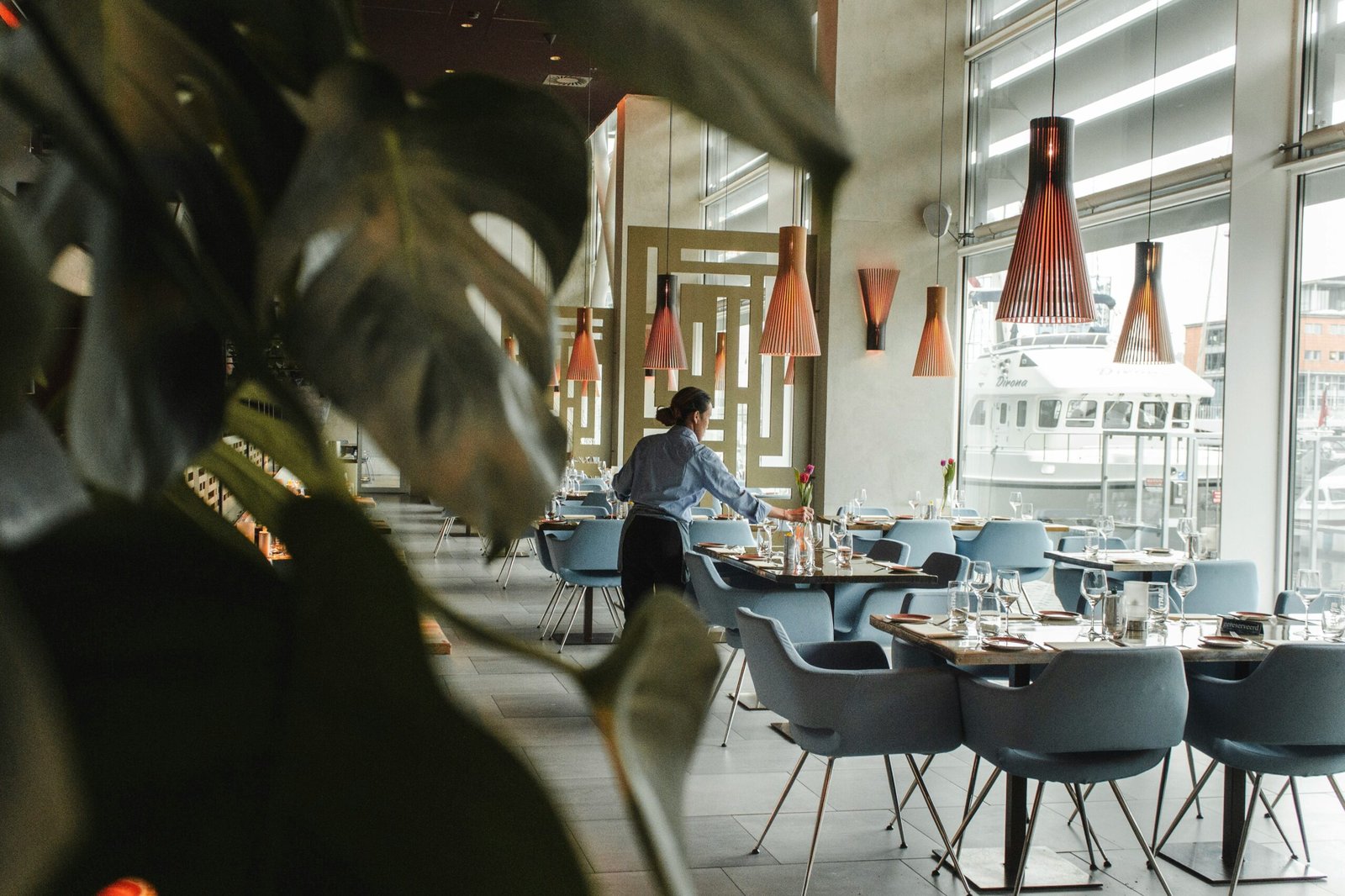
Photo by Louis Hansel on Unsplash
Opening a restaurant is a demanding culinary venture that requires far more than just a passion for good food. It calls for strict financial discipline, seamless operational flow, and a thorough grasp of today’s competitive dining landscape.
Whether you are preparing to open your first dining room or trying to stabilize an existing kitchen, running a successful restaurant demands constant vigilance over daily costs, guest satisfaction, and modern technological integration.
Building a Distinctive Concept and Business Plan
Building a distinctive concept and business plan ensures your culinary vision is backed by realistic capital and clear market positioning.
Before signing a commercial lease, you must map out your startup costs, working capital reserves, and projected break-even timelines. Many new ventures fail because owners underestimate the cash required to survive the initial ramp-up period when customer volume fluctuates.
Your financial model should dictate your target demographic, average ticket size, and menu pricing strategy. Aligning your concept with real local demand prevents costly pivots down the road and gives your brand a clear identity in a crowded market.
Mastering Kitchen Operations and Food Quality
Mastering kitchen operations and food quality protects your profit margins by minimizing food waste and keeping ticket times fast.
Kitchen efficiency relies heavily on station layout, prep schedules, and strict stock rotation. Training your line cooks to follow standardized recipes keeps food quality uniform while curbing ingredient loss.
Additionally, tracking your cost of goods sold on a weekly basis allows you to catch supplier price hikes early and adjust portion sizes or menu prices accordingly. Keeping food safety protocols rigorous ensures your establishment maintains high health standards year-round.
Upgrading Your Restaurant Technology Stack
Upgrading your restaurant technology stack bridges the gap between front-of-house staff and back-of-house preparation teams for maximum daily efficiency.
Modern cloud-based point-of-sale systems enable managers to track hourly sales trends, monitor employee productivity, and manage table turnover from any device. Kitchen display screens replace messy paper tickets, significantly reducing order errors during peak service rushes.
Integrating online ordering platforms and automated inventory management tools directly into your main terminal also helps streamline takeout volume without overwhelming your floor staff.
Recruiting, Training, and Retaining Your Team
Recruiting, training, and retaining your team requires competitive compensation, clear scheduling, and a supportive workplace culture to combat labor shortages.
High turnover remains one of the greatest expenses in the hospitality sector, draining resources on constant retraining. Offering structured onboarding, fair tip distribution, and genuine opportunities for advancement encourages skilled servers and cooks to stay.
When your core team feels valued, their morale translates directly into better service, lower error rates, and a warmer atmosphere for your guests.
Designing the Complete Customer Experience
Designing the complete customer experience engages all the senses of your guests, turning a simple meal into a memorable outing that builds long-term loyalty.
Lighting levels, acoustic noise control, and table spacing all contribute to how long customers linger and how comfortable they feel. Incorporating seasonal restaurant furniture updates can also help refresh the dining room atmosphere and keep the space comfortable for guests throughout the year.
Thoughtful touches, such as accommodating dietary restrictions gracefully and acknowledging regular patrons, create a welcoming environment that encourages repeat visits.
Crafting and Pricing a Dynamic Menu
Crafting and pricing a dynamic menu ensures your offerings remain exciting to diners while keeping profit margins healthy against rising costs.
Reviewing your menu performance quarterly helps you identify top-performing dishes and eliminate low-margin items that drain inventory. Keeping your core signature items steady while rotating seasonal specials gives returning customers a compelling reason to keep coming back.
Balance your pricing so that you cover utility and ingredient expenses without pricing out your local target audience.
Strengthening Your Digital Brand and Reputation
Strengthening your digital brand and reputation helps capture new foot traffic from search engines, social media platforms, and online review sites.
A clean, mobile-friendly website featuring your current menu, operating hours, and reservation link is essential for modern discoverability. Furthermore, monitoring and responding professionally to customer reviews on Google and Yelp show prospective diners that you value feedback and take hospitality seriously.
Frequently Asked Questions
What is the most critical financial metric for a restaurant?
Food cost percentage and prime cost—which combines total labor and cost of goods sold—are the most critical metrics for monitoring daily profitability.
How can independent restaurants survive rising food costs?
Owners can survive cost spikes by cross-utilizing ingredients across multiple dishes, negotiating directly with local suppliers, and auditing waste logs daily.
What causes most new restaurants to fail within the first year?
Inadequate working capital, poor location selection, and failure to control labor and food expenses are the leading causes of early restaurant failure.
How do I reduce high staff turnover in my kitchen?
Providing competitive wages, predictable scheduling, a clean workspace, and respectful management drastically improves kitchen retention rates.
Why is a kitchen display system better than paper tickets?
Digital kitchen screens eliminate lost tickets, track preparation times accurately, and reduce miscommunication between front-of-house and line staff.
How often should I redesign my restaurant menu?
A full menu redesign is rarely necessary more than once a year, but item pricing and seasonal specials should be reviewed every quarter.
Disclaimer: Restaurant operations, regulatory compliance, and market costs vary significantly by region and change over time. Readers should verify all financial, legal, and operational strategies with local professional advisors before launching a hospitality business.

Daniel J. Morgan is the founder of Invidiata Magazine, a premier publication showcasing luxury living, arts, and culture. With a passion for excellence, Daniel has established the magazine as a beacon of sophistication and refinement, captivating discerning audiences worldwide.


