

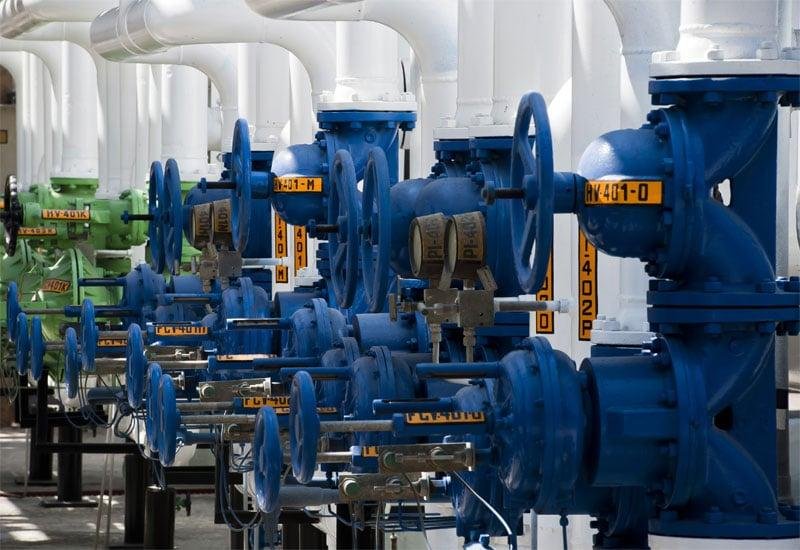
Industrial valve suppliers form the backbone of fluid control networks, providing essential hardware that dictates the safety, efficiency, and reliability of complex pipeline systems across various sectors. These specialized vendors do much more than simply deliver off-the-shelf hardware; they act as critical engineering partners who help industrial operators navigate strict regulatory requirements, material compatibilities, and high-pressure operational demands. When selecting components that regulate everything from caustic chemicals to high-temperature steam, the partnership forged with a knowledgeable valve vendor directly influences whether a facility runs smoothly or experiences costly, unplanned downtime.
Pipeline Integrity and the Core Duty of Fluid Isolation
Pipeline safety and operational efficiency rely just as much on supplier reliability and component quality as they do on initial engineering design. Modern industrial plants operate under intense pressure cycles, corrosive environmental conditions, and rigorous environmental mandates that leave zero margin for component failure. A dependable industrial valve supplier ensures that every piece of equipment meets strict metallurgical specifications, preventing leaks, blowouts, and catastrophic system failures before they can occur in the field.
Matching Mechanical Valve Designs to Specific Fluid Dynamics
Different valve designs manage pressure, isolation, and flow regulation in real-world operating environments through distinct mechanical properties. Gate valves serve primarily as robust isolation devices designed for straight-line fluid flow with minimal pressure drop, typically remaining either fully open or fully closed during normal plant operations. Globe valves, by contrast, feature internal baffling that makes them ideal for precise throttling and continuous flow control duties. Meanwhile, ball valves offer rapid quarter-turn shutoff capabilities, and check valves automatically prevent dangerous reverse flow conditions within sensitive pipeline networks. An experienced industrial valve supplier helps plant managers match these specific mechanical configurations to exact process requirements, ensuring long-term durability and optimal fluid dynamics.
Evaluating Metallurgical Traceability and Supplier Engineering Support
Evaluating an industrial valve supplier requires looking past basic product catalogs to examine material traceability, quality certifications, and engineering support capabilities. High-performance industrial operations demand complete documentation, including mill test reports that verify the chemical composition and mechanical strength of valve bodies and internal trim materials. Top-tier suppliers maintain rigorous quality management systems aligned with international standards, ensuring that every valve withstands corrosive media and thermal shock. Furthermore, having access to dedicated technical support allows plant engineers to troubleshoot unique installation challenges and select appropriate actuators for automated control systems.
Managing International Logistics and Inventory Contingency Reserves
Global sourcing networks, inventory strategies, and logistics capabilities directly dictate project timelines and prevent costly facility downtime across industrial sectors. Industrial valve suppliers with robust supply chain frameworks can source specialized alloy castings from diverse international markets while maintaining local contingency stock for emergency replacements. When equipment failure threatens to halt production, a supplier’s ability to expedite critical components or provide immediate local inventory makes the difference between hours of minor delay and days of severe financial loss. Managing complex international freight and customs requirements also requires the sophisticated logistics expertise that established valve distributors routinely provide to heavy industry clients.
Meeting Fugitive Emissions Standards Through Smart Valve Technology
Modern industrial expectations encompass rigorous fugitive emissions standards, automated actuation readiness, and digital documentation protocols that redefine traditional hardware supply. Environmental regulations mandate ultra-low emission valve designs to prevent hazardous volatile organic compounds from escaping into the atmosphere. Industrial valve suppliers increasingly provide smart-actuation packages equipped with digital sensors that monitor valve position, cycle counts, and torque feedback in real time. This technological evolution mirrors broader industrial modernization trends, helping plant operators achieve both safety compliance and predictive maintenance goals.
Frequently Asked Questions
What is the primary difference between a gate valve and a globe valve?
A gate valve is designed for full-open or full-closed on-off isolation with minimal flow resistance, whereas a globe valve is engineered for precise flow regulation and throttling applications.
Why is material traceability important when purchasing industrial valves?
Material traceability ensures that the metal alloys used in valve construction meet verified metallurgical standards, which is essential for preventing corrosion and catastrophic failures in high-pressure environments.
How do industrial valve suppliers help reduce plant downtime?
Suppliers reduce downtime by maintaining strategic inventory reserves, offering rapid component delivery, and providing expert technical guidance for proper valve selection and installation.
What role do fugitive emissions standards play in modern valve selection?
Fugitive emissions standards dictate that valves must feature specialized packing and seals to prevent the leakage of harmful volatile organic compounds into the atmosphere, ensuring environmental compliance.
Are smart actuators common in modern pipeline infrastructure?
Yes, modern pipeline systems increasingly utilize smart actuators equipped with digital sensors for remote monitoring, diagnostic feedback, and automated process control.
What factors should plant operators evaluate when choosing a valve supplier?
Operators should evaluate a supplier’s quality certifications, inventory depth, technical support expertise, and ability to provide comprehensive documentation and mill test reports.
Ultimately, choosing the right industrial valve supplier safeguards the operational integrity, environmental compliance, and long-term financial performance of modern pipeline infrastructure. Facility managers must verify that their chosen vendors offer both proven hardware reliability and responsive engineering support to navigate complex operational demands successfully. For readers exploring broader hardware and material innovations across industrial sectors, you can also learn about precision thin metals usage to better understand how advanced component manufacturing drives overall engineering performance.
Disclaimer: The information provided in this article is for educational and informational purposes only. Industrial valve specifications, standards, and supplier capabilities can vary; readers should verify all technical details and compliance requirements directly with certified engineering professionals and official manufacturer documentation before making purchasing decisions.


