

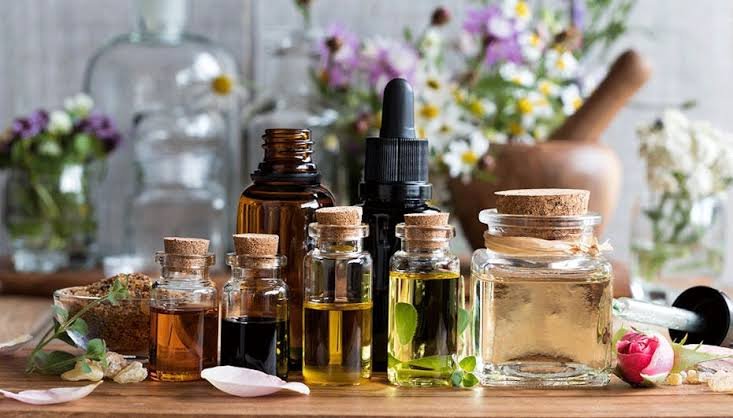
The practice of aromatherapy harnesses the aromatic essences from plants to enhance mental and physical wellbeing. Essential oils, the highly concentrated and volatile plant extracts, form the foundation of this holistic therapy. Delving deeper into these potent botanicals reveals how they can be incorporated into daily life for health, harmony, and relaxation.
How Essential Oils Interact with the Mind and Body
Essential oils interact directly with the human body through the olfactory system, communicating instantly with the limbic system in the brain to influence emotions and physiological responses. These complex plant compounds are far more than pleasant fragrances; they possess versatile biochemical properties that affect the nervous and endocrine systems. From the uplifting aroma of bright citrus extracts to the calming scent of soothing lavender, the spectrum of botanical benefits mirrors the incredible diversity of the plant kingdom.
Understanding botanical extraction methods helps explain why purity matters so much in modern wellness routines. Plants produce these volatile compounds as natural defense mechanisms, and capturing them requires careful steam distillation or cold pressing. When inhaled or properly applied, these aromatic molecules trigger neural pathways that can alter heart rate, stress hormone levels, and cognitive focus.
Matching Specific Oils to Your Daily Routine
Incorporating essential oils for daily aromatherapy into a regular schedule involves selecting specific botanical profiles that match the distinct phases of your day. Morning energy routines benefit from invigorating scents, while work environments require sharp focus, and evening winding-down periods call for deep relaxation.
Boosting Your Morning Energy
Kickstart your day with an energising mix of peppermint and eucalyptus oils to awaken the senses and provide mental clarity. Using a cool-mist diffuser during your morning routine sets a positive, alert tone for the hours ahead.
Uplifting Your Office Space
For those seeking concentration and stress relief in a work environment, diffusing lemon or rosemary oil creates a more focused and serene workspace. These particular scents help reduce feelings of work-related anxiety and promote steady productivity.
Creating a Relaxing Home Ambiance
Evening routines benefit immensely from the calming properties of oils like chamomile or ylang-ylang. By using these in a warm bath or through topical application with a nourishing carrier oil like sweet almond oil, you can prepare your body and mind for a restful night of sleep.
Essential Safety and Dilution Guidelines
Essential oils must always be handled with care because their extreme concentration can cause skin irritation or sensitization if used improperly. Standard safe guidelines recommend a 1% to 2% dilution rate for regular topical use on adults, which equates to roughly 3 to 12 drops of essential oil per ounce of carrier oil. Never apply neat, undiluted oils directly to bare skin, and always perform a patch test on a small inner forearm area before trying any new botanical extract.
Furthermore, users must be aware of phototoxicity risks associated with certain citrus oils such as bergamot, lemon, and bitter orange, which can cause severe skin discoloration or burns when exposed to ultraviolet light or direct sunlight. Pet owners also need to exercise extreme caution, as common household essential oils like tea tree, eucalyptus, and citrus can be highly toxic to cats and dogs when diffused or applied nearby. For broader wellness contexts beyond scent therapy, maintaining essential skincare products for adult women can help establish safe topical routines.
How to Choose Pure and High-Quality Essential Oils
Choosing high-quality essential oils requires looking past marketing hype and evaluating objective markers of botanical purity and chemical integrity. Reputable producers always list the correct Latin botanical name on the product label alongside the country of origin and extraction method. Consumers should actively look for brands that provide batch-specific Gas Chromatography-Mass Spectrometry testing certificates, which confirm that the oil is completely pure and free from synthetic extenders or solvent residues.
| Evaluation Criteria | What to Look For | Red Flags to Avoid |
|---|---|---|
| Botanical Labeling | Full Latin name (e.g., Lavandula angustifolia) | Vague marketing names like “flower oil” or synthetic scent blends |
| Testing Transparency | Batch-specific GC/MS test results available | Manufacturers refusing to share purity testing documentation |
| Packaging | Dark amber or cobalt glass bottles | Clear plastic bottles or dropper bulbs made of rubber |
Frequently Asked Questions
Can essential oils be ingested safely for daily health benefits?
No, ingesting essential oils without direct guidance from a certified clinical aromatherapist or qualified medical professional is highly discouraged due to the risk of internal tissue damage and toxicity.
How many drops of essential oil should go into an ultrasonic diffuser?
A standard room diffuser typically requires between 3 to 6 drops of essential oil depending on the size of the room and the potency of the specific botanical extract.
What is a carrier oil and why is it necessary for topical use?
A carrier oil is a vegetable-based fatty oil, such as jojoba or sweet almond, used to dilute concentrated essential oils so they can safely absorb into the skin without causing irritation.
Are essential oils safe to use around newborn babies and infants?
Many essential oils are unsafe for infants and young children due to their sensitive respiratory and nervous systems; always consult a pediatrician before introducing scents.
How should essential oils be stored to maintain their potency?
Essential oils should be kept in tightly sealed dark glass bottles away from direct sunlight, heat sources, and high humidity to prevent oxidation and degradation.
Can pregnant women practice daily aromatherapy safely?
Pregnant women should exercise caution and consult their healthcare provider before using certain essential oils, as some extracts can stimulate contractions or affect hormone levels.
Disclaimer: The information provided in this article is intended for educational and informational purposes only. Aromatherapy should be used as a complementary wellness practice and is not a substitute for professional medical advice, diagnosis, or treatment. Always verify specific health precautions with a qualified healthcare provider.

Passionate content writer and savvy blog publisher, Aamir crafts compelling stories and insightful articles that captivate and inform. With a knack for blending creativity and strategy, they bring fresh perspectives to every piece. Dive into their world of words and discover content that resonates.


