
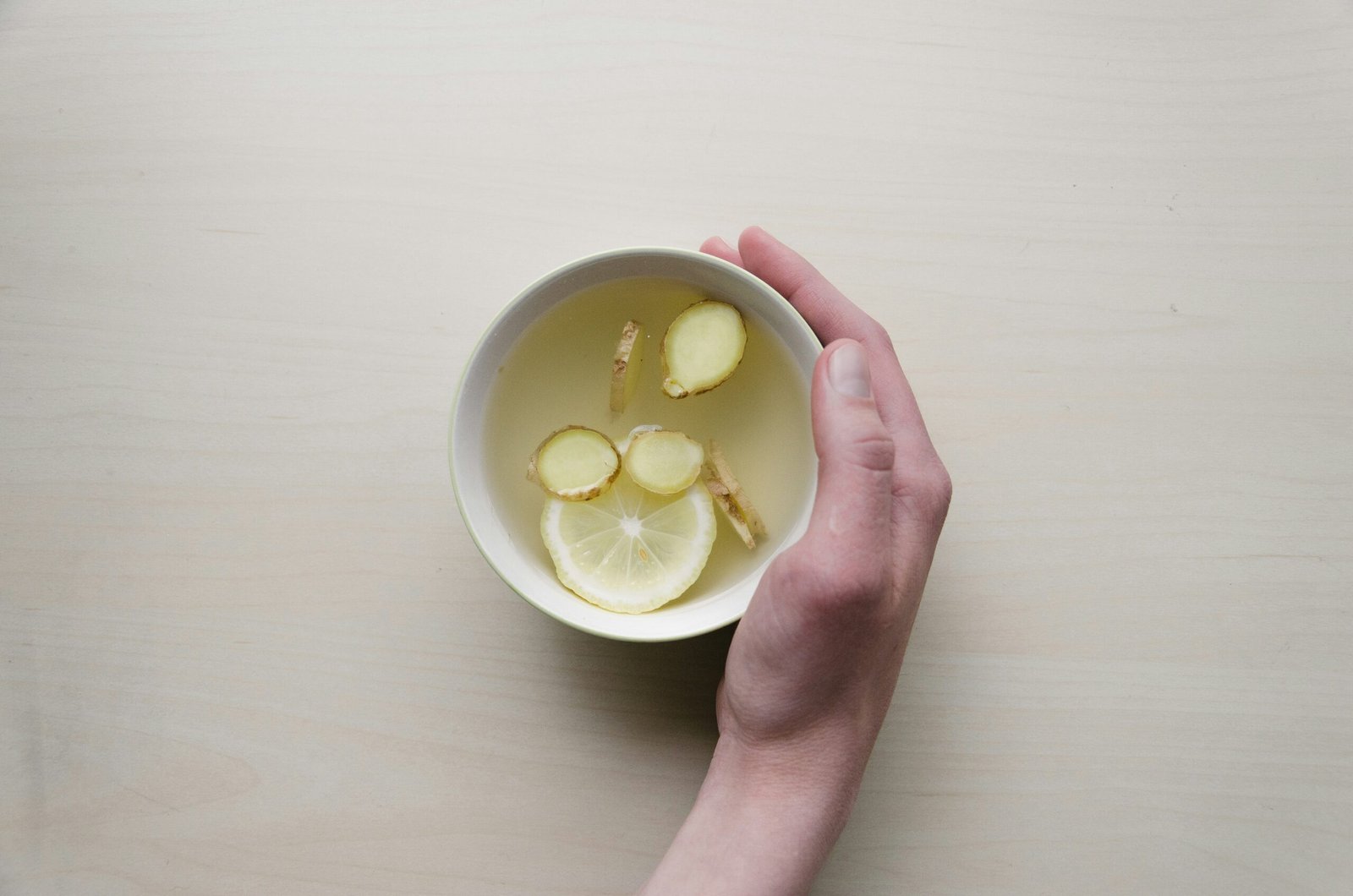
Photo by Dominik Martin on Unsplash
The human digestive tract operates as a complex internal ecosystem far beyond basic food processing, acting instead as a primary driver of systemic vitality. Modern clinical studies reveal that trillions of resident microorganisms living inside the intestines directly influence metabolic processes, immune responses, and neurological function. Maintaining a balanced internal environment serves as a practical foundation for long-term health and disease prevention.
Gastroenterology research demonstrates that microbial populations shift constantly in response to environmental exposures, dietary habits, and chronic stress levels. When beneficial bacteria decline and unwanted strains multiply, systemic inflammation often follows. Recognizing how these microscopic populations communicate with distant organs provides actionable insights for improving daily energy and wellness.

Photo by Maddi Bazzocco on Unsplash
Understanding the Gut Microbiome and Its Biological Role
The gut microbiome consists of an intricate community of bacteria, fungi, and viruses that establish a mutual partnership with human host biology.
Each distinct microbial strain performs specialized biochemical tasks, from synthesizing essential B-vitamins to breaking down complex dietary fibers into short-chain fatty acids like butyrate. These metabolic byproducts nourish the cells lining the colon, reinforcing the physical intestinal barrier against circulating toxins and pathogens. Individual genetic traits also interact closely with these microbial populations, shaping how a person extracts calories and responds to pharmaceutical therapies.
The Two-Way Street of the Gut-Brain Axis
The gut-brain axis creates a constant biochemical dialogue between the gastrointestinal tract and the central nervous system through direct and indirect neural pathways.
Specialized vagus nerve fibers transmit signals directly between the abdominal cavity and the brain, facilitating communication without conscious thought. Microbial metabolites and locally produced neurotransmitters—including serotonin and dopamine—help regulate mood stability, behavioral stress responses, and cognitive focus. Clinical investigations examining targeted probiotic interventions, often referred to as psychobiotics, continue exploring how specific bacterial strains may assist in alleviating psychological stress symptoms.
How Digestion and Nutrient Absorption Fuel the Body
Optimized digestive efficiency governs how effectively the body extracts, absorbs, and utilizes micronutrients from daily food intake.
When microbial balance is properly maintained, digestive enzymes break down proteins and carbohydrates smoothly, ensuring that cells receive adequate fuel for repair and sustained daily stamina. Active individuals and athletes benefit significantly from this metabolic optimization, as enhanced nutrient absorption directly supports recovery and muscular resilience. For broader lifestyle support, maintaining steady daily routines alongside practices outlined in our guide on strategies to enhance your well-being can further bolster physical vitality.
Skin, Immunity, and Beyond: The Wider Systemic Impacts
The physiological influence of the gastrointestinal tract extends outward, profoundly shaping immune system responsiveness and cutaneous tissue integrity.
Roughly seventy percent of the body’s immune cells reside within intestinal mucosal tissues, where they learn to distinguish harmless dietary proteins from dangerous pathogens. Meanwhile, the skin-gut axis demonstrates that systemic inflammatory markers originating from intestinal permeability can trigger or worsen dermatological conditions like acne, eczema, and rosacea. Supporting internal microbial equilibrium therefore acts as an integrative strategy for calming chronic inflammation across multiple organ systems.
Practical, Everyday Ways to Nurture Your Microbiome
Fostering a resilient internal microbiome requires consistent dietary diversity centered around fermentable fibers, prebiotics, and live cultures.
Consuming an expansive array of plant-based foods—including whole grains, legumes, garlic, onions, and leafy greens—provides non-digestible substrates that beneficial bacteria rely on for survival. Introducing fermented products like kefir, sauerkraut, miso, and unpasteurized apple cider vinegar delivers exogenous probiotic strains straight to the lower GI tract. Coupled with adequate daily hydration and consistent physical exercise, these dietary habits encourage a flourishing, adaptable microbial ecosystem.
Frequently Asked Questions About Gut Health
What defines the intestinal microbiome?
The intestinal microbiome represents the vast collection of trillions of microorganisms, including bacteria, fungi, and archaea, living symbiotically inside the human digestive tract.
How do gut bacteria influence emotional state?
Gut bacteria produce neuroactive chemicals and signal the central nervous system via the vagus nerve, directly affecting neurotransmitter production linked to mood and anxiety.
Which specific foods promote optimal microbial balance?
Fiber-dense vegetables, prebiotic-rich foods like garlic and leeks, and live-culture fermented items such as yogurt and kimchi are exceptionally effective for feeding beneficial microbes.
Can intestinal imbalance manifest as skin disorders?
Yes, systemic inflammation driven by compromised intestinal barriers frequently manifests externally through inflammatory skin conditions like acne, eczema, and psoriasis.
Does physical exercise alter microbial composition?
Regular physical activity stimulates the proliferation of diverse, health-promoting bacterial strains, improving overall metabolic output and systemic anti-inflammatory pathways.
What is the functional difference between prebiotics and probiotics?
Prebiotics serve as specialized non-digestible food sources for good bacteria, whereas probiotics consist of live beneficial microorganisms consumed to colonize or support the existing gut flora.
Disclaimer: The information provided in this article is for educational and informational purposes only. Health and nutritional needs vary by individual, and readers should consult qualified medical professionals before making significant changes to their diet, lifestyle, or healthcare regimen.

Daniel J. Morgan is the founder of Invidiata Magazine, a premier publication showcasing luxury living, arts, and culture. With a passion for excellence, Daniel has established the magazine as a beacon of sophistication and refinement, captivating discerning audiences worldwide.


