

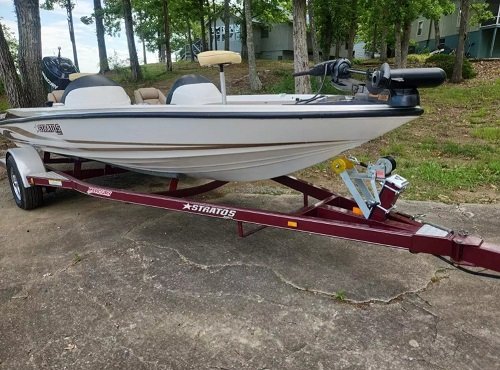
When you appreciate the peaceful nature of open water, the gentle push of the wind, and the excitement of discovering quiet coves, owning a vessel is likely on your long-term bucket list. However, buying a brand-new watercraft can represent a massive financial commitment that strains your household accounts. That is where local used boat dealerships come into play for prospective captains. By exploring pre-owned boats for sale through established dealers, you can secure your ideal marine vessel without capsizing your savings.
Navigating the pre-owned market requires a clear strategy, patience, and an understanding of what professional marine dealers can offer. While individual private sellers sometimes list appealing options on peer-to-peer marketplaces, buying from a recognized dealership introduces layers of accountability, safety checks, and structured financing paths that protect your investment.
Evaluating Dealership Accountability Versus Private Party Listings
Purchasing a pre-owned watercraft through a licensed dealership provides structured consumer protections and operational convenience that private transactions simply cannot match.
When shopping for a watercraft, independent sellers often advertise tempting private bargains. Yet, established used boat dealerships provide several distinct operational advantages:
- Inventory Variety: Dealerships typically maintain a wide assortment of watercraft across different manufacturers, hull sizes, and pricing tiers, allowing you to compare multiple options side by side.
- Pre-Inspected Models: Reputable marine dealers usually ensure their inventory undergoes basic mechanical servicing and safety checks before listing, reducing the risk of hidden structural failures.
- Dealer Guarantees: Many professional pre-owned sellers offer limited warranties, short-term guarantees, or optional extended service contracts to provide peace of mind after purchase.
- Structured Financing: Dealerships frequently partner with specialized marine lenders to provide financing plans, spreading the total cost across manageable monthly payments rather than requiring an immediate cash outlay.
- Industry Expertise: Professional staff members can guide you through state registration laws, titling procedures, and equipment requirements with knowledgeable advice.
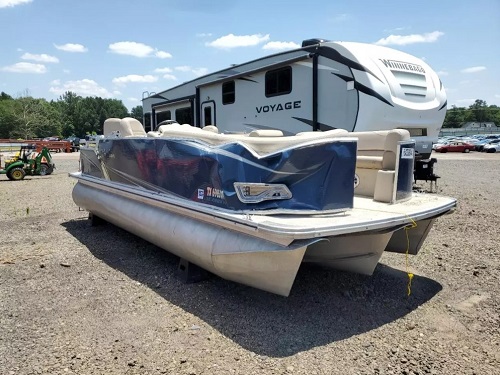
Cross-Referencing Digital Inventory Platforms and Market Valuation Tools
Leveraging online aggregation platforms and official valuation guides before visiting a physical lot ensures you enter negotiations with accurate market awareness.
Before visiting any physical lot, conduct thorough online research by looking at customer reviews, ratings, and active digital inventories. Major platforms like Boat Trader and YachtWorld aggregate nationwide inventories, helping you gauge typical market pricing for specific makes, models, and year ranges. Consulting valuation tools such as the J.D. Power / NADA marine guides also gives you objective pricing baselines to ensure the dealership’s asking price aligns with current market realities.
Accounting for Total Cost of Ownership and Ongoing Marine Expenses
Calculating ongoing operational expenses beyond the initial sticker price protects your household budget from unexpected nautical overhead.
Setting a realistic budget requires looking past the purchase price to account for recurring ownership expenses. Marine insurance premiums, annual state registration fees, routine engine maintenance, winterization services, and seasonal slip or dry-stack storage fees add up quickly. Having a clear grasp of these ongoing operational expenses ensures your new hobby remains enjoyable rather than a financial burden.
Inspecting Structural Hull Integrity and Engaging Certified Marine Surveyors
Performing a meticulous physical check of the hull or hiring an independent professional surveyor uncovers critical structural flaws before money changes hands.
When you find a watercraft that matches your criteria, perform a meticulous physical examination. Check the fiberglass hull for stress cracks, deep gouges, blisters, or signs of past structural repairs. Inspect the deck fittings, cabin upholstery, and electronic dash displays for wear and tear. If you lack the technical expertise to evaluate marine engines and electrical systems, hiring an accredited independent marine surveyor provides an unbiased, professional assessment of the vessel’s true condition.
| Inspection Area | What to Look For | Potential Red Flag |
|---|---|---|
| Hull & Transom | Cracks, blisters, structural flex | Soft spots or rotting transom wood |
| Engine & Outdrive | Fluid levels, corrosion, belts | Milky gear oil or excessive rust |
| Electrical System | Battery health, bilge pumps, lights | Frayed wiring or inoperable gauges |
Conducting On-Water Sea Trials and Reviewing Service History Records
Testing the watercraft on open water and inspecting past maintenance logs confirms that the engine and steering systems operate smoothly under real-world loads.
Never finalize a purchase without requesting a sea trial on open water. A test drive allows you to observe how the engine accelerates, how the steering responds, and how comfortably the hull handles chop and wakes. Simultaneously, ask the dealership for comprehensive maintenance records from the previous owner. Consistent, professional servicing history is one of the strongest indicators of a well-maintained vessel.
Navigating Paperwork, Financing Terms, and Title Transfers
Reviewing warranty terms, securing marine insurance, and confirming clean title documents ensure a legally secure and protected acquisition.
Before signing the final bill of sale, ensure the dealership provides a clean, lien-free title and proper proof of ownership. If the dealer offers a limited warranty or extended service agreement, read the fine print regarding covered components and labor exclusions. Finally, shop around for competitive marine insurance policies to protect your investment against accidents, theft, or weather damage before you launch.
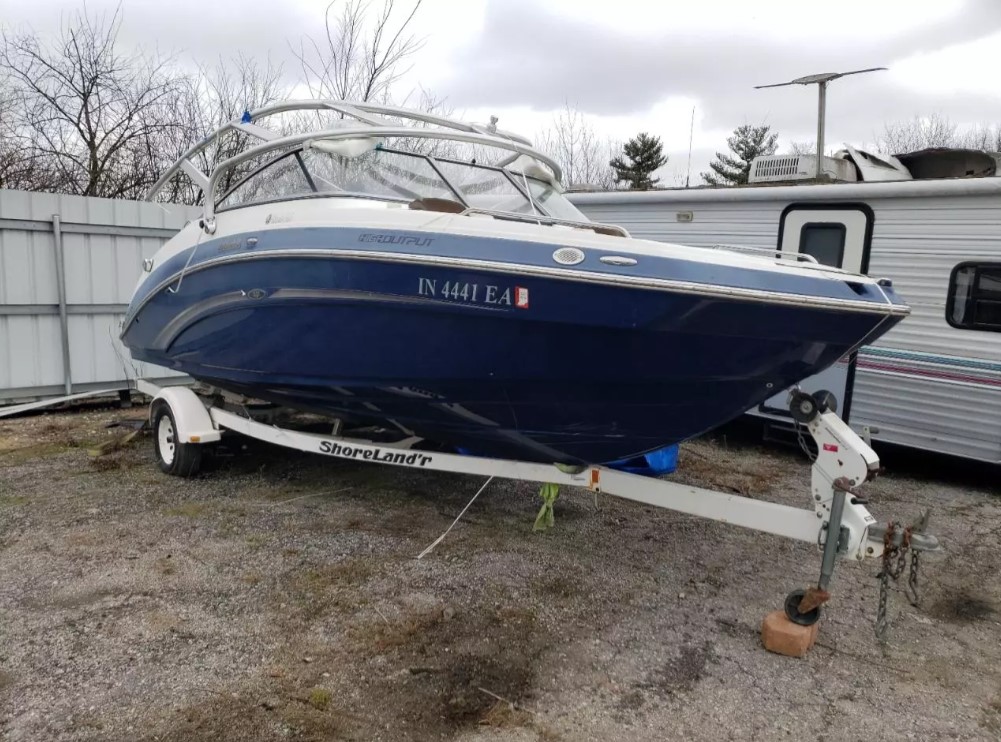
Frequently Asked Questions
Is buying a used boat from a dealer safer than buying from a private seller?
Dealerships generally offer more accountability, transparent paperwork, title guarantees, and occasional limited warranties compared to casual private party sales.
Should I always hire an independent marine surveyor?
Hiring a certified surveyor is strongly recommended for higher-value or older vessels to uncover hidden mechanical or structural flaws before money changes hands.
What documents should the dealership provide at the time of sale?
The dealer must provide a clear title or manufacturer’s statement of origin, a detailed bill of sale, trailer registration documents if applicable, and any applicable warranty paperwork.
Can I finance a pre-owned boat through a dealership?
Many established marine dealerships maintain partnerships with lenders that specialize in recreational vehicle and boat loans for pre-owned inventory.
What hidden costs should I anticipate when buying a used boat?
Buyers should budget separately for state sales taxes, local registration fees, dealer documentation charges, safety equipment, dockage, and marine insurance.
How long do sea trials typically last during the buying process?
A standard sea trial lasts between thirty and sixty minutes, giving you adequate time to test cruising speeds, idle performance, and handling characteristics.
Are there general guides for pricing used boats accurately?
Yes, reference tools like the NADA marine guide and J.D. Power provide historical valuation data to help buyers verify fair market pricing across different regions.
For individuals seeking lifestyle changes that balance outdoor leisure with practical financial planning, making informed choices in recreational markets is essential; similarly, those exploring rural property adjustments can consult resources like this guide on moving to a rural area for broader relocation insights.
Disclaimer: Boat pricing, financing rates, and inventory availability change frequently based on market conditions. Readers should verify all vessel specifications, mechanical reports, and legal titles independently through official sources before completing a purchase.


