

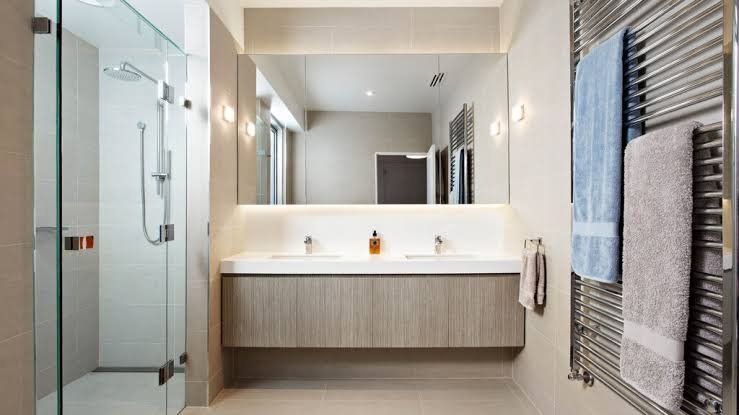
Australian home design has shifted toward creating private wellness sanctuaries that prioritize both personal recovery and everyday efficiency. Property owners undertaking home upgrades now look far beyond basic fixtures, seeking custom layouts that balance sustainable building materials with long-lasting structural integrity. Understanding how modern architectural preferences intersect with local compliance codes helps ensure any upcoming wet room remodeling project delivers enduring value.
When planning a comprehensive home interior overhaul, many renovators also seek inspiration from contemporary home decoration styles to achieve a harmonious aesthetic from the entryway through to the private quarters. The following detailed breakdown examines the leading design directions shaping Australian households today.
Water Efficiency Standards and WELS Compliance
Water efficiency standards and WELS star ratings drive sustainable bathroom design choices across modern Australian households.
Environmental responsibility continues to influence modern home improvement projects. Australians increasingly choose water-saving fixtures that comply with the Water Efficiency Labelling and Standards scheme. Low-flow toilets, water-efficient showerheads, and dual-flush mechanisms help reduce daily water consumption without sacrificing performance. Additionally, sourcing sustainable building materials such as responsibly harvested timber and recycled glass supports a lower carbon footprint during construction.
Warm Earthy Palettes and Biophilic Elements
Warm, grounding color schemes and natural elements bring outdoor textures directly into the Australian home.
Stark white and cool grey color schemes have largely given way to rich, organic tones that foster a calm atmosphere. Terracotta tiles, sandstone finishes, and warm timber vanity units create a welcoming environment that connects interior spaces with the natural landscape. Integrating indoor plants further enhances this biophilic approach, purifying the air while adding a soft, living element to vanity tops and window ledges.
Advanced Smart Bathroom Technology Integration
Smart technology integration transforms everyday hygiene routines through automated lighting, digital temperature controls, and connected mirrors.
Home automation has moved firmly into the wet room, offering unprecedented convenience and utility. Digital showers allow users to pre-set exact water temperatures and flow rates via wall-mounted touchpads or mobile applications. Meanwhile, defogging smart mirrors equipped with integrated LED lighting and weather displays provide a streamlined morning experience while optimizing energy usage.
Tactile Surfaces and Textured Feature Tiles
Textured tiles, fluted glass partitions, and brushed metal hardware add rich visual depth to neutral walls and floors.
Flat, glossy surfaces are increasingly replaced by tactile finishes that invite touch and create subtle shadow play under directional lighting. Handmade zellige tiles, fluted glass shower screens, and brushed brass or gunmetal tapware introduce sophisticated layering. These tactile elements prevent minimalist spaces from feeling cold or sterile.
Sculptural Freestanding Bathtub Focal Points
Sculptural freestanding bathtubs serve as striking visual anchors for master ensuites and spacious family bathrooms.
A well-chosen tub creates an immediate impression of luxury and relaxation. Homeowners frequently select oval or organic stone-composite basins that stand alone as sculptural art pieces. Beyond their visual impact, these bathtubs offer flexible placement options within larger floor plans, allowing for optimal window placement and panoramic views.
Clever Space-Smart Storage Solutions
Clever storage configurations like recessed shower niches and floating vanities maximize usable floor space in compact bathrooms.
Maximizing storage without crowding the room requires thoughtful planning and custom joinery. Concealed mirrored shaving cabinets keep daily toiletries out of sight, while built-in shower niches eliminate the need for hanging caddies. Floating vanities create an illusion of greater floor area, making smaller powder rooms and apartments feel significantly more open.
Streamlined Minimalist Layout Principles
Streamlined minimalist layouts maintain an uncluttered aesthetic by hiding functional plumbing fixtures behind clean wall panels.
The pursuit of tranquility drives the popularity of minimalist design principles. Concealed cisterns, wall-hung toilets, and handleless cabinetry contribute to an uninterrupted flow across the floor and walls. This uncluttered approach reduces visual noise and makes routine cleaning much easier for homeowners.
Industrial-Inspired Metal and Concrete Accents
Industrial elements like exposed matte black brackets and concrete basins introduce an edgy, contemporary contrast.
For those seeking a bolder aesthetic, industrial touches provide a striking counterbalance to softer timber and stone finishes. Concrete basins, exposed metal shelving brackets, and black steel shower frame partitions add a workshop-chic vibe. These elements pair exceptionally well with neutral concrete-look floor tiles.
Multi-Tiered Architectural Lighting Designs
Layered architectural lighting combines ambient ceiling downlights with task illumination and soft under-cabinet glow.
Good lighting design transforms a functional utility space into an inviting retreat. Homeowners now rely on multi-tiered lighting plans instead of a single central ceiling fixture. Backlit mirrors, dimmable wall sconces, and low-level step lighting allow users to adjust the mood from bright task lighting during morning routines to soft ambient glow during evening relaxation.
Rigorous Waterproofing and Regulatory Compliance
Rigorous waterproofing standards protect structural integrity and comply with mandatory Australian National Construction Code requirements.
A beautiful renovation must be built on a sound structural foundation. Adhering to strict waterproofing regulations, such as Australian Standard AS 3740, is non-negotiable for any licensed builder. Ensuring proper membrane application in showers and wet areas prevents costly water damage and preserves the longevity of new tiling and cabinetry investments.
Contemporary Australian Bathroom Style Reference Table
Review the core design elements and primary benefits of popular contemporary Australian bathroom renovation styles.
| Design Style | Key Materials | Primary Benefit |
|---|---|---|
| Eco-Sustainable | Recycled glass, bamboo, WELS fixtures | Reduces water consumption and carbon footprint |
| Biophilic Organic | Terracotta, timber, indoor plants | Fosters a warm, calming connection to nature |
| Smart Tech Modern | Digital valves, smart mirrors, LED panels | Provides ultimate convenience and precise control |
| Tactile Minimalist | Zellige tiles, fluted glass, brushed brass | Adds visual depth without cluttering space |
Frequently Asked Questions About Australian Bathroom Renovations
How much does a typical bathroom renovation cost in Australia?
Renovation costs vary depending on the scope, materials, and labor required, typically ranging from mid-tier updates to high-end custom builds. Homeowners should always obtain multiple detailed quotes from licensed local contractors before starting work.
Do I need council approval to renovate my bathroom?
Most standard internal bathroom makeovers do not require local council approval as long as the structural footprint and external walls remain unchanged. However, major extensions or alterations to structural load-bearing walls will require formal building permits.
How long does a standard bathroom renovation take to complete?
A standard residential bathroom renovation generally takes between two to four weeks from demolition to final handover. Custom joinery, complex tiling, or unexpected plumbing repairs can occasionally extend this timeline.
What are WELS ratings and why do they matter?
The Water Efficiency Labelling and Standards scheme rates plumbing products on water efficiency to help consumers choose eco-friendly fixtures. Choosing higher star-rated showerheads and toilets lowers household water bills and supports environmental conservation.
Are freestanding bathtubs suitable for small bathrooms?
Freestanding tubs require adequate clearance around them for comfortable cleaning and visual balance, making them ideal for larger spaces. Compact back-to-wall freestanding tubs offer a similar aesthetic for smaller layouts without wasting precious floor space.
Why is waterproofing compliance so critical in Australia?
Proper waterproofing prevents moisture from seeping into wall cavities and subfloors, which can cause severe structural rot and mold growth. Licensed builders must certify their work against Australian waterproofing standards to protect the home’s long-term safety.
Disclaimer: Bathroom renovation trends, pricing guides, and building regulations are subject to change over time. Readers should always verify final specifications, quotes, and compliance codes directly with licensed local professionals and official Australian regulatory authorities before beginning any construction project.

Passionate content writer and savvy blog publisher, Aamir crafts compelling stories and insightful articles that captivate and inform. With a knack for blending creativity and strategy, they bring fresh perspectives to every piece. Dive into their world of words and discover content that resonates.


