

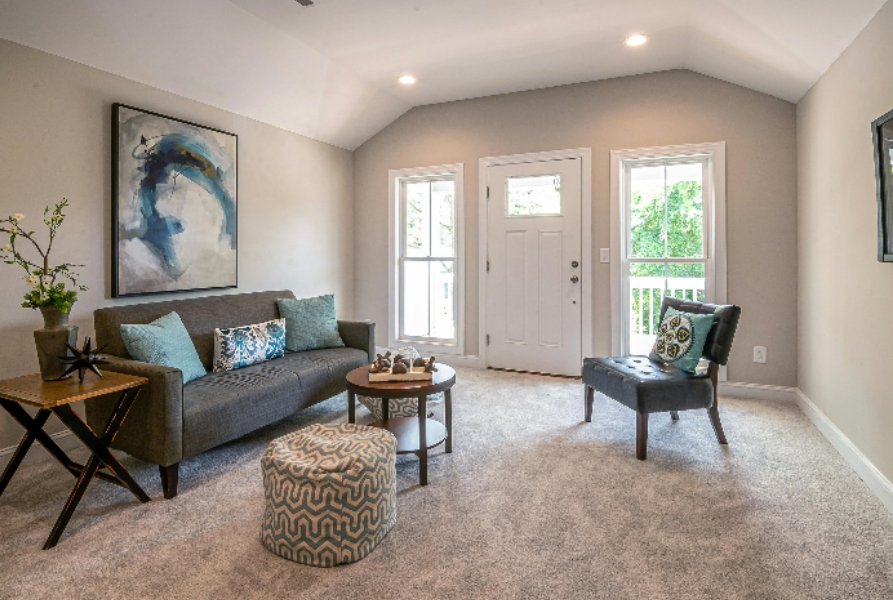
Transforming a living space often starts with small, deliberate choices rather than full-scale construction work. When rooms begin to feel heavy or uninspired, updating individual design elements can completely shift the energy of a house. Current design directions emphasize comfort, personal expression, and ecological mindfulness over strict minimalism. Understanding these shifts helps homeowners make thoughtful updates that improve daily life without requiring constant overhauls.
A thoughtful living environment balances visual appeal with practical functionality. Whether updating a single reading corner or reconfiguring an entire main floor, knowing which styling methods endure helps prevent fleeting purchases. The following seven design directions offer practical ways to breathe new life into interior spaces.
Tactile Finishes and Limewash Walls
Tactile wall finishes and textured fabrics introduce depth and warmth that flat, painted drywall often lacks.
Flat, sterile white walls are gradually stepping aside for surfaces with visible character, such as limewash paint, mineral finishes, and tadelakt plaster. These materials create subtle color variations that shift gently as natural light moves across a room throughout the day. Homeowners frequently pair these textured walls with heavy bouclé armchairs, fluted wooden sideboards, and chunky woven throws. This material layering encourages physical interaction and creates a cozy, welcoming atmosphere.
Testing this approach does not require painting every room in the house. A single accent wall in a bedroom or entryway serves as a great starting point. Introducing touchable elements through heavy linen cushion covers or a textured wool area rug provides a quick way to gauge if this organic aesthetic suits your daily routine.
Warm Earthy Palettes and Heritage Tones
Grounded earth tones replace stark gray color schemes with rich colors like terracotta, olive green, and warm clay.
Color choices in contemporary interiors have pivoted away from cool, industrial grays toward hues drawn directly from the natural world. Terracotta, deep forest green, ochre, and soft beige dominate living rooms and sleeping quarters alike. These natural pigments establish a calming environment that helps occupants unwind after demanding workdays. Incorporating these heritage shades is easily achieved through ceramic vases, artwork, or throw pillows.
Sticking to an earthy color scheme ensures long-term visual harmony. Rather than chasing fast-moving color fads, grounded tones provide a stable backdrop that accommodates changing seasonal accessories. Blending multiple shades within the same family adds subtle depth without overwhelming smaller rooms.
Sustainable Materials and Vintage Integration
Sustainable interior design relies heavily on vintage furniture, antique accessories, and certified eco-friendly manufacturing.
Eco-conscious decorating extends far beyond choosing organic cotton bedding. People increasingly seek out mid-century modern dressers, antique wooden tables, and heirloom accents to reduce environmental waste while introducing authentic character. When purchasing new items, shoppers prioritize reclaimed timber, non-toxic finishes, and circular manufacturing models. For further insights on adapting living spaces sustainably, reviewing current architectural and interior design remodeling trends provides valuable perspective on material selection.
Pairing older vintage items with brand-new contemporary pieces yields a curated look that feels deeply personal. A modern linen sofa set against a weathered antique coffee table tells a richer story than a matching set purchased straight from a showroom floor. This balanced approach honors both environmental stewardship and individual taste.
Flexible Modular Layouts for Multi-Use Rooms
Modular furniture systems allow open-plan rooms to transition seamlessly between daytime work tasks and evening relaxation.
Modern households often require single rooms to serve multiple functions throughout the day. Modular sectionals, drop-leaf dining tables, and nesting coffee tables make reconfiguring a room effortless based on immediate needs. A sofa with movable modules can shift from an open conversation arrangement into a cozy movie-watching layout within minutes. This adaptability proves especially beneficial in compact urban apartments where every square foot counts.
Investing in multi-purpose furniture also minimizes clutter by eliminating redundant items. Selecting storage ottomans or modular shelving units ensures the furniture can expand or contract alongside changing lifestyle requirements over the years.
Sculptural Lighting as Central Visual Anchors
Bold lighting fixtures act as striking focal points that shape a room’s architectural character.
Illumination is no longer treated as an afterthought in home design. Sculptural chandeliers, smoked glass pendant lights, and brushed brass sconces draw the eye upward and anchor open-plan layouts. Many homeowners place oversized fixtures above dining tables or kitchen islands to establish a strong visual anchor without crowding floor space.
Layered illumination remains essential for crafting comfortable environments. Combining overhead architectural fixtures with low-level floor lamps and adjustable table lamps lets you tailor the room’s ambiance for different times of day.
Curated Display and Refined Open Storage
Open shelving requires careful curation and balanced styling to maintain a tidy, airy visual presentation.
While wall-mounted open shelves remain popular in kitchens and living rooms, styling strategies have matured significantly. Rather than packing ledges tight with everyday dishware, modern styling emphasizes breathing room. Shelves feature a thoughtful mix of books turned sideways, ceramic vessels, framed photographs, and trailing greenery. Closed cabinets handle utilitarian items, keeping everyday clutter securely out of sight.
Maintaining clean open shelving involves periodic editing. Storing high-use items out of view and reserving ledges purely for decorative objects keeps rooms functioning smoothly while celebrating personal treasures.
Biophilic Design and Indoor Greenery
Biophilic design brings the outdoors inside through resilient houseplants, maximized daylight, and organic shapes.
Houseplants continue to anchor interior schemes because they improve indoor air quality and introduce vibrant living color. Resilient varieties like snake plants, ZZ plants, and trailing pothos thrive with minimal upkeep. Grouping pots at varied heights or utilizing hanging planters draws attention to vertical space and animates empty corners.
Beyond potted plants, biophilic design encourages maximizing natural sunlight through light window treatments and strategic mirror placement. Reflective surfaces bounce daylight deeper into living areas, reducing reliance on artificial lighting and uplifting moods during darker seasons.
Refreshing your living environment does not mean adopting every design fad that appears on social media. Success lies in choosing elements that support daily routines and personal comfort. By integrating natural materials, adaptable furniture arrangements, and grounded color palettes, you create an inviting sanctuary tailored to your life.
Frequently Asked Questions
How can I update my home décor on a small budget?
You can update your space affordably by rearranging existing furniture, swapping cushion covers, adding new houseplants, or painting a single accent wall.
Are earthy tones still popular in home design?
Yes, grounded colors like terracotta, warm beige, and olive green remain very popular because they create calm and timeless living environments.
What is biophilic design in home interiors?
Biophilic design is an approach that connects indoor spaces with nature through houseplants, natural light, wood textures, and organic shapes.
How do I make open shelving look neat instead of cluttered?
Keep open shelves tidy by leaving empty space around items, mixing books with ceramics, and using decorative baskets to hide small loose objects.
Is vintage furniture a good choice for modern homes?
Vintage furniture is an excellent choice because it adds unique character, supports sustainable upcycling, and blends well with contemporary pieces.
How often should I change my home décor?
There is no set rule for changing décor; most people make minor seasonal updates with textiles and plants rather than redesigning entire rooms frequently.
Disclaimer: Interior design trends and product availability evolve over time. Readers should verify specific material sourcing, structural requirements, and professional installation guidelines from official local sources before beginning any major home updates.

Passionate content writer and savvy blog publisher, Aamir crafts compelling stories and insightful articles that captivate and inform. With a knack for blending creativity and strategy, they bring fresh perspectives to every piece. Dive into their world of words and discover content that resonates.


