

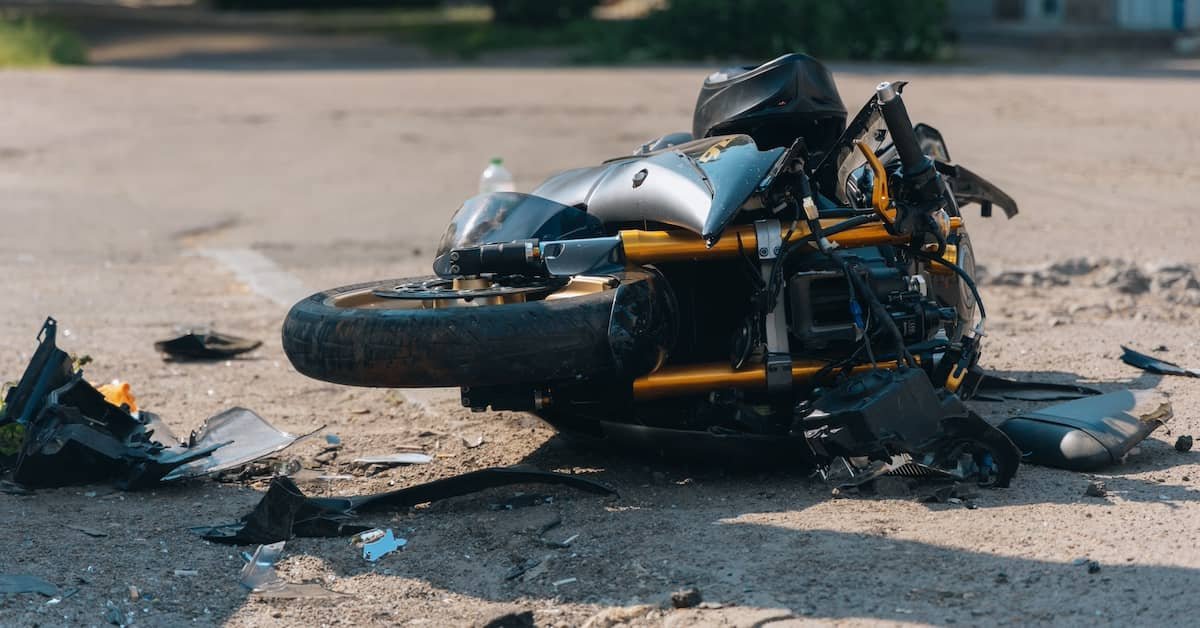
Riding a motorcycle across Minnesota offers scenic routes, but a sudden collision with a passenger vehicle shatters that freedom instantly. When riders face severe injuries, mounting medical bills, and aggressive insurance adjusters, knowing the right legal strategies makes all the difference in protecting your future and securing rightful financial recovery.
Understanding Minnesota’s No-Fault Insurance Rules for Riders
Minnesota operates under a no-fault auto insurance system, but motorcycle coverage follows unique statutory provisions that differ significantly from standard passenger vehicle policies. Under state regulations, standard personal injury protection (PIP) benefits do not always automatically apply to motorcycle operators in the same way they cover traditional drivers. Injured riders often must look to other sources for immediate medical expense coverage, such as private health insurance, medical payment coverage under their own motorcycle policy, or liability claims against an at-fault motorist. Because insurance adjusters frequently attempt to minimize payouts or misapply policy limitations, understanding these nuances is critical for securing proper reimbursement for medical bills and lost income.
Proving Liability and Navigating Comparative Fault
Minnesota follows a modified comparative fault rule that allows an injured victim to recover damages as long as their share of responsibility for the crash remains under fifty-one percent. Insurance companies often try to shift blame onto motorcycle operators by claiming they were speeding, weaving through traffic, or failing to maintain a proper lookout. Overcoming these unfair biases requires gathering concrete evidence, such as eyewitness statements, digital dashcam footage, and expert accident reconstruction reports. Establishing clear liability protects your right to financial recovery and prevents opposing insurers from unfairly reducing your final compensation package based on exaggerated or baseless fault allegations.
Key Damages You Can Recover After a Crash
Victims of motorcycle collisions are legally entitled to pursue comprehensive financial compensation for both economic and non-economic losses stemming from the incident. The legal system recognizes that a serious injury affects far more than just immediate physical health, encompassing long-term rehabilitation costs and profound lifestyle changes. To help clarify what types of losses are typically compensable under state law, the following table outlines the major categories of recoverable damages:
| Damage Category | Description | Examples |
|---|---|---|
| Economic Damages | Measurable financial losses directly tied to the collision. | Hospital bills, physical therapy, future surgeries, lost wages, and reduced earning capacity. |
| Non-Economic Damages | Subjective losses reflecting the personal impact of the injury. | Physical pain and suffering, emotional distress, anxiety, and loss of enjoyment of life. |
| Property Damage | Costs to repair or replace destroyed personal belongings. | Damaged motorcycle, custom gear, shattered helmets, and ruined riding apparel. |
Critical Immediate Steps After a Motorcycle Accident in Minnesota
The actions taken in the moments, days, and weeks following a highway collision can profoundly influence the strength of any subsequent personal injury claim. Prioritizing personal health by seeking an immediate medical evaluation ensures that hidden trauma, such as internal bleeding or traumatic brain injury, is diagnosed and treated early while creating essential medical documentation. Documenting the accident scene by photographing vehicle positions, skid marks, road hazards, and visible injuries provides vital preservation of ephemeral evidence. Filing an official police report establishes an objective record of the event, while notifying insurance companies with caution prevents accidental statements that adjusters might later use to undermine your claim.
What to Look for When Hiring a Minnesota Motorcycle Accident Lawyer
Selecting the right legal advocate can completely alter the trajectory of your recovery and the ultimate success of your insurance claim or lawsuit. You should look for an attorney who possesses a proven track record of handling complex motorcycle litigation and who understands the unique biases riders face in front of juries and insurance adjusters. An experienced legal professional will conduct a thorough investigation, handle aggressive insurance representatives on your behalf, and ensure that all court filings adhere strictly to applicable statutes of limitations. During your initial consultation, ask direct questions regarding their trial experience, fee structure, and specific strategies for managing comparative fault arguments raised by the defense. To prepare effectively for this stage, review essential factors when selecting a vehicle crash attorney to understand what traits separate average practitioners from elite advocates.
Frequently Asked Questions
What is the statute of limitations for filing a motorcycle accident lawsuit in Minnesota?
Generally, you have six years from the date of the crash to file a personal injury lawsuit in Minnesota, though acting quickly is always recommended to preserve vital evidence.
Can I still recover compensation if I was partially at fault for the accident?
Yes, under Minnesota’s modified comparative fault rule, you can recover damages as long as you are found to be less than 51 percent at fault, though your payout will be reduced by your percentage of fault.
How do motorcycle insurance policies handle medical bills compared to cars?
Minnesota no-fault personal injury protection laws apply differently to motorcycles, meaning standard auto PIP benefits do not automatically cover riders, requiring reliance on private health insurance or specialized medical payment coverage.
What types of compensation can I claim after a motorcycle crash?
You can seek compensation for current and future medical expenses, lost wages, diminished earning capacity, property damage, and non-economic losses like pain and suffering.
Why is it important to hire a lawyer who specializes in motorcycle accidents?
Specialized motorcycle attorneys understand the specific physical dynamics of motorcycle crashes and know how to counter common anti-rider biases held by insurance adjusters and juries.
Should I give a recorded statement to the other driver’s insurance company?
No, you should avoid giving recorded statements or signing detailed documents with opposing insurance adjusters until you have consulted with an experienced attorney.
Disclaimer: The information provided in this article is for general informational purposes only and does not constitute formal legal advice. Legal rules and insurance regulations are subject to change, and victims should consult a qualified Minnesota attorney to discuss the specific facts of their case.


