
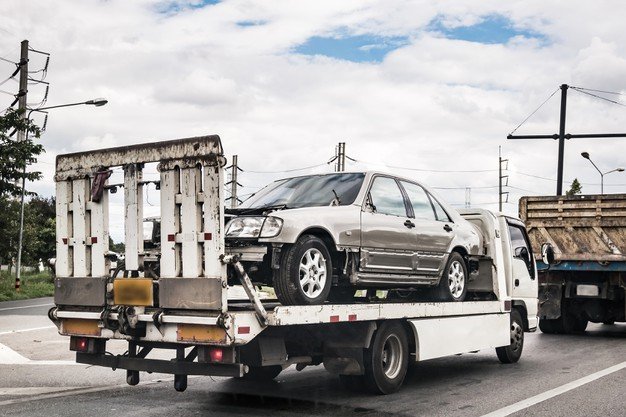
Tow trucks serve as an indispensable lifeline across modern highways, clearing disabled automobiles, responding to roadway emergencies, and restoring traffic flow when mechanical breakdowns occur. However, the exact equipment that makes these heavy-duty vehicles so valuable on the road also introduces unique mechanical and operational hazards. When an empty chassis weighing upward of 10,000 pounds is paired with high-tension winch lines, hydraulic booms, and unsecured roadside environments, the potential for catastrophic collisions increases significantly.
Safety organizations and occupational researchers frequently emphasize that commercial operators face elevated injury rates compared to standard driving professions. Operating heavy machinery in close proximity to high-speed traffic demands constant vigilance, as even a momentary lapse in equipment rigging or situational awareness can trigger severe roadway disasters.
The Destructive Physics of Heavy Towing Equipment Collisions
Tow truck collisions generate extreme kinetic energy because the immense weight disparity between a commercial wrecker and a passenger vehicle concentrates devastating force onto a single impact point.
A standard flatbed or wheel-lift tow truck can easily weigh between 10,000 and 25,000 pounds before factoring in the extra load of a disabled vehicle secured to the rear. When a massive vehicle of this scale collides with a standard sedan weighing only 3,000 pounds, the smaller automobile absorbs the vast majority of the impact force. This severe mass imbalance frequently results in vehicle underride overrides, violent structural intrusions, and immediate structural collapse of the passenger compartment.
Operational Rigging Failures and Roadside Load Shifts
Operational rigging failures and sudden load shifts during transit create distinct mechanical hazards that set commercial towing mishaps apart from standard vehicle crashes.
Unlike traditional freight haulers whose cargo remains enclosed inside a trailer, tow trucks deal with unstable, damaged, and irregularly shaped loads hoisted onto hydraulic lifts or secured by steel chains. If a winch cable snaps under tension, a J-hook slips on a damaged axle, or a tie-down strap loses tension while navigating a highway curve, the towed vehicle can break free entirely. This sudden detachment turns a disabled car into an unguided projectile on active asphalt, endangering every motorist sharing the lane.
The Vulnerability of Operators Working on Active Highway Shoulders
The vulnerability of operators working on active highway shoulders exposes tow crews to immense danger from distracted drivers and failure-to-yield violations.
When a wrecker parks on a narrow shoulder or blocks a traffic lane to hoist a stranded vehicle, the operator must step out into active traffic zones to connect rigging gear. Despite mandatory move-over laws requiring motorists to slow down or change lanes for flashing amber lights, distracted drivers staring at mobile devices frequently fail to notice roadside operations. This lack of attention causes dangerous secondary collisions where speeding passenger cars plow directly into the rear of stationary wreckers or strike personnel standing nearby.
Medical Realities of Severe Commercial Towing Trauma
Medical realities of severe commercial towing trauma often involve complex, multi-system injuries that demand immediate emergency intervention and prolonged rehabilitation.
The sheer force of impact in a heavy-duty collision frequently fractures bones, tears internal organs, and causes permanent neurological damage. Treatment for these catastrophic injuries requires specialized surgical care and extensive long-term physical therapy.
| Trauma Category | Specific Injury Manifestations | Long-Term Rehabilitation Outlook |
|---|---|---|
| Neurological Damage | Traumatic brain injuries, skull fractures, severe concussions | Often requires cognitive therapy, memory retraining, or permanent assisted care |
| Spinal Column Trauma | Vertebral compression fractures, herniated discs, partial paralysis | Demands extensive mobility aids, spinal stabilization surgeries, and chronic pain management |
| Complex Orthopedic Breaks | Shattered pelvis bones, crushed limbs, compound skeletal fractures | Requires surgical insertion of metal hardware, casting, and months of physical therapy |
| Critical Internal Injury | Lacerated spleen, punctured lungs, severe internal hemorrhaging | Demands emergency exploratory surgery to prevent fatal organ failure |
Navigating Multi-Party Liability and Commercial Insurance Policies
Navigating multi-party liability and commercial insurance policies after a towing collision requires detailed investigation because fault frequently extends across several corporate entities.
Unlike standard fender-benders involving two private motorists, commercial towing operations are bound by strict transportation regulations and complex corporate structures. Investigators must determine whether the towing company enforced adequate vehicle maintenance, whether the operator complied with maximum hours-of-service limitations, and if equipment manufacturers supplied defective hydraulic components or winch lines. For those seeking broader context on roadway mishaps, reviewing managing serious vehicle accidents safely can provide additional insights into untangling intricate insurance policies and liability structures.
Best Practices for Equipment Maintenance and Roadside Protocol
Best practices for equipment maintenance and roadside protocol focus on rigorous daily inspections, proper weight distribution, and enhanced visibility measures.
Towing fleet managers must mandate exhaustive pre-trip checks covering hydraulic fluid pressures, brake degradation, winch cable integrity, and tire tread depth. Operators should utilize high-visibility reflective apparel, position advanced warning cones or flares far behind the work zone, and use amber strobe systems effectively. At the same time, everyday motorists must remain alert, eliminate in-cabin distractions, and strictly obey move-over statutes whenever encountering emergency responders on highway shoulders.
Frequently Asked Questions
What makes tow truck accidents more severe than normal car crashes?
Tow trucks possess immense weight ranging from 10,000 to over 25,000 pounds, which generates destructive kinetic energy and massive force disparities during impacts with lighter passenger sedans.
Why are cargo and rigging failures common in commercial towing?
Unlike enclosed freight trucks, tow trucks handle damaged, irregularly shaped vehicles secured via exterior hydraulic lifts, chains, and winches that can slip or snap under extreme transport stress.
Who can be held responsible if a tow truck loses its load on the highway?
Liability can extend across the individual driver, the commercial towing company, maintenance contractors, or equipment manufacturers who produced defective winch lines or tie-down hardware.
Why are roadside secondary crashes particularly dangerous for operators?
Operators frequently work on narrow highway shoulders where distracted or speeding motorists fail to notice warning lights and violate move-over laws, striking workers or stationary wreckers.
What federal regulations govern commercial towing operations?
Interstate commercial tow trucks are subject to safety guidelines managed by transportation authorities, covering driver rest periods, weight classification limits, and vehicle inspection records.
How can everyday drivers help prevent roadside towing collisions?
Motorists should slow down, maintain a wide buffer zone, eliminate mobile phone distractions, and strictly follow state move-over laws when approaching flashing lights on shoulders.
Disclaimer: The details shared in this article are intended strictly for general informational and educational purposes. Laws, safety regulations, and legal liability standards surrounding commercial vehicle accidents vary by jurisdiction and change over time. Readers should always verify final information and consult qualified legal or transportation professionals for specific guidance tailored to their circumstances.

Daniel J. Morgan is the founder of Invidiata Magazine, a premier publication showcasing luxury living, arts, and culture. With a passion for excellence, Daniel has established the magazine as a beacon of sophistication and refinement, captivating discerning audiences worldwide.


