

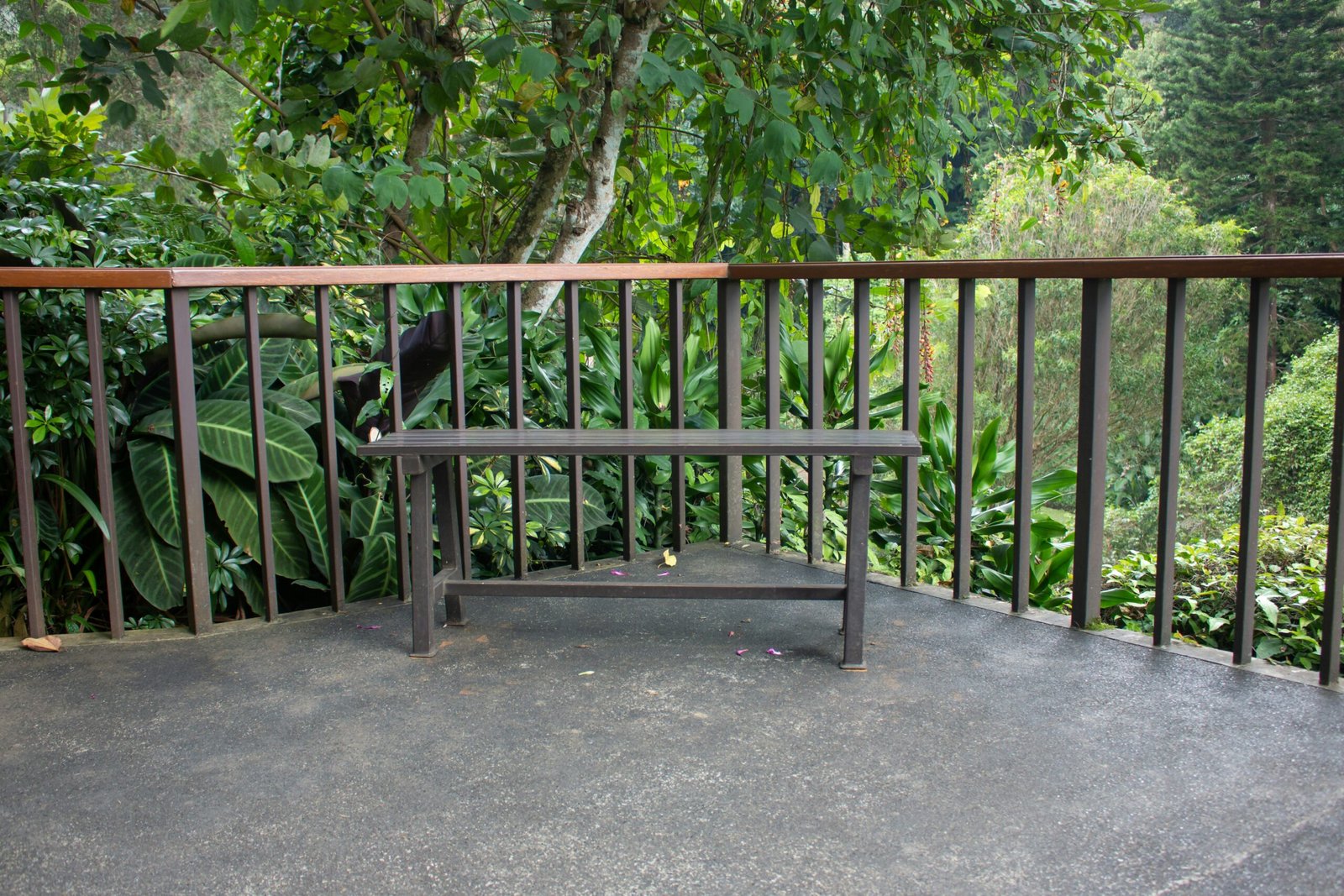
Are you looking to enhance the beauty of your yard? Outdoor garden decorations can transform any ordinary space into a peaceful and inviting oasis.
Whether you manage a compact apartment balcony or a sprawling suburban lawn, these decorative additions introduce character and distinct personal charm. From simple ornaments to lush botanical containers, the right design choices reflect your individual style and make open-air living much more enjoyable.
In this guide, we will explore various outdoor garden decorations that will inspire you to create a welcoming and vibrant environment. Let us dive into the details of upgrading your open-air living areas.
Designing Cohesive Landscape Zones Using Ornamental Accents
Intentional outdoor decor requires careful planning so that every piece serves a specific aesthetic or practical purpose in your landscape.
Instead of randomly placing items across the lawn, consider dividing your yard into distinct experiential zones. For example, a cozy seating area near a flowering bed benefits from subtle lighting and nearby structural ornaments. Designing with purpose prevents visual clutter and highlights the natural features of your property, creating a balanced flow from your patio out to the property line. Before buying decorative elements, take stock of your yard’s dimensions, sunlight patterns, and heavy-traffic pathways to ensure your outdoor garden decorations enhance mobility rather than block movement.
Selecting Weather-Resistant Metals, Resins, and Treated Timbers
Selecting durable materials ensures your yard accents survive rain, snow, and intense sun exposure without deteriorating prematurely.
Powder-coated metals resist rust effectively, making them ideal for lawn sculptures and plant brackets exposed to heavy moisture. Weather-resistant resin mimics the appearance of carved stone or heavy terracotta while remaining lightweight and frost-proof. Natural woods like teak or cedar offer classic warmth, though they require periodic sealing to prevent moisture damage and graying. Evaluate local climate conditions before making material choices so that delicate ceramic pieces can be brought indoors before hard freezes arrive.
Illuminating Pathways and Borders With Efficient Solar Fixtures
Modern solar-powered lights improve nighttime visibility and accent garden pathways without requiring complex wiring or grid electricity.
Today’s solar fixtures feature high-efficiency LED bulbs, higher lumen outputs, and integrated motion sensors that conserve battery power until movement is detected. Pathway stakes, hanging lanterns, and spotlight fixtures harness direct sunlight by day and automatically illuminate planting beds and walking paths after dusk. Position these fixtures in areas receiving at least six hours of unobstructed direct sunlight daily, and periodically wipe the photovoltaic panels with a damp cloth to maintain charging efficiency.
Attracting Local Wildlife Through Bird Baths and Water Elements
Water features and feeding stations attract local wildlife, transforming a quiet lawn into a lively ecosystem for birds and pollinators.
Bird baths provide essential hydration and bathing opportunities, while tube feeders and platform trays dispense seeds to draw various native bird species throughout the year. For an added sensory layer, a small recirculating fountain introduces the soothing sound of flowing water to mask ambient neighborhood noise. Routine maintenance keeps water features hygienic by requiring regular basin scrubbing and water changes to prevent unwanted insect breeding.
Utilizing Vertical Architecture With Hanging Planters and Trellises
Utilizing vertical architecture allows you to introduce lush greenery and colorful blooms without sacrificing precious ground area.
Hanging planters, wall-mounted brackets, and trellises draw the eye upward, making small patios, balconies, and fences feel much more expansive. You can grow trailing flowers, culinary herbs, or cascading strawberries within arm’s reach of your kitchen door. Always verify the weight limits of porch rafters, fence posts, or masonry anchors before hanging heavy damp containers filled with wet soil.
Anchoring Visual Sightlines With Sculptural Garden Statues
Statues and sculptural lawn ornaments anchor your landscape design and establish a definitive focal point for the eye to rest upon.
Sculptures come in various styles, ranging from classic stone animal figures to sleek, abstract metal designs. Placing a single striking statue at the end of a winding garden path or nestled within a bed of ferns creates a sense of discovery and visual depth. Consider the scale of the sculpture relative to your surrounding plants and open lawn so it neither overwhelms a courtyard nor gets lost in a large garden bed. For related styling inspiration when designing comfortable exterior seating zones, you may want to look into quality outdoor furniture pieces to coordinate your overall open-air layout.
Frequently Asked Questions
How do I protect metal garden decorations from rusting outdoors?
Apply a clear rust-preventative sealant or exterior enamel spray to metal decor items annually to block moisture and preserve their finish.
What is the best way to clean stone or resin garden statues?
Use a soft-bristle brush, mild dish soap, and warm water to gently scrub away dirt and algae, then rinse thoroughly with a garden hose.
How can I prevent mosquitoes from breeding in my bird bath?
Change the water every two to three days and scrub the basin interior to disrupt any mosquito larvae cycles before they mature.
Can solar garden lights work properly during cloudy winter days?
Solar lights will still charge under overcast skies, but their nighttime run times may be shorter due to reduced sunlight absorption.
What are the safest ways to mount hanging planters on brick walls?
Use masonry drill bits and appropriate anchor sleeves or expansion bolts designed to support the weight of wet soil and mature plants.
How do I winterize decorative garden fountains?
Drain all water completely, remove the internal pump, and cover the basin with a waterproof winter jacket to prevent freeze damage.
Where should I place garden statues for the best visual impact?
Position statues near natural sightlines, such as at the bend of a pathway or framed by low-growing shrubs, to draw visitors into the space.
Disclaimer: Gardening trends, product availability, and material specifications change over time. Always verify product care guidelines and local building regulations from official manufacturing or municipal sources before making permanent landscape modifications.


