

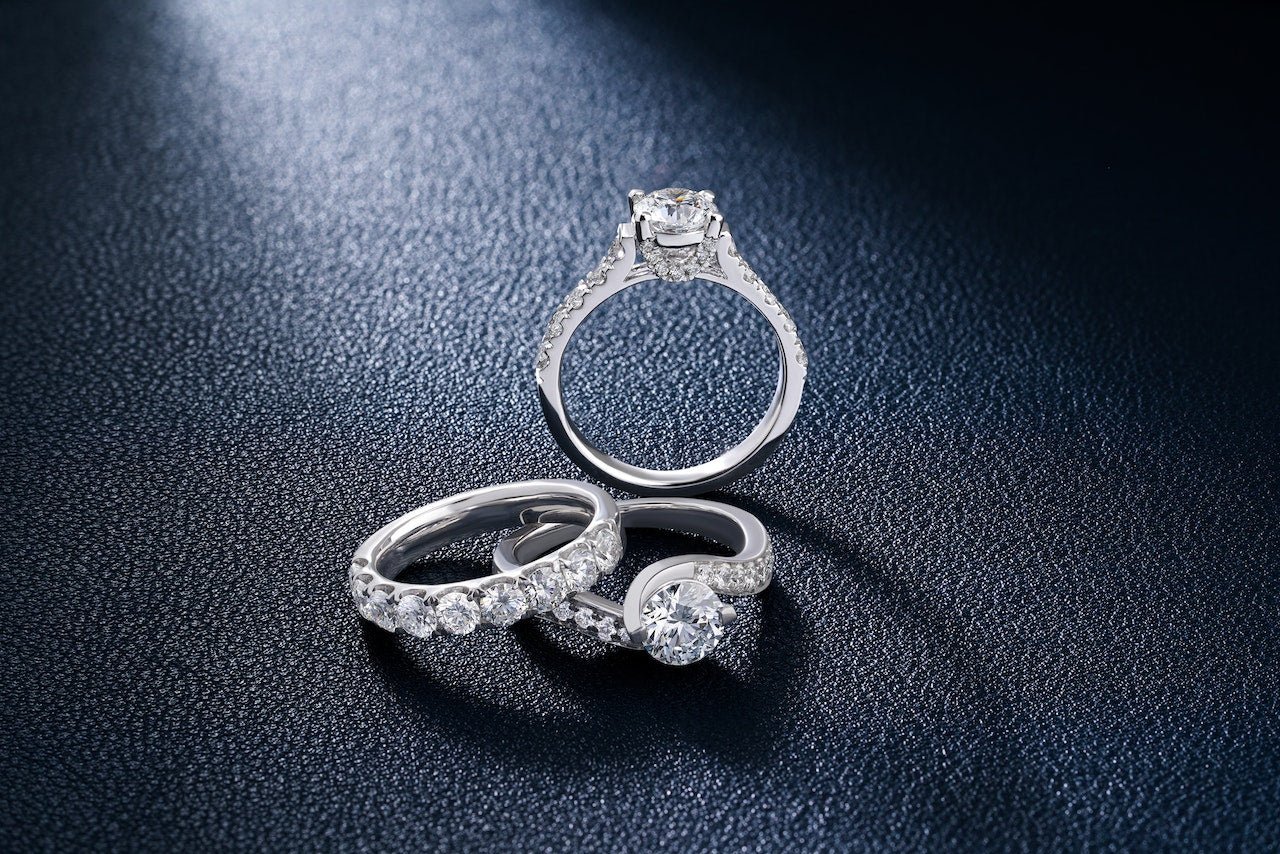
When a couple begins planning an engagement, the center stone selection often commands the largest portion of the budget. Traditionally, mined diamonds dominated this category despite carrying steep price tags driven by scarce supply chains. Today, created diamonds for rings offer an alternative that matches mined stones in chemical composition while reducing overall acquisition costs. Platforms like Rare Carat provide extensive inventories where buyers can compare loose stones and mounting styles side by side. Understanding how these lab-grown gems deliver their signature visual sparkle helps shoppers make informed decisions without overspending.
Optical Physics Behind Lab-Grown Sparkle
Created diamonds match natural stones in optical brilliance because they share the exact same crystal lattice and refractive index. When light enters a lab-grown diamond, it bends, reflects, and disperses in the exact same manner as it would in a stone pulled directly from the earth. Master cutters shape these laboratory-created crystals using precise geometrical proportions to maximize light return through the top of the gemstone. Because these gems grow within controlled laboratory chambers, they form without the extreme geological turbulence that often creates severe inclusions in natural rough. This consistent growing environment allows the resulting polished stones to display exceptional fire and scintillation. For shoppers researching how facet geometries alter visual performance, exploring details on breaking down popular diamond cuts offers helpful context on choosing the right shape.
The Practical Economics of Purchasing Lab-Grown Gemstones
Lab-grown diamonds generally cost substantially less than mined diamonds of equivalent carat weight, color, and clarity grade. Traditional diamond mining requires massive heavy machinery, deep earth excavation, and extensive international shipping networks that inflate final retail prices. In contrast, streamlined technological production methods reduce overhead costs and pass those savings directly down to retail consumers. This dramatic price shift means buyers no longer have to compromise on stone size or visual clarity to stay within a reasonable financial plan. Market transparency on digital storefronts allows couples to inspect certified inventory lists and evaluate pricing tiers without hidden markups. To ensure a confident purchasing experience when navigating these extensive online catalogs, reviewing strategies for shopping for precious stones transparently provides valuable purchasing insights.
Environmental Considerations and Controlled Production
Created diamonds provide a traceable origin story that appeals directly to modern consumers concerned with environmental sustainability and labor transparency. Traditional diamond mining operations frequently cause substantial land disruption, habitat displacement, and heavy energy consumption across remote regions. Conversely, modern diamond-growing facilities utilize advanced renewable energy sources and maintain strict regulatory oversight over waste management and working conditions. Choosing a lab-grown diamond allows couples to wear a meaningful symbol of commitment while aligning their purchase with their personal ethical values. This clear chain of custody removes the ambiguity often associated with antique or traditional supply chains, giving buyers complete peace of mind.
Navigating Online Marketplaces and Expert Concierge Services
Modern engagement ring shopping has shifted toward digital platforms that offer vast inventories and intuitive customization tools. Rare Carat streamlines this process by organizing thousands of certified lab-grown diamonds alongside diverse mounting options ranging from timeless solitaires to intricate vintage halos. High-definition video imaging and independent grading reports accompany individual stones, allowing shoppers to inspect clarity characteristics before committing to a purchase. Selecting a loose diamond and matching it with a custom setting can feel intimidating for first-time buyers who are unfamiliar with grading reports. To bridge this gap, dedicated assistance programs like the Diamond Concierge Service offer unbiased guidance on evaluating color grades, proportions, and setting compatibility.
Frequently Asked Questions
Are created diamonds chemically identical to natural diamonds?
Yes, created diamonds consist of pure carbon atoms arranged in the exact same crystal lattice structure as natural diamonds.
Do lab-grown diamonds pass standard diamond testing tools?
Yes, because they share identical thermal and electrical conductivity properties with mined stones, lab-grown diamonds register positively on standard jewelry store testers.
Why do lab-grown diamonds cost significantly less than mined stones?
Laboratory production bypasses the immense logistical overhead, deep-earth extraction expenses, and complex multi-tier supply chains required by traditional diamond mining operations.
Do created diamonds maintain high resale value over time?
Like mined diamonds, created diamonds generally do not function as liquid financial investments, as fine jewelry is valued primarily for its sentimental and aesthetic enjoyment.
Who issues grading certifications for created diamonds?
Reputable lab-grown diamonds are evaluated and certified by independent gemological institutions such as the Gemological Institute of America or the International Gemological Institute.
Can lab-grown diamonds be set into custom engagement ring mountings?
Absolutely, online jewelers and independent designers accommodate created stones in any precious metal or mounting style, matching the exact specifications of traditional rings.
Please note that diamond market pricing, inventory availability, and jeweler policies may change over time. Readers should always verify final product details, grading certificates, and return guidelines directly on official merchant websites prior to making any purchase.

Passionate content writer and savvy blog publisher, Aamir crafts compelling stories and insightful articles that captivate and inform. With a knack for blending creativity and strategy, they bring fresh perspectives to every piece. Dive into their world of words and discover content that resonates.


