

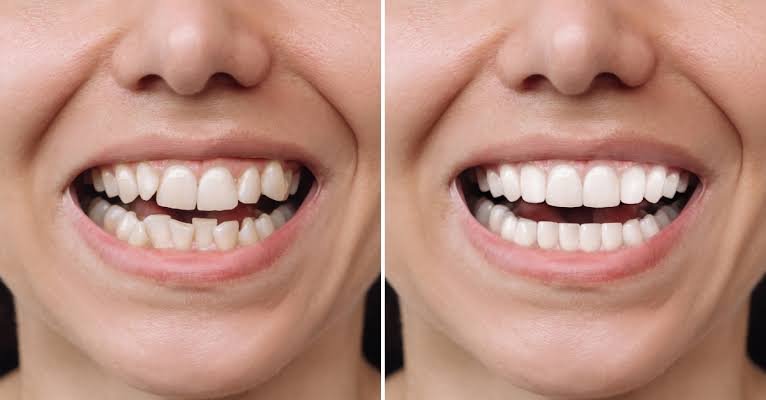
Porcelain veneers remain one of the most popular cosmetic dental treatments available for patients looking to achieve a balanced, radiant smile. These thin, custom-made ceramic shells are designed to bond securely to the front surface of your teeth, offering a natural and aesthetically pleasing appearance. Whether you are dealing with persistent staining, chipped enamel, or minor alignment issues, porcelain veneers can provide a reliable transformation.
However, like any restorative or cosmetic dental procedure, it helps to understand the complete journey from start to finish. Exploring what happens before, during, and after the treatment ensures you can make a confident and informed decision about your oral health.
Evaluating Your Smile Goals and Candidacy for Ceramic Shells
Determining whether ceramic facings match your dental anatomy starts with assessing your gum health and structural bite alignment.
Ideal candidates for porcelain veneers generally possess healthy teeth and gums, free from untreated tooth decay or active gum disease. Cosmetic dentists typically recommend porcelain veneers to address specific visual concerns, including:
- Deep intrinsic tooth discolouration that fails to respond to traditional professional whitening methods.
- Chips, micro-cracks, or worn-down tooth surfaces caused by everyday use.
- Unwanted gaps or spaces between front teeth.
- Mildly crooked or unevenly shaped teeth that do not require extensive orthodontic treatment.
Before moving forward with cosmetic enhancement, a comprehensive oral evaluation ensures your bite alignment and gum tissues can support the added ceramic shells. When patients evaluate alternative restorative choices due to severe structural damage or missing teeth, exploring options like porcelain veneers vs dental implants helps clarify which path fits their long-term oral health goals.
Choosing Between Traditional Feldspathic Porcelain and E-Max Materials
Selecting the right ceramic composition balances light reflection properties with the physical strength needed for everyday chewing.
Traditional feldspathic porcelain has long been praised for its lifelike translucency, mimicking the way natural enamel reflects light. Meanwhile, pressed ceramics such as lithium disilicate, commonly known as E-max, provide exceptional durability, making them ideal for patients who require extra strength against biting forces.
| Veneer Type | Material Composition | Enamel Reduction Needed | Primary Benefit |
|---|---|---|---|
| Traditional Porcelain | Feldspathic or Layered Ceramic | Moderate (approx. 0.5mm) | Unmatched aesthetic translucency |
| Lithium Disilicate | Pressed Ceramic (E-max) | Minimal to Moderate | High fracture resistance |
| Ultra-Thin / No-Prep | High-Strength Feldspathic | None or Very Minimal | Preserves natural tooth structure |
Utilizing Digital Smile Design and 3D Intraoral Scanning
Modern dental clinics replace messy putty molds with precise three-dimensional digital imaging to map your future smile.
Contemporary dental practices frequently utilize 3D intraoral scanners and digital smile design software rather than physical putty impressions. These digital tools allow your cosmetic dentist to map your exact dental contours and project realistic preview models of your future smile. During this appointment, you can review shade guides, discuss desired tooth shapes, and confirm that your underlying dental foundation is healthy enough for the procedure.
Navigating the Enamel Preparation and Permanent Bonding Timeline
The physical transformation takes place across two primary appointments separated by a brief laboratory fabrication window.
During the first active visit, your cosmetic dentist administers local anesthesia if necessary and removes a microscopic layer of enamel from the front of the teeth. This brief step ensures the final veneers sit flush with your gumline and neighboring teeth without looking bulky. Once the surface is prepared, digital scans are transmitted to a specialized dental laboratory where ceramists handcraft your custom shells. While your permanent ceramics are being fabricated, temporary acrylic veneers are placed over your teeth to protect the exposed dentin and maintain your appearance.
At your second appointment, the temporary shells are removed, and the permanent porcelain veneers are tested for proper fit, bite alignment, and color harmony. Once you and your dentist are fully satisfied with the appearance, your teeth are cleaned, polished, and etched with a mild gel to create a strong bonding surface. A specialized dental resin cement is applied, and an ultraviolet curing light hardens the adhesive instantly, securing the porcelain firmly in place.
Managing Daily Maintenance and Cement Margin Preservation
Protecting your dental investment requires consistent at-home habits focused on gum health and gentle mechanical care.
Brushing twice daily with a non-abrasive fluoride toothpaste and flossing carefully every single day prevents plaque buildup around the gum margins. Although porcelain resists surface staining far better than natural enamel, the underlying tooth structure and resin cement remain vulnerable to dark beverages, tobacco smoke, and heavy vaping over time. If you suffer from bruxism, wearing a custom nightguard is essential to prevent micro-cracking from nighttime teeth grinding.
Frequently Asked Questions
How long do porcelain veneers typically last?
Porcelain veneers often last between ten and fifteen years, and sometimes longer with excellent daily hygiene and regular dental checkups.
Is the porcelain veneer procedure painful?
The procedure involves minimal discomfort, and local anesthesia is frequently used during enamel preparation to keep you comfortable throughout.
Can porcelain veneers stain over time?
The ceramic surface itself resists staining from coffee, tea, and wine, though the exposed resin cement margins can occasionally discolor after many years.
Are porcelain veneers reversible?
Because a thin layer of natural tooth enamel is usually removed during preparation, the treatment is generally considered permanent.
Can you get cavities underneath porcelain veneers?
While porcelain cannot decay, the natural tooth structure underneath remains susceptible to tooth decay if proper brushing and flossing habits lapse.
What happens if a porcelain veneer chips or breaks?
Chipped veneers cannot be repaired like natural teeth and must typically be removed and replaced by your cosmetic dentist.
Disclaimer: Cosmetic dental procedures vary based on individual oral health needs. The information provided in this guide is for educational purposes. Consult a licensed dental professional to receive a personalized evaluation and treatment plan before making healthcare decisions.

Passionate content writer and savvy blog publisher, Aamir crafts compelling stories and insightful articles that captivate and inform. With a knack for blending creativity and strategy, they bring fresh perspectives to every piece. Dive into their world of words and discover content that resonates.


[…] While the process is minimally invasive and preserves most of your natural tooth structure, it remains an irreversible commitment because enamel does not grow back. For further details on what to expect during this process, read more in understanding porcelain veneers before and after. […]
[…] The total expense of porcelain veneers varies widely depending on several distinct clinical, technical, and regional variables. Material quality stands as a primary price driver, because superior medical-grade ceramics deliver unmatched durability and a natural light translucency that mimics real tooth enamel. Furthermore, the total number of teeth treated dictates your overall financial commitment, as most patients opt for symmetrical groupings across the upper and lower arches. Professional expertise also influences the bill, as seasoned cosmetic clinicians often charge higher fees for advanced precision artistry. Additional factors like regional economic differences and mandatory pre-treatment procedures, such as periodontal therapy or treating active decay, further shape your final bill. For more details on preparation milestones, you can review our guide on what to expect before and after veneer procedures. […]