

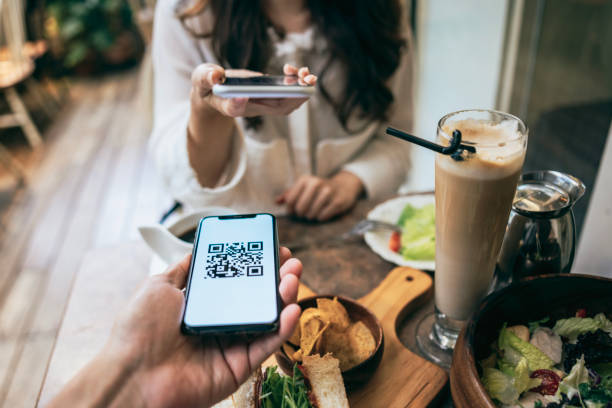
Quick Response codes have evolved from automotive assembly tracking into a universal bridge connecting physical surroundings to digital platforms. Whether businesses want to simplify consumer engagement or streamline inventory tracking, understanding QR codes and their underlying architecture is essential for modern communication.
In this complete overview, we examine how matrix encoding functions, evaluate the functional differences between static and dynamic formats, and explore practical creation and safety protocols.
How Quick Response Codes Work and Store Data
A QR code is a two-dimensional matrix barcode designed to be captured and decoded rapidly by digital cameras and mobile optical sensors.
Unlike traditional linear barcodes that store limited data along a single horizontal strip, matrix codes arrange black and white square modules horizontally and vertically. This dual-axis grid design enables Quick Response codes to store thousands of characters of alphanumeric text, internet hyperlinks, and system credentials. When a camera captures the matrix, software processor algorithms locate the three prominent square alignment patterns positioned at the corners. These corner markers provide perspective correction, allowing mobile devices to interpret the encoded binary pattern instantly from almost any scanning angle.
Differences Between Static and Dynamic QR Codes
Choosing between static and dynamic QR code implementations depends entirely on whether destination data needs to remain permanent or flexible over time.
Static QR codes encode target data directly into the permanent geometric arrangement of modules. Once generated, a static code cannot be modified, meaning any change to the destination website or text will break the link permanently. Dynamic QR codes utilize short redirect URLs embedded within the matrix structure. This architectural redirection allows creators to update destination web addresses whenever necessary without altering the printed graphic. Furthermore, dynamic configurations generate scan analytics, recording metrics such as user device types, geographic locations, and total scan frequencies for commercial tracking.
Common Real-World Uses for QR Codes
Quick Response matrix symbols serve diverse operational functions across modern retail, hospitality, and corporate environments.
Hospitality venues deploy contactless menu symbols to minimize physical print runs and adjust item pricing in real time. Corporate offices utilize automated connection codes to share encrypted guest Wi-Fi credentials without exposing master router passwords. Event coordinators rely on unique verification codes to accelerate attendee check-in lines at large conferences. Additionally, product manufacturers embed matrix codes on packaging to deliver digital instruction manuals, compliance documentation, and warranty activation links directly to consumer smartphones.
Steps for Creating a Custom QR Code
Generating a reliable Quick Response code requires careful selection of generator software and precise configuration of error correction parameters.
Operators begin by selecting a trustworthy generation tool that supports either permanent static outputs or trackable dynamic campaigns. Next, users input the specific data payload, such as a secure destination link or virtual contact vCard. Customization options allow brands to adjust module colors and embed central logos to match corporate design guidelines.
When adding central branding elements, creators must configure error correction levels appropriately. QR code standards include four error correction tiers—Low, Medium, Quartile, and High—which allow partial reconstruction of obscured or damaged modules. Higher correction thresholds provide greater resilience against logo interference, though they increase internal data density. Finished codes should be exported in scalable vector formats like SVG to ensure crisp rendering across various print resolutions.
Best Practices for QR Code Sizing and Printing
Physical layout parameters directly influence the optical scannability of printed matrix codes in real-world environments.
Dimension sizing must match the intended scanning distance, with standard print materials requiring a minimum physical footprint of one inch by one inch for close-range viewing. Designers must also preserve an empty surrounding border, known as the quiet zone, to prevent adjacent text or graphics from interfering with scanner detection. High optical contrast remains critical for reliable reading. Creators should always print dark modules on light backgrounds and avoid inverted color schemes that challenge older mobile camera sensors. Thorough multi-device testing before mass production prevents costly printing errors.
Security Risks and Safety Tips for QR Codes
As matrix code adoption expands across public spaces, security awareness regarding malicious tampering becomes critically important.
A prevalent threat vector involves “quishing,” a form of phishing where unauthorized actors affix fraudulent sticker overlays onto legitimate public codes. Unsuspecting users scanning these compromised markers are redirected to credential-harvesting portals or malware installation prompts. Organizations should regularly audit public touchpoints to verify the integrity of printed displays. Consumers should cultivate the habit of reviewing the destination URL preview displayed by smartphone operating systems before opening unfamiliar web links.
Frequently Asked Questions
Do Quick Response matrix codes ever expire?
Static codes remain active indefinitely because data is permanently embedded in the graphic pattern. Dynamic variants may become inactive if underlying platform subscriptions lapse or if hosting providers deactivate redirect pointers.
Can smartphones scan codes displayed on digital screens?
Yes, modern smartphone cameras read matrix codes effortlessly from computer monitors, television displays, and other mobile screens without requiring special scanner apps.
Why do certain printed codes fail during scanning attempts?
Scan failures typically stem from inadequate print sizing, insufficient background contrast, missing quiet zone margins, or excessive logo distortion that obscures essential alignment modules.
Are free online code generators secure for business use?
Reputable free platforms handle basic static generation safely. However, free dynamic tools may inject unwanted third-party advertising into redirect links or lack robust data privacy protections.
What types of data formats can be encoded inside a matrix?
Quick Response symbols accommodate web links, plain text strings, email addresses, phone numbers, geographic coordinates, and structured vCard contact profiles.
What is the maximum data capacity of a single code?
Standard matrix symbols can store up to 4,009 alphanumeric characters, though maintaining concise data payloads ensures faster camera recognition and reliable scanning performance.
Maintaining strict operational standards and digital safety awareness is essential for modern consumers and organizations alike. For instance, ensuring proper safety protocols in high-risk physical environments is just as critical as protecting data integrity, similar to understanding the importance of warning signage in industrial settings.
Disclaimer: Quick Response code technical standards, generator platform interfaces, and cybersecurity threats evolve continuously. Readers should verify operational details and platform security practices directly from official software and infrastructure providers before launching public campaigns.

Daniel J. Morgan is the founder of Invidiata Magazine, a premier publication showcasing luxury living, arts, and culture. With a passion for excellence, Daniel has established the magazine as a beacon of sophistication and refinement, captivating discerning audiences worldwide.


