

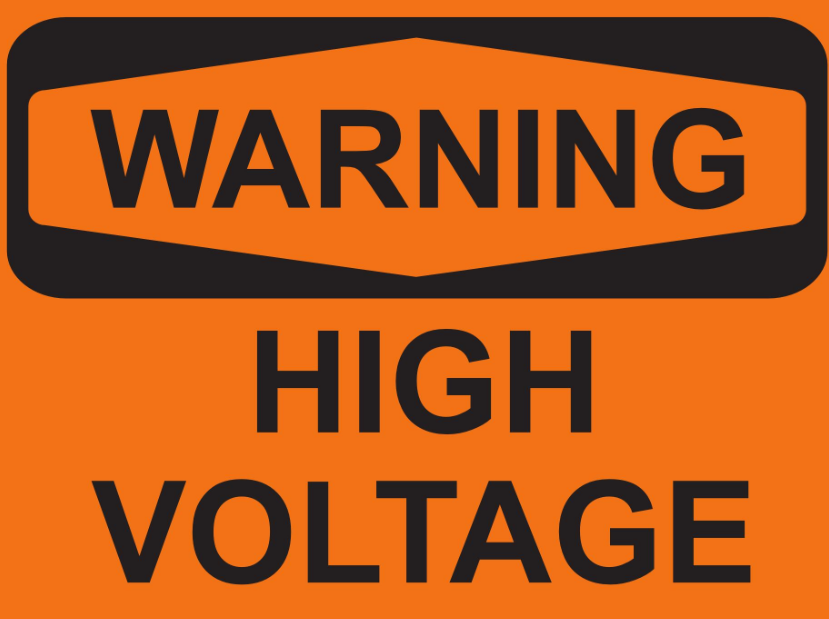
Warning signage is essential in high-voltage areas to protect workers from potential electrical hazards. These visible markers alert personnel to immediate dangers while upholding strict safety standards and maintaining regulatory compliance across industrial spaces.
Proper facility signage remains key in preventing accidents, controlling access, and minimizing legal risks in high-hazard zones. Below, we examine the practical ways clear visual notices contribute to an injury-free operational environment.
The Invisible Nature of Electrical Hazards in Power Zones
High-voltage areas demand specialized warning signage because electrical currents present severe, silent threats that differ entirely from standard physical workplace risks.
Unlike moving machinery or cluttered flooring, electricity provides no visual smoke or prior auditory warning before a catastrophic discharge occurs. Systems carrying high voltage hold enough energy to cause instantaneous electrocution, severe internal trauma, and explosive arc flashes. Because electrical panels and outdoor transformers often look completely safe on the outside, workers cannot rely on instinct alone to detect danger. Clear safety notices bridge this gap by projecting high-voltage thresholds before an operator opens a cabinet door or steps into a restricted enclosure.
Federal Safety Mandates and OSHA Electrical Rules
Regulatory frameworks mandate specific visual warnings to ensure industrial facilities keep personnel shielded from dangerous electrical currents.
Organizations like the Occupational Safety and Health Administration establish rigorous guidelines for hazard communication under standards such as OSHA 1910.145, which governs accident prevention signs and tags. Employers must post explicit notices near electrical panels, switchboards, and high-voltage substations to avoid heavy regulatory penalties and citations. Beyond federal rules, standards from the National Fire Protection Association outline specific arc flash boundaries and voltage thresholds that require precise labeling to maintain a legally compliant workplace.
Access Control and Guidance for Qualified Technicians
Effective electrical markers serve multiple distinct operational functions that work together to secure hazardous zones and direct trained workers.
First, they act as an immediate deterrent against unauthorized entry by visitors or unqualified staff who might wander into a substation. Second, these notices provide crucial voltage specifications and system classifications that experienced electricians rely on to confirm they are working on the correct dead or energized circuit. Third, maintaining proper signs creates an official compliance record. In the event of an unfortunate incident, visible notices help prove that the enterprise took active steps to communicate known risks, much like how navigating legal risk factors requires documenting every standard precaution taken by management.
Standardized Design Specifications and Material Durability
Compliant voltage markers rely on strict design rules, incorporating high-contrast color palettes, universally understood symbols, and weather-resistant materials.
Safety codes require high-visibility combinations such as bold black text against safety orange or safety yellow backgrounds, typically paired with the iconic lightning bolt symbol inside a triangle. Furthermore, because electrical equipment often operates outdoors or in corrosive industrial settings, warning plaques must resist fading from ultraviolet sunlight, moisture, and extreme temperatures. Manufacturers use heavy-duty aluminum, reflective sheeting, and engineered plastics to ensure the message remains legible across years of demanding field exposure.
Fostering Daily Hazard Awareness Across Industrial Teams
Proactive facility safety cultures thrive when visible hazard markers reinforce daily caution and encourage open dialogue among operational crews.
When workers see consistent, well-maintained notices across every plant floor and electrical room, safety transforms into a subconscious habit rather than a rushed afterthought. This constant visual cue encourages technicians to pause, double-check lockout-tagout procedures, and wear appropriate personal protective equipment before touching gear. A transparent safety environment also empowers employees to report damaged signs or missing enclosure latches without hesitation, stopping accidents before they can happen.
Frequently Asked Questions
What information must be included on a high-voltage warning sign?
A compliant high-voltage sign typically displays a strong header word like DANGER or WARNING, specific voltage details, and a standardized electrical hazard symbol.
Where should high-voltage warning signs be placed?
Signs must be posted at all primary access points, entry doors, gates, and perimeter fences surrounding electrical substations, transformers, and switchgear rooms.
Are high-voltage signs required by OSHA regulations?
Yes, federal regulations mandate that employers provide physical hazard warnings in areas containing dangerous electrical equipment to protect workers from injury.
What colors are standard for electrical danger signs?
Standard electrical danger markers usually feature black text and symbols set against a high-contrast safety red, orange, or yellow background.
Why are durable materials important for electrical warning signs?
Durable materials ensure warning plaques resist fading, corrosion, and weather damage, remaining fully readable throughout years of harsh industrial use.
Can bilingual warning signs be used in high-voltage areas?
Yes, bilingual or graphic-heavy warning signs are commonly utilized in diverse modern workplaces to ensure all personnel understand electrical risks regardless of language.
Disclaimer: Safety standards and compliance requirements change over time. Facility managers and employers should always verify current federal and state guidelines through official regulatory agencies before installing workplace safety signage.


