

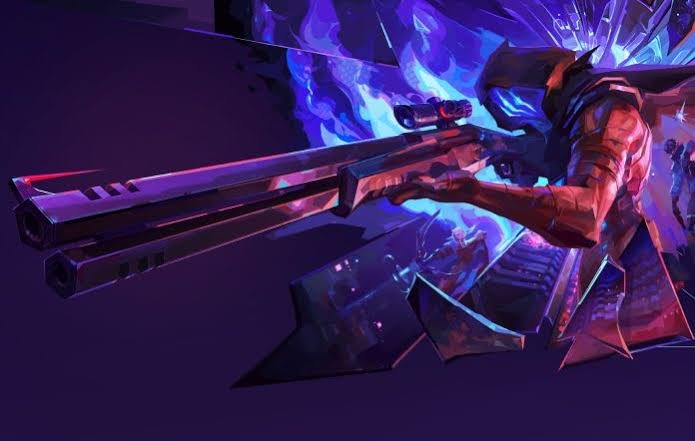
Valorant, developed and published by Riot Games, has maintained a massive global presence as one of the premier first-person shooter titles in the industry. Since its initial release in 2020, the tactical shooter has drawn millions of active players through a careful blend of precise gunplay and character-specific abilities. At the same time, the game’s expansive esports ecosystem and consistent platform expansion into consoles have broadened its appeal. However, as the competitive stakes have grown, Valorant has continually grappled with the persistent challenge of game cheats and unauthorized third-party software.
How Competitive Rank Grinds and Tournament Stakes Drive Cheat Demand
The intense competitive structure of Valorant creates high-stakes environments that frequently tempt malicious actors to seek unfair shortcuts. Players are constantly evaluated through rigorous rank tiers and leaderboards, where higher placement translates to prestige and opportunities within organized tournaments like the Valorant Champions Tour. Because the reward for reaching top tiers is so significant, a lucrative underground black market has emerged around software hacks and hardware modifications. Sellers market these unauthorized tools directly to players who are frustrated by the steep learning curve or desperate to climb the competitive ladder without putting in the necessary practice.
DMA Cards, HWID Spoofers, and the Technical Evolution of Hacks
Modern Valorant cheats have evolved far beyond simple overlays, utilizing sophisticated hardware and software methods to bypass basic detection vectors. While classic hacks such as aimbots and wallhacks remain common in concept, their execution now frequently involves advanced techniques like Direct Memory Access (DMA) cards and hardware ID spoofers. These modern tools allow cheaters to read game memory on separate physical hardware or mask their machine signatures after receiving a ban. In addition to PC software exploits, the expansion of Valorant onto gaming consoles has introduced new security discussions regarding hardware-based input spoofers and controller mapping devices.
| Cheat Category | Primary Function | Detection Complexity |
|---|---|---|
| Aimbots | Automatically locks crosshairs onto enemy hitboxes | Moderate to High |
| Wallhacks & ESP | Displays player positions and equipment through solid obstacles | High |
| DMA Hardware Cards | Reads game memory via external PCI-e cards to evade software detection | Very High |
| HWID Spoofers | Masks machine identification parameters after hardware bans | Moderate |
Kernel-Level Monitoring and Vanguard Detection Mechanics
Riot Games combats these sophisticated threats by deploying Vanguard, a proprietary kernel-level anti-cheat system that monitors system integrity from the moment the PC boots up. Vanguard operates at the deepest level of the operating system to intercept unauthorized kernel drivers and prevent malicious code from interacting with game files. While this aggressive approach has sparked privacy discussions within the gaming community, it remains one of the industry’s most active defenses against automated hacks. Alongside kernel-level screening, Riot Games relies on community reporting tools, automated behavior analysis, and regular ban waves to remove rule-breakers from the active player pool.
Account Resets, Hardware Bans, and Professional Disqualifications
Players who choose to utilize unauthorized modifications face severe and permanent consequences that dismantle their investment in the ecosystem. Riot Games enforces a strict zero-tolerance policy that results in permanent account bans for confirmed cheaters, causing individuals to lose access to all unlocked characters, competitive ranks, and purchased cosmetic weapon skins. Furthermore, hardware-level bans ensure that the offending machine itself is blocked from accessing the game, requiring significant hardware replacement for the user to ever play again. Beyond technical penalties, professional competitors caught using unauthorized software face career-ending bans and the complete loss of team sponsorships.
For broader context on how hardware security and anti-cheat measures have evolved across the digital landscape, enthusiasts often look into gaming trends of recent years to understand where online multiplayer protection is heading.
Frequently Asked Questions About Valorant and Cheating
What is Riot Vanguard and why does it run at the kernel level?
Riot Vanguard is Valorant’s dedicated anti-cheat software that runs at the kernel level to catch sophisticated tampering before the game even launches. This deep system access is necessary because modern cheat software also operates at the kernel level to hide from traditional application-tier scanners.
Can I get permanently banned for using cheats in Valorant?
Yes, Riot Games enforces an immediate and permanent account ban for anyone caught using unauthorized third-party software or hardware exploits. These bans are rarely overturned once verified by the security team.
What is an HWID ban?
A hardware ID ban blocks specific physical components of a computer rather than just the user account, preventing cheaters from simply creating a new free account to resume cheating. Hardware-level restrictions have become standard practice across major competitive multiplayer titles.
How can I report a suspected cheater in Valorant?
Players can report suspicious behavior during a match by pressing the Esc key, clicking on the offending player’s name, and selecting the report option with the relevant category. Post-match reporting is also available through the career match history tab.
Do console versions of Valorant have cheating problems?
While closed console environments reduce certain software-based PC exploits, console versions still face challenges related to unauthorized input devices, hardware adapters, and controller manipulation.
Does Riot Games offer compensation if I play against a cheater?
When Vanguard or manual reviews detect a cheater and issue a ban during a match, the game is typically terminated immediately with a matched rollback feature that adjusts competitive rating changes for affected players.
Disclaimer: Gaming security landscapes, anti-cheat policies, and software mechanisms evolve rapidly. Players should always verify official game guidelines and security updates directly through Riot Games communication channels.

Passionate content writer and savvy blog publisher, Aamir crafts compelling stories and insightful articles that captivate and inform. With a knack for blending creativity and strategy, they bring fresh perspectives to every piece. Dive into their world of words and discover content that resonates.


