

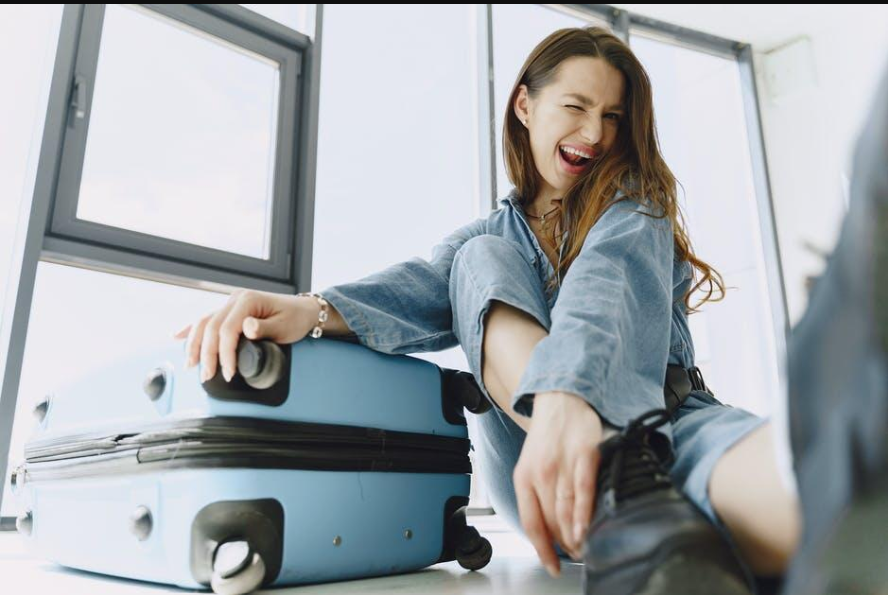
Planning a family weekend trip is an exciting milestone that often comes with logistical headaches, especially when you realize how much gear multiple generations require. When preparing for your next short getaway, establishing a clear bag management strategy makes all the difference in keeping your sanity intact. A well-thought-out family weekend trip packing list helps you delegate responsibility, prevents last-minute car trunk overflows, and ensures that the distinct needs of adults, school-aged children, and toddlers are met without hauling unnecessary clutter.
Assigning Bags by Age and Role: The Family Bag Strategy
Assigning individual bags by age group prevents chaos and teaches children basic travel independence.
Instead of tossing every clothing item into one massive communal suitcase, veteran travelers recommend using a decentralized bag strategy. Parents should manage a single medium duffel bag containing shared clothing items and heavy toiletries, while older children can handle their own lightweight backpacks containing personal entertainment and clothes. Designating a specific utility bag for emergency items ensures that diapers, wipes, and first-aid supplies are never buried beneath vacation souvenirs.
Administrative Essentials and Digital Backup Records
Administrative essentials and digital backup records must be secured before packing any physical clothing.
Physical IDs, health insurance cards, and printed hotel reservation confirmations form the bedrock of a smooth travel day. However, relying solely on paper copies invites disaster if a bag is misplaced during transit. Savvy families save encrypted digital copies of passports, driver’s licenses, and reservation barcodes to a secure cloud folder that every adult family member can access instantly from their smartphone.
Adaptive Wardrobe Planning for Unpredictable Weather
Adaptive wardrobe planning relies on interchangeable layers rather than packing separate outfits for every hypothetical weather shift.
Weather forecasts during short weekend trips can pivot unexpectedly from humid warmth to chilly evening downpours. Sticking to a unified color palette for tops and bottoms allows family members to mix and match items freely, cutting overall packing volume in half. Pack lightweight moisture-wicking shirts for daytime exploration, breathable fleece sweaters for nighttime walks, and compact rain jackets that compress into small pouches.
Footwear Management for Diverse Itineraries
Footwear management requires balancing active exploration needs with comfortable lounge shoes for downtime.
Footwear is notoriously heavy and takes up valuable luggage space, making careful curation mandatory for every family member. Limit every traveler to two essential pairs: supportive sneakers for high-mileage walking tours and casual slip-on shoes for resting at the accommodation. If your weekend escape involves outdoor adventures or exploring nature reserves, consider packing sturdy hiking boots or waterproof sandals. To help balance active outdoor exploration with restorative downtime across your itinerary, you can review tips for balancing excitement and rest during trips so that your family avoids burnout.
Health, Sanitation, and First-Aid Readiness
Health, sanitation, and first-aid readiness protect your family from minor medical disruptions while far from home.
Basic personal care items like toothbrushes, shampoo, and toothpaste should be stored in clear plastic leak-proof pouches. Alongside daily hygiene supplies, assemble a dedicated family health kit containing prescription medications, children’s fever reducers, adhesive bandages, and antiseptic wipes. Keeping these medical essentials in an easily accessible front pocket of your main daypack ensures you can treat scraped knees or sudden headaches instantly without rummaging through trunk luggage.
Vehicle Cabin Organization and Transit Snacks
Vehicle cabin organization and pre-planned transit snacks keep children calm and prevent meltdowns during long driving stretches.
Long hours in a car or airplane cabin test the patience of even the calmest children. Pack individual snack boxes filled with mess-free, non-perishable foods like pretzels, rice cakes, and dried fruit to keep hunger at bay between rest stops. Supplement these snacks with offline entertainment options, such as audiobooks, coloring books, and pre-downloaded tablet movies. To plan your vehicle space efficiently when carrying bulky luggage and travel gear, you might also look at enhancing family road trips with a spacious vehicle to make long drives much easier on everyone.
Frequently Asked Questions
How many outfits should I pack for a weekend trip?
Plan for two daytime outfits per person, plus one extra backup outfit per child to account for spills, mud, and unexpected messes.
Should young children carry their own luggage?
Yes, giving toddlers and young children a small personal backpack for their favorite plush toy and snacks encourages independence and lightens the parental load.
What is the best way to pack toiletries to prevent luggage leaks?
Place all liquid soap and lotion containers inside clear, sealable plastic bags to protect clothing if cabin pressure changes cause bottles to leak.
How can I avoid overpacking clothes for a short getaway?
Stick strictly to a unified color palette so that tops and bottoms coordinate effortlessly across multiple days of wear.
What food items work best for travel days?
Choose mess-free, protein-rich snacks like nuts, granola bars, and whole grain crackers that do not require refrigeration or complex cleanup.
How should prescription medications be stored during transit?
Keep all daily prescription medications in an easily accessible pouch inside your main handbag or daypack rather than burying them in trunk luggage.
Disclaimer
Travel requirements and family packing needs vary widely depending on your destination, local weather forecasts, and the specific activities you have planned. Readers should verify final operational details, venue activity guidelines, and packing restrictions from official sources before departure.


