

Accidents happen when we least expect them, and complex roadway crossings can be particularly tricky spots where multi-vehicle collisions frequently occur. Whether you are an experienced driver who has spent decades behind the wheel or someone who just earned your license, knowing what to do after an intersection accident can make all the difference in protecting your health and legal rights.
Navigating the chaotic moments right after a crash at a multi-lane junction requires understanding how right-of-way rules and traffic signal disputes shape your liability.
Put Safety First and Clear Active Intersection Lanes
Putting safety first means checking yourself and your passengers for injuries while looking out for ongoing cross-traffic hazards before you attempt to move any vehicle out of harm’s way.
The first priority after a collision at a busy junction is to stay as calm as possible despite the initial shock of cross-traffic bearing down on you. Take a brief moment to evaluate the physical condition of everyone inside your cabin. If anyone is bleeding, complaining of severe pain, or unresponsive, do not try to move them unless there is an immediate fire hazard or risk of another strike. If vehicles are still blocking active traffic signals and can be safely operated, carefully nudge them onto the shoulder or a nearby parking lot to prevent secondary pileups.
Call 911 for Police Documentation at Controlled Crossings
Calling emergency services immediately ensures that police officers arrive to document traffic signal states and create an objective official report.
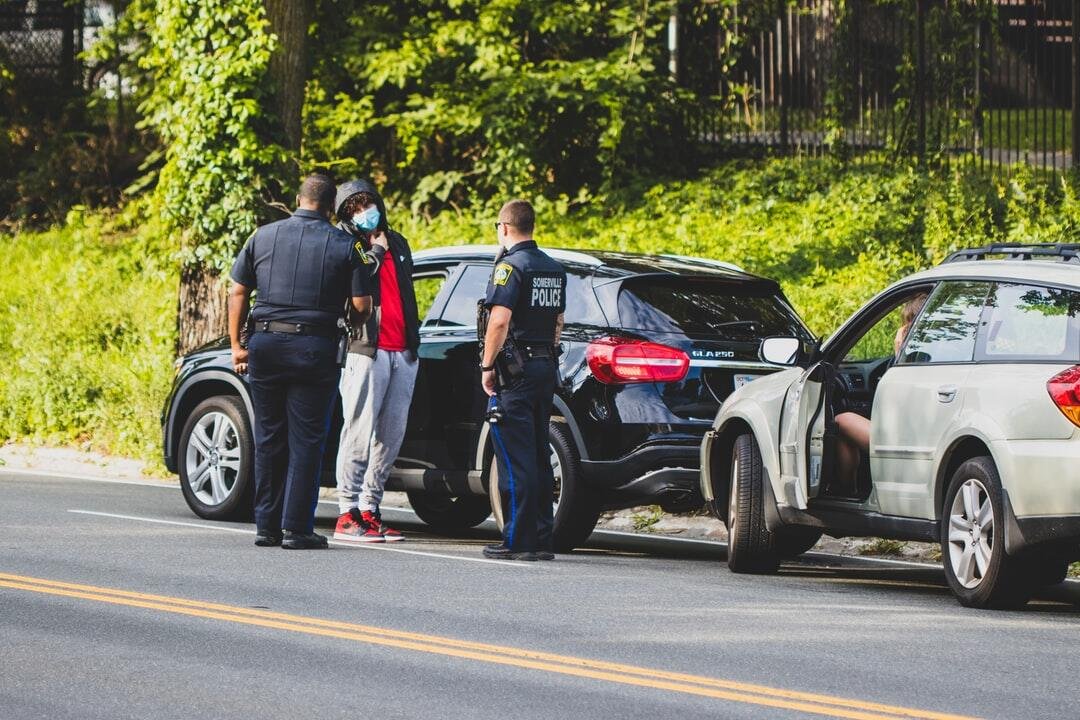
Even if the collision feels minor or property damage appears minimal, dispatching law enforcement is a critical protective measure at controlled intersections. Police officers interview all drivers and witnesses, examine tire marks, and specifically note whether traffic lights were red, green, or malfunctioning. This formal documentation serves as vital evidence later when opposing insurance adjusters try to assign liability for left turns or red-light violations. When the officers arrive, state the facts clearly and plainly without guessing about fault or apologizing, as offhand remarks can be twisted later.
Document Traffic Signals, Road Layouts, and Digital Evidence
Documenting the physical scene thoroughly with your smartphone creates an immutable digital record of intersection geometry, vehicle damage, and signal cycles.
Thorough accident documentation is crucial for handling complex insurance claims where right-of-way is disputed. Take wide-angle photographs showing the overall intersection layout, street sign placements, lane markings, and the exact final resting positions of all cars involved. Snap close-ups of dented panels, smashed glass, and skid marks leading up to the impact point. If your vehicle or another car is equipped with a dashcam, make sure to save the video clip immediately before it automatically overwrites. Furthermore, note if nearby commercial storefronts or municipal traffic cameras point directly at the crossing.
Exchange Information Without Admitting Fault on Left Turns
Exchanging contact details and insurance credentials politely while avoiding any statements about signal timing or turning rules protects your legal standing.
Gather the full names, phone numbers, home addresses, insurance carrier names, policy numbers, and license plate numbers of every driver involved. If passengers are present in other vehicles, note their details as well. When talking to other motorists or bystanders, stick strictly to the exchange of required information. Never say phrases like “I didn’t see the yellow light” or “I thought I had an unprotected left turn arrow,” because insurance companies treat those polite remarks as formal admissions of guilt, even if visibility was obscured by weather.
Seek Medical Evaluation for Delayed Intersection Trauma
Seeking prompt medical evaluation is necessary because high-impact angle crashes frequently cause delayed soft-tissue and concussive injuries that mask pain for hours.
Many drivers feel completely unhurt right after a junction collision due to a surge of adrenaline, only to wake up the next morning with severe whiplash, neck stiffness, or traumatic brain injury symptoms. Visiting an emergency room, urgent care clinic, or your primary physician right away establishes a clear medical paper trail connecting your symptoms directly to the collision. Insurance adjusters routinely deny medical compensation if there is a gap of several days between the incident date and your first doctor visit, arguing that your injuries happened elsewhere.
Notify Your Insurance Provider and Protect Your Liability Claim
Notifying your insurance provider promptly with honest, straightforward facts keeps your policy compliant and starts the vehicle repair process.
Contact your insurance company as soon as you reach a safe location to report that a collision occurred at the intersection. Provide the police report number, date, time, and photo evidence you gathered. Be truthful about what happened, but stick strictly to verifiable facts rather than speculation about vehicle speeds or amber light durations. For more details on evaluating professional legal counsel when insurance disputes arise, you can review important considerations for hiring legal counsel to help clarify your options.
When and Why to Consult a Car Accident Attorney
Consulting a specialized attorney becomes essential when intersection liability is contested by conflicting driver statements or uncooperative insurance adjusters.
Intersection crashes often lead to stubborn finger-pointing, with both motorists claiming they had the green light or right-of-way. If the opposing insurer attempts to pin the blame on you unjustly, or if your medical bills are piling up rapidly, legal representation levels the playing field. An experienced advocate handles aggressive adjusters, subpoenas traffic camera footage, and fights for fair compensation covering medical expenses, lost wages, and vehicle replacement costs.
Frequently Asked Questions
Who is usually at fault in an intersection accident?
Fault typically depends on right-of-way rules, traffic signals, and turning regulations. Drivers making left turns or running red lights are frequently assigned the majority of liability.
Should I call the police for a minor fender bender?
Yes, calling the police is always recommended because an official report provides objective proof of the incident, which prevents conflicting stories with insurance companies later.
What if the other driver begs me not to call the police?
You should decline that request and contact authorities anyway. Bypassing police documentation often leads to uninsured drivers fleeing or changing their story once they leave the scene.
How long do I have to file an insurance claim after a crash?
Reporting deadlines vary by insurance policy and state law, but it is always best to notify your insurer within twenty-four hours of the incident.
What if there are no witnesses to the intersection crash?
If independent witnesses are absent, photographic evidence, skid marks, vehicle damage patterns, and nearby traffic or security cameras become vital tools for proving your case.
Is it okay to admit partial fault to the other driver?
No, never admit fault or apologize at the scene. Liability determinations require a full investigation of traffic signals, road signs, and witness statements.
Disclaimer: This article is for informational purposes only and does not constitute legal or medical advice. Traffic laws, insurance regulations, and reporting requirements vary by jurisdiction, so always verify final guidelines with official local authorities or qualified professionals.


