
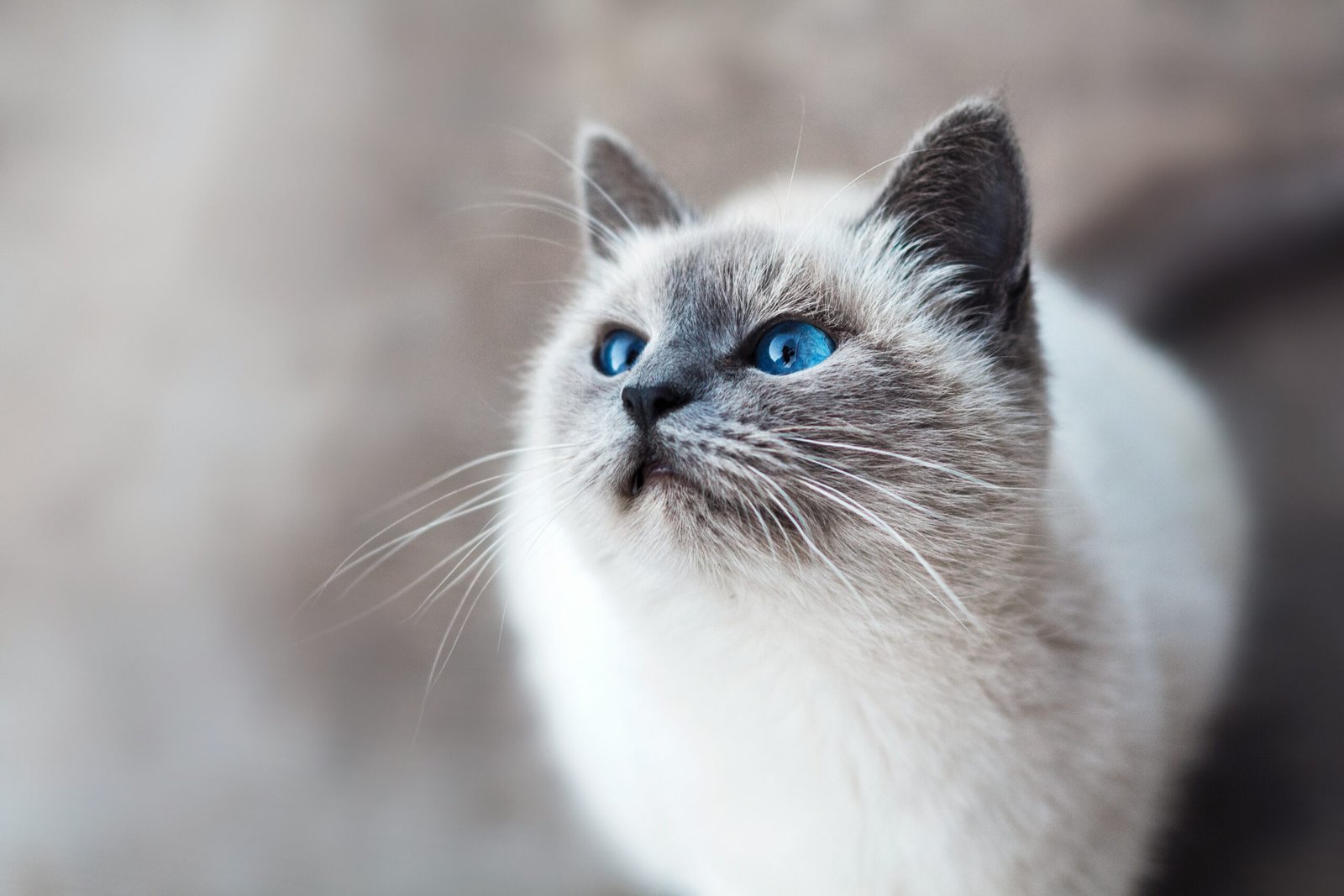
Photo by Mikhail Vasilyev on Unsplash
Living with a feline companion often means navigating subtle behavioral shifts, from mysterious hiding habits during thunderstorms to stiffness when your senior cat tries to jump onto the windowsill. Because cats hide discomfort so well, owners constantly search for gentle, reliable ways to support everyday ease and mental calm. Plant-derived wellness supplements have stepped into the spotlight, leading many households to explore hemp extracts for their pets.
Understanding why these formulations attract so many cat owners requires looking closely at what makes feline biology unique. This guide breaks down the science of hemp compounds, how felines process plant extracts, and what you must verify before sharing any supplement with your pet.
Decoding Cannabidiol and Hemp Botany for Cats
Cannabidiol, commonly known as CBD, is a naturally occurring phytocannabinoid extracted specifically from the industrial hemp plant rather than from recreational cannabis strains.
It exists alongside more than a hundred distinct chemical cousins inside the Cannabis sativa plant family. Unlike tetrahydrocannabinol, which produces psychoactive intoxication in humans, cannabidiol interacts with the body without altering cognitive function or creating an intoxicating high.
Legally compliant hemp extracts must maintain strict chemical profiles, specifically containing federally mandated limits of tetrahydrocannabinol below 0.3%. This minuscule percentage ensures that properly formulated pet items lack the intoxicating elements that make cannabis dangerous or distressing for household animals.
The Feline Endocannabinoid Network Explained
Every cat possesses an intricate internal signaling network known as the endocannabinoid system, which helps govern multiple everyday biological rhythms.
Specialized cellular receptors span across the central nervous system, digestive tract, and immune cells to maintain internal stability when external conditions change. Think of this internal network as a master regulatory switchboard that keeps physiological functions operating smoothly.
When plant-based cannabinoids enter the body, they gently interface with these native receptors rather than overriding natural chemical production. This subtle biological interaction explains why researchers and veterinarians study phytocannabinoids as supportive tools for maintaining daily vitality and comfort in aging or sensitive animals.
Understanding Veterinary Insights and Research Progress
Clinical veterinary research into cannabinoid supplements has expanded steadily, though feline-specific studies remain smaller in scale than canine investigations.
While early veterinary literature concentrated heavily on dogs with joint degeneration, recent pharmacokinetic evaluations in felines provide essential data regarding absorption rates and liver metabolism. These scientific studies help veterinary professionals establish safer baseline guidelines for everyday household use.
Experienced clinicians frequently draw a clear line between anecdotal owner observations and verified clinical data. While countless households report that their cats appear visibly relaxed or move with greater fluidity after taking hemp extracts, individual responses vary dramatically. Ongoing veterinary trials continue exploring long-term safety profiles and potential interactions with standard prescription medications.
Common Wellness Goals That Inspire Pet Parents
Cat owners typically turn to hemp supplements when seeking natural ways to ease joint stiffness, soothe environmental anxiety, or encourage appetite in finicky eaters.
Because felines mask vulnerability until physical issues become advanced, owners value supportive options that promote everyday ease. While researchers continue mapping exact clinical pathways, many families notice positive behavioral adjustments in their pets.
Managing situational stress represents another major reason households test these formulations. Sudden environmental changes, multi-cat friction, or upcoming veterinary visits can trigger severe anxiety in sensitive cats. Providing a calming supplement helps take the sharpest edges off these stressful triggers, creating a much more peaceful living environment.
| Observed Goal | Targeted Feline Need | Important Monitoring Factor |
|---|---|---|
| Mobility Support | Senior joint stiffness and jumping hesitation | Combine with vet-guided physical management |
| Calming Aid | Loud noises, moving, or vet appointment stress | Evaluate alongside environmental adjustments |
| Appetite Support | Finicky eating habits or recovery phases | Track daily food intake and body weight |
Navigating Feline Safety and Product Standards
Feline physiology reacts uniquely to foreign substances, making product purity and safety non-negotiable priorities for every pet owner.
Always select formulations explicitly designed for pets, steering entirely clear of human-grade bottles that might feature toxic flavorings, artificial sweeteners, or essential oils like garlic and onion. Furthermore, exploring related resources such as our guide on keeping your pets safe and secure can offer additional perspective on comprehensive pet wellness strategies.
A dependable product must always feature accessible third-party laboratory testing via an independent Certificate of Analysis. This document verifies the exact concentration of cannabinoids while confirming that the finished extract is completely free from pesticide residues, heavy metals, and residual solvents. Prioritizing organically sourced hemp ensures your cat receives a clean, uncompromised nutritional supplement.
Frequently Asked Questions
Will hemp-derived CBD make my cat intoxicated?
No, high-quality pet CBD products contain negligible tetrahydrocannabinol levels under 0.3%, meaning they will not cause any high.
What is the best way to give oil to a fussy cat?
You can blend liquid droppers into strongly scented wet food or apply a measured drop directly onto a favorite treat.
Are there noticeable side effects to watch for?
Some cats may experience mild drowsiness, slight changes in appetite, or minor digestive softness if the starting dose is too high.
Can I share my own human CBD tincture with my cat?
Human products often feature high potencies and flavoring additives that are difficult to dose safely and may prove toxic to felines.
How quickly do hemp extracts take effect in cats?
Oral administration typically takes effect within thirty to sixty minutes, though ongoing wellness benefits build gradually with daily use.
Do I need veterinary approval before starting CBD?
While a prescription is unnecessary to purchase hemp items, consulting your veterinarian is essential to check for potential medication conflicts.
Disclaimer: This article is provided for informational and educational purposes only and does not substitute for professional veterinary advice. Always consult a licensed veterinarian before introducing any new supplement or altering your cat’s healthcare routine. Formulations and industry standards change over time, so verify all details directly through official manufacturer and veterinary sources.

Daniel J. Morgan is the founder of Invidiata Magazine, a premier publication showcasing luxury living, arts, and culture. With a passion for excellence, Daniel has established the magazine as a beacon of sophistication and refinement, captivating discerning audiences worldwide.


