

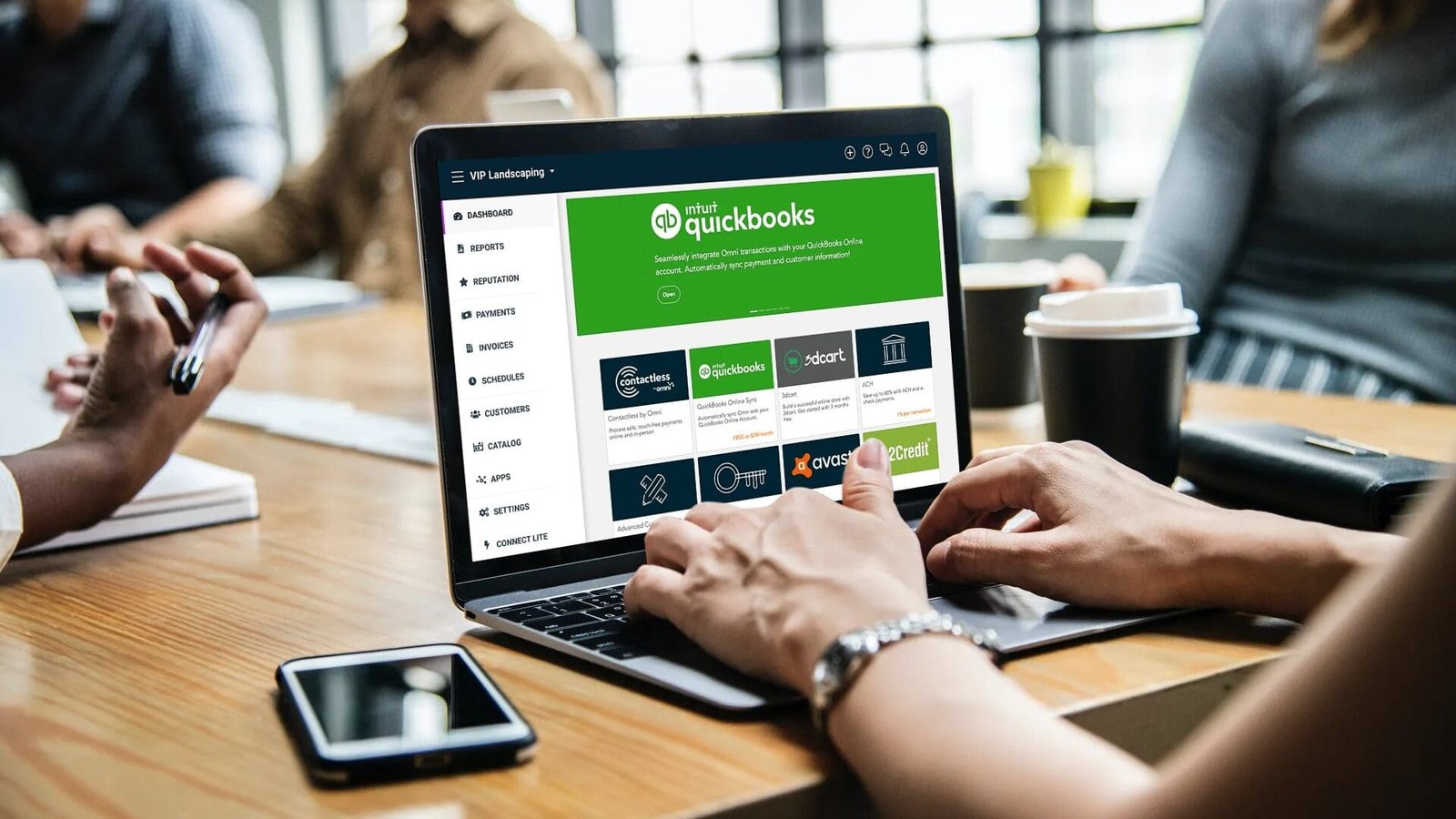
Effective bookkeeping is crucial for the success of any small business. To thrive in a competitive market, business owners need clear financial visibility, which means consistently tracking and managing their income and expenses. This financial clarity helps in making informed decisions that drive growth. Thankfully, manual bookkeeping is no longer the only option—automated tools like QuickBooks have revolutionized the process. Investing in professional QuickBooks bookkeeping services ensures that small businesses not only stay organized but also maximize the benefits of this powerful accounting software. For many entrepreneurs, small business accounting can be a challenging aspect of running their company. Let’s explore why these services are a smart investment for streamlining your financial management processes.
Overcoming DIY Ledger Overload With QuickBooks Specialists
Transitioning from managing software alone to utilizing professional QuickBooks oversight helps growing companies avoid costly administrative bottlenecks.
Many entrepreneurs start out handling their own accounts within QuickBooks, but as transaction volumes rise, DIY bookkeeping becomes a major drain on time and energy. Small business owners often find themselves staring at mismatched bank feeds, unassigned expense categories, and delayed customer invoices late into the evening. At this inflection point, what was once a manageable chore turns into a source of costly mistakes. Delegating these duties to professional QuickBooks bookkeeping services allows business owners to step away from repetitive data entry and focus entirely on core operations, client relationships, and revenue generation.
Core Financial Tasks Handled by Dedicated QuickBooks Bookkeepers
Professional QuickBooks bookkeeping services cover a comprehensive range of day-to-day financial workflows designed to keep company ledgers accurate and compliant.
When a small business hires a dedicated bookkeeper for QuickBooks, the scope of work extends far beyond basic data input. These services typically encompass daily income and expense tracking, recurring invoice management, accounts receivable follow-ups, and regular bank reconciliations. Furthermore, professional bookkeepers generate custom financial reports such as profit and loss statements, balance sheets, and cash flow projections. These organized reports give leadership a realistic view of financial health, supporting smarter budgeting and tax planning. To explore broader financial management options, you can read our guide on financial services solutions for small business operations.
Leveraging QuickBooks Online and Cloud Collaboration Features
Modern cloud-based bookkeeping transforms how teams collaborate on financial records by enabling secure, real-time access from anywhere.
The ongoing shift toward cloud technology means that QuickBooks Online dominates modern small business accounting. Unlike traditional desktop installations, QuickBooks Online lets business owners and their hired bookkeepers work within the same file simultaneously without emailing clumsy backup files back and forth. Cloud-native platforms also feature advanced bank-level data encryption, automated daily backups, and automated feed rules that drastically reduce manual keying errors. Professional bookkeepers leverage these cloud capabilities to spot cash flow discrepancies immediately rather than discovering them weeks later at month-end.
Achieving Tax Readiness and Long-Term Financial Security
Bringing in an experienced bookkeeper delivers tangible improvements in accuracy, time savings, and overall financial peace of mind.
Maintaining clean books throughout the year eliminates the annual scramble during tax season. When receipts are properly matched, vendor bills are recorded correctly, and payroll integrations run smoothly, filing taxes becomes a straightforward, low-stress procedure. Additionally, professional bookkeeping helps prevent costly compliance errors that can trigger audits or penalties. Business owners also gain strategic insights from clean historical data, making it easier to secure loans, attract investors, or evaluate expansion opportunities.
Evaluating ProAdvisor Credentials During Vendor Selection
Choosing the right professional requires evaluating specific software certifications, industry experience, and communication styles.
Not all bookkeepers have the same level of expertise with QuickBooks. Business owners should look for professionals who hold official QuickBooks ProAdvisor certifications, as this proves they have passed rigorous product exams and stay up-to-date with software updates. It is also wise to ask whether the candidate has experience specific to your industry, since retail, construction, and professional services have very different revenue recognition and inventory tracking needs. Finally, establish clear expectations regarding communication frequency, file access permissions, and monthly deliverable timelines before signing an agreement.
Summary of Strategic Value and Next Steps
Investing in professional QuickBooks bookkeeping services is a practical and strategic step for small businesses aiming to streamline their financial operations.
By moving away from time-consuming DIY accounting and letting certified professionals handle reconciliations, invoicing, and reporting, business owners protect their cash flow and regain valuable hours. While software tools provide the framework, human expertise ensures accuracy and strategic clarity. Evaluating your internal accounting workload today can help you determine the right moment to partner with a qualified bookkeeper and secure your company’s financial foundation.
Frequently Asked Questions About QuickBooks Bookkeeping
What is the difference between a bookkeeper and an accountant?
A bookkeeper focuses on day-to-day financial data recording, transaction categorization, and bank reconciliations, while an accountant typically uses those clean records to analyze financial health, perform tax planning, and file returns.
Do I need to buy my own QuickBooks subscription if I hire a bookkeeper?
Yes, most professional bookkeepers require the business owner to maintain their own QuickBooks subscription while granting the bookkeeper accountant-level access to the account.
How often should my QuickBooks accounts be reconciled?
Bank and credit card accounts should be reconciled at least once a month to catch unauthorized charges, missing receipts, and data entry errors quickly.
Can a QuickBooks bookkeeper help with payroll management?
Many professional bookkeepers are experienced with QuickBooks Payroll or third-party payroll integrations and can manage wage calculations, tax withholdings, and reporting.
How do I know when my small business is ready to hire a bookkeeper?
If you are spending more than a few hours every week wrestling with invoices and receipts, or if you feel anxious about tax season preparation, it is time to look for professional help.
Will hiring a bookkeeper give me better visibility into my cash flow?
Professional bookkeepers keep your ledgers current, allowing you to generate accurate profit and loss statements and cash flow forecasts whenever you need them.
Disclaimer: Accounting software features, tax regulations, and professional service rates are subject to change over time. Small business owners should verify specific financial, tax, and software requirements with a certified accounting professional before making operational decisions.

Daniel J. Morgan is the founder of Invidiata Magazine, a premier publication showcasing luxury living, arts, and culture. With a passion for excellence, Daniel has established the magazine as a beacon of sophistication and refinement, captivating discerning audiences worldwide.


